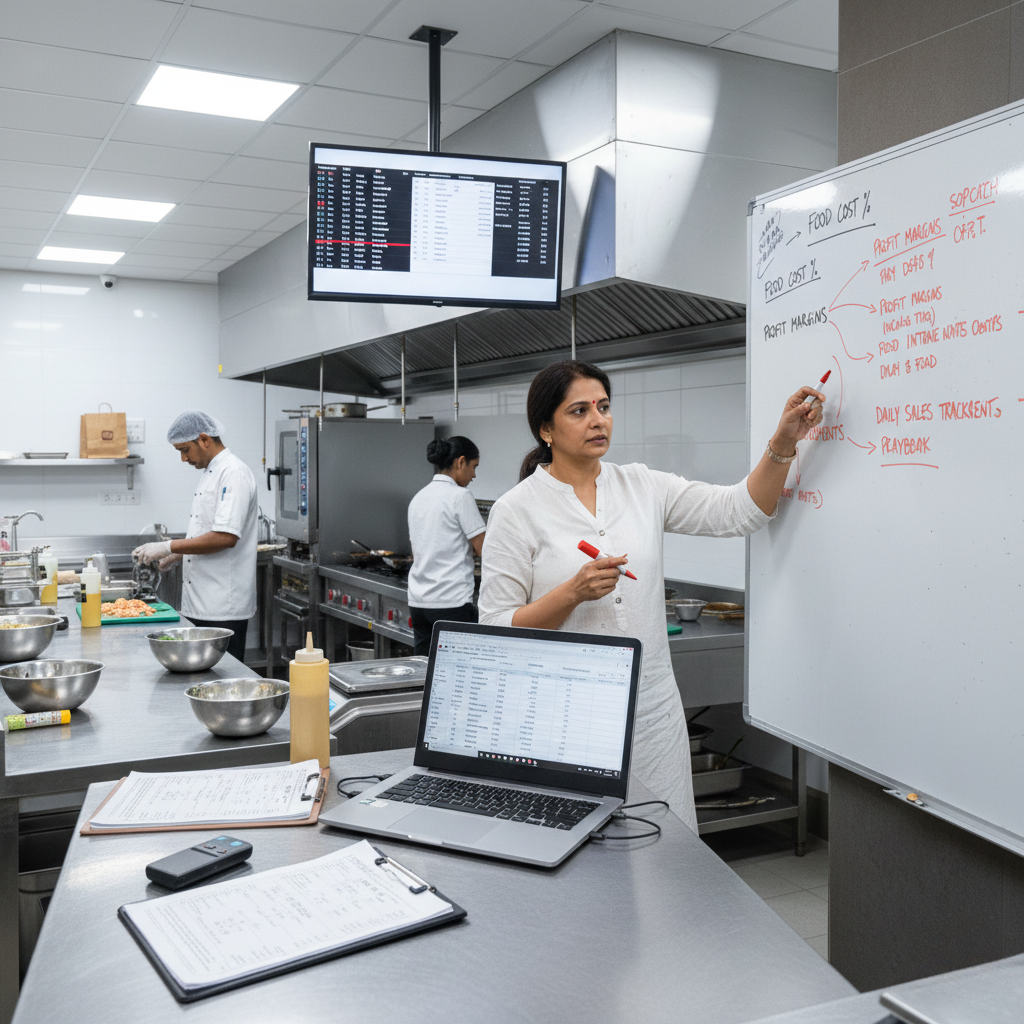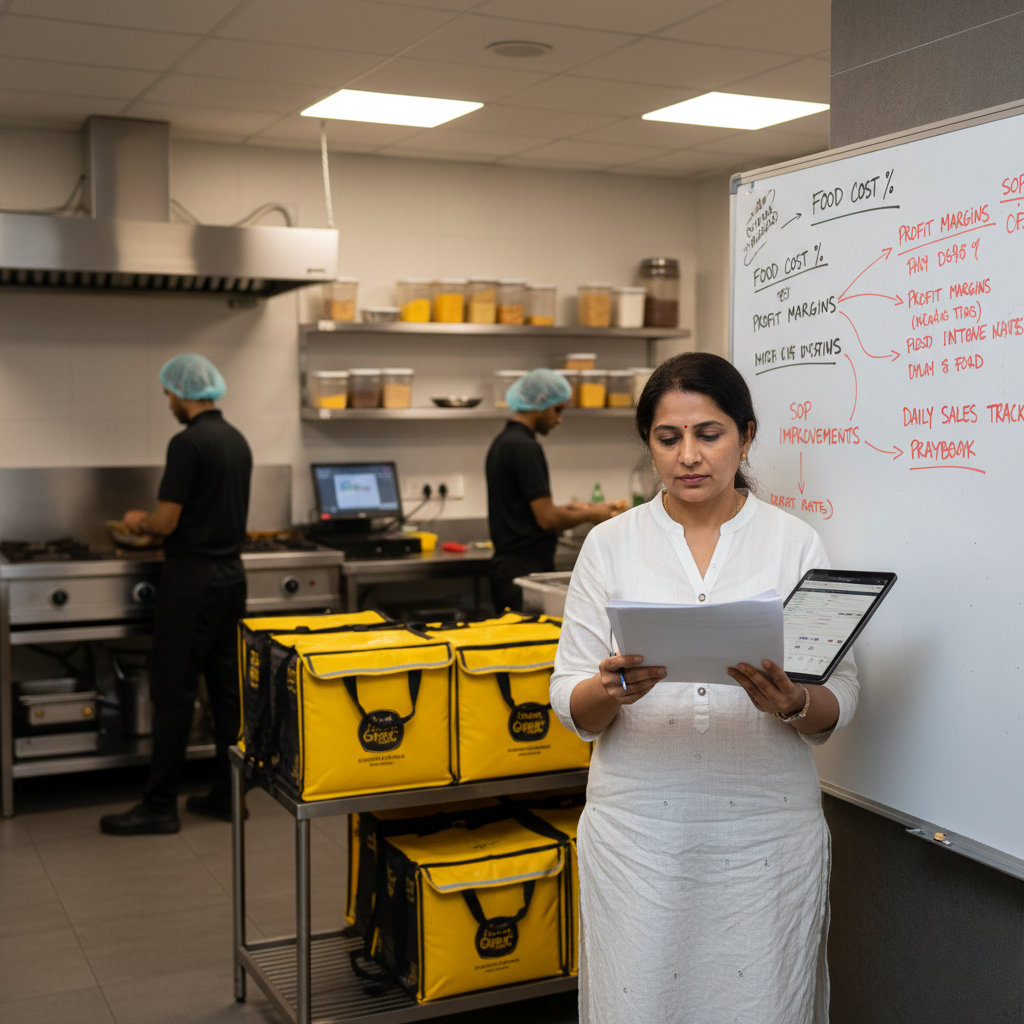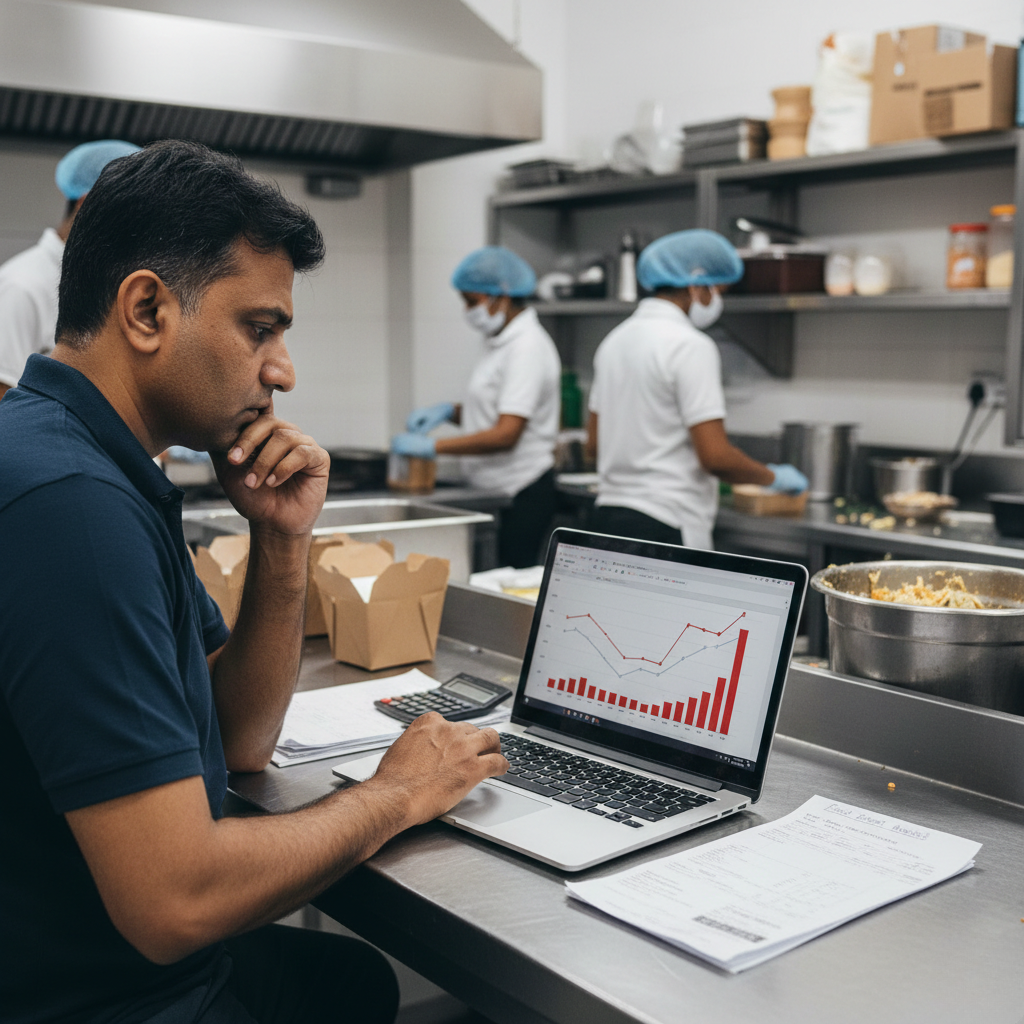
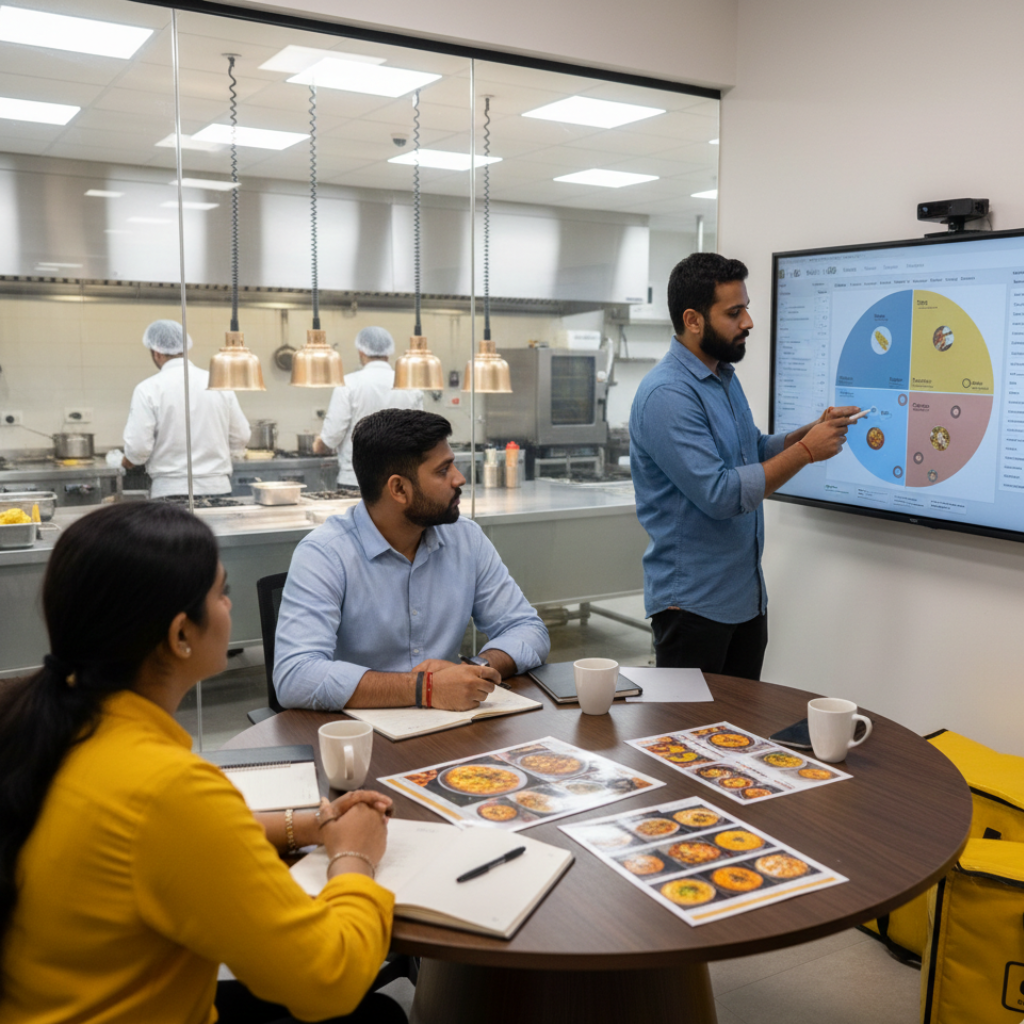
Cloud kitchen vs QSR model in India’s food service industry is evolving rapidly, driven by online food delivery, urban lifestyles, and changing consumer habits. Two models dominate this transformation: Cloud Kitchens and Quick Service Restaurants (QSR). Entrepreneurs often ask a critical question-which food business scales better in India in 2025? Cloud Kitchen Business in India
This guide compares Cloud Kitchen vs QSR Model across cost, scalability, profitability, risk, and future growth to help you choose the right model.
What Is a Cloud Kitchen Business Model?
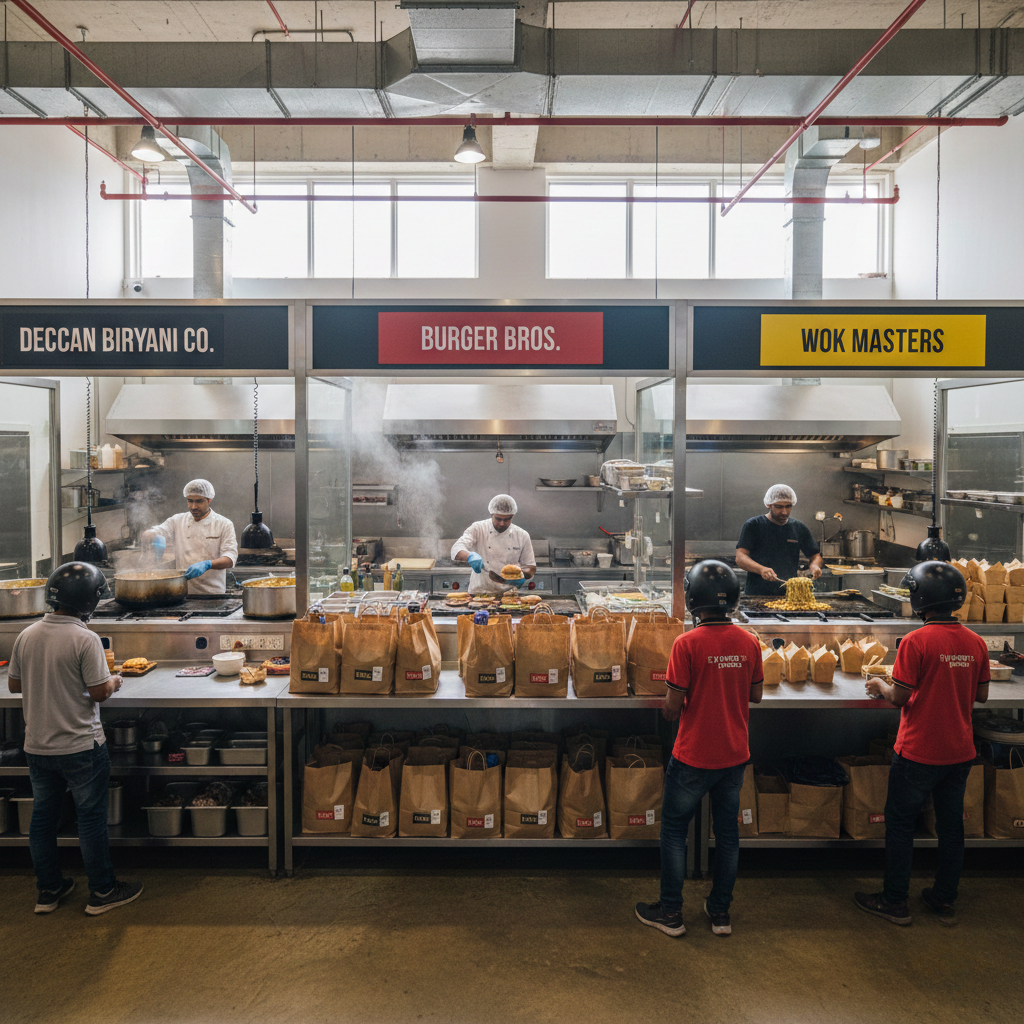
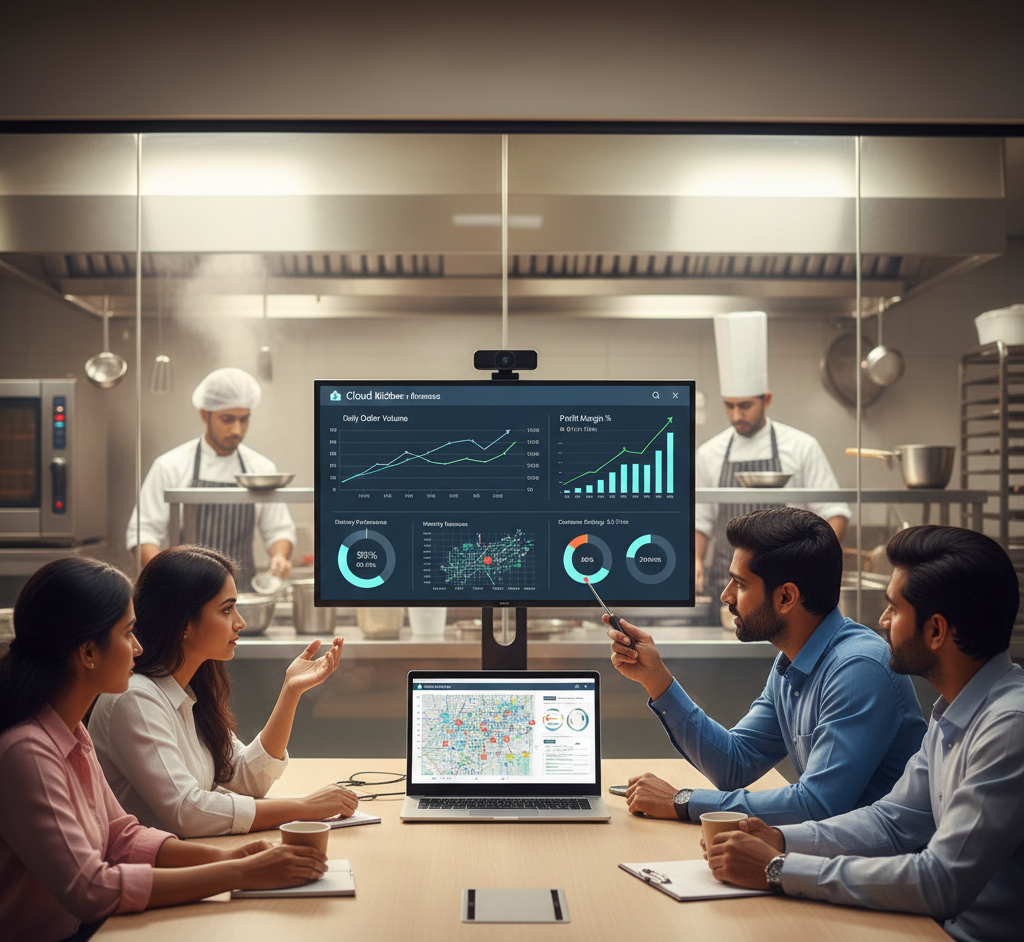
A cloud kitchen (also called a ghost kitchen or virtual kitchen) is a delivery-only food business with no dine-in facility. Orders are received through online platforms like Swiggy and Zomato or the brand’s own website.
Cloud kitchens focus entirely on food production, packaging, and fast delivery. With lower rents, minimal staff, and no front-end expenses, this model has gained massive popularity in Tier 1 and Tier 2 Indian cities.
Key Features of Cloud Kitchens
- Low startup and operational cost
- Delivery-first approach
- Multiple brands from one kitchen
- Easy to scale across locations
What Is the QSR (Quick Service Restaurant) Model?
A QSR is a physical restaurant format focused on fast food, standardized menus, and quick service. Popular QSR formats include burger chains, pizza outlets, fried chicken brands, and café chains.
QSRs rely on high footfall, brand recall, consistent taste, and customer experience. While many QSRs now offer delivery, their core strength remains physical presence.
Cloud Kitchen vs QSR: Cost Comparison
| Factor | Cloud Kitchen | QSR |
|---|---|---|
| Startup Cost | ₹5–15 lakhs | ₹25–60+ lakhs |
| Rent | Low (backend location) | High (prime location) |
| Staff Requirement | Minimal | High |
| Interior & Ambience | Not required | Mandatory |
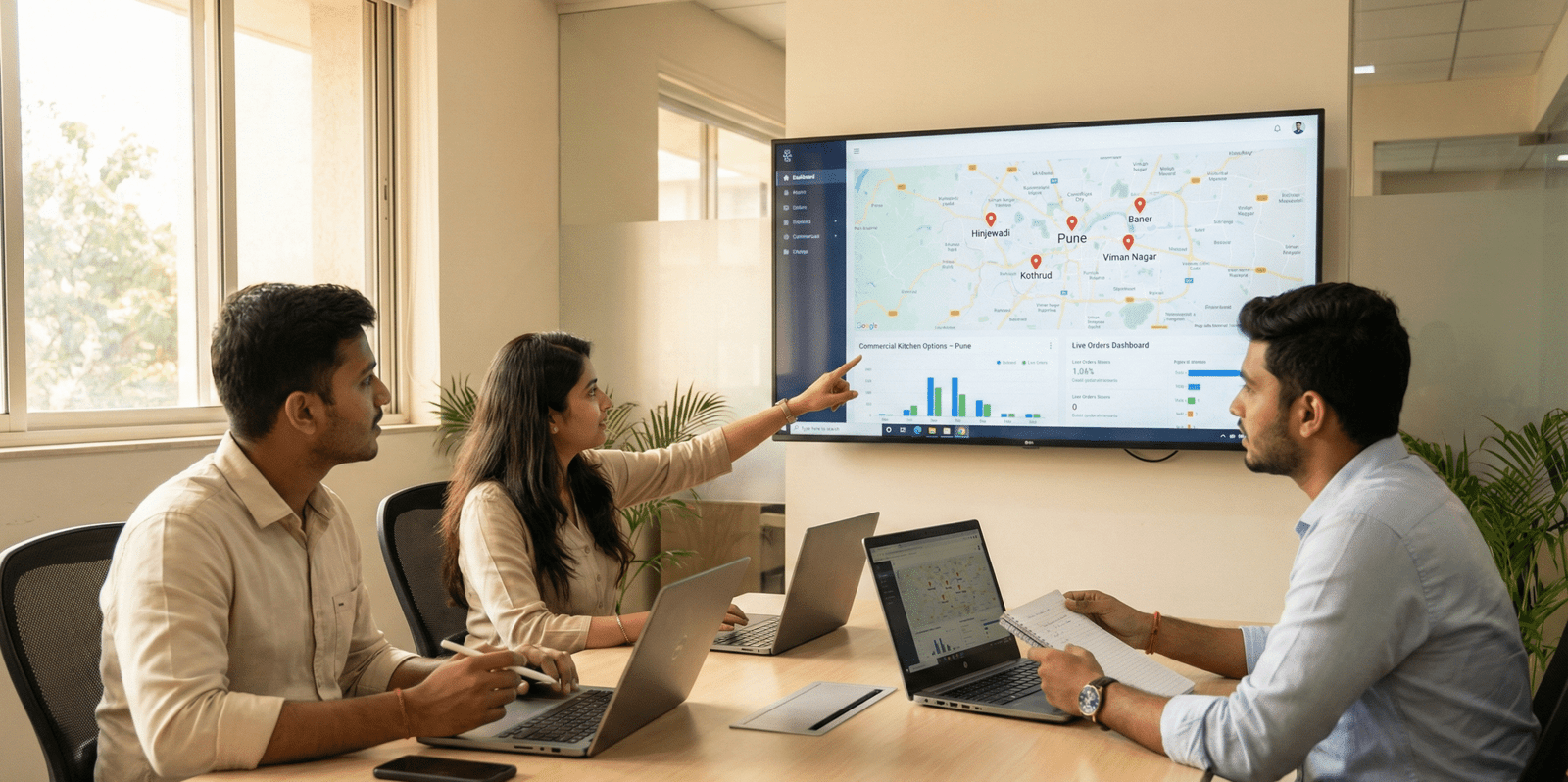
From a cost perspective, cloud kitchens are significantly more capital-efficient, making them ideal for first-time founders and bootstrapped startups.
Which Model Scales Better in India?
Scalability is where cloud kitchens clearly outperform QSRs. A cloud kitchen brand can launch multiple outlets across cities with lower investment and faster execution.
Why Cloud Kitchens Scale Faster
- Lower capex per new location
- Ability to test and shut brands quickly
- Centralized operations and supply chain
- Data-driven menu optimization
QSRs, on the other hand, scale slower due to real estate dependency, higher capital requirements, and longer break-even timelines.
Profitability Comparison
Cloud kitchens typically achieve break-even within 6–12 months, whereas QSRs may take 18–36 months depending on location and brand strength.
However, successful QSR brands often enjoy stronger long-term brand equity and higher lifetime customer value.
Risk & Operational Challenges
Cloud Kitchen Risks
- High dependency on delivery platforms
- Intense online competition
- Low brand visibility without marketing
QSR Risks
- High fixed costs
- Location sensitivity
- Staff management complexity
2025 Food Business Trends in India
In 2025, hybrid models are emerging where QSR brands operate cloud kitchens alongside physical stores. This allows brands to maximize reach while controlling costs.
According to industry reports, online food delivery penetration and demand for convenience-driven meals will continue to fuel cloud kitchen growth in India.
For updated market insights, you can refer to IBEF’s Indian Food Industry Report .
Final Verdict: Cloud Kitchen or QSR?
If your goal is fast scaling, lower risk, and capital efficiency, cloud kitchens are the clear winner in India in 2025.
If you aim to build a legacy brand with strong offline presence and have access to significant capital, QSRs still offer massive potential.
Frequently Asked Questions (FAQs)
Is a cloud kitchen more profitable than a QSR?
In most cases, yes. Cloud kitchens have lower costs and faster break-even, making them more profitable in the short to medium term.
Can a cloud kitchen scale nationally in India?
Yes. Many Indian brands are scaling pan-India using standardized recipes, centralized procurement, and multiple cloud kitchen outlets.
Which model is better for beginners?
Cloud kitchens are better for beginners due to lower investment, simpler operations, and reduced risk.
Do QSRs still have a future in India?
Absolutely. QSRs with strong branding and efficient operations continue to grow, especially in malls, highways, and urban hubs.
People Also Read
- Cloud Kitchen Business in India: Complete Guide
- Cloud Kitchen Setup Cost in India (2025)
- Is Cloud Kitchen Profitable in India?
- Own Brand vs Franchise Food Business in India
- Cloud Kitchen vs Franchise Model in India