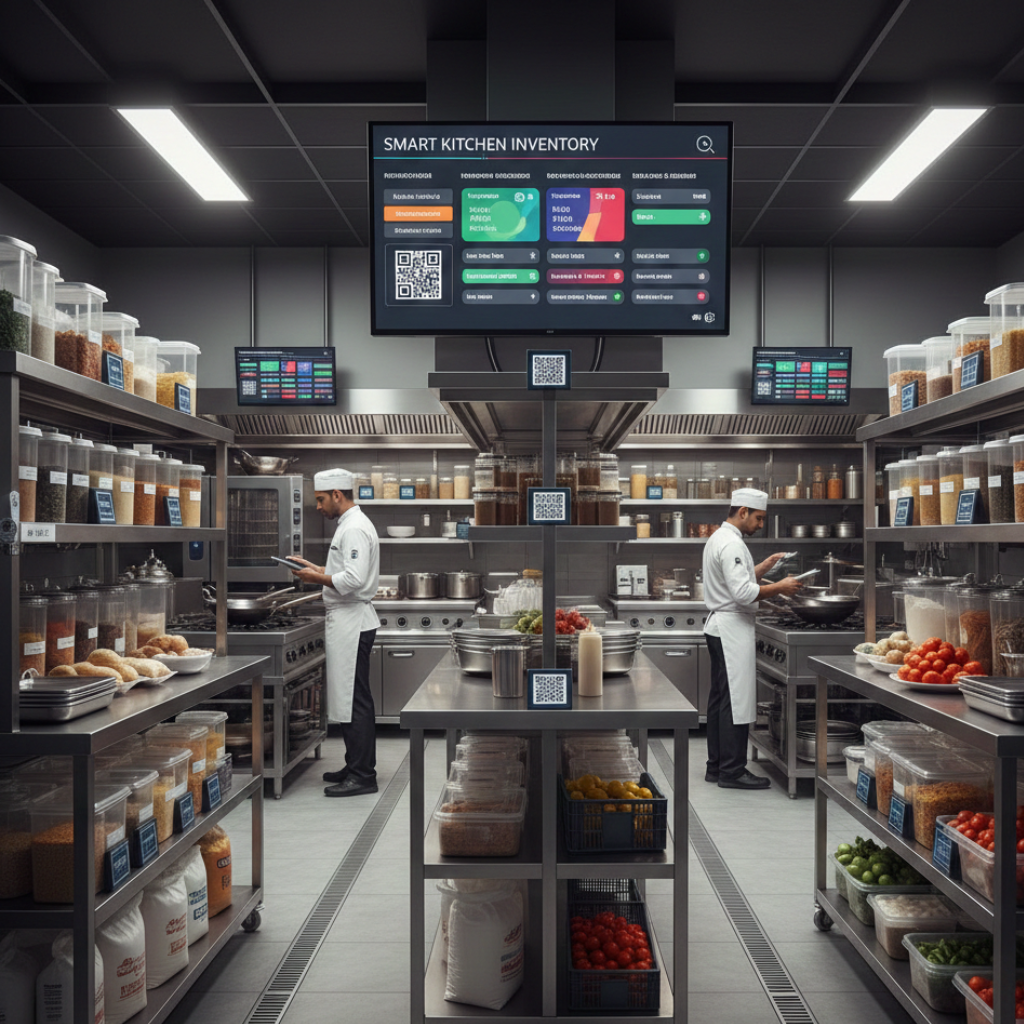
Cloud kitchen inventory management in India is one of the most overlooked systems that directly impacts profitability. Poor inventory control leads to food wastage, stockouts, inconsistent quality, and cash-flow issues. This guide explains how cloud kitchens can manage inventory efficiently to control costs, reduce wastage, and scale operations smoothly.
Why Inventory Management Is Critical for Cloud Kitchens
This article is part of GrowKitchen’s cloud kitchen operations and profitability series. To understand the business foundation, start with: Cloud Kitchen Business in India .
Most cloud kitchens depend on order data from Swiggy and Zomato to plan daily inventory usage.
What Is Cloud Kitchen Inventory Management?
Cloud kitchen inventory management is the process of tracking, controlling, and planning raw materials, semi-prepared items, packaging supplies, and consumables used in daily operations.
Unlike restaurants, cloud kitchens operate on tight margins and high order frequency. Even small inventory leakages can significantly impact monthly profitability.
Why Inventory Control Fails in Many Cloud Kitchens
Many cloud kitchens fail to control inventory because founders rely on estimation instead of data. Over-ordering leads to spoilage, while under-ordering causes stockouts and order cancellations.
Common issues include lack of daily tracking, no standardized recipes, and poor coordination between kitchen and procurement teams.
Types of Inventory in a Cloud Kitchen
- Raw ingredients (vegetables, meat, dairy, grains)
- Semi-prepared items (gravies, sauces, marination)
- Packaging materials (containers, bags, cutlery)
- Consumables (oil, spices, cleaning supplies)
Each category requires different control methods and reorder frequencies.
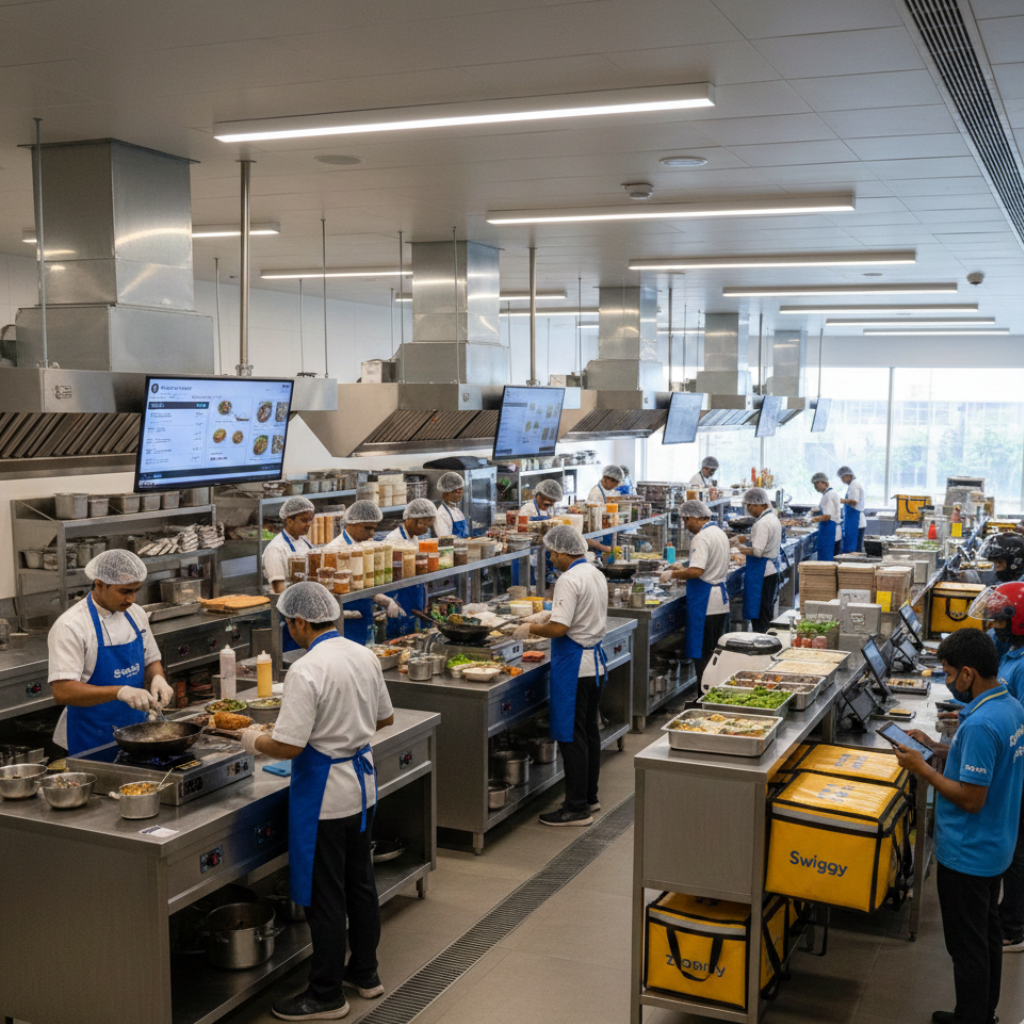
Daily Inventory Tracking: The Non-Negotiable Habit
Profitable cloud kitchens track inventory daily, not weekly or monthly. Opening stock, consumption, wastage, and closing stock must be recorded every day.
This daily discipline prevents unnoticed leakage and aligns inventory usage with actual sales volume.
How Inventory Management Controls Food Cost
Food cost is directly tied to inventory discipline. Without portion control and recipe standardization, inventory usage fluctuates unpredictably.
Strong inventory systems ensure food cost remains within target limits and margins are protected even during high-demand periods.
Role of SOPs in Inventory Control
Standard Operating Procedures (SOPs) define portion sizes, preparation quantities, storage methods, and wastage handling.
SOP-driven kitchens experience lower wastage and more predictable procurement: Cloud Kitchen SOP Checklist .
Inventory Management While Scaling Cloud Kitchens
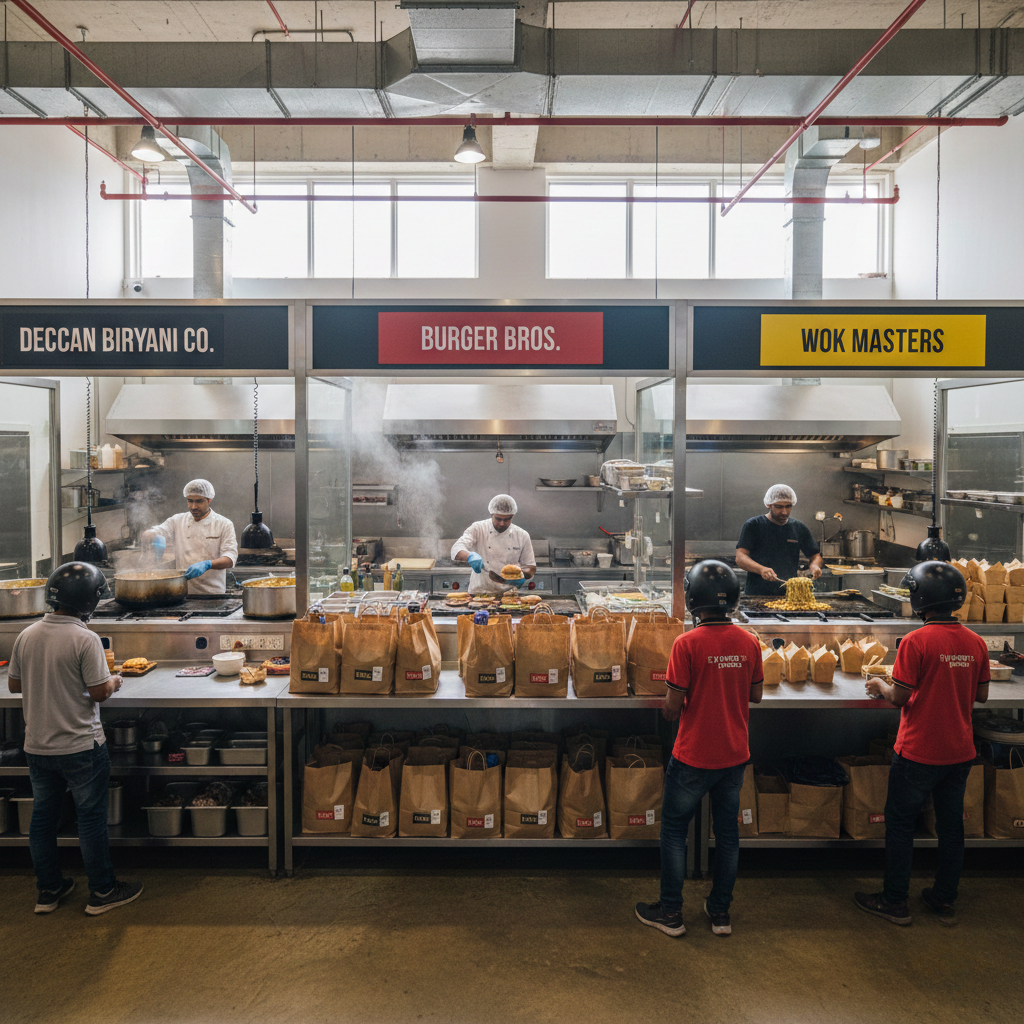
As cloud kitchens scale to multiple brands or locations, inventory complexity increases. Centralized procurement and standardized recipes become essential for consistency and cost control.
Kitchens that scale without inventory systems often see margins collapse despite higher sales.
Common Inventory Management Mistakes
The most common mistakes include bulk buying without demand forecasting, ignoring packaging inventory, and failing to record wastage.
Inventory discipline must be enforced daily, not only during audits.
Final Thoughts: Inventory Discipline Drives Profitability
Cloud kitchen inventory management in India is not about complex software, but about consistent daily practices.
Kitchens that control inventory control food cost, reduce wastage, and scale smoothly without margin shocks.
FAQs: Cloud Kitchen Inventory Management in India
What is inventory management in a cloud kitchen?
It is the process of tracking raw materials, semi-prepared items, and packaging supplies to control cost and prevent wastage.
Why is inventory management important for cloud kitchens?
Poor inventory control leads to food wastage, stockouts, inconsistent quality, and reduced profitability.
How often should cloud kitchens track inventory?
Inventory should be tracked daily, with opening stock, consumption, wastage, and closing stock recorded every day.
Can small cloud kitchens manage inventory without software?
Yes, many profitable kitchens use simple Excel or Google Sheets trackers updated daily.
How does inventory management help in scaling?
Strong inventory systems ensure consistent food quality, predictable costs, and smooth expansion across brands or locations.