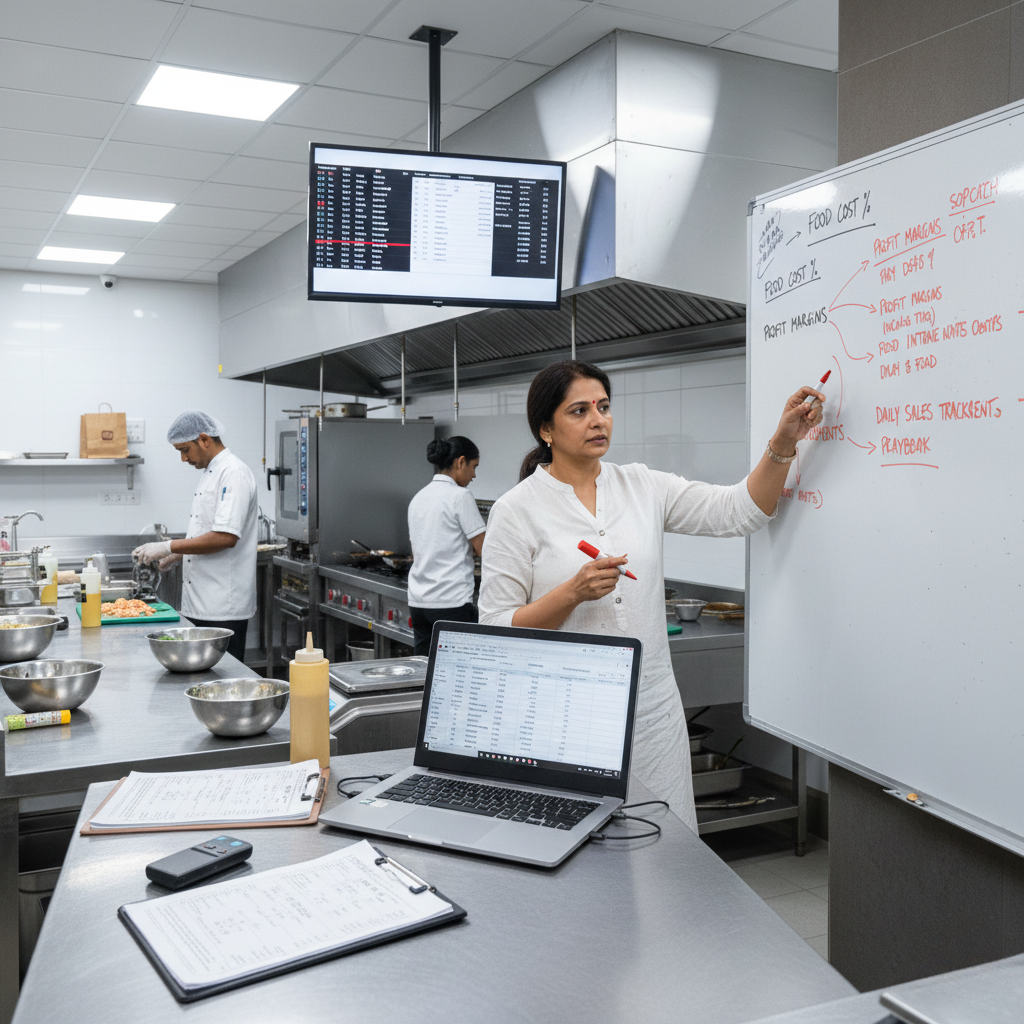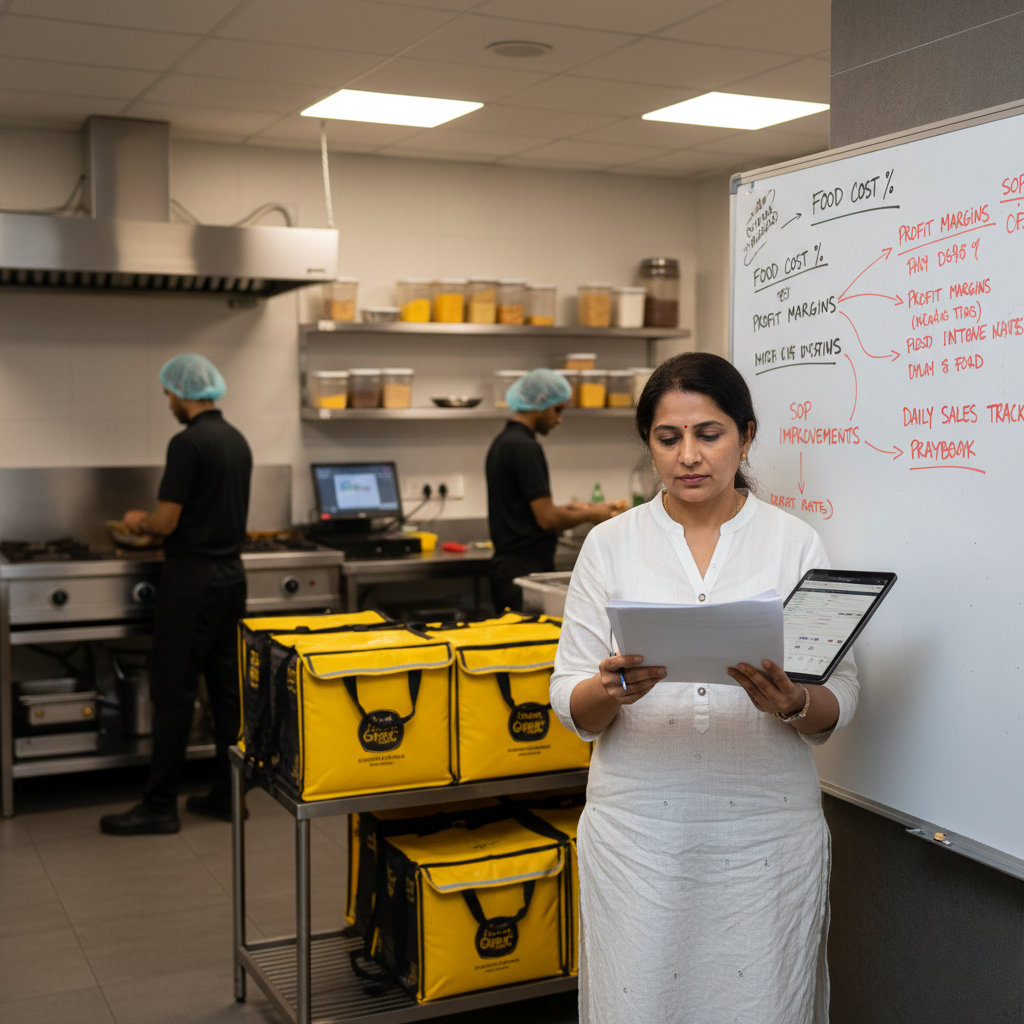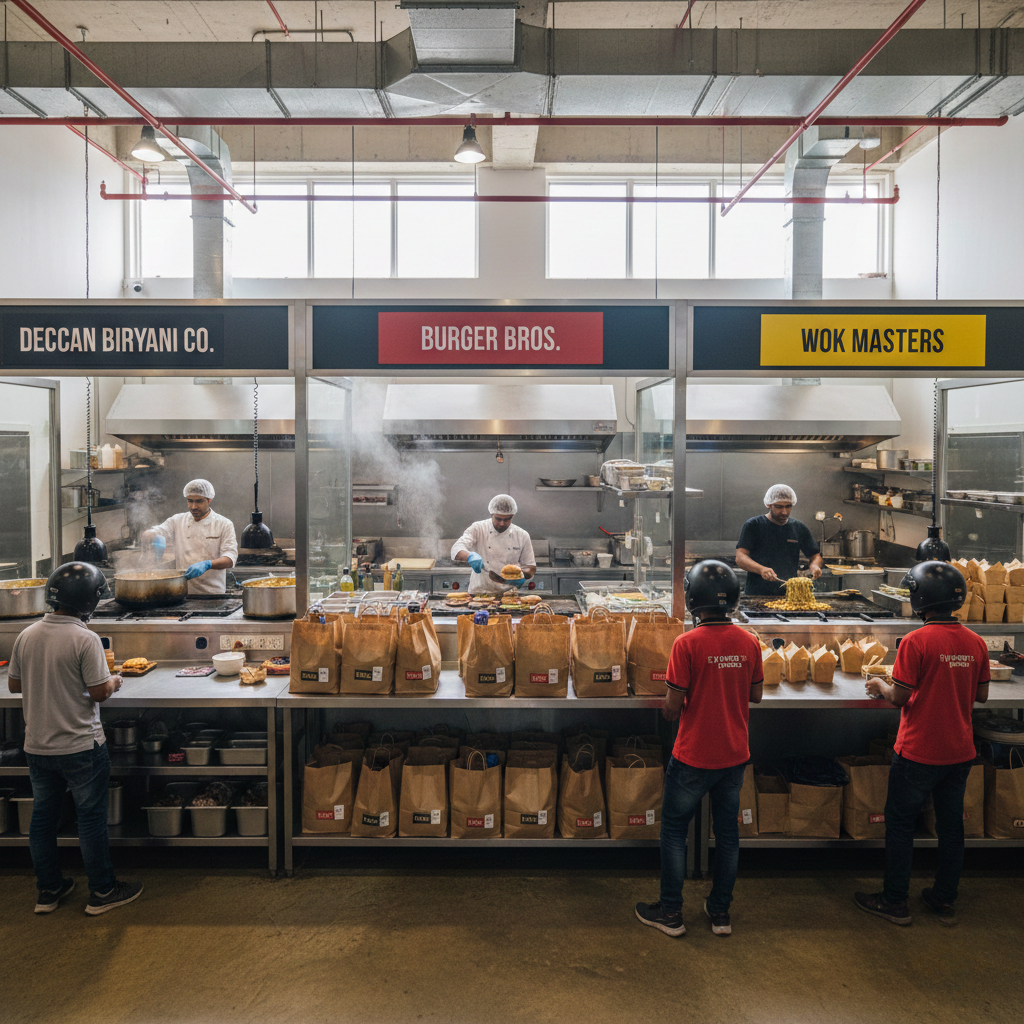
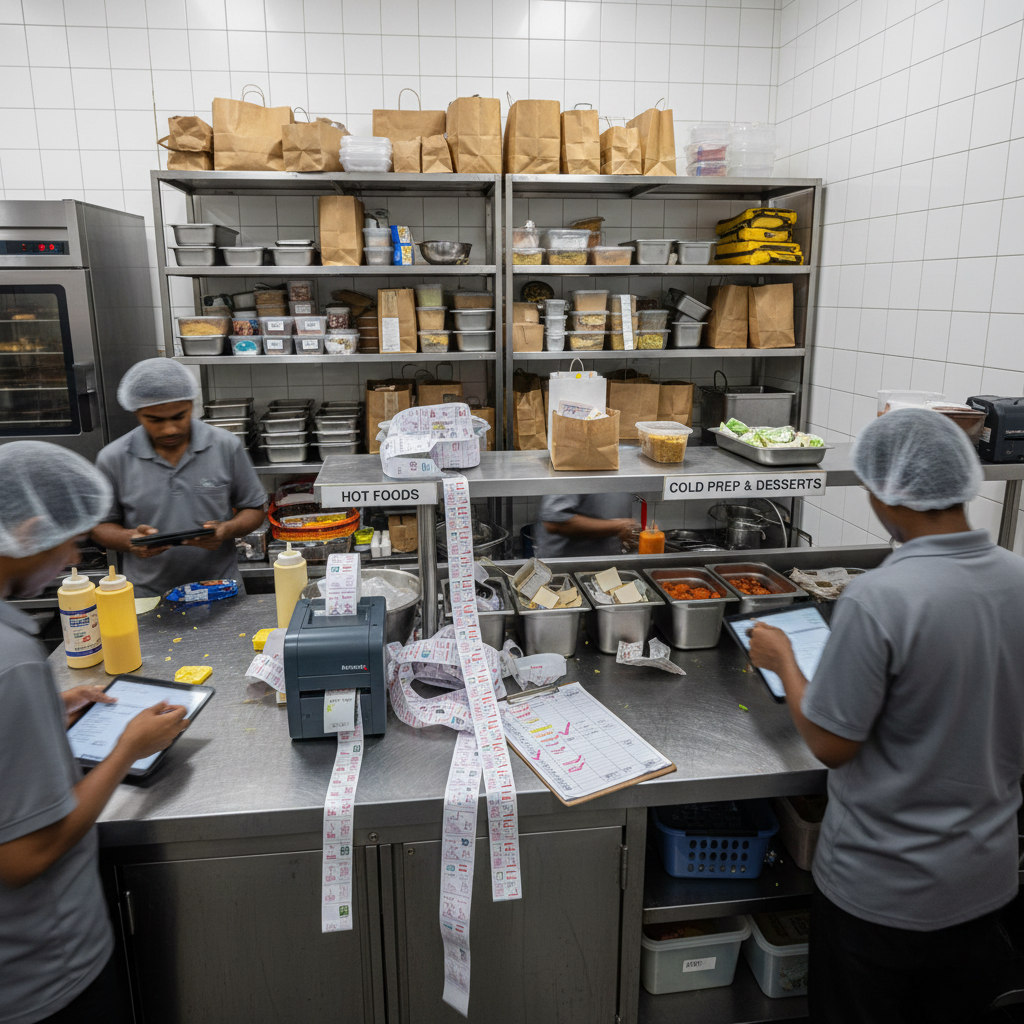
Why Too Many SKUs Reduce cloud kitchen Profit is one of the least understood realities in cloud kitchens. Founders often believe more items mean more choice, higher conversion, and better customer satisfaction. In reality, excessive SKUs quietly destroy margins. Through inventory sprawl, prep complexity, portion inconsistency, staff errors, wastage, slower dispatch, and diluted contribution margin. Orders continue. Dashboards stay active. Yet profitability weakens. This guide explains exactly why SKU overload is a silent profit killer and how disciplined operators design focused menus that scale cleanly.
Why Too Many SKUs Reduce cloud kitchen Profit
Most cloud kitchen founders add SKUs to increase appeal.
New flavors. New variants. New experiments.
But every SKU added carries operational, inventory, staffing, and cost implications that compound daily.
To understand how SKU count impacts profit, start with Cloud Kitchen Unit Economics Explained, Understanding Contribution Margin in Cloud Kitchens, and How Menu Design Affects Profitability.
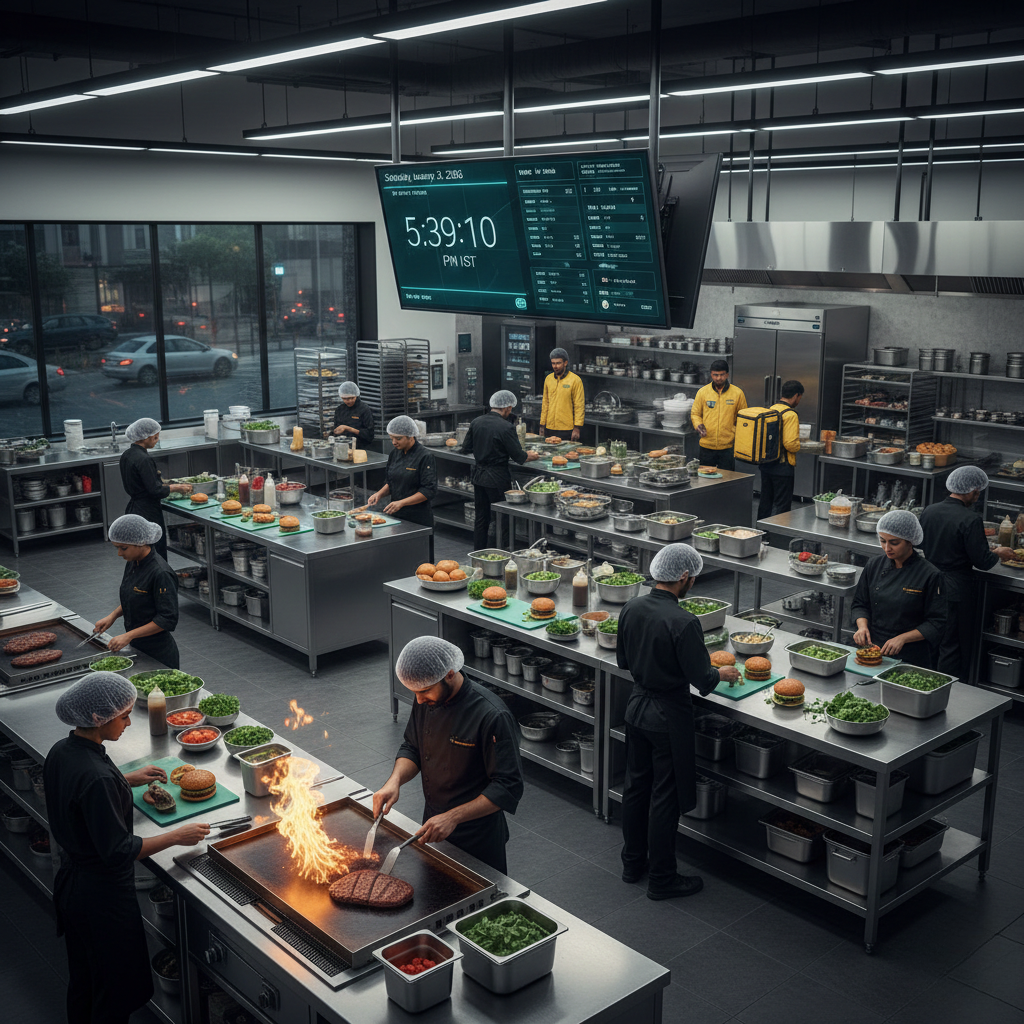
Too Many SKUs Don’t Look Like a Problem
SKU overload rarely feels dangerous.
It feels ambitious. Customer-focused. Growth-oriented.
Impact #1: Inventory Sprawl and Expiry Losses
Every new SKU introduces new ingredients or new combinations.
More ingredients mean: higher minimum order quantities, more storage, slower inventory rotation, and higher expiry risk.
Wastage increases even when sales grow.
Inventory discipline is explained in Cloud Kitchen Inventory Management in India.
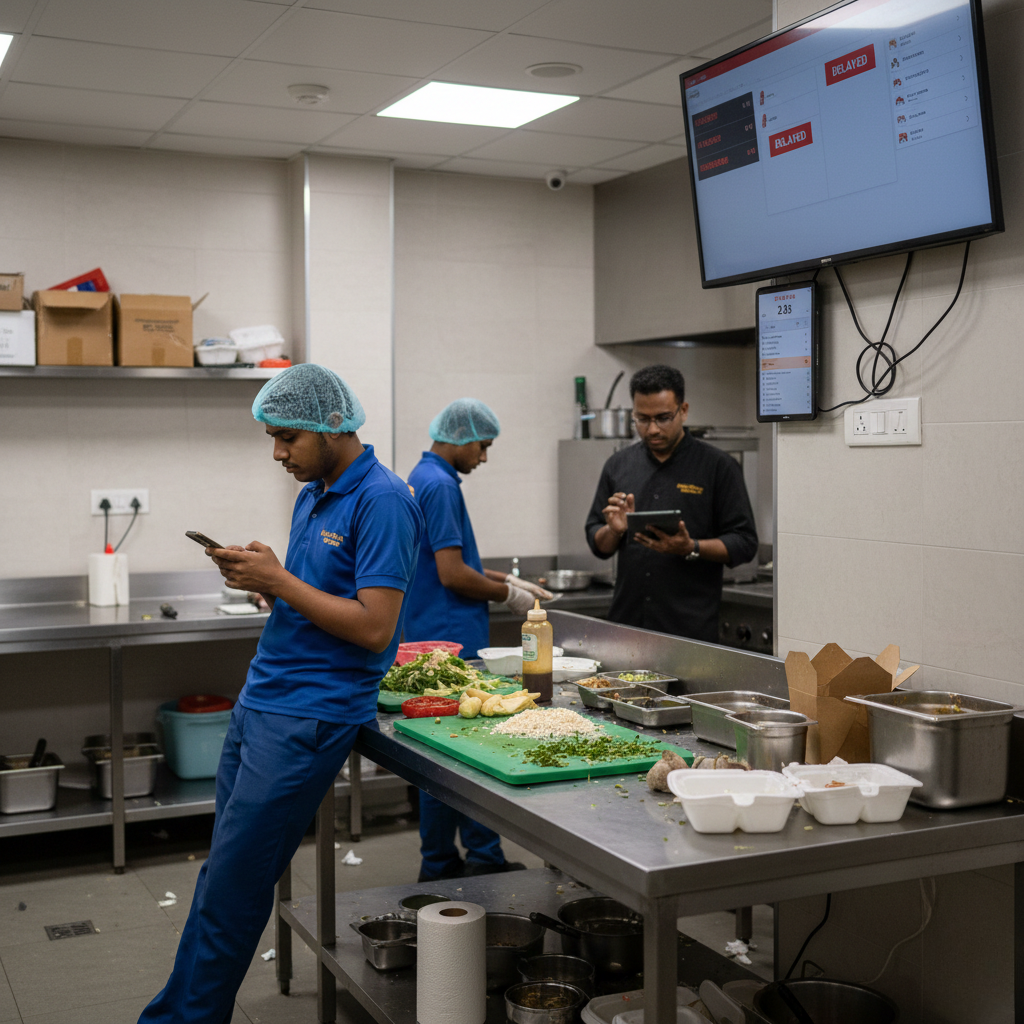
Impact #2: Prep Wastage Multiplies With SKU Count
More SKUs require more prep variants.
Each variant needs forecasting, batching, and storage.
Forecasting accuracy drops sharply as SKU count increases, leading to over-prep and spoilage.
Learn how wastage destroys margins in How Wastage Destroys Cloud Kitchen Profit.
Impact #3: Portion Control Breaks Down
Larger menus make portion control harder.
Staff must remember multiple portion sizes, variants, and exceptions.
Under pressure, eyeballing replaces measurement.
Portion drift is covered in Poor Portion Control and Its Impact on Margins.
Impact #4: Staff Errors Increase Exponentially
Every additional SKU increases cognitive load.
During rush hours, staff confusion leads to: wrong items, missing components, incorrect customization.
Errors directly convert into remakes, refunds, and negative ratings.
Impact #5: Refunds Rise With Menu Complexity
Larger menus statistically generate more errors.
Each error carries full cost with zero contribution.
Refund dynamics are explained in How Refunds & Cancellations Affect Profitability.
This reflects Harvard Business Review’s research , which shows that excessive choice reduces execution quality and operational efficiency.
Impact #6: Contribution Margin Becomes Unclear
Many SKUs are added without contribution analysis.
Low-margin items often sell more than high-margin ones.
Without SKU-level P&L, founders misjudge profitability.
Impact #7: Dispatch Time and Kitchen Congestion
More SKUs slow down prep flow.
Slower dispatch increases delivery time, customer complaints, and refund risk.
Impact #8: Multi-Brand Kitchens Suffer the Most
In shared kitchens, SKU overload across brands multiplies confusion.
Similar ingredients, similar names, different portions increase daily mistakes.
Impact #9: Hidden Operational Costs Increase
More SKUs require more: SOPs, training, supervision, and quality checks.
These costs are rarely tracked but drain profitability.
Impact #10: SKU Overload Breaks Scaling
At low order volumes, SKU overload feels manageable.
At scale, it becomes unmanageable.
Scaling amplifies every inefficiency built into the menu.
Why SKU Rationalization Must Happen Before Scaling
Scaling does not fix SKU overload.
It magnifies it.
Professional operators rationalize menus early so growth adds profit, not complexity.
Why Too Many SKUs Reduce Profit: Final Clarity
Profitability is not driven by variety.
It is driven by focus, repeatability, and control.
GrowKitchen helps founders design tight, scalable menus that maximize contribution while minimizing daily leakage.
FAQs: SKU Count and Cloud Kitchen Profitability
Does reducing SKUs reduce sales?
No. Focused menus usually increase conversion and margins.
How many SKUs are ideal for a cloud kitchen?
Enough to cover demand, not experimentation.
When should SKUs be removed?
When contribution margin or movement is consistently weak.