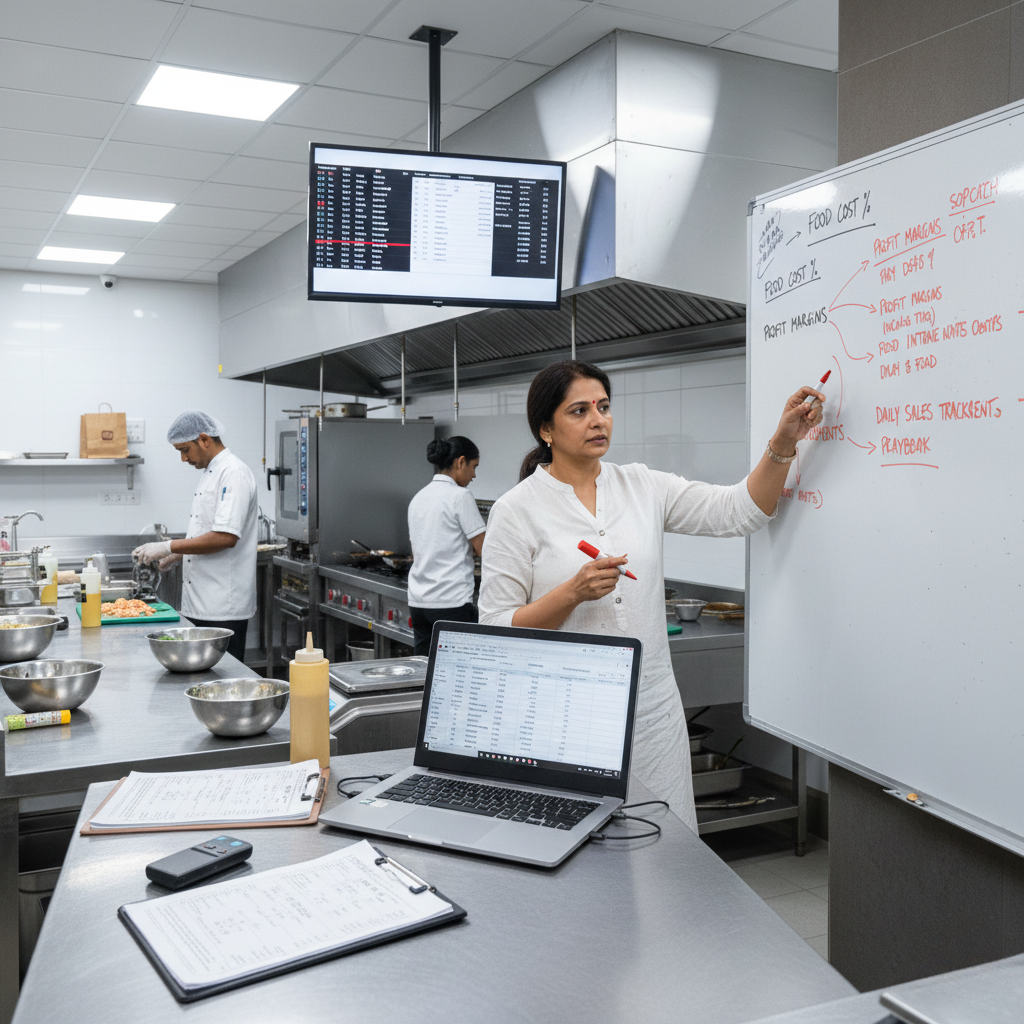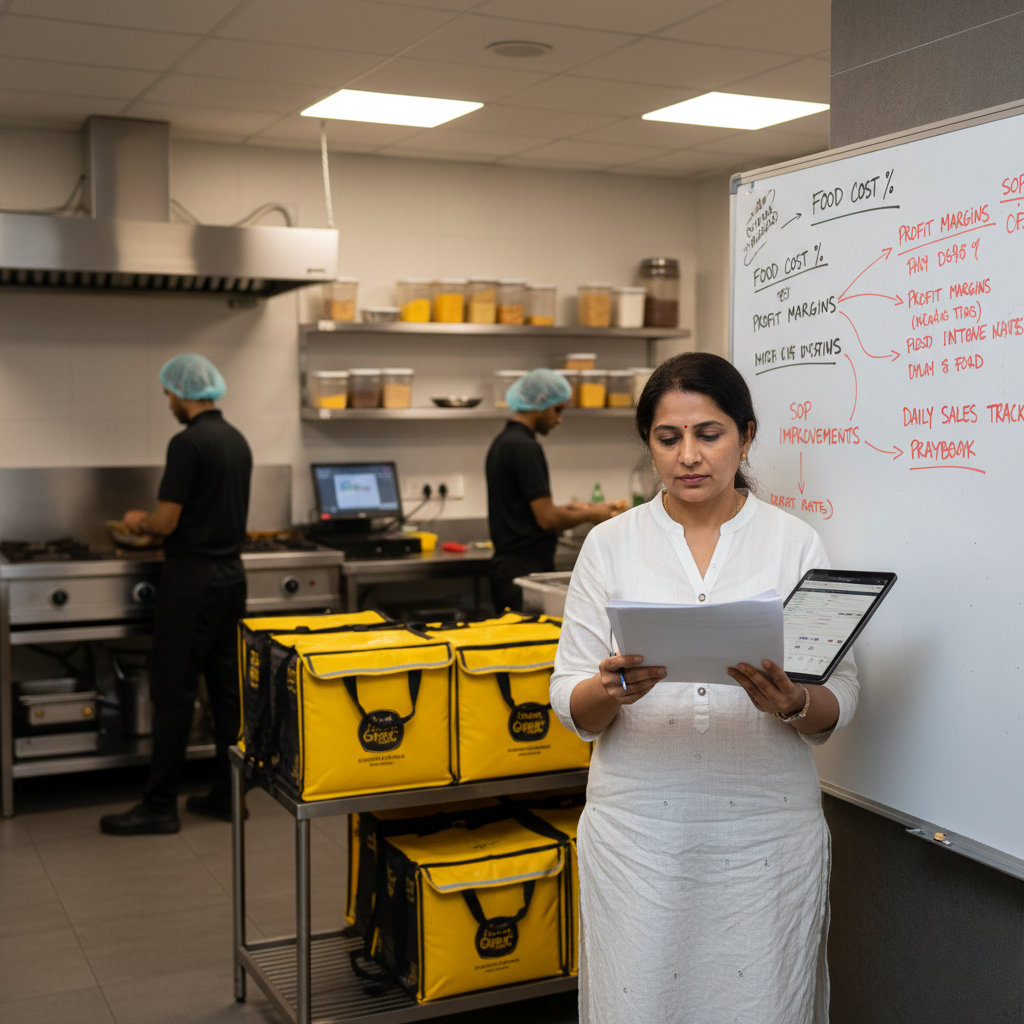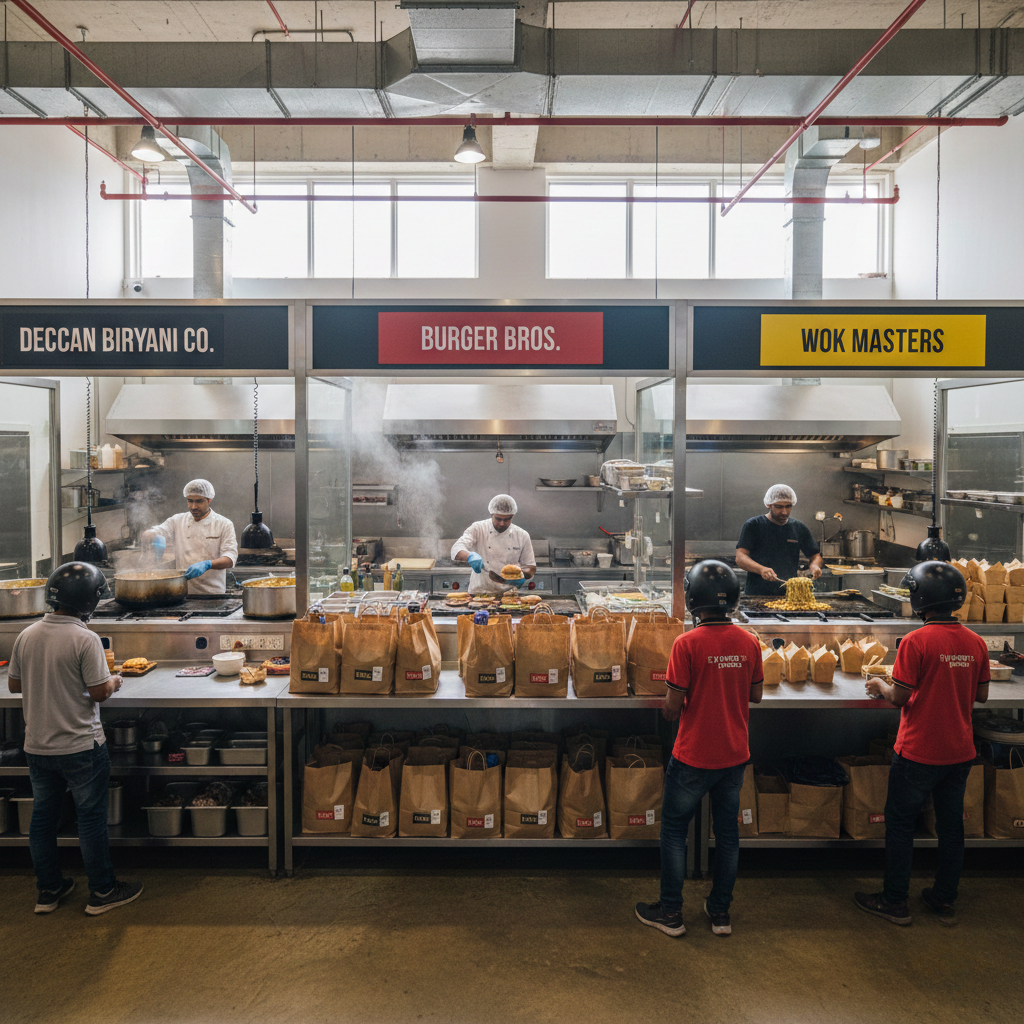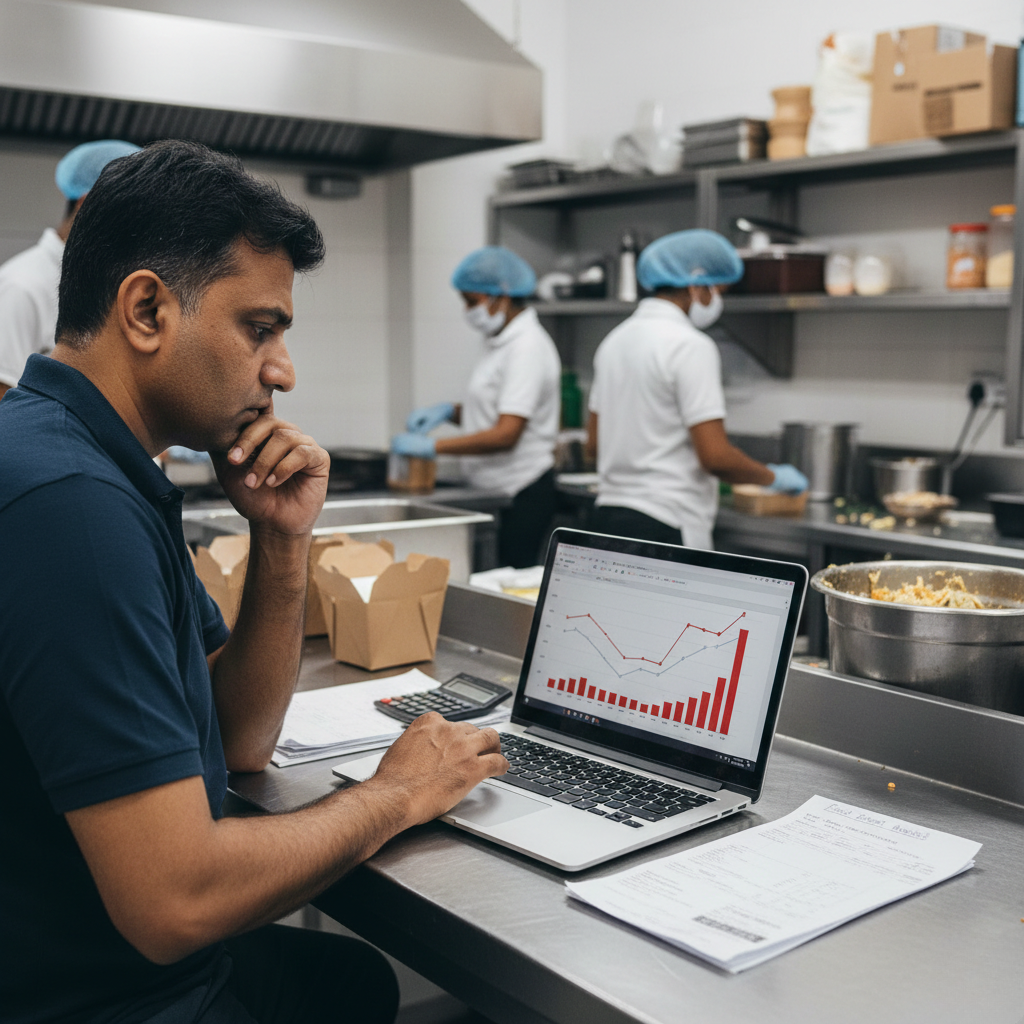
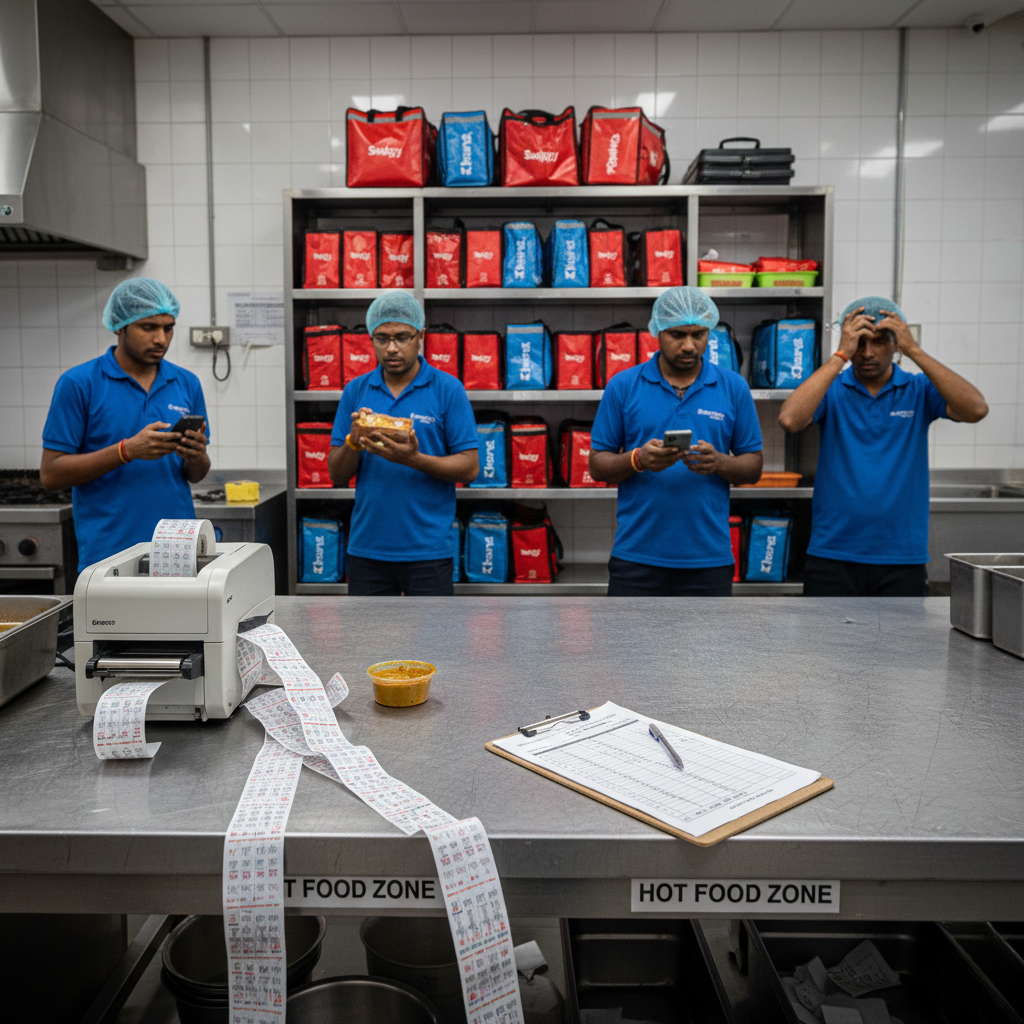
Why do ratings drop even when food quality is good? is not a “customers are unfair” problem or a “Swiggy/Zomato algorithm hates me” problem. It is an experience-consistency + execution-system problem. In delivery kitchens, customers don’t rate your recipe in isolation. They rate what arrived: temperature, packing condition, accuracy, portion consistency, add-ons, timing, and trust. When ratings fall, it usually means one or two operational failures are repeating at scale: packing leakage, wrong/missing items, delay-led cold food, inconsistent portions, and complaint loops that never update SOPs. This guide explains why ratings drop even when food tastes good in cloud kitchens in India and how to build a rating-resistant operating system end-to-end using SOPs, station gates, tools, audits, and feedback loops using systems, not supervision.
Why Do Ratings Drop Even When Food Quality Is Good? The Real Reason “Good Taste” Doesn’t Protect Your Brand
Every cloud kitchen founder has faced this contradiction: the food tastes solid, repeat customers say “taste is good,” but overall Swiggy/Zomato ratings still slip.
You start seeing patterns that feel confusing: random 1-star reviews, “cold food” comments, “quantity less” complaints, “missing items” reports, “packing leak” photos, or “not as expected” even though the recipe hasn’t changed.
The hard truth is simple: delivery ratings are not a taste score. Delivery ratings are a consistency score. Customers rate the entire delivered outcome, not your kitchen intention. If your delivery outcome has variability, ratings drop even if your recipes are genuinely good.
If you want the profitability foundation lens first, start with Cloud Kitchen Profitability Consultant in India and map recurring execution leaks using Common Operational Mistakes in Cloud Kitchens.
What “Rating Drop” Actually Means in Delivery (Not Just “People Are Angry”)
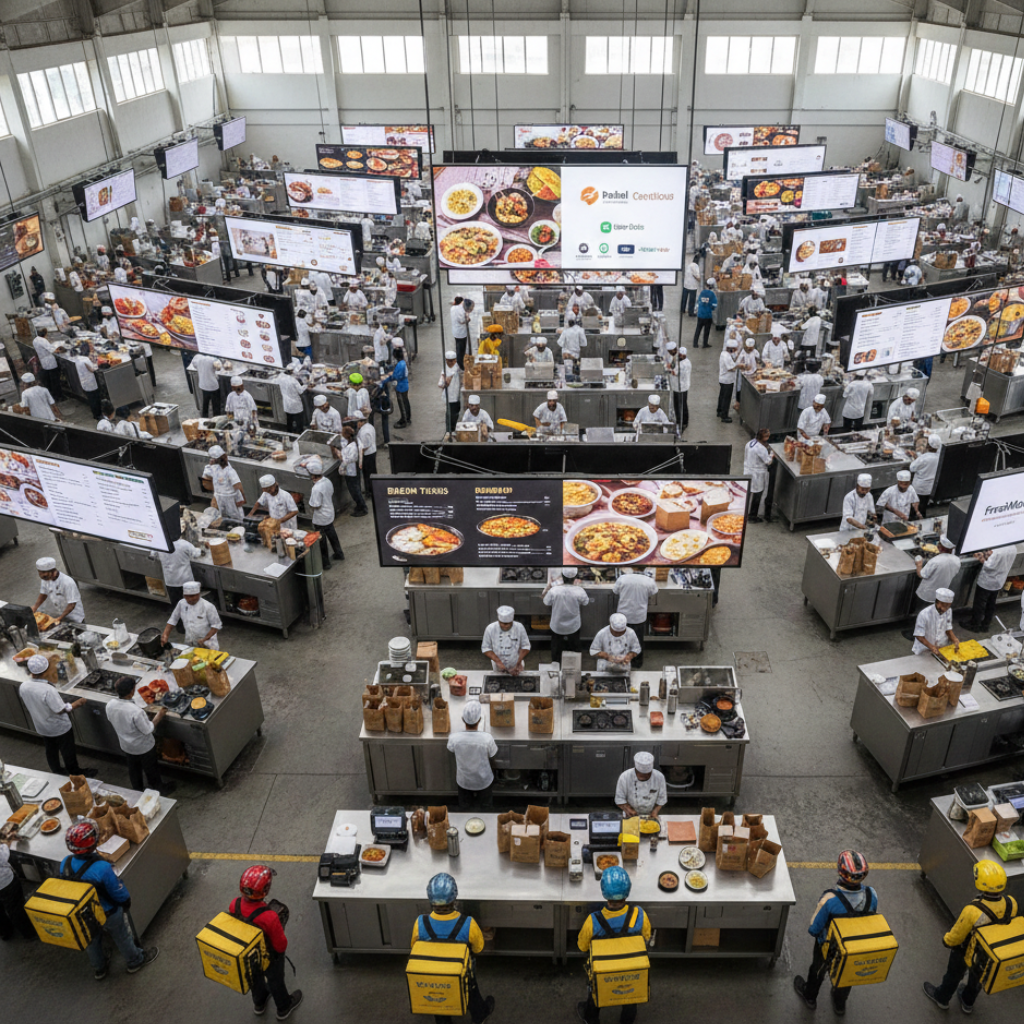
When ratings drop, it usually means customers are experiencing friction. Friction is anything that breaks the promise of the menu listing: hot food arrives cold, crispy arrives soggy, gravy arrives spilled, add-ons are missing, the wrong item arrives, portion looks smaller than last time, or delivery takes longer than expected.
In delivery-first kitchens, rating drops typically come from five predictable buckets: packing failure (leakage, broken seals, soggy texture), accuracy failure (wrong/missing items, missing cutlery, wrong labeling), add-on failure (paid extras missed), portion consistency failure (drift + perception gaps), and time/temperature failure (late dispatch, rider wait, cold delivery).
The most important point: ratings drop when outcomes are inconsistent, not when one order is imperfect. A single error is forgivable. A repeating error trains customers to distrust you. Distrust becomes low ratings, and low ratings reduce conversion.
If your ratings fall as orders increase, it usually means your volume scaled but your station systems did not. The same weak process is now repeating more times per day.
The Unit Economics Lens: Rating Drops Create Discount Dependency and Margin Collapse
Most founders treat ratings as “brand image.” In delivery, ratings are a growth lever tied to conversion and CAC. When ratings fall, your conversion rate drops. When conversion drops, founders compensate using discounts. Discounts reduce contribution margin and create a dependency loop.
This is why kitchens feel trapped: “If we don’t discount, orders drop.” That is often not a marketing problem. It is a trust problem caused by inconsistent delivery outcomes.
Ratings also connect to refunds: low ratings increase complaints, complaints increase refunds, refunds reduce payout quality, and payout pressure pushes founders into more discounting. You don’t fix this loop with ads. You fix it with execution repeatability.
If you want the payout + trust lens in detail, read Aggregator Commission Impact in India and Refunds and Cancellations Impact on Cloud Kitchen Profitability.
The 12 Reasons Ratings Drop Even When Food Quality Is Good (And What Each One Looks Like)
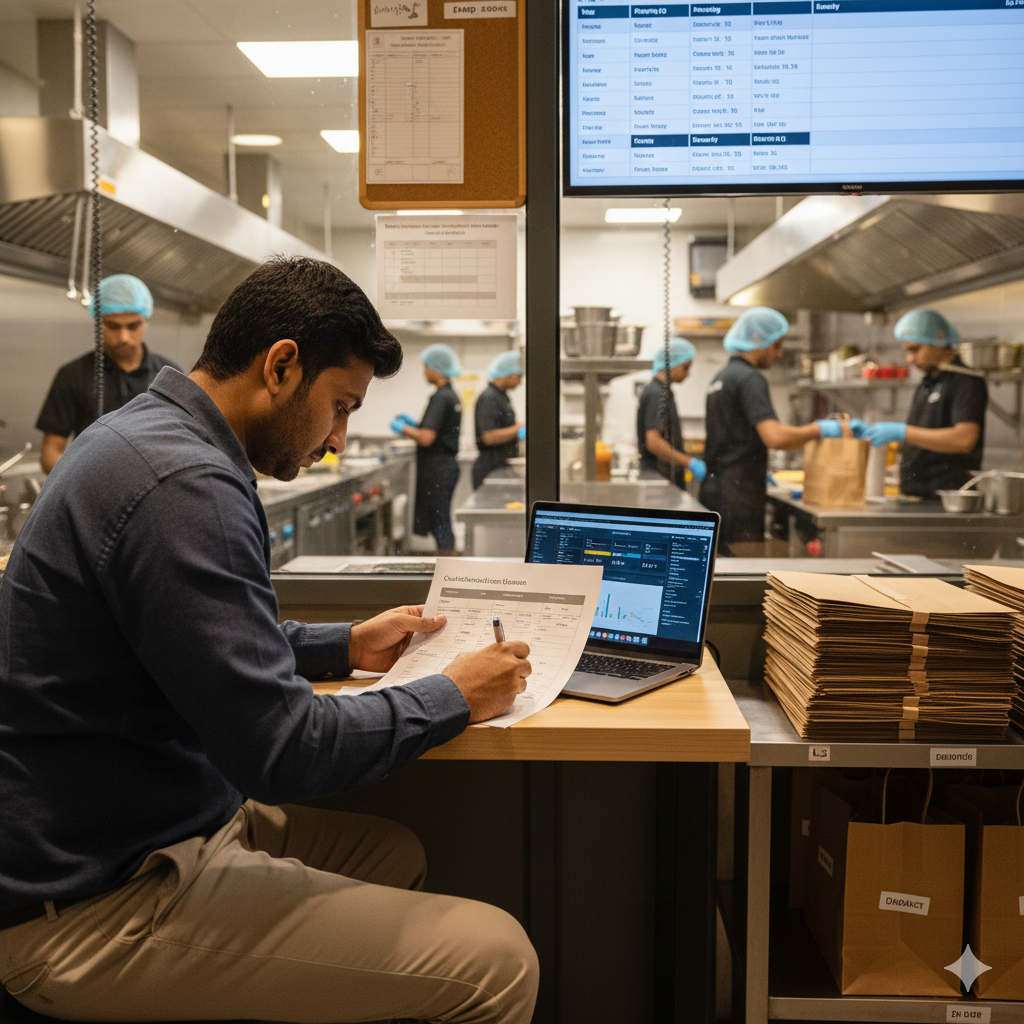
Ratings feel emotional until you track them operationally. In reality, rating drops usually come from a few repeating failure patterns. Below are the most common reasons cloud kitchens see rating decline even with good recipes.
1) Cold food is being created by dispatch delay, not cooking speed. Many kitchens cook fast but lose time at packing and handover. Rider wait, bag searching, missing tape, missing labels, or queue chaos makes hot food arrive cold and customers rate low even if the recipe is great.
2) Packing leakage destroys the “received product” perception. A small gravy spill turns into a “defective product” in the customer’s mind. The customer doesn’t taste first. They judge the pack first. If the first visual is messy, ratings drop even if taste is good.
3) Texture fails in delivery (crispy becomes soggy, noodles become clumpy). Steam trapped in closed packs becomes condensation. Condensation kills texture. Many “not as expected” reviews are texture failures, not recipe failures. This is solved with packing logic, venting choices, and holding-time discipline.
4) Missing add-ons creates “I paid but didn’t get it” anger. Customers tolerate minor issues. They don’t tolerate paid add-ons being missed. That feels like cheating. If add-ons are not flagged and verified as a hard gate, ratings fall steadily.
5) Wrong item / wrong variant happens due to weak labeling. In multi-brand kitchens, mix-ups are common: veg vs non-veg, spicy vs mild, single vs combo, regular vs large, or sauce variants. One wrong order can cause a harsh rating even if your “food quality” is good.
6) Portion inconsistency creates “quantity less” perception. Customers don’t measure grams. They compare memory. If one day the bowl feels heavy and another day it feels light, customers interpret it as cheating, not variance. Portion control is a rating stability system.
7) Packaging changes create temporary chaos and inconsistency. Switching containers, lids, bags, or tapes without retraining creates a short-term spike in leakage, weak sealing, and poor presentation. This is why procurement changes must be controlled and systemized.
8) Your menu photos and descriptions set expectations you can’t deliver. “Not as expected” often means expectation mismatch. If your listing implies bigger portion, thicker gravy, or extra toppings, customers feel disappointed even if the food is tasty. Listing clarity is part of operations, not only marketing.
9) Peak-hour shortcuts become permanent habits. During peak, staff takes shortcuts to move faster. Without audits, shortcuts become default. Defaults create repeat errors. Repeat errors create slow rating decline month-on-month.
10) No visible SOP at the station means memory-based execution. When the process lives in verbal instructions, it changes every shift. When it’s not visible, it won’t stick. Memory collapses during pressure, and pressure is daily in delivery kitchens.
11) Complaint handling is inconsistent, so customers escalate. Even when you can’t control the platform process fully, you can control your internal replacement/response discipline. If some customers get fast resolution and others get ignored, the ignored customers rate harshly because they feel disrespected.
12) No feedback loop converts low-rating reasons into SOP upgrades. Ratings and complaints are data. If the same issue appears repeatedly but SOPs don’t change, the issue repeats forever. A kitchen without feedback loops will always drift.
For the systems stack that reduces complaints, read How SOPs Reduce Food Cost & Complaints and (for dispatch control) Cloud Kitchen Dispatch SOP.
Swiggy/Zomato Reality: Ratings Are a Trust Engine, Not a Taste Badge
Aggregator customers don’t know your founder story. They only know outcomes. When outcomes feel inconsistent, trust drops. When trust drops, ratings drop. When ratings drop, conversion drops.
This is why “our food is good” is not enough. You need “our delivered outcome is repeatable.” Repeatability comes from station discipline: packing gate, dispatch scan, add-on verification, portion tools, and holding-time rules.
To understand platform context and ordering terms, use: Swiggy Refund & Cancellation Policy and Zomato Online Ordering Terms.
Ratings Are Won at Two Stations: Packing + Dispatch (Not Just the Tawa)
In most cloud kitchens, ratings are decided after cooking. The biggest rating killers are: leakage, missing add-ons, wrong items, and cold delivery. These happen at packing and dispatch more than at cooking.
A rating-resistant packing + dispatch system includes: container SOP by item type, max fill lines for liquids, sealing rules, add-on verification, labeling rules, separation logic (hot vs cold, liquid vs dry), and a final “order completeness” scan before handover to rider.
Implement dispatch predictability using Cloud Kitchen Dispatch SOP and (for packing-specific failure patterns) reference Why Do Packing Errors Keep Happening? if this is already live on your site.
Why Rating Stability Must Be Role-Based (Not “Team, Please Maintain Quality”)
Ratings don’t improve with motivation. Ratings improve when responsibilities and gates are designed into the flow. If responsibility is shared, output becomes unclear. If responsibility is owned, output becomes stable.
Here is what role-based rating stability looks like:
Prep role:
ensures mise-en-place is labeled, portions are prepped, and peak does not become chaos.
Cook role:
follows recipe cards, portion tools, and correct holding-time rules so output is consistent.
Pack role:
follows packing checklist, verifies add-ons, seals correctly, labels clearly, and packs with separation logic.
Dispatch role:
does final scan: completeness, bag stability, correct bag count, and fast rider handover.
Manager role:
runs weekly rating + complaint review, identifies top repeat causes, and updates SOPs.
If you want the full role-based operations model, use Role-Based Kitchen Operations Explained.
How to Fix Rating Drops in 7 to 30 Days (A Practical System That Works)
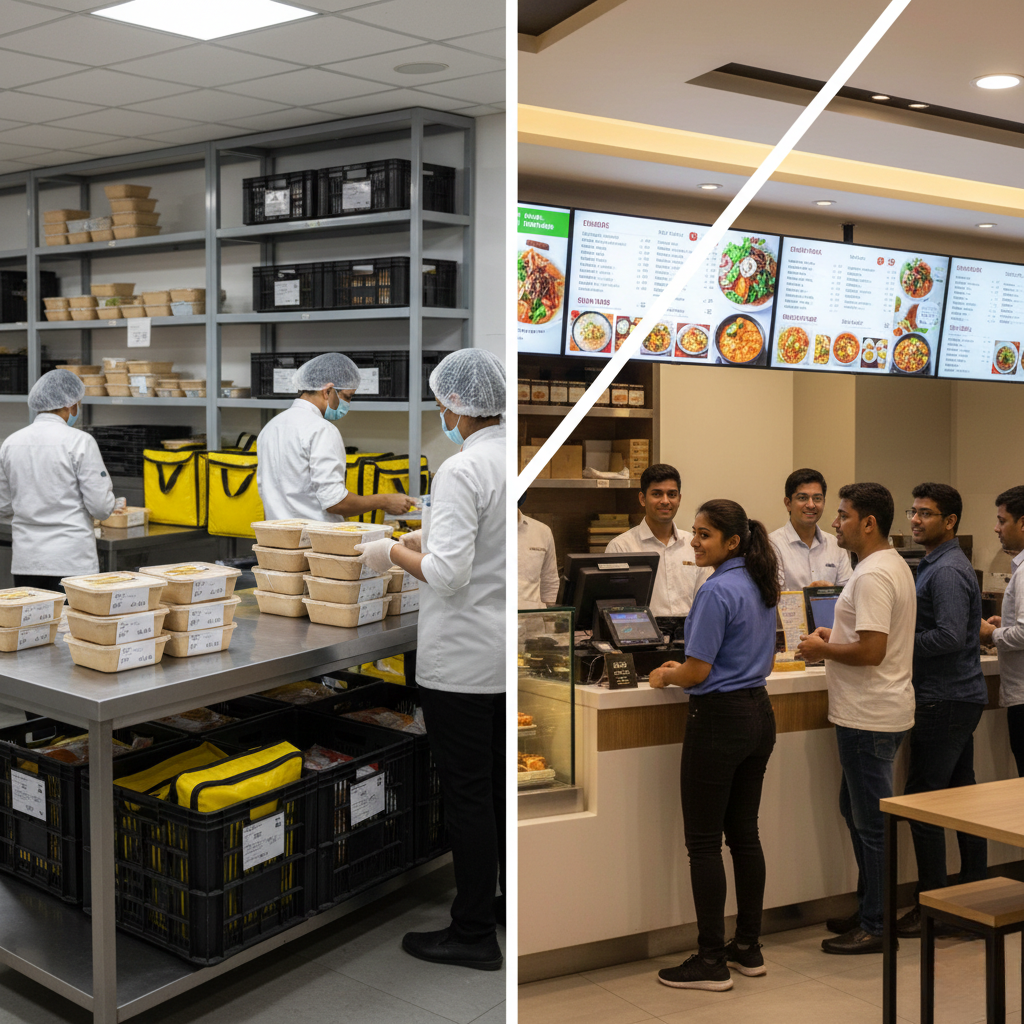
Ratings don’t improve with one strict day. They improve when station systems change and feedback loops close. Below is a rollout sequence used in operating kitchens where ratings must stay stable at volume.
Step 1 (Day 1–2): Pull the last 30 days low-rating reasons and complaints. Don’t label them as “customer issues.” Classify them: cold food, spillage, missing item, wrong item, add-on missed, “quantity less,” “not as expected.” If you don’t classify, you can’t fix.
Step 2 (Day 1–3): Map each reason to a station. Cold food → dispatch delay and rider wait. Spillage → packing + fill level. Wrong item → labeling + dispatch scan. Add-on missed → packing checklist. Quantity less → portion tools + recipe cards. Fix station-wise, not person-wise.
Step 3 (Day 2–4): Fix the top 2 repeat causes first (not everything). Most kitchens have 2 root causes creating 60% of bad outcomes. Pick the two biggest. Install the system change. Measure weekly. Then expand.
Step 4 (Day 3–7): Install a visible packing checklist gate + dispatch scan. Checklist must include: item count, add-ons, cutlery/tissues, sealing, labeling, bag closure, and dispatch sign-off. If it is not visible, it will not stick.
Step 5 (Week 2): Add temperature discipline rules. Define holding limits: how long an item can sit before packing, how long it can wait after packing, and what gets remade if delayed. Temperature is a system output, not a hope.
Step 6 (Week 2): Create add-on verification as a hard gate. Paid add-ons must never be remembered. Use a system: sticker, highlight marker, or tray segregation. Add-on misses are trust killers.
Step 7 (Week 3): Run random peak-time audits (not constant policing). Check 5 orders in peak and 5 in non-peak. Log errors by station + reason. Correct immediately. Audits train the system, not the person.
Step 8 (Week 3–4): Convert repeat rating reasons into SOP upgrades. Every repeat reason must trigger one change: container update, sealing rule update, label format update, checklist line update, portion tool update, or dispatch scan step update. If ratings don’t update SOPs, ratings will keep drifting.
If you want the discipline-led profitability link, map this with How Process Discipline Improves EBITDA and (for the “orders but no profit” confusion) Marketing Spend vs ROI in Cloud Kitchens if this page is live.
External hygiene + process standards (useful while standardising): FSSAI Hygiene Requirements (Schedule 4 reference), ISO 22000 overview, and Standardized Work (Lean lexicon).
Final Takeaway: Ratings Drop When Delivered Outcomes Are Not Repeatable Yet
If your ratings are dropping even when food quality is good, it usually means one thing: your kitchen is producing inconsistent delivered outcomes at speed. Not because your recipes are bad, but because packing, dispatch, add-on verification, portion consistency, and timing discipline are not systemized.
Rating-stable kitchens become predictable: fewer spills, fewer missed add-ons, fewer wrong orders, fewer cold deliveries, fewer “quantity less” complaints, and more stable conversion and payouts. That predictability is what creates scalable delivery growth.
Operational frameworks from GrowKitchen, and operating partner brands like Fruut and GreenSalad are built to convert “taste-good-but-rating-bad kitchens” into “controlled, predictable kitchen networks.”
FAQs: Why Do Ratings Drop Even When Food Quality Is Good?
What is the biggest reason ratings drop in cloud kitchens?
Because delivery outcomes are inconsistent. Cold food, leakage, missing add-ons, and wrong items reduce trust faster than taste improves it.
Can good taste compensate for packing and dispatch mistakes?
Not in delivery. Customers judge the received pack first, then taste. Presentation, temperature, and accuracy strongly influence ratings.
Which operational fix improves ratings the fastest?
Fix packing + dispatch first: sealing rules, fill limits, add-on verification, labeling, and a final dispatch scan gate.
How should I track rating drop reasons properly?
Track complaint/review reason → station → time → SKU. Then upgrade SOPs for repeating reasons instead of blaming staff.
- Cloud Kitchen Profitability Consultant in India
- Common Operational Mistakes in Cloud Kitchens
- Refunds and Cancellations Impact on Cloud Kitchen Profitability
- Aggregator Commission Impact in India
- Cloud Kitchen Dispatch SOP
- Role-Based Kitchen Operations Explained
- How SOPs Reduce Food Cost & Complaints
- How Process Discipline Improves EBITDA
- Grow Kitchen on Twitter