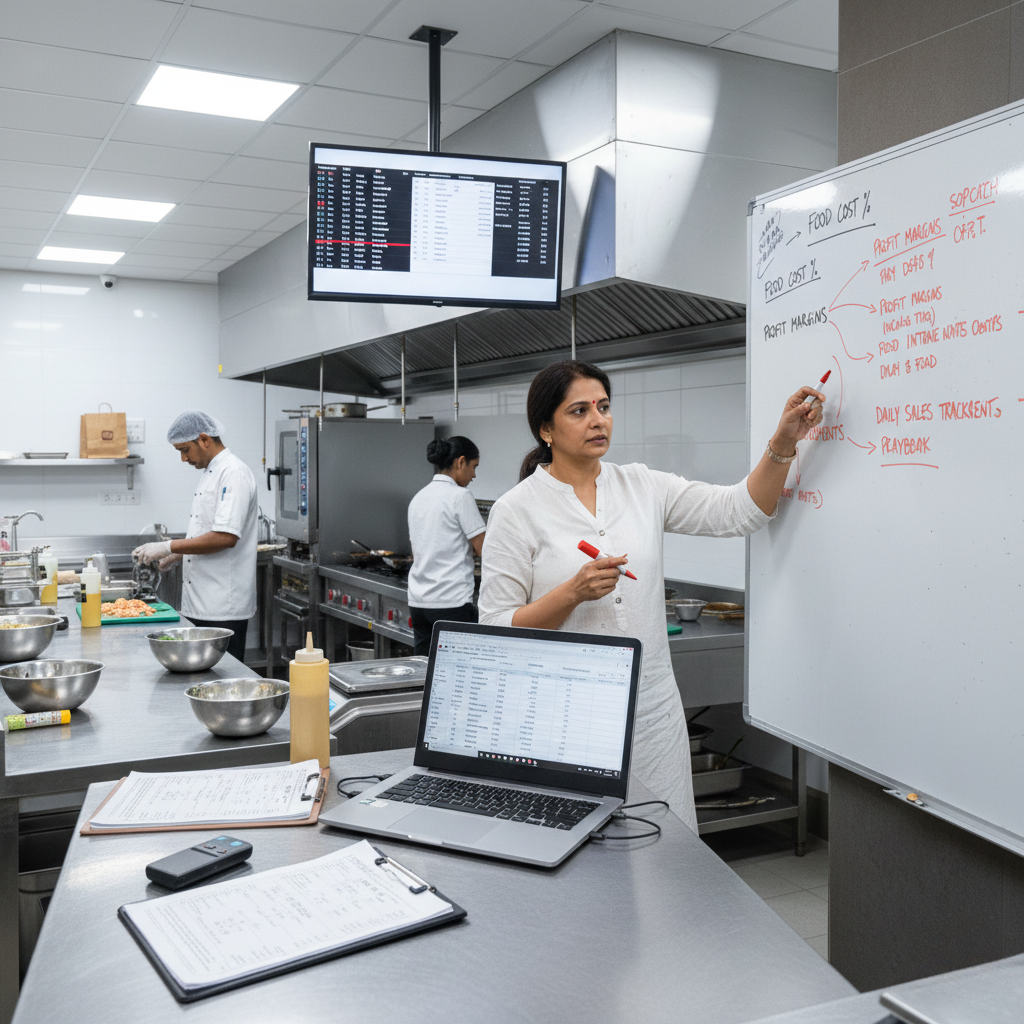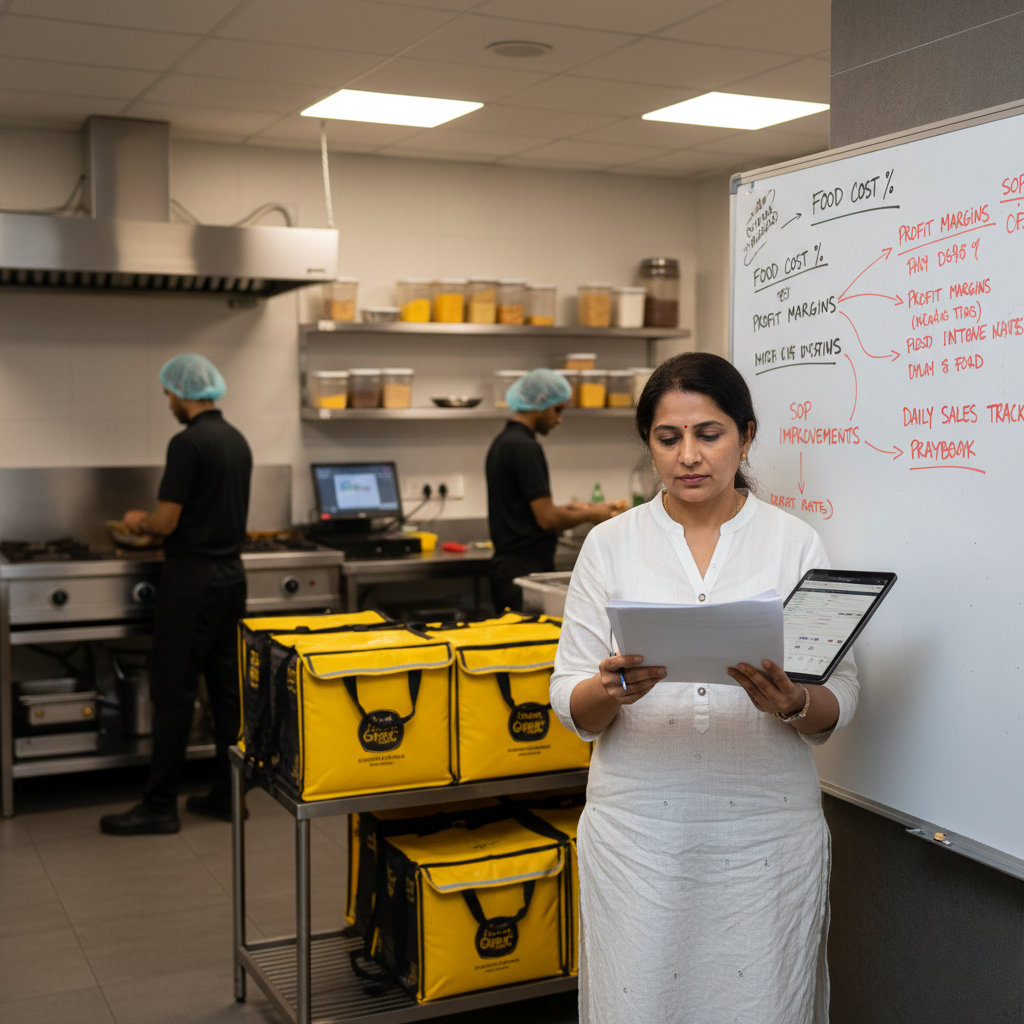
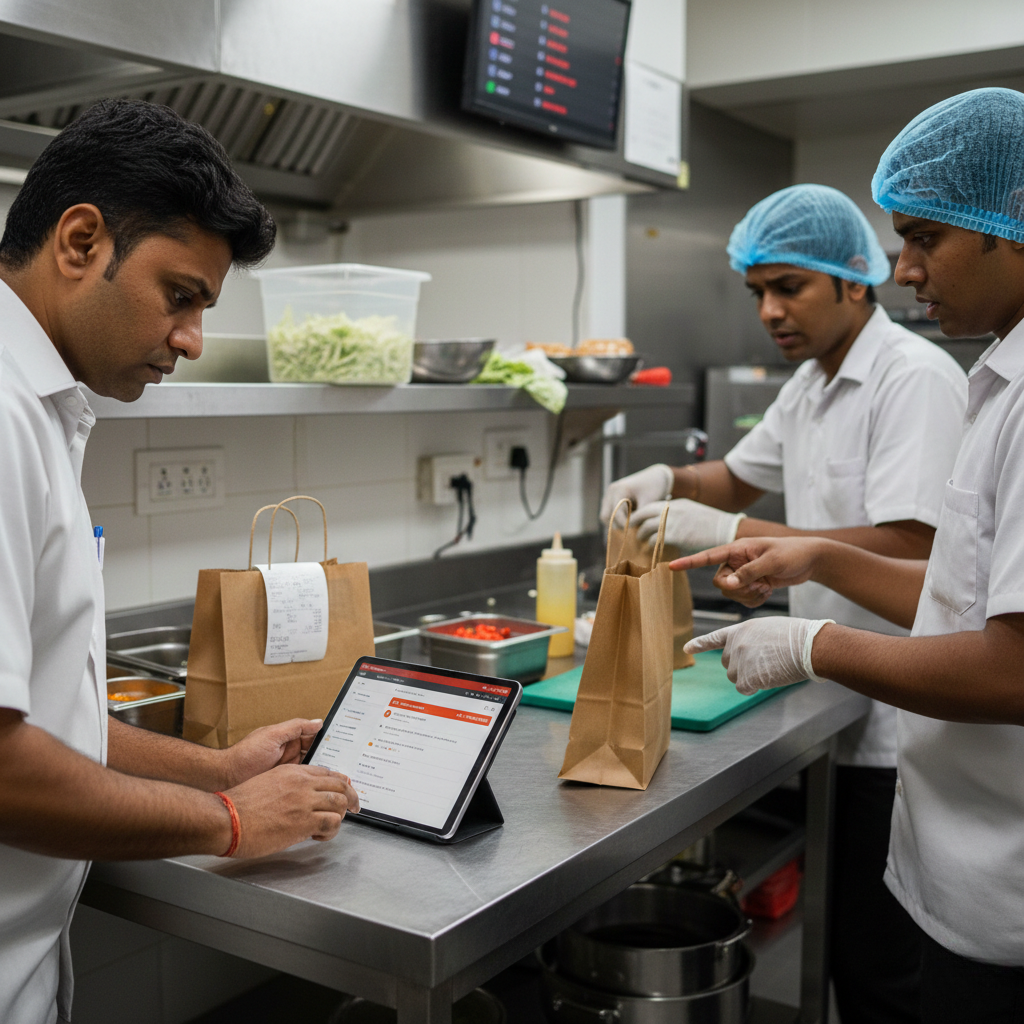
Why My Cloud Kitchen Ratings Are Falling is a question almost every cloud kitchen founder in India eventually asks. Orders may still be coming in. The kitchen may still be operational. Yet ratings on Swiggy and Zomato slowly decline. This drop rarely happens because food suddenly tastes bad. Ratings fall when operations lose consistency. This guide explains why cloud kitchen ratings decline, how small execution failures compound into negative feedback, and what operational fixes actually stabilize and restore ratings. Cloud Kitchen Operations Consultant.
Why Rating Drops Never Happen Without Warning
Cloud kitchen ratings almost never collapse overnight. They erode gradually through repeated, seemingly minor failures. Late deliveries, missing items, leakage, inconsistent portions, and cold food each leave a small negative impression. Over time, these impressions accumulate and platforms reflect that decline.
This reality connects directly with Operations vs Marketing: What Actually Drives Ratings?.
What Ratings Actually Measure in Cloud Kitchens
Ratings do not measure effort. They measure outcomes. Customers rate what arrives at their doorstep, not what happens inside the kitchen. A single operational miss outweighs several good experiences.
Why Founders Often Blame the Wrong Things
When ratings fall, founders usually blame marketing, algorithms, or customer behaviour. Some change photos. Some add discounts. Some switch aggregators. These actions increase order volume but rarely fix ratings. Ratings fall because execution slips, not because visibility drops.
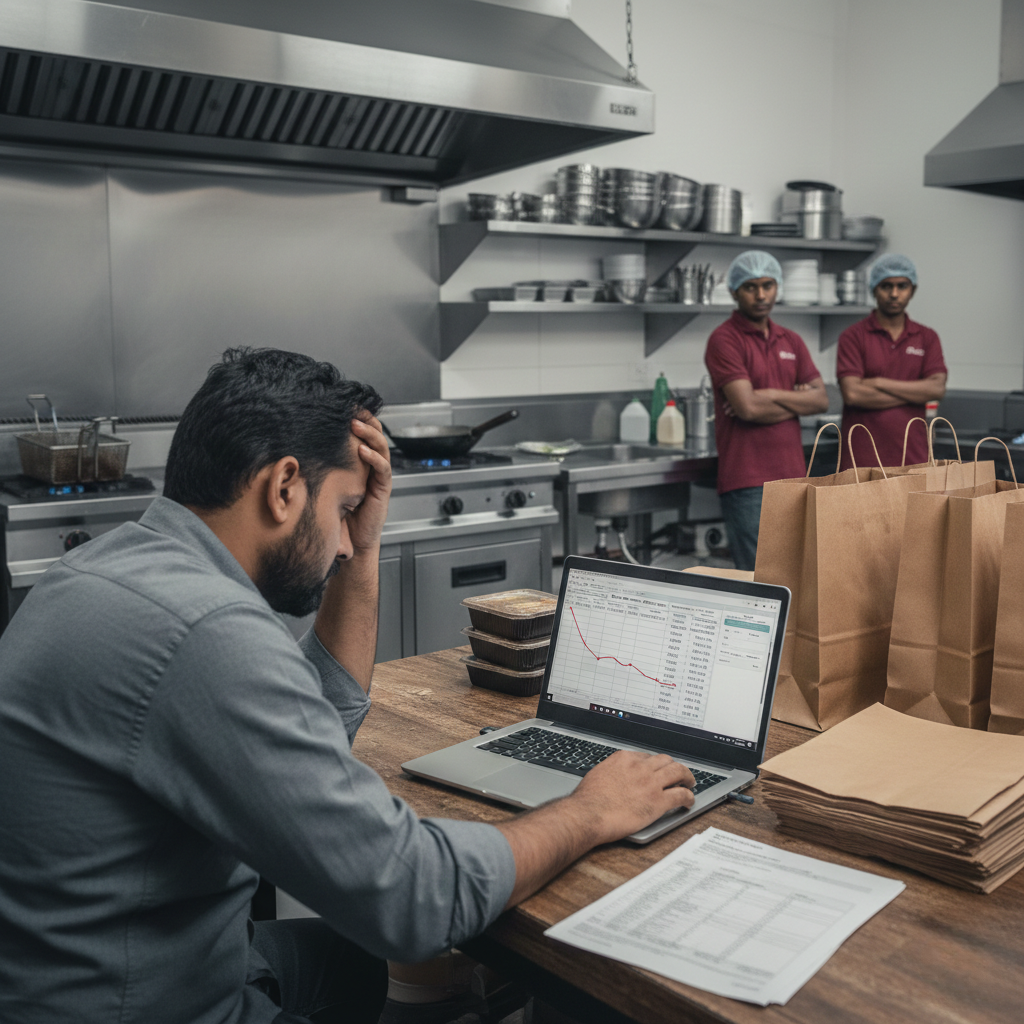
How Delivery Delays Destroy Ratings
Delays are one of the fastest ways to lose customer trust. Even excellent food receives low ratings when delivered late. Delays usually originate from poor prep planning, slow packing, or broken dispatch flow. This is why speed is an operational outcome, not a dispatch coincidence.
Learn the root cause in How Prep Planning Reduces Delays & Refunds.
Dispatch Errors Customers Notice Immediately
Dispatch is the last point of control. Wrong orders, missing items, delayed handovers, and rider confusion all surface as negative ratings. Kitchens often underestimate how many issues originate here. Dispatch SOPs dramatically reduce rating-impacting errors.
Learn structured dispatch in Cloud Kitchen Dispatch SOP.
Packaging Failures That Trigger Low Ratings
Leakage, soggy food, and broken containers dominate negative reviews. These failures occur after cooking, during packing and handover. Customers interpret packaging failure as poor quality, even if food tastes good. Packaging must be treated as an operational decision.
This is explained in Why Packaging Is an Operational Decision.
Inconsistent Portions and Taste Variation
Customers notice inconsistency faster than low quality. When portion sizes vary or taste changes slightly, trust erodes. These inconsistencies usually come from rushed service, unclear recipes, or missing prep. Portion discipline protects ratings as much as food cost.
Learn why in Importance of Portion Control in Cloud Kitchens.
Why Staff Behaviour Impacts Ratings Indirectly
Customers never meet kitchen staff, yet staff behaviour shapes every rating. Unclear roles force multitasking. Multitasking increases mistakes. Mistakes reach customers as delays, errors, or poor presentation. Role clarity stabilizes execution and protects ratings.
Inventory Issues Customers Experience as “Quality Problems”
Stockouts force substitutions. Substitutions change taste and portioning. Customers perceive this as inconsistency or decline. Inventory discipline prevents invisible rating damage.
Learn structured inventory control in Cloud Kitchen Inventory Management in India.
Why Ratings Fall Faster in Multi-Brand Kitchens
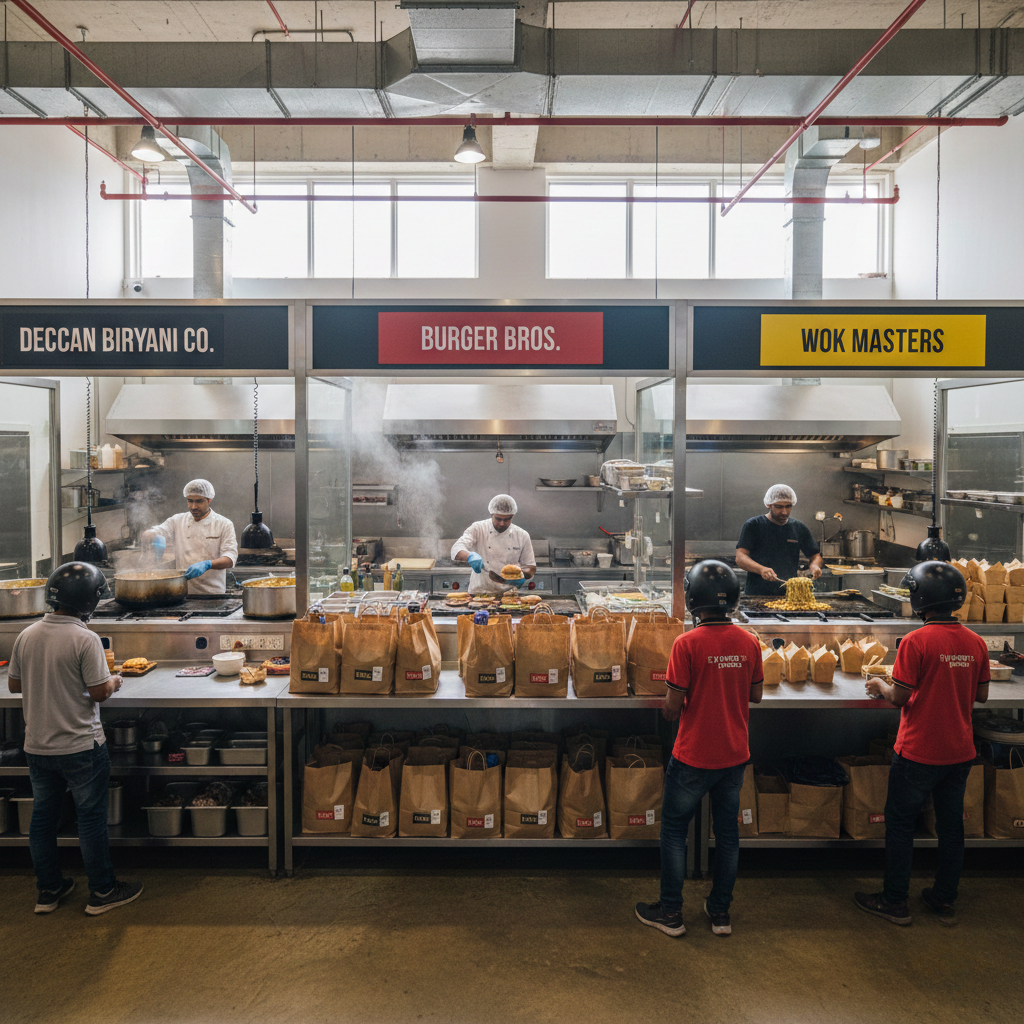
Multi-brand kitchens increase complexity. Brand mix-ups, wrong packaging, and menu confusion damage trust quickly. One weak brand can pull down overall perception. Brand-wise SOPs are essential for rating stability.
Structural clarity is explained in How to Build SOPs for Multi-Brand Cloud Kitchens.
Why Ratings Improve Only When Systems Improve
Training fades. Motivation fluctuates. Systems remain. SOPs, checklists, audits, and role clarity remove variability. When execution stabilizes, ratings recover naturally.
This approach is detailed in How Operations Systems Reduce Dependency on Founders.
How Falling Ratings Impact Profitability
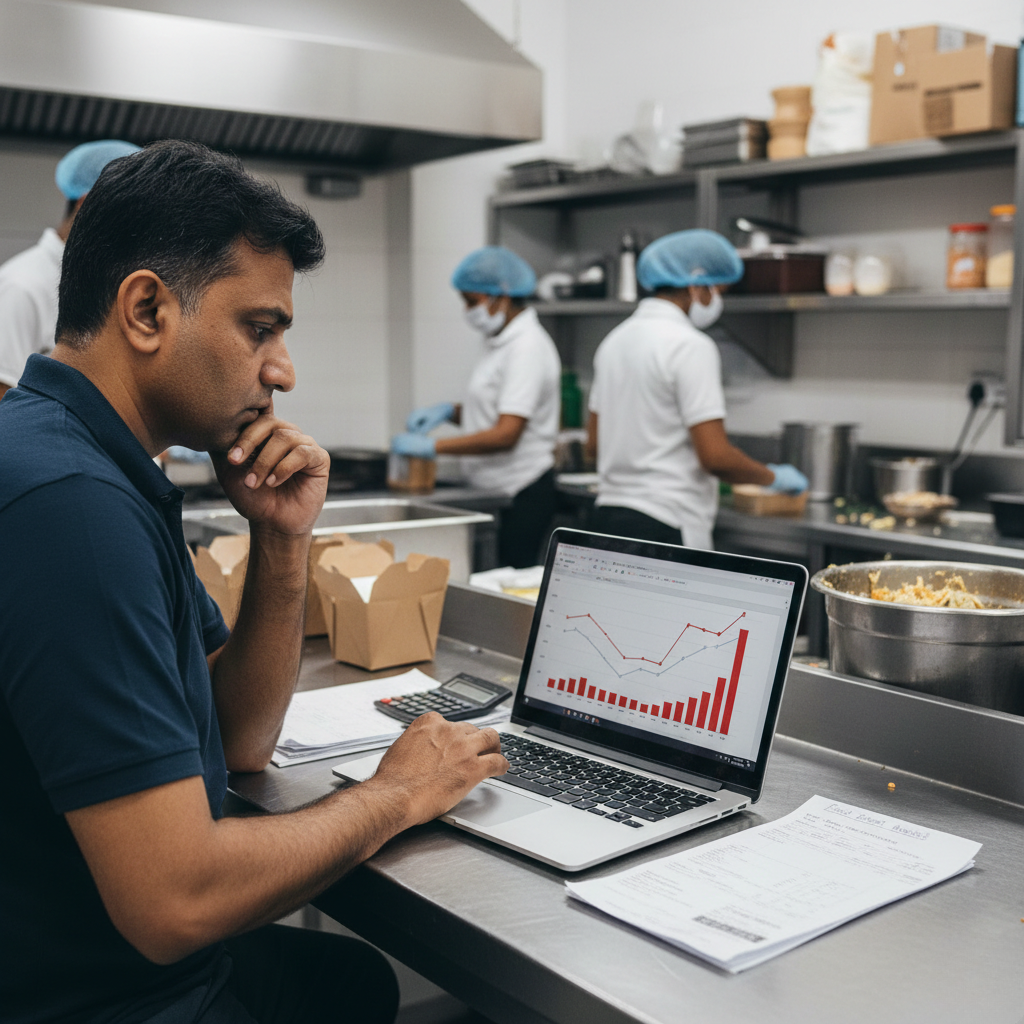
Lower ratings reduce visibility. Reduced visibility lowers order volume. Refunds and complaints increase costs. Ratings and profitability are tightly linked.
This relationship is explained in How Operations Impact Cloud Kitchen Profitability.
Why My Cloud Kitchen Ratings Are Falling: Final Takeaway
Ratings do not fall randomly. They fall when operations lose discipline. Kitchens that treat ratings as operational feedback recover faster and more sustainably. Proven frameworks from GrowKitchen help founders stabilize execution and restore ratings without guesswork.
FAQs: Falling Cloud Kitchen Ratings
Can marketing campaigns fix falling ratings?
No. Marketing increases orders, not consistency.
How quickly do ratings recover after fixes?
Early improvement is usually visible within weeks.
Are rating drops always caused by food quality?
Rarely. Most drops are caused by execution issues.
Should I pause growth when ratings fall?
Yes. Stabilize operations before scaling further.