Why Cloud Kitchens Fail in India: 15 Real Reasons Most Kitchens Shut Down Within 12 Months

cloud kitchen in kothrud

Why Cloud Kitchens Fail in India: 15 Real Reasons Most Kitchens Shut Down Within 12 Months

The cloud kitchen industry in India looks attractive-low setup cost, fast launch, and the promise of quick scalability. Yet, despite the hype, a large percentage of cloud kitchens shut down within the first 6-12 months. The reason isn’t demand; it’s execution.

This article breaks down the 15 real, ground-level reasons why cloud kitchens fail in India, based on industry patterns, operator mistakes, and operational blind spots.

Cloud kitchen business failure challenges in India

1. Poor Understanding of the Cloud Kitchen Business Model

Many founders assume cloud kitchens are just “restaurants without seating.” In reality, the business model is entirely different-driven by delivery radius, aggregator algorithms, and unit economics.

Without understanding the right model, costs spiral quickly. Explore this in detail in cloud kitchen business models in India.

2. Underestimating Platform Commissions

Aggregator commissions ranging from 18% to 25% eat directly into margins. Many kitchens price their menu without accounting for these charges.

As per industry analysis by Restaurant India , poor commission planning is one of the top shutdown reasons.

3. High Food Cost Percentage

A sustainable cloud kitchen keeps food cost between 25%–32%. Anything above 35% is a red flag.

Lack of recipe standardization and portion control pushes food costs dangerously high. Read more in cloud kitchen food cost percentage in India.

4. Weak Menu Engineering

Offering too many items, low-margin dishes, or inconsistent menus leads to:

  • Low profitability
  • Higher wastage
  • Operational chaos

Strong menu engineering is explained in cloud kitchen menu engineering in India.

5. Wrong Location Selection

Even though cloud kitchens don’t need footfall, location still matters. High rent zones, poor delivery access, or low order density areas kill margins.

6. No Demand Validation Before Launch

Many kitchens launch cuisines based on personal preference instead of local demand. Without validating search trends and competitor density, orders remain low.

7. Over-Discounting to Get Orders

Heavy discounts attract customers-but destroy unit economics. Once discounts stop, orders vanish.

Discount-led growth without retention strategy is unsustainable.

8. Poor Aggregator Listing Optimization

Low-quality food photos, weak descriptions, and wrong pricing reduce conversions. Many kitchens never optimize their Swiggy or Zomato listings after launch.

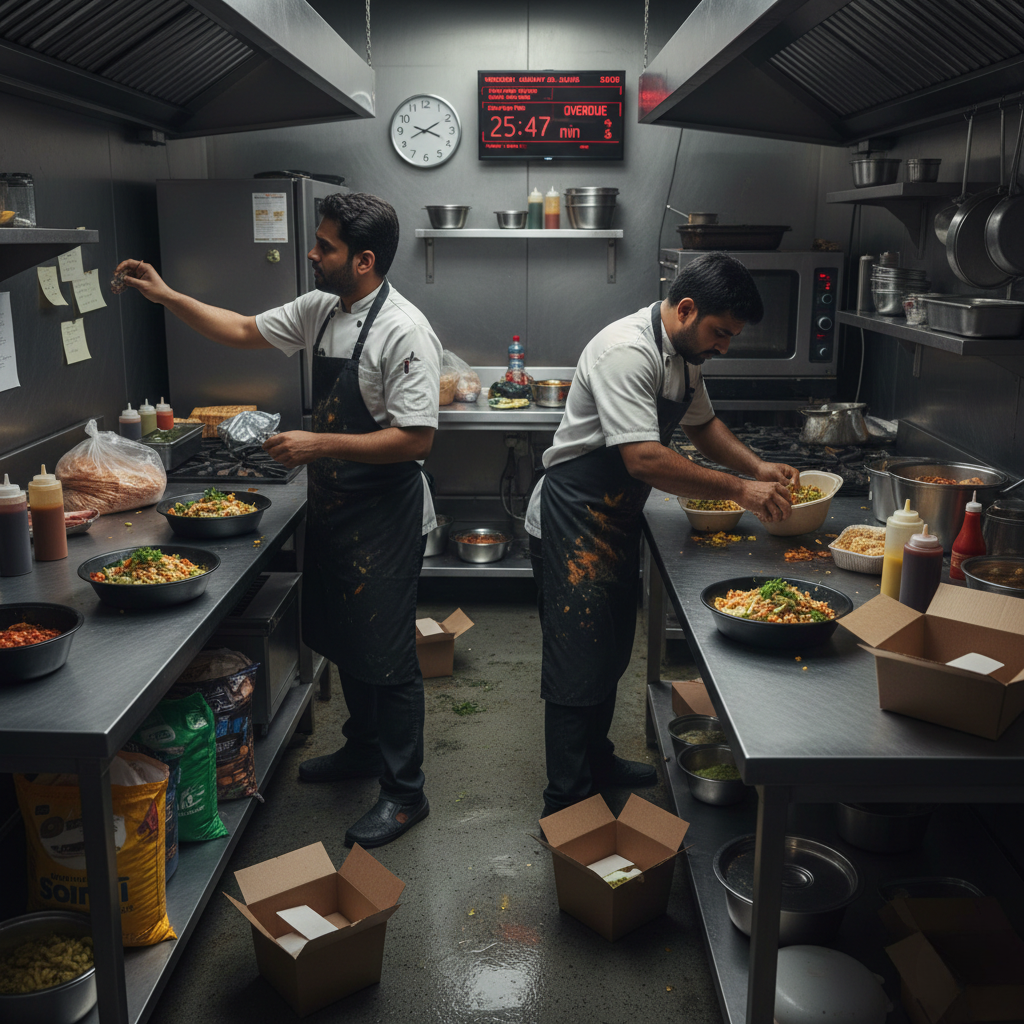
9. Inefficient Operations & No SOPs

Lack of Standard Operating Procedures (SOPs) leads to:

  • Order delays
  • Quality inconsistency
  • High customer complaints

Operations play a major role in survival, as explained in cloud kitchen operations management.

Cloud kitchen operational issues and shutdown reasons

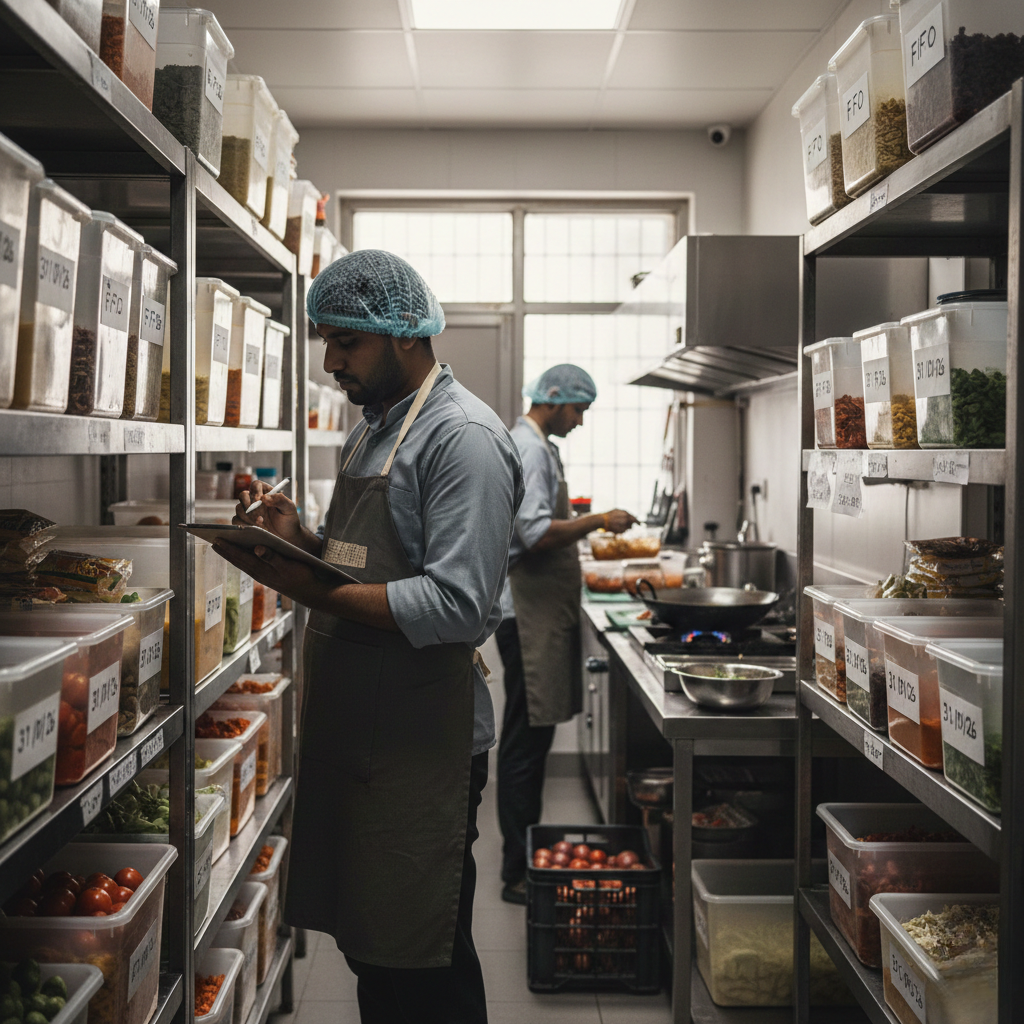
10. Poor Inventory & Wastage Control

Over-ordering, spoilage, and dead stock quietly eat profits. Many founders track sales but ignore inventory metrics.

11. Inexperienced Kitchen Staff

Untrained staff leads to portion inconsistency, higher food cost, and customer dissatisfaction-especially during peak hours.

12. No Brand Identity

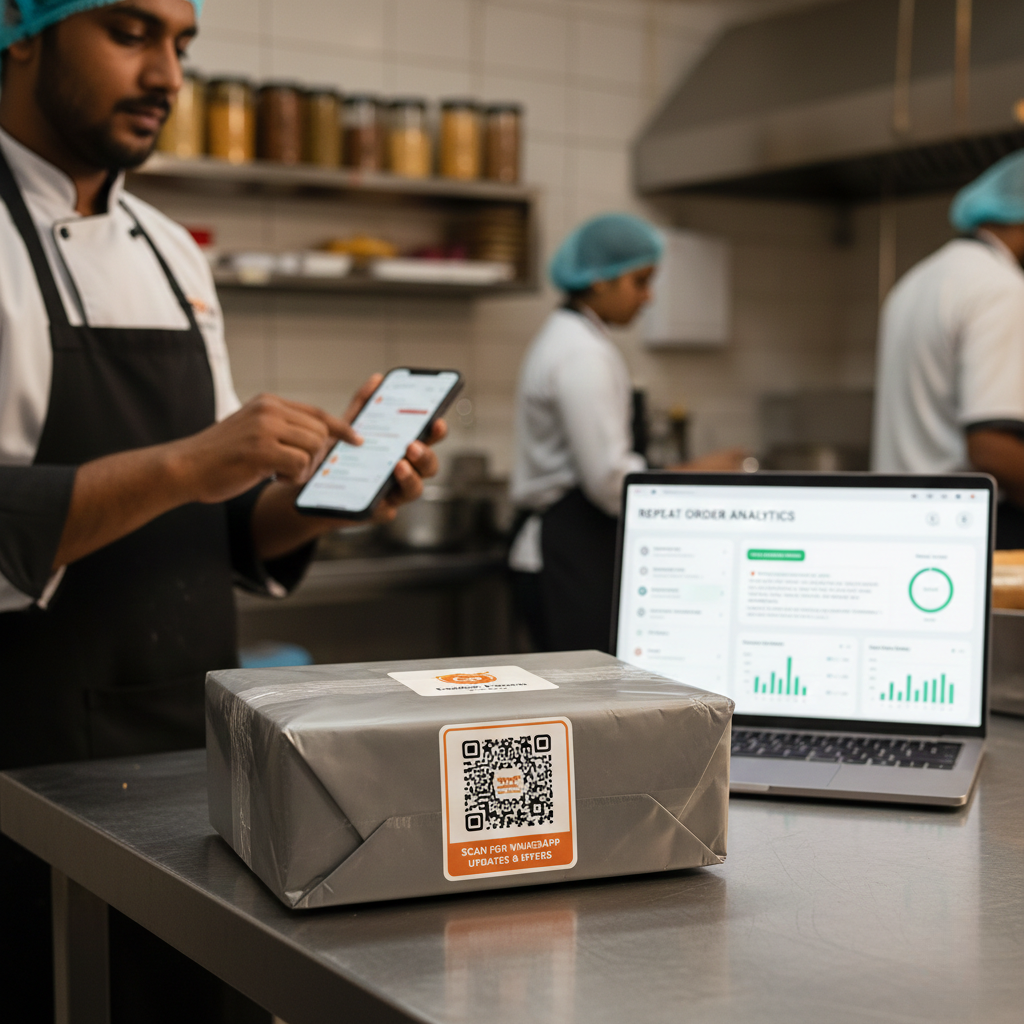
Generic brand names and unclear positioning make it hard to build repeat customers. Customers remember brands, not kitchens.

13. Unrealistic Profit Expectations

Some founders expect profits within 2–3 months. In reality, most successful kitchens break even in 6–12 months.

Understand realistic earnings in cloud kitchen profit margins in India.

14. Ignoring Customer Feedback

Negative reviews about taste, portion size, or delivery experience are often ignored. This directly impacts platform rankings and order volume.

15. No Expert Guidance or Consulting

Many kitchens fail simply because founders try to “figure everything out themselves.” Lack of expert input leads to repeated, costly mistakes.

Professional support is explained in cloud kitchen consulting services in India.

Conclusion

Cloud kitchens in India don’t fail because the market is bad-they fail because of poor planning, weak execution, and incorrect assumptions. Avoiding these 15 mistakes dramatically improves your chances of survival and scale.

Frequently Asked Questions (FAQs)

Do most cloud kitchens fail in India?

Yes. A significant number of cloud kitchens shut down within the first 12 months due to poor unit economics and operational issues.

What is the biggest reason cloud kitchens fail?

High food cost combined with aggregator commissions is the most common reason.

Can cloud kitchens be profitable in India?

Yes, with correct pricing, menu engineering, cost control, and operational discipline.

How long does it take to break even?

Most successful cloud kitchens break even within 6–12 months.

Is consulting necessary for cloud kitchens?

Not mandatory, but consulting significantly reduces risk and speeds up profitability.

People Also Read

Share: