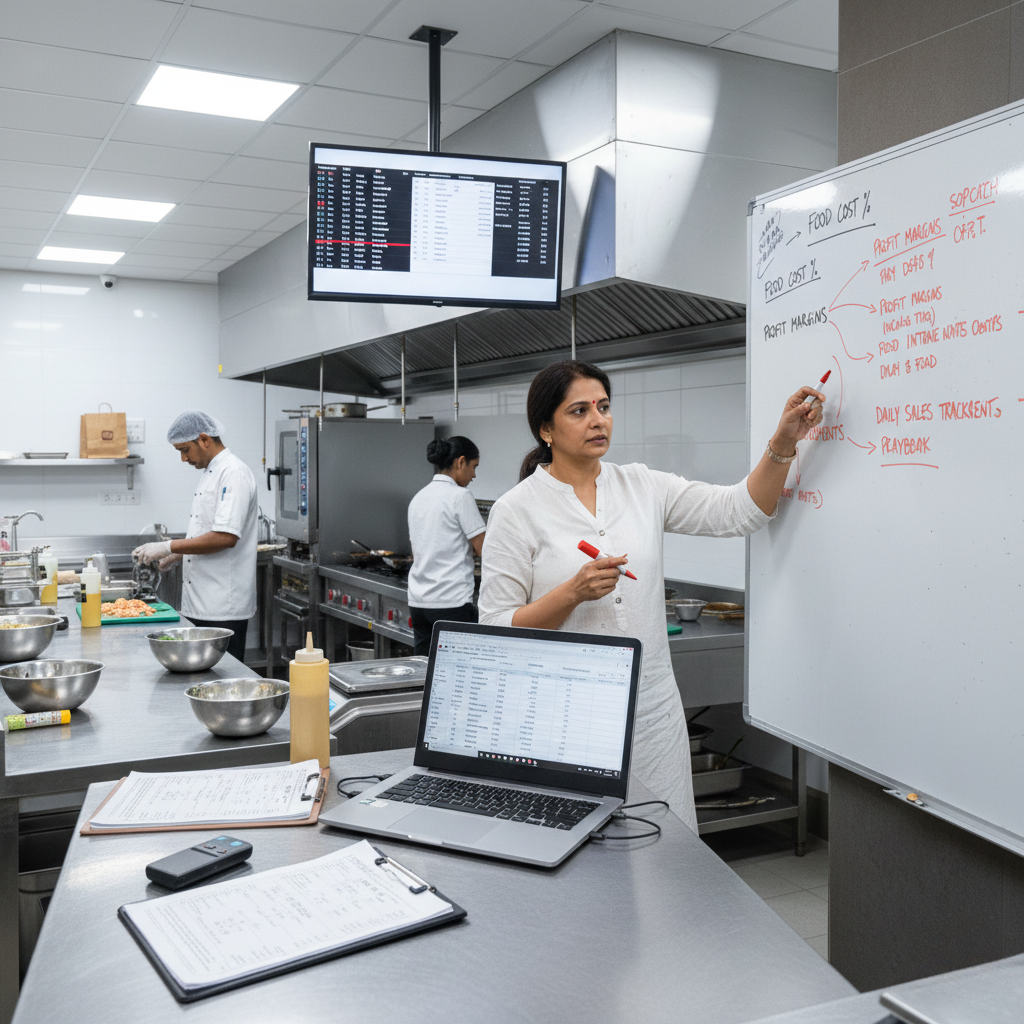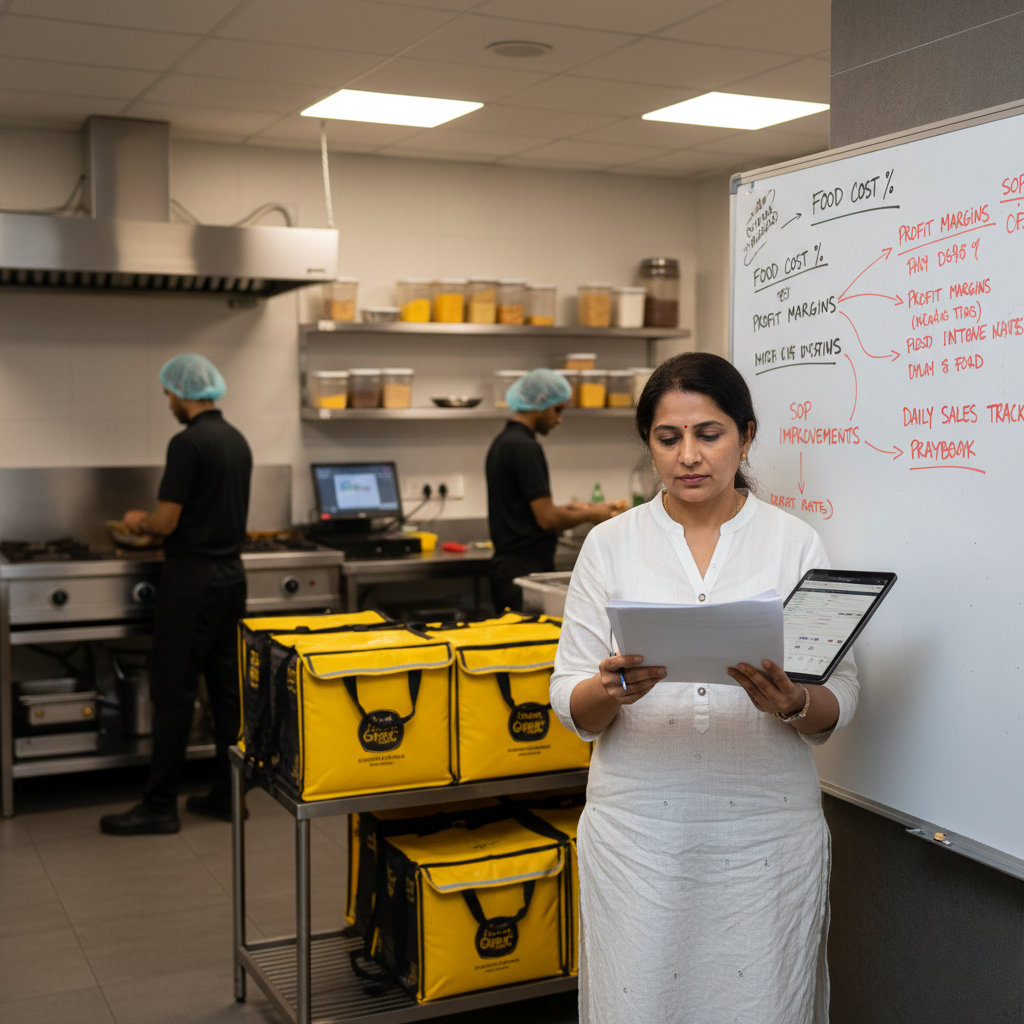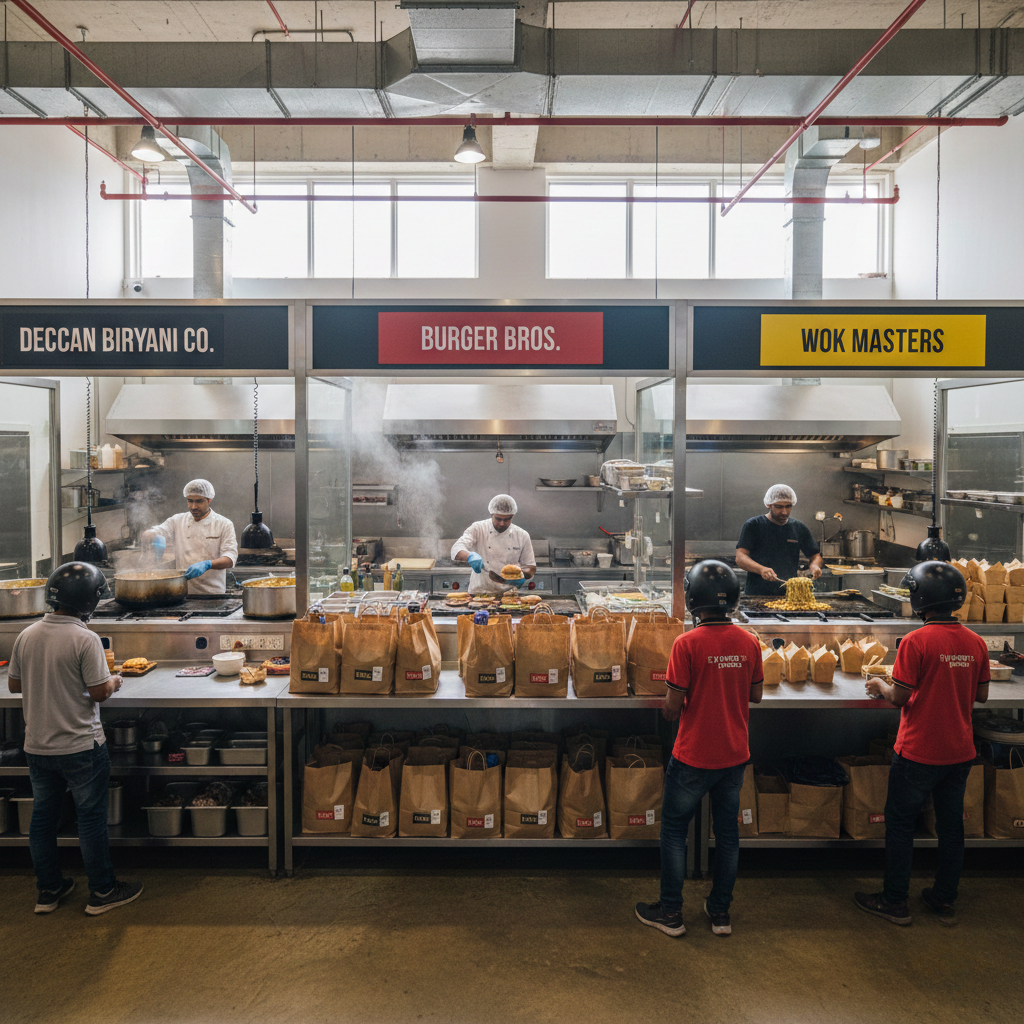
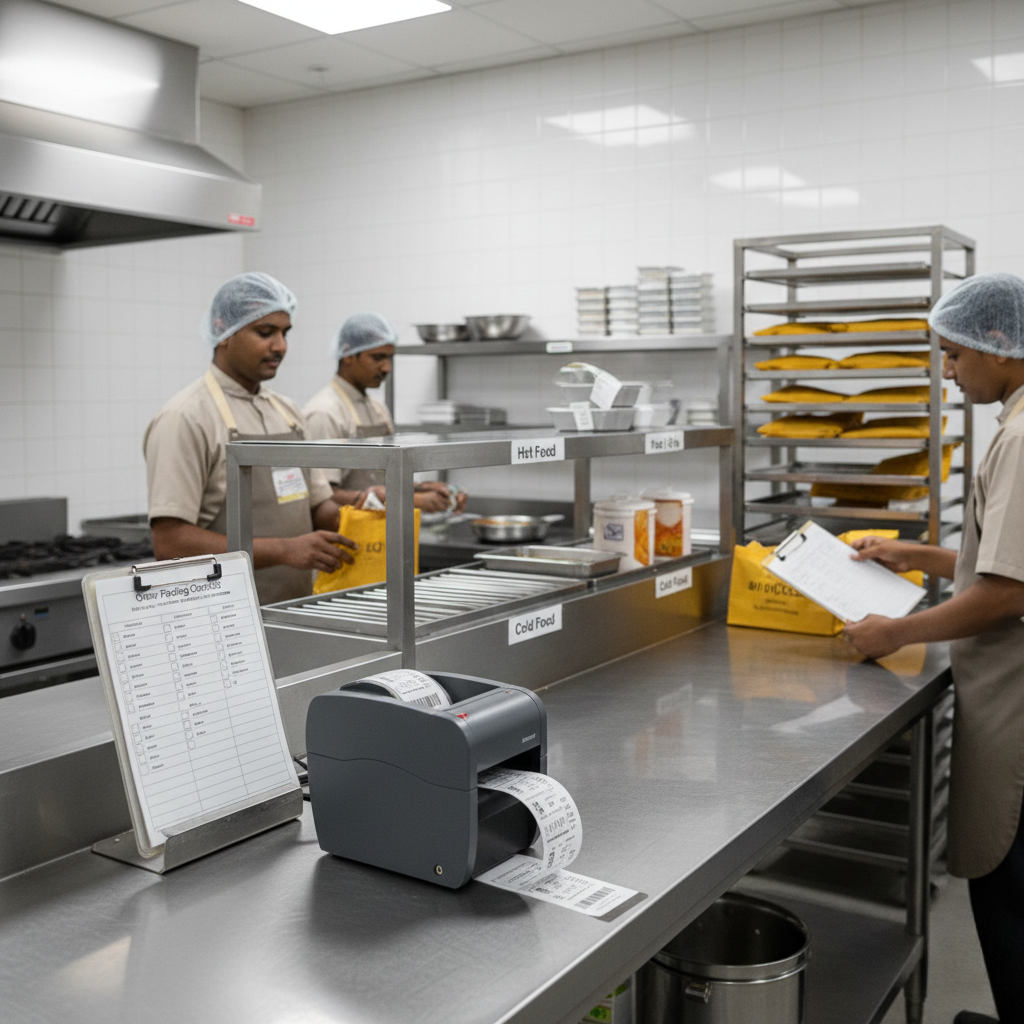
When to switch to (CKaaS) Cloud Kitchen as a Service ? is not a “when I get more orders” or “when rent becomes high” question. It is a stability + execution + founder dependency + scalability question. Founders should switch to CKaaS when growth starts increasing chaos, when profits stay unclear despite sales, and when the kitchen needs repeatable systems more than motivation. Switching too early creates dependency without learning. Switching too late creates burnout, leakage, and stalled expansion. This guide explains the right time to switch to CKaaS in India using unit economics, SOP maturity, platform reliability, and scale-readiness using systems, not emotions.
When to switch to (CKaaS)? The Timing Mistake That Costs Founders 12–18 Months
Most founders don’t switch to CKaaS because they are excited about models. They switch because their kitchen becomes hard to manage.
The pattern is predictable: orders start coming, the brand gets traction, the dashboard looks alive, but the founder’s time gets consumed by daily firefighting.
Dispatch issues become common. Inventory gets “managed” in WhatsApp. Refunds feel random. Portion control varies by staff. Profit feels like a guess.
This is the zone where many kitchens either plateau, or scale losses by expanding too early.
If you want the profitability foundation first, start with Cloud Kitchen Profitability Consultant in India and map execution risks using Common Operational Mistakes in Cloud Kitchens.
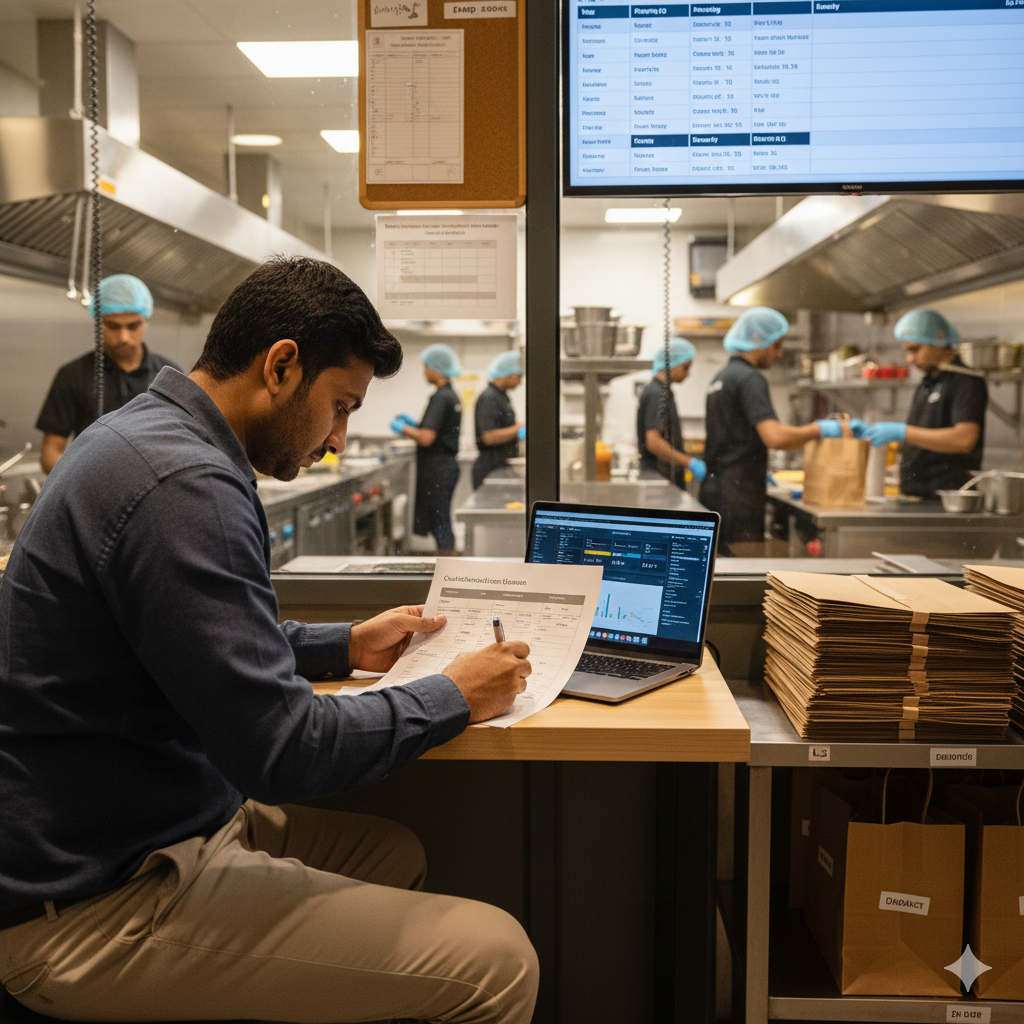
What “Switching to CKaaS” Actually Means (Not Just Renting a Kitchen)
Many founders misunderstand CKaaS. They think it means: rent a kitchen, plug in a brand, start selling.
That is not CKaaS. That is just kitchen rental.
Real CKaaS means switching from founder-led execution to system-led execution. It means your business stops running on your presence, and starts running on repeatable operating structure.
If your current kitchen fails when you are not physically present, you don’t need “more staff.” You need a structure that survives absence.
The 7 Clear Signals You Should Switch to CKaaS
Founders often ask, “Is it time?” The answer becomes obvious when these signals appear together.
Signal 1: Orders are stable but execution is unstable
You get daily orders, but complaints, refunds, and errors keep repeating.
Signal 2: Profit feels unclear even at decent revenue
You do sales, but cannot confidently say your per-order contribution margin.
Start with
Aggregator Commission Impact in India
to understand why “revenue” hides the truth.
Signal 3: You are the permanent quality control
Food quality improves when you are present, and drops when you are absent.
This is founder-dependency risk.
Signal 4: Inventory is a guess
You don’t know what is consumed, wasted, or stolen until it becomes a shortage.
Inventory discipline is not optional at scale.
Signal 5: Staff performance varies by shift
Same menu, different output depending on who is cooking.
That is SOP drift.
Signal 6: Dispatch feels chaotic during peak hours
Late dispatches, incorrect packing, missing items, and delayed handoffs.
Fix this using
Cloud Kitchen Dispatch SOP.
Signal 7: You want to expand but your first kitchen isn’t stable
Expansion without stability multiplies problems.
Understand this trap via
When Growth Is Hurting Your Cloud Kitchen Operations.
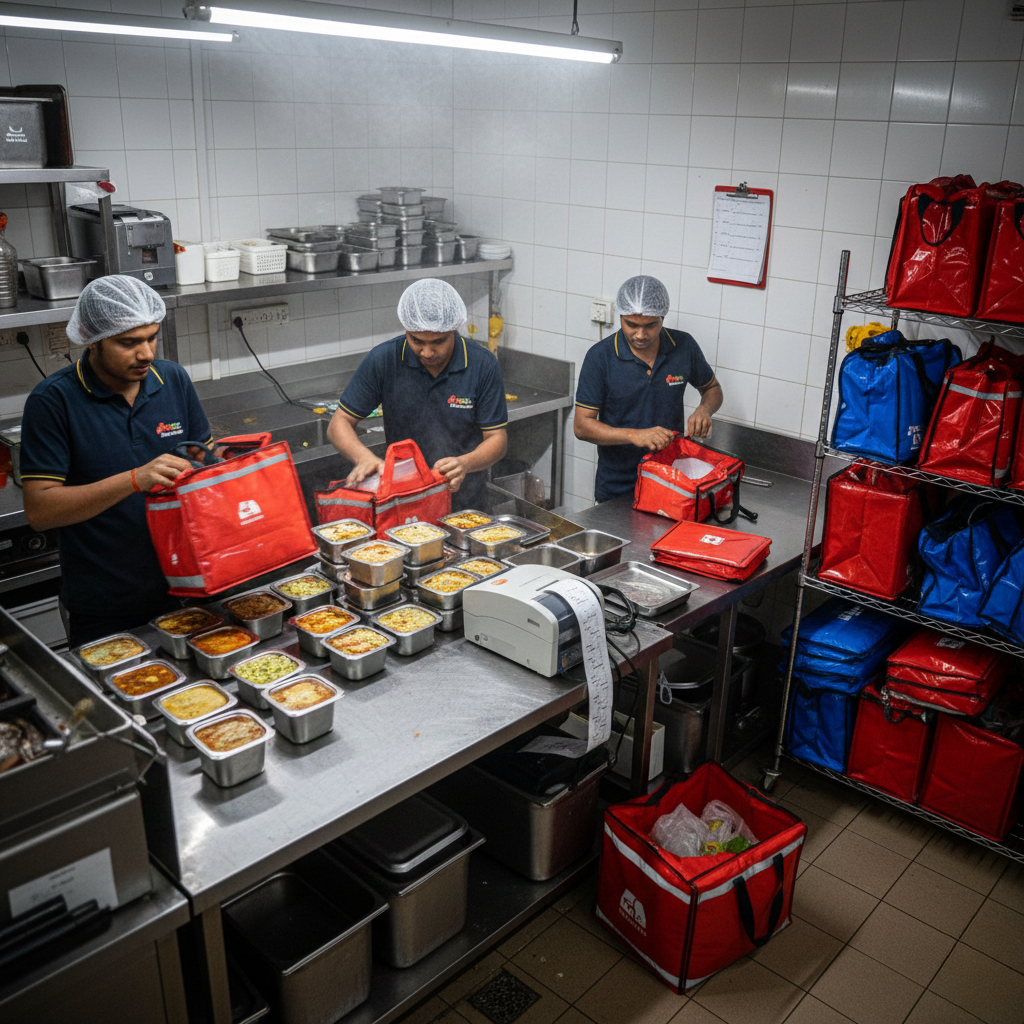
The Unit Economics Check: Switching to CKaaS Only Makes Sense If This Is True
CKaaS improves execution. It does not magically fix bad unit economics.
Before switching, you must know if your model can sustain a service layer.
Your per-order structure must be visible:
Order Value minus Aggregator commission & charges minus Packaging cost minus Food cost (COGS) minus Discount burn minus Refund & penalty leakage minus CKaaS service fee / revenue share equals Contribution Margin.
If you don’t track this clearly, switching to CKaaS can scale losses faster because execution becomes efficient.
If refunds are a major leakage layer, understand the mechanism via Refunds and Cancellations Impact on Cloud Kitchen Profitability.
The SOP Readiness Check: CKaaS Works Only When SOP Depth Exists
CKaaS is effective when it brings SOP depth that you currently do not have: prep rhythm, portion discipline, cleaning logs, packing checks, and daily reporting.
If a CKaaS partner is only offering space and manpower, you are not switching to CKaaS. You are switching to managed chaos.
Use role clarity to test readiness using Role-Based Kitchen Operations Explained.
The Best Time to Switch to CKaaS (A Practical Timing Framework)
The best time is not a date. It is a condition.
Switch to CKaaS when: your demand exists but your execution is limiting growth.
Here is a simple timing framework:
Stage A: Early validation (0–100 orders/month)
Focus on product-market fit, menu structure, and basic hygiene.
CKaaS can be premature unless you lack any operational capability.
Stage B: Demand forming (100–500 orders/month)
If refunds, late dispatch, and inconsistency keep repeating,
this is the zone where CKaaS can reduce founder load and stabilize execution.
Stage C: Growth pressure (500+ orders/month)
If growth is causing chaos, you need systems now.
Many founders lose 12–18 months here by “trying harder” instead of switching structures.
If your kitchen already has traction but keeps bleeding cash, read The Real Reason Cloud Kitchens Bleed Cash.
The Hidden Risk of Switching Too Late: You Normalize Leakage
The biggest danger is not a bad month. It is slow normalization.
Refunds feel normal. Stock mismatch feels normal. Staff excuses feel normal. Discount dependency feels normal.
Once leakage becomes routine, founders lose the ability to measure what “good” looks like. This is why many cloud kitchens plateau permanently despite doing “okay revenue.”
Process discipline is the real unlock. Read How Process Discipline Improves EBITDA to understand why operational discipline is a financial lever, not a hygiene task.
How to Decide Correctly: A Simple Switch Checklist
Switch to CKaaS if:
- Your kitchen depends on your presence to run well
- Refunds, cancellations, and dispatch issues keep repeating
- Inventory and portion control are inconsistent
- You want to expand but execution is not stable
- Your unit economics can sustain a service layer
Do not switch yet if:
- You don’t have product-market fit
- Your pricing is broken and contribution margin is unknown
- Your brand is entirely discount-dependent
- You are trying to “escape effort” rather than build repeatability
External references: Lean Standardized Work, ISO 22000, FSSAI Schedule 4.
Final Takeaway: Switch to CKaaS When Execution Limits Growth
CKaaS is not a shortcut. It is a structure.
You should switch when: demand exists, but operations cannot stay consistent without you.
Switch too early and you lose learning. Switch too late and you normalize leakage. Switch at the right time and you create stability that makes scale possible.
Frameworks from GrowKitchen, and operating brands like Fruut and GreenSalad help founders build execution systems that survive growth.
FAQs: When Should I Switch to CKaaS?
Should I switch to CKaaS only after reaching a revenue milestone?
No. Switch based on execution stability and founder dependency, not revenue alone.
Can CKaaS fix bad profitability?
CKaaS improves execution. If pricing and contribution margin are broken, it may scale losses faster.
What is the biggest sign I should switch?
When the kitchen runs well only when you are physically present.
What should I check before switching?
Contribution margin visibility, refund leakage, SOP depth, and dispatch reliability.