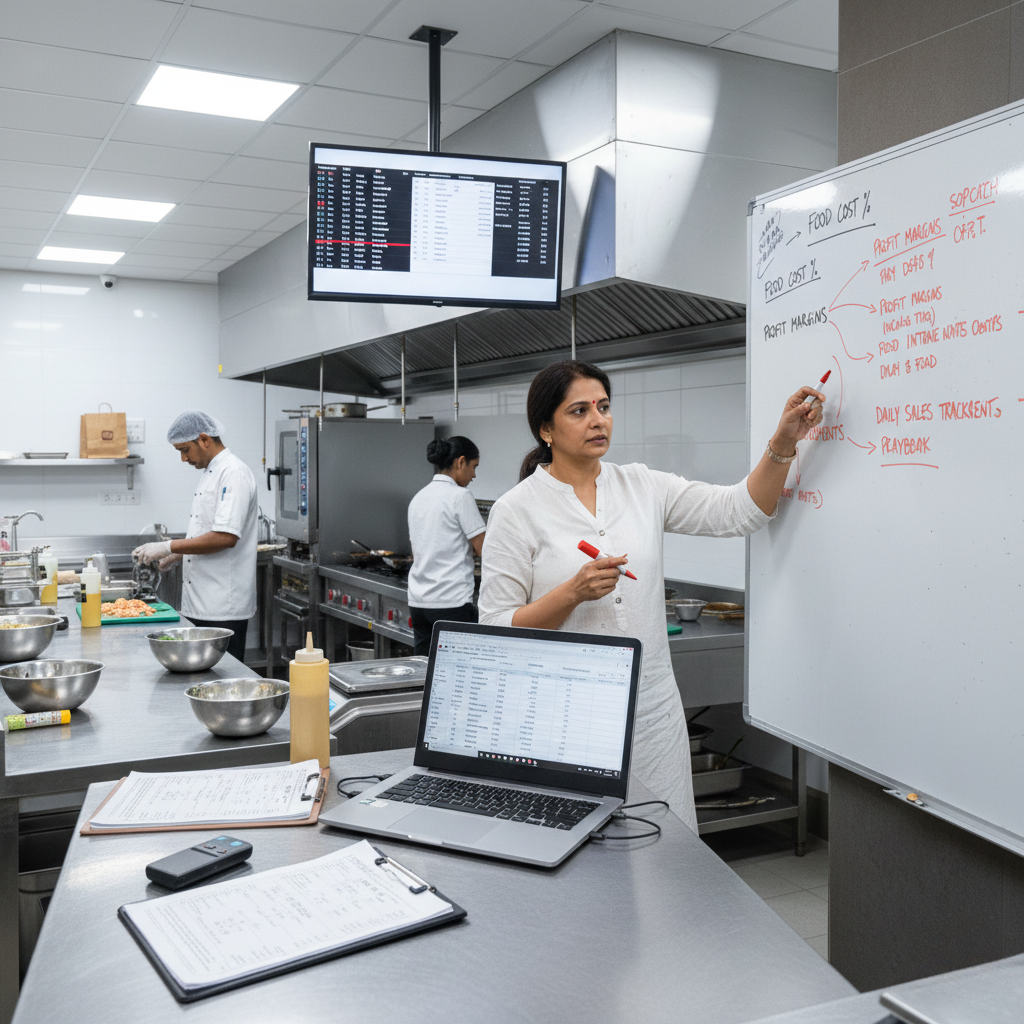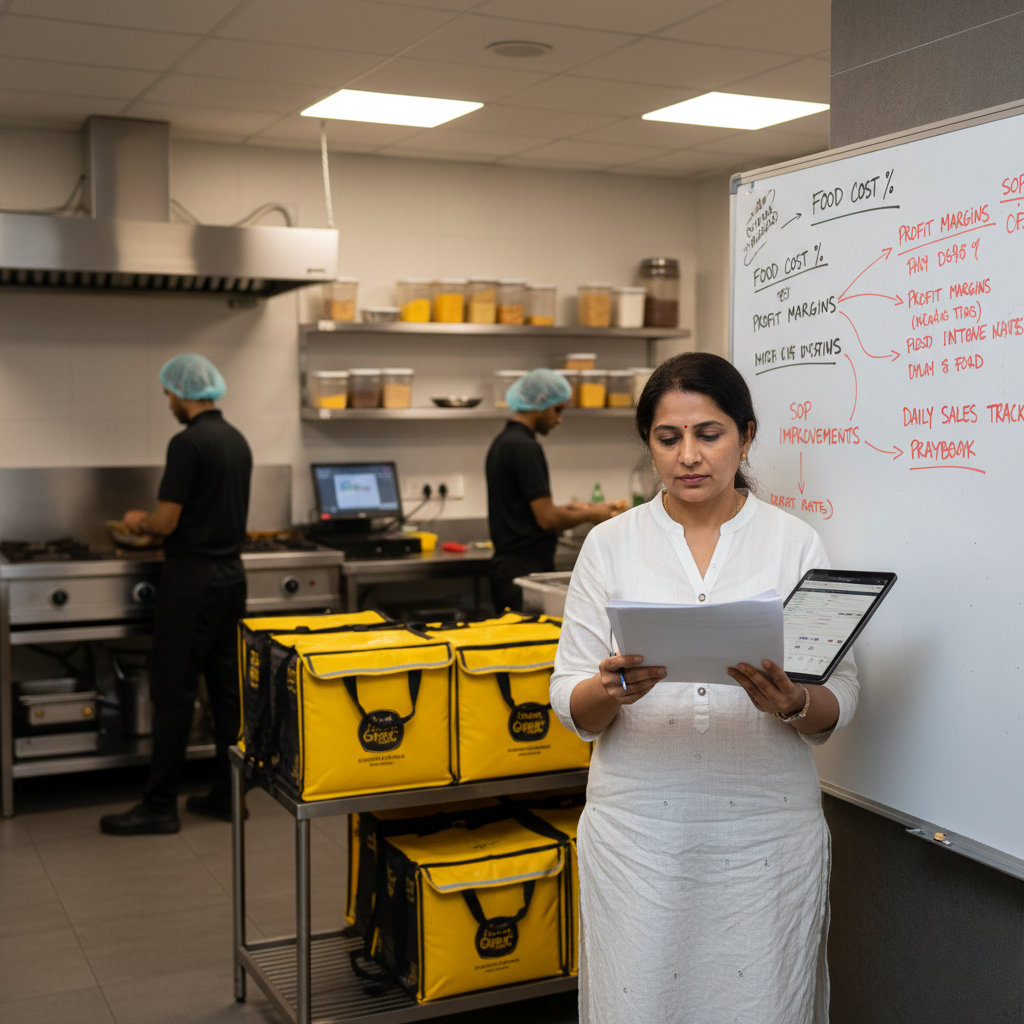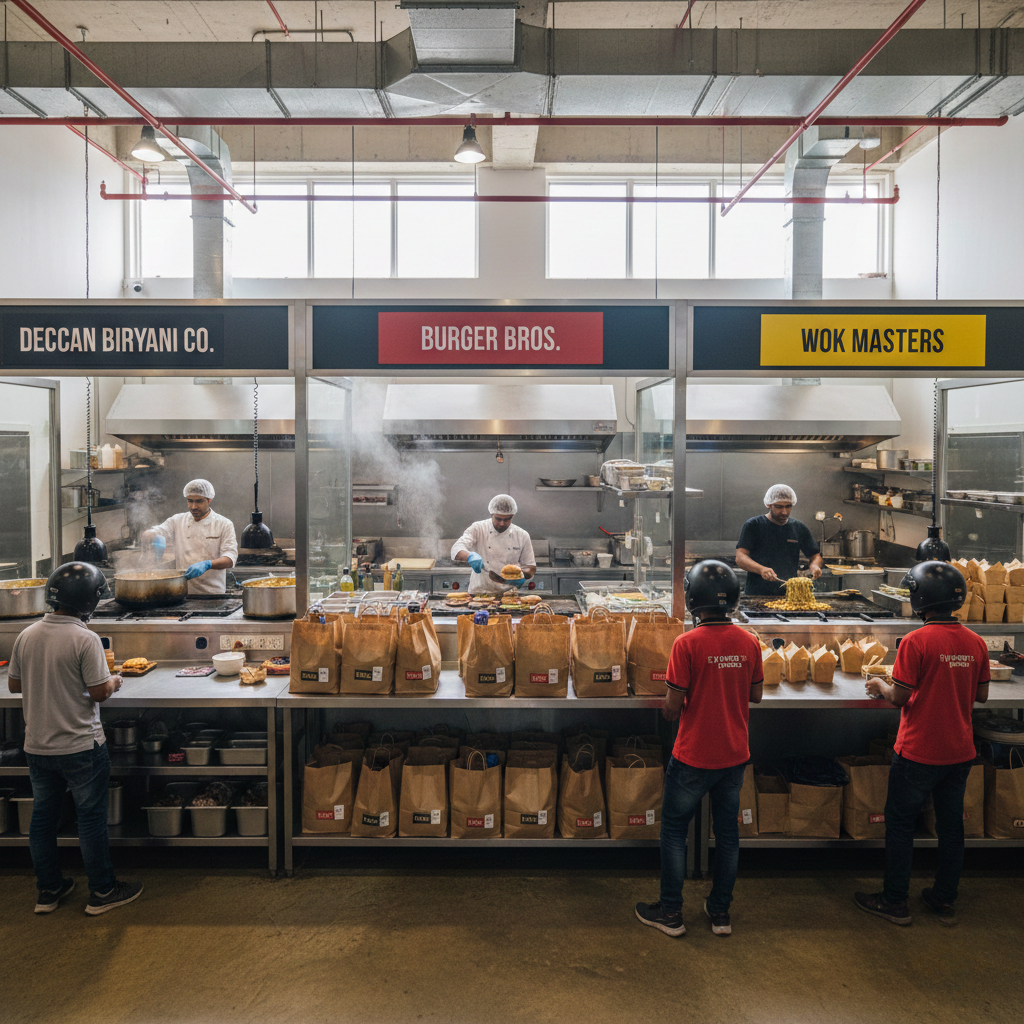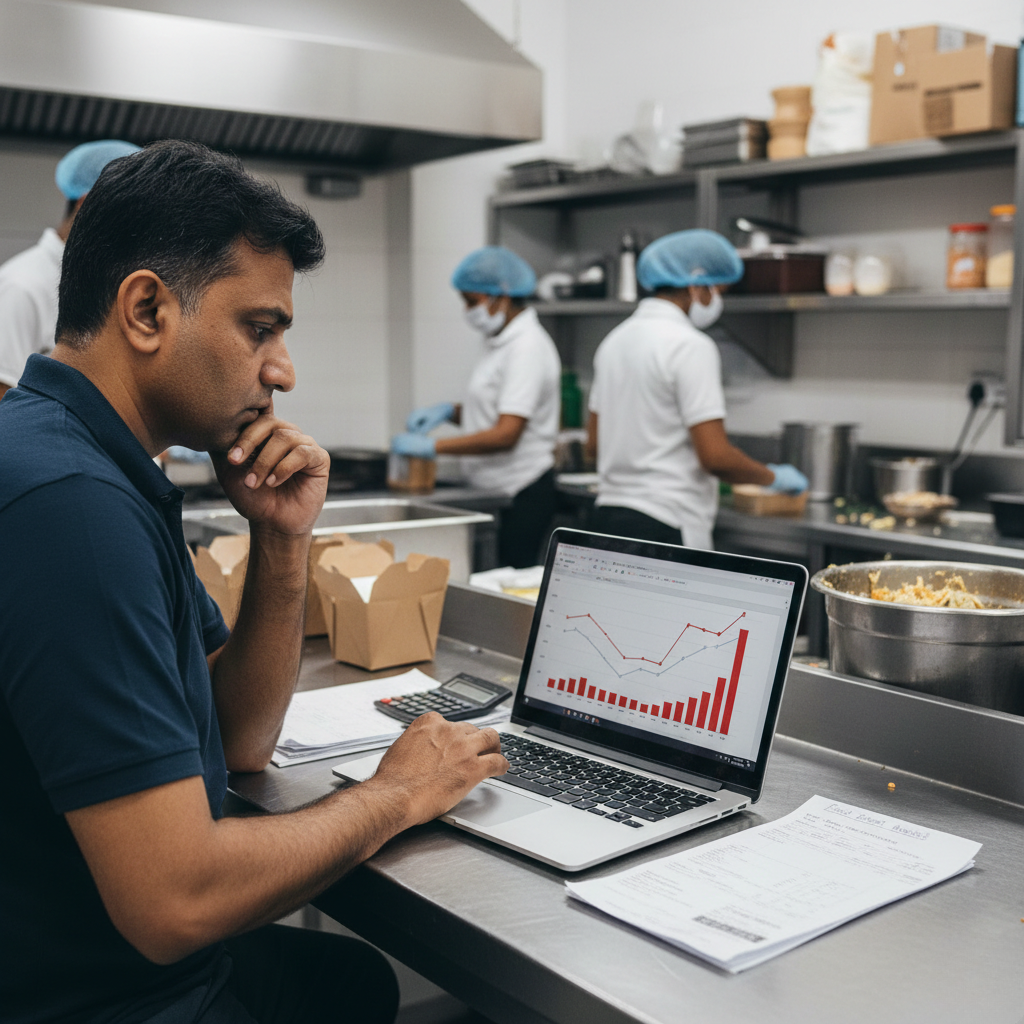
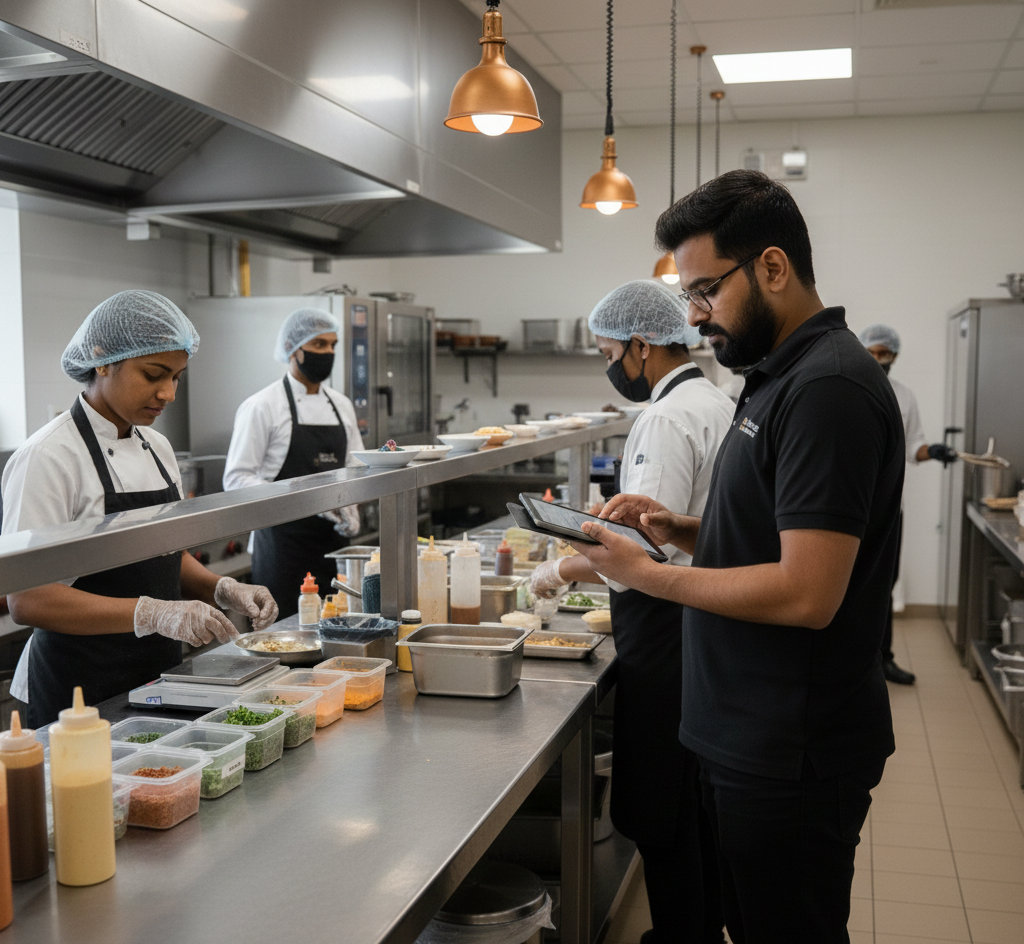
Use Data To Reduce Wastage In Cloud Kitchens is essential for protecting profit margins. Wastage is one of the most underestimated threats to cloud kitchen profitability. To effectively Use Data To Reduce Wastage In Cloud Kitchens, operators must replace assumption-based supervision with structured financial and operational visibility.
When kitchens Use Data To Reduce Wastage In Cloud Kitchens, inefficiencies become measurable and correctable. Data transforms wastage control into a disciplined system that directly strengthens contribution margins.
Why You Must Use Data To Reduce Wastage In Cloud Kitchens
Every gram of unused or mismanaged inventory increases food cost percentage and weakens contribution margins. As explained in Cloud Kitchen Profitability Data-Driven Approach and why cloud kitchen profits decline despite good sales , hidden cost drift often becomes visible only after profitability declines.
To consistently Use Data To Reduce Wastage In Cloud Kitchens, structured reporting must replace reactive inventory checks.
Using Contribution Margin to Use Data To Reduce Wastage In Cloud Kitchens
Contribution margin reveals how much revenue remains after deducting variable costs such as ingredients, packaging, aggregator commissions, discounts, and marketing expenses.
Contribution Margin = Selling Price − Variable Costs
If contribution margin declines without pricing changes, operators should Use Data To Reduce Wastage In Cloud Kitchens by investigating rising internal inefficiencies.
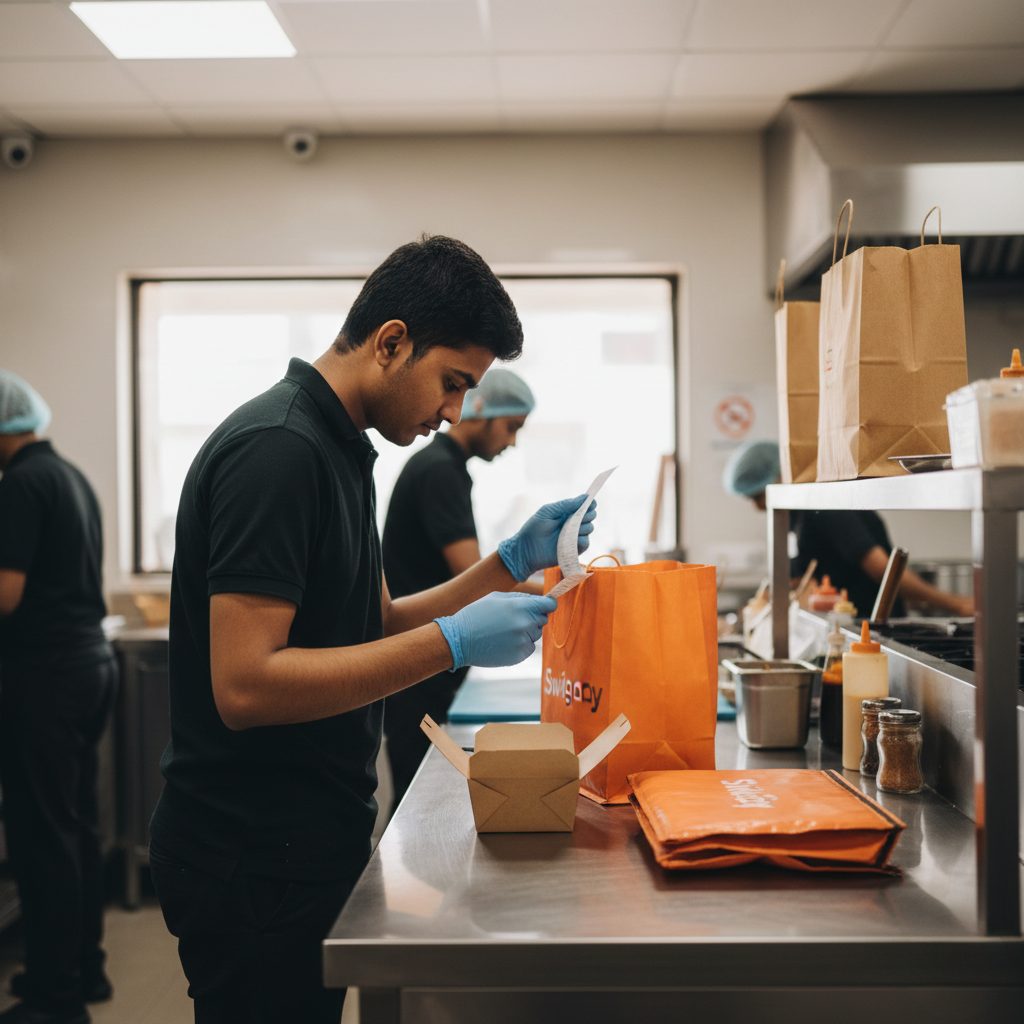
Monitoring contribution at SKU level highlights portion drift and inefficient prep practices.
Tracking Food Cost Percentage to Use Data To Reduce Wastage In Cloud Kitchens
Food cost percentage is the most direct indicator of wastage impact.
Food Cost % = (Total Ingredient Cost / Total Sales) × 100
When food cost increases despite stable supplier pricing, operators must Use Data To Reduce Wastage In Cloud Kitchens by reviewing prep waste, spoilage, and portion inconsistencies.

Daily monitoring of ingredient usage against sales volume enables early detection of variance.
Inventory Analysis to Use Data To Reduce Wastage In Cloud Kitchens
Inventory turnover reflects how efficiently stock converts into revenue. Slow-moving inventory increases spoilage risk and locks working capital.
To Use Data To Reduce Wastage In Cloud Kitchens effectively, procurement cycles and consumption patterns must align with real demand.
Structured inventory reporting minimizes over-ordering and improves forecasting accuracy.
Portion Standardization to Use Data To Reduce Wastage In Cloud Kitchens
Inconsistent portion sizes are a significant source of wastage. Gram-based recipe systems help teams Use Data To Reduce Wastage In Cloud Kitchens through measurable standardization.
Data-backed portion control reduces variance, stabilizes food cost percentage, and strengthens contribution margins.
Labor Planning to Use Data To Reduce Wastage In Cloud Kitchens
Wastage is not limited to ingredients. Inefficient prep planning and misaligned staffing cause overproduction and discarded inventory.
Labor Cost % = (Total Staff Cost / Total Revenue) × 100
Aligning prep schedules with order trends ensures production matches real demand and helps Use Data To Reduce Wastage In Cloud Kitchens effectively.
Discount and Demand Insights to Use Data To Reduce Wastage In Cloud Kitchens
Promotional spikes followed by sharp declines often lead to overproduction. Operators who Use Data To Reduce Wastage In Cloud Kitchens analyze post-promotion sales patterns carefully.
Operational warning signals are explored further in Best Tools for Cloud Kitchens to Track Profitability .
Structured demand forecasting prevents over-preparation during fluctuating cycles.
Dashboard Systems to Use Data To Reduce Wastage In Cloud Kitchens
Integrating contribution margin, food cost percentage, inventory turnover, and labor efficiency into a unified dashboard helps teams consistently Use Data To Reduce Wastage In Cloud Kitchens.
When these indicators are reviewed daily, corrective action occurs before profit margins decline.
Final Thoughts on How to Use Data To Reduce Wastage In Cloud Kitchens
Profit margins improve when inefficiencies become measurable. Teams that Use Data To Reduce Wastage In Cloud Kitchens gain clarity, accountability, and financial stability.
With disciplined monitoring and structured execution, wastage becomes controllable rather than inevitable.
Frequently Asked Questions About How to Use Data To Reduce Wastage In Cloud Kitchens
What is the biggest source of wastage in cloud kitchens?
Common sources include portion inconsistency, over-preparation, inaccurate demand forecasting, and poor inventory management.
How often should teams Use Data To Reduce Wastage In Cloud Kitchens?
Daily monitoring of food cost percentage and inventory movement provides early detection of inefficiencies.
Can using data significantly improve profit margins?
Yes. Even small reductions in food cost percentage can substantially strengthen contribution margins over time.
Is specialized software required to Use Data To Reduce Wastage In Cloud Kitchens?
While software enhances accuracy, structured reporting systems and disciplined execution are the primary drivers of waste reduction.
Still Have Questions?
For operational and profitability guidance, read the Grow Kitchen FAQs .
You may also explore:
- How Do I Know If My Cloud Kitchen Is Profitable?
- Cloud Kitchen Profitability Dropping When Orders Increase
- Key Profitability Metrics for Cloud Kitchens
- Use Data to Optimize Cloud Kitchen Profitability
- Data-Driven Decisions for Cloud Kitchen Profitability
Also Refer To
- Grow Kitchen – Cloud Kitchen Systems & Consulting
- How Data Analytics Is Transforming the Restaurant Industry – NRN
- Green Salad Official Website
- Fruut – Healthy Food Brand
- Rahul Tendulkar on LinkedIn
- Grow Kitchen on LinkedIn
- Grow Kitchen on Facebook
- Green Salad Official Website
- Grow Kitchen on Twitter