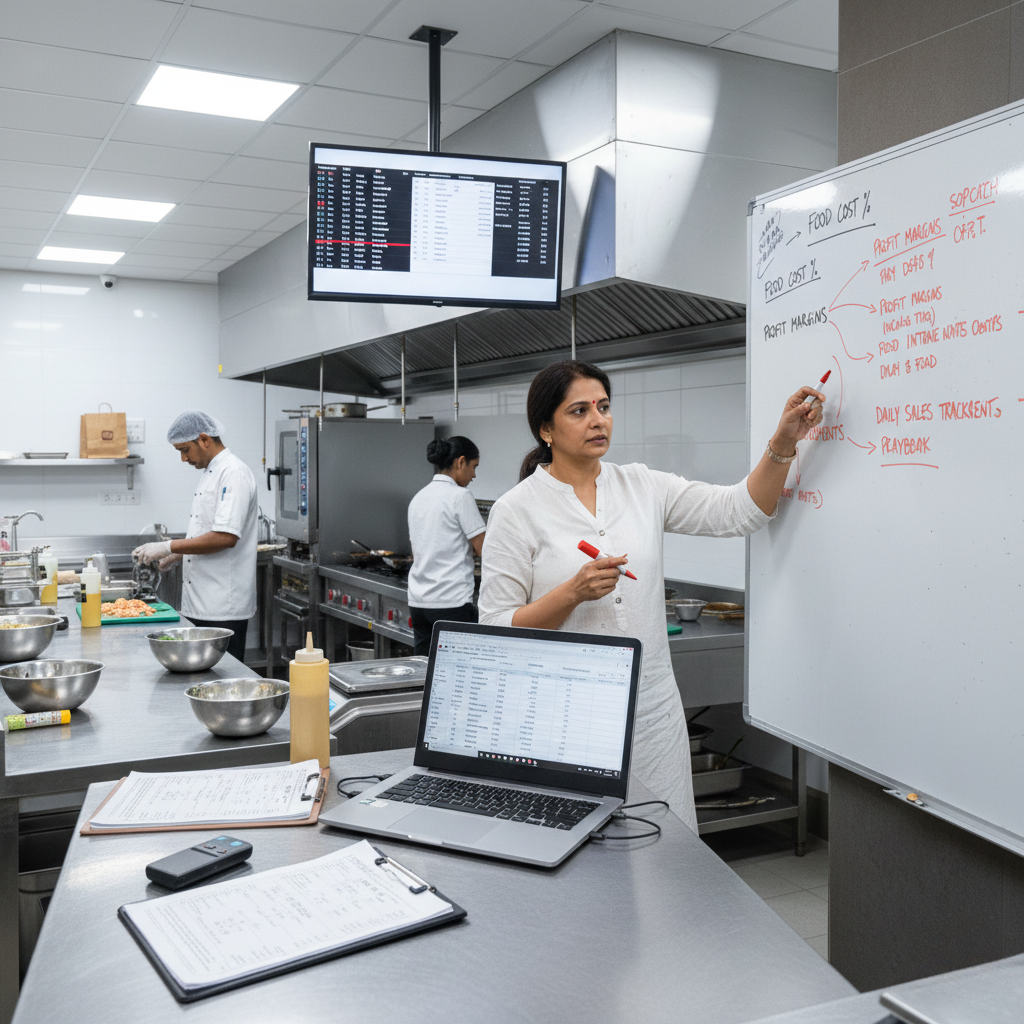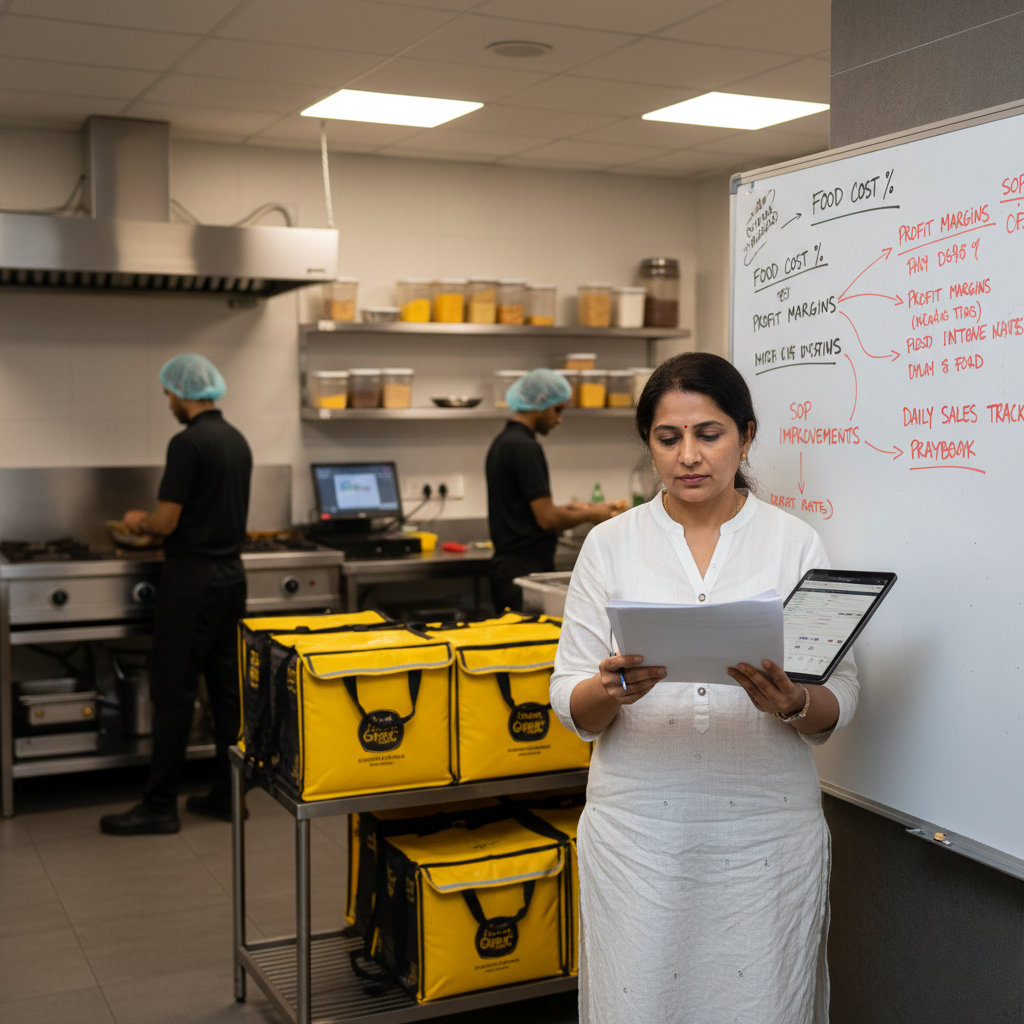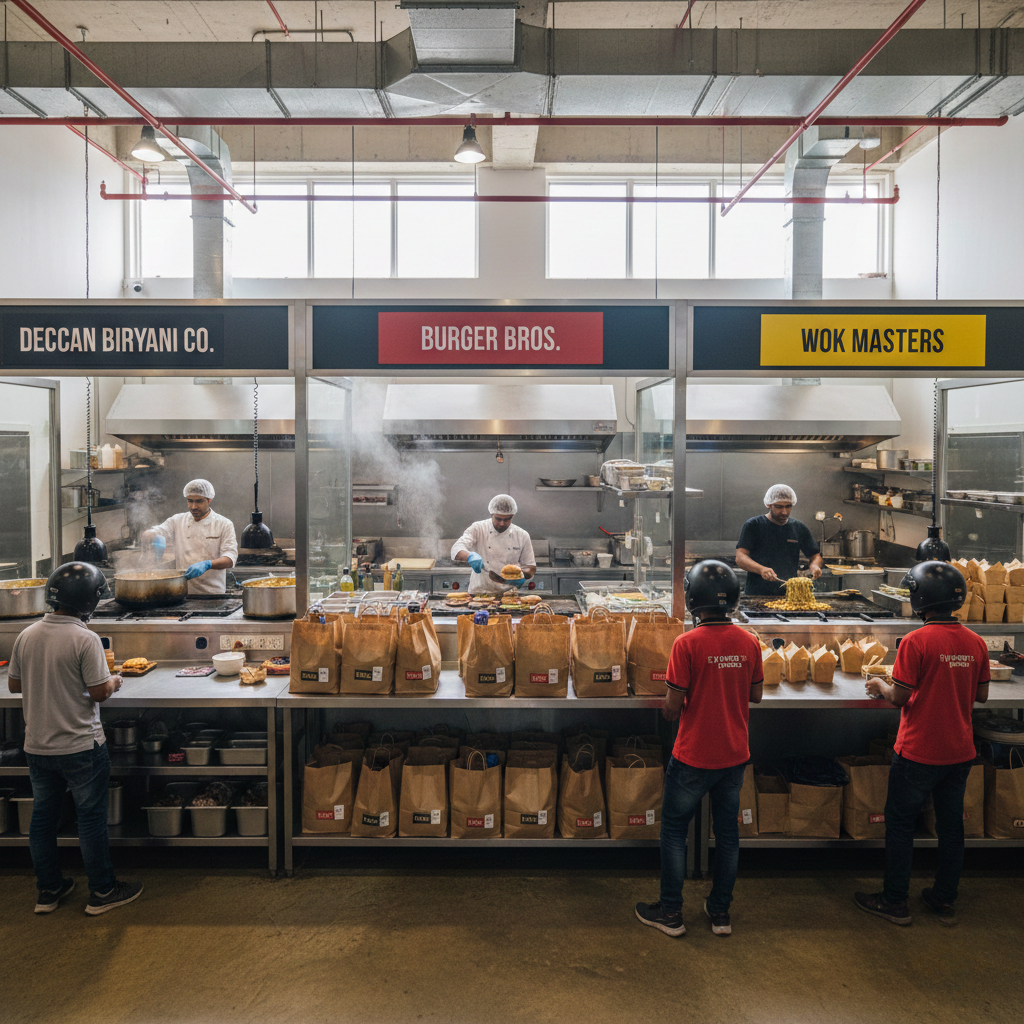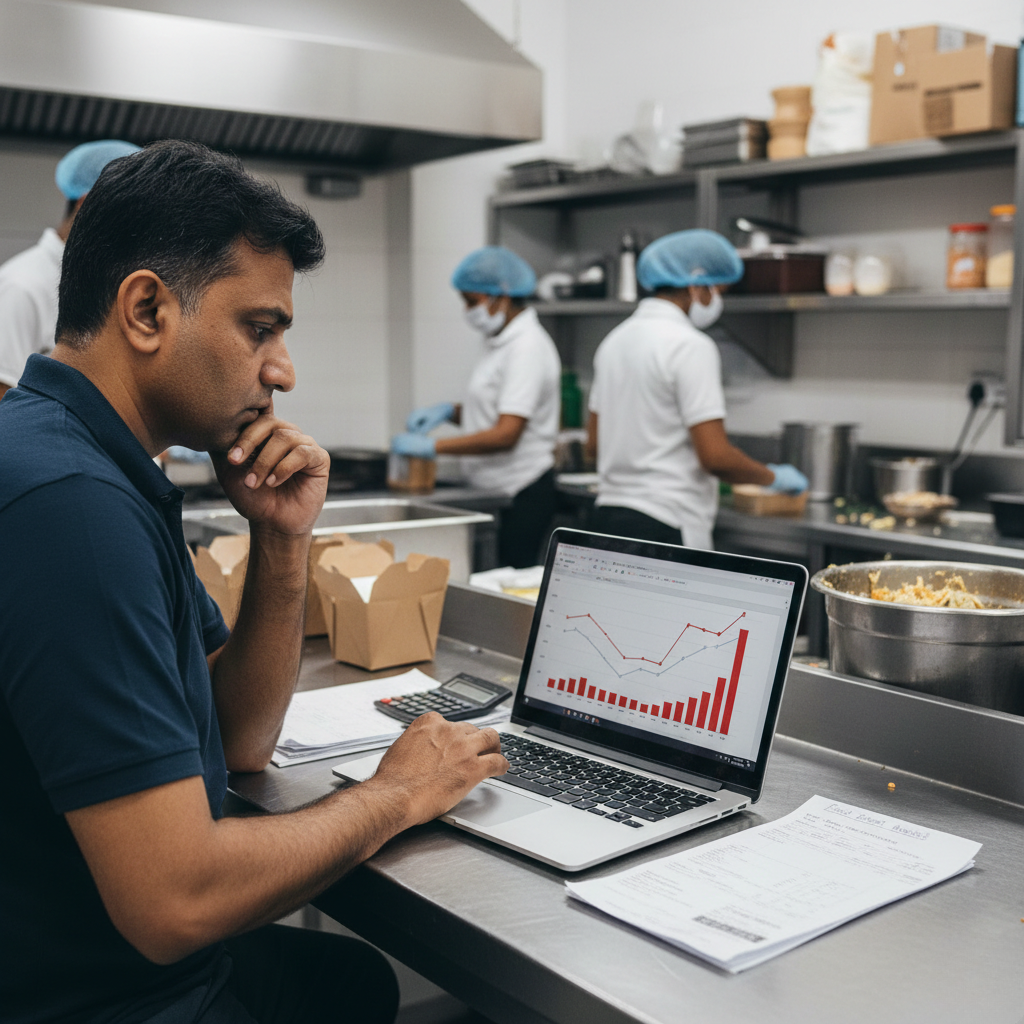
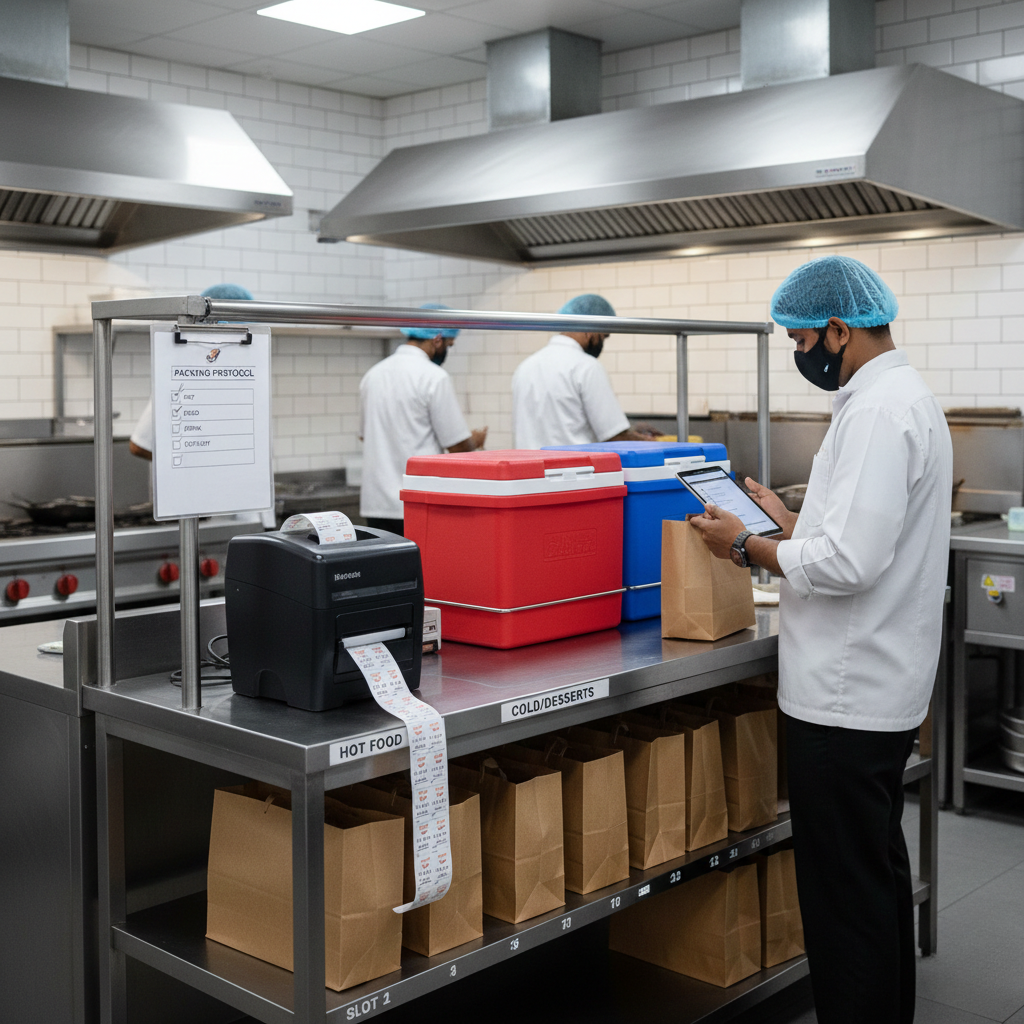
The Science of Scaling Cloud Kitchens is not a “launch more brands” hack or a “run more ads” shortcut. It is the difference between growth that compounds profit and growth that compounds leakage. Most cloud kitchens don’t break at 20 orders a day. They break at 120 when variability becomes visible: food cost drift, prep delays, packing errors, cancellations, refunds, rating volatility, and discount dependence. This guide explains how data and systems decide whether your cloud kitchen scales smoothly or collapses under volume using repeatable execution, weekly feedback loops, and unit economics control, not motivation.
The Science of Scaling Cloud Kitchens: How Data and Systems Can Make or Break You
Scaling a cloud kitchen looks simple on the surface: increase orders, add a few SKUs, run ads, expand to another location. But the real challenge is not expansion. The real challenge is maintaining outcomes as volume increases.
In delivery kitchens, growth amplifies everything: your portion drift becomes a weekly payout shock, your packing errors become refund spikes, your prep chaos becomes late dispatch penalties, your menu complexity becomes cancellations and rating drops. A kitchen that “worked” at low volume can become unmanageable at high volume not because demand is wrong, but because the system was never designed for volume.
The science of scaling is this: if you want predictable growth, you need predictable execution. Predictable execution requires measurement. Measurement requires data discipline. Data discipline only matters when it changes SOPs, station gates, and behavior.
If you want the profitability foundation lens first, start with Cloud Kitchen Profitability Consultant in India and identify the most common failure points using Common Operational Mistakes in Cloud Kitchens.
What “Scaling” Actually Means in Cloud Kitchens (Not Just More Orders)
Many founders define scaling as “more orders per day.” But more orders is only a metric. Scaling is a capability.
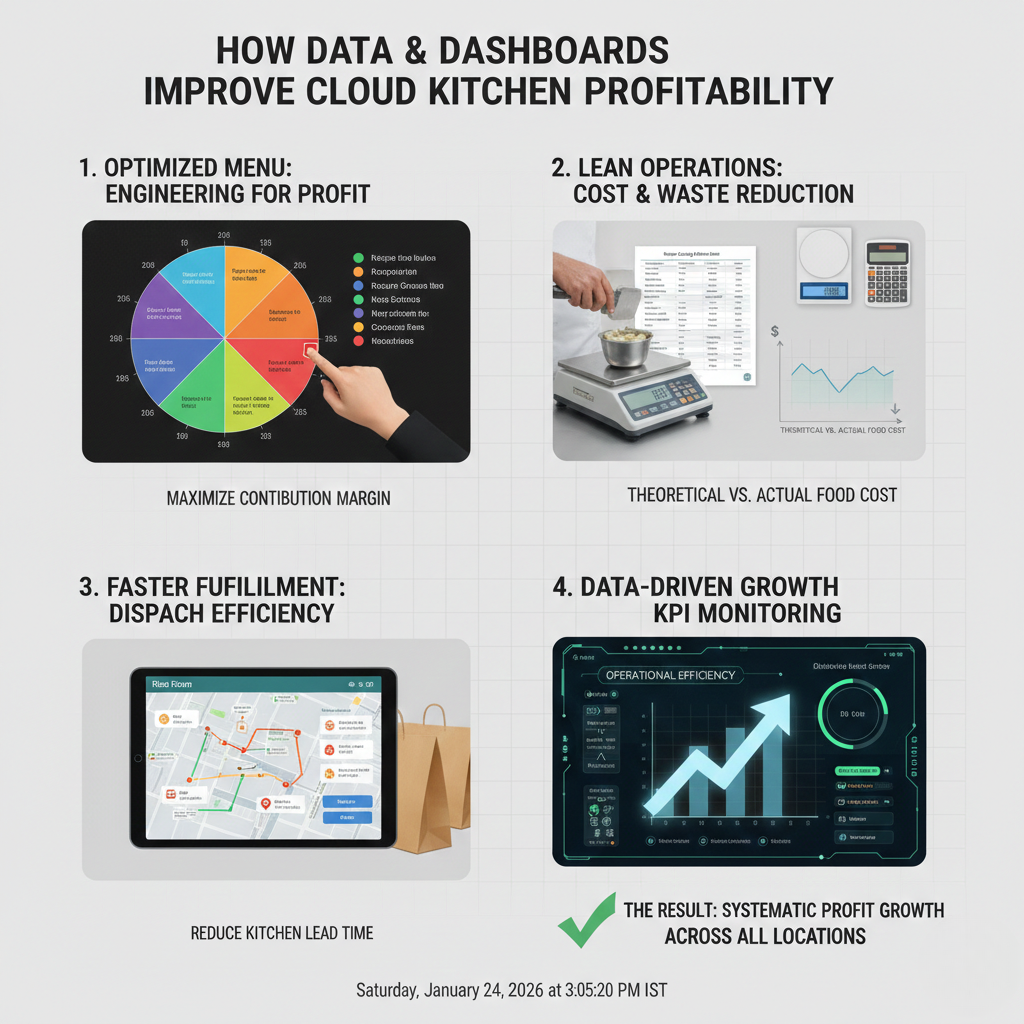
A cloud kitchen is truly scaling only when it can increase volume while keeping these stable: contribution margin per order, refund rate, cancellation rate, dispatch time consistency, and rating trend. When those remain stable or improve as volume increases, you are scaling. When they worsen, you are not scaling you are accelerating leakage.
This is why two kitchens can do the same revenue and feel completely different: one scales calmly because outcomes are controlled, the other feels chaotic because outcomes depend on founder firefighting.
The scientific approach is to treat your kitchen like a repeatable production system: define measurable inputs (RM specs, portion weights, SOP steps), measure outputs (dispatch %, refunds, ratings, margin), and adjust the system weekly until variability reduces.
The Systems Economics Lens: Why Scaling Without Control Always Breaks Margin
Most cloud kitchens track visible costs: rent, staff salaries, platform commission, ads, and packaging. But scaling is rarely killed by visible costs. Scaling is killed by invisible variable costs small leakages that compound daily.
Examples of invisible costs: extra 15g of protein because portions aren’t controlled, 30ml extra sauce because “it looks better,” a wrong bowl that triggers refund and replacement, spillage due to weak sealing, missed add-ons that create complaints, re-cooking due to prep stockouts, late dispatch penalties, and rating drops that force discounting to recover conversion.
These costs don’t feel large individually. But at scale, they multiply into large weekly payout differences. This is the core scaling paradox: your sales rise, but your profits don’t. That is not a marketing issue. That is a system variability issue.
To see how refunds, cancellations, and penalty leakage hit payouts, read Refunds and Cancellations Impact on Cloud Kitchen Profitability.
For platform-level cost context: Swiggy Refund Policy and Zomato Online Ordering Terms.
Data That Actually Matters: The 9 Metrics That Predict Scaling Success
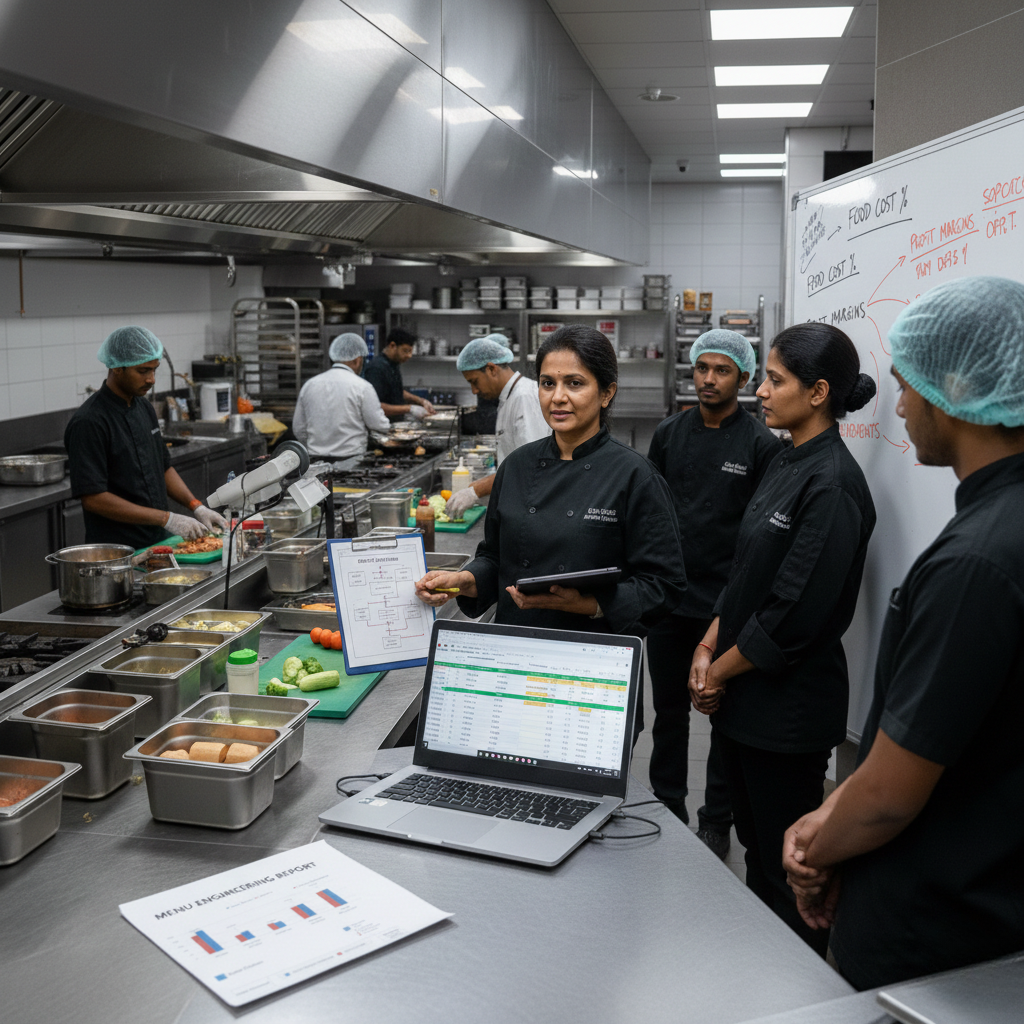
Cloud kitchen data is often misunderstood. Many kitchens track sales, orders, and ad spend but ignore the metrics that decide scaling. Scientific scaling focuses on signals that predict reliability and profitability.
Here are 9 metrics that matter more than vanity growth:
1) Contribution Margin per Order
If you don’t know margin after commissions, packaging, food cost, discounts, and refund leakage,
you are scaling blind.
2) Food Cost Variance (Cost Drift)
The gap between your costing sheet and actual consumption.
Drift is the silent killer of profit.
3) Refund Rate (Overall + SKU-wise)
Refunds are not “customer issues.”
They are operations issues showing up as payout deductions and distribution suppression.
4) Late Dispatch %
Late dispatch damages platform trust, visibility, and customer sentiment.
It also forces discounts to recover conversion.
5) Cancellation % (By reason)
Cancellations show operational bottlenecks: prep timing, stockouts, rider handover.
6) Rating Trend (Not just average)
The slope matters.
A 4.3 trending down is worse than a 4.1 trending up.
7) Prep Time Variance
Your kitchen doesn’t need to be fast.
It needs to be predictable.
8) SKU Complexity Index
Too many near-duplicate SKUs increase error probability and slow stations.
9) Repeat Order Rate
Repeat orders mean your system is delivering consistent experience, not just conversion.
If you want a profitability-first metric framework that connects these signals to action, use Cloud Kitchen Profitability Consultant in India.
Systems Beat Supervision: Why SOP Depth Decides Your Scaling Ceiling
Most cloud kitchens scale until the founder becomes the bottleneck. Founder checks every order. Founder resolves every issue. Founder trains every new staff member. Founder negotiates every vendor problem. Founder jumps into packing when the station breaks.
That approach can work at low volume. It fails at scale. Because founders cannot physically scale themselves.
Systems solve this by replacing dependence with repeatability: SOPs, station gates, checklist verification, yield controls, and audit routines. Not “more staff.” Better structure.
A deep SOP is not “how to cook.” A deep SOP is: exact weights, exact tools (ladle size, scoop size), exact sequence, exact holding time, exact discard rules, exact packing order, exact dispatch verification, and exact escalation playbook.
Implement the most critical leakage stop first: Cloud Kitchen Dispatch SOP.
The Unit Economics Science: Why “More Orders” Can Reduce Profit
The most dangerous sentence in cloud kitchens is: “Once we do more orders, profit will come.”
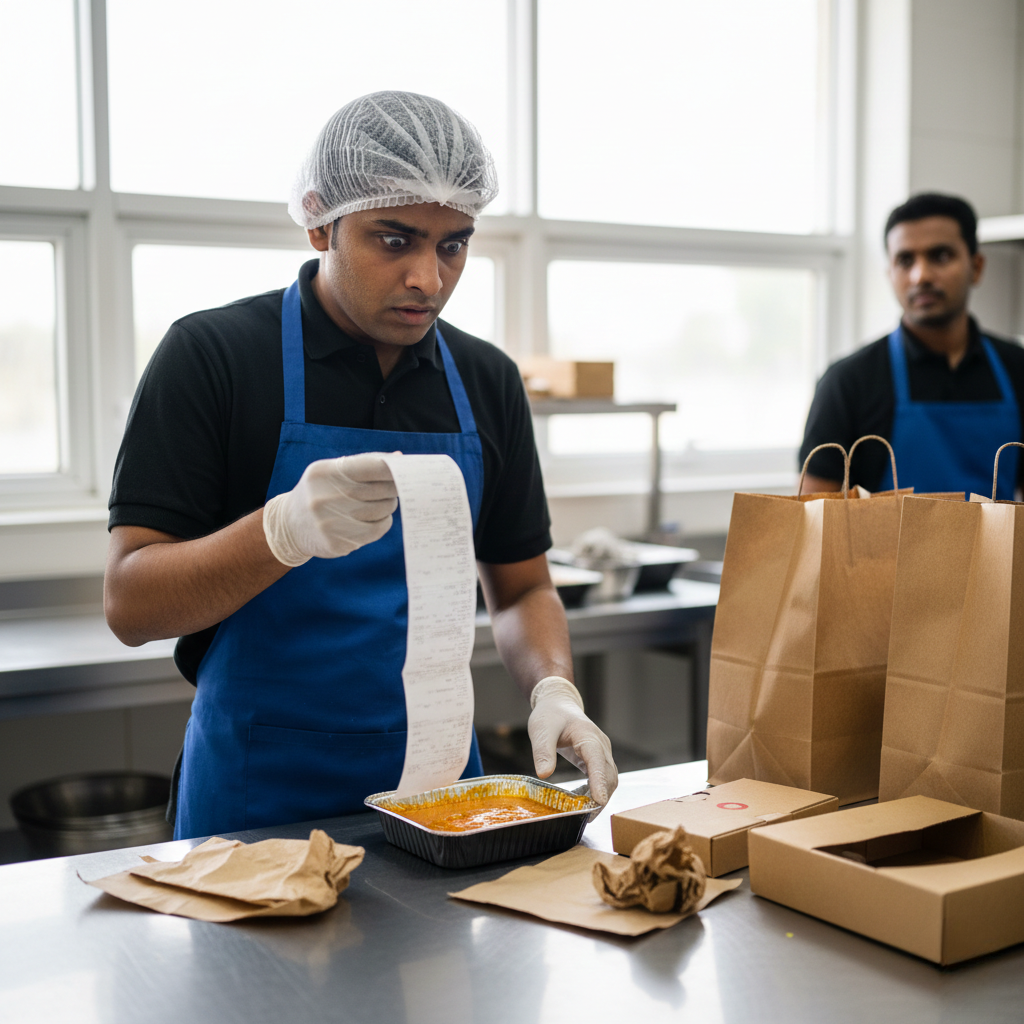
Profit does not come from more orders. Profit comes from controlled outcomes per order. If your kitchen leaks ₹20 per order at 50 orders/day, you leak ₹600/day. At 200 orders/day, you leak ₹4,000/day. Revenue grows, profit collapses.
Contribution margin is the scientific baseline:
Order Value – Platform commission & charges – Food cost – Packaging – Discount burn – Refund/cancellation leakage = Contribution Margin
If contribution margin is unstable, scaling is a trap. If margin is stable, scaling becomes predictable.
Build clarity on platform economics: Aggregator Commission Impact in India.
Swiggy/Zomato Distribution Science: Why Reliability Is Your Real Marketing
Aggregators are distribution engines. They allocate impressions based on expected customer satisfaction and operational reliability. That’s why two brands in the same area with similar prices can have different impressions.
Platforms don’t “reward” you because you’re trying hard. They reward you because your outcomes reduce platform risk: fewer complaints, fewer refunds, faster dispatch, stable ratings.
This is why the best marketing strategy for most cloud kitchens is not “more ad budget.” It is building a reliable system that makes platforms trust you.
If you’re scaling and seeing sudden distribution drops, study operational causes first using When Growth Is Hurting Your Cloud Kitchen Operations.
External policy context: Swiggy Refund & Cancellation Policy and Zomato Online Ordering Terms.
Ads Only Work After Systems Are Stable (Otherwise Ads Multiply Refunds)
Ads are an amplifier. They increase volume. If your system is stable, ads scale profit. If your system leaks, ads scale leakage.
Run ads only when these are true:
- Ratings stable above 4.2
- Refund rate mapped and reducing
- Prep time predictable (variance controlled)
- Contribution margin positive after discounts
- Dispatch gates installed and followed
To connect marketing spend with operational ROI, use: Marketing Spend vs ROI in Cloud Kitchens.
Weekly Feedback Loops: How Data Turns Into System Upgrades
Many kitchens collect data but never change anything. That creates “analysis fatigue.” Real scaling uses a simple loop: measure → diagnose → change SOP → audit → repeat.
Your weekly review should include:
- Refund reason mapping: SKU-wise + reason-wise
- Late dispatch root cause: prep vs packing vs rider handover
- Margin drift review: top 20 SKUs variance check
- Cancellation heatmap: time-of-day and item patterns
- Ops improvement decision: one SOP improvement per week
Process discipline is not boring. Process discipline is profit. Reference: How Process Discipline Improves EBITDA.
External operations concept reference: Standardized Work (Lean).
Replication Science: How to Scale Locations Without Creating 5 Different Kitchens
Multi-location scaling fails when founders replicate brand names but not operating systems. One location follows SOPs. Another location “improvises.” A third location substitutes ingredients. A fourth location changes portion size. Now your brand has four different experiences, four different ratings, four different payouts.
Replication science means controlling variability across locations through:
- Centralized procurement specs and vendor rate controls
- Standardized base components (gravies, spice mixes, sauces)
- Training sign-offs per station
- Audit rhythm (daily micro-checks + weekly review)
- Same packing sequence and dispatch gates across all kitchens
This is where structured operating models like CKaaS win: they replicate systems, not just kitchens. If you’re evaluating replication models, start here: CKaaS vs Running Your Own Cloud Kitchen: Real ROI Comparison.
Governance: The Missing Layer Between “Running” and “Scaling”
Most kitchens are run by effort. Scaled kitchens are run by governance.
Governance means: roles are clear, accountability is assigned, audits happen, data is reviewed, SOP updates are enforced, and exceptions are handled through playbooks not panic.
Role clarity improves output per person and reduces founder dependence. Use: Role-Based Kitchen Operations Explained.
Hygiene and standardization references (useful while tightening systems): FSSAI Hygiene Requirements, ISO 22000 overview.
Final Takeaway: Data Shows the Problem. Systems Remove the Problem.
The science of scaling cloud kitchens is simple but not easy: measure what matters, reduce variability, install gates at the highest leakage points, and upgrade SOPs weekly.
Data without execution is noise. Execution without data is blind. Scaled kitchens combine both then volume becomes profitable instead of painful.
Frameworks from GrowKitchen, and operating partner brands like Fruut and GreenSalad are built around system-led scaling, not hope-led scaling.
FAQs: The Science of Scaling Cloud Kitchens
What is the biggest reason cloud kitchens fail while scaling?
Variability. Portion drift, prep inconsistency, packing errors, and dispatch delays multiply under volume and destroy ratings and margins.
Which metrics matter most for scaling?
Contribution margin per order, refund rate, cancellation rate, late dispatch %, rating trend, and food cost variance.
Should I run ads to scale faster?
Only after systems are stable. Ads amplify what exists. If ops leak, ads multiply refunds and penalties.
How often should I review data?
Weekly, at minimum plus daily micro checks for portion tools, packing gates, and dispatch SLAs.
- Cloud Kitchen Profitability Consultant in India
- Common Operational Mistakes in Cloud Kitchens
- Refunds and Cancellations Impact on Profitability
- Aggregator Commission Impact in India
- Cloud Kitchen Dispatch SOP
- Marketing Spend vs ROI in Cloud Kitchens
- When Growth Is Hurting Your Operations
- Role-Based Kitchen Operations Explained
- CKaaS vs Own Kitchen: Real ROI Comparison
- How Process Discipline Improves EBITDA
- How to Fix a Loss-Making Cloud Kitchen
- Grow Kitchen on Twitter