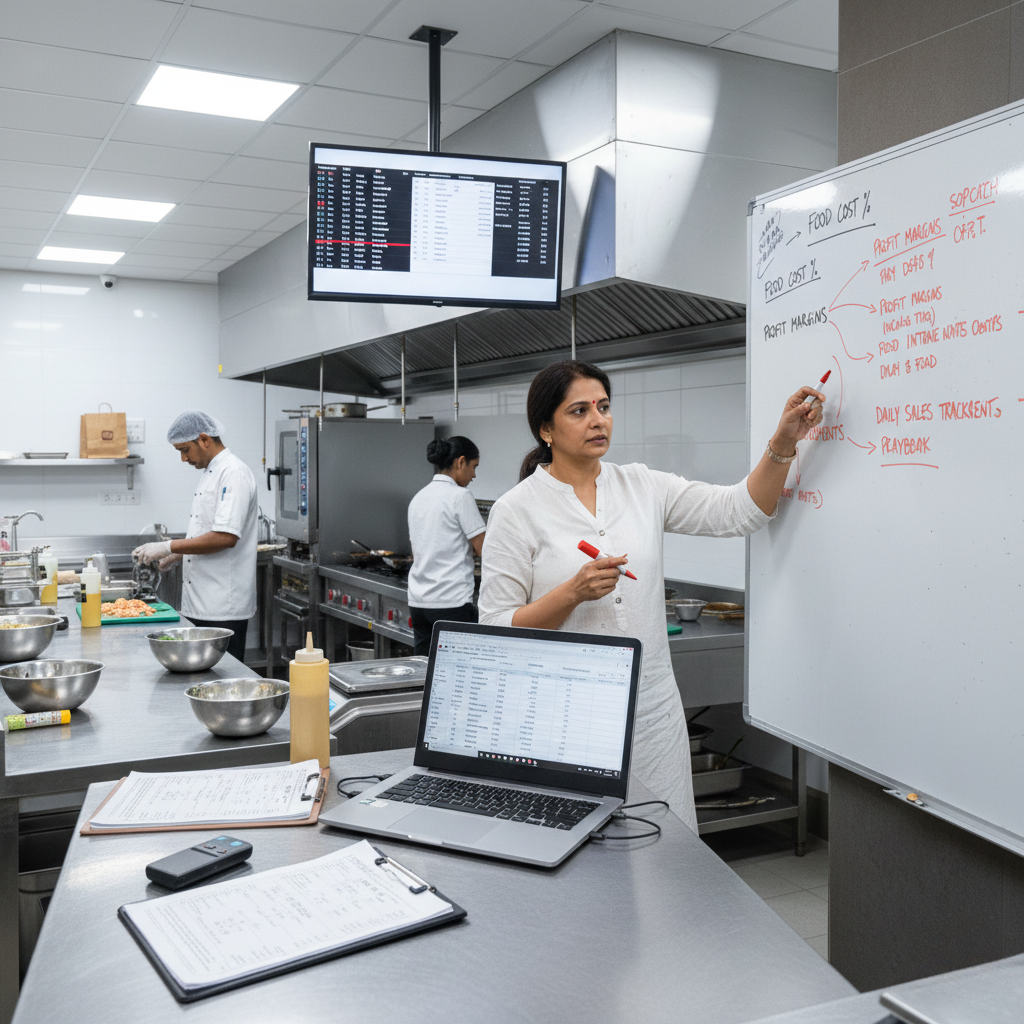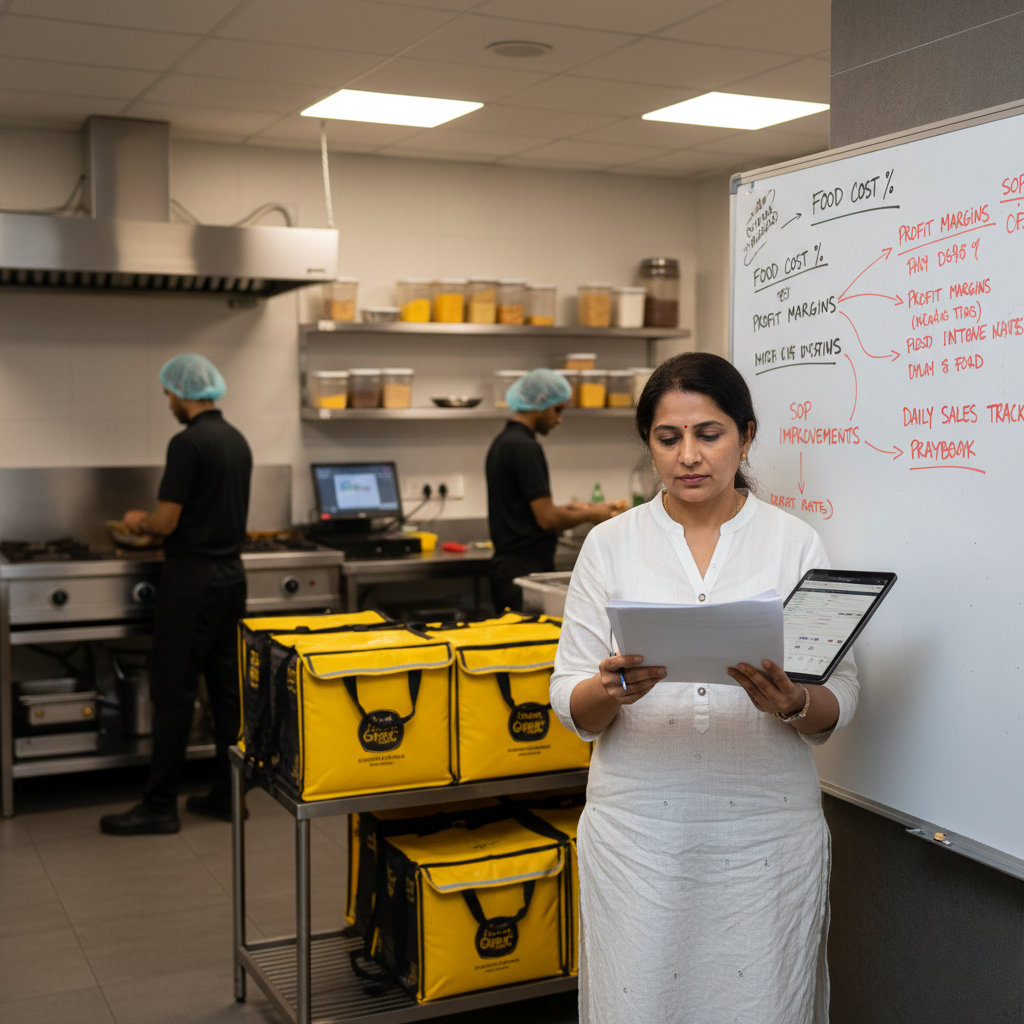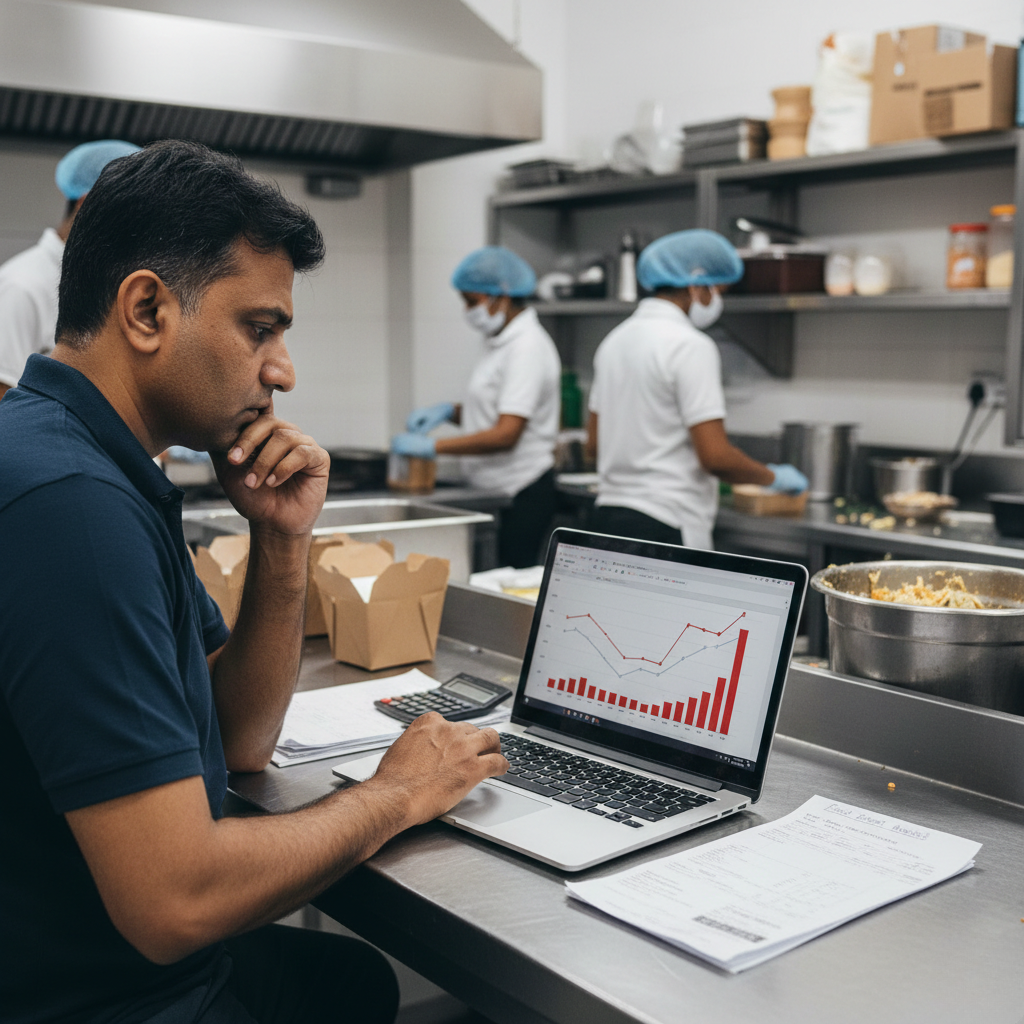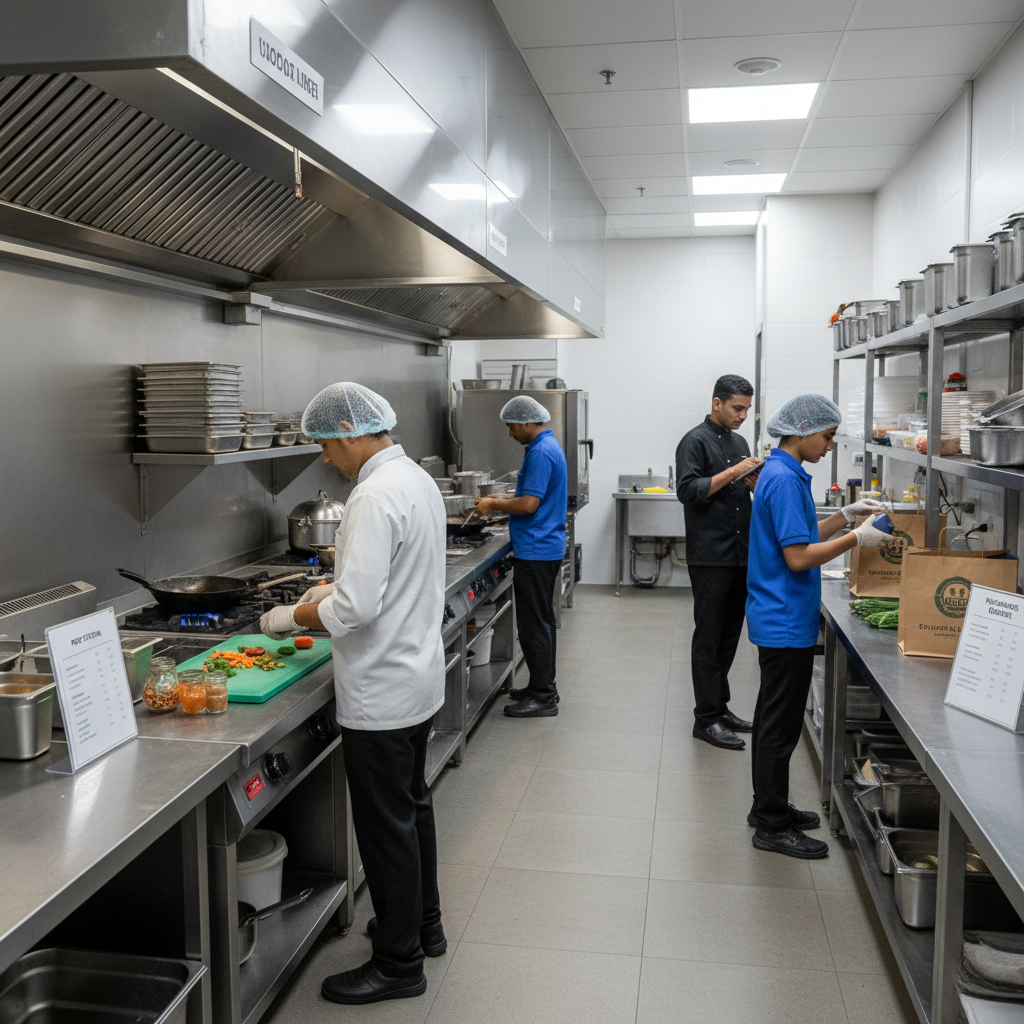
Role-Based Kitchen Operations Explained is a foundational concept for running scalable, predictable, and profitable cloud kitchens. Many kitchens operate with unclear responsibilities, where everyone does everything during peak hours. This may work briefly, but as order volume increases, confusion, errors, and burnout rise rapidly. This guide explains role-based kitchen operations, why unclear roles destroy efficiency, and how defining responsibilities improves speed, accuracy, accountability, and scalability in cloud kitchens.
Why Role-Based Kitchen Operations Explained Is Critical for Cloud Kitchens
Cloud kitchens operate in high-pressure environments. Orders arrive in bursts, riders wait outside, and customers expect speed and consistency. In kitchens without role clarity, staff react instead of executing. Tasks overlap, priorities clash, and mistakes multiply. This is why role-based kitchen operations explained is not a management trend, but an operational necessity.
To understand the ecosystem, start with Cloud Kitchen Operations Consultant and Cloud Kitchen Business in India and Common Operational Mistakes in Cloud Kitchens.
What Role-Based Kitchen Operations Actually Mean
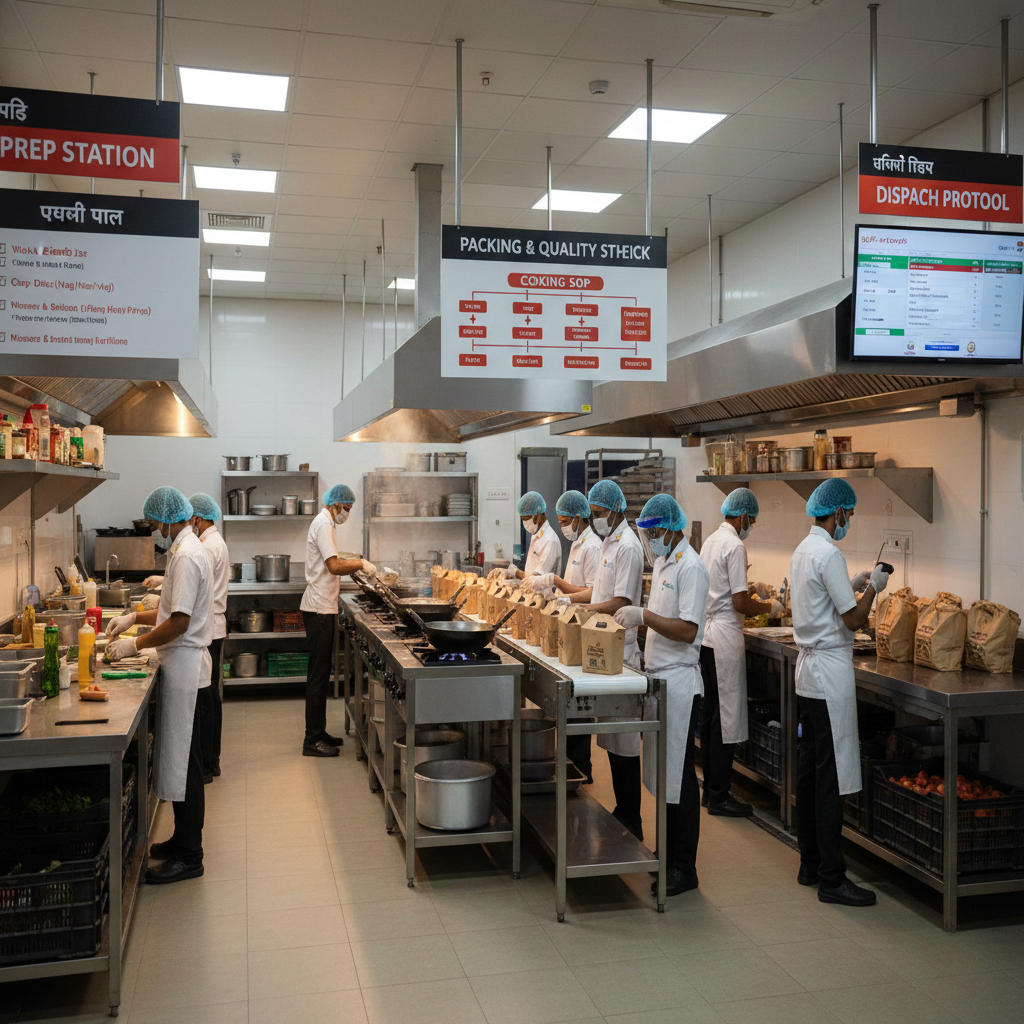
Role-based operations mean every task has a clear owner. Instead of everyone doing everything, work is divided into defined responsibilities such as prep, cooking, packing, dispatch, inventory, and supervision.
Why Kitchens Fail Without Role-Based Operations
Kitchens without role clarity rely on urgency instead of systems. During peak hours, staff abandon primary tasks to help elsewhere. Prep stops, inventory tracking breaks, and dispatch errors increase. This chaos explains why kitchens collapse as volume grows.
Prep Role in Role-Based Kitchen Operations Explained
Prep staff handle cleaning, cutting, marination, and pre-cooking. Their role exists to protect service hours from chaos. When prep staff are pulled into cooking, future service quality collapses.
Learn prep structure in Prep SOP vs Service SOP Explained.
Cooking Role in Role-Based Kitchen Operations Explained
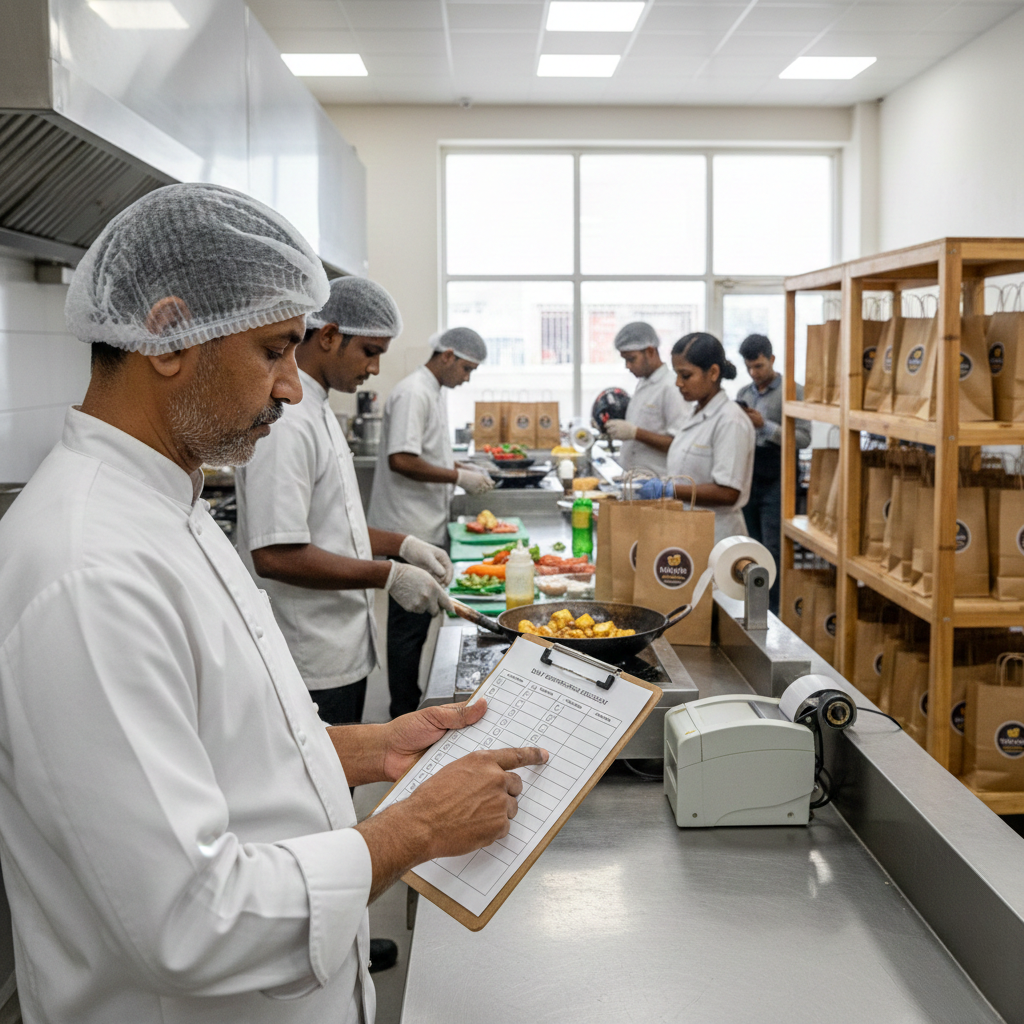
Cooking staff focus on recipe execution, timing, and consistency. Their effectiveness depends on uninterrupted focus. When cooks are distracted by packing or dispatch issues, speed and quality suffer.
Portion Control Role in Role-Based Kitchen Operations
Portion control is often ignored as a separate responsibility. In high-volume kitchens, assigning portion responsibility protects margins. Learn why portion discipline matters in Importance of Portion Control in Cloud Kitchens.
Packing Role in Role-Based Kitchen Operations Explained
Packing is the final quality checkpoint. Packing staff verify items, ensure leak-proof sealing, and maintain brand consistency. Mixing packing with cooking increases error rates dramatically.
Dispatch Role in Role-Based Kitchen Operations Explained
Dispatch staff coordinate kitchen output with rider arrival. They handle order matching, timing, and handover accuracy. Dispatch errors directly impact ratings.
Learn structured dispatch systems in Cloud Kitchen Dispatch SOP.
Inventory Role in Role-Based Kitchen Operations Explained
Inventory is often treated as a side task. In role-based kitchens, inventory ownership is clear. This prevents expiry, pilferage, and stockouts.
Learn inventory discipline in Cloud Kitchen Inventory Management in India.
Supervisor Role in Role-Based Kitchen Operations Explained
Supervisors do not replace staff. They protect systems. Supervisors monitor SOP adherence, resolve conflicts, and handle escalations. Without role-based structure, supervisors become firefighters.
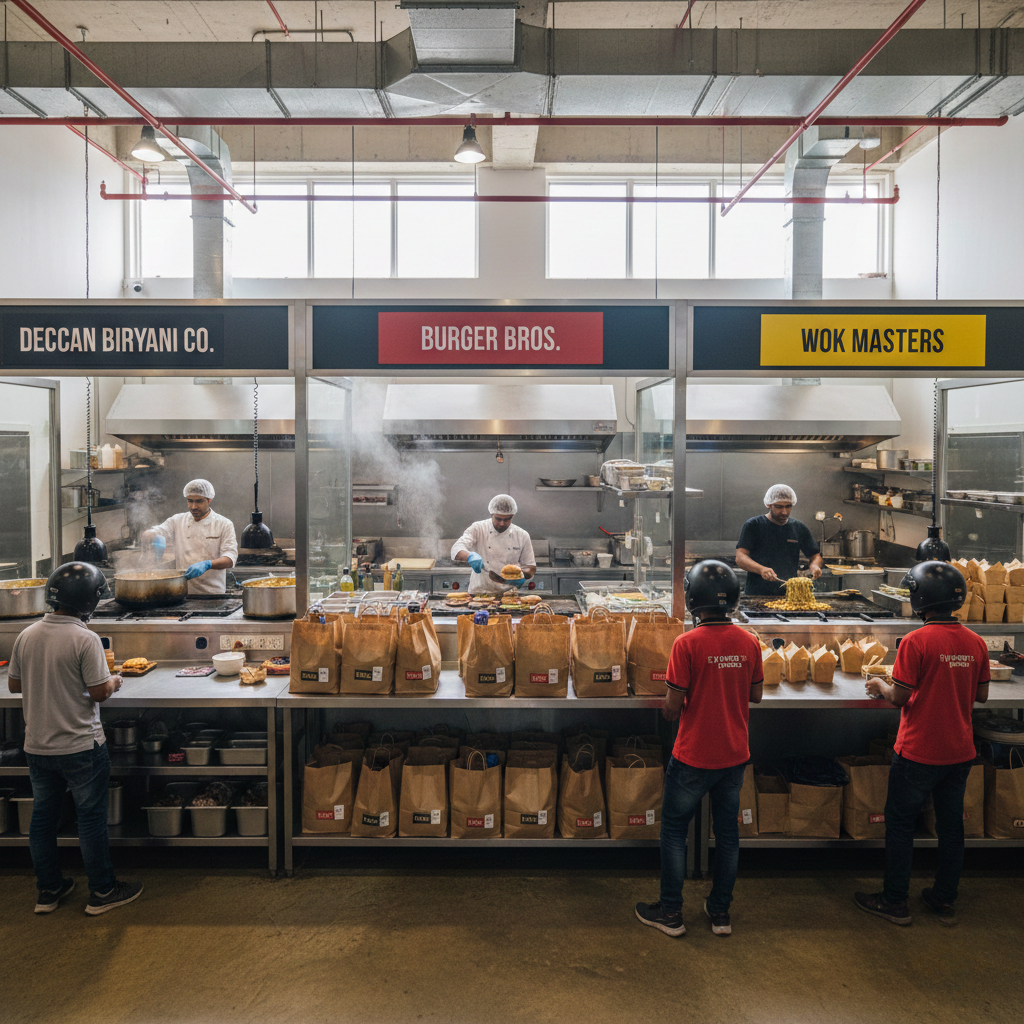
Role-Based Kitchen Operations Explained for Multi-Brand Kitchens
Multi-brand kitchens multiply complexity. Role clarity prevents brand mix-ups, packaging errors, and recipe confusion. Learn structured design in How to Build SOPs for Multi-Brand Cloud Kitchens.
How Role-Based Operations Reduce Staffing Pressure
Clear roles increase productivity per person. Kitchens with role-based operations need fewer people to handle higher volume.
Learn staffing fundamentals in How Many Staff Does a Cloud Kitchen Really Need?.
Role-Based Kitchen Operations Explained for Scaling
Scaling requires replication. Role-based operations allow new kitchens to mirror existing success. This principle connects to Cloud Kitchen Scaling Strategy.
Role-Based Kitchen Operations Explained: Final Takeaway
Cloud kitchens fail not because people are careless, but because roles are unclear. Role-based kitchen operations explained bring order, accountability, and predictability to daily execution. Kitchens that define roles early scale faster with less stress.
Operational frameworks from GrowKitchen help founders implement role clarity that works on the ground.
FAQs: Role-Based Kitchen Operations Explained
Can small kitchens use role-based operations?
Yes. Even small teams benefit from role clarity.
Do roles reduce flexibility?
No. They reduce confusion while allowing planned flexibility.
Who defines roles in a cloud kitchen?
Founders or operations consultants using SOPs.
Are SOPs required for role-based operations?
Yes. SOPs document how each role executes.