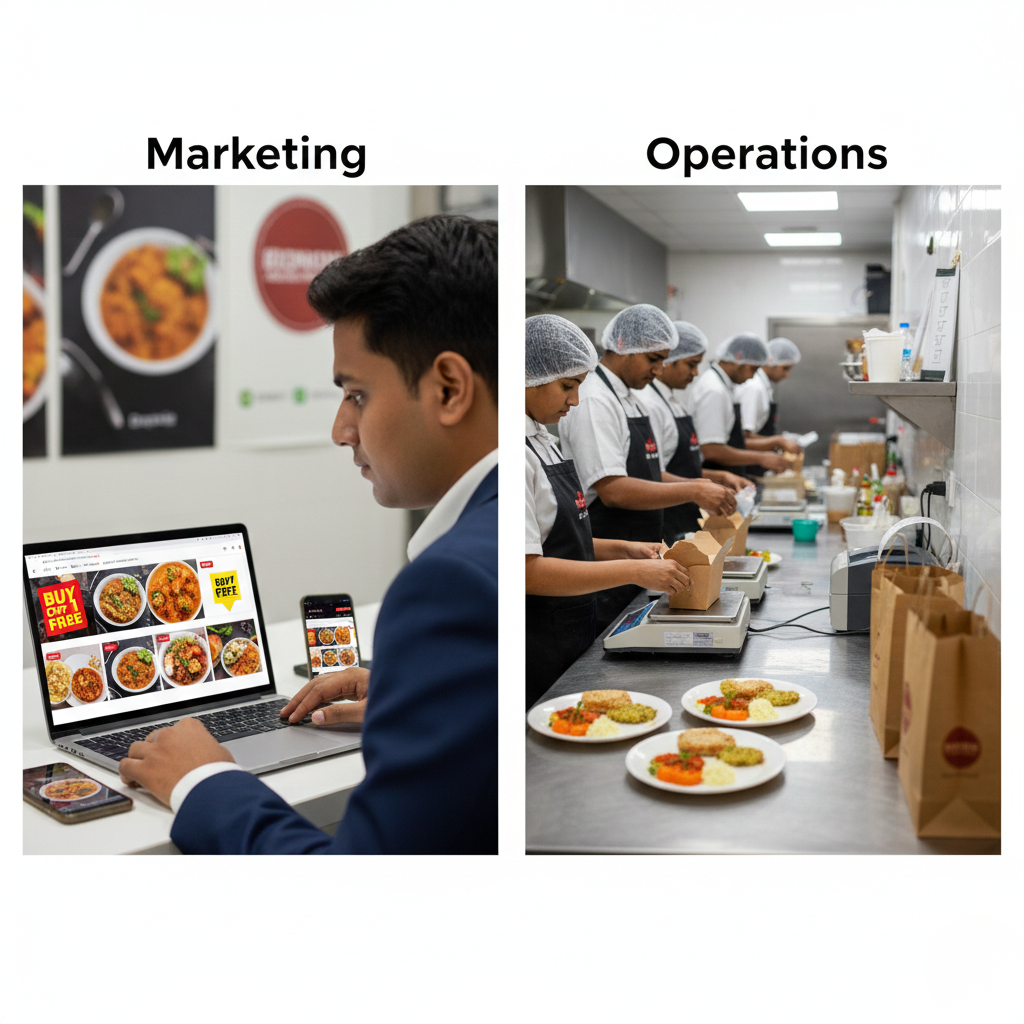
Operations vs Marketing What Actually Drives Ratings- is one of the most misunderstood debates in the cloud kitchen ecosystem. Many founders believe ratings improve through branding, influencer campaigns, or higher ad spends. In reality, customer ratings are built inside daily operations, long before marketing ever enters the picture. This guide explains how ratings are actually formed, why marketing fails to fix low ratings, and how operational discipline consistently drives long-term rating stability.
Why Ratings Control the Fate of Cloud Kitchens
In food delivery marketplaces, ratings are not passive feedback. They directly influence visibility, conversion rates, and order allocation.
A small dip in ratings can reduce impressions dramatically, forcing kitchens to depend on discounts just to maintain order flow.
To understand how this ecosystem works, start with Cloud Kitchen Business in India and Cloud Kitchen Operations Consultant.
Why Founders Assume Marketing Drives Ratings
Marketing activity is visible. Ads run. Banners show up. Influencers talk.
When ratings fall, founders instinctively assume awareness or perception is the issue.
What Marketing Actually Influences
Marketing influences discovery, not delivery.
It can bring first-time orders, but it has no control over preparation accuracy, packaging quality, or dispatch speed.
In fact, aggressive marketing often accelerates rating decline by exposing operational weaknesses faster.
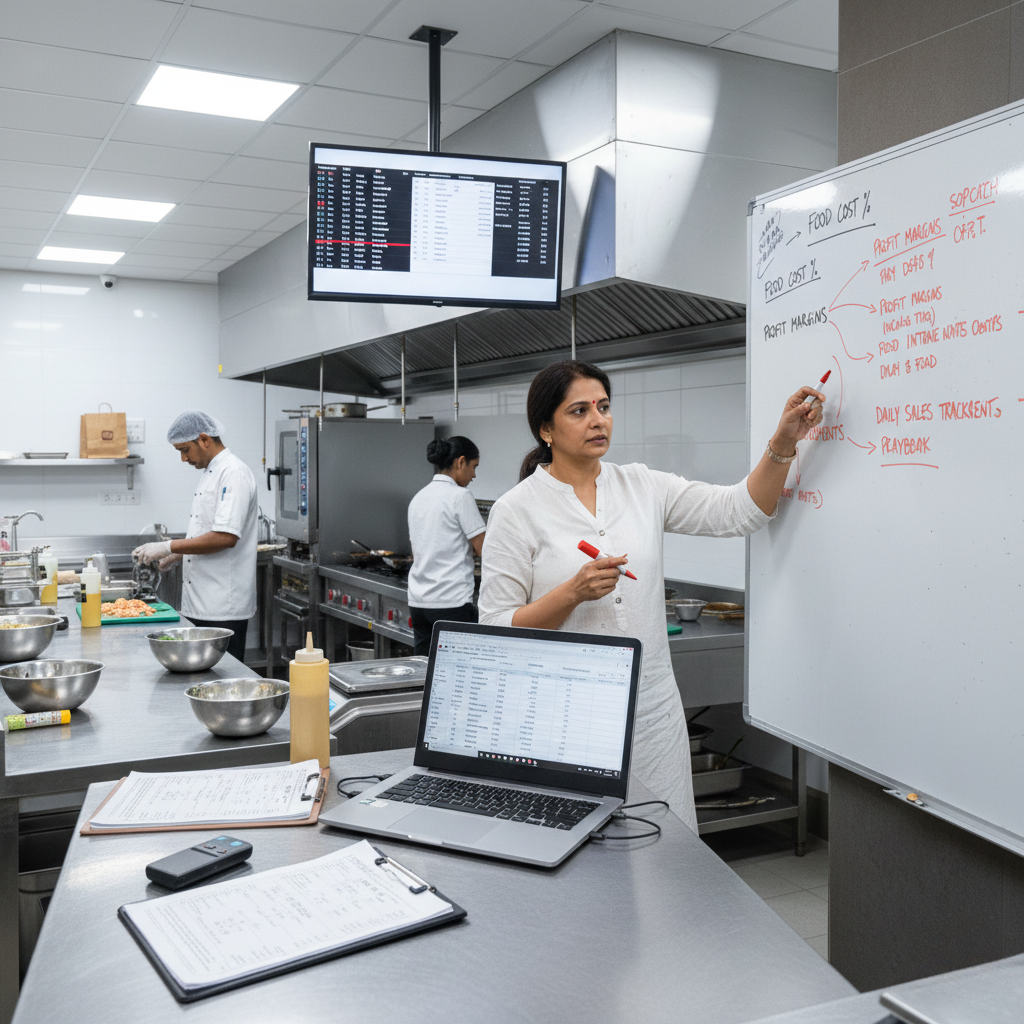
Operations Shape Every Customer Review
Customers rate experiences, not brand stories.
Order accuracy, food temperature, portion consistency, packaging integrity, and delivery timing form the basis of every rating.
These are operational outcomes, not marketing achievements.
Operational gaps are explained in Common Operational Mistakes in Cloud Kitchens.

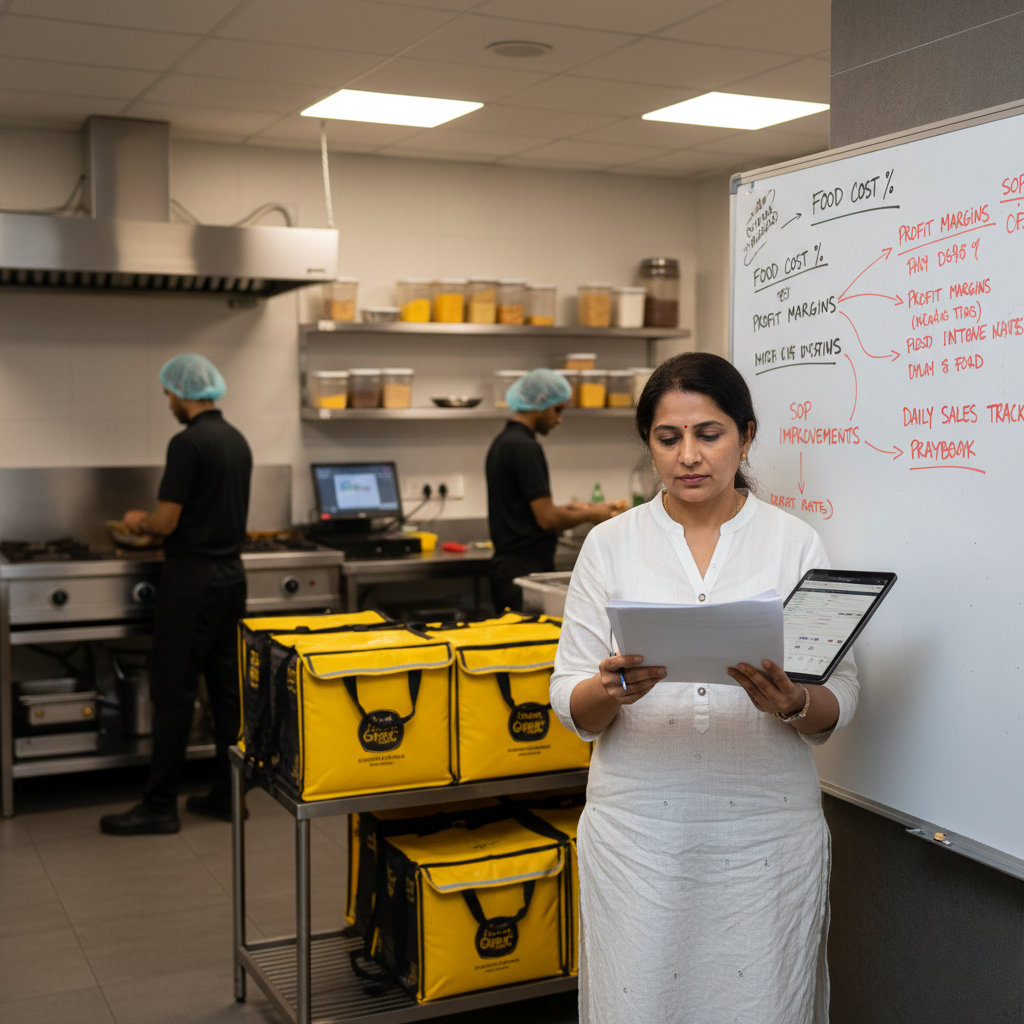
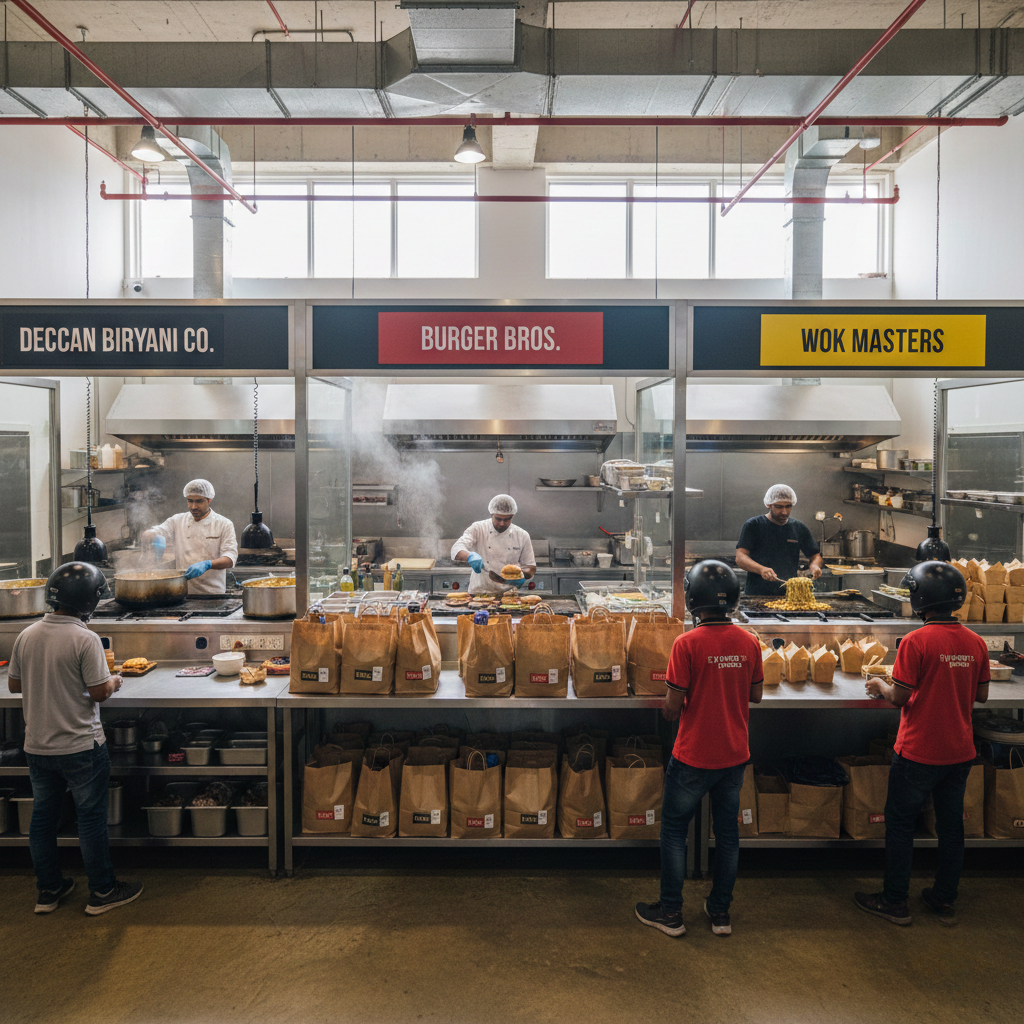
Dispatch Errors Are the Biggest Rating Killers
Most one-star reviews are triggered at dispatch.
Missing items, spilled food, wrong branding, or delayed handover instantly erase goodwill.
Dispatch SOPs dramatically reduce rating volatility, as detailed in Cloud Kitchen Dispatch SOP.
Consistency Matters More Than Creativity
Customers prefer predictable experiences over occasional excellence.
Operational consistency builds trust, repeat orders, and stable ratings.
This is why SOP-driven kitchens outperform marketing-heavy kitchens over time.
Inventory Gaps Create Rating Damage
Stockouts, substitutions, and cancelled items frustrate customers.
These issues originate in inventory mismanagement, not poor promotion.
Inventory systems protect reliability, as explained in Cloud Kitchen Inventory Management in India.
Portion Inconsistency Feels Like Cheating
Customers visually compare portions across orders.
Inconsistent serving sizes lead to complaints, refunds, and poor reviews.
Portion discipline directly affects ratings, as shown in Importance of Portion Control in Cloud Kitchens.
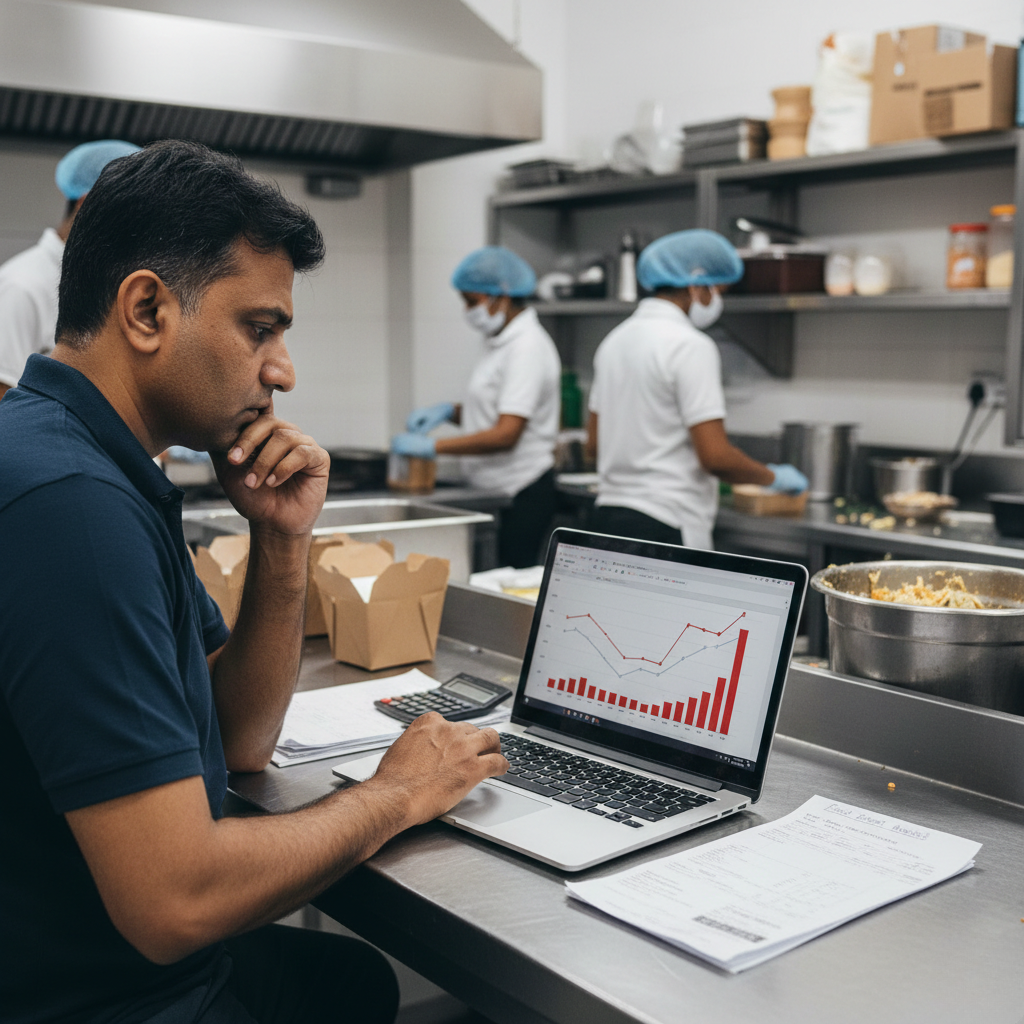
Aggregator Algorithms Reward Operations
Delivery platforms track preparation time, cancellations, refunds, and ratings.
Marketing spend cannot override poor metrics. Algorithms amplify operational discipline.
Ecosystem insights can be followed via GreenSaladin, with execution models seen at Green Salad and Fruut.
How Systems Convert Operations into Ratings
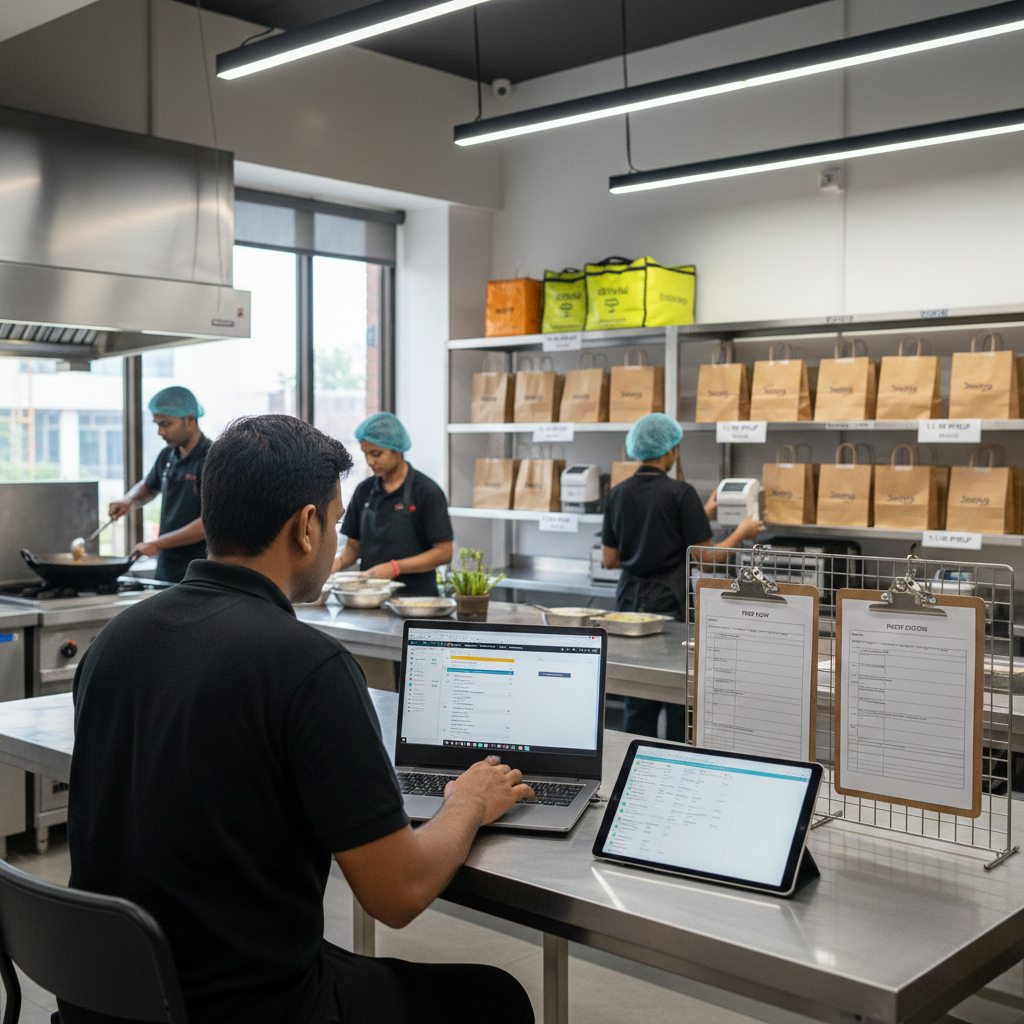
Ratings stabilize automatically when systems remove variability.
SOPs, training, audits, and dashboards create predictable customer outcomes.
These systems form the Cloud Kitchen Operations Framework.
Final Thoughts: Ratings Are Earned in the Kitchen
Marketing can invite customers. Operations decide whether they stay.
Ratings reflect reality, not branding promises.
Kitchens that fix operations first eventually win ratings without chasing them.
Structured operational clarity from GrowKitchen helps founders build rating stability through systems, not spend.
FAQs: Operations vs Marketing & Ratings
Can marketing improve ratings?
No. Marketing increases visibility, not experience.
What causes most low ratings?
Dispatch errors, delays, missing items, and inconsistency.
Should founders stop marketing?
No, but marketing should follow operational stability.
What improves ratings fastest?
Fixing daily operations and dispatch accuracy.