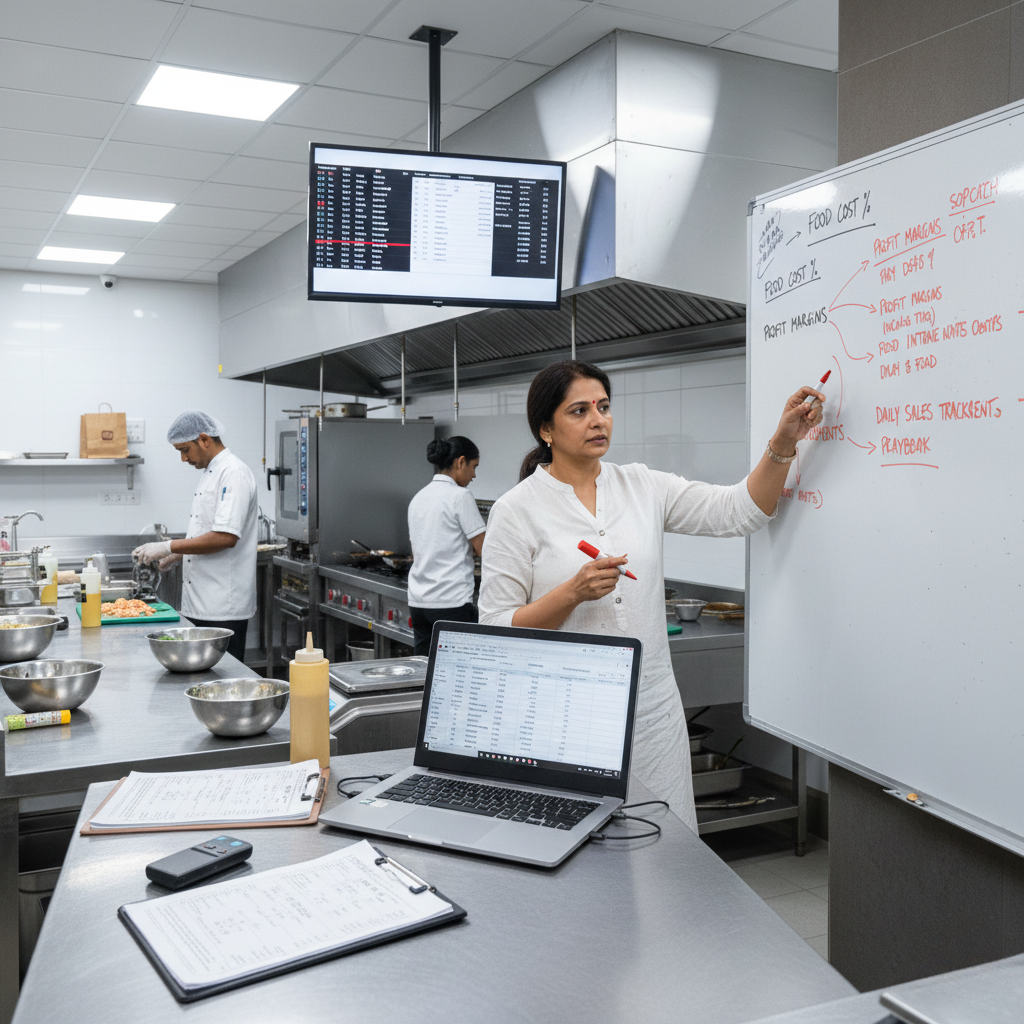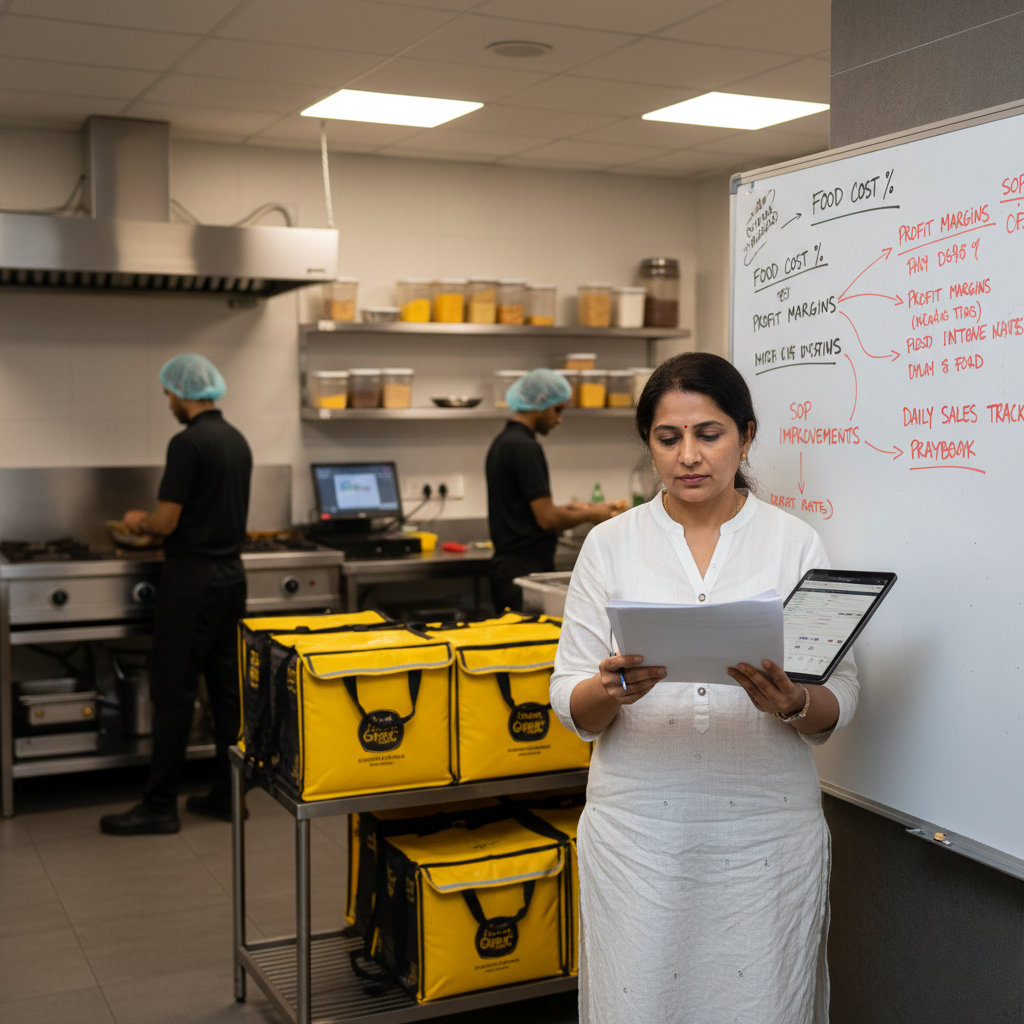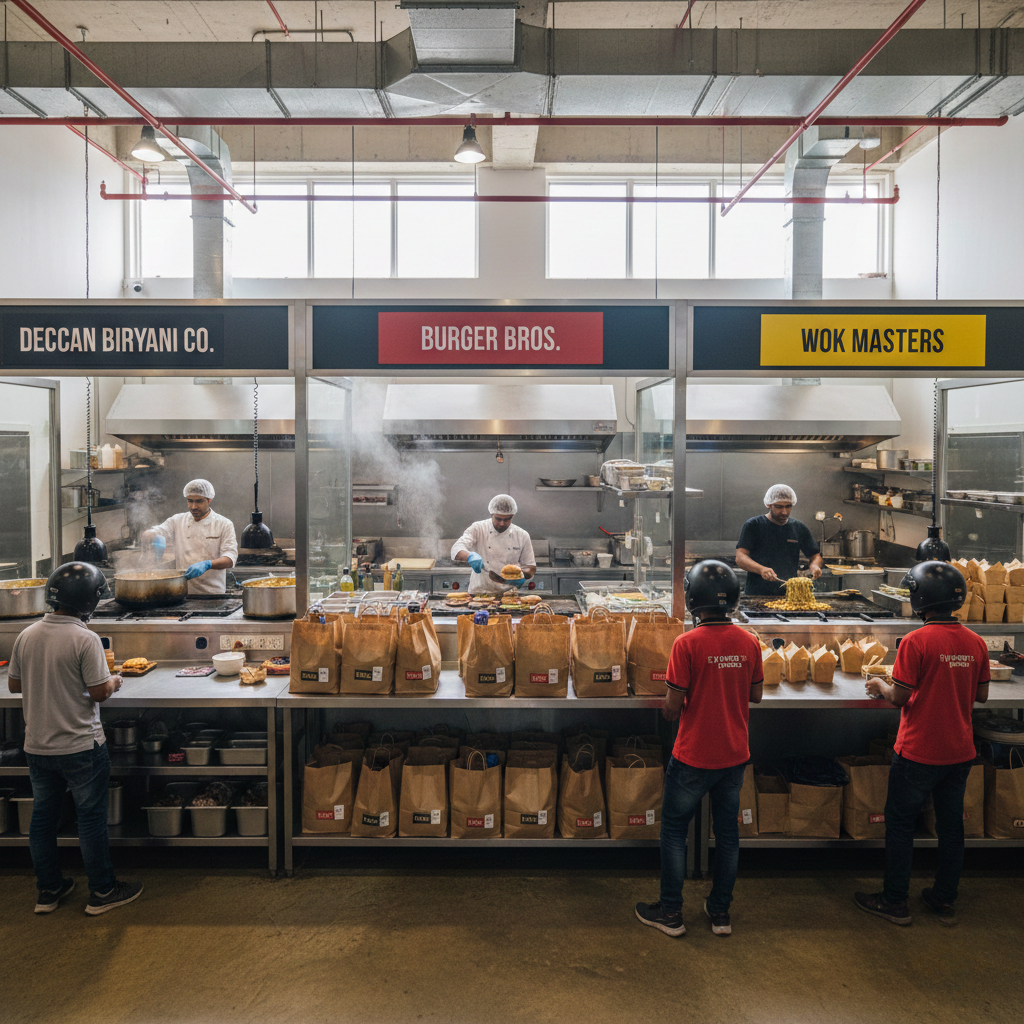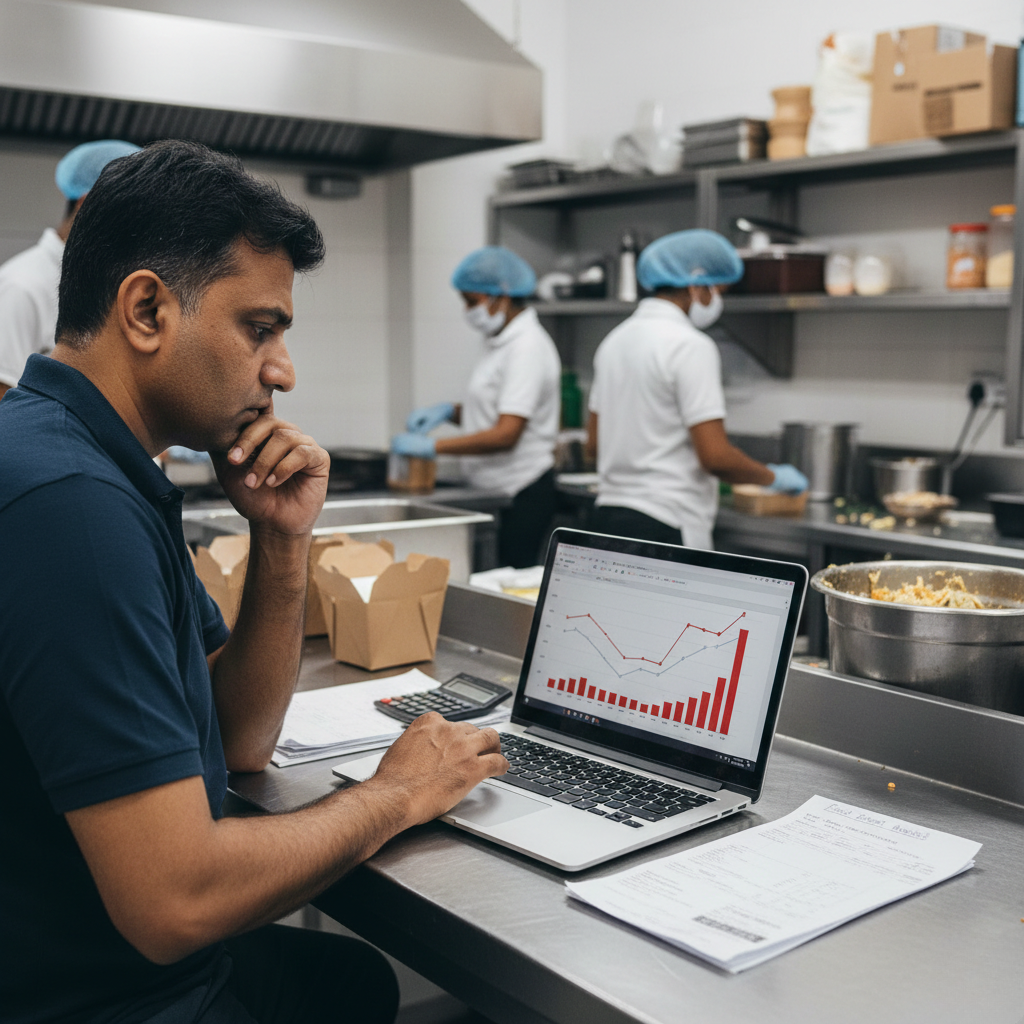
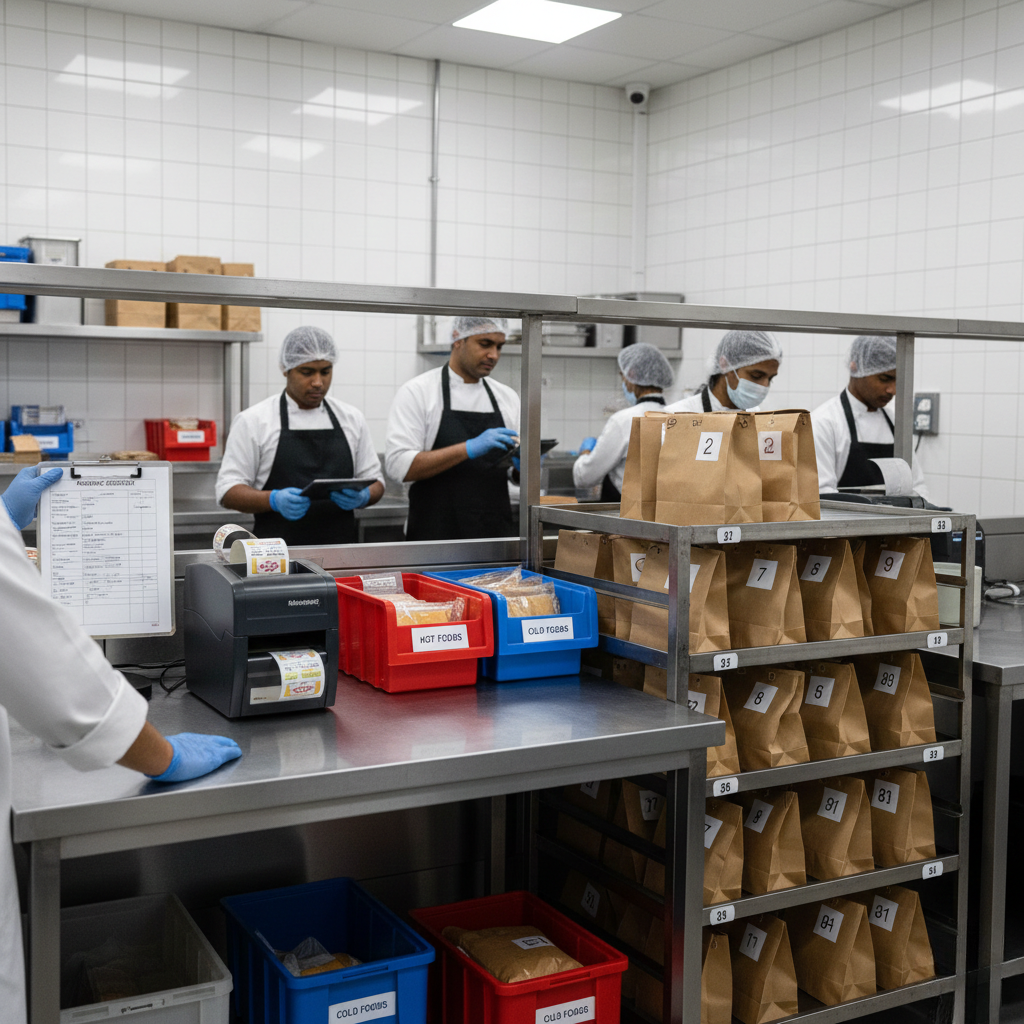
Advanced operations strategies for scaling a cloud kitchen are not about “launching faster” or “running bigger ads.” They are about controlling variability at higher volume. When orders move from 40 per day to 200+ per day, hidden weaknesses become visible: prep delays, SKU chaos, yield variation, dispatch bottlenecks, refund triggers, and rating volatility. This advanced guide breaks down the operational systems required to scale reliably across locations without sacrificing contribution margin, customer experience, or founder sanity.
Advanced Operations Strategies for Scaling a Cloud Kitchen
Most cloud kitchens can survive early growth. Few can sustain operational stability at scale. Once volume increases, complexity compounds: more SKUs, more staff, more procurement, more exceptions. Without structured systems, the kitchen becomes reactive.
Scaling successfully means engineering repeatability. If you have not yet stabilized contribution margins, begin with Cloud Kitchen Profitability Consultant in India and audit system gaps through Common Operational Mistakes in Cloud Kitchens .
Advanced operations begin only after the fundamentals are stable. What follows are the deeper systems required once you move from survival to structured expansion.
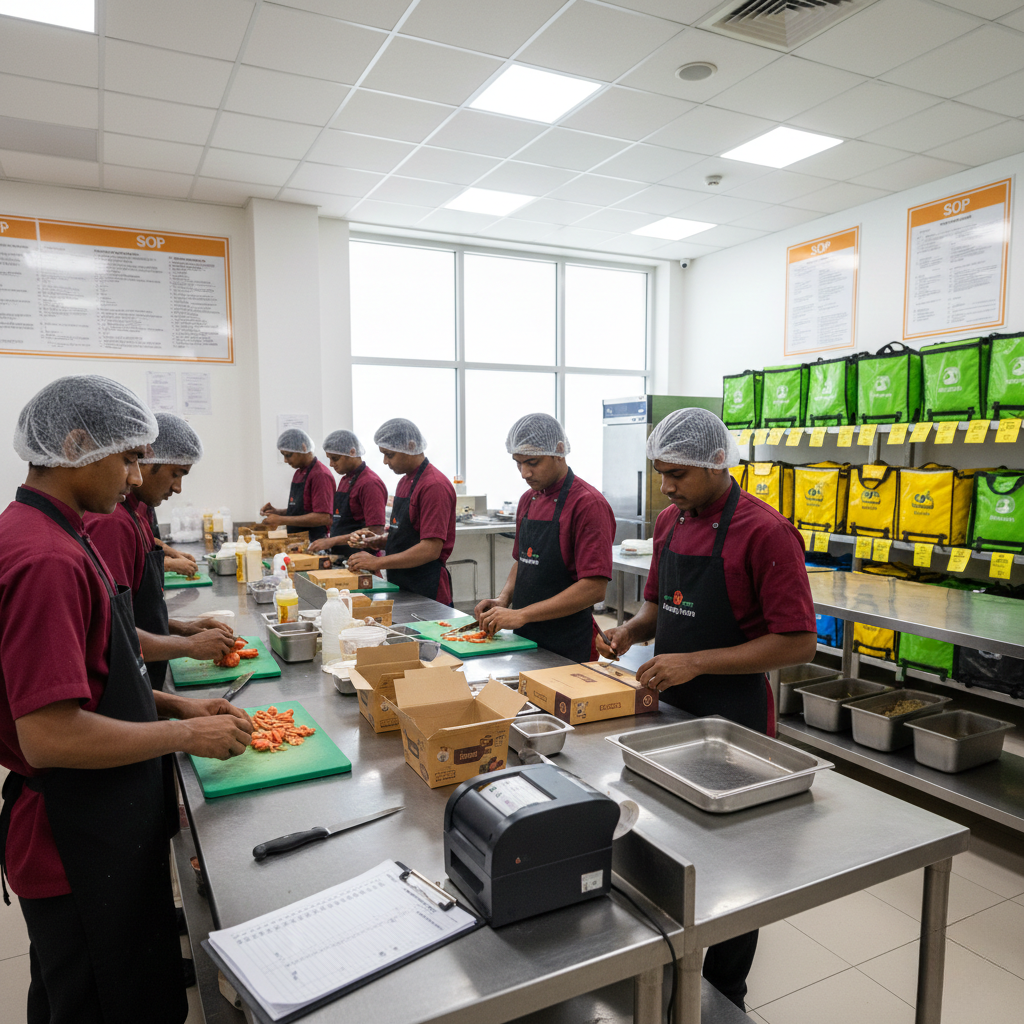
From Kitchen to System: The Operational Maturity Shift
A single kitchen run by an involved founder can function through supervision. Multi-kitchen scaling requires engineering discipline.
Operational maturity means: clearly defined yield standards, structured prep planning, predictable dispatch flow, margin mapping at SKU level, and feedback loops that improve execution weekly.
Platforms like Swiggy and Zomato reward operational consistency. Rating stability, dispatch reliability, and refund control influence visibility. Operations and distribution are directly connected.
1. Throughput Engineering: Designing for Volume Before Volume Arrives
Throughput determines whether a kitchen can scale safely. Many kitchens increase marketing before redesigning station flow. This creates bottlenecks during peak hours.
Advanced strategy:
- Map station time per SKU (cook time + plating time + pack time).
- Standardize base gravies, sauces, and prep batches.
- Reduce cross-station movement.
- Design peak-hour SKU simplification.
Menu engineering must prioritize throughput. If SKUs increase faster than execution capacity, margin will decline. See How to Fix a Loss-Making Cloud Kitchen for correction frameworks.
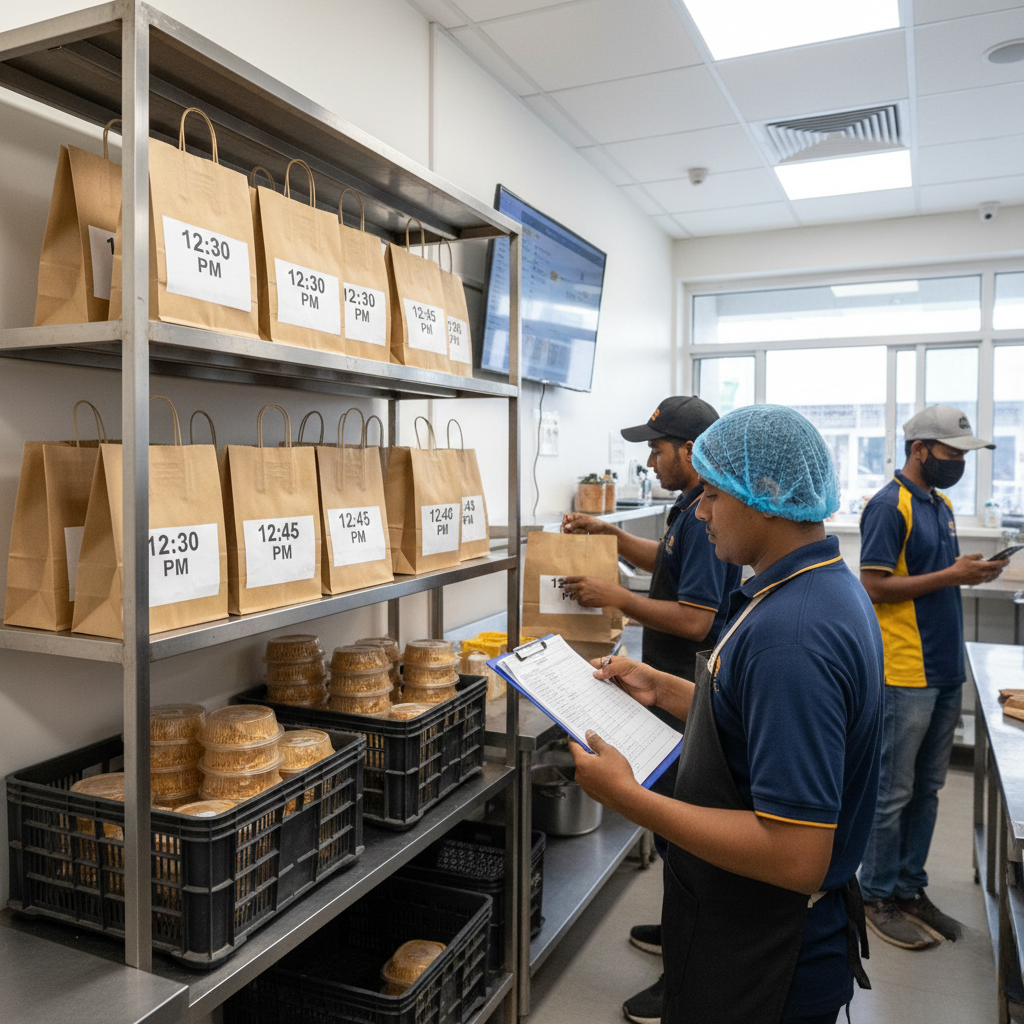
2. Advanced Cost Control: Yield Discipline & SKU Margin Tracking
At scale, minor yield variations compound dramatically. A 10g protein over-portion may seem negligible at 30 orders/day. At 250 orders/day, it becomes a major monthly cost drift.
Advanced cost strategies include:
- Daily protein yield checks.
- Weekly food cost variance audits.
- SKU-level contribution margin tracking.
- Packaging cost optimization audits.
Commission impact must also be modeled. Detailed aggregator economics are explained in Aggregator Commission Impact in India .
3. Dispatch Gate Architecture: Protecting Ratings at Scale
Dispatch errors increase exponentially during rush. Missing add-ons, wrong SKUs, packaging failures, and late handovers trigger refunds.
Advanced kitchens build dispatch gates:
- Two-step packing verification.
- Label scanning or manual SKU cross-check.
- Dispatch audit ownership per shift.
- Refund reason mapping weekly.
For foundational dispatch discipline, review Cloud Kitchen Dispatch SOP .
Platform policy context: Swiggy Refund Policy and Zomato Online Ordering Terms .
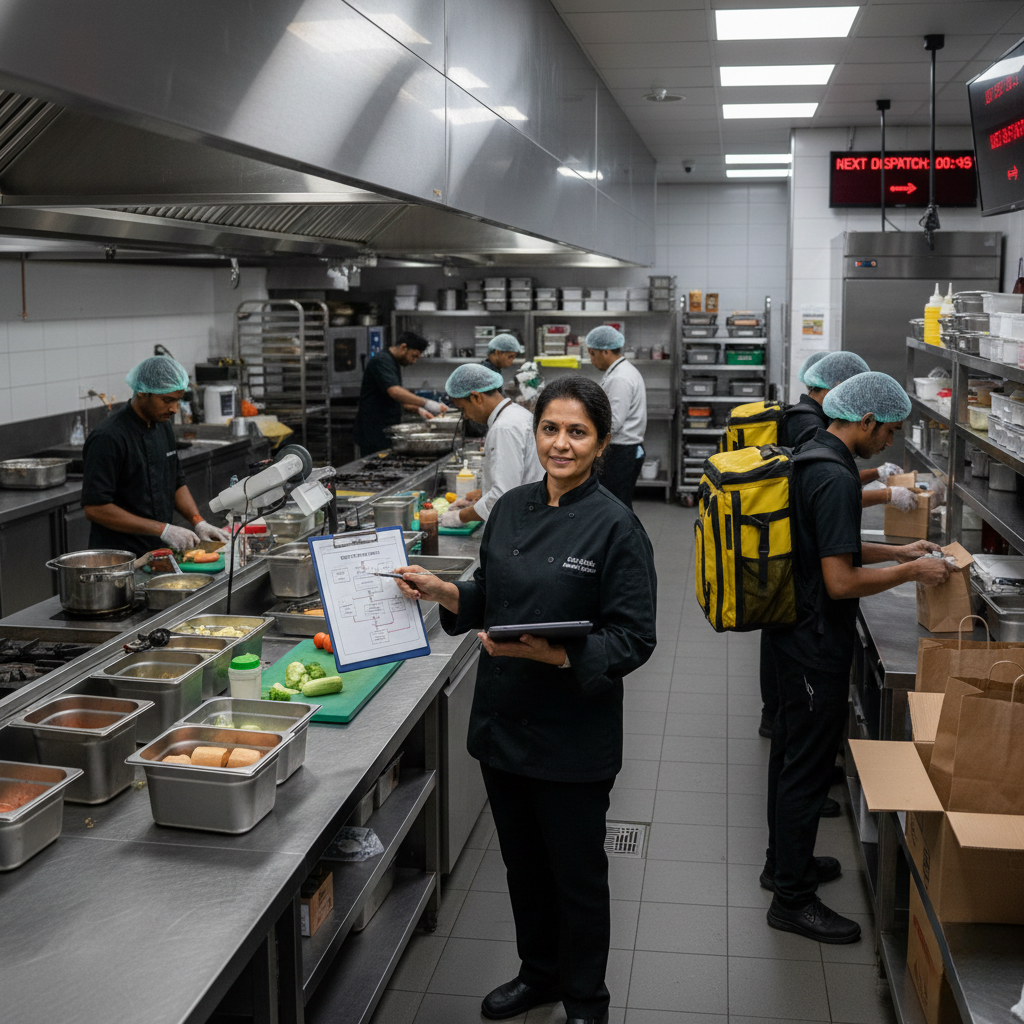
4. Procurement Control Across Multiple Locations
Multi-location scaling introduces vendor variability. Without centralized specifications, quality and yield drift between kitchens.
Advanced procurement strategies:
- Standardized vendor spec sheets.
- Centralized rate negotiation for top SKUs.
- Receiving quality checklist audits.
- Monthly vendor performance review.
Hub-and-spoke prep models reduce variability. See Cloud Kitchen Expansion Strategy in India for structural frameworks.
5. Weekly Data Loops: Turning Metrics into System Upgrades
Advanced operations require structured feedback. Metrics must drive decisions.
Weekly review template:
- Contribution margin trend.
- Refund reason heatmap.
- Late dispatch %.
- Rating trend analysis.
- Top 5 SKU margin drift.
Each week should result in one system upgrade: refine SOP, adjust portion, modify SKU, or retrain staff.
Detailed profitability loop: How Process Discipline Improves EBITDA .
6. Role-Based Ownership at Scale
As kitchens expand, blurred responsibility creates chaos. Clear ownership reduces decision friction.
- Prep owner.
- Cook station owner.
- Pack & dispatch owner.
- Audit & quality owner.
See structured role framework: Role-Based Kitchen Operations Explained .
What Advanced Scaling Looks Like
When advanced systems are active, outcomes stabilize:
- Margin consistency across kitchens.
- Reduced refund frequency.
- Improved rating stability (4.2+ benchmark).
- Predictable peak-hour throughput.
- Lower founder dependency.
If growth is creating operational stress, diagnose here: When Growth Is Hurting Operations .
Conclusion: Scale Systems First, Then Scale Locations
Advanced operations are not about complexity. They are about control.
Kitchens that scale successfully invest in: throughput design, yield discipline, dispatch architecture, procurement control, and structured data reviews.
Explore structured operating models at GrowKitchen. System-led brands like Fruut and GreenSalad apply operational discipline to scale consistently across cities.
FAQs: Advanced Cloud Kitchen Operations
When should a kitchen implement advanced systems?
Once orders cross 80–100 per day consistently and operational strain becomes visible.
What is the biggest advanced scaling mistake?
Scaling marketing before stabilizing contribution margin and dispatch reliability.
How often should data be reviewed?
Weekly for margin and refund trends, daily for dispatch and throughput.
Is multi-city expansion possible without a hub model?
It is possible but riskier. Hub-and-spoke reduces variability and training complexity.
- Cloud Kitchen Profitability Consultant in India
- Common Operational Mistakes in Cloud Kitchens
- Cloud Kitchen Dispatch SOP
- Role-Based Kitchen Operations Explained
- Cloud Kitchen Expansion Strategy in India
- Aggregator Commission Impact in India
- Process Discipline Improves EBITDA
- How to Fix a Loss-Making Cloud Kitchen
- When Growth Hurts Operations
- Grow Kitchen on Twitter