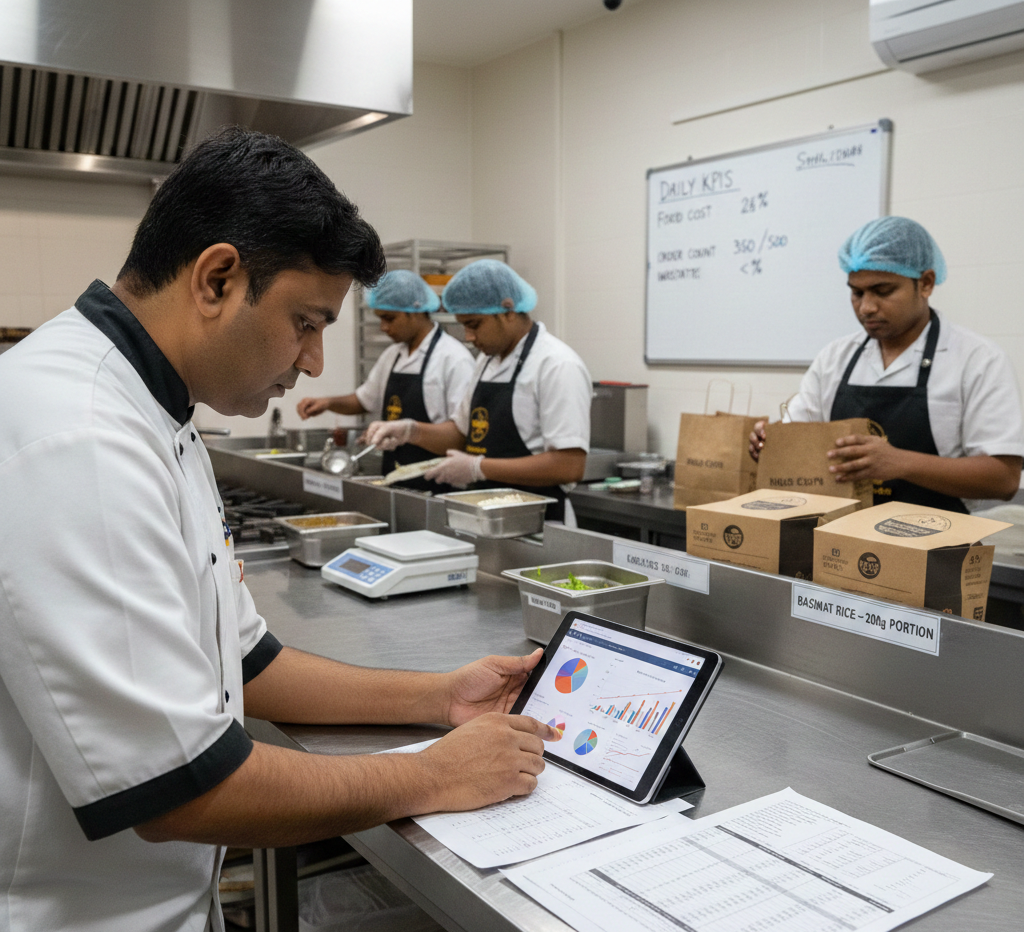
Is CKaaS Actually Profitable?
Is CKaaS Profitable-CKaaS reduces capital risk-but profitability doesn’t come from low investment alone. It comes from contribution margin control, delivery-first menu engineering, operational SOP discipline, and rating stability.
If your food cost drifts, discounts are uncontrolled, or refunds increase, even a low-investment model can bleed money. This guide explains where real profit comes from-and where most brands fail.
How CKaaS Actually Creates Profit
CKaaS doesn’t magically create profit. It improves the probability of profit by reducing capital exposure, compressing launch time, and controlling operational leakage. Here’s how the system structurally improves margin stability.
Lower Capital Deployment
Traditional cloud kitchens require ₹20–40L upfront. CKaaS removes heavy equipment buying, deposit pressure, and infrastructure duplication.
- No large rental lock-in
- No full kitchen equipment capex
- Shared infrastructure reduces fixed burn
- Faster break-even potential
Faster Revenue Activation
Traditional setup can take 60–120 days. CKaaS can launch within 7–21 days if documentation is ready.
- Earlier revenue cycles
- Quicker market validation
- Reduced dead-rent period
- Faster ranking stabilization
System-Driven Cost Control
Profit is protected through structured SOP discipline, menu simplification, and controlled dispatch workflows.
- Portion control reduces food cost drift
- Standard packing flow reduces refunds
- Inventory rhythm reduces wastage
- Dispatch accuracy protects ratings
What Are Realistic CKaaS Margins?
Profitability in CKaaS depends on contribution margin, not just revenue. Below is a realistic margin breakdown for delivery-first brands operating in Swiggy/Zomato ecosystems.
Brands that maintain food cost discipline, stable ratings (4.2+), and controlled discounts can operate sustainably within this margin range.
Where Profit Actually Disappears
Most CKaaS brands don’t fail because of low demand. They fail because small operational leaks compound into margin erosion. Below are the biggest silent profit killers.
Oversized Menu
80+ SKUs increase prep complexity, slow dispatch, and raise inventory wastage.
- Higher raw material variance
- More spoilage & dead stock
- Slower kitchen rhythm
- Inconsistent taste quality
Discount Addiction
Excessive platform discounts improve ranking short-term but permanently damage contribution margin.
- Customers wait for discounts
- Lower perceived brand value
- Increased aggregator dependency
- Unstable daily margin swings
Weak Packaging Control
Spillage, temperature loss, and poor sealing directly cause refunds and negative reviews.
- Refund leakage
- Lower repeat orders
- Rating drop below 4.2
- Increased support cost
No Repeat Strategy
If 70–80% orders are first-time buyers, acquisition cost remains high and unstable.
- No combo engineering
- No add-on strategy
- No taste consistency tracking
- No repeat incentives
Who Makes the Most Money in CKaaS?
✔ Delivery-first cuisine (ramen, bowls, biryani, wraps)
✔ 20–40 optimized SKUs
✔ High margin density products
✔ Rating above 4.2+
✔ Repeat-focused menu strategy
Want a Real Profitability Estimate?
Share your cuisine idea, city, AOV target and food cost %. We’ll estimate contribution margin and break-even timeline.
Get a Custom Cloud Kitchen Plan for Your Brand
Not sure how to start or scale your cloud kitchen in India? Share a few details about your brand and we’ll send you a personalised setup and growth roadmap.
- City-wise kitchen and location suggestions
- Approximate investment & profit estimates
- Menu and positioning recommendations
- Whether CKaaS or own kitchen suits you better
Fill the form and our team will get in touch within one working day.
About Us
Ckaas Sloutions
Contact
Follow On
© 2025 Grow Kitchen. All rights reserved.
WhatsApp us