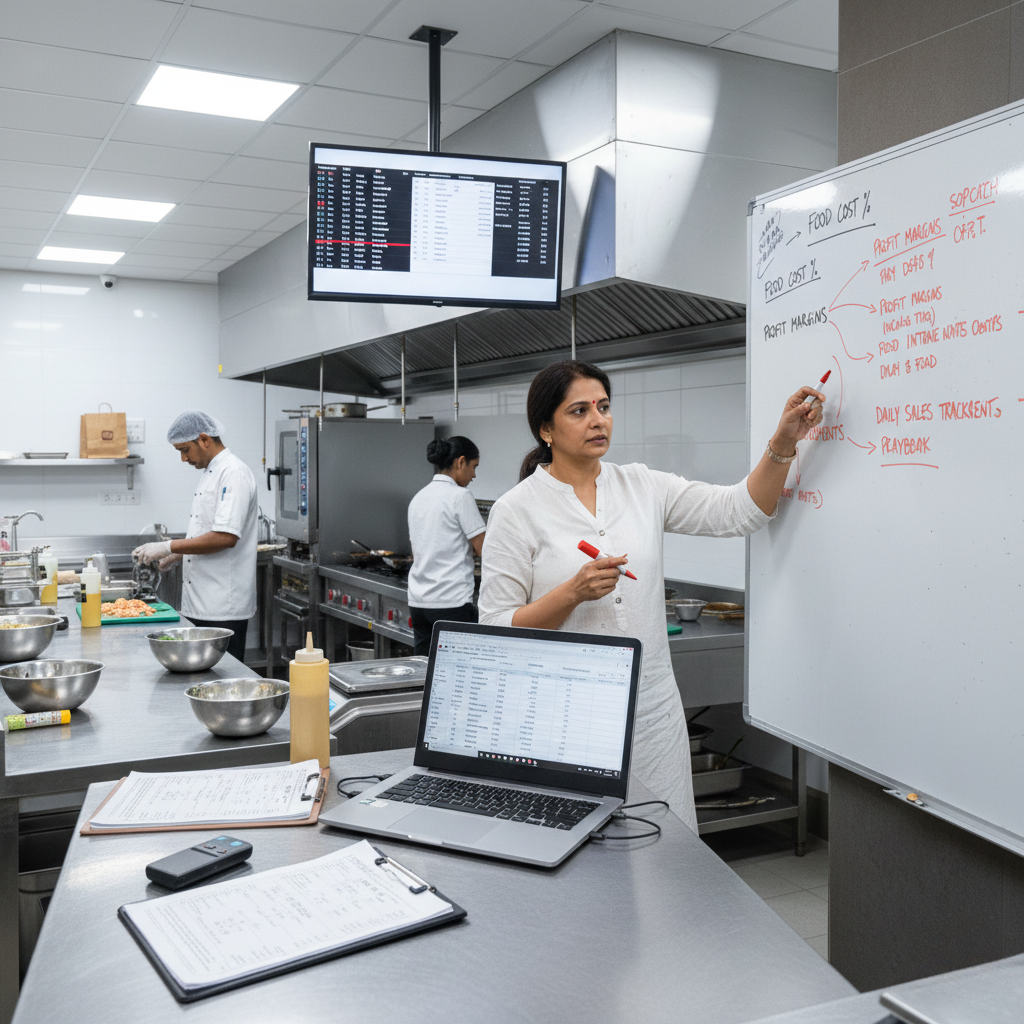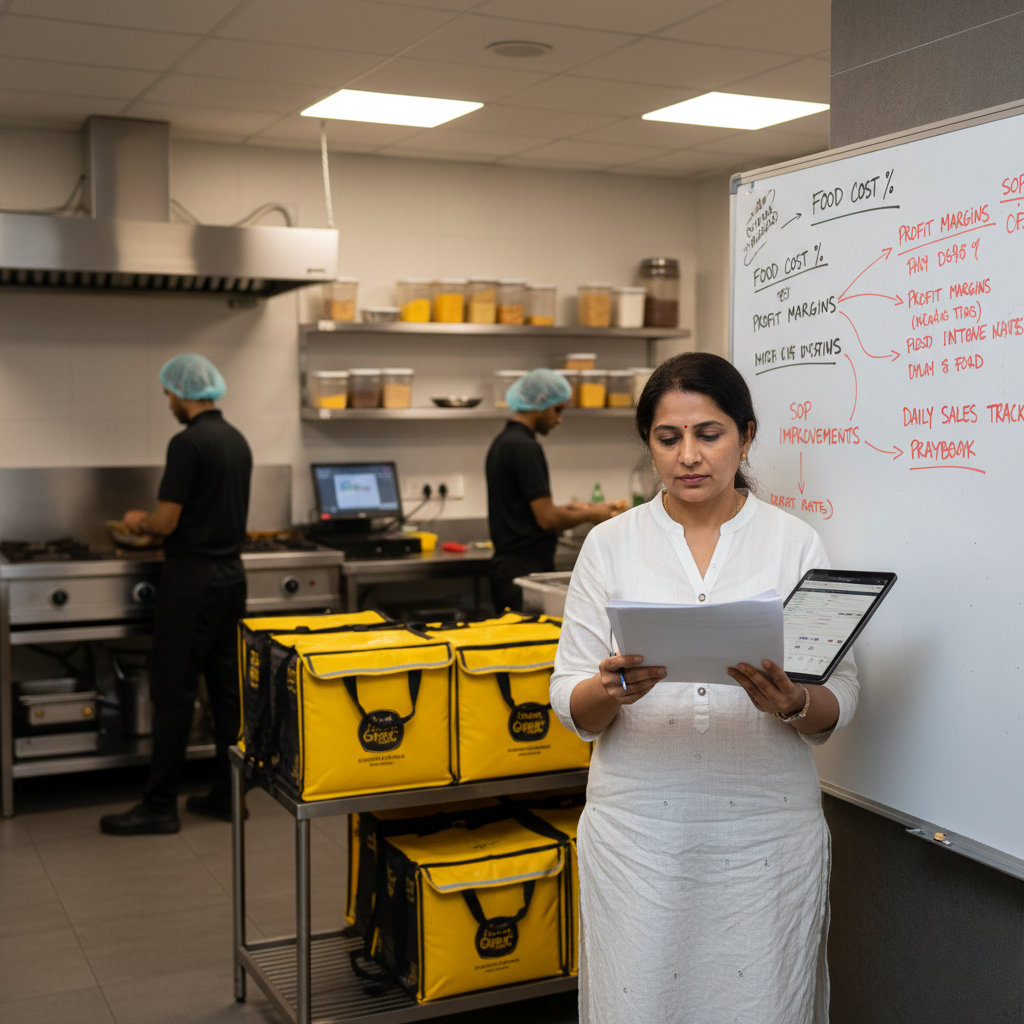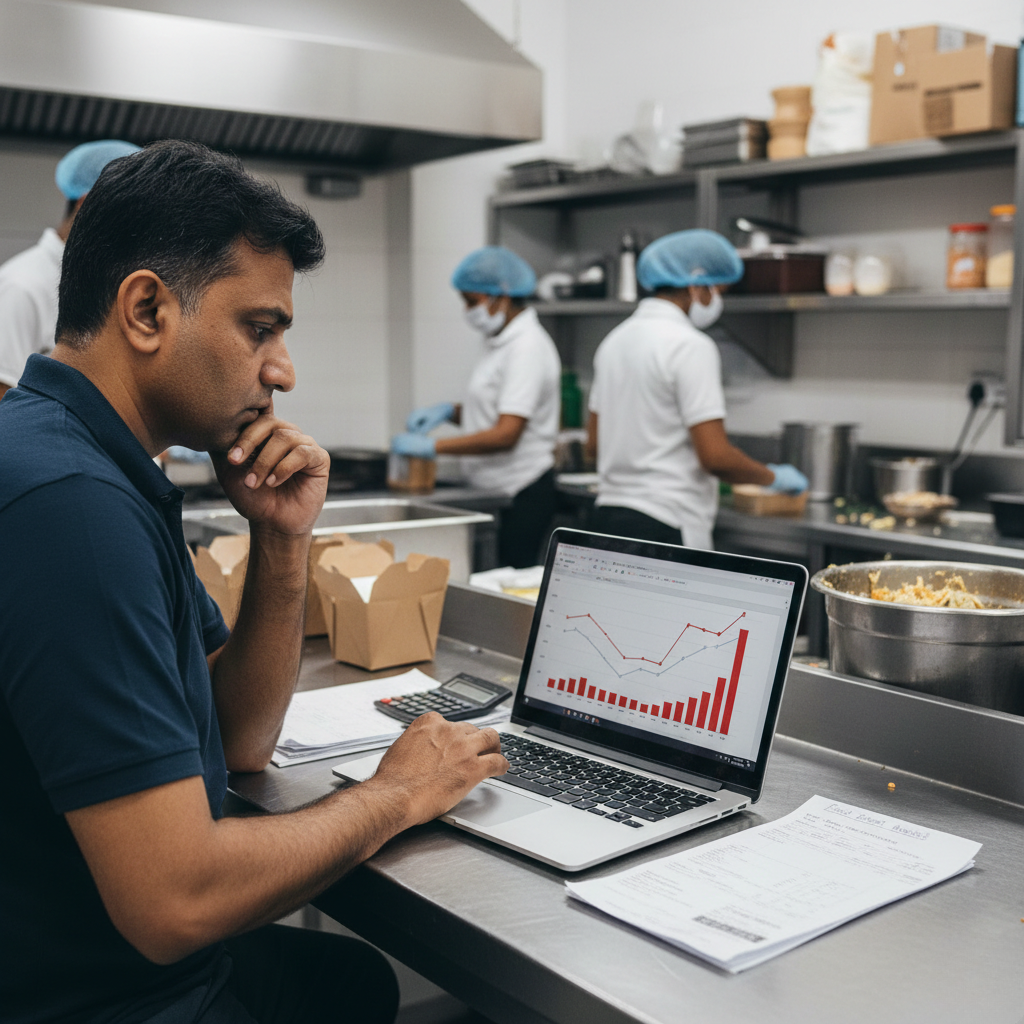
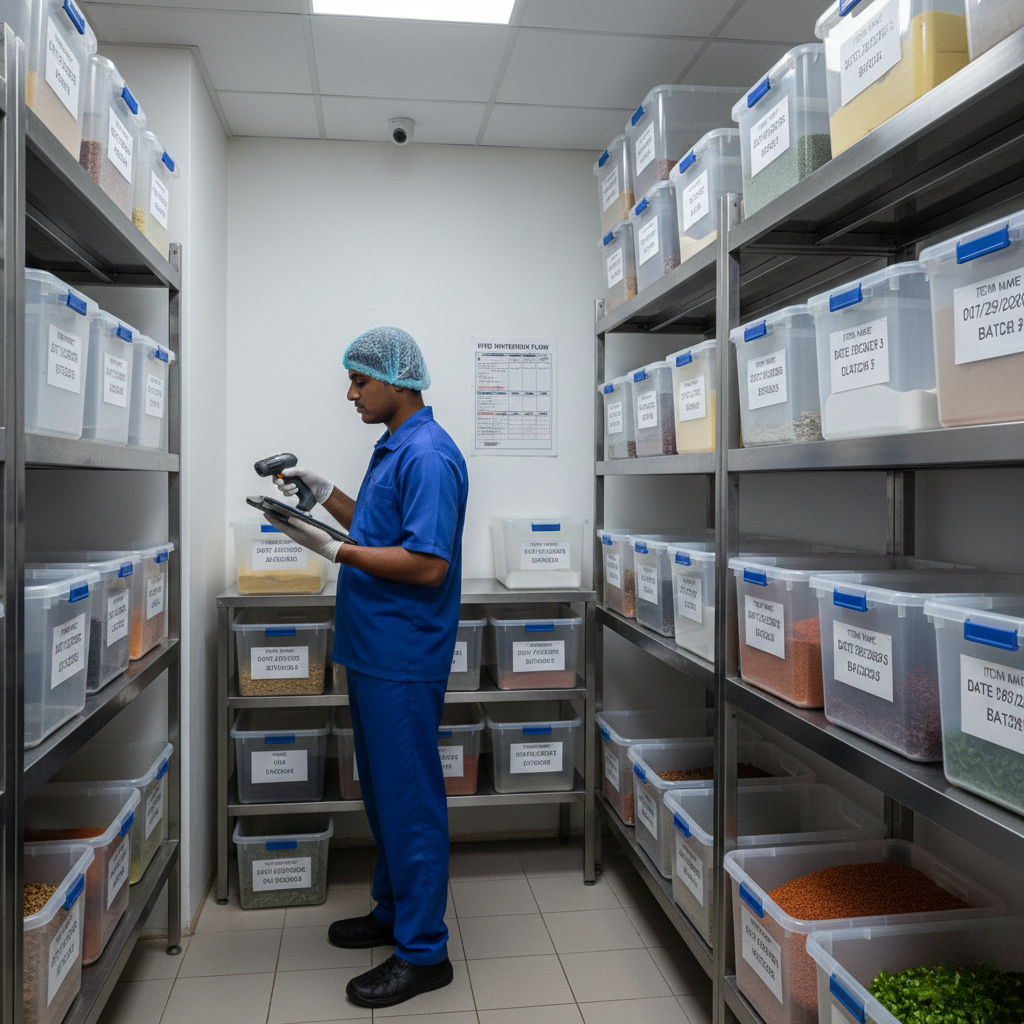
Inventory Management Systems for Cloud Kitchens explains why inventory is one of the most misunderstood yet most critical control points in Indian cloud kitchens. Most kitchens track inventory reactively, using rough estimates and end-of-month counts. This approach hides wastage, inflates food cost, and creates frequent stockouts. This guide explains how inventory management systems work, why manual tracking fails at scale, and how disciplined inventory control protects margins, consistency, and profitability. Cloud Kitchen Operations Consultant.
Why Inventory Problems Hurt Cloud Kitchens More Than Founders Realize
Inventory is where money quietly sits inside a cloud kitchen. Excess stock locks cash. Short stock disrupts service. Expired stock destroys margins. In Indian cloud kitchens, inventory issues rarely appear as one big loss. They show up as constant small inefficiencies. Founders often focus on sales and ratings, while inventory silently erodes profitability.
This challenge is directly linked to Cloud Kitchen Profit Margin in India.
What Inventory Management Systems Actually Mean
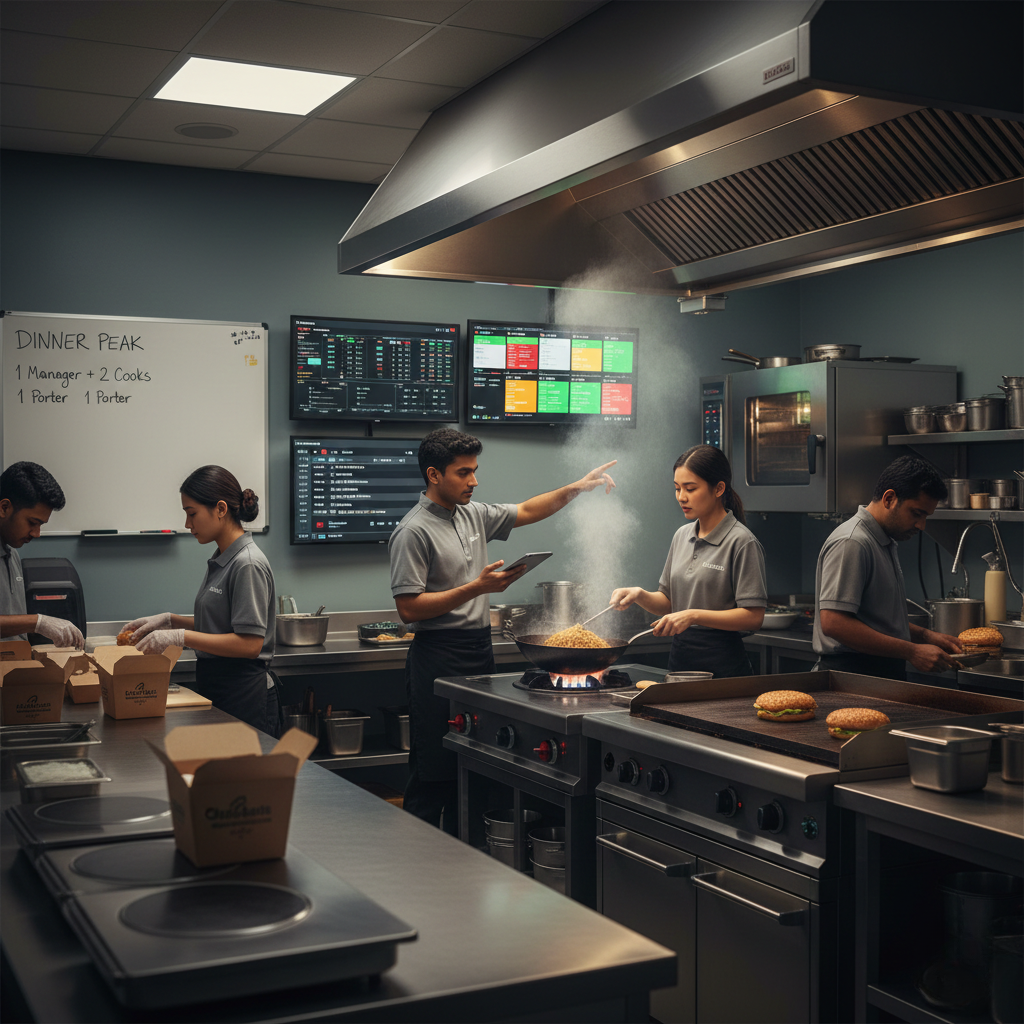
Inventory management is not just stock counting. It is a system that controls what comes in, how it is stored, how it is used, and when it is replenished. Effective systems create visibility. Poor systems rely on memory.
Why Manual Inventory Tracking Fails in Cloud Kitchens
Manual inventory works only at very low volumes. As orders increase, manual tracking becomes inconsistent. Staff forget to record usage. Counts are estimated. Variance is ignored. Over time, founders stop trusting inventory data altogether.
Inventory Systems Start With Disciplined Procurement
Inventory management begins before stock arrives. Unplanned purchases, emergency buying, and inconsistent vendors break inventory accuracy. Systems define purchase cycles, reorder levels, and approved vendors. This prevents both overstocking and shortages.

Receiving Discipline: The Most Ignored Inventory Step
Inventory accuracy is lost at receiving. Quantities are accepted without verification. Quality checks are skipped during rush. Incorrect receiving creates invisible variance that compounds over time. Inventory systems enforce checking, recording, and approval at entry.
Storage Systems and Expiry Control
Poor storage destroys inventory value. Incorrect temperature, mixed categories, and poor labeling accelerate spoilage. Inventory systems define storage zones, FIFO movement, and expiry labeling. This directly reduces wastage.
Related insights in How Wastage Happens in Cloud Kitchens.
Tracking Ingredient Usage Through Operations
Inventory is consumed during prep and service. Without usage tracking, variance remains unexplained. Systems link recipes, portions, and daily production to usage. This reveals overuse immediately.
Prep-Level Inventory Control
Prep converts raw inventory into semi-finished stock. Without prep logs, yield losses go unnoticed. Inventory systems track raw-to-prep conversion and expected yields. This prevents hidden wastage.
Learn structural separation in Prep SOP vs Service SOP Explained.
Portion Control as an Inventory Protection Tool
Portioning directly affects inventory depletion. Over-portioning increases consumption without increasing sales. Inventory systems rely on portion discipline to match theoretical usage with actual usage. Why this matters is explained in Importance of Portion Control in Cloud Kitchens.
Daily and Weekly Inventory Audits
Audits create visibility. Daily checks catch small issues. Weekly audits reveal patterns. Monthly audits are too late to prevent losses. Disciplined kitchens audit continuously.
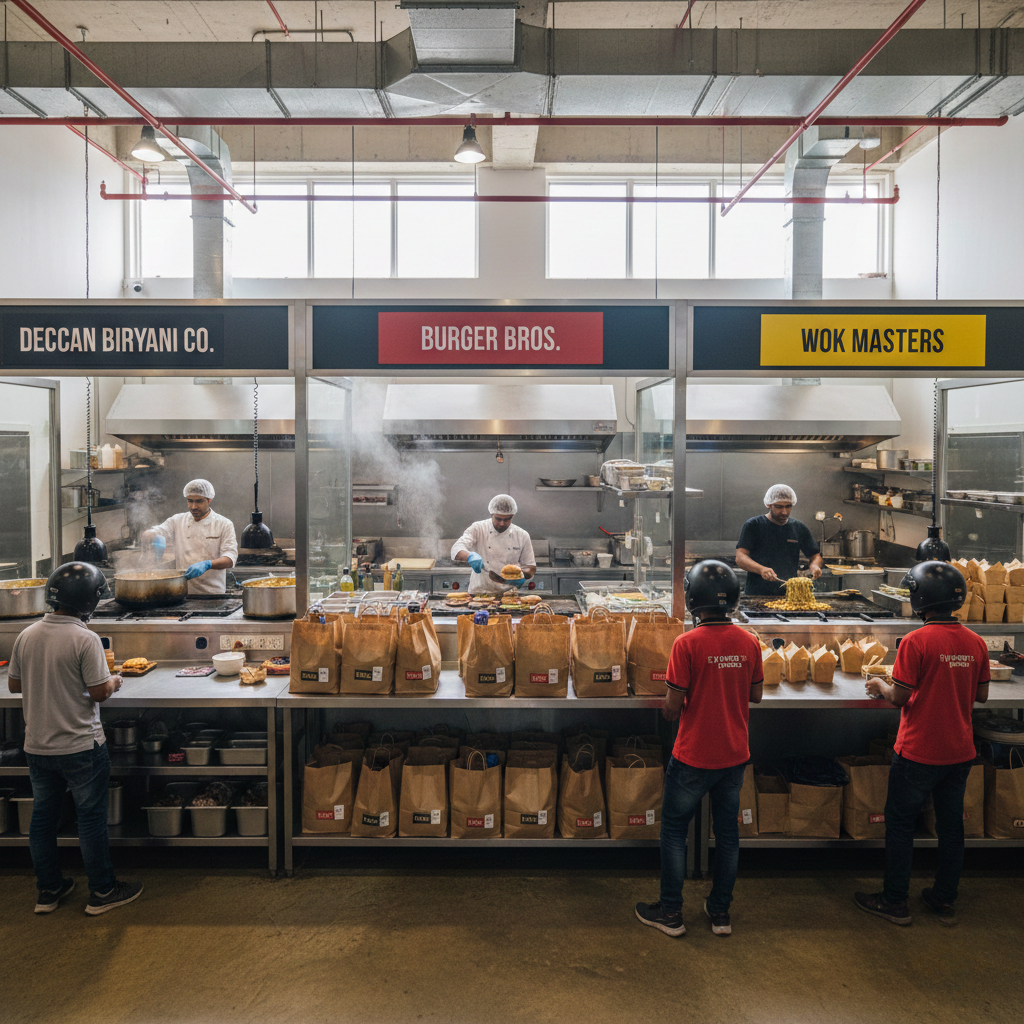
Inventory Systems in Multi-Brand Cloud Kitchens
Multi-brand kitchens increase inventory complexity. Shared ingredients, brand-wise recipes, and different portion sizes require stricter controls. Systems define brand-level allocation to prevent misuse.
Structural solutions are covered in How to Build SOPs for Multi-Brand Cloud Kitchens.
How Inventory Systems Reduce Founder Dependency
Founders often monitor inventory personally. Systems replace supervision with data. This reduces stress, improves accuracy, and enables delegation.
This connects directly with How Operations Systems Reduce Dependency on Founders.
Inventory Management Systems for Cloud Kitchens: Final Takeaway
Inventory is not a back-office task. It is a profit control system. Kitchens with disciplined inventory systems experience lower food cost, fewer stockouts, and higher predictability. Proven frameworks from GrowKitchen help founders implement inventory systems that scale with growth.
FAQs: Inventory Management for Cloud Kitchens
Is software mandatory for inventory control?
No. Systems matter more than tools.
How often should inventory be checked?
Daily for key items, weekly for full audits.
Can small kitchens manage inventory effectively?
Yes. Smaller kitchens benefit faster from discipline.
Does inventory control reduce food quality?
No. It improves freshness and consistency.