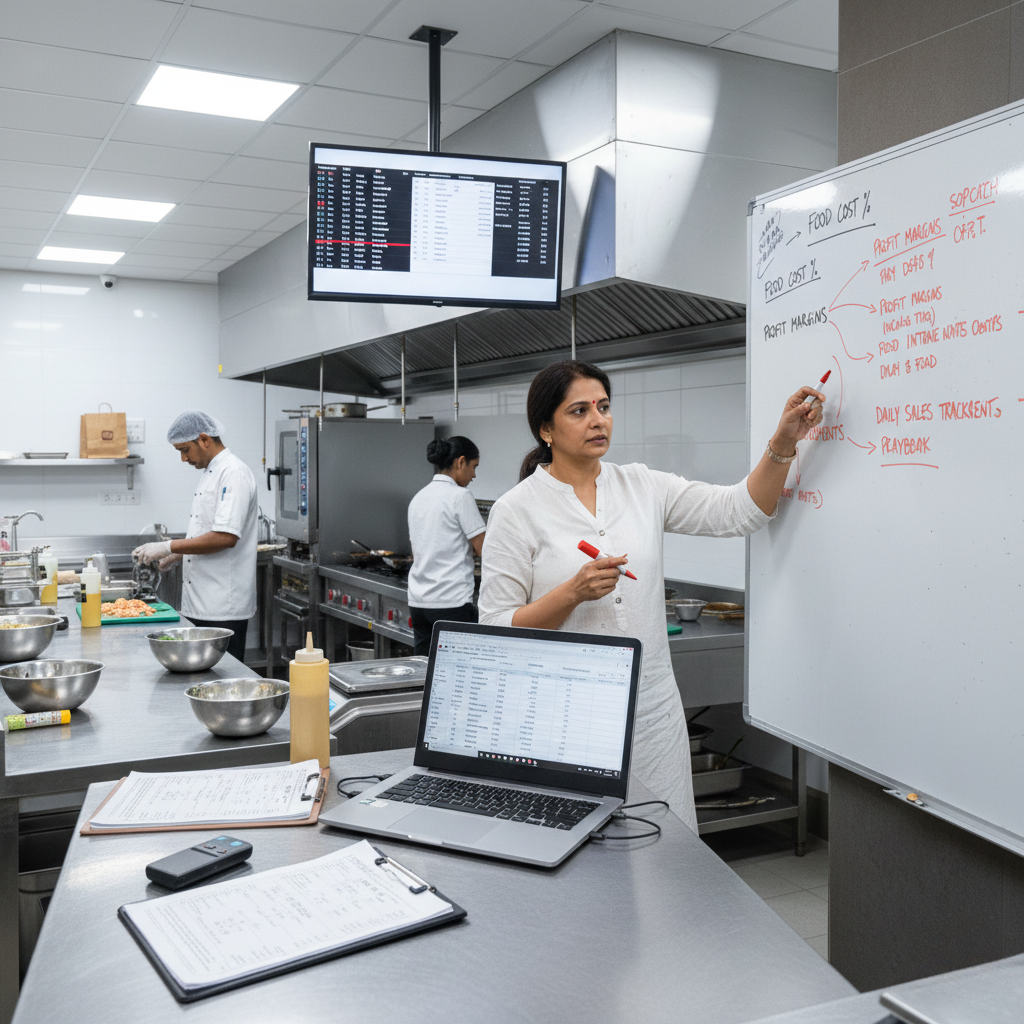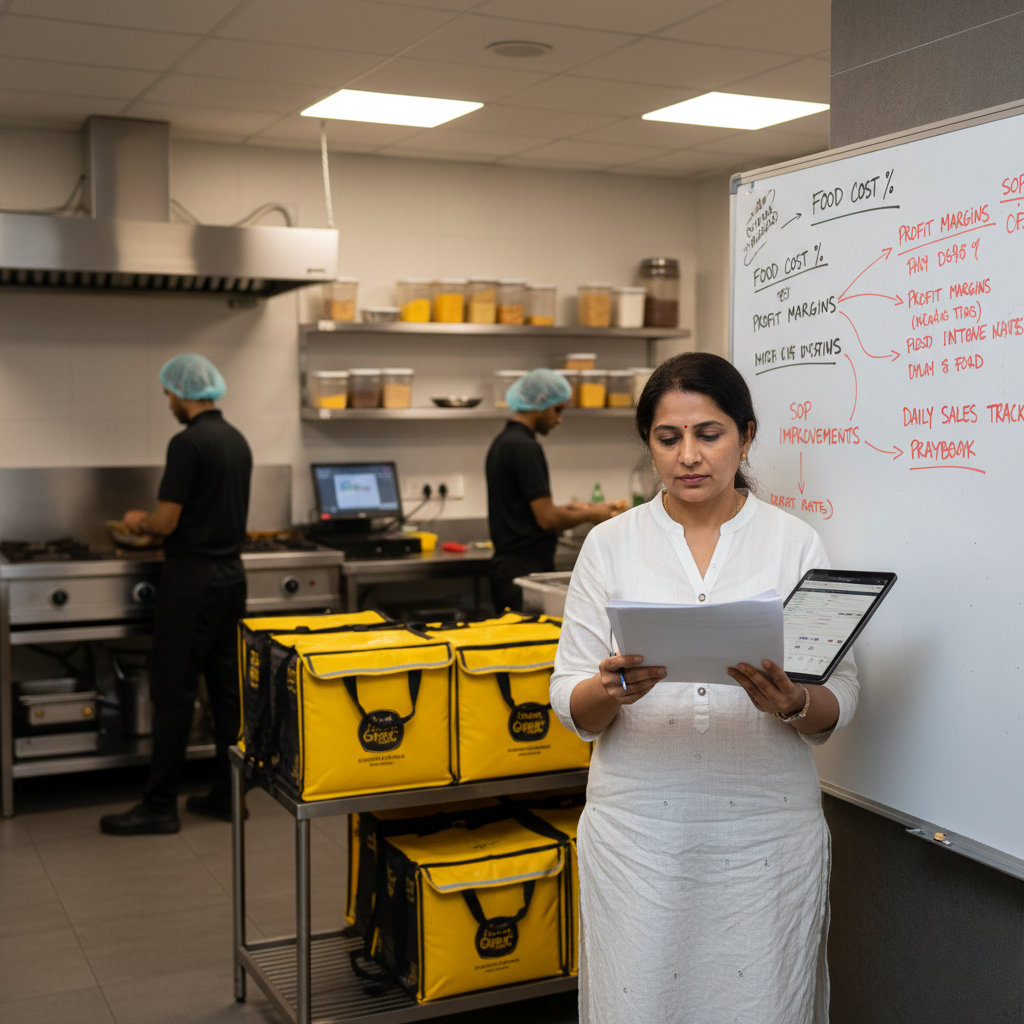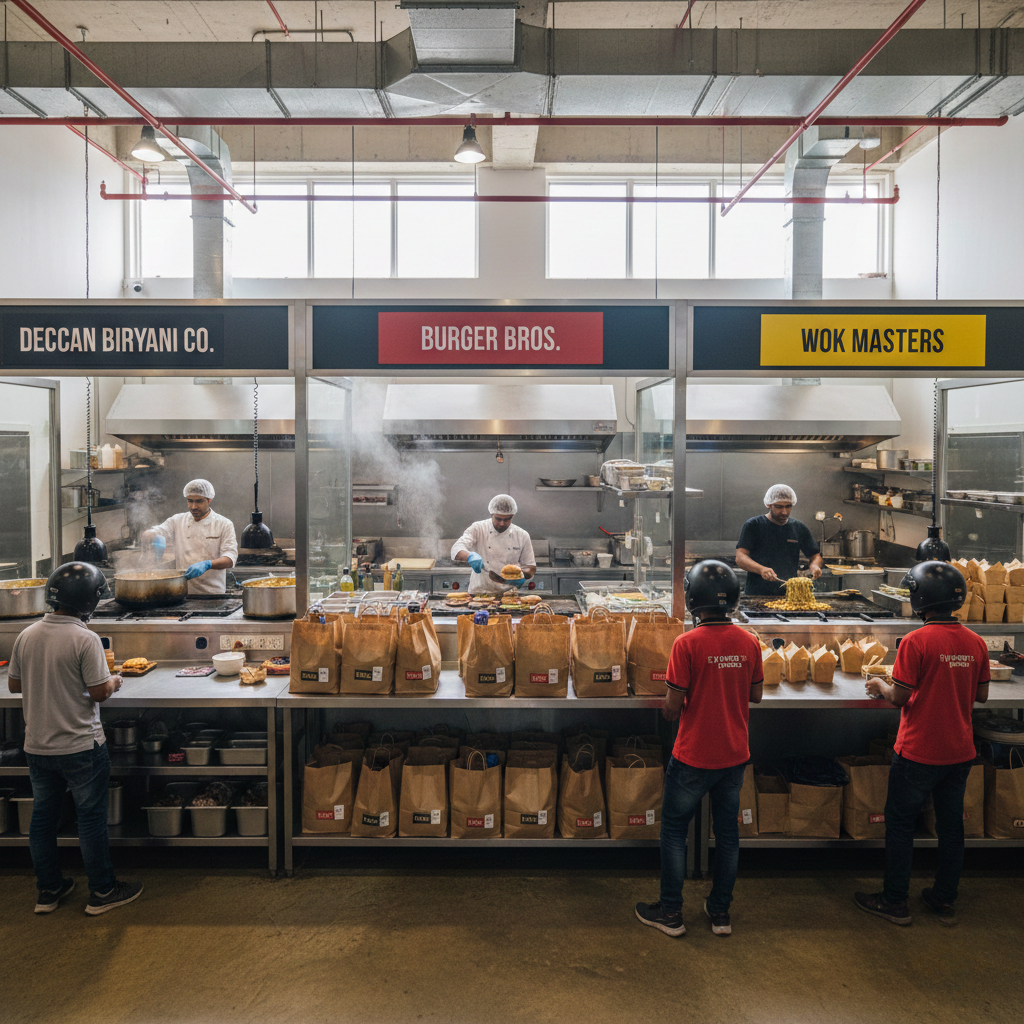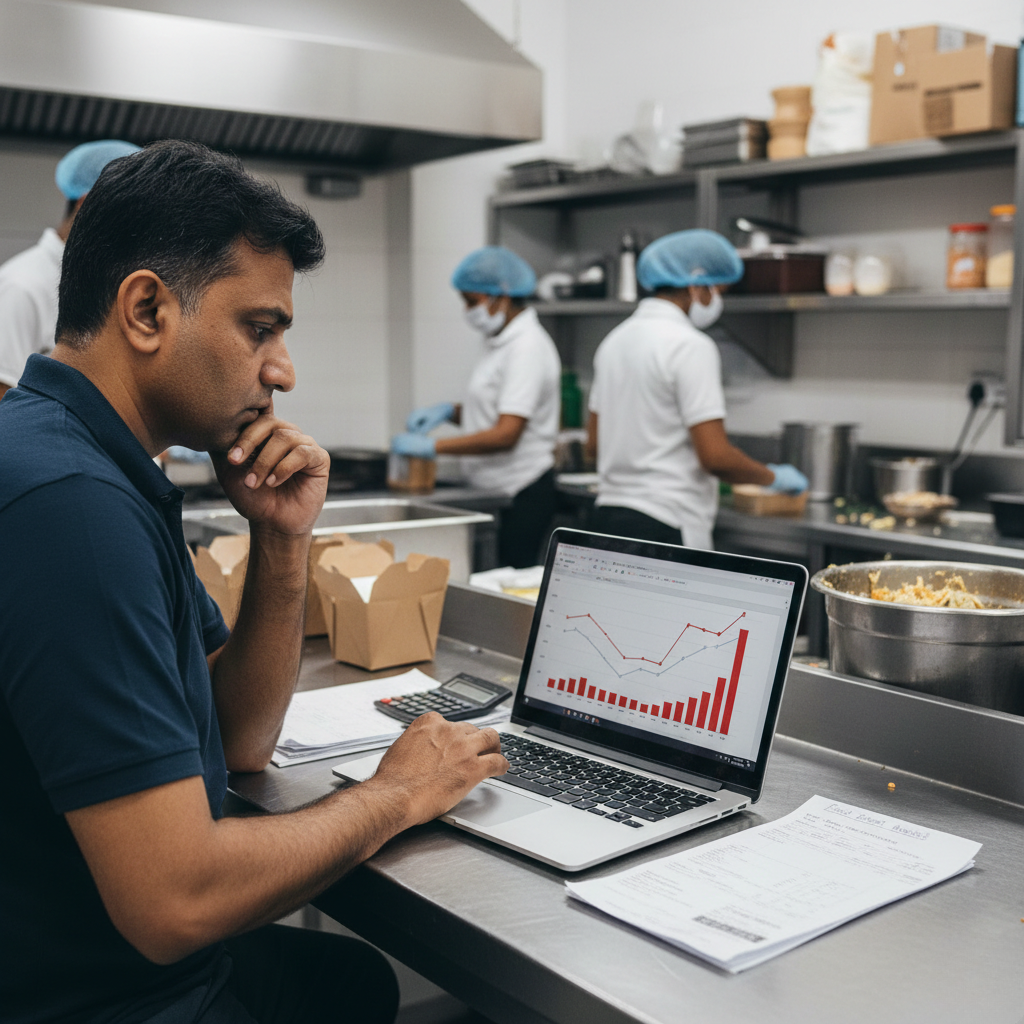
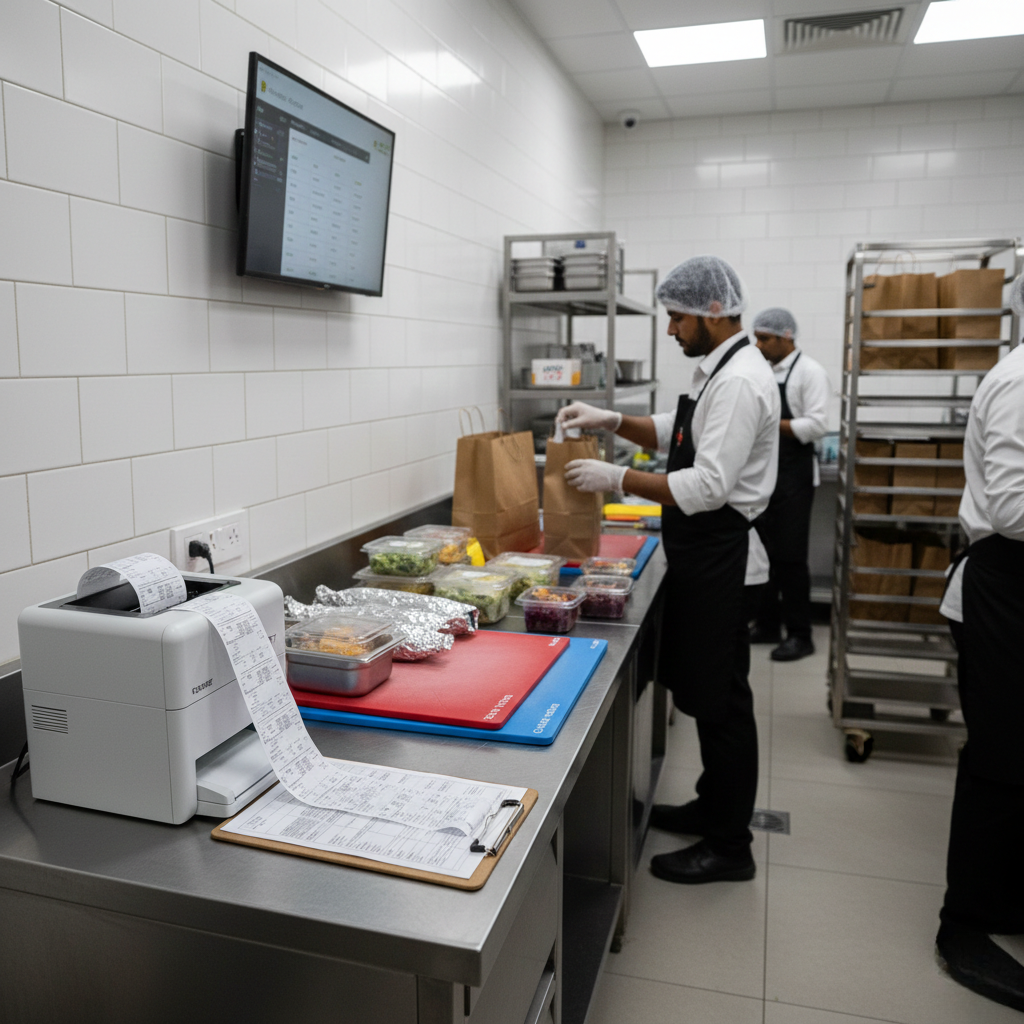
Technology is the backbone of scaling cloud kitchens. Without structured systems, growth amplifies errors, refund leakage, inventory mismanagement, and rating drops. By automating processes, centralizing data, and integrating aggregator platforms, cloud kitchens achieve operational stability, margin control, and scalable growth. This guide explains the essential technologies every serious cloud kitchen must adopt. Scaling Cloud Kitchens in India
The Importance of Technology in Scaling Cloud Kitchens
Cloud kitchens, also known as ghost kitchens or dark kitchens, operate in a delivery-first environment where speed, accuracy, and consistency directly affect ratings and contribution margins. Unlike dine-in restaurants, cloud kitchens rely almost entirely on operational systems and digital platforms to manage demand.
As order volumes increase from 30 to 200+ per day, variability becomes visible: food cost drift, prep delays, stockouts, dispatch errors, and refund spikes. Technology is what prevents scaling from turning into operational chaos.
Before implementing new tools, understand your profitability structure. Explore our guide on Cloud Kitchen Profitability Consultant in India to align technology with unit economics.

Step 1: Kitchen Management Software for Operational Stability
The foundation of scalable cloud kitchen operations is a centralized Kitchen Management System (KMS). Without it, coordination between prep stations, inventory, and dispatch becomes manual and inconsistent.
A robust KMS ensures standardized SOP execution, SKU discipline, recipe compliance, prep scheduling, and real-time order tracking. It eliminates guesswork and replaces it with measurable execution.
For multi-brand kitchens or Cloud Kitchen as a Service (CKaaS) models, centralized dashboards become non-negotiable. Learn more about structured operations inside our guide on Kitchen Management Services in India .
Technology does not replace operations. It enforces discipline at scale.
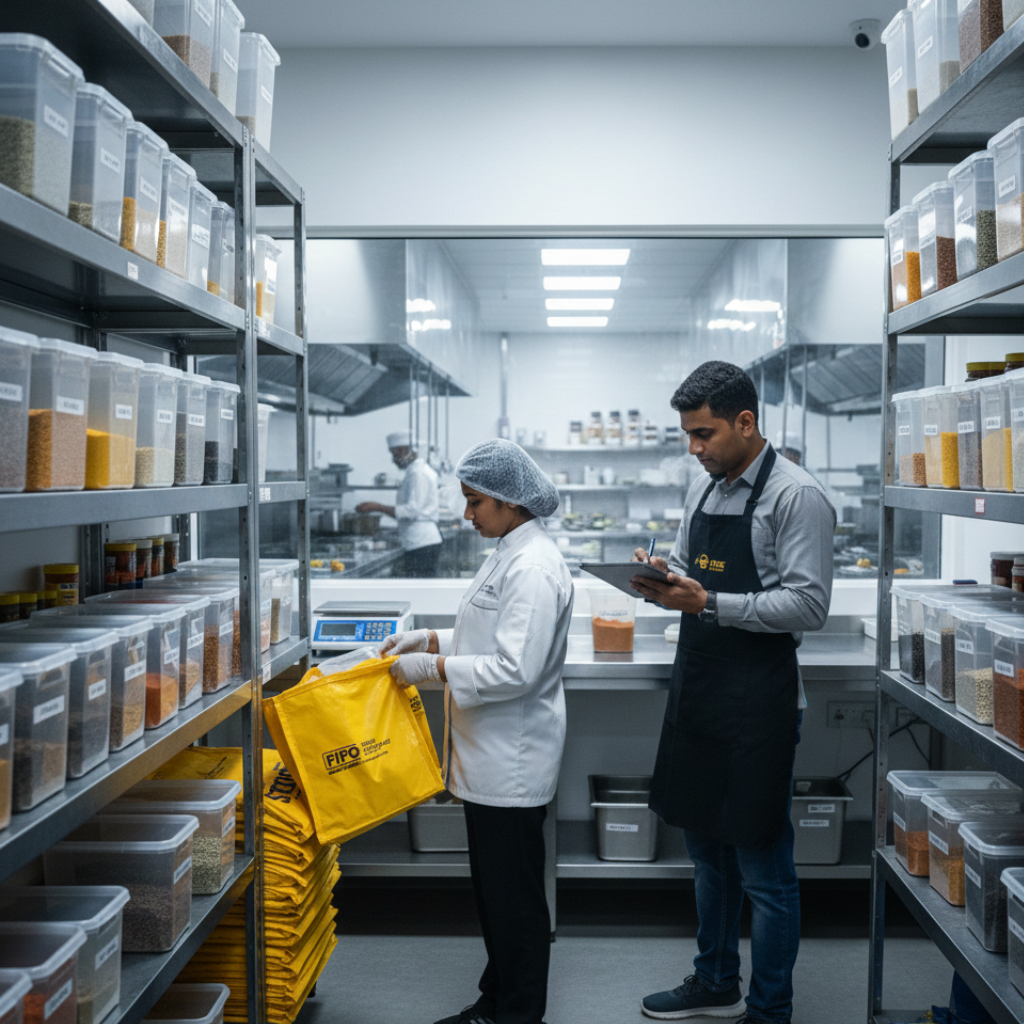
Step 2: Automation to Reduce Operational Leakage
Scaling fails when repetitive manual processes overwhelm teams. Automation reduces human dependency in predictable workflows.
Examples include:
- Auto-routing aggregator orders to KDS systems
- Inventory auto-deduction based on recipe BOM
- Low-stock alerts and reorder triggers
- Daily sales reconciliation reports
- Refund tracking and penalty analysis dashboards
Automating these tasks reduces staff fatigue, improves speed, and prevents revenue leakage that silently erodes margins.
If you are struggling with loss-making units, review our breakdown on Fixing a Loss-Making Cloud Kitchen .
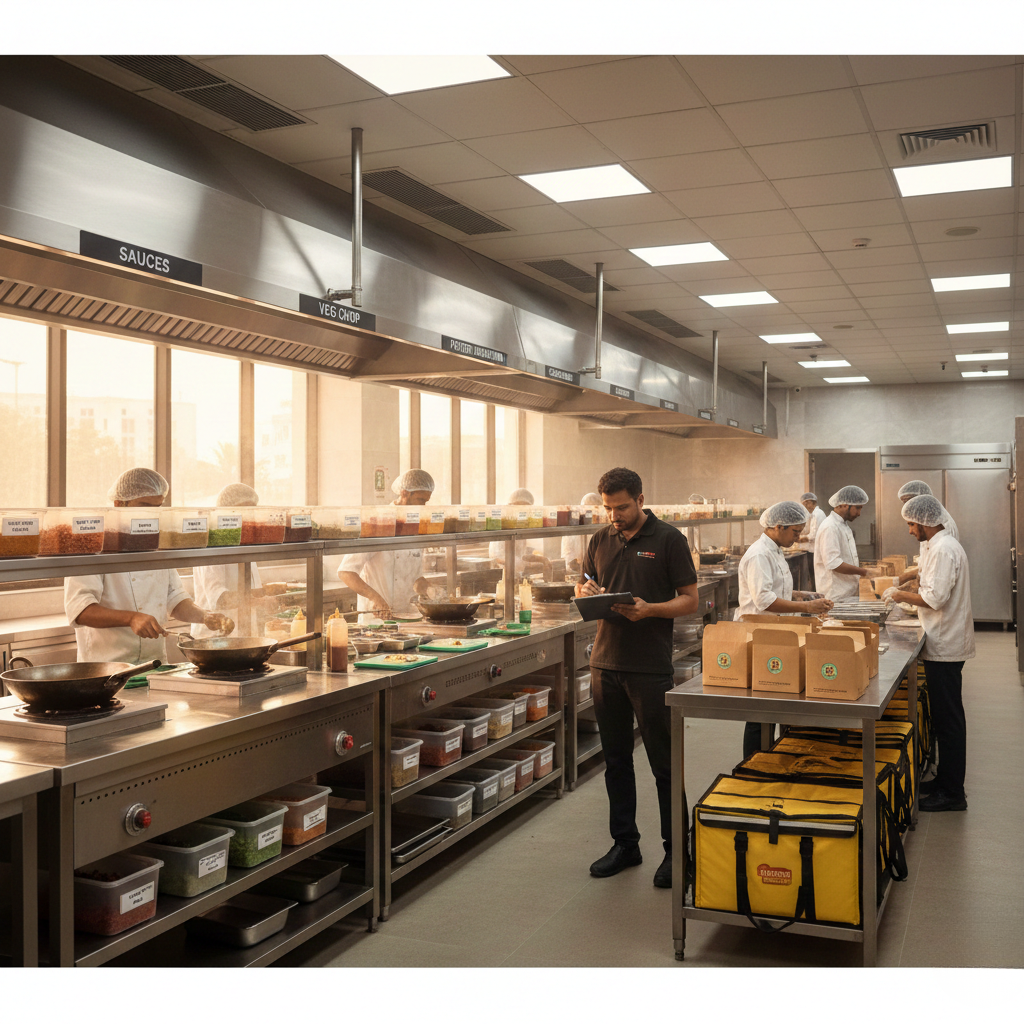
Step 3: Data Analytics for Profit-Driven Decisions
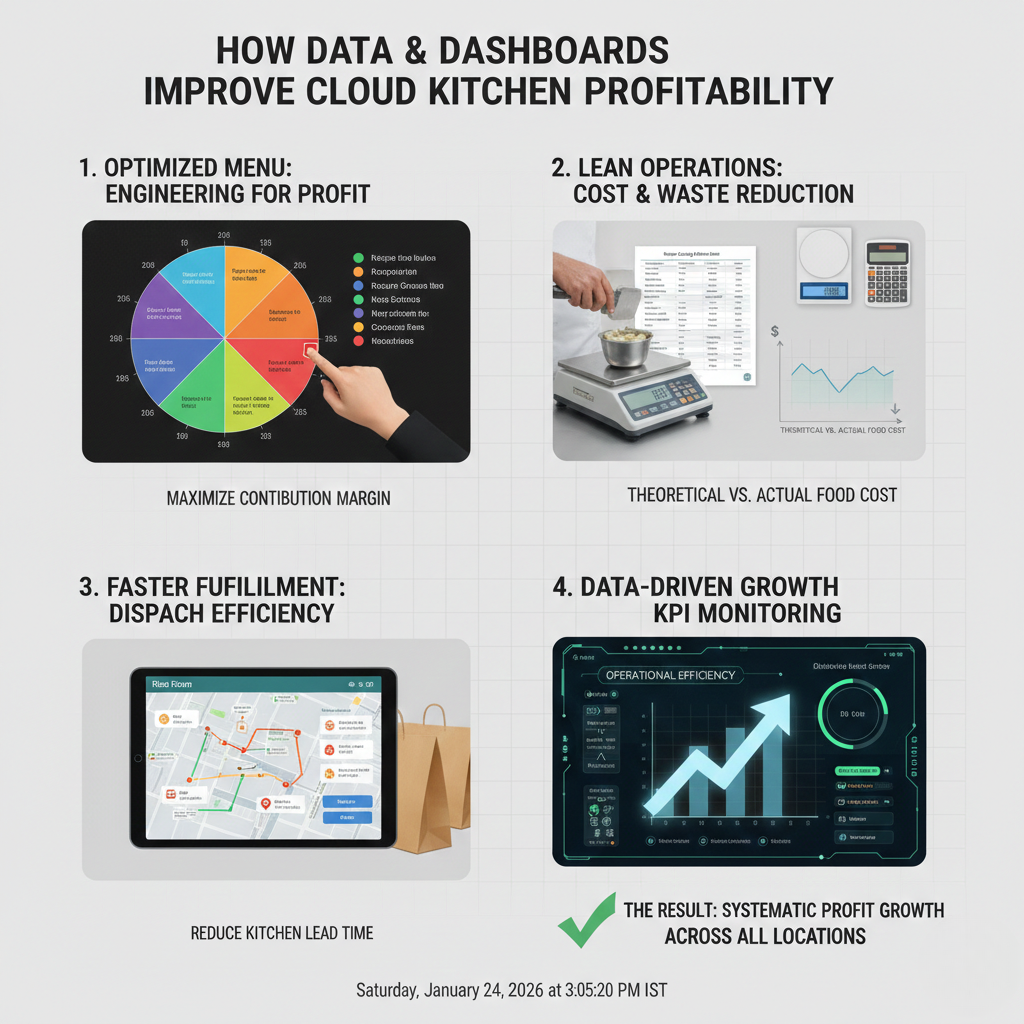
Data transforms scaling from emotional decision-making to system-led growth. Without analytics, founders react. With analytics, founders optimize.
Key metrics that technology helps track:
- Contribution margin per SKU
- Prep time variability
- Refund and cancellation patterns
- Aggregator commission impact
- AOV and combo performance
Data reveals which SKUs to kill, which to promote, and where operational bottlenecks exist.
Deep dive into analytics-driven execution in our article on
Step 4: Aggregator & Payment Integration Systems
Integration with delivery platforms like Swiggy and Zomato must be seamless. Manual entry creates delays and order mismatches.
Smart integration ensures:
- Real-time order sync
- Auto-menu updates across platforms
- Centralized price adjustments
- Commission and penalty monitoring
If penalties and commissions are impacting your profitability, review our detailed Aggregator Commission Impact Analysis .
Step 5: Building a Scalable Technology Stack
As you expand to multiple locations, cloud-based systems allow centralized oversight without physical presence.
A scalable stack includes:
- Cloud POS
- KDS systems
- Inventory automation
- Centralized analytics dashboards
- CRM and loyalty integration
Expansion without structured technology increases chaos. Expansion with systems increases compounding stability.
Final Takeaways: Technology is a Scaling Multiplier
Technology does not guarantee success. But scaling without it guarantees instability.
- Standardize operations before increasing volume
- Automate repetitive leakage-prone tasks
- Use data for SKU and pricing decisions
- Integrate aggregators intelligently
- Build dashboards before expanding locations
In cloud kitchens, systems decide survival. Motivation does not.