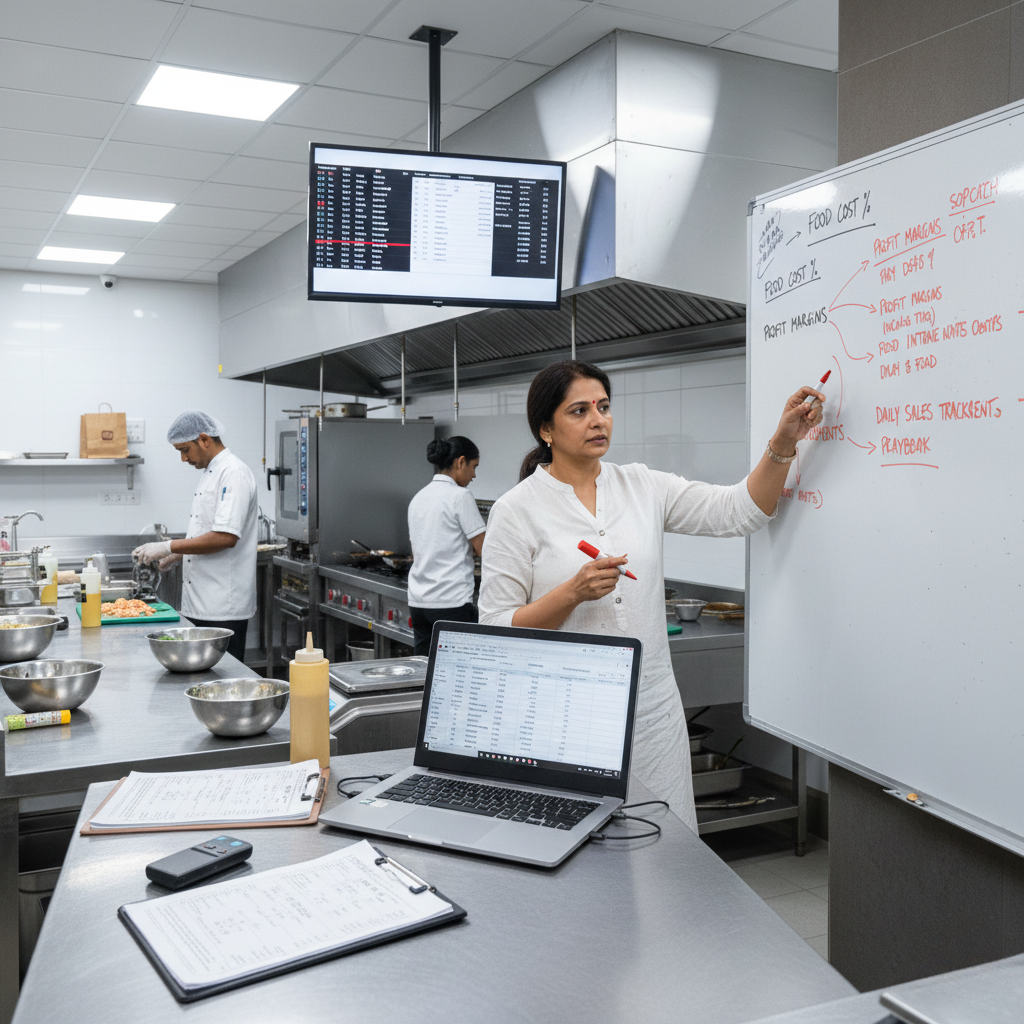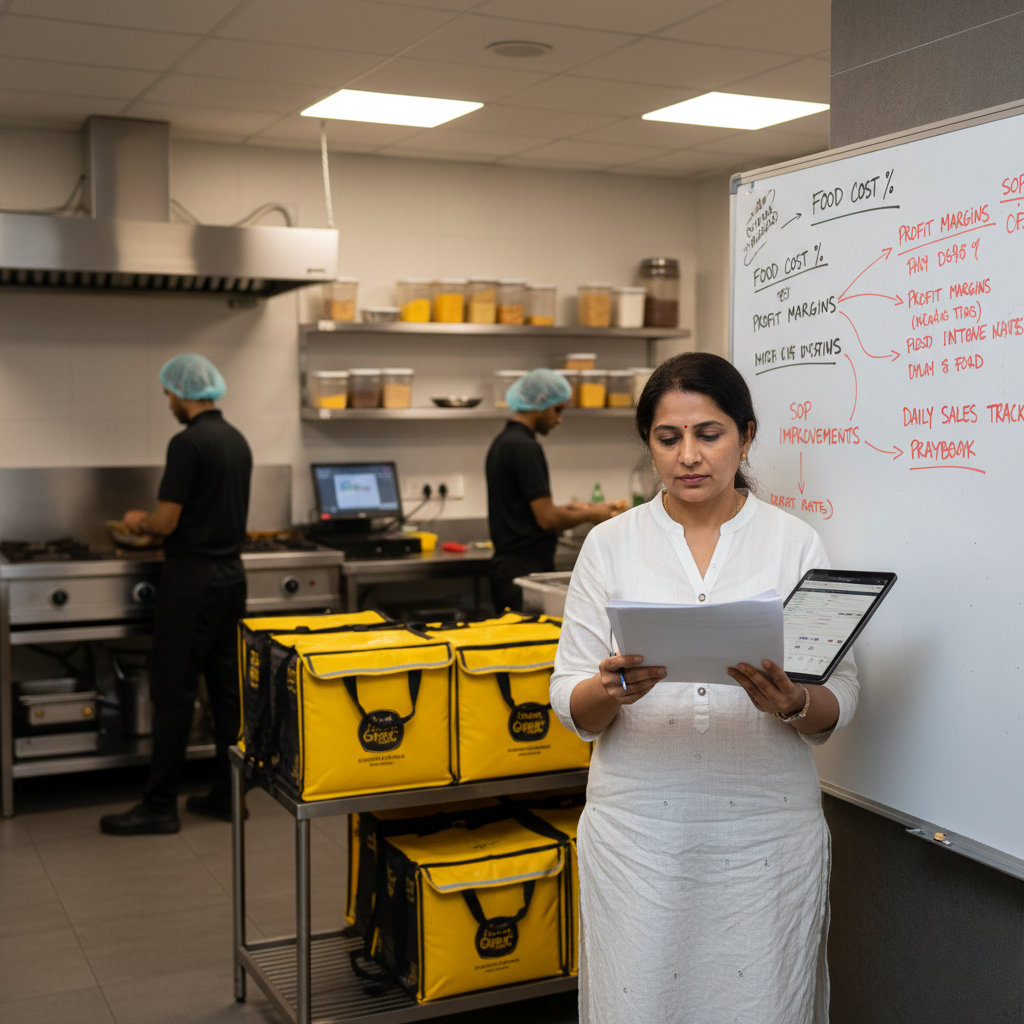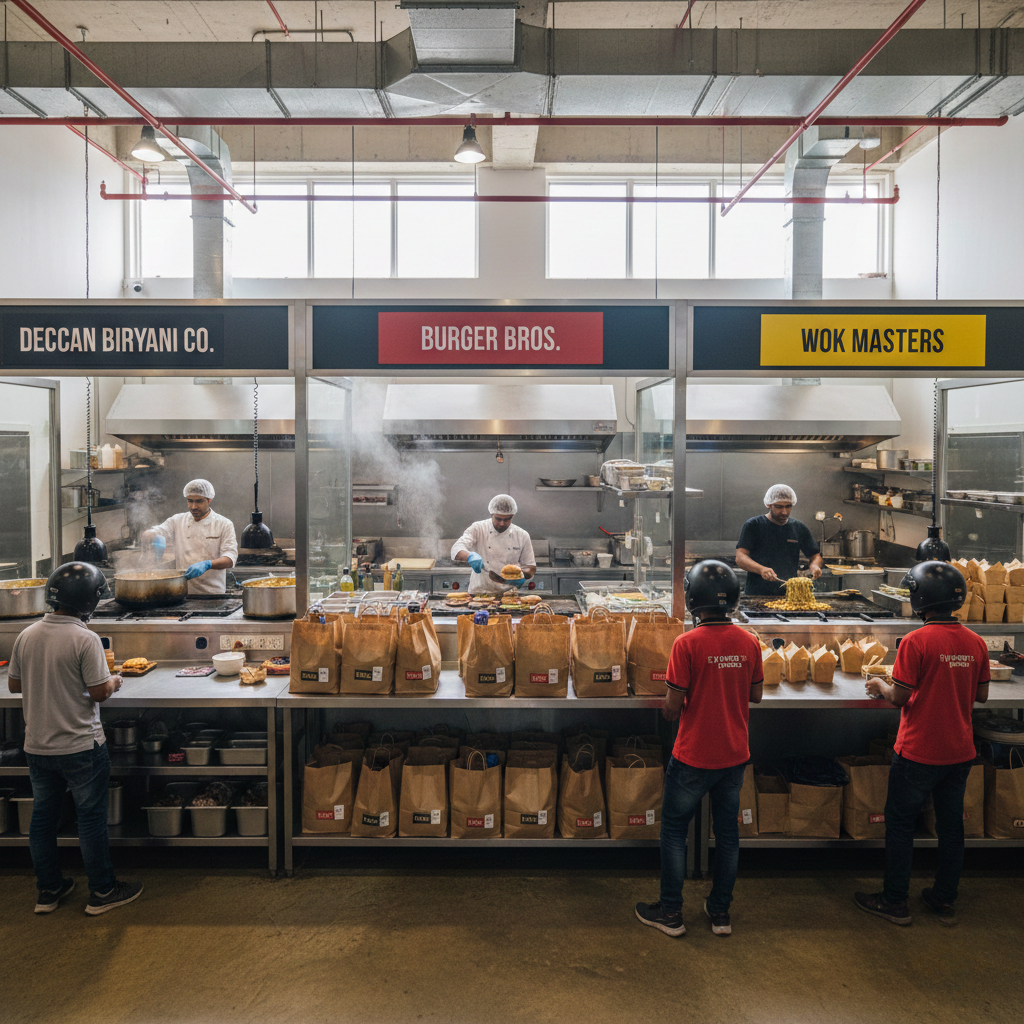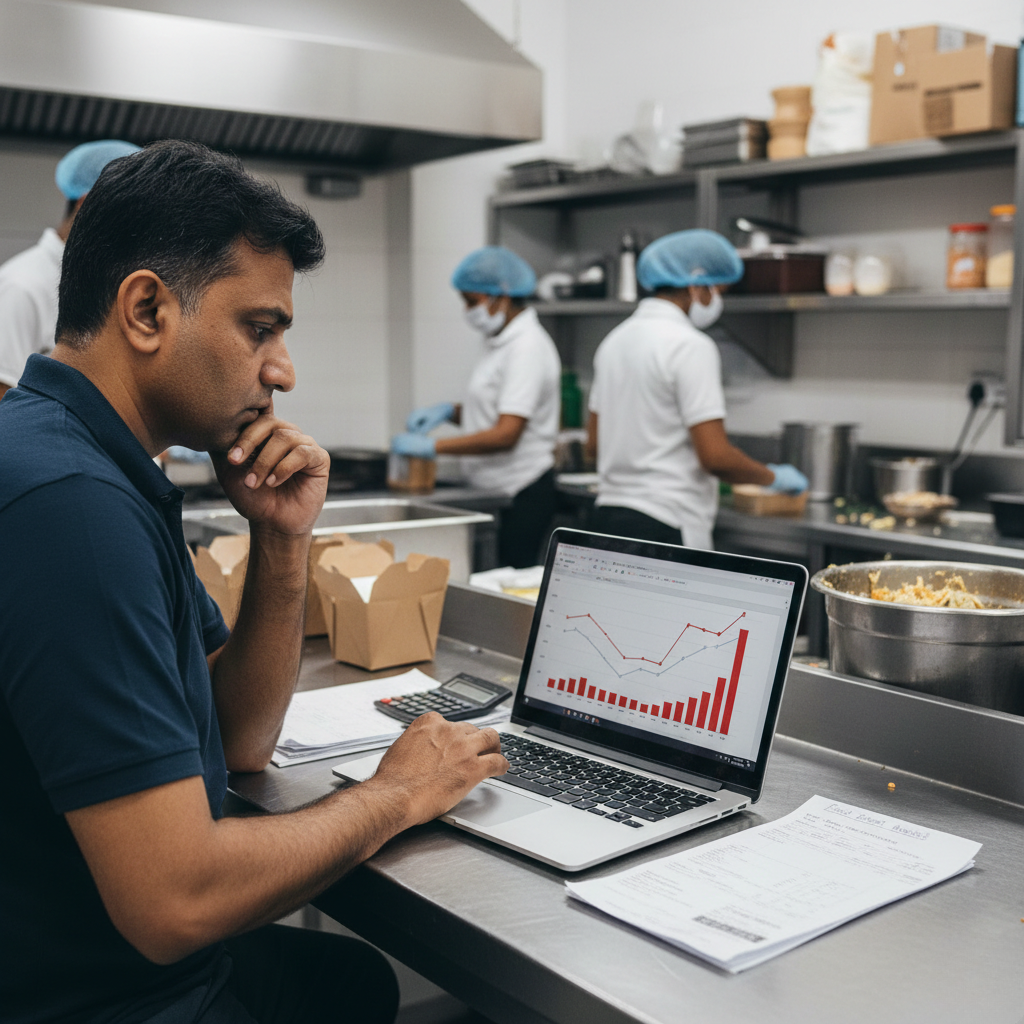
How Wastage Happens in Cloud Kitchens explains why most cloud kitchens in India lose money silently even when orders are increasing. Wastage rarely comes from one big mistake. It builds slowly through poor planning, weak discipline, rushed execution, and lack of visibility. This guide breaks down where wastage actually happens, why founders underestimate it, and how operational discipline is the only way to stop profit leakage. Cloud Kitchen Operations Consultant.
Why Wastage Is the Most Ignored Cost in Cloud Kitchens
In most cloud kitchens, wastage is treated as unavoidable. Founders focus on sales numbers, platform commissions, and marketing spend, while wastage quietly eats margins. Unlike rent or salaries, wastage does not show up clearly in reports. It hides inside food cost, refunds, re-makes, and inefficiencies. In Indian cloud kitchens, uncontrolled wastage is one of the biggest reasons kitchens struggle to become profitable.
This problem connects directly with Cloud Kitchen Profit Margin in India.
What Wastage Actually Means in Cloud Kitchen Operations
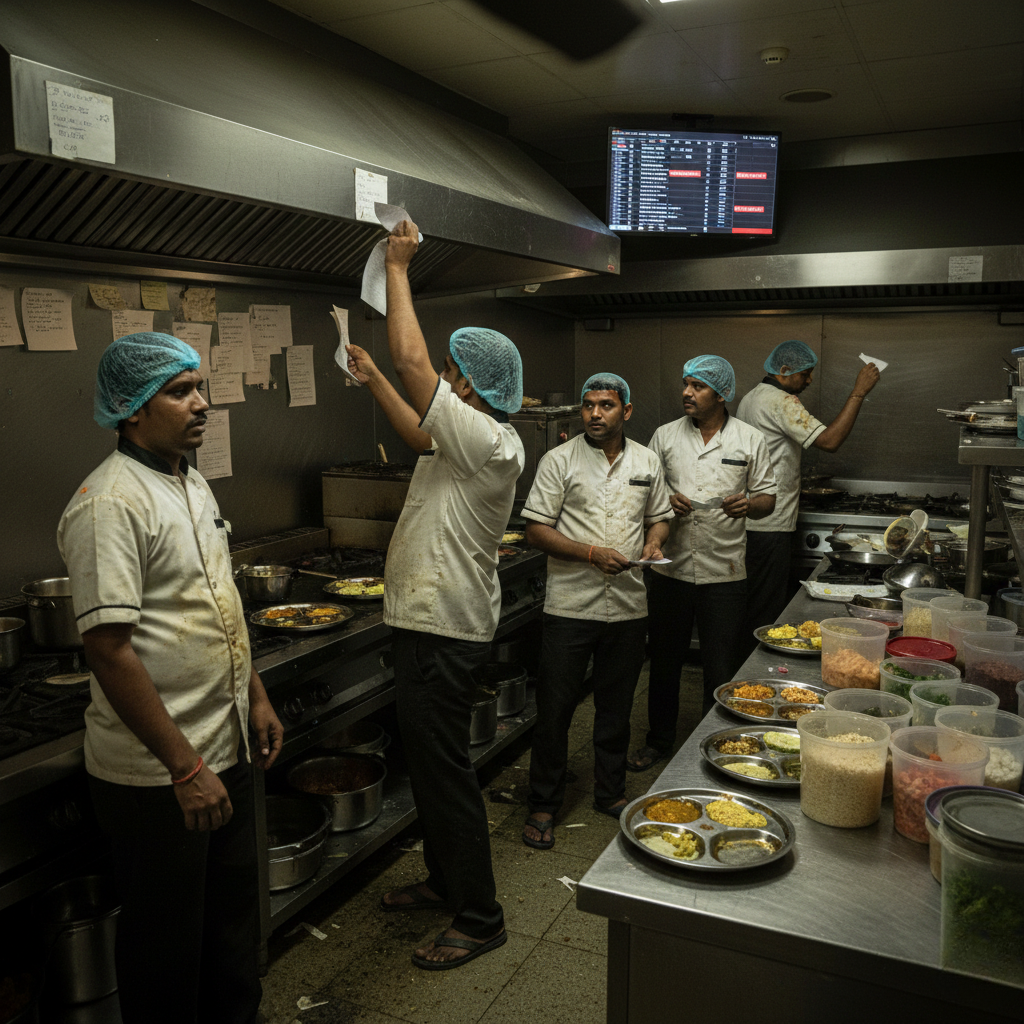
Wastage is not just thrown food. It includes expired ingredients, over-prep, re-cooked orders, wrong dispatches, excess portioning, and even staff time spent fixing mistakes. Most of this wastage happens daily, in small quantities, making it difficult to notice.
How Poor Procurement Planning Creates Wastage
Wastage often starts at purchasing. Buying without forecasting, reacting to discounts, or ordering “just in case” leads to excess inventory. Perishable ingredients expire before they can be used. Kitchens without fixed procurement cycles almost always overstock.
Prep-Level Wastage: The Biggest Leakage Point
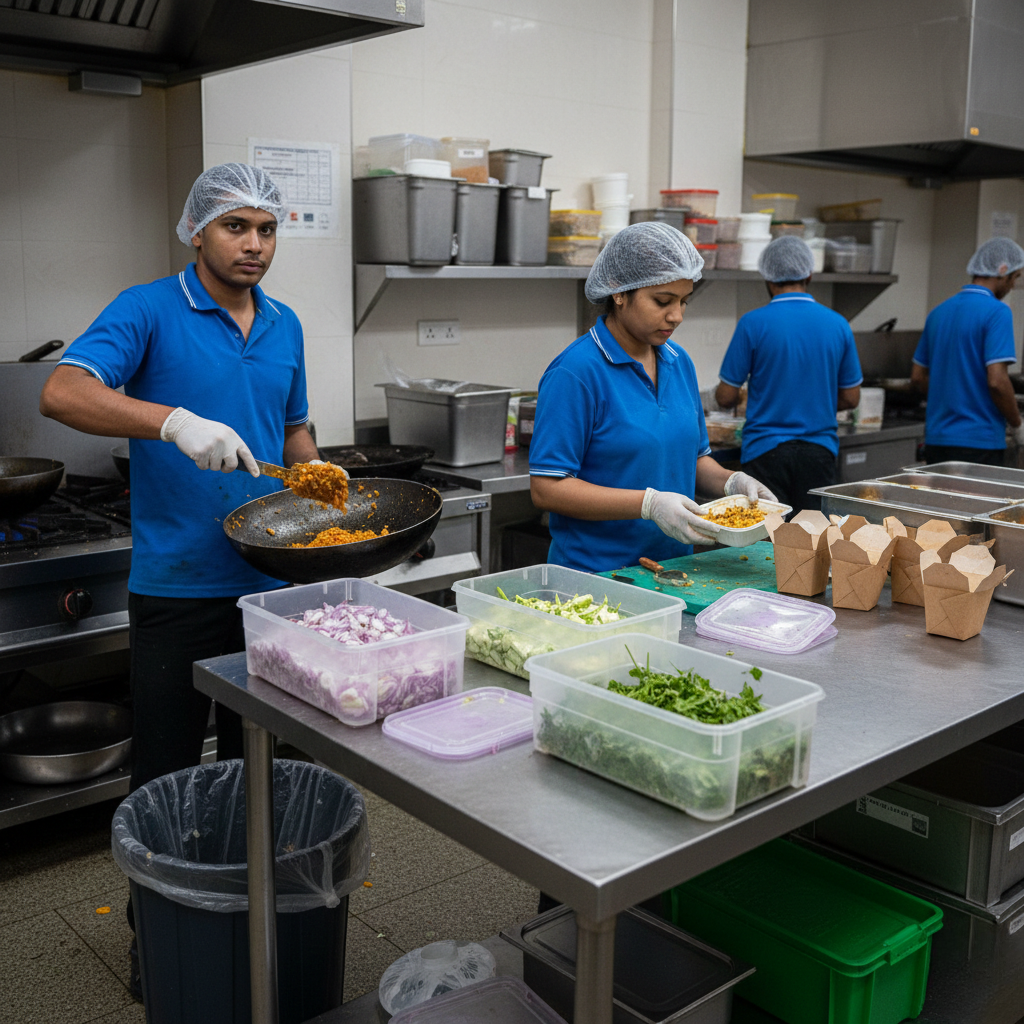
Prep is where most food wastage occurs. Over-prepping for anticipated demand, incorrect cutting, improper marination, and poor storage reduce usable yield. When prep is not guided by a daily plan, staff prepare more than required. By the next shift, this excess becomes waste.
Learn the structural difference in Prep SOP vs Service SOP Explained.
Portioning Errors and Invisible Daily Wastage
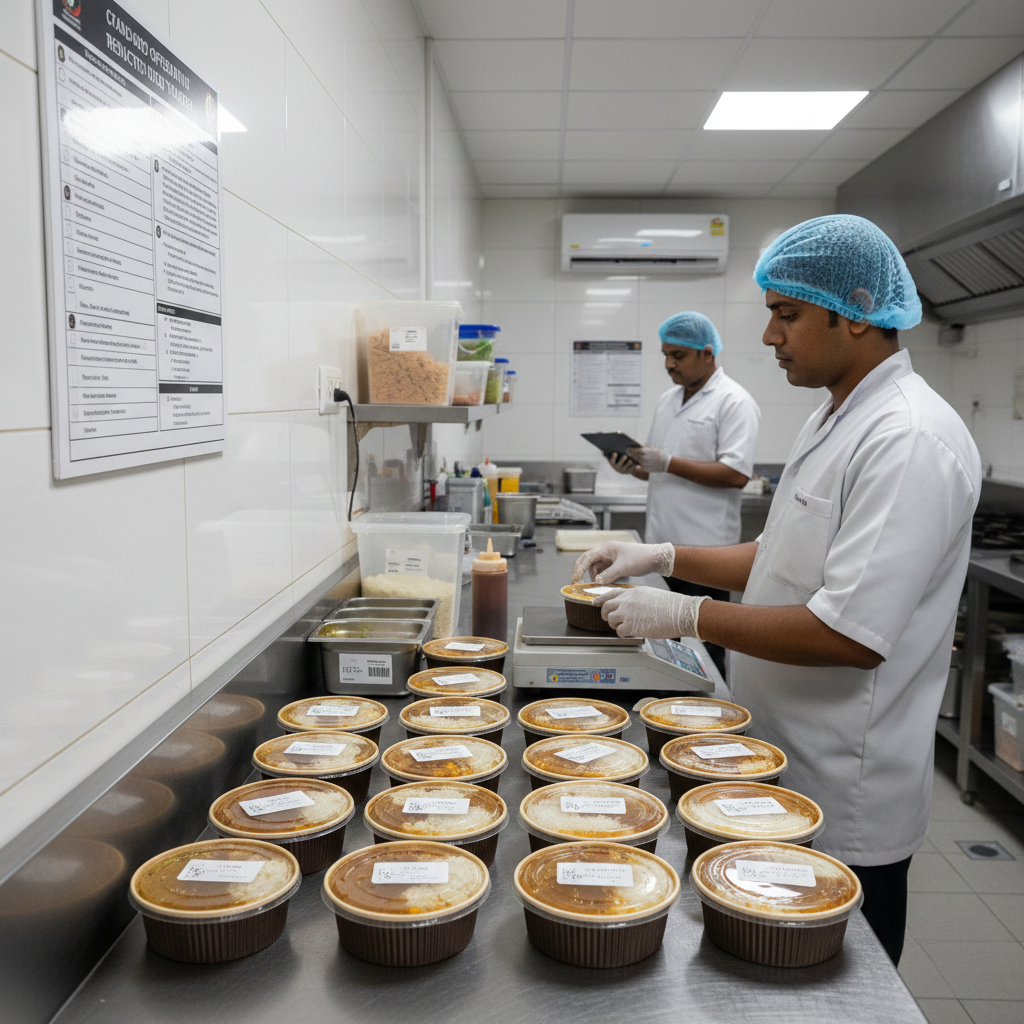
Over-portioning feels harmless to staff. A little extra gravy, extra rice, or extra toppings seem insignificant per order. At scale, this becomes one of the largest sources of food cost leakage. Portion discipline is rarely enforced unless systems exist. Why this matters is explained in Importance of Portion Control in Cloud Kitchens.
Re-Makes: Wastage Caused by Operational Errors
Wrong orders, missing items, incorrect customization, and leakage all lead to re-makes. Every re-make doubles food cost for the same order. Re-makes are often treated as customer service issues, but they are operational failures.
Inventory Blind Spots That Hide Wastage
Without daily stock tracking, wastage remains invisible. Expired items, spoilage, and pilferage quietly inflate food cost. Many kitchens discover inventory issues only during monthly audits. Disciplined kitchens track opening, usage, and closing stock daily. Learn structured control in Cloud Kitchen Inventory Management in India.
How Staff Indiscipline Multiplies Wastage
Wastage increases when accountability is unclear. When everyone handles ingredients, no one owns losses. Casual handling, shortcuts, and rushed behavior create avoidable waste. Discipline requires clear roles and visible accountability.
Dispatch-Level Wastage Most Founders Ignore
Incorrect order handover, delayed riders, and poor packing lead to spillages and cancellations. These orders are rarely resellable. Dispatch inefficiency converts ready food directly into waste.
Learn structured dispatch systems in Cloud Kitchen Dispatch SOP.
Why Multi-Brand Kitchens Experience Higher Wastage
Multi-brand kitchens increase complexity. Shared ingredients, multiple recipes, and different portion sizes create confusion. Without brand-wise SOPs, ingredients are misused or expired.
Structural solutions are covered in How to Build SOPs for Multi-Brand Cloud Kitchens.
How Operational Systems Reduce Wastage Automatically
Wastage cannot be controlled by reminders. Systems enforce discipline consistently. SOPs, prep plans, portion tools, audits, and reporting reduce dependency on individuals. This is how wastage reduces sustainably.
How Wastage Happens in Cloud Kitchens: Final Takeaway
Wastage is not a cost of doing business. It is a signal of weak operations. Kitchens that control wastage gain instant margin improvement without increasing prices.
Proven frameworks from GrowKitchen help founders identify and eliminate hidden wastage across operations.
FAQs: Wastage in Cloud Kitchens
Is some wastage unavoidable?
Minimal wastage is normal, uncontrolled wastage is not.
Where does most wastage occur?
Prep, portioning, and re-makes.
Can small kitchens reduce wastage?
Yes. Smaller kitchens often reduce wastage faster.
Does reducing wastage affect food quality?
No. Discipline improves consistency, not compromise.