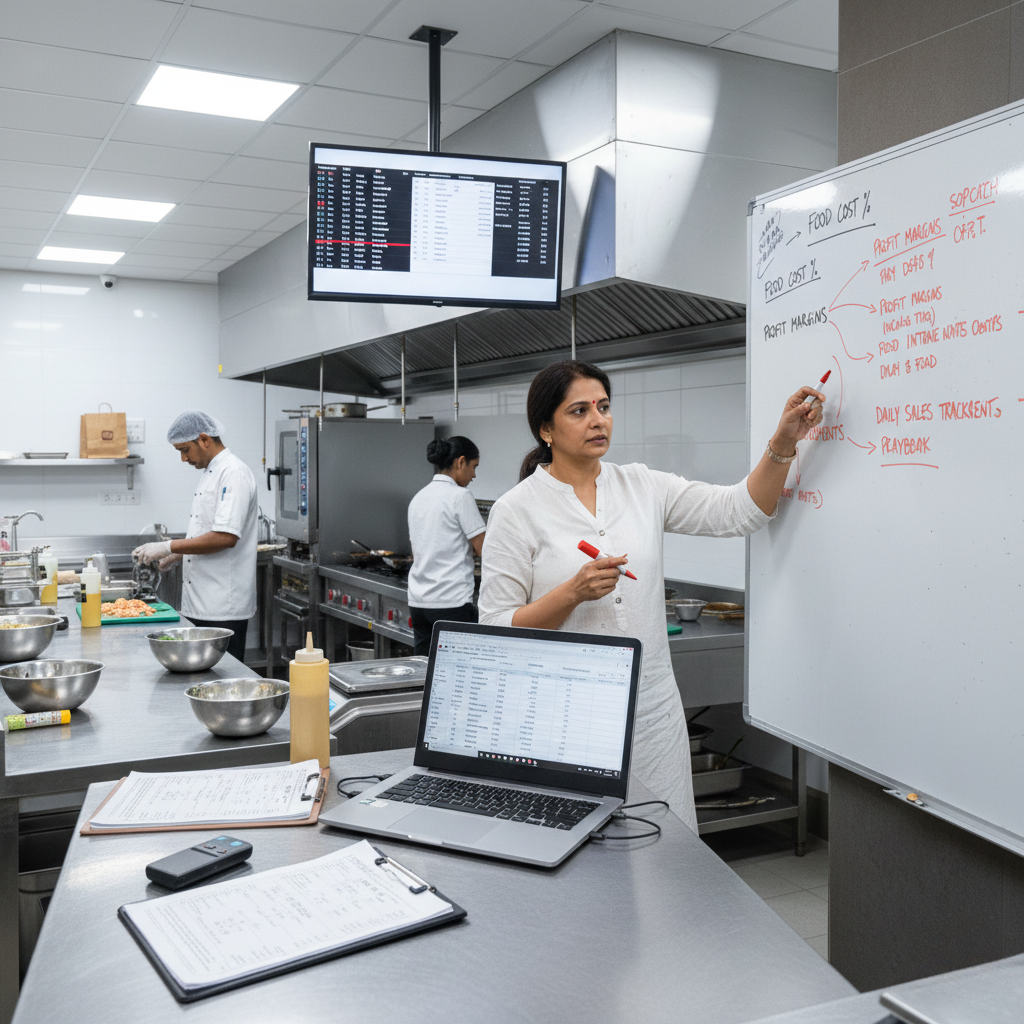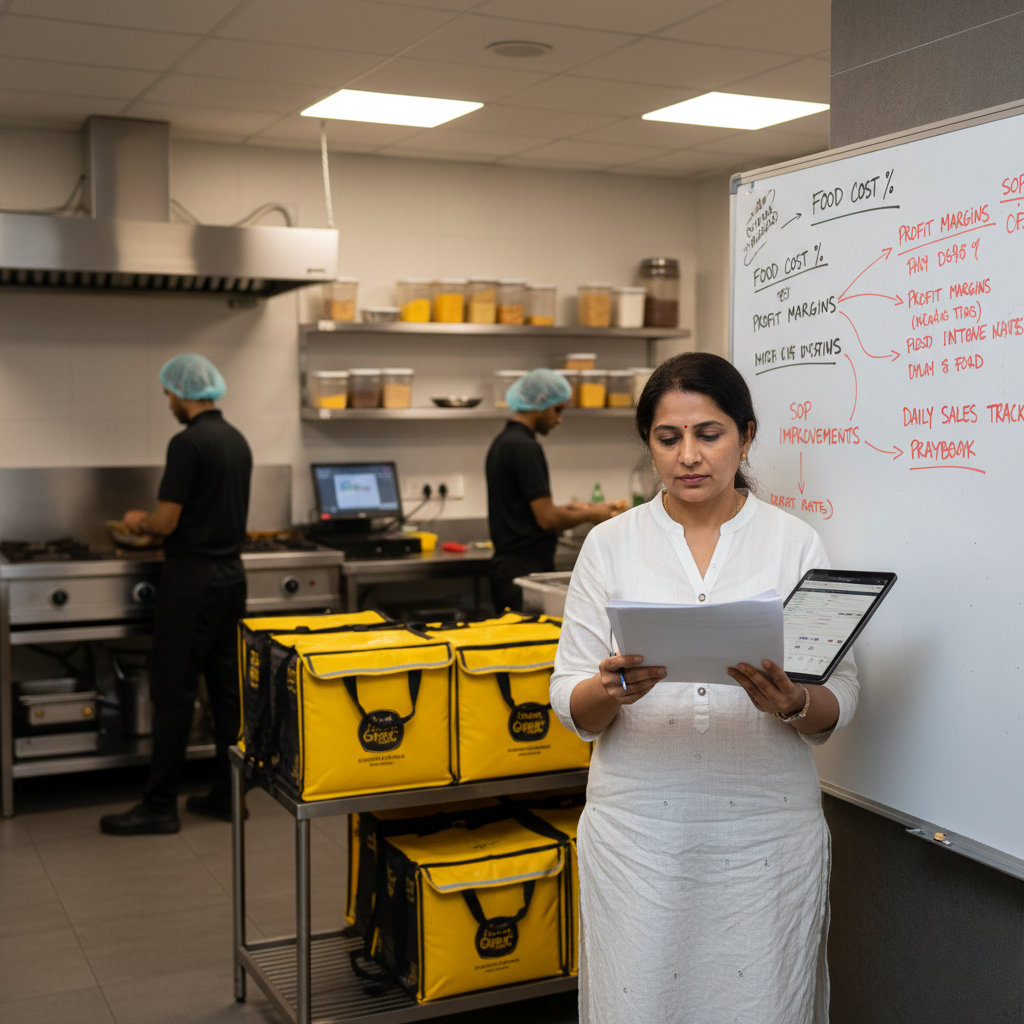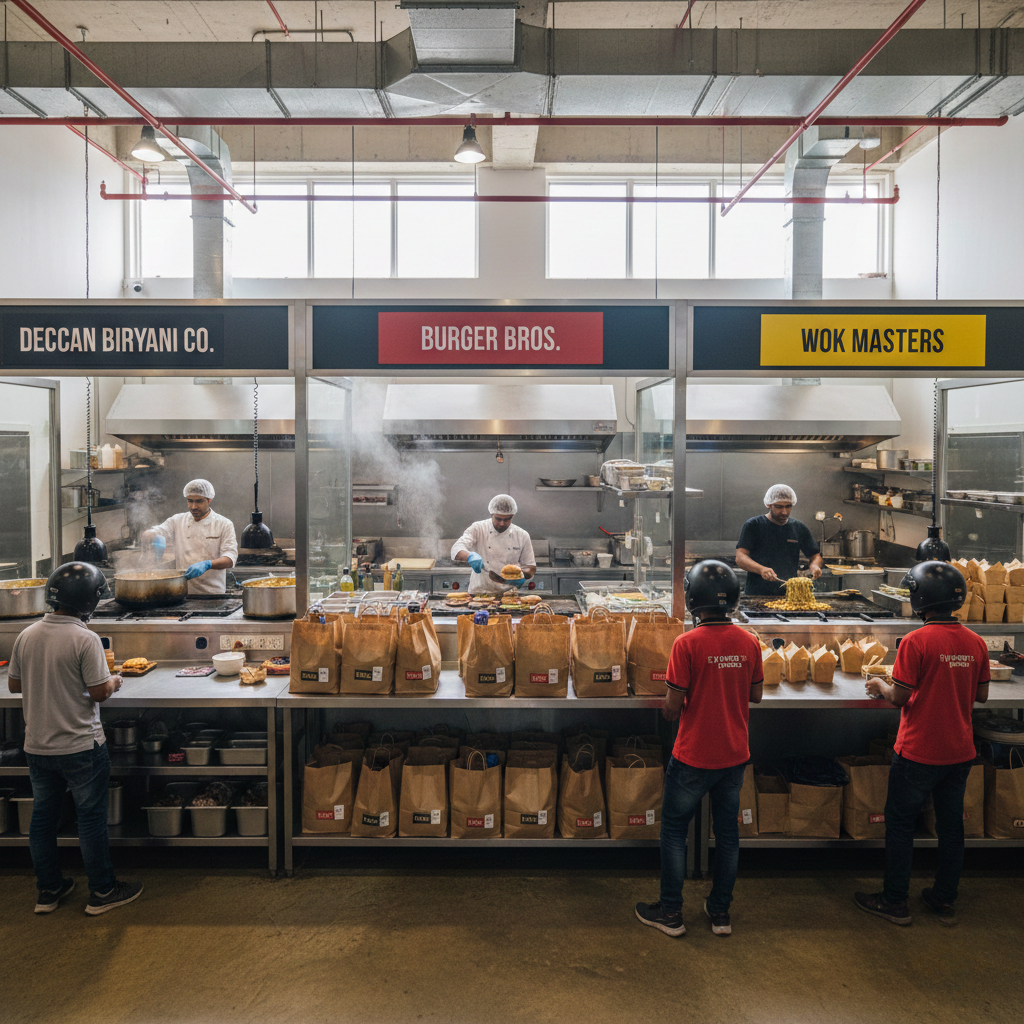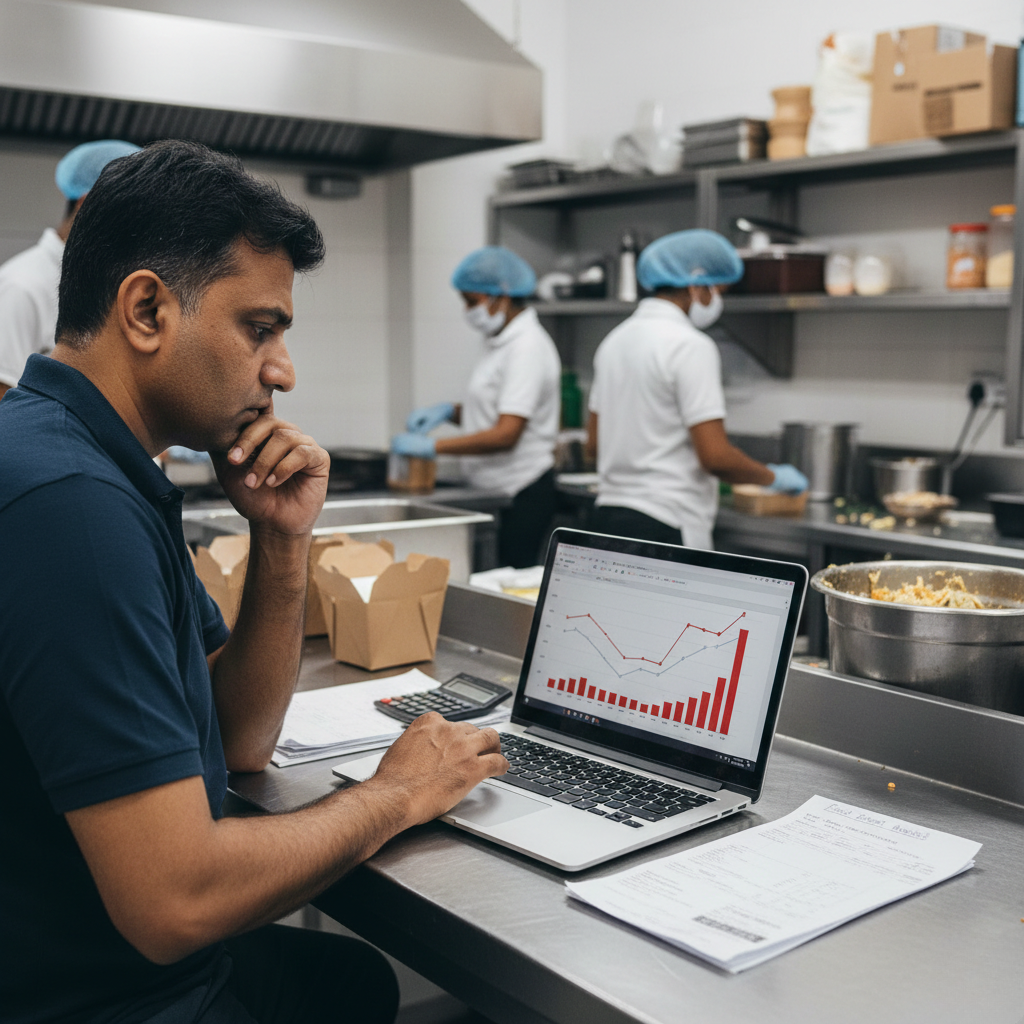
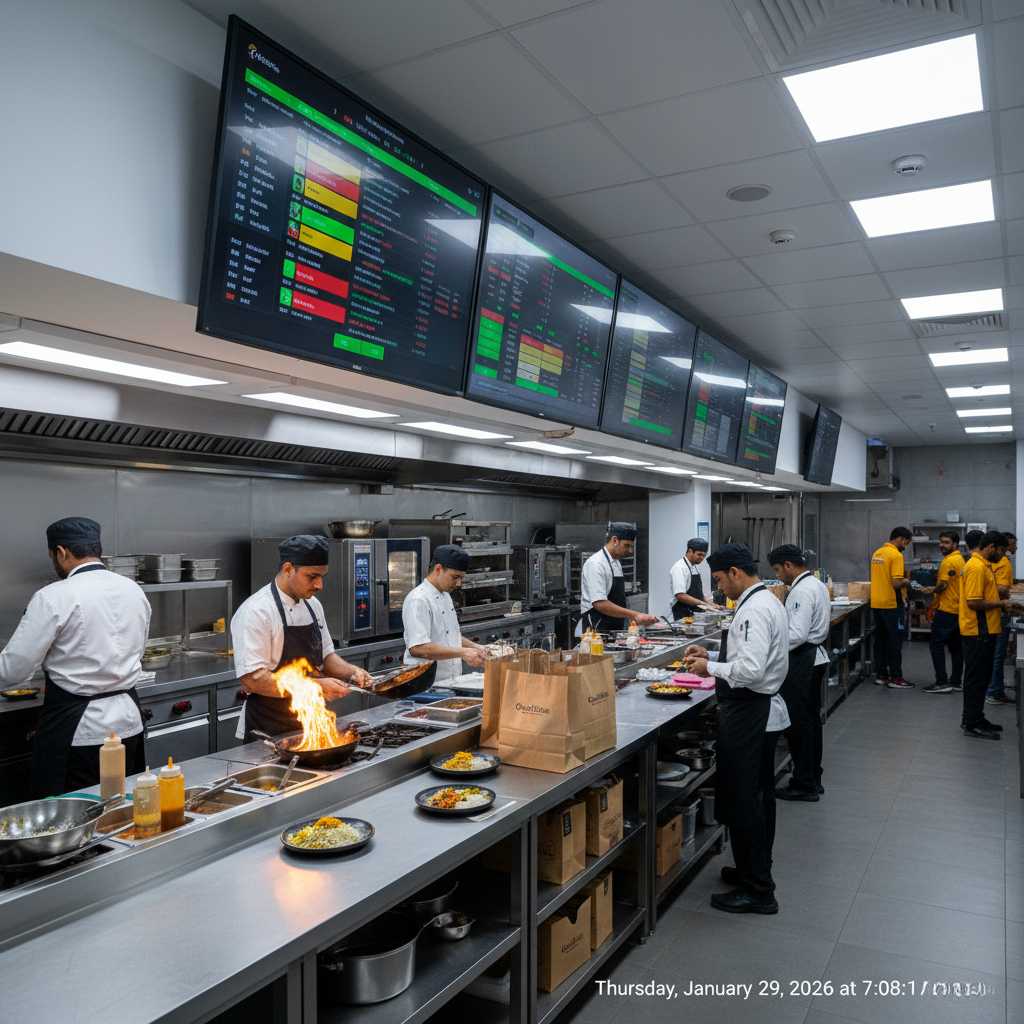
How Profitable Are Cloud Kitchens in India? Cloud kitchens are often marketed as high-margin, low-investment businesses. Success stories highlight rapid scale, multiple brands, and fast expansion. Yet on the ground, many founders struggle to see consistent profits. This guide explains how profitable cloud kitchens actually are in India, what realistic profit numbers look like, which factors decide success or failure, and how professional operators evaluate profitability beyond hype.
Read This Before Expecting Guaranteed Profits From a Cloud Kitchen
This article is part of GrowKitchen’s profitability and financial clarity series. If you are still understanding how cloud kitchens function as a business model, start with Cloud Kitchen Business in India before evaluating profit expectations.
Any profitability discussion assumes basic compliance and reporting discipline. Ensure alignment with FSSAI, trained staff via FoSTaC, and transparent taxation through the GST Network.
The Short Answer: It Depends on Structure, Not Just Sales
There is no single profit number that applies to all cloud kitchens.
Some kitchens lose money every month. Some break even. Some generate healthy cash flows.
The difference is not cuisine or city alone. It is structure, discipline, and unit economics.
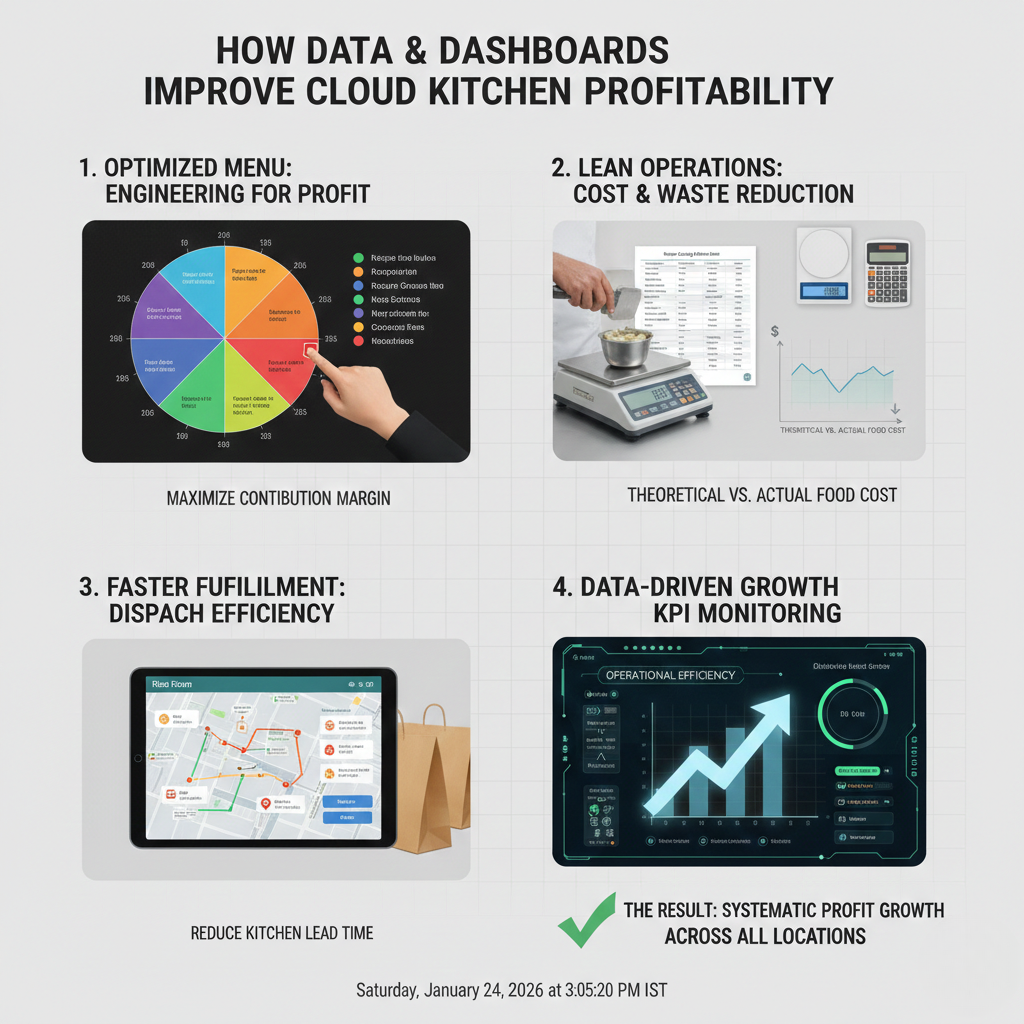
Typical Profit Expectations vs Reality
Many first-time founders enter cloud kitchens expecting margins similar to QSR chains or cafés.
In reality, delivery-first businesses operate under heavy commission, discount, and logistics pressure.
Profitability must be evaluated per order, not per month.
This distinction is explained in Cloud Kitchen Profit vs Revenue Explained.
How Profitable Are Cloud Kitchens in India?
Every cloud kitchen survives or fails based on unit economics.
Key components include:
- Average order value after discounts
- Aggregator commission impact
- Food and packaging cost per order
- Variable manpower cost
If one order does not contribute positively, higher volume only accelerates losses.
This is explained in detail in What Does Cloud Kitchen Profitability Actually Mean?.
Contribution Margin: The Real Profit Indicator
Professional operators track contribution margin, not just net profit.
Contribution margin is what remains after variable costs are removed from each order.
This margin funds:
- Rent and utilities
- Core team salaries
- Marketing and experimentation
- Growth buffers
Without contribution margin clarity, profitability cannot be predicted.
Benchmarks are covered in Cloud Kitchen Profit Margin in India.
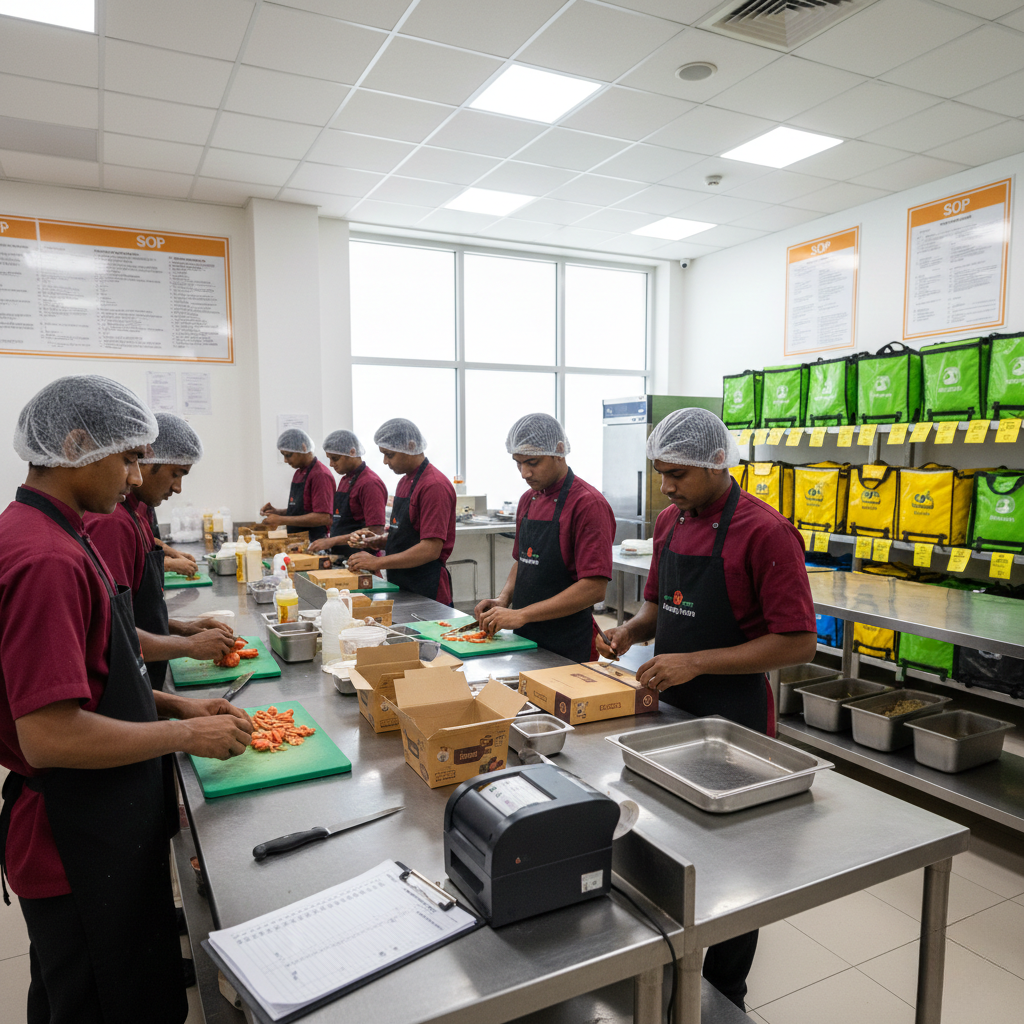
Food Cost Is the Largest Profit Lever
Food cost determines whether revenue converts to profit.
Portion creep, recipe inconsistency, vendor variance, and rushed preparation silently push food cost upward.
Many kitchens discover food cost issues only after profits disappear.
Control mechanisms are explained in Ideal Food Cost Percentage for Cloud Kitchens.
Discount Dependency Destroys Long-Term Profitability
Discounts increase order volume, not profitability.
Kitchens that rely heavily on discounts struggle to retain customers organically.
When discounts stop, demand collapses.
Aggregator Commissions Compress Margins
Aggregator commissions are unavoidable, but their impact must be understood.
Many founders calculate commissions before refunds and discount funding, leading to incorrect assumptions.
Over time, commissions eat into contribution margin.
Refunds Quietly Kill Profitability
Refunds reduce realized revenue while costs remain fixed.
Common causes include:
- Packing errors
- Spillage and leakage
- Incorrect items
- Quality inconsistency
High-volume kitchens often suffer more refunds.
Fixed Costs Decide Net Profit, Not Gross Revenue
Rent, utilities, and core staff determine whether contribution margins convert to net profit.
Kitchens with weak unit economics feel fixed costs more painfully.
Strong unit economics absorb fixed costs naturally.
Profitable Kitchens Are System-Driven
Founder effort does not scale.
Profitable kitchens rely on:
- Recipe SOPs
- Portion control systems
- Prep planning
- Inventory discipline
- Daily financial reporting
Execution structure is explained in Cloud Kitchen Operations Framework.
Profitability During Scale Looks Different
Scaling multiplies outcomes.
Profitable kitchens scale smoothly. Unprofitable kitchens collapse faster.
This is why many expansion attempts fail.
Learn the correct approach in How to Scale Cloud Kitchens.
Final Thoughts: Cloud Kitchens Can Be Profitable, But Not Automatically
Cloud kitchens are not guaranteed-profit businesses.
They reward discipline, systems, and realistic expectations.
GrowKitchen works with founders who want predictable profitability, not assumptions.
FAQs: Cloud Kitchen Profitability in India
Are cloud kitchens profitable in India?
Yes, but only with strong unit economics and systems.
How long does it take to become profitable?
Typically 3–9 months, depending on structure and execution.
Can small cloud kitchens be profitable?
Yes. Smaller kitchens often achieve profitability faster if disciplined.