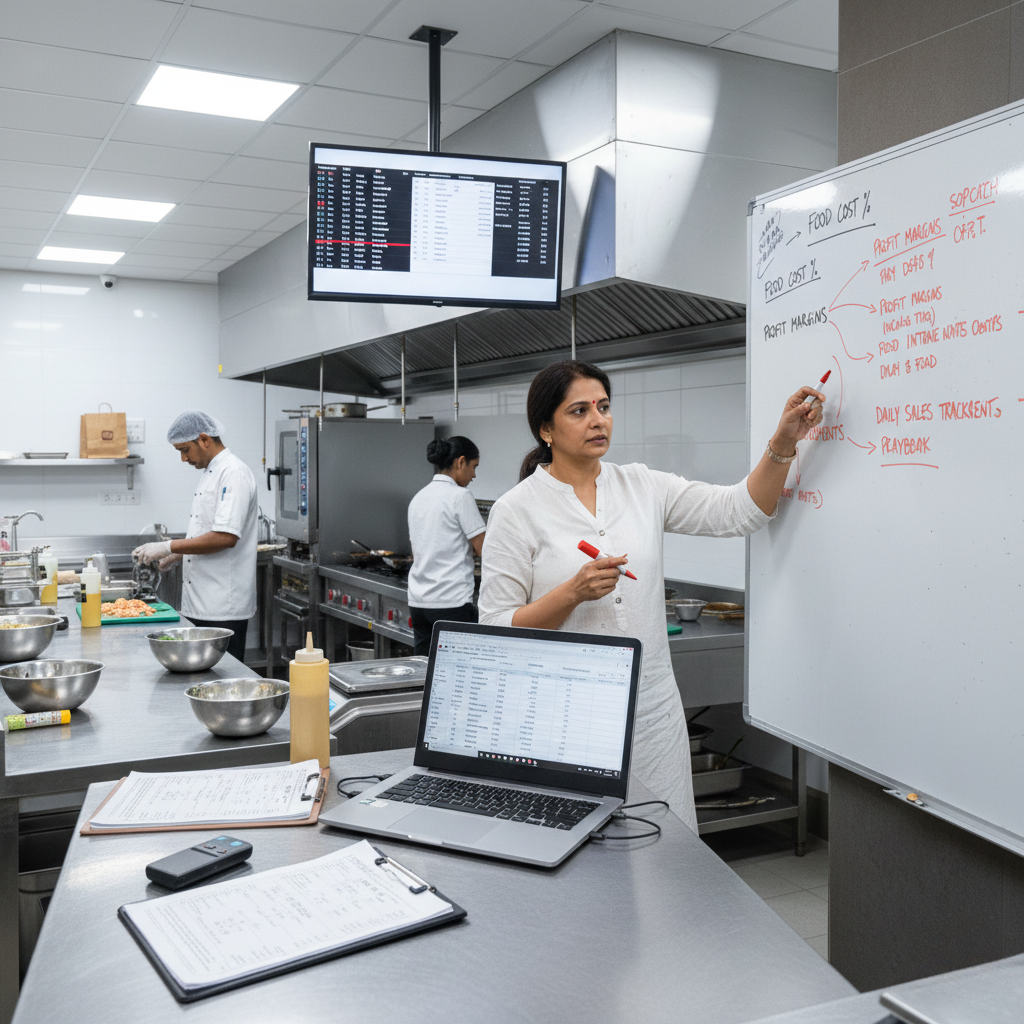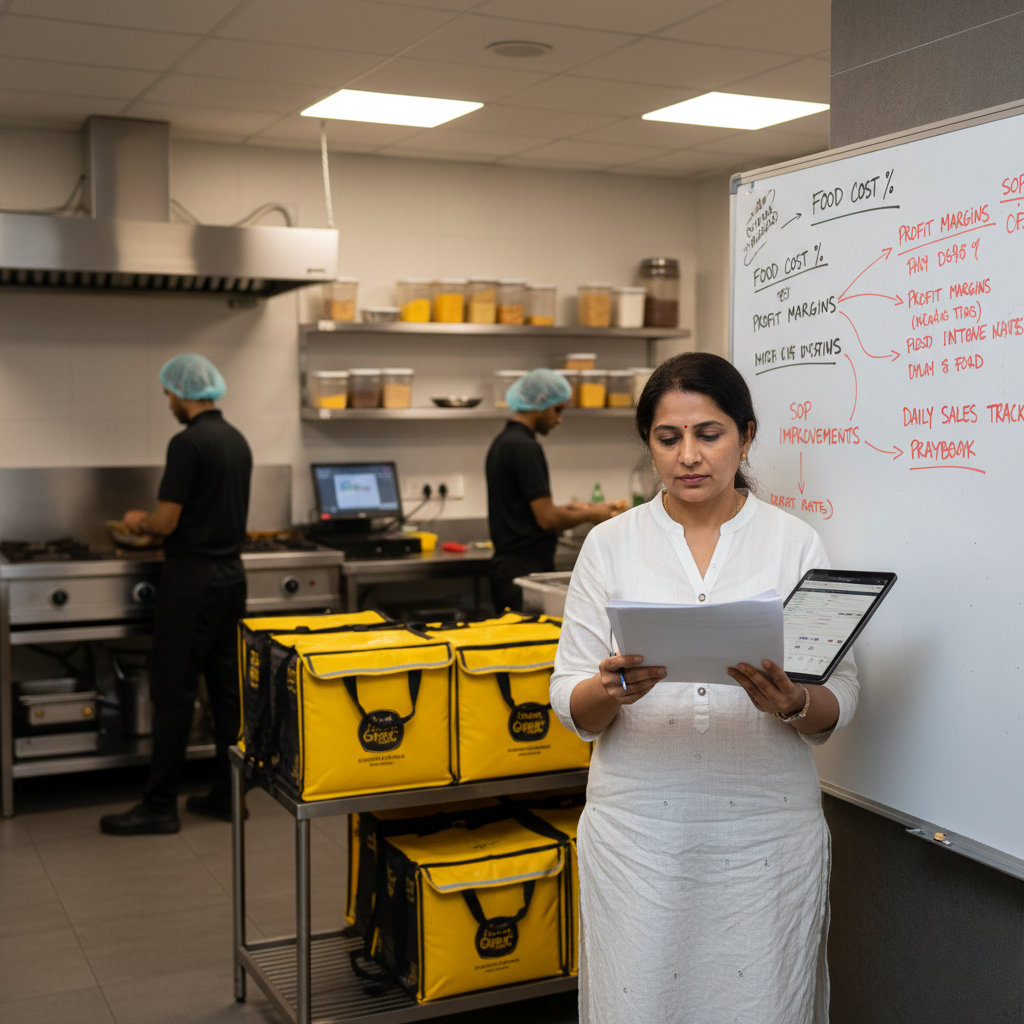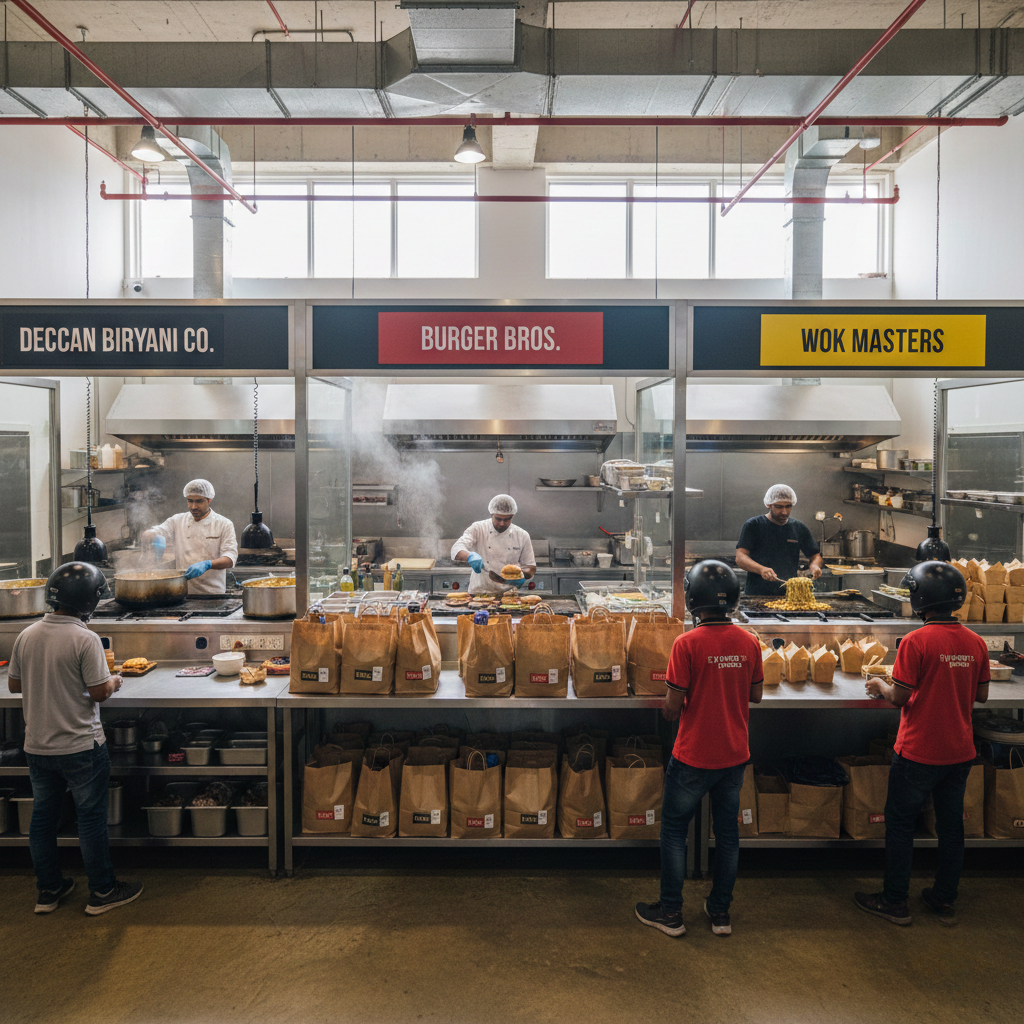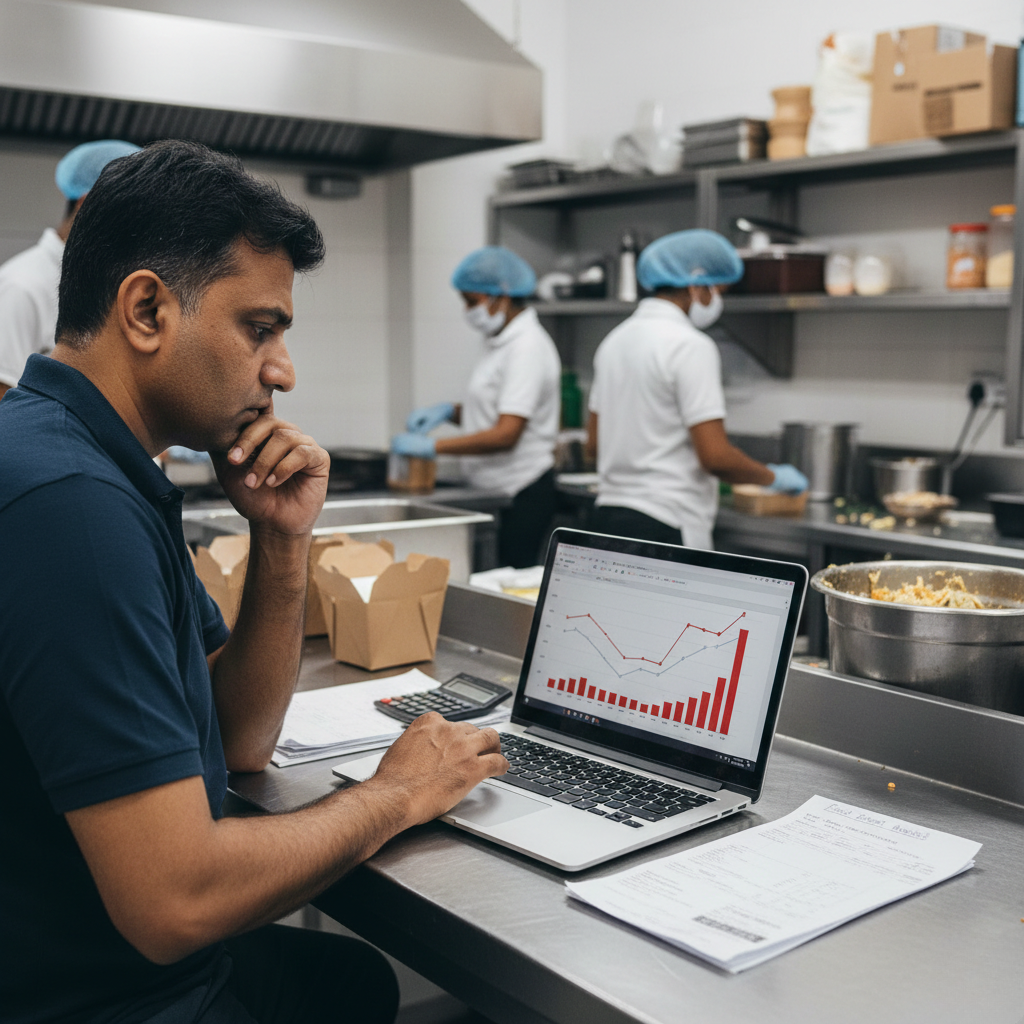
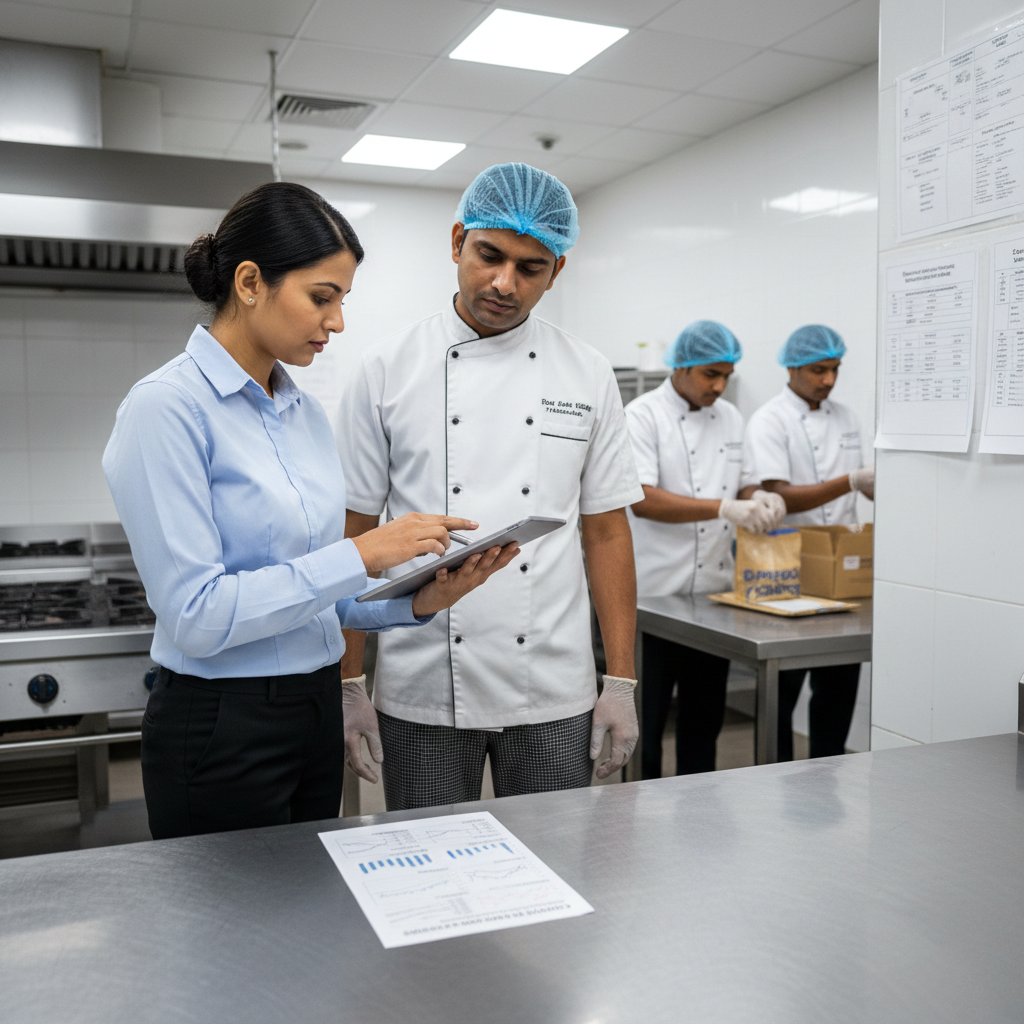
How Operations Consultants Fix Rating Drops explains what actually happens when cloud kitchen ratings on Swiggy and Zomato start falling. Most founders assume ratings drop because of food taste, marketing, or platform algorithms. Operations consultants see a different reality. Rating drops are operational signals, not customer mood swings. This guide explains how operations consultants diagnose rating declines, identify root causes inside daily execution, and systematically restore ratings through process, discipline, and structure. Cloud Kitchen Operations Consultant.
Why Rating Drops Are an Operations Problem
In Indian cloud kitchens, ratings rarely fall overnight. They decline gradually as small operational failures repeat across hundreds of orders. Late deliveries, missing items, leakage, cold food, and inconsistent portions accumulate into negative feedback. Operations consultants focus on execution patterns, not isolated complaints.
This perspective aligns closely with Operations vs Marketing: What Actually Drives Ratings?.
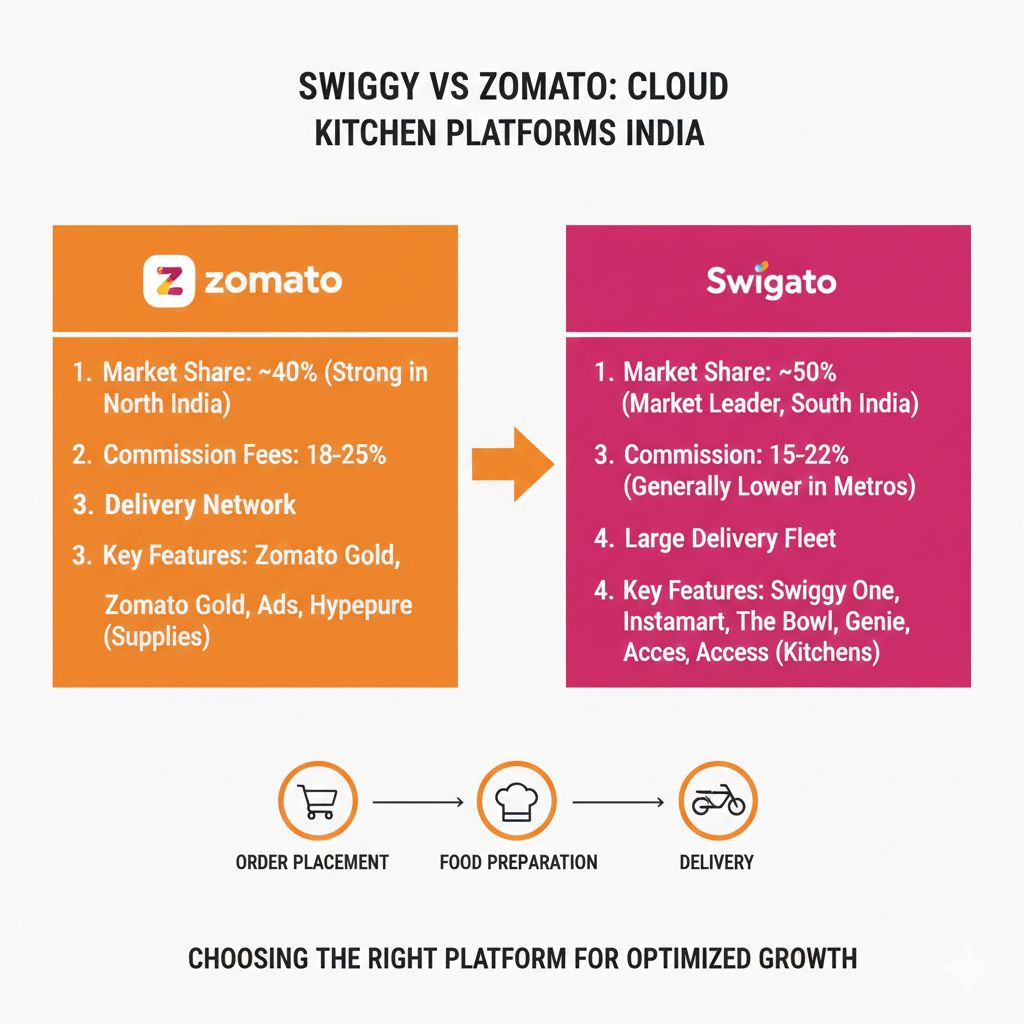
How Operations Consultants Look at Rating Drops
Operations consultants do not start by changing menus or running ads. They start by mapping the customer experience backward through dispatch, packing, cooking, prep, and inventory. Every negative rating is treated as a data point, not an emotional reaction.
Why Founders Misdiagnose Rating Drops
Founders are closest to the business, which makes diagnosis harder. They taste food daily and believe quality is stable. What they do not see is how food behaves in delivery, how orders are packed, and how riders interact at dispatch. Operations consultants bring objective distance to the problem.
Using Rating Data to Identify Operational Failures
Consultants analyze complaint categories, timestamps, and order types. Patterns emerge quickly: delays during peak hours, leakage on specific items, or errors tied to certain shifts. This data points directly to broken operational steps. Ratings are treated as operational feedback loops.
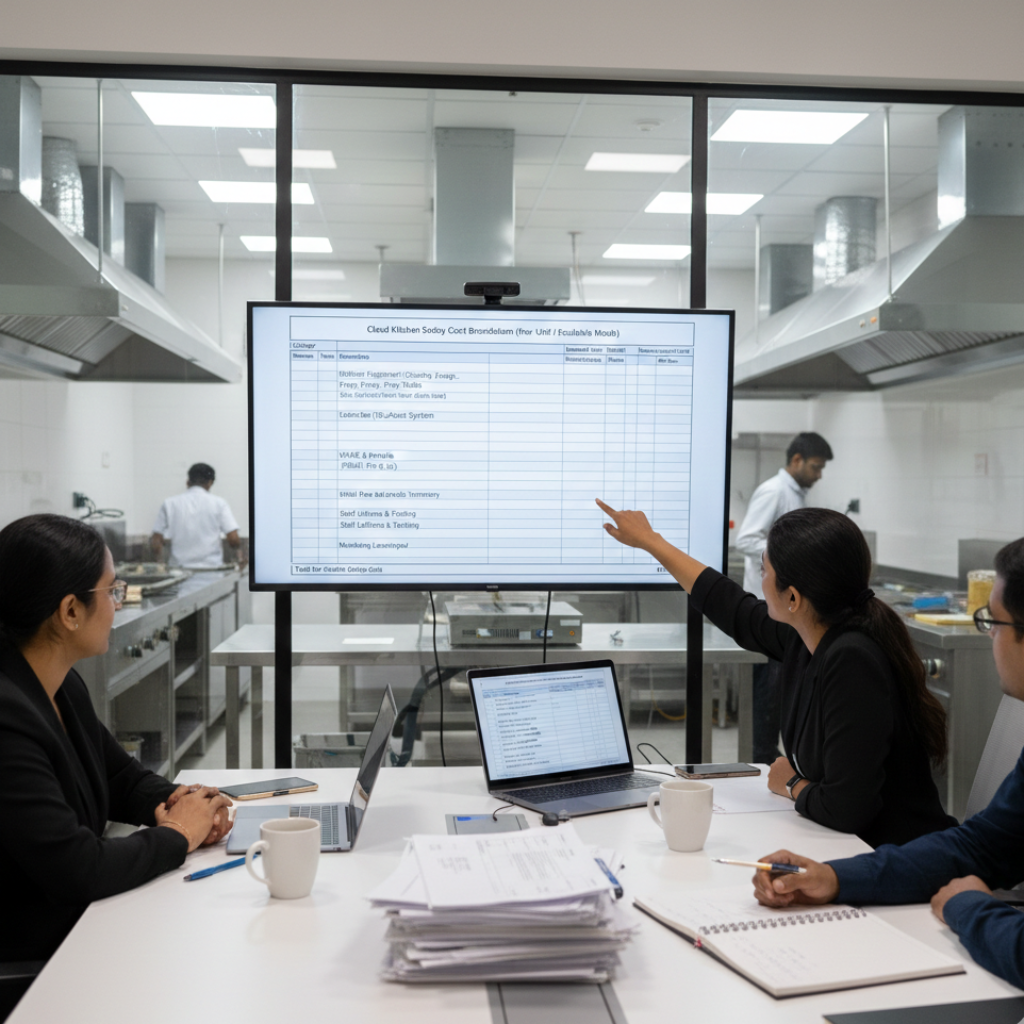
Fixing Dispatch to Stabilize Ratings
Dispatch is the first area consultants examine. Delayed handovers, rider confusion, and poor staging directly affect delivery time metrics. Consultants redesign dispatch flow, assign ownership, and implement SOPs. This often delivers immediate rating improvement.
Related structure in Cloud Kitchen Dispatch SOP.
Packaging Failures Behind Negative Reviews
Leakage and soggy food dominate negative feedback. Consultants evaluate container strength, sealing methods, and packing sequence. Packaging is treated as part of operations, not branding. This aligns with Why Packaging Is an Operational Decision.
How Prep Planning Impacts Ratings
Rating drops often correlate with longer preparation times. Consultants identify prep shortages, rushed cooking, and mid-service re-prep. Structured prep planning reduces delays and mistakes.
Learn this connection in How Prep Planning Reduces Delays & Refunds.
Portion Inconsistency and Customer Dissatisfaction
Customers notice inconsistency faster than poor taste. Consultants audit portioning tools, staff behavior, and recipe adherence. Portion discipline improves both ratings and food cost.
This is detailed in Importance of Portion Control in Cloud Kitchens.
Fixing Staff Behavior Through Systems
Consultants do not blame staff. They fix systems that allow indiscipline. Clear roles, SOPs, and supervision stabilize execution. This reduces errors without increasing pressure.
Inventory Issues That Affect Ratings
Stockouts lead to substitutions, delays, and cancellations. Consultants align inventory management with demand patterns. This prevents last-minute compromises that customers notice immediately.
Learn structured control in Cloud Kitchen Inventory Management in India.
Why Multi-Brand Kitchens See Faster Rating Drops
Multi-brand kitchens amplify operational errors. Brand mix-ups, wrong packaging, and menu confusion damage trust quickly. Consultants implement brand-wise SOPs to stabilize ratings. Structural clarity in How to Build SOPs for Multi-Brand Cloud Kitchens.
Why Consultants Focus on Systems, Not Short-Term Fixes
Temporary fixes create temporary results. Consultants build systems that work every day, regardless of staff or volume. Systems reduce founder dependency and stabilize ratings long-term.
This connects to How Operations Systems Reduce Dependency on Founders.
How Rating Recovery Improves Profitability
Better ratings increase visibility and repeat orders. Fewer refunds protect margins. Stable operations reduce hidden costs.
This relationship is explained in How Operations Impact Cloud Kitchen Profitability.
How Operations Consultants Fix Rating Drops: Final Takeaway
Rating drops are symptoms, not root causes. Operations consultants treat ratings as diagnostic tools. By fixing execution, ratings recover naturally.
Proven frameworks from GrowKitchen help kitchens stabilize ratings through disciplined operations, not guesswork.
FAQs: Fixing Rating Drops Through Operations
Can marketing recover falling ratings?
No. Marketing increases orders, not consistency.
How fast do ratings improve after operational fixes?
Initial improvement is often visible within weeks.
Do consultants change menus to fix ratings?
Only if menu complexity causes execution failures.
Are rating drops always operational?
Almost always. Taste issues are usually consistency issues.