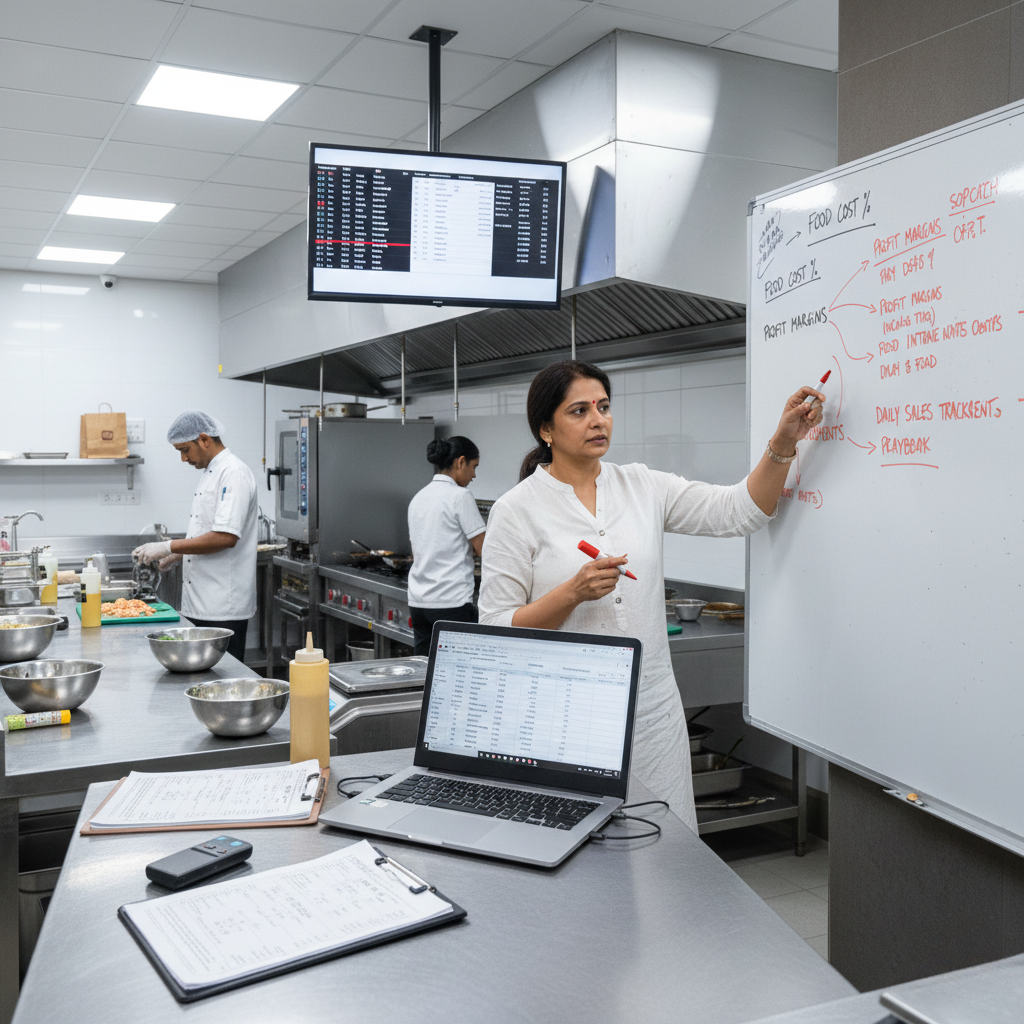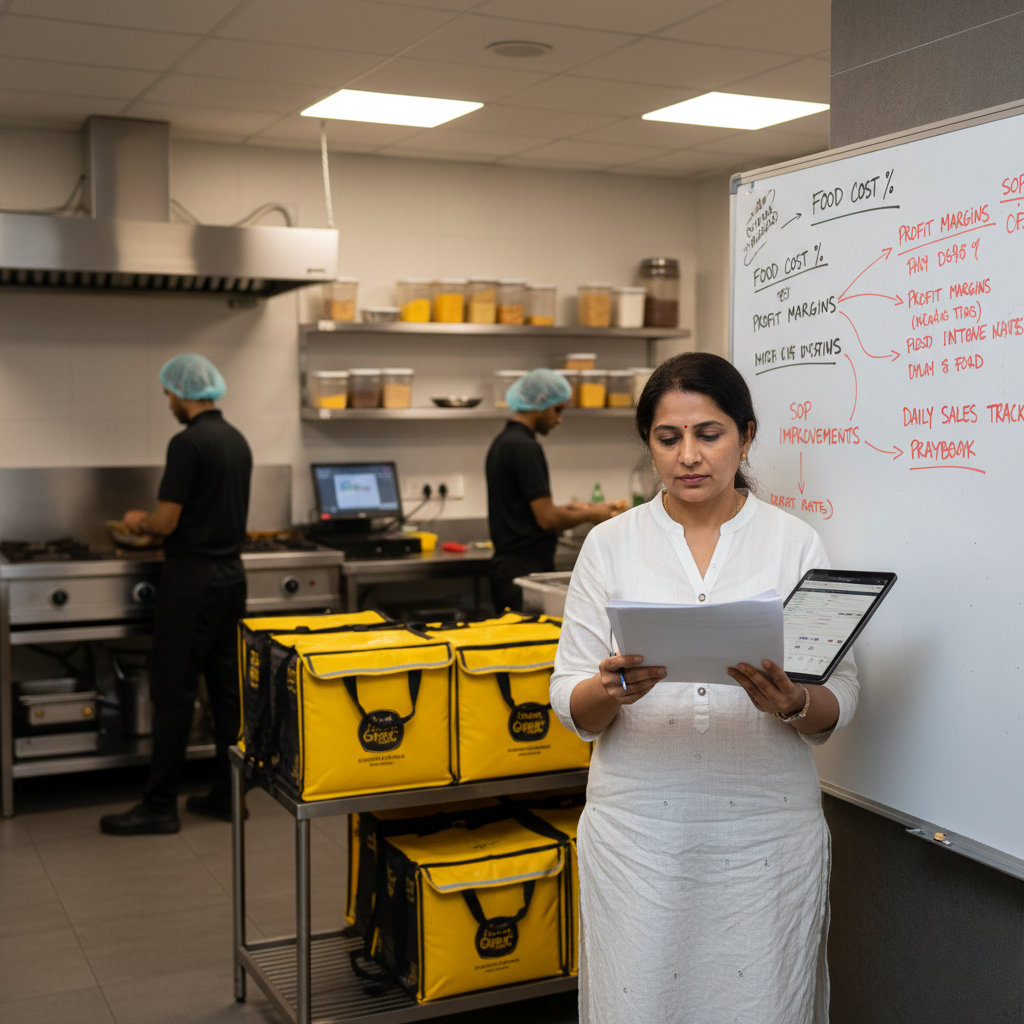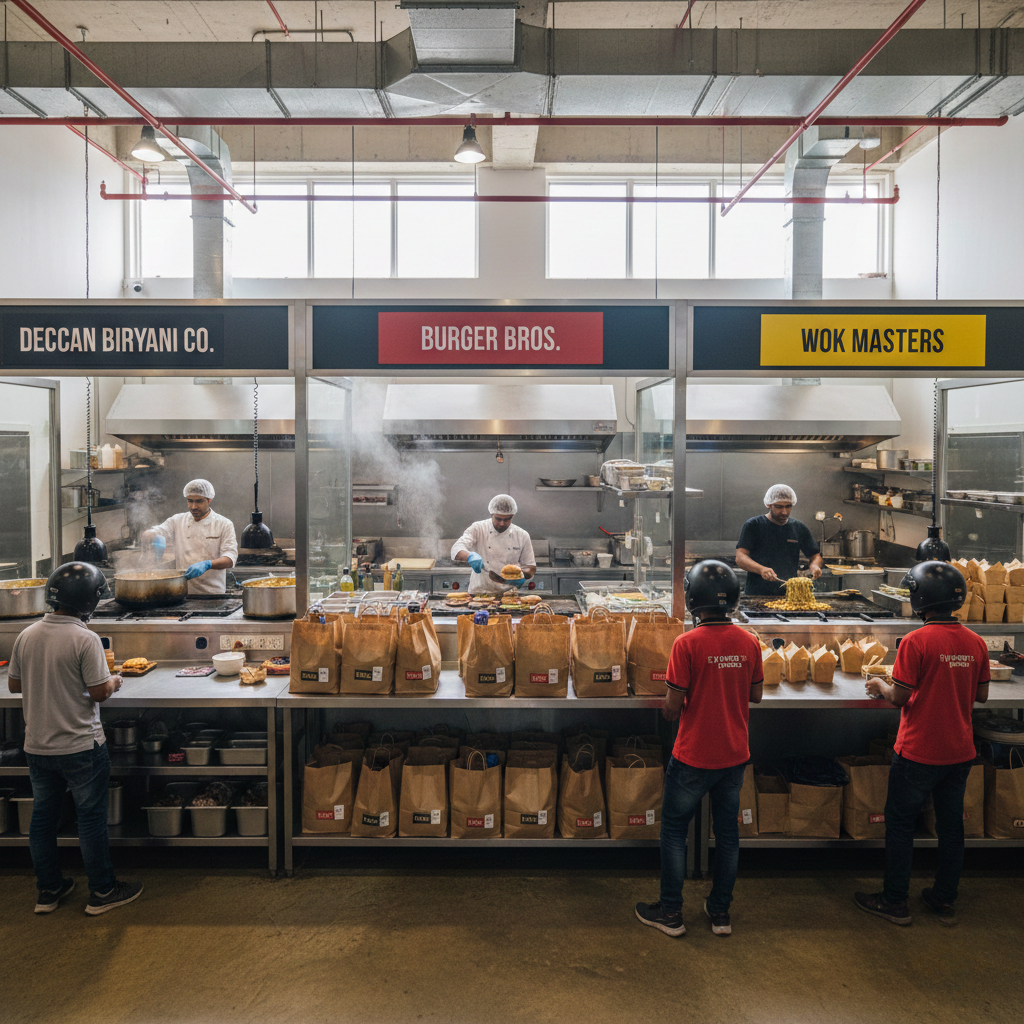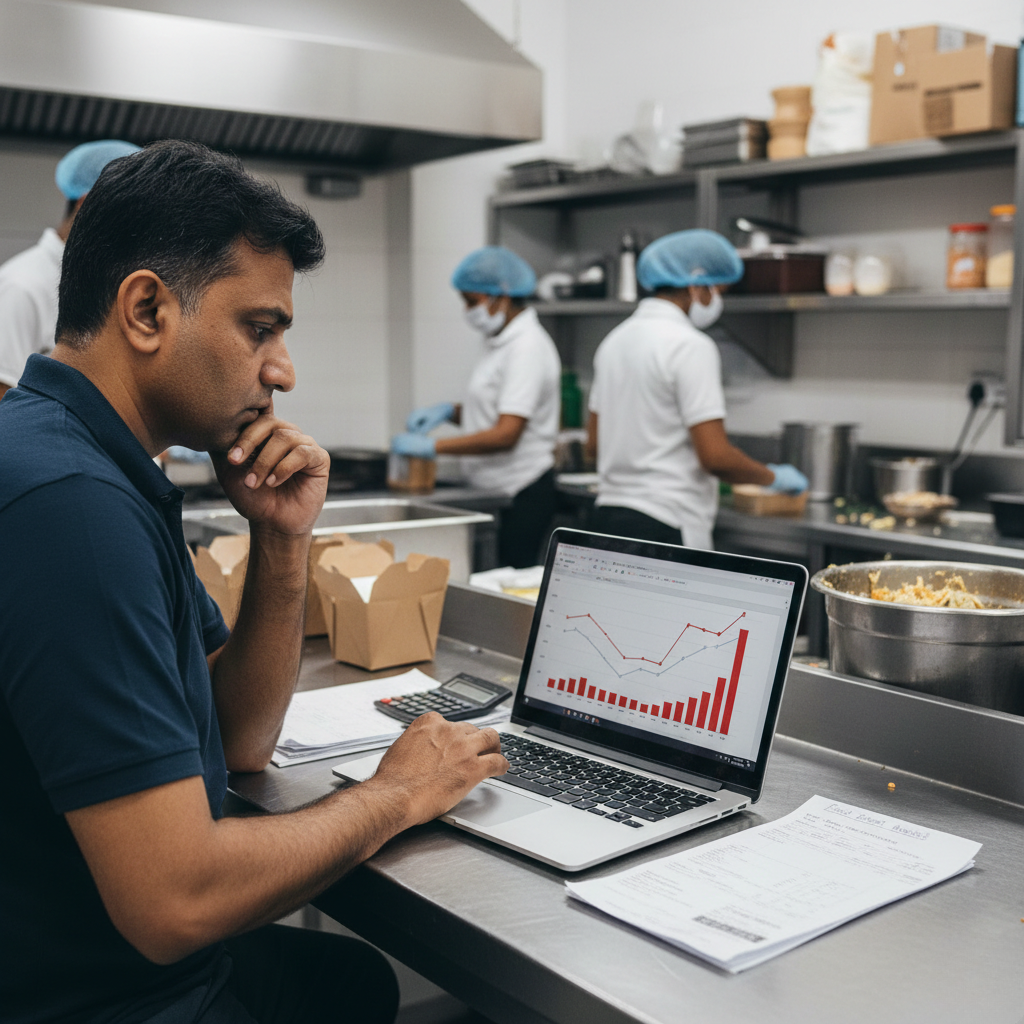
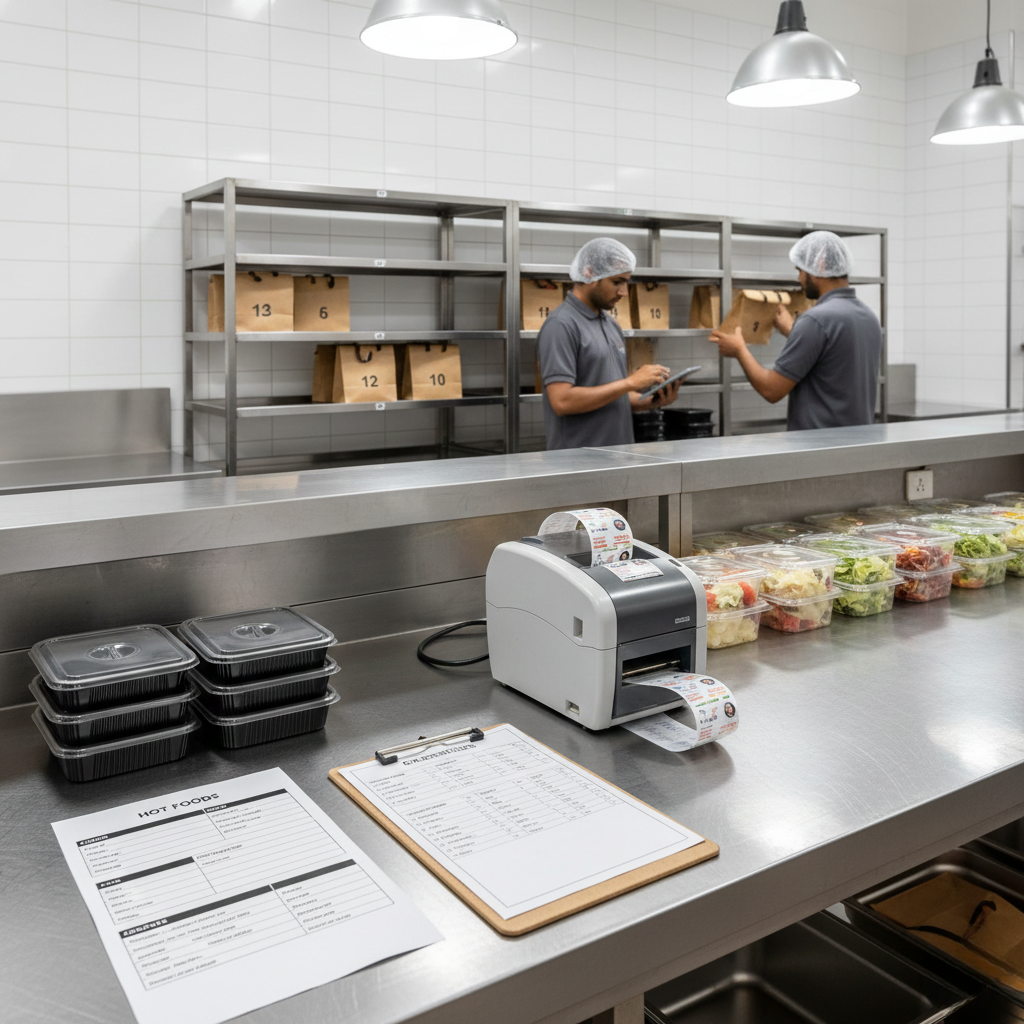
How Menu Design Affects cloud kitchen Profitability is one of the most overlooked truths in cloud kitchens. Founders focus on food quality, pricing, and marketing. But the menu itself quietly decides how much money a kitchen keeps. Through SKU sprawl, poor category structure, loss-making items, confusing combos, low-margin bestsellers, and operational complexity. Orders keep coming. Dashboards look healthy. Yet margins stay fragile. This guide explains how menu design directly impacts contribution margin, food cost, wastage, staff efficiency, and scalability and how disciplined operators design menus that sell more while leaking less.
Why Menu Design Is a Financial System, Not a Creative Exercise
Most cloud kitchen founders treat menu design as a branding or marketing task.
In reality, the menu is a financial system. It decides what sells, what gets prepared, what inventory is held, and how staff operate.
To understand menu-driven profitability, start with Cloud Kitchen Unit Economics Explained, Understanding Contribution Margin in Cloud Kitchens, and Ideal Food Cost Percentage for Cloud Kitchens.
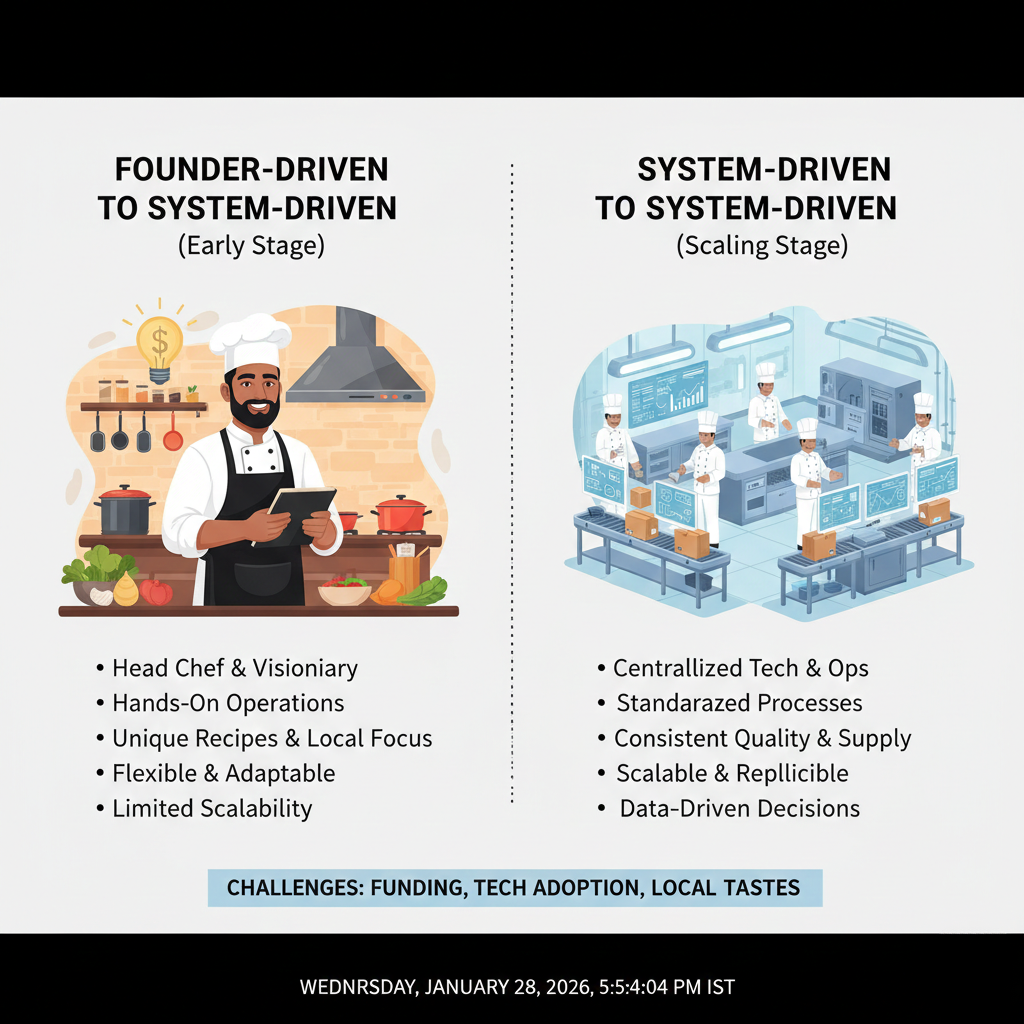
Poor Menus Don’t Look Broken
A poorly designed menu does not look alarming.
It looks generous. Extensive. Customer-friendly.
Impact #1: Too Many SKUs Destroy Cost Control
Large menus increase: raw material variety, prep complexity, storage requirements, and expiry risk.
Low-moving SKUs quietly increase wastage while contributing little revenue.
This is why food cost rises even when sales grow.
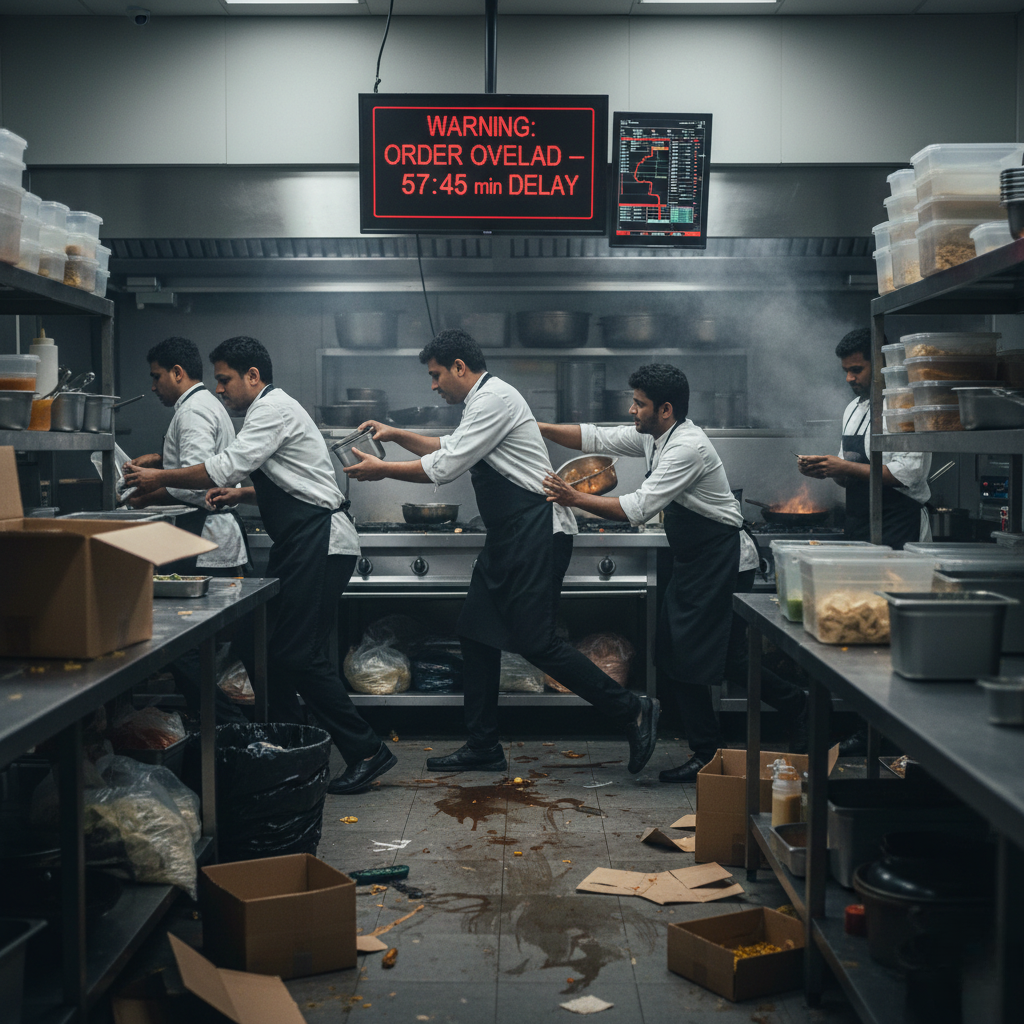
Impact #2: Loss-Making Items Become Bestsellers
Many menus contain items that are underpriced but highly attractive.
When these items sell frequently, volume accelerates losses instead of profit.
Without per-SKU contribution tracking, founders celebrate sales while bleeding margins.
Impact #3: Menu Design Drives Portion Control Failure
Menus that lack clear portion logic force staff to guess.
Combo ambiguity, vague descriptions, and inconsistent variants increase over-serving.
Portion drift is explained in Poor Portion Control and Its Impact on Margins.
Impact #4: Menu Complexity Increases Prep Wastage
Complex menus require more prep variants.
More prep variants increase the chances of over-preparation and expiry.
Wastage compounds silently when menus are not rationalized.
Learn how wastage destroys profit in How Wastage Destroys Cloud Kitchen Profit.
Impact #5: Staff Efficiency Drops With Menu Size
Larger menus increase cognitive load.
Staff take longer to prepare, make more mistakes, and struggle during rush hours.
Errors translate directly into remakes, refunds, and wastage.
This reflects Harvard Business Review’s findings , which show that excessive choice reduces execution quality and decision accuracy.
Impact #6: Pricing Becomes Inconsistent and Unrecoverable
Poor menu structure hides pricing logic.
Customers gravitate toward perceived value items, not profitable ones.
Without menu engineering, upselling never happens naturally.
Impact #7: Combos Can Destroy or Save Margins
Random combos often bundle high-cost items together.
Strategic combos push high-margin add-ons and control portions.
Most kitchens do the former unintentionally.
Impact #8: Multi-Brand Menus Multiply Confusion
Shared kitchens with overlapping menus increase errors.
Similar names, similar packaging, and different portions create daily mistakes.
Impact #9: Menu Design Dictates Inventory Discipline
Every extra ingredient added to the menu must be purchased, stored, tracked, and rotated.
Menu simplification directly improves inventory control.
Learn inventory discipline in Cloud Kitchen Inventory Management in India.
Impact #10: Poor Menus Break First During Scaling
At low volume, menu inefficiencies feel manageable.
At scale, they multiply across orders, staff, and locations.
This is why scaling exposes menu weakness faster than any other system.
Why Menu Design Must Be Fixed Before Scaling
Scaling does not fix menus.
It amplifies them.
Professional operators engineer menus before expansion so growth adds profit, not chaos.
How Menu Design Affects Profitability: Final Clarity
Menu design is not about creativity.
It is about control, predictability, and contribution margin.
GrowKitchen helps founders design menus that balance demand, operations, and profitability so scale becomes sustainable, not stressful.
FAQs: Menu Design and Cloud Kitchen Profitability
Does a smaller menu reduce sales?
No. Focused menus usually increase conversion and margins.
How often should menus be reviewed?
Quarterly for stable kitchens, monthly during growth phases.
What is the biggest menu design mistake?
Adding items without contribution analysis.