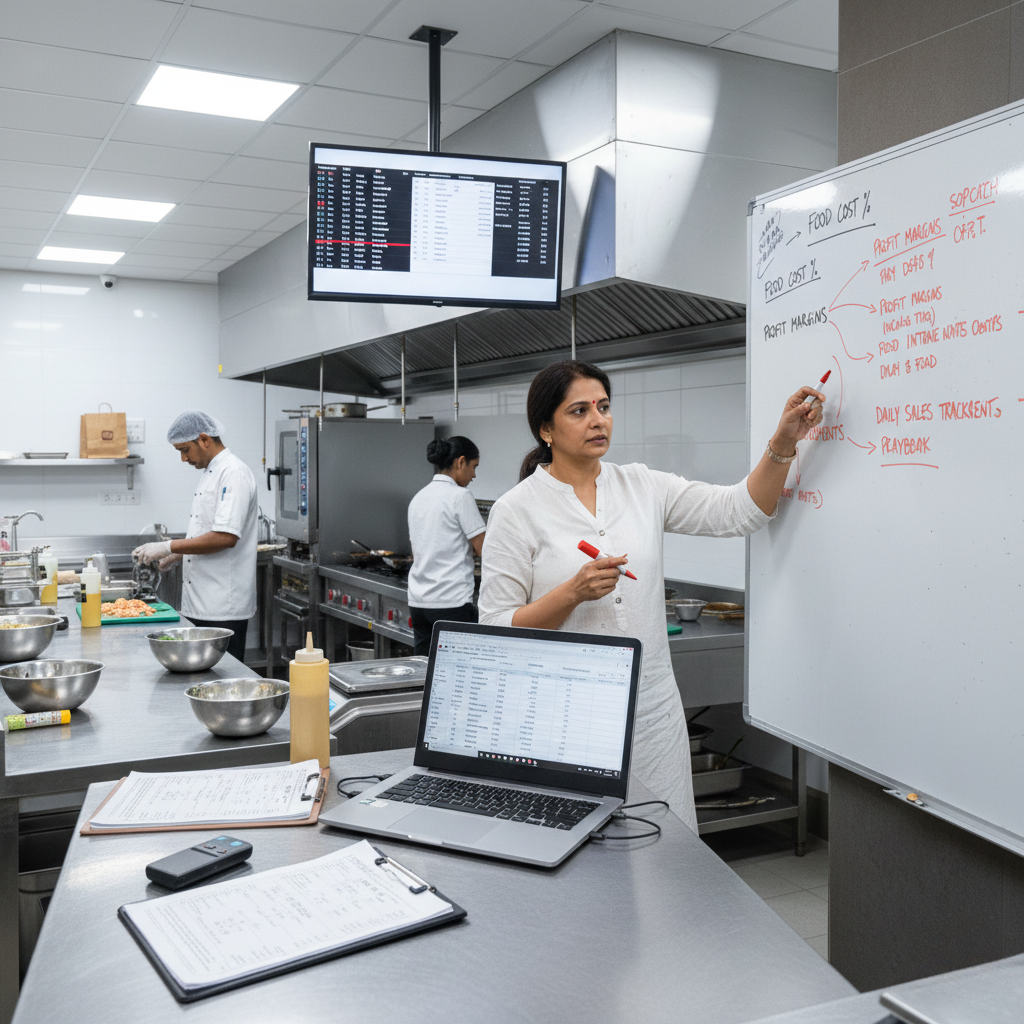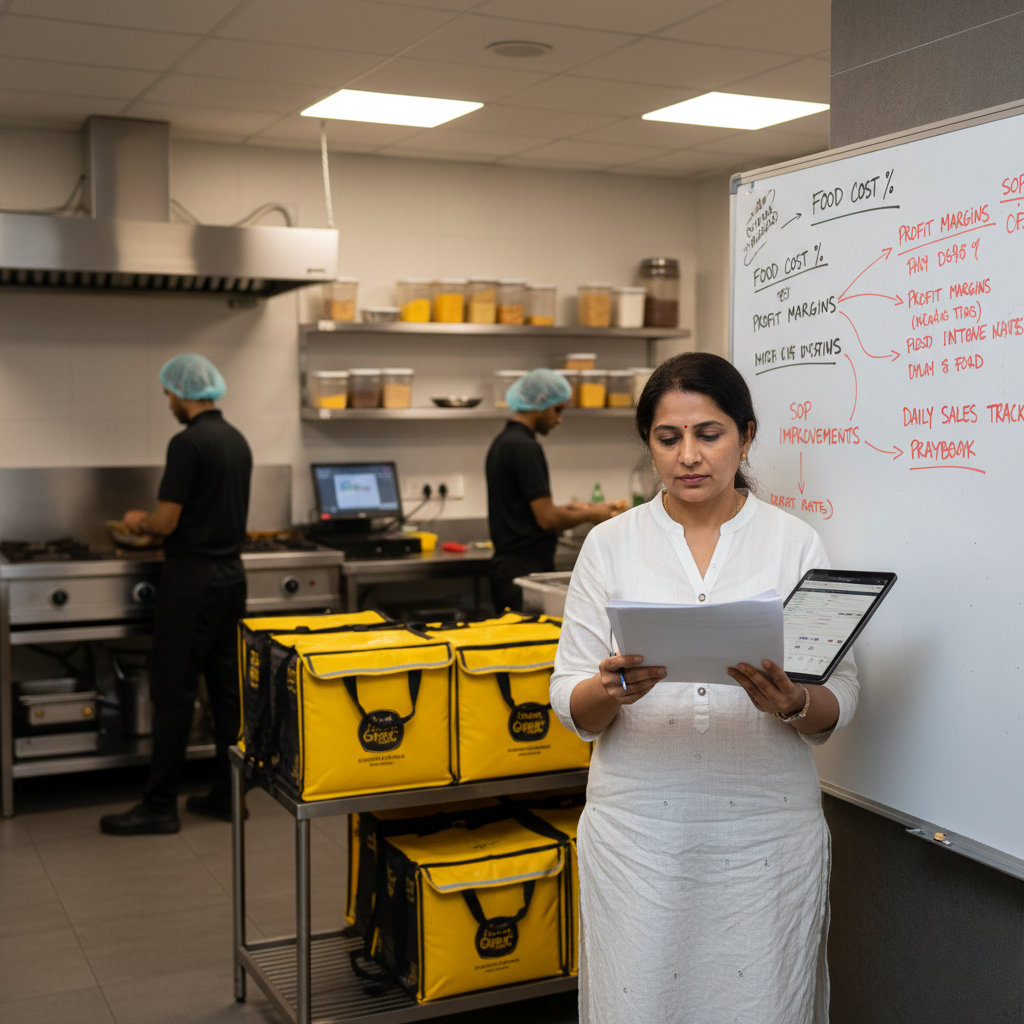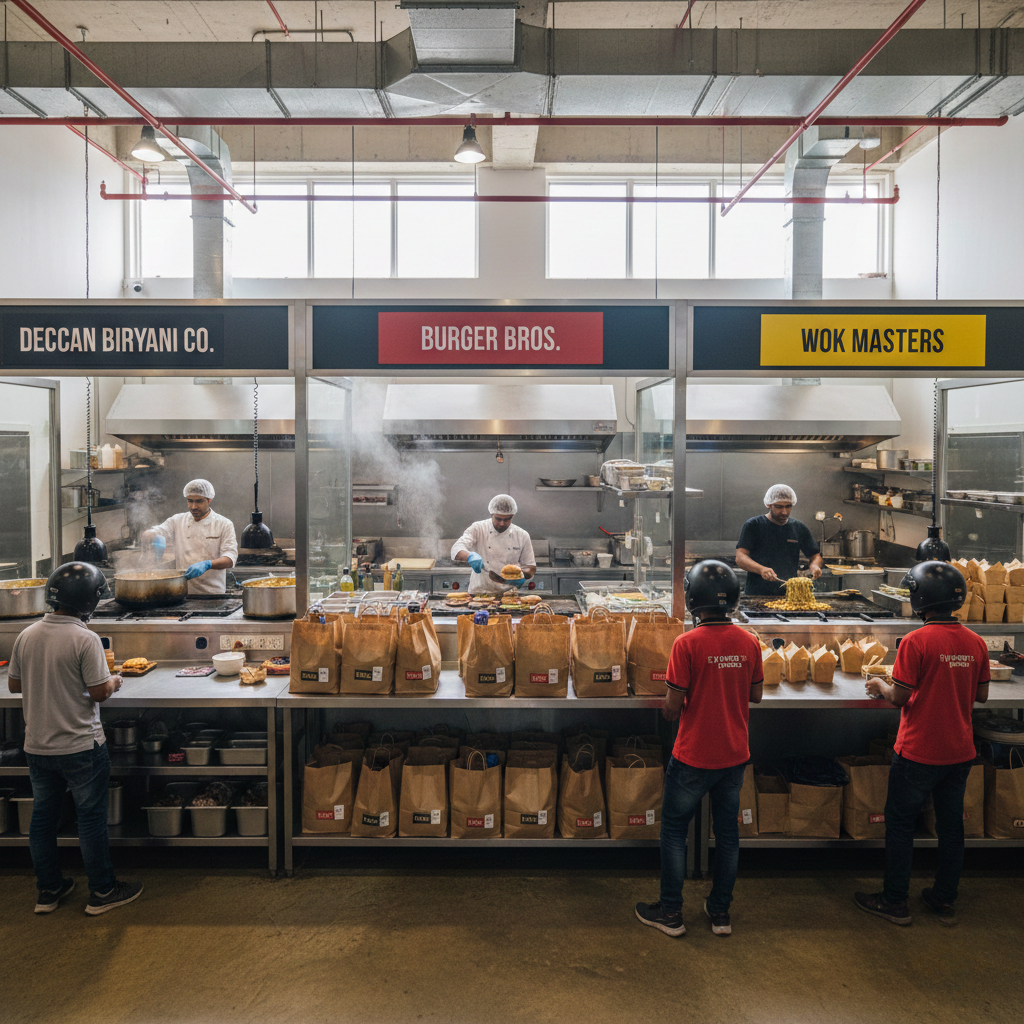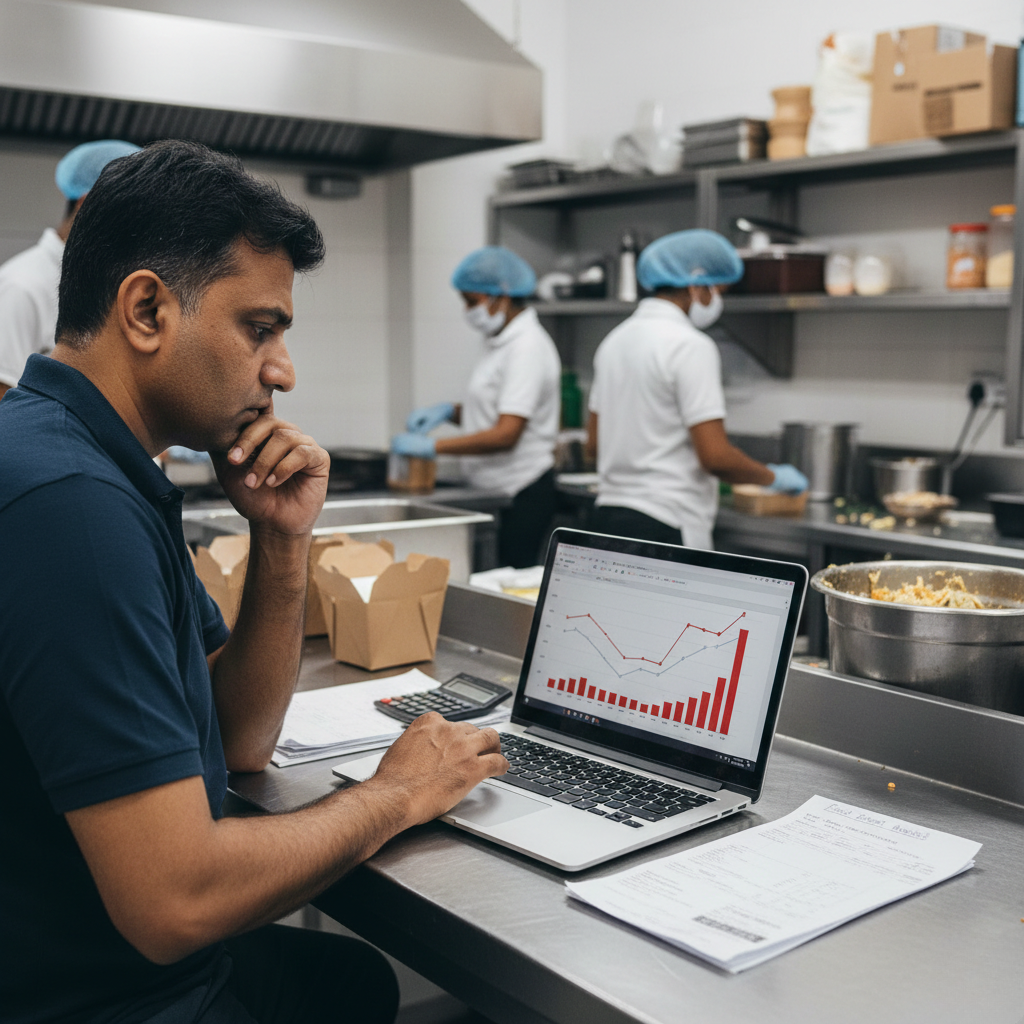
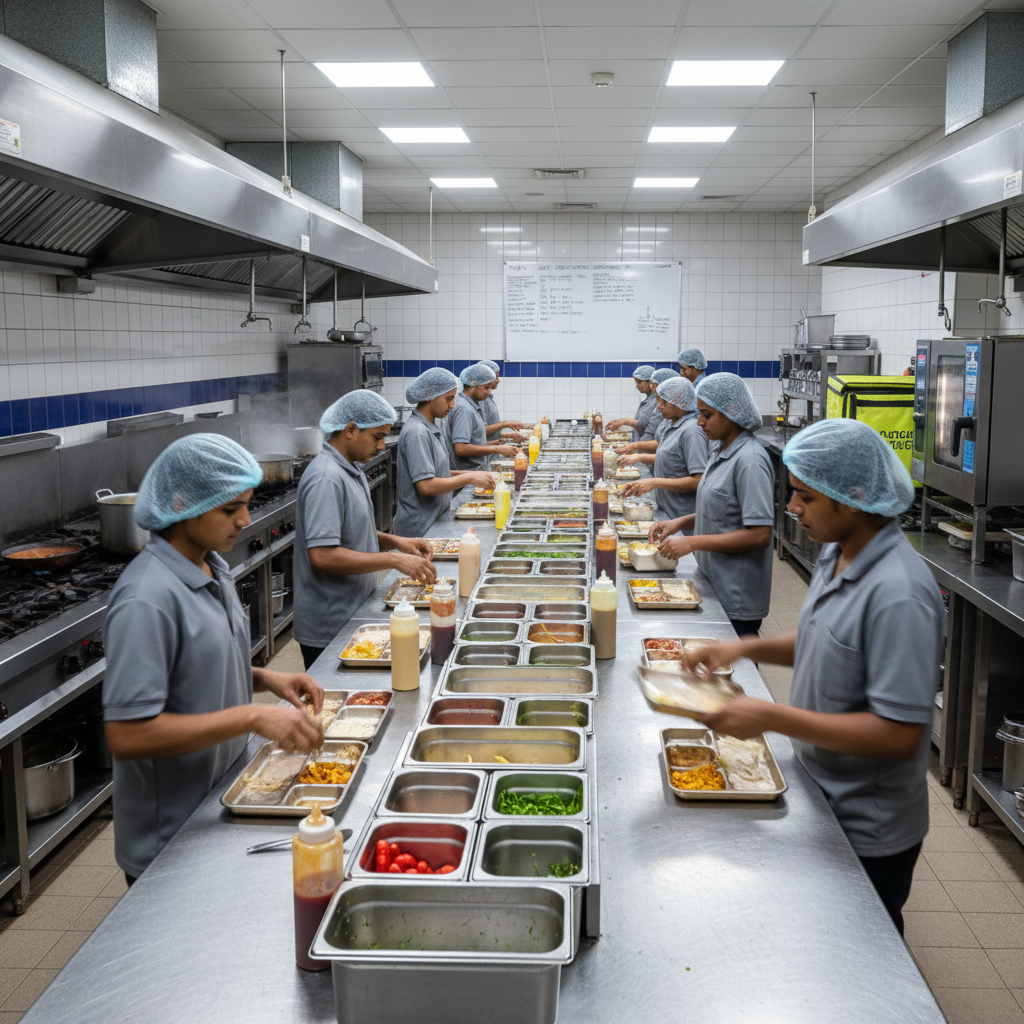
How CKaaS SOP-Driven Cloud Kitchens is not a “make SOPs once” exercise or a “download a checklist” solution. It is a repeatability system: measurable recipes, station-wise routines, role gates, training sign-offs, prep planning, dispatch checks, and weekly feedback loops that keep standards alive. Most cloud kitchens don’t fail because the food is bad. They fail because execution varies by person, shift, and pressure. CKaaS works when it replaces founder-dependent control with SOP-led execution that makes outcomes repeatable without daily supervision. This guide explains exactly how CKaaS builds SOP-driven cloud kitchens in India using systems, not motivation.
How CKaaS SOP-Driven Cloud Kitchens: Why “Good Food” Still Fails Without Repeatability
Most cloud kitchen founders believe SOPs are “for big brands.” They think SOPs slow things down. They assume SOPs can wait until they scale.
But delivery kitchens don’t scale on talent. They scale on repeatability. If your output changes by shift, you don’t have an operation. You have a performance lottery.
The harsh truth: many kitchens run on founder presence. The founder is the SOP. The founder checks portions. The founder corrects packing. The founder fixes dispatch. The founder trains new staff.
CKaaS exists to replace founder-dependent execution with SOP-driven execution. If you want the profitability foundation lens first, start with Cloud Kitchen Profitability Consultant in India and map recurring execution leaks using Common Operational Mistakes in Cloud Kitchens.
What SOP-Driven Actually Means (Not “A PDF Nobody Reads”)
Most kitchens claim they have SOPs. What they actually have is a document. A document is not an SOP system.
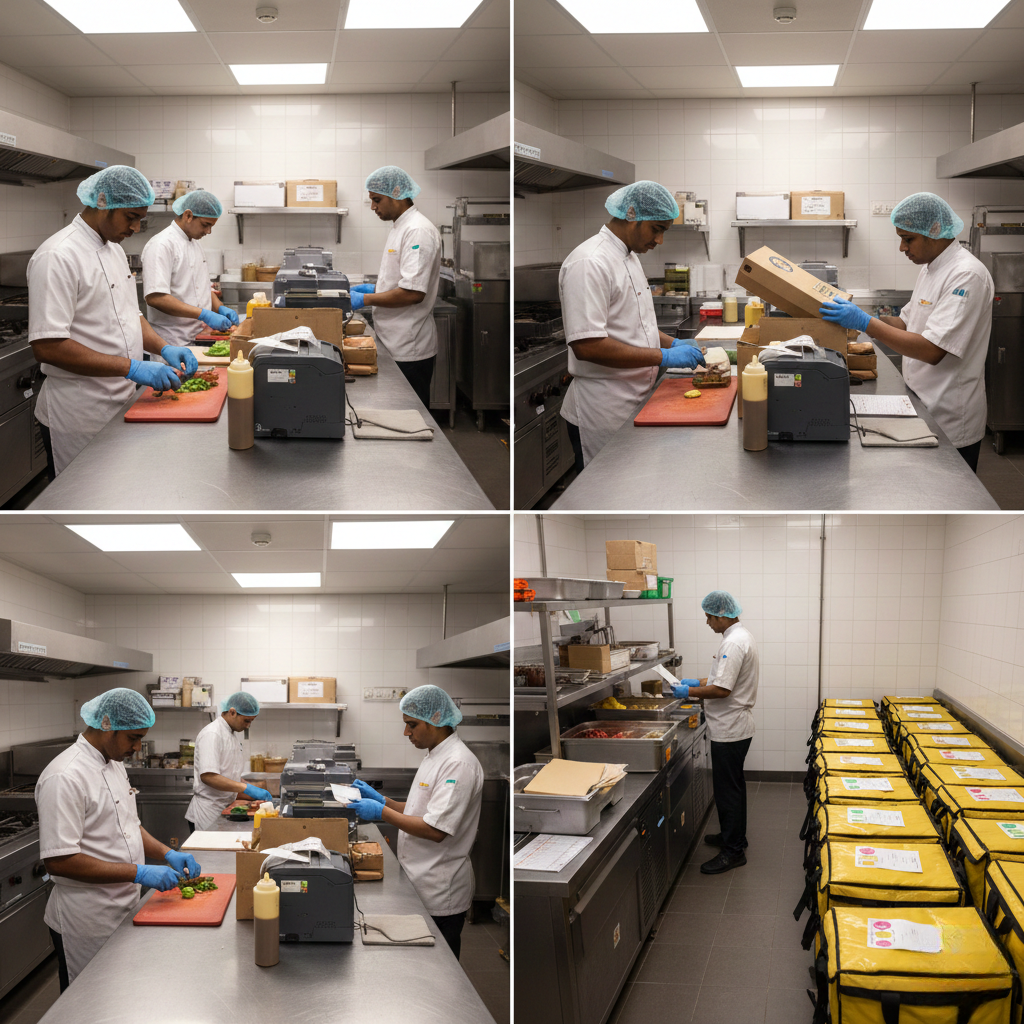
SOP-driven means your kitchen runs the same way every day: same prep schedule, same portion tools, same packing steps, same dispatch gate, and the same quality outcome even when the founder is not present.
In practice, SOP-driven kitchens have three visible signals: tasks are role-owned, steps are measurable, and mistakes trigger updates.
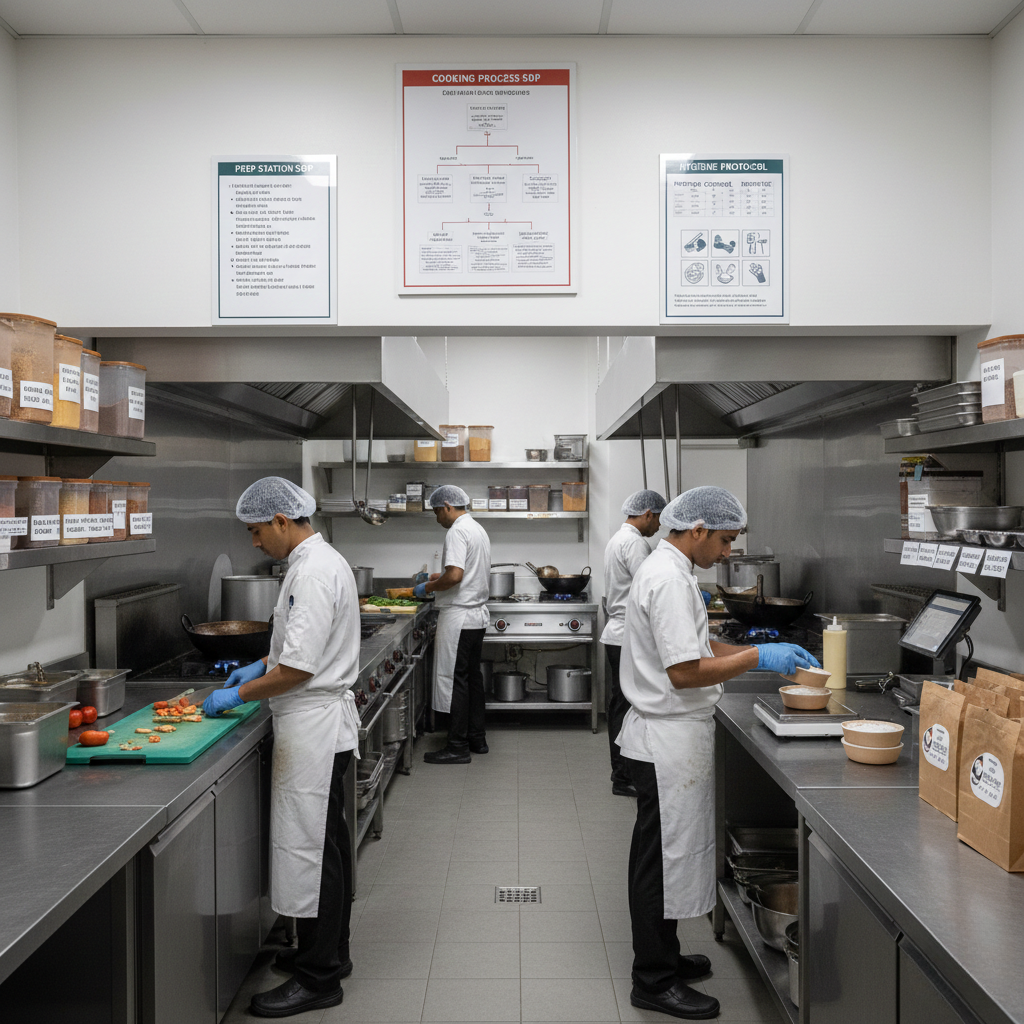
CKaaS works because it operationalizes SOPs into routines: checklists on walls, portion tools at stations, training sign-offs, audit logs, and weekly reviews that force upgrades. That is the difference between “we have SOPs” and “we are SOP-driven.”
The Unit Economics Lens: SOPs Are a Profit System, Not an Operations Document
Many founders treat SOPs like a quality initiative. But in delivery kitchens, SOPs are a profit system. SOPs control food cost drift, refund leakage, cancellations, and late dispatch.
Profit is still decided per order:
Order Value minus Aggregator commission & charges minus CKaaS fee / revenue share minus Packaging cost minus Food cost (COGS) minus Discount burn minus Refund/penalty leakage equals Contribution Margin.
Where do SOPs hit margin directly? Portions control COGS. Packing SOPs control refunds. Prep planning SOPs control cancellations. Dispatch SOPs control visibility and ratings.
If you want platform fee clarity, read Aggregator Commission Impact in India and refund leakage patterns via Refunds and Cancellations Impact on Cloud Kitchen Profitability.
The 14 SOP Layers CKaaS Builds (So Kitchens Run Without Founder Supervision)
CKaaS does not “create SOPs” as a one-time task. It builds an SOP stack that covers the entire order lifecycle: procurement → prep → cooking → packing → dispatch → feedback. Below are the most important SOP layers CKaaS installs for system-driven kitchens.
1) SOPs start with the top 20% menu, not the full menu. Most kitchens fail by trying to SOP everything at once. CKaaS builds SOPs for bestsellers first because that is where volume and refunds concentrate.
2) Recipes become measurable (grams, ml, time, and holding rules). “Add more sauce” creates drift. Measurable recipe cards create repeatability and training speed.
3) Portion tools become mandatory station equipment. Ladles, scoops, weighing scales, fill lines, and portion cups turn “good intention” into controlled output.
4) Station-wise cook SOPs reduce shift variation. A cook SOP is not just ingredients. It includes sequence, temperature, batch size, holding time, and plating/packing transfer rules.
5) Prep planning SOPs install par levels and buffer logic. Prep SOPs prevent two killers: stock-outs (cancellations) and over-prep (wastage).
6) RM specs and procurement SOPs stop vendor drift. RM brand, cut size, weight, and quality parameters reduce taste variation and cost fluctuation.
7) Receiving and storage SOPs reduce spoilage and shrinkage. Labels, FIFO rules, temperature checks, and segregation reduce wastage and contamination risk. External reference: FSSAI Hygiene Requirements.
8) Packing SOPs prevent wrong items and missing add-ons. Packing is a control point, not an afterthought. CKaaS installs a packing checklist and makes it a role-owned gate.
9) Dispatch SOPs create a “final scan” gate. Dispatch is where errors become refunds. CKaaS implements dispatch gates using Cloud Kitchen Dispatch SOP.
10) Packaging standards are locked for delivery performance. Wrong containers cause leakage and texture collapse. SOPs define container type, sealing method, bagging rules, and labeling format.
11) Role ownership SOPs eliminate “everyone does everything.” CKaaS builds role gates across prep, cook, pack, and dispatch. Framework: Role-Based Kitchen Operations Explained.
12) Training SOPs become a system: shadow shifts + sign-offs + retraining triggers. Training is not one day. CKaaS builds onboarding checklists and minimum competency sign-offs per station.
13) Audit SOPs track compliance without policing. Simple audits (5 peak orders + 5 non-peak orders) reveal repeat failures. Repeat failures trigger SOP upgrades.
14) Weekly review SOPs convert data into upgrades. Refund reasons, cancellations, late dispatch counts, and rating comments are operational data. Without weekly reviews, SOPs die. Discipline lens: How Process Discipline Improves EBITDA.
If you want the common leak map, start with Common Operational Mistakes in Cloud Kitchens. If you’re pushing volume, map ROI properly using Marketing Spend vs ROI in Cloud Kitchens.
Swiggy/Zomato Reality: SOPs Are the Only Way to Stabilize Reliability Signals
Aggregators don’t reward effort. They reward reliability. Reliability is measured through signals: late dispatch, cancellations, refunds, complaints, ratings, and availability.
SOP-driven kitchens perform better because mistakes are harder to repeat. When mistakes stop repeating, reliability improves. When reliability improves, distribution improves.
External policy context: Swiggy Refund Policy and Zomato Online Ordering Terms.
To map how refunds and cancellations destroy contribution margin, use Refunds and Cancellations Impact on Cloud Kitchen Profitability.
The SOP Trinity That Stabilizes Kitchens: Prep Planning + Packing Checklist + Dispatch Gates
If you want SOP-driven outcomes, don’t start with “complex documentation.” Start with the three SOP engines that decide daily performance: prep readiness, packing accuracy, and dispatch speed.
Prep readiness protects availability and reduces cancellations. Packing accuracy reduces refunds. Dispatch speed protects ratings and visibility.
Install dispatch predictability using Cloud Kitchen Dispatch SOP and reduce repeat errors using Common Operational Mistakes in Cloud Kitchens.
Why SOP-Driven Kitchens Require Roles + Gates (Not “Hardworking Staff”)
SOP-driven kitchens don’t rely on “good people.” They rely on a design where the process forces the outcome. That is why CKaaS installs gates.
Here is what SOP-driven role stability looks like:
Prep role:
owns prep lists, par levels, labeling, and cold storage discipline so peak readiness stays stable.
Cook role:
owns recipe execution, portion tools, holding rules, and station cleanliness so output doesn’t drift.
Pack role:
owns packing checklist, add-on verification, sealing rules, and presentation so refunds reduce.
Dispatch role:
owns final scan, labeling match, rider handover speed, and queue discipline so late dispatch reduces.
Manager role:
owns weekly SOP compliance audits, refund mapping, and retraining so SOPs stay alive.
If you want the operating framework, use Role-Based Kitchen Operations Explained.
A Practical 7 to 30 Day SOP Build Sequence (What CKaaS Should Implement First)
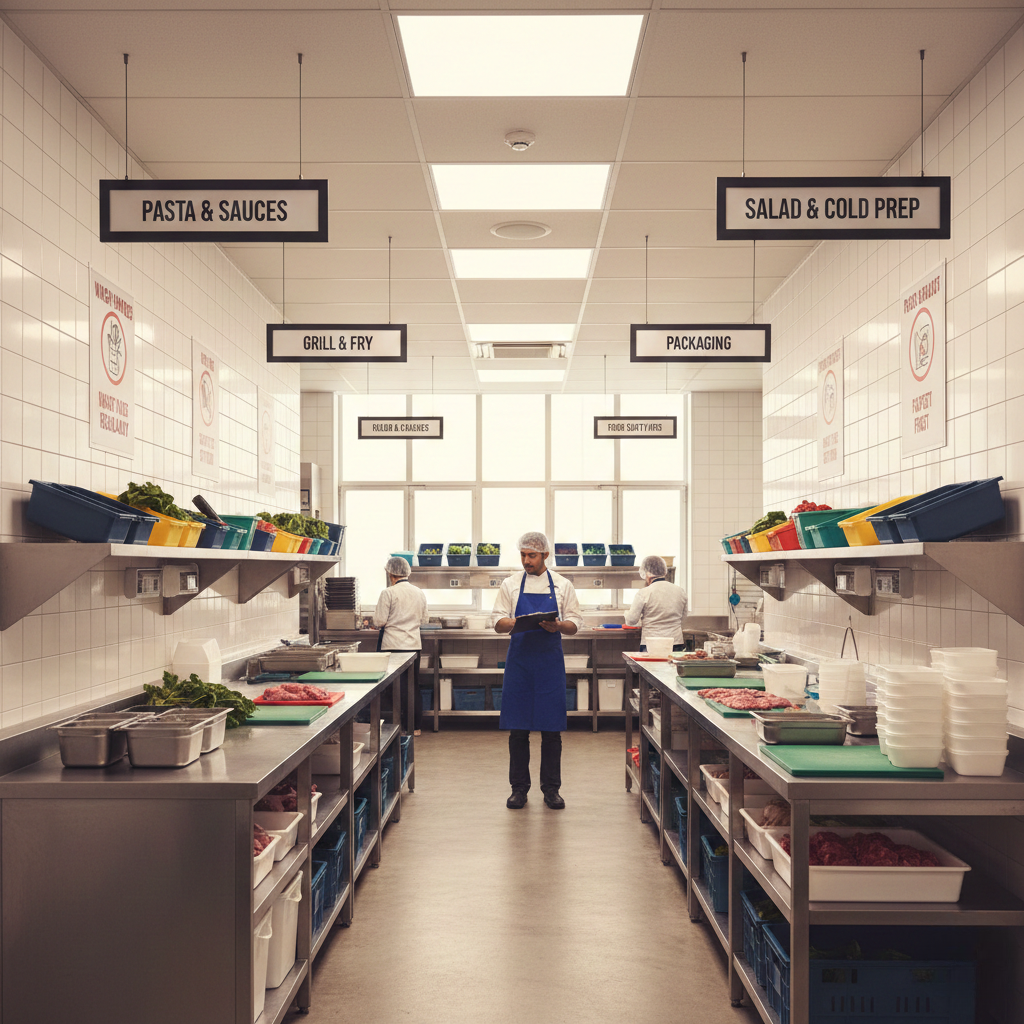
SOP-driven kitchens are built in sequence. The goal is not to write a library. The goal is to stabilize outcomes fast, then expand SOP coverage. Below is a practical rollout sequence CKaaS uses to build SOP-driven kitchens.
Step 1 (Day 1–2): Freeze top sellers and define “non-negotiables.” Identify your top 10–15 SKUs. Freeze them. Define quality non-negotiables: portion, taste, pack, and dispatch timing.
Step 2 (Day 1–3): Convert recipes into measurable SOP cards. Add grams, ml, timing, holding rules, and plating/packing standards. If it can’t be measured, it can’t be trained.
Step 3 (Day 2–5): Install packing checklist + dispatch scan gate. This reduces wrong items, missing add-ons, and refund leakage fast. Implement via Cloud Kitchen Dispatch SOP.
Step 4 (Day 3–7): Build prep lists with par levels and batch yields. Set buffer quantities for peak readiness. Reduce stock-outs and late dispatch.
Step 5 (Week 2): Lock procurement specs and receiving SOPs. Standardize RM specs, approved vendors, receiving checks, and FIFO storage routines.
Step 6 (Week 2): Create training sign-offs per station. Shadow shifts, checklist sign-offs, and minimum competency checks ensure output doesn’t vary by new staff.
Step 7 (Week 3): Start weekly review + SOP upgrade loop. Review refund reasons, cancellations, late dispatch counts, and rating comments. Update SOPs. Retrain. Repeat.
Use the discipline lens: How Process Discipline Improves EBITDA. If you’re spending to grow, map ROI correctly: Marketing Spend vs ROI in Cloud Kitchens.
External process references (useful for standardisation thinking): Standardized Work (Lean lexicon), ISO 22000 overview, and FSSAI Hygiene Requirements (Schedule 4 reference).
Final Takeaway: CKaaS Builds SOP-Driven Kitchens by Making Repeatability the Default
SOPs are not paperwork. They are margin protection. They are refund prevention. They are scale insurance.
CKaaS builds SOP-driven kitchens when it installs measurable routines: portion tools, prep planning buffers, packing checklists, dispatch gates, role ownership, training sign-offs, and weekly feedback loops that keep SOPs alive.
Operating frameworks from GrowKitchen, and operating partner brands like Fruut and GreenSalad are built to convert “founder-driven kitchens” into “SOP-driven kitchen systems.”
FAQs: How CKaaS Builds SOP-Driven Cloud Kitchens
Do SOPs slow down cloud kitchen speed?
No. Good SOPs speed up kitchens by reducing confusion, rework, wrong items, and late dispatch.
What SOPs should be built first?
Bestsellers recipe cards, packing checklist, dispatch gate, and prep planning par levels.
Why do many kitchens fail even after writing SOPs?
Because SOPs were not measurable, role-owned, or audited. SOPs must live as routines, not documents.
How do I know if my kitchen is SOP-driven?
If output is consistent across shifts, refunds are controlled, and the kitchen runs without founder firefighting, you are SOP-driven.
- Cloud Kitchen Profitability Consultant in India
- Common Operational Mistakes in Cloud Kitchens
- Cloud Kitchen Dispatch SOP
- Role-Based Kitchen Operations Explained
- Refunds and Cancellations Impact on Cloud Kitchen Profitability
- Aggregator Commission Impact in India
- Marketing Spend vs ROI in Cloud Kitchens
- How Process Discipline Improves EBITDA
- Grow Kitchen on Twitter