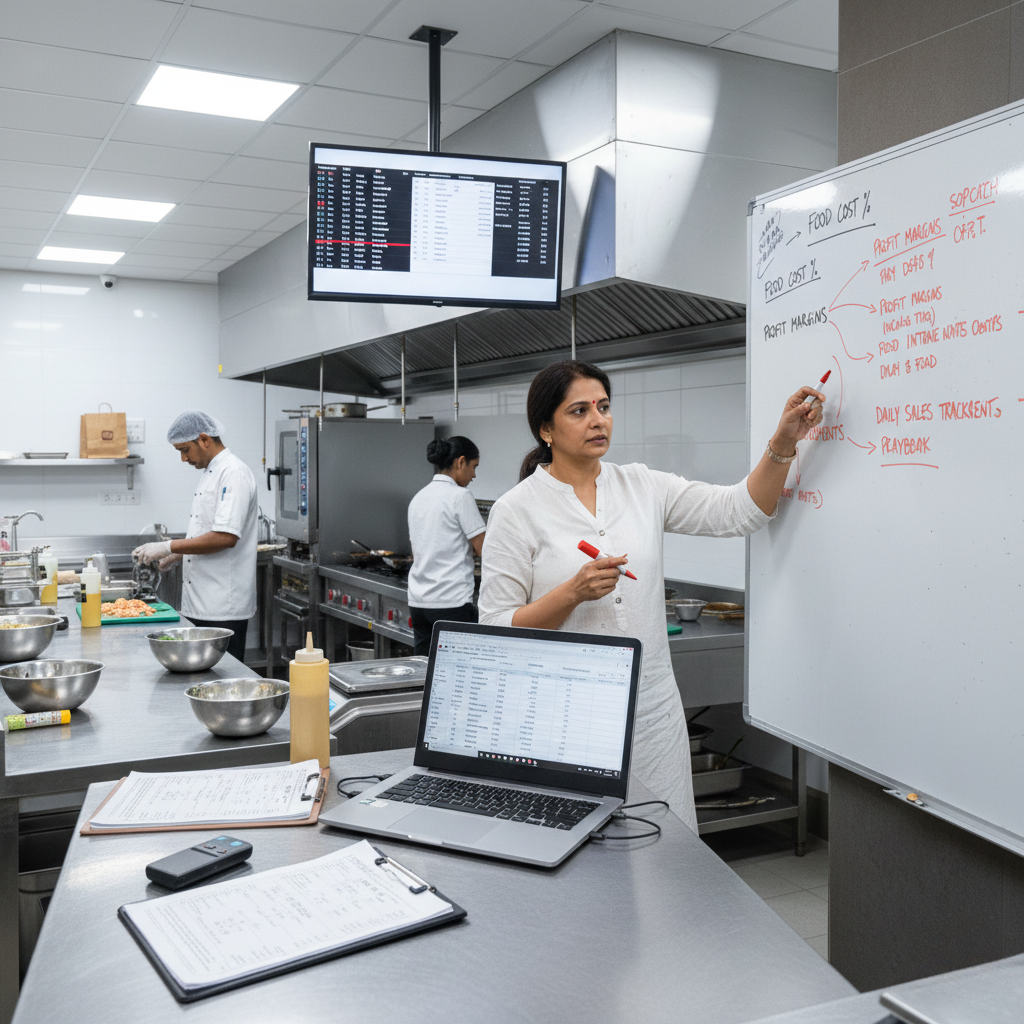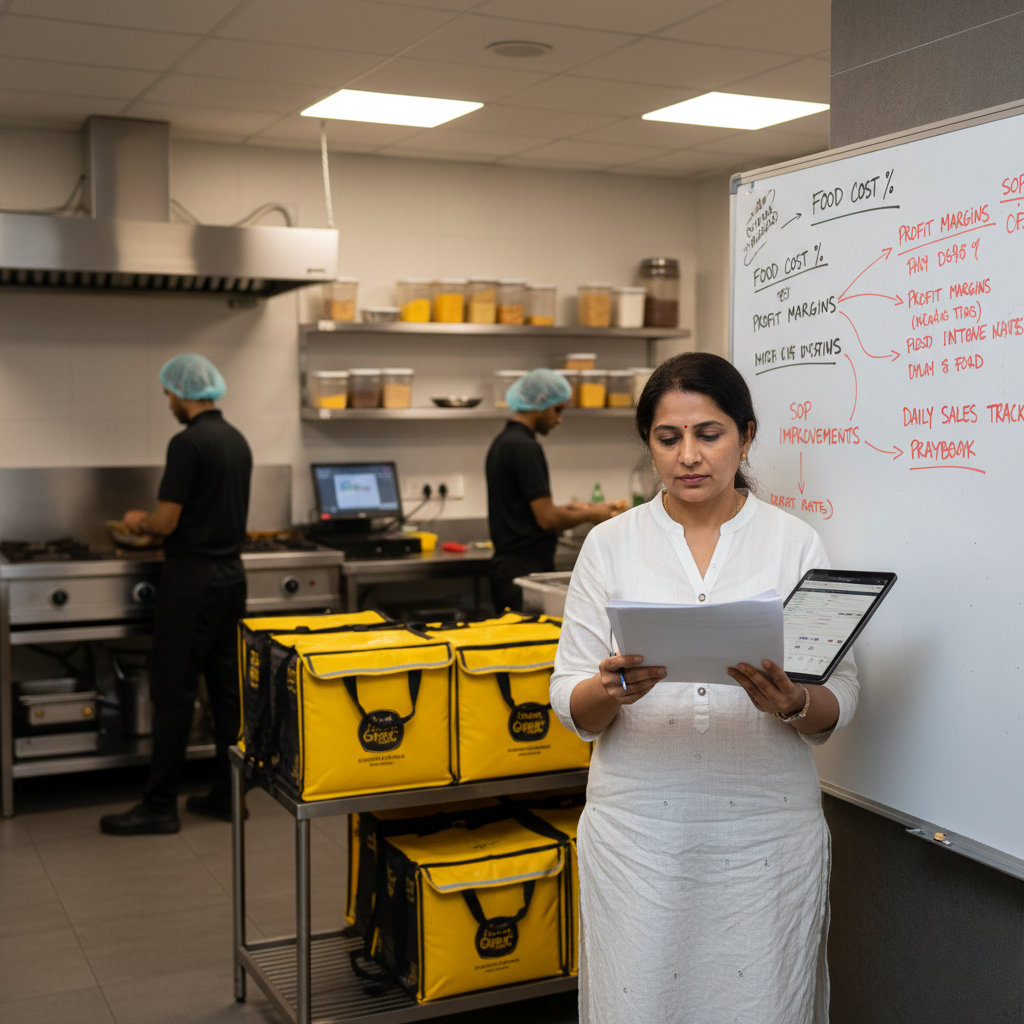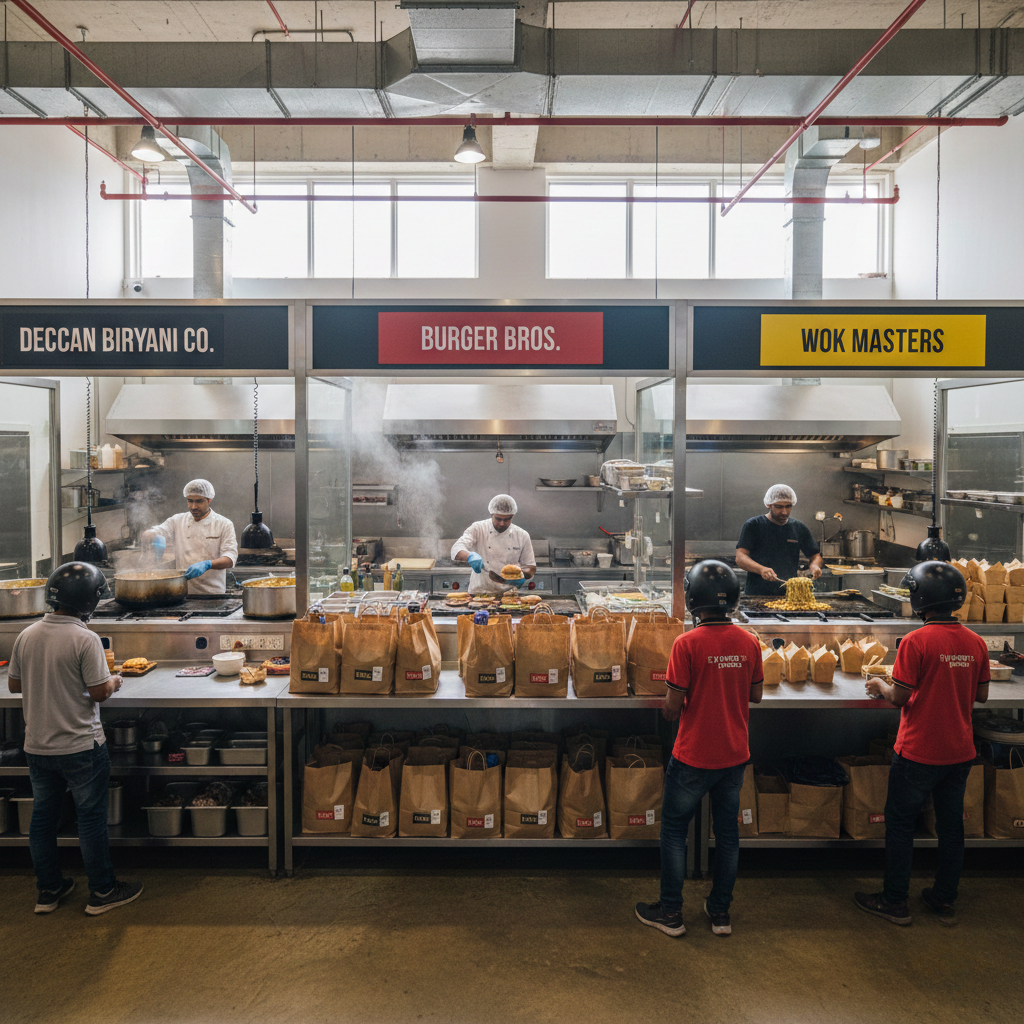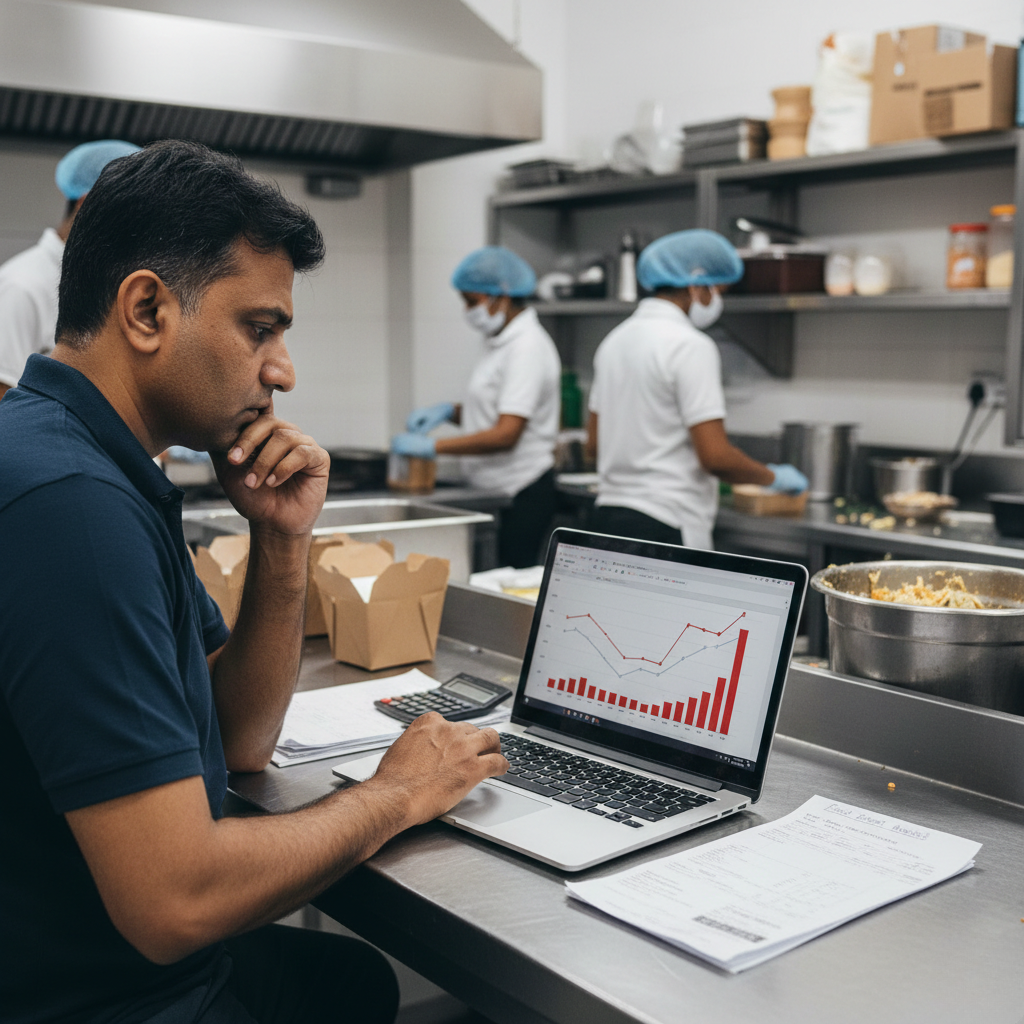
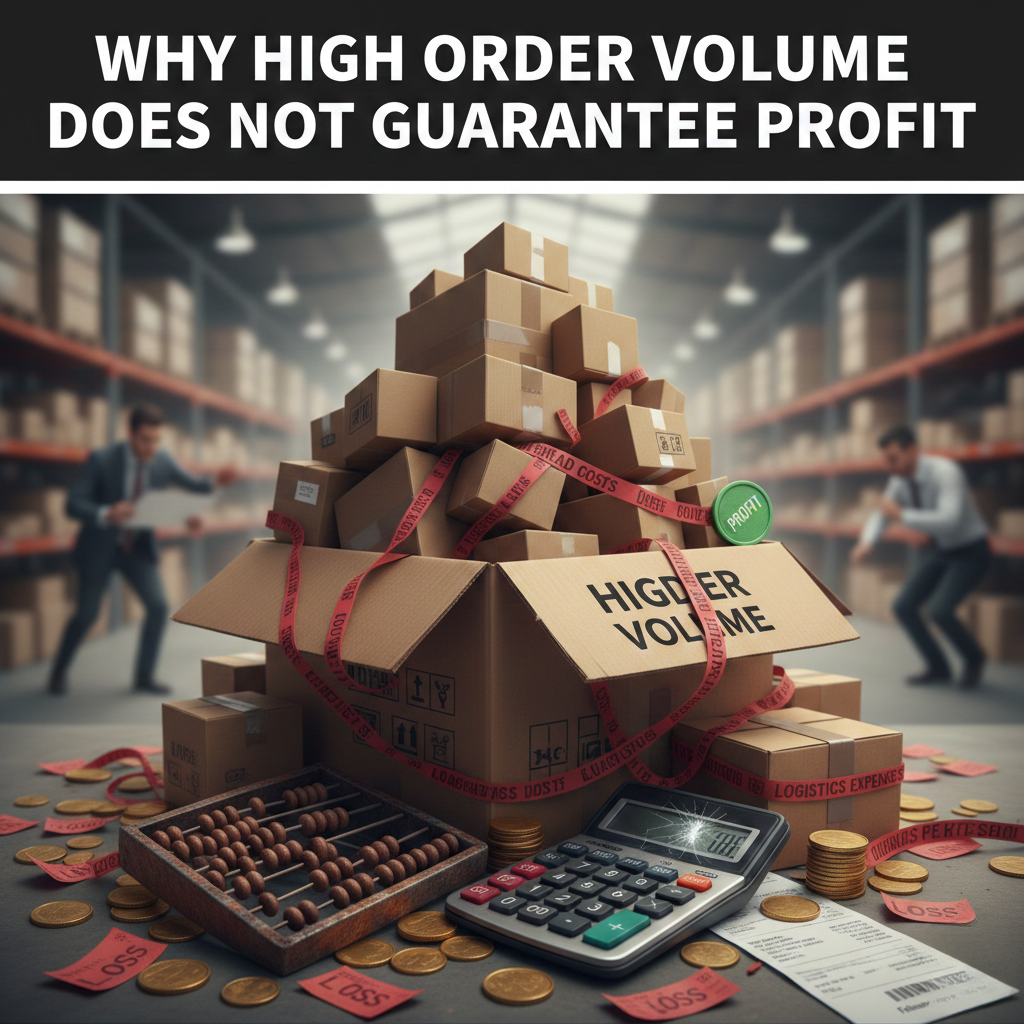
Why High Order Volume Does Not Guarantee Profit is one of the most painful realizations for cloud kitchen founders in India. Many kitchens celebrate rising order counts while their bank balance quietly deteriorates. Dashboards look busy. Operations feel stretched. Yet profitability refuses to appear. This guide explains why high order volume often hides losses, how growth amplifies inefficiencies, and what profitable cloud kitchens do differently before chasing scale.
Why “More Orders = More Profit” Is a Dangerous Assumption
In traditional businesses, volume often improves margins. In cloud kitchens, volume frequently exposes weaknesses. High order volume does not fix broken systems. It magnifies them. Kitchens that are inefficient at 30 orders a day become unmanageable at 150.
To understand why this happens structurally, start with Cloud Kitchen Business in India, Cloud Kitchen Profit Margin in India, and Common Operational Mistakes in Cloud Kitchens.
Understanding Volume as a Stress Test, Not a Success Metric
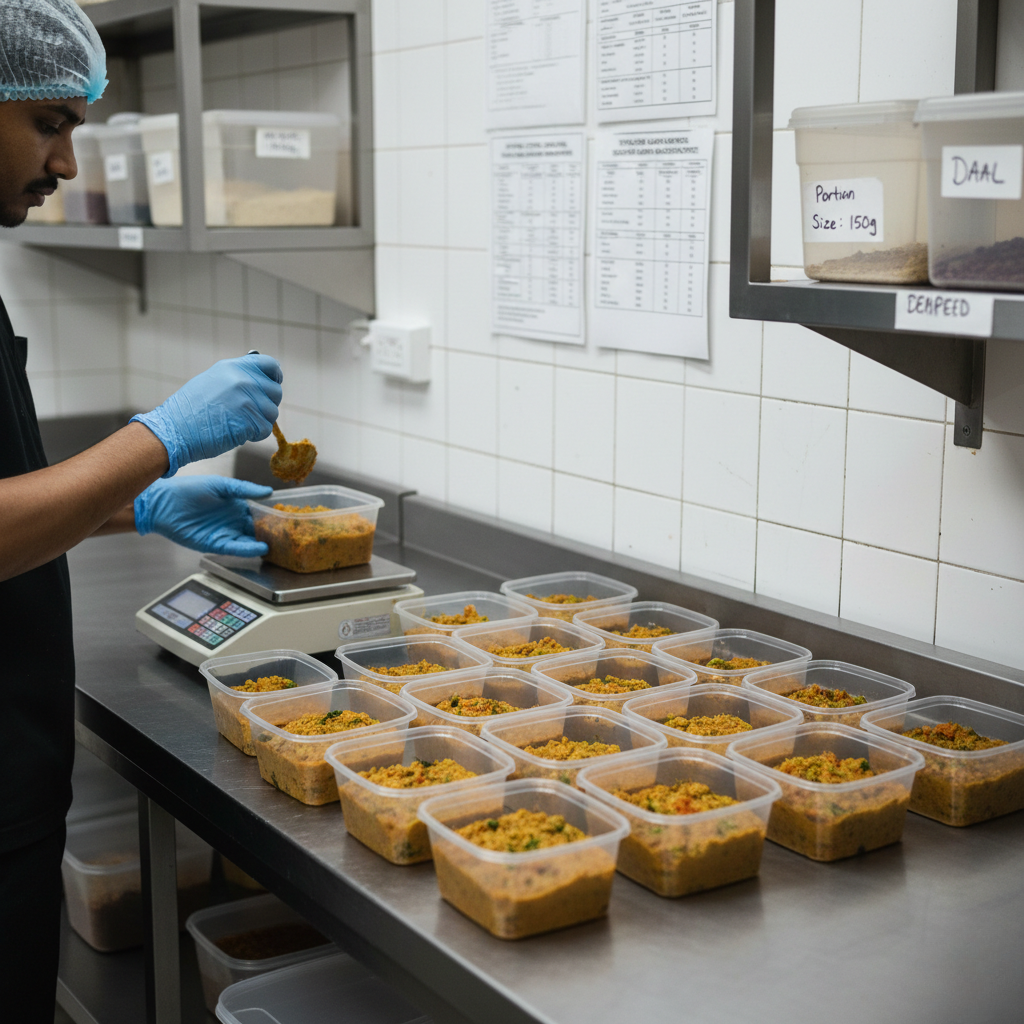
Order volume is not revenue quality. It is operational pressure. Every additional order adds load on prep, cooking, packing, dispatch, inventory, and customer experience. If systems are weak, volume accelerates losses faster than growth.
The Revenue Illusion Created by High Order Volume
Aggregator dashboards reward activity. More orders feel like success. But revenue visibility hides unit economics. Kitchens often ignore: food cost per order, packaging inflation, discount burn, and aggregator commissions.
A kitchen doing 200 orders a day at weak margins can lose more money than one doing 60 profitable orders. Volume without contribution margin is operational noise, not growth.
How High Order Volume Escalates Hidden Costs
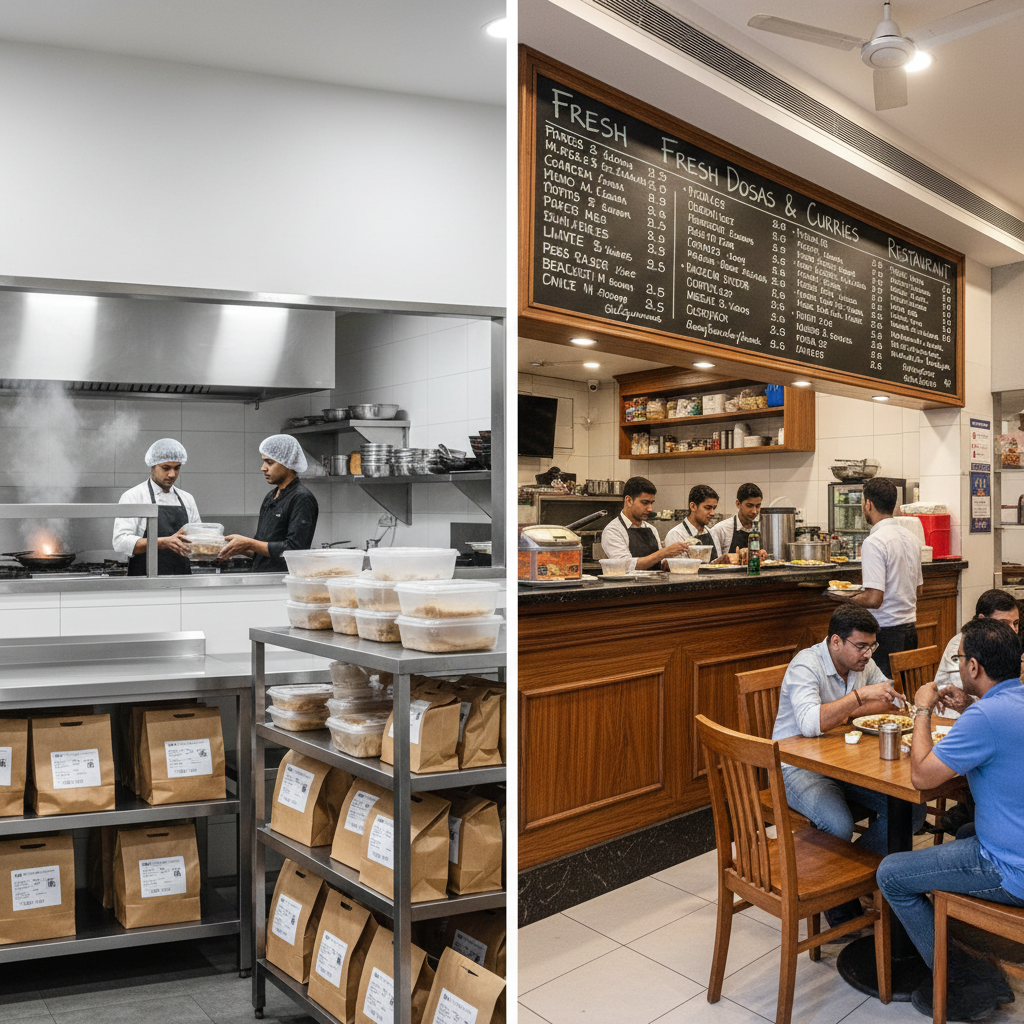
As volume rises, costs do not increase linearly. They jump in steps. Additional staff, overtime, wastage, higher refunds, emergency procurement, and faster equipment wear quietly erode margins.
Kitchens that chase volume without cost controls experience margin compression, not scale benefits.
Discount-Driven Volume: The Fastest Way to Lose Money
Many kitchens use discounts to increase order volume. This creates temporary demand but permanently damages unit economics. Discounts reduce contribution margin while operational effort remains unchanged.
Aggregator-funded discounts are not free. They alter customer expectations, increase low-quality repeat orders, and make profitability recovery harder.
External insight on discount psychology can be seen in Harvard Business Review’s analysis on discount traps.
Why Volume Increases Refunds and Complaints
Higher order volume increases packing errors, dispatch delays, and quality inconsistency. Each refund is not just lost revenue but double cost: food wastage plus replacement or aggregator penalty.
Kitchens without dispatch SOPs experience exponential complaint growth as volume rises.
Learn control mechanisms in Cloud Kitchen Dispatch SOP.
How High Volume Burns Staff and Increases Attrition
Volume without structure exhausts teams. Overworked staff make more mistakes, skip SOPs, and disengage. Attrition rises, training costs increase, and consistency collapses.
Staffing must scale with productivity, not panic hiring.
Inventory Leakage Multiplies with Volume
At low volume, inventory errors feel manageable. At high volume, they become invisible drains. Overproduction, spoilage, missed FIFO, and untracked pilferage rise sharply.
Volume exposes inventory discipline gaps. Profit-focused kitchens build controls early.
Learn best practices in Cloud Kitchen Inventory Management in India.
Why SOP-Driven Kitchens Scale Profitably
SOPs convert effort into repeatable output. Kitchens with prep, cooking, packing, and dispatch SOPs increase throughput per person. This allows volume growth without proportional cost growth.
SOPs are not bureaucracy. They are margin protection tools.
Multi-Brand Volume Makes the Problem Worse
Multi-brand kitchens often mistake brand count for growth leverage. In reality, each brand adds complexity. Without unified SOPs, volume across brands creates chaos instead of synergy.
Learn structured multi-brand design in How to Build SOPs for Multi-Brand Cloud Kitchens.
What Profitable Kitchens Measure Instead of Order Volume
High-performing kitchens track: contribution margin per order, prep efficiency, refunds per 100 orders, staff productivity, and inventory variance.
These metrics reveal profitability truth far better than order count.
Scaling Profitably: Volume Comes Last, Not First
Sustainable scaling happens in this order: systems, consistency, margins, then volume. Kitchens that reverse this sequence grow faster but collapse sooner.
This philosophy underpins Cloud Kitchen Scaling Strategy.
Why High Order Volume Does Not Guarantee Profit: Final Truth
High order volume is not success. It is responsibility. Without strong systems, volume amplifies losses, stress, and instability. Profitable cloud kitchens earn the right to scale by fixing fundamentals first. GrowKitchen helps founders design kitchens that grow without bleeding cash.
FAQs: High Order Volume and Cloud Kitchen Profitability
Can high volume ever guarantee profit?
Only when unit economics and SOPs are strong.
Should loss-making kitchens reduce volume?
Yes, temporarily, to fix systems and margins.
Are discounts necessary for scaling?
No. Discounts often delay profitability.
What matters more than order count?
Contribution margin and execution consistency.