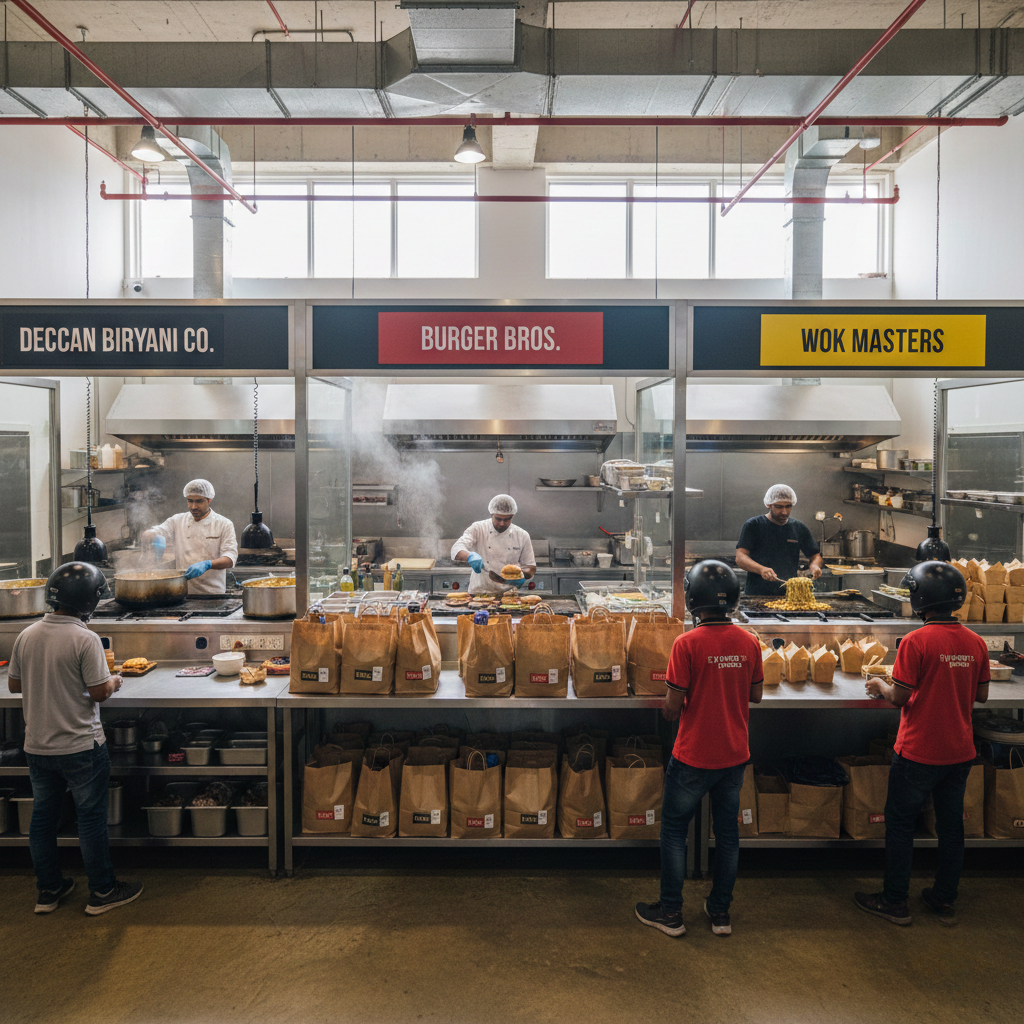
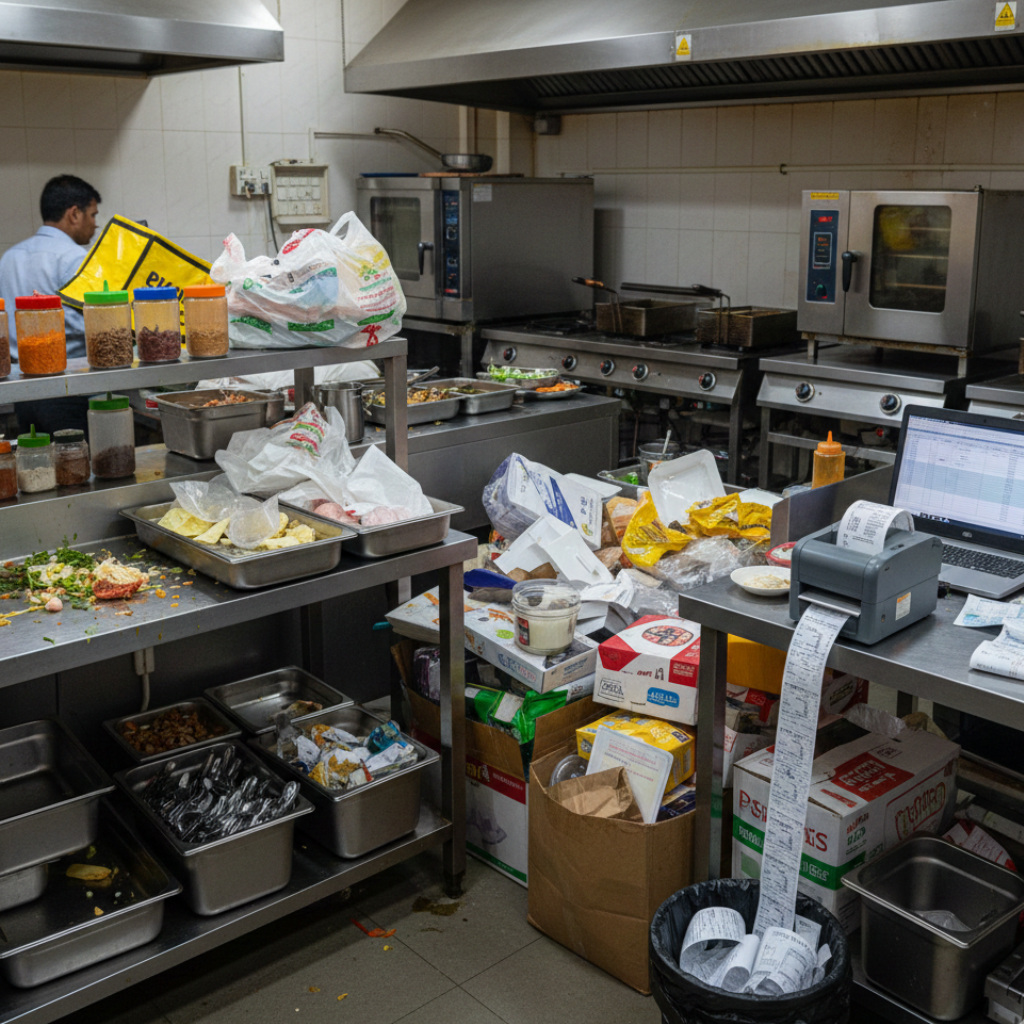
Cloud kitchens are often promoted as the easiest and fastest way to enter the food business. With no dine-in space, lower rent, and complete dependence on online orders, the model appears lean and scalable. Many first-time founders assume that once food costs and aggregator commissions are accounted for, the rest is pure profit. This assumption is one of the biggest reasons cloud kitchens struggle or shut down within the first two years.
The real challenge lies in the hidden costs-expenses that do not appear obvious during planning but slowly eat into margins. These costs accumulate quietly through daily operations, poor systems, and over-dependence on delivery platforms. Understanding these hidden costs early can be the difference between a profitable cloud kitchen and a constant cash-burning operation.
Why Hidden Costs Matter More Than Revenue
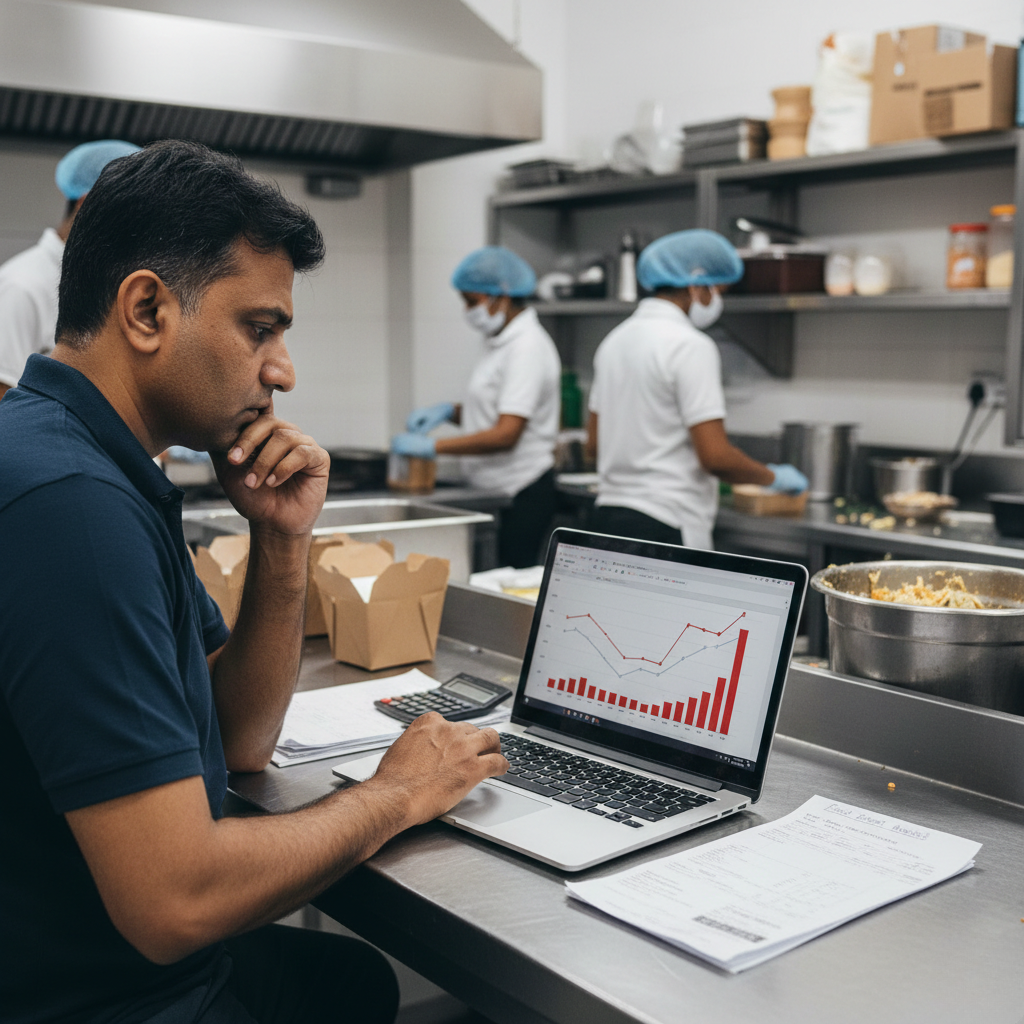
Many cloud kitchens focus heavily on increasing order volume. While revenue growth looks good on dashboards, it often masks inefficiencies underneath. A kitchen doing ₹10–20 lakh in monthly sales can still be loss-making if hidden costs exceed manageable limits.
Unlike traditional restaurants, cloud kitchens operate on thinner margins. Even a 3–4% increase in operational leakage can push the business into losses. This is why understanding and controlling hidden costs is more important than aggressive expansion.
1. Aggregator Commissions Beyond the Stated Percentage
Most owners know that food delivery platforms charge commissions ranging from 18% to 30%. What is often ignored are the additional layers of cost bundled into aggregator payouts. These include GST on commission, payment gateway fees, visibility boosts, and discount sharing.
When all these elements are combined, the actual deduction per order often reaches 35–40%. This means that before food cost, rent, or salaries are considered, a large portion of revenue is already gone.
Brands such as Green Salad and Fruut reduce this dependency by focusing on brand recall and repeat customers instead of constant discount-driven growth.
2. Discounting Pressure and Artificial Demand
Discounts are a double-edged sword in the cloud kitchen ecosystem. While they increase order volume in the short term, they also attract price-sensitive customers who rarely order without offers.
Hidden costs of discounting include:
- Lower average order value
- Unstable demand patterns
- Increased dependence on aggregator algorithms
- Reduced brand loyalty
Many kitchens unknowingly fund discounts from their own margins, assuming aggregators bear the full cost. Over time, this leads to margin erosion and pricing fatigue.
3. Manpower Leakage and Inefficient Staffing
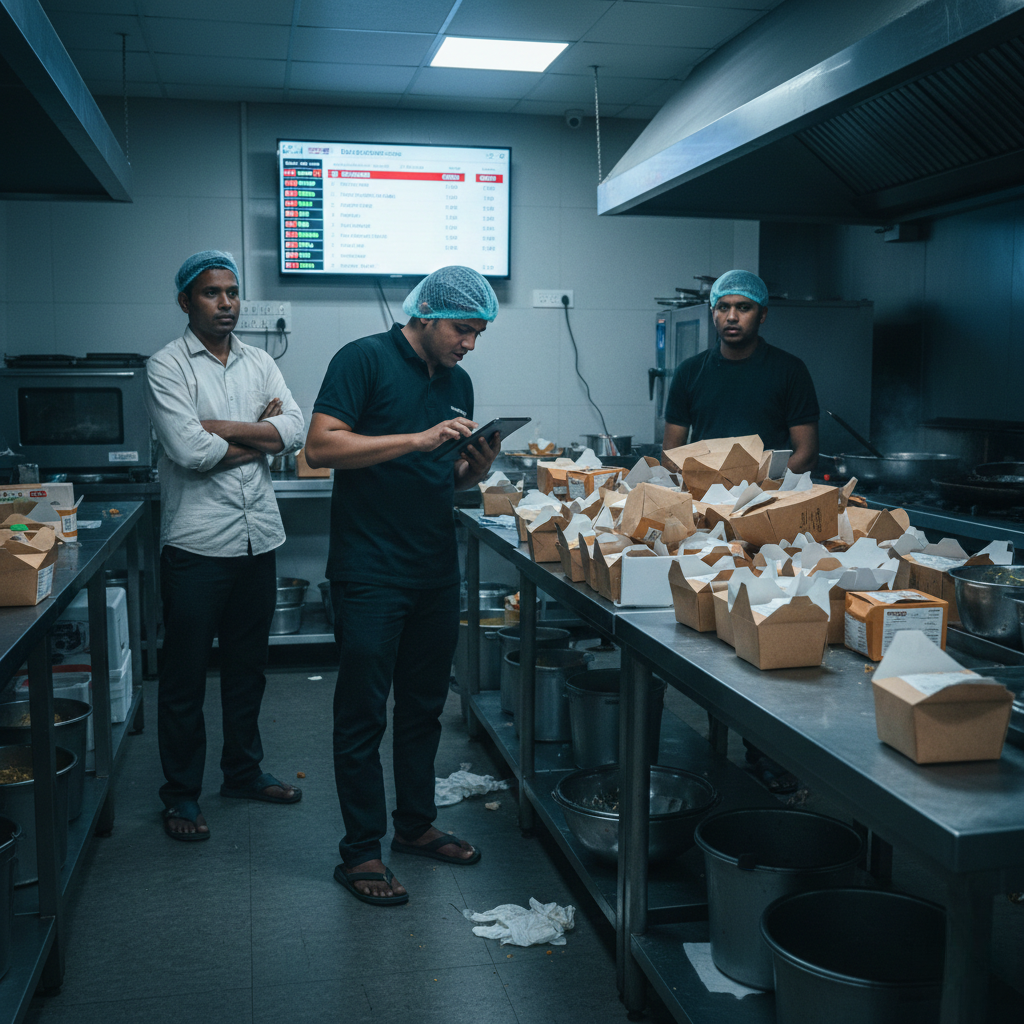
Cloud kitchens are often considered low-manpower businesses, but poor staffing decisions can make labor one of the biggest hidden costs. Overstaffing during non-peak hours and undertrained staff during rush periods leads to inefficiency and wastage.
Common manpower-related hidden costs include frequent attrition, training expenses, absenteeism, and owner dependency. Without clear SOPs, the kitchen becomes person-dependent rather than process-driven.
Operational frameworks offered by platforms like Grow Kitchen help kitchens standardize roles, reduce dependency on individuals, and improve productivity.
4. Food Wastage and Inventory Blind Spots
Inventory wastage is one of the most underestimated cost centers in cloud kitchens. Since wastage is often written off informally, owners rarely track its true impact.
Hidden wastage occurs due to:
- Poor demand forecasting
- Over-preparation during slow days
- Low-selling menu items
- Incorrect portioning
Even a 2–3% increase in food wastage can eliminate monthly profits. Kitchens that track daily variance between ideal and actual consumption perform significantly better financially.
5. Packaging Costs That Grow With Scale
Packaging is essential for maintaining food quality and customer ratings, but it also becomes a silent margin killer as order volume increases. Leak-proof containers, branded boxes, cutlery, and tamper-proof seals add up quickly.
Many kitchens upgrade packaging without adjusting menu pricing, assuming the impact will be minimal. Over time, packaging costs can exceed 8–10% of order value if not standardized.
6. Technology and Subscription Expenses
Modern cloud kitchens rely on multiple software tools-POS systems, inventory trackers, CRM tools, and marketing automation platforms. Individually, these tools seem affordable, but collectively they form a significant monthly expense.
The hidden cost arises when tools are underutilized or duplicated. Paying for multiple dashboards without integration leads to inefficiency rather than clarity.
7. Compliance, Licenses, and Regulatory Renewals
Regulatory costs are often planned only for the launch phase. Over time, renewals and audits become recurring expenses that many owners fail to budget for.
- FSSAI renewals and inspections
- Fire safety compliance
- Local municipal licenses
- GST filing and professional fees
Non-compliance can lead to penalties, temporary shutdowns, or delisting from aggregators, causing revenue loss far beyond the compliance cost itself.
8. Marketing Spend Without ROI Measurement
Digital marketing, influencer tie-ups, and paid platform promotions are common growth levers. However, many kitchens spend without tracking customer lifetime value or repeat rate.
Industry voices such as Rahul Tendulkar emphasize that retention-focused strategies outperform heavy acquisition spending in the long run.
Following communities like Green Salad on X also highlights how brand storytelling and consistency reduce paid marketing dependency.
9. Founder Time and Burnout
One of the most ignored hidden costs is founder burnout. Many cloud kitchen owners handle daily operations themselves, working long hours to manage orders, staff, and platform issues.
This reduces the time available for strategic planning, menu innovation, and expansion. Over time, burnout leads to poor decision-making and stalled growth.
How Profitable Cloud Kitchens Control Hidden Costs
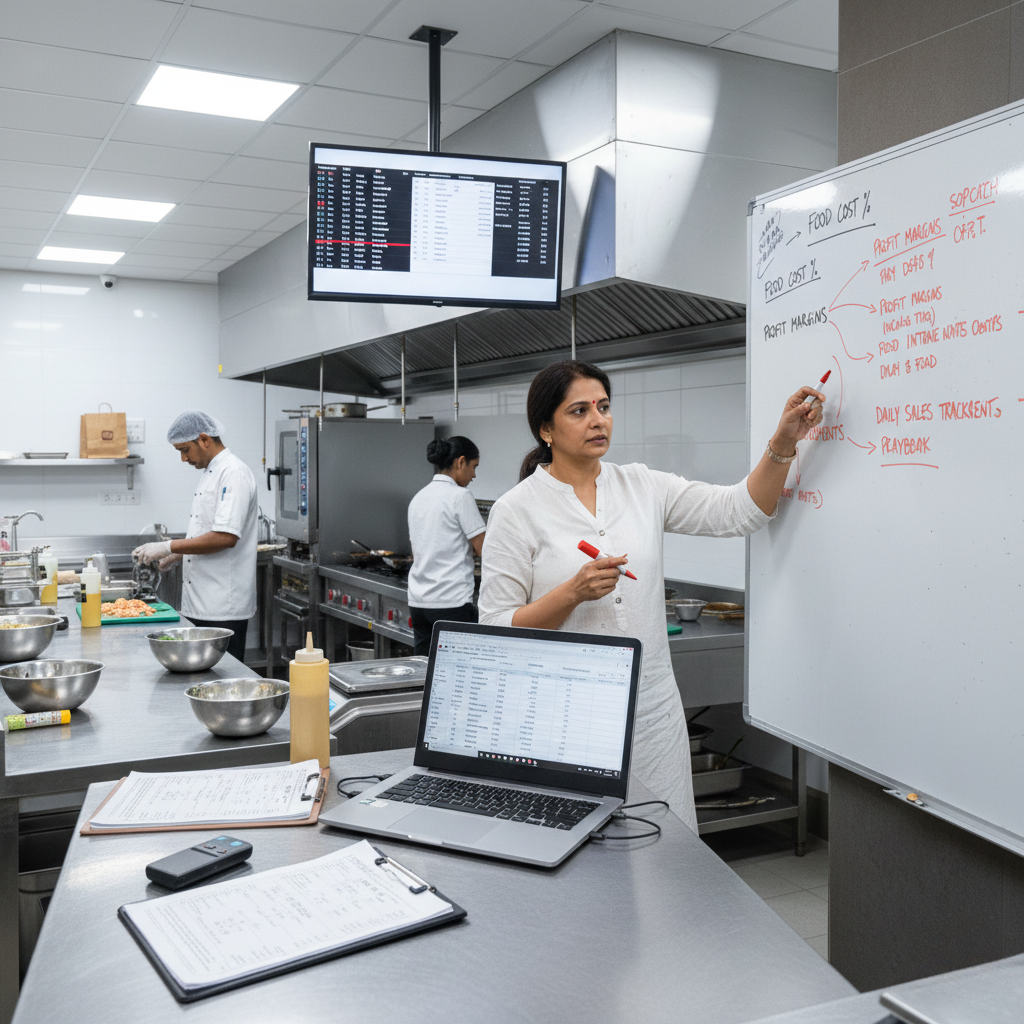
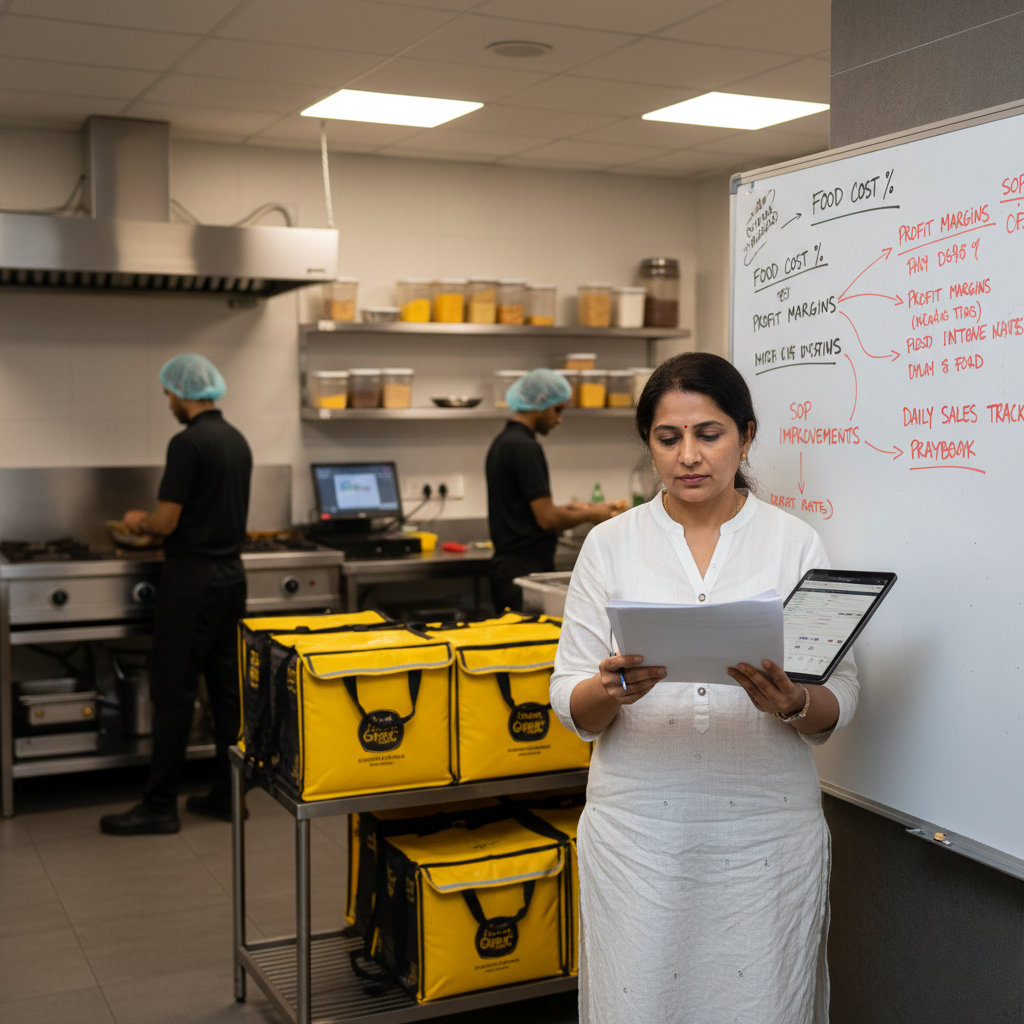
Successful cloud kitchens adopt a disciplined approach to cost control. They focus on unit-level profitability rather than just monthly sales numbers.
- Menu engineering based on contribution margin
- Standardized SOPs across operations
- Balanced mix of aggregator and direct orders
- Daily inventory and wastage tracking
- Manpower productivity benchmarks
Ecosystems like GrowKitchen help founders implement these systems early, reducing trial-and-error costs.
Frequently Asked Questions (FAQ)
Are cloud kitchens still profitable in India?
Yes, cloud kitchens can be profitable if hidden costs are identified and controlled early. Operational efficiency matters more than high order volume.
What is the biggest hidden cost in cloud kitchens?
Aggregator-related costs, including commissions, discounts, and visibility fees, are the biggest and most underestimated expenses.
How much net margin should a cloud kitchen target?
A healthy cloud kitchen should aim for a net margin of 10–15% after all operating costs.
Is it risky to depend only on Swiggy and Zomato?
Yes. Over-dependence exposes kitchens to commission hikes and policy changes. Building repeat customers and direct channels is critical.
Do SOPs really make a difference?
Absolutely. SOP-driven kitchens experience lower wastage, better staff efficiency, and more predictable profitability.
People Also Read
- Cloud Kitchen Business in India
- Cloud Kitchen Operations Framework
- Cloud Kitchen SOP Checklist
- Cloud Kitchen Profit Margin in India
- How to Reduce Swiggy Commission
- How to Scale Cloud Kitchens
- Why Cloud Kitchens Fail in India
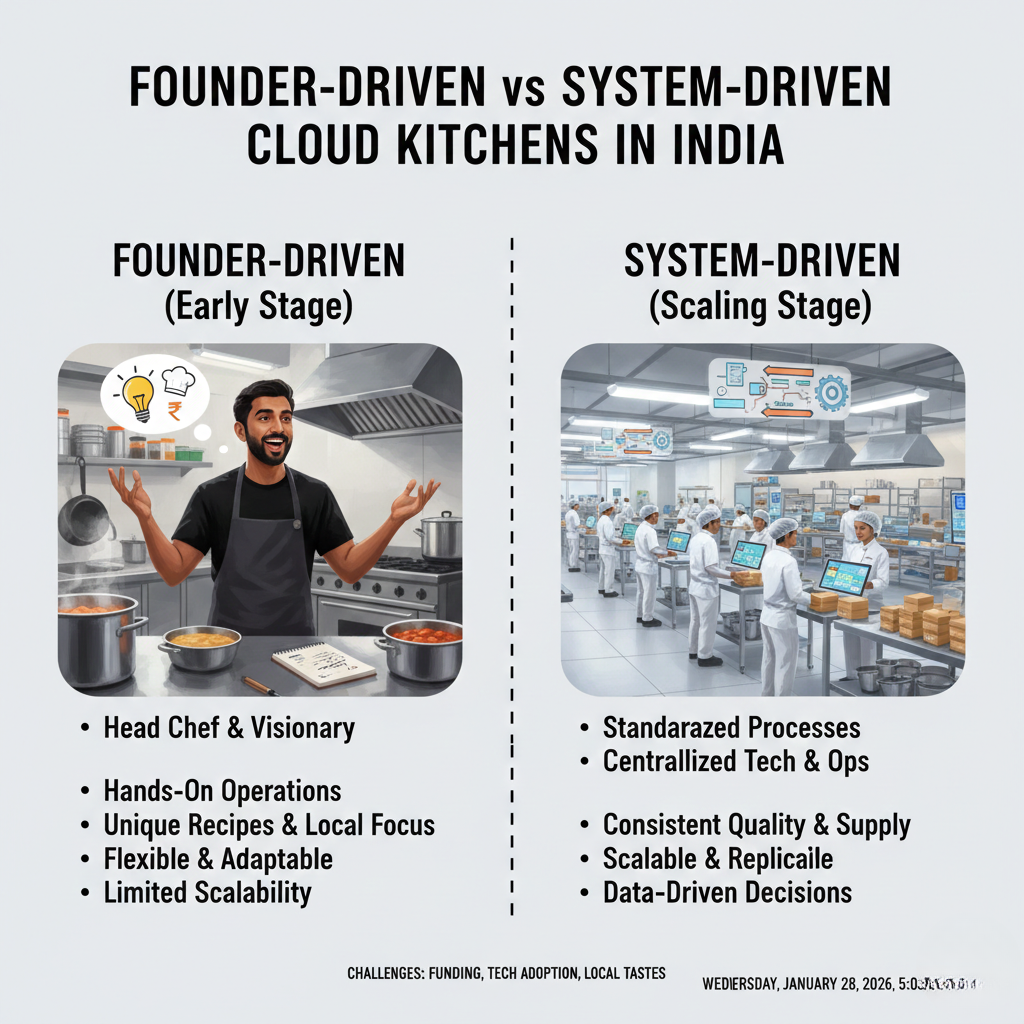
Most cloud kitchens in India start as founder-driven vs system-driven cloud kitchens businesses. The founder controls recipes, checks portions, manages staff, handles vendor gaps, fixes customer complaints, and pushes service during peak hours. This works at one kitchen but collapses during growth. Scaling a cloud kitchen requires a shift from founder-driven execution to system-driven operations where outcomes are predictable without constant intervention. This guide explains the transition from founder-driven to system-driven cloud kitchens, why most founders get stuck, and how operators build kitchens that run on systems, not daily firefighting.
Start Here Before Trying to Remove Yourself From Operations
This article is part of GrowKitchen’s operations and scaling series. If you are still validating your first kitchen, start with: Cloud Kitchen Business in India.
System-driven kitchens depend on food safety, documentation, and repeatable execution. Ensure compliance with FSSAI norms and structured staff training under FoSTaC before attempting scale.
The Founder-Driven Phase: Why It Feels Necessary
In the early days, founder involvement feels essential. You know the recipes, understand quality, and care more than anyone else.
Founder-driven execution often includes:
- Manual portion correction
- On-the-spot recipe tweaks
- Personal supervision during peaks
- Direct handling of refunds and complaints
This phase is normal. The problem begins when the business never evolves beyond it.
Why Most Founders Struggle to Let Go
The shift to system-driven operations is emotionally difficult. Founders fear quality loss and customer complaints.
Common reasons founders stay involved:
- “No one will care like I do”
- “Staff won’t follow processes”
- “Systems slow things down”
- “I’ll step back after expansion”
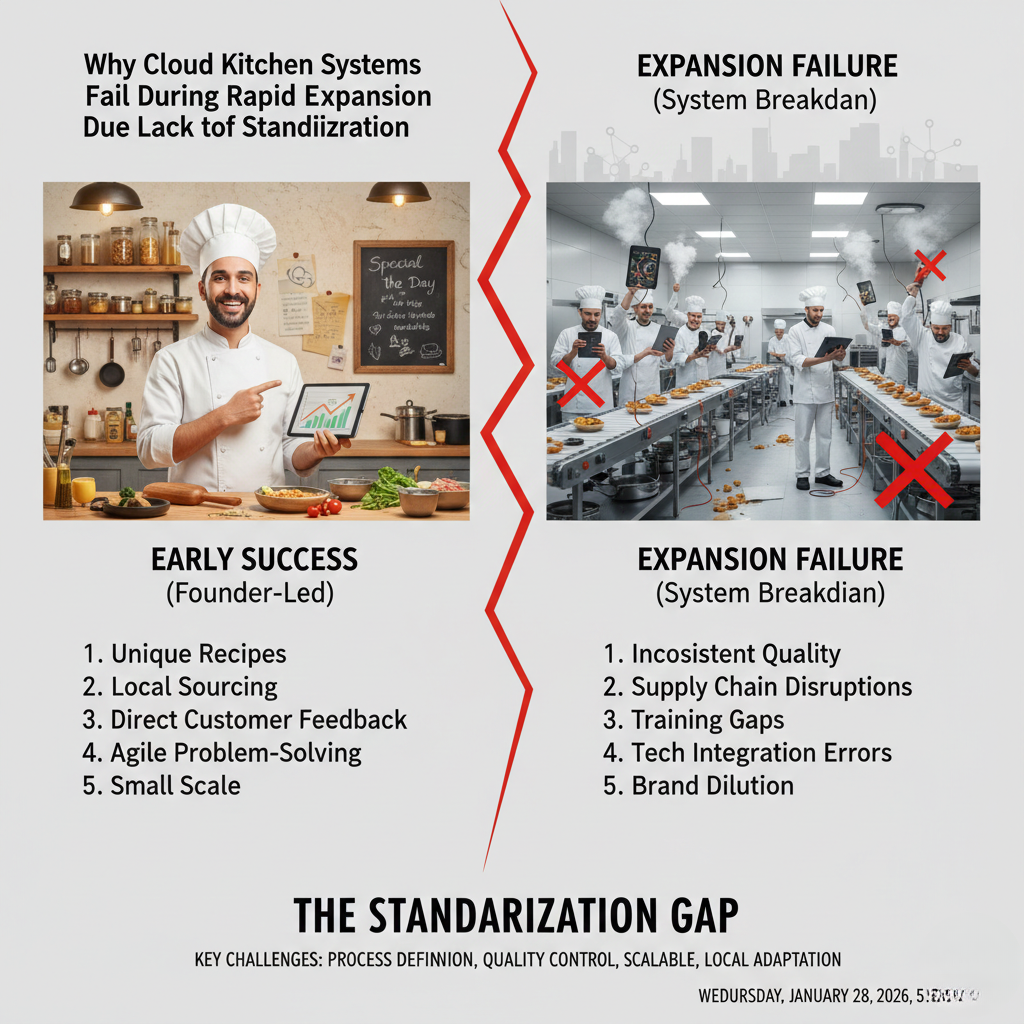
In reality, expansion without systems increases dependence on the founder.
What a System-Driven Cloud Kitchen Actually Means
A system-driven kitchen delivers consistent outcomes regardless of who is on shift.
This does not mean removing people. It means removing ambiguity.
System-driven kitchens rely on:
- Documented SOPs for every station
- Measured portions, not estimates
- Defined prep cycles and batch logic
- Clear dispatch and packing flows
- Regular KPI reviews
SOPs Are the Backbone of System-Driven Kitchens
Without SOPs, systems don’t exist. There is only memory and habit.
Effective SOPs cover:
- Prep quantities and timing
- Cooking sequence and heat control
- Packing order and labeling
- Dispatch handoff and escalation
Use this as your base reference: Cloud Kitchen Operations Framework. Facebook.
KPIs Replace Founder Intuition
Founder-driven kitchens rely on instinct. System-driven kitchens rely on data.
Key metrics include:
- Contribution margin per order
- Refund and remake rate
- Order delay percentage
- Rating variance by shift
- Inventory variance
Tracking these weekly removes the need for constant founder presence. Learn margin tracking here: Cloud Kitchen Profit Margin in India.
Why Systems Fix the “People Problem”
Founders often blame staff inconsistency. Systems reveal the real issue.
When expectations are clear and measurable:
- Training becomes faster
- Errors reduce naturally
- Accountability improves
- Performance becomes predictable
Systems don’t replace people. They enable average teams to perform consistently.
Why System-Driven Kitchens Scale Safely
Expansion fails when founders try to clone themselves.
System-driven kitchens scale by:
- Transferring SOPs, not habits
- Replicating menus, not improvisation
- Using KPIs instead of supervision
This difference explains why replication often fails: Why Replication Fails in Cloud Kitchen Expansion.
Final Thoughts: Let Systems Carry the Business
Founder-driven execution is heroic but unsustainable. System-driven execution is boring but scalable.
The most successful cloud kitchens in India are not run by exceptional founders every day, but by average teams guided by strong systems.
Build systems early. Let the business grow without consuming you.
FAQs: Founder-Driven vs System-Driven Cloud Kitchens
When should a founder step back from daily operations?
Once SOPs, KPIs, and menu systems deliver consistent results without intervention.
Do systems reduce food quality?
No. Systems protect quality by removing inconsistency and human error.
Can small kitchens become system-driven?
Yes. Systems matter more at small scale because margins are thinner.
Is system-building expensive?
No. Most systems are documentation and discipline, not capital investment.