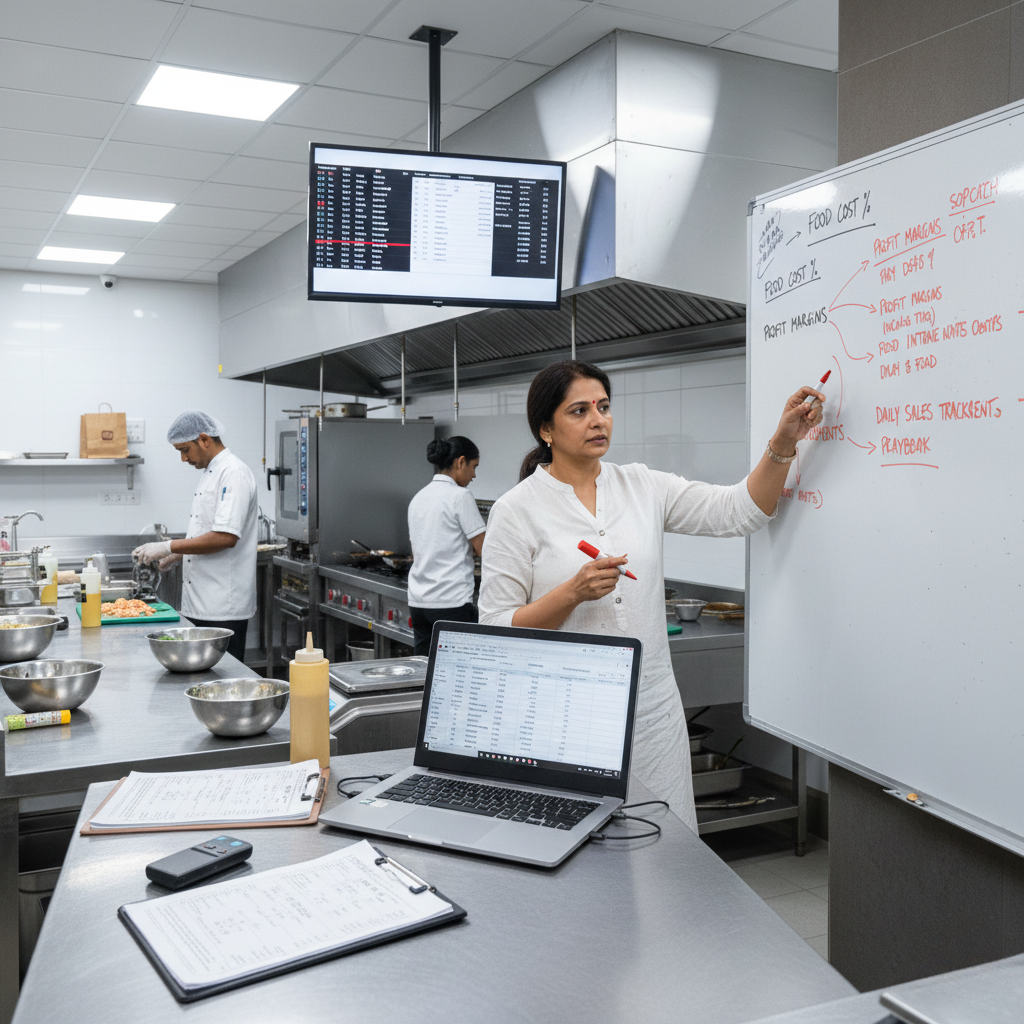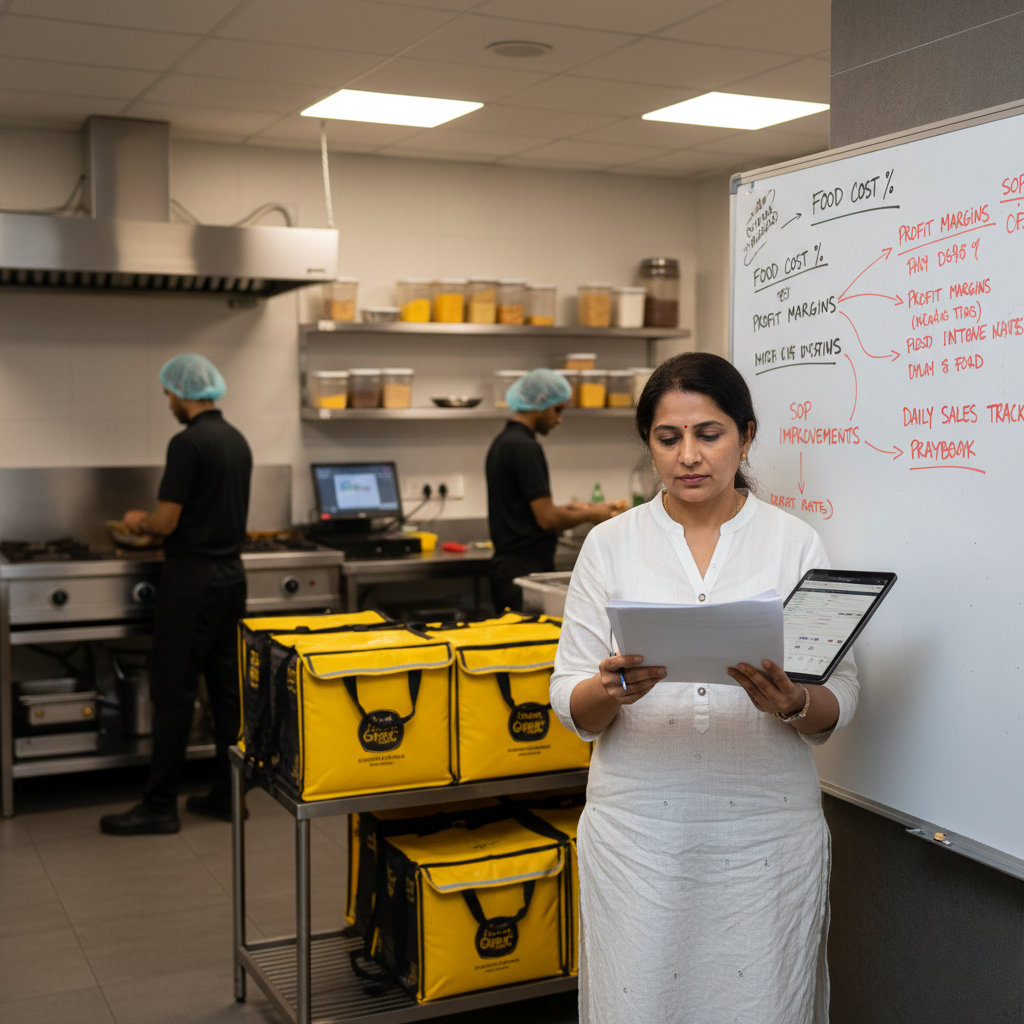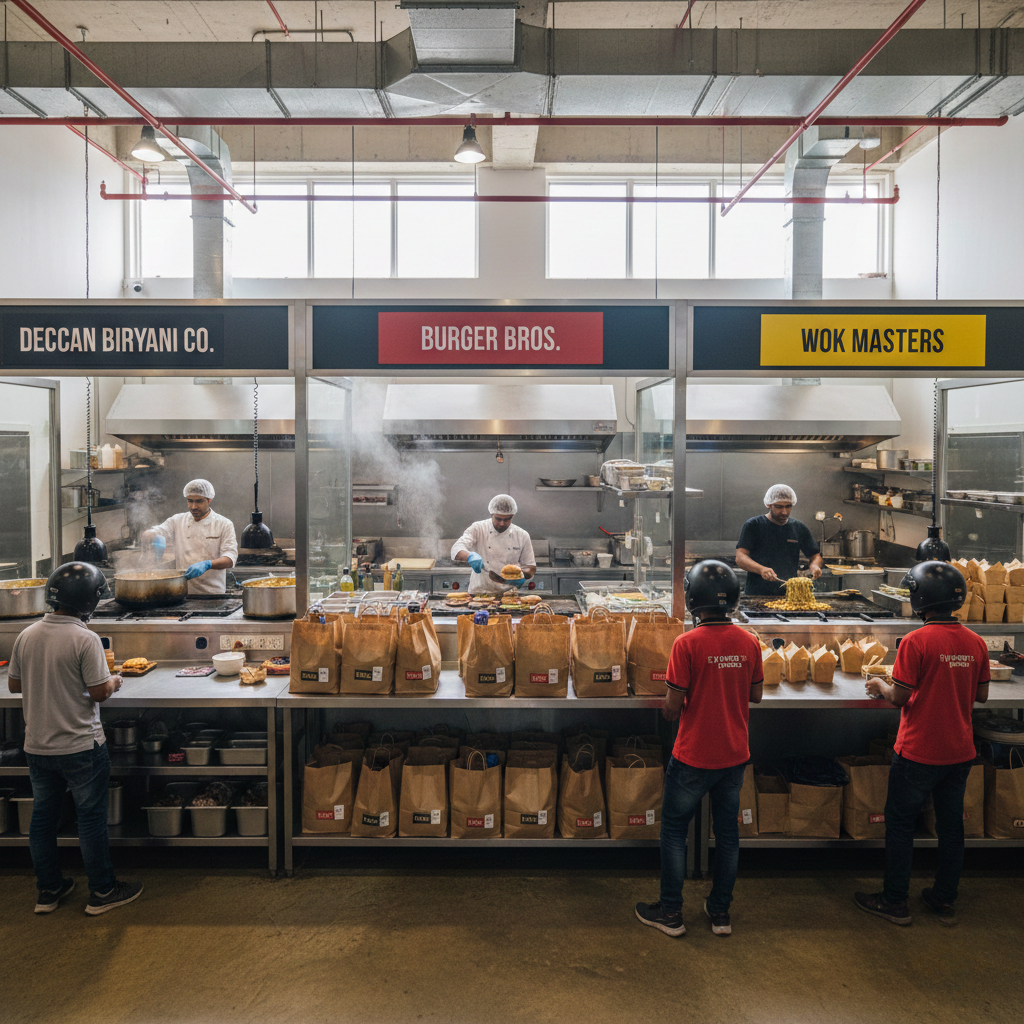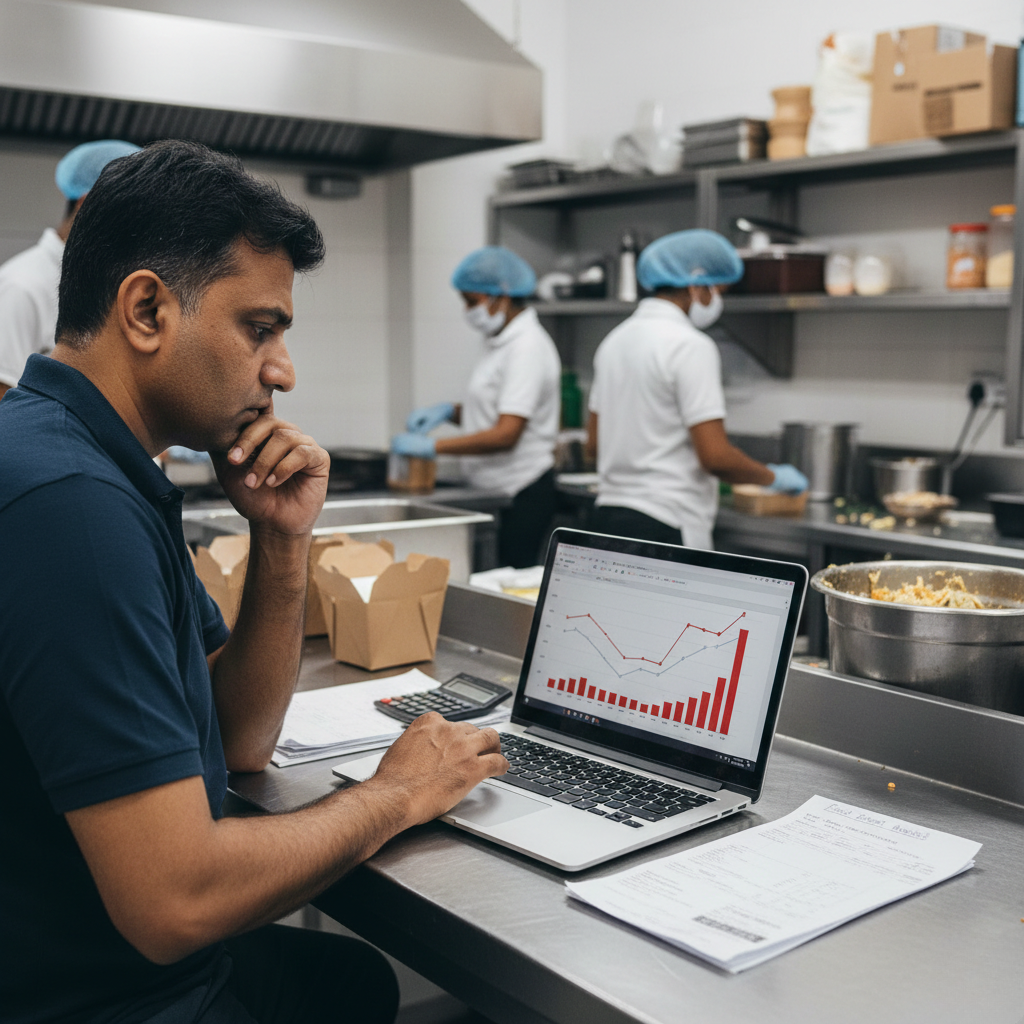
Launching a cloud kitchen is relatively easy. Scaling it profitably is not. Many cloud kitchens perform well at one location but struggle the moment they expand. Costs rise faster than revenue, quality drops, teams lose alignment, and founders feel overwhelmed.
This is why a structured cloud kitchen scaling framework in India is essential. In this guide, we break down how successful operators scale from 1 kitchen to 10+ kitchens while maintaining control over quality, margins, and operations.
Why Most Cloud Kitchens Fail While Scaling
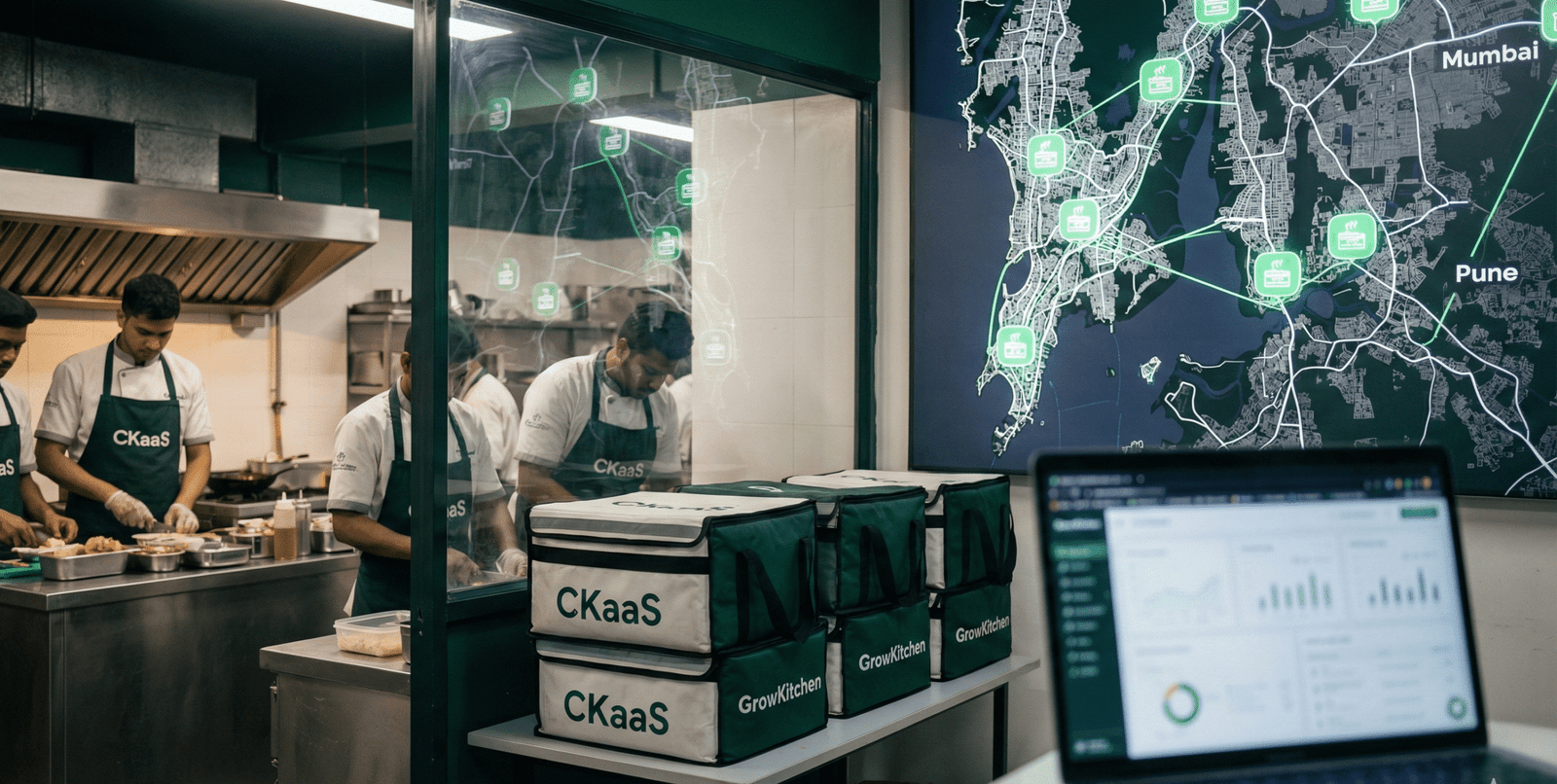
Scaling amplifies both strengths and weaknesses. If your first kitchen has weak unit economics or poor systems, expansion will multiply losses.
Common scaling mistakes include:
- Expanding before achieving stable profitability
- No standard operating procedures (SOPs)
- Inconsistent menus and food quality
- Poor cost and inventory control
Many of these issues are explained in why cloud kitchens fail in India.
The Core Principle of Scaling: Fix the Unit First
Before thinking about expansion, your first kitchen must be:
- Consistently profitable
- Operationally stable
- System-driven (not people-dependent)
If one kitchen cannot generate predictable profit, ten kitchens will not fix the problem.
Phase 1: Stabilize Your First Cloud Kitchen
Scaling begins long before the second kitchen opens.
Key metrics to lock before scaling:
- Food cost consistently below 30%
- Net profit margin of 12%+
- Stable daily order volume
- Repeat customer base
Margin benchmarks are explained in cloud kitchen profit margin in India.
Phase 2: Standardize Everything (The Real Scaling Engine)
Standardization is the backbone of multi-kitchen growth. Without it, every new location becomes a fresh experiment.
What must be standardized:
- Recipes with exact gram measurements
- Menu pricing and portion sizes
- Vendor list and raw material specs
- Kitchen workflows and prep cycles
- Quality control checklists
Strong SOPs reduce wastage and training time. Learn more in cloud kitchen operations management.
Phase 3: Choose the Right Scaling Model
Not all expansion models suit every brand. Successful cloud kitchens in India usually follow one of these:
1. Replication Model (Most Common)
Duplicate the same kitchen format across locations with identical menus and SOPs. This works best for single-brand kitchens with strong demand.
2. Multi-Brand per Kitchen Model
Launch multiple virtual brands from each new kitchen to improve revenue per location. Menu engineering is critical here. Read more in cloud kitchen menu engineering in India.
3. Hub-and-Spoke Model
A central kitchen handles prep while satellite kitchens handle finishing and dispatch. This improves quality control and reduces duplication.
Phase 4: Capital Planning for Multi-Kitchen Growth
Scaling without capital planning leads to cash-flow crises. Each new kitchen requires:
- Setup and equipment cost
- Security deposit and rent
- Staff hiring and training
- Working capital buffer
Investment planning is explained in cloud kitchen investment cost in India.
Never fund expansion using only short-term cash flow.
Phase 5: Centralize Control While Decentralizing Execution
To scale without losing control, decision-making must be centralized while day-to-day execution remains local.
Centralize:
- Menu and pricing decisions
- Vendor negotiations
- Marketing strategy
- Performance reporting
Decentralize:
- Kitchen-level execution
- Local staff management
- Daily order fulfillment
Phase 6: Technology & Data for Scalable Control
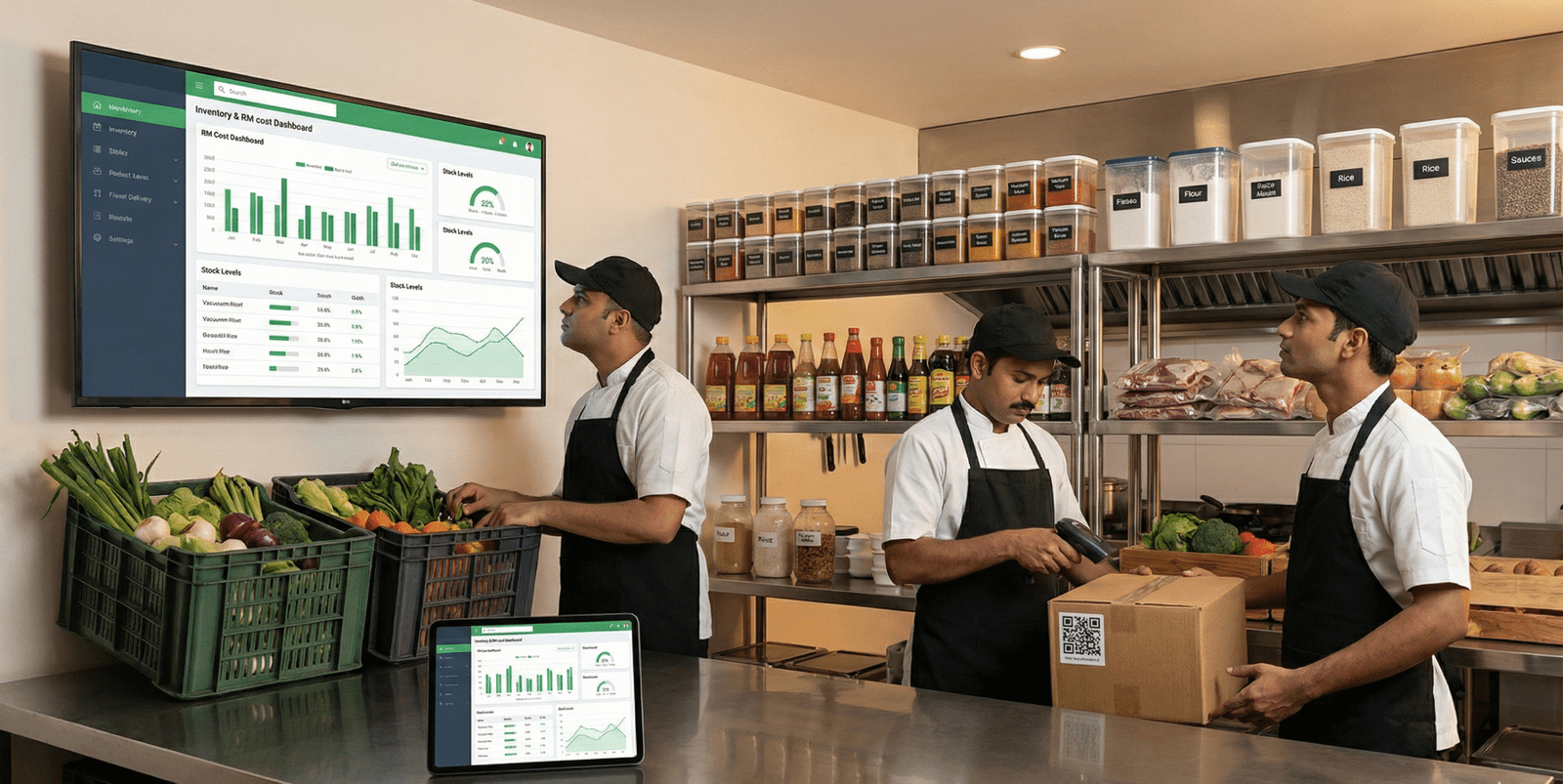
Manual tracking fails beyond 2–3 kitchens. Scalable cloud kitchens rely on:
- Central POS and inventory systems
- Real-time food cost tracking
- Location-wise profitability dashboards
Data allows founders to spot problems before they become expensive.
Phase 7: Marketing That Scales Without Burning Margins
Discount-driven growth does not scale. Instead, focus on:
- Strong brand positioning
- High-margin bestsellers
- Customer retention and repeat orders
According to Restaurant India , brands with consistent positioning scale more sustainably than discount-heavy operators.
When Should You Open the 2nd, 5th, or 10th Kitchen?
A practical expansion timeline:
- Kitchen 2–3: After 3–6 months of stable profits
- Kitchen 4–6: After SOPs and managers are in place
- Kitchen 7–10+: Only with centralized systems and capital buffer
Breakeven expectations should be realistic. Read more in cloud kitchen breakeven period in India.
Should You Take Expert Help While Scaling?
Scaling mistakes are expensive and hard to reverse. Professional guidance helps founders design systems before expansion.
Learn more in cloud kitchen consulting services in India.
Conclusion
Scaling a cloud kitchen in India is not about opening locations fast. It is about building systems that allow growth without losing control.
A strong foundation, disciplined cost control, standardized operations, and data-driven decisions are what separate scalable cloud kitchens from those that collapse under their own growth.
Frequently Asked Questions (FAQs)
How many kitchens should I open before scaling?
You should scale only after your first kitchen is consistently profitable and system-driven.
Is multi-brand better for scaling?
Yes, when menus are engineered correctly, multi-brand kitchens improve returns per location.
What is the biggest risk while scaling?
Expanding before fixing unit economics and SOPs.
Can cloud kitchens scale faster than restaurants?
Yes. Lower setup cost and standardized operations make cloud kitchens more scalable.
Do I need external funding to scale?
Not always, but capital planning and buffers are critical for multi-location growth.
People Also Read
- Scalable Cloud Kitchen Model in India
- Cloud Kitchen Profit Margin in India
- Cloud Kitchen ROI Calculation in India
- Cloud Kitchen Investment Cost in India
- Why Cloud Kitchens Fail in India