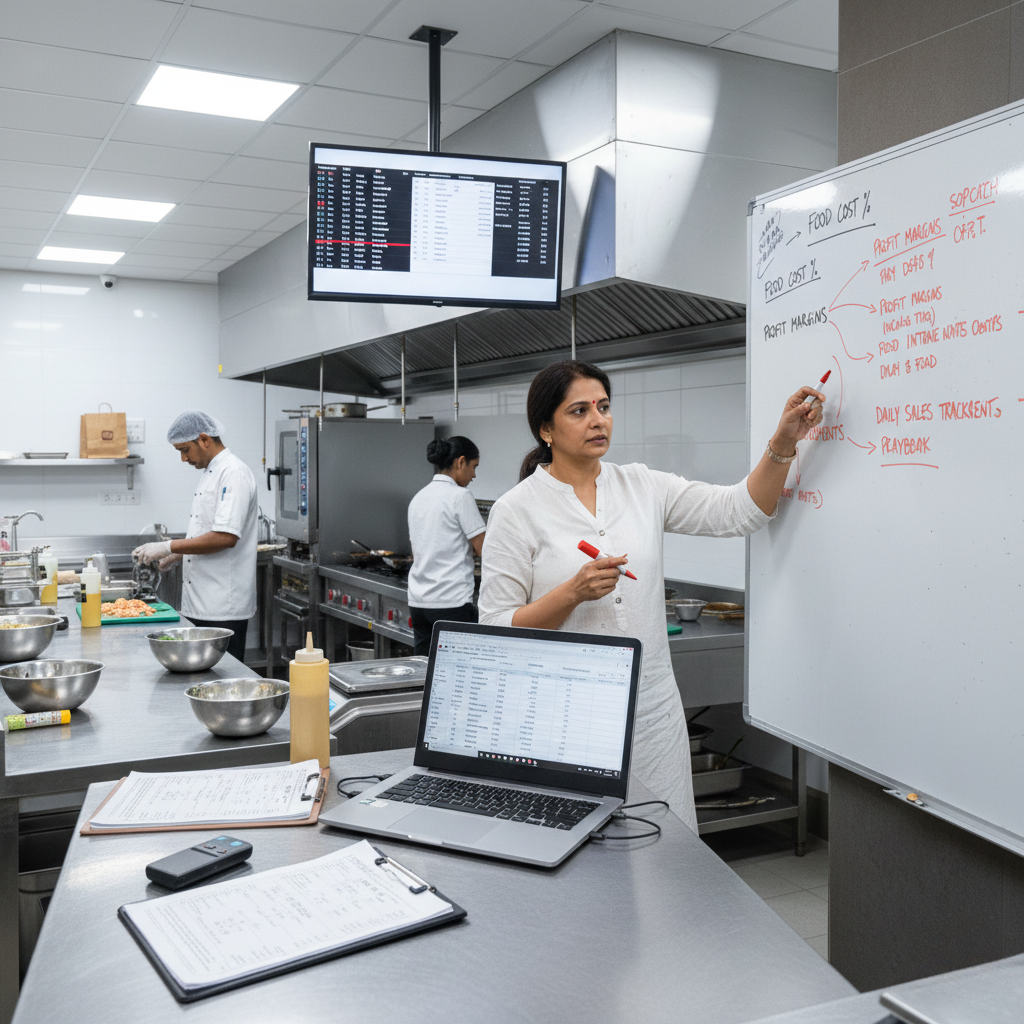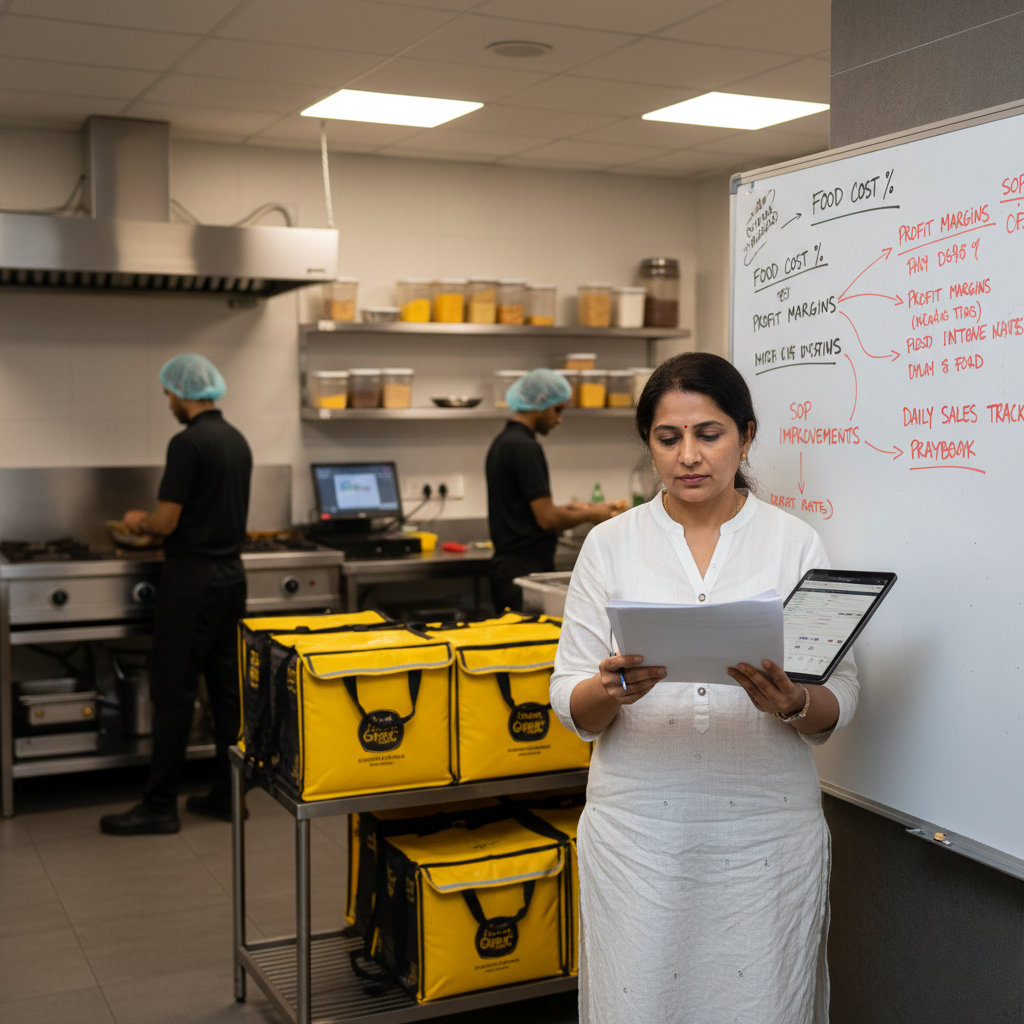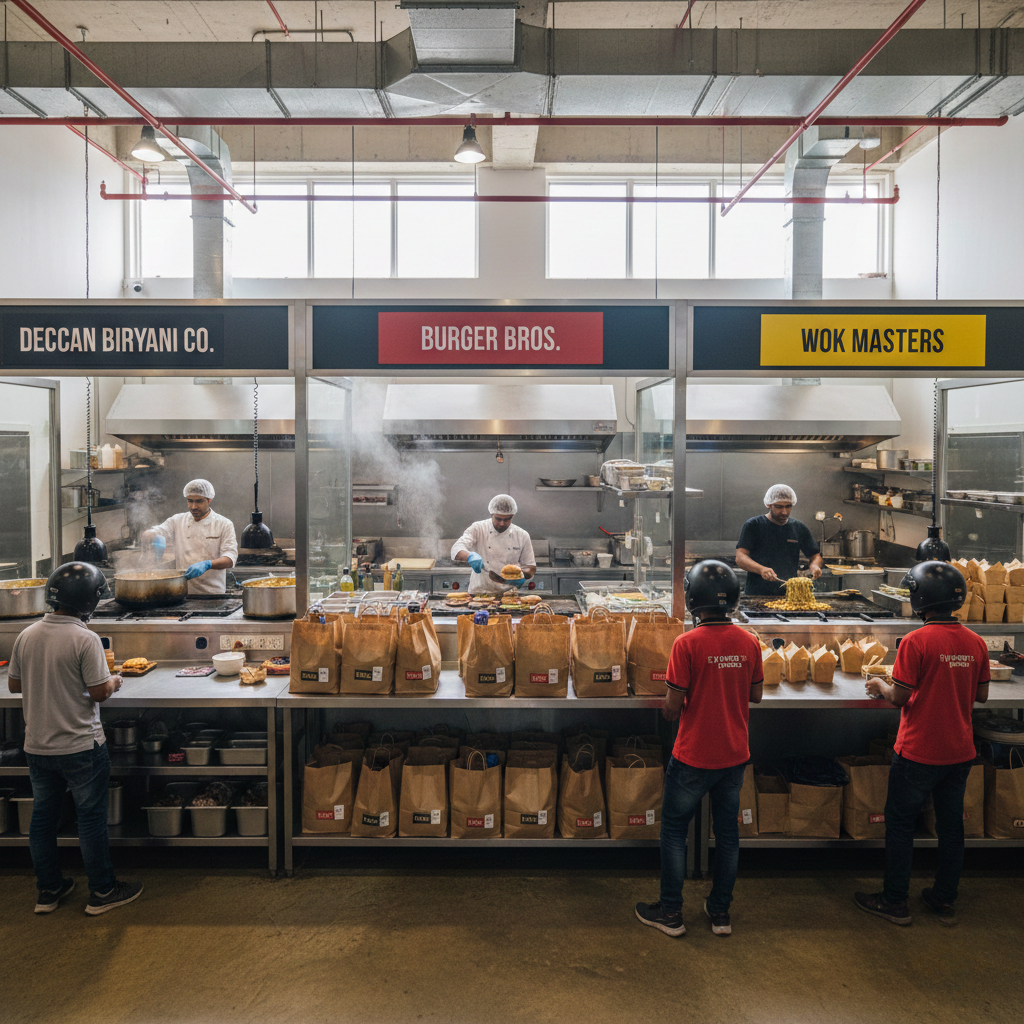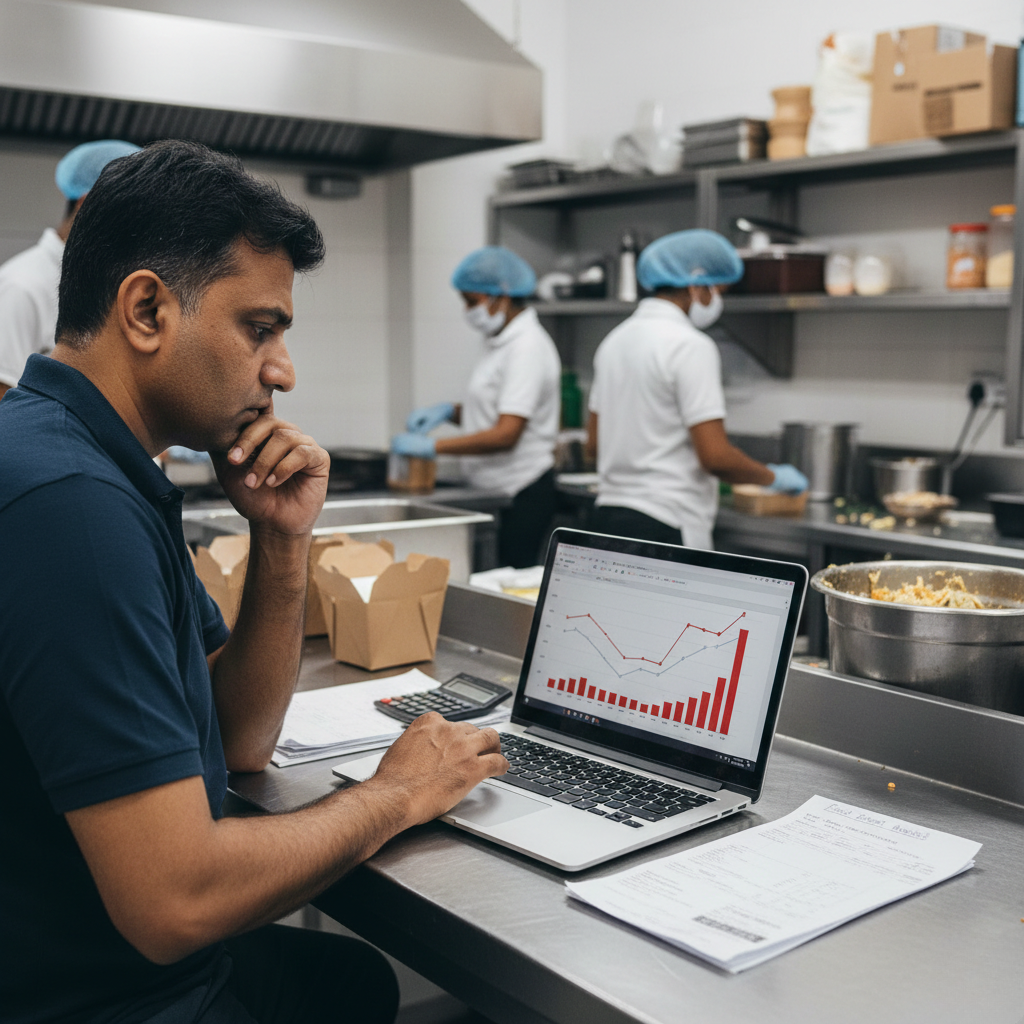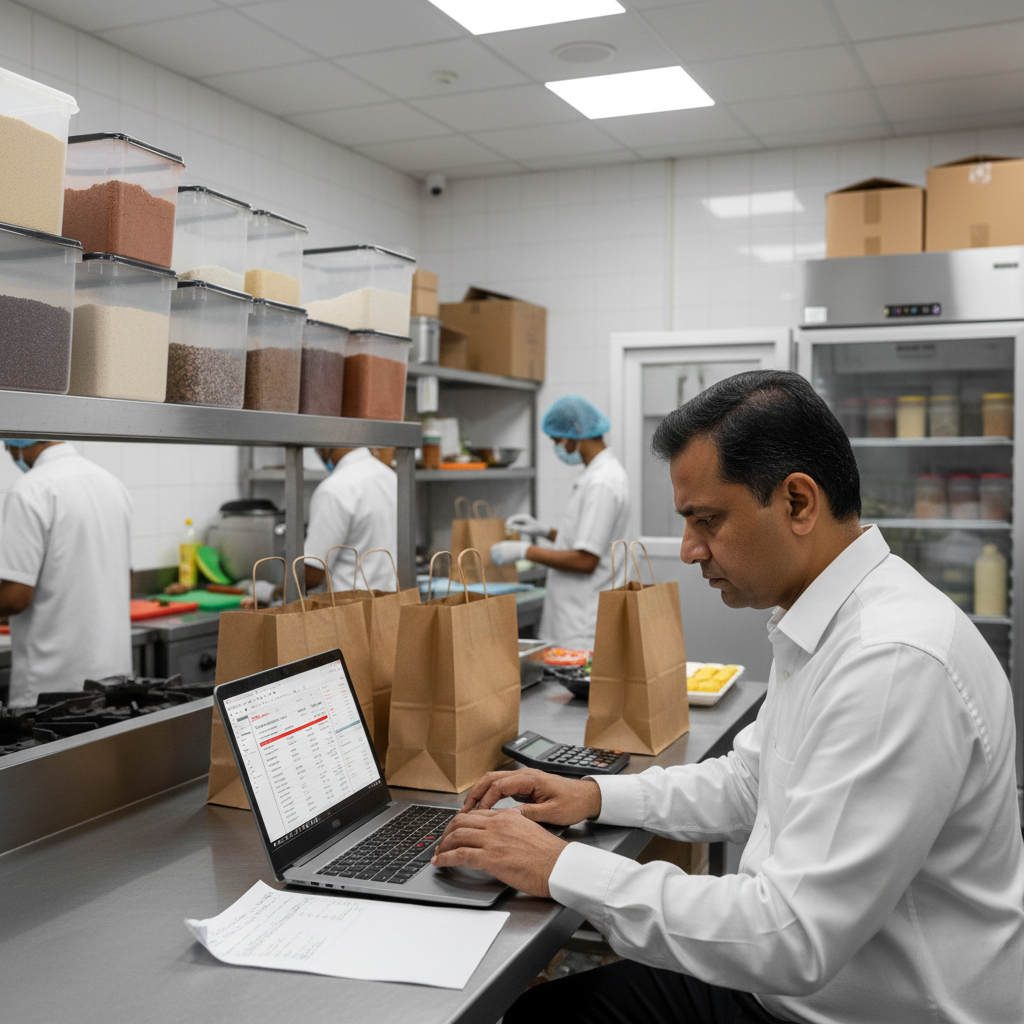
Cloud Kitchen Running but Not Profitable is one of the most common and dangerous stages in a cloud kitchen journey. Orders are coming in, staff is working daily, platforms show activity, yet money never seems to stay. Founders often feel busy but stuck. This guide explains why running kitchens fail to make profits, what silent leaks destroy margins, and how founders can reset operations before losses compound.
My Cloud Kitchen Is Running but Not Profitable: Understanding the Reality
Many cloud kitchen founders reach a stage where sales exist, ratings fluctuate, and daily operations seem stable, yet monthly profit remains negative. This situation is dangerous because it creates false confidence. Founders assume scale will fix profitability, but scale only amplifies existing operational leaks. To understand the business foundation, start with Cloud Kitchen Profitability Consultant in India and identify Common Operational Mistakes in Cloud Kitchens.
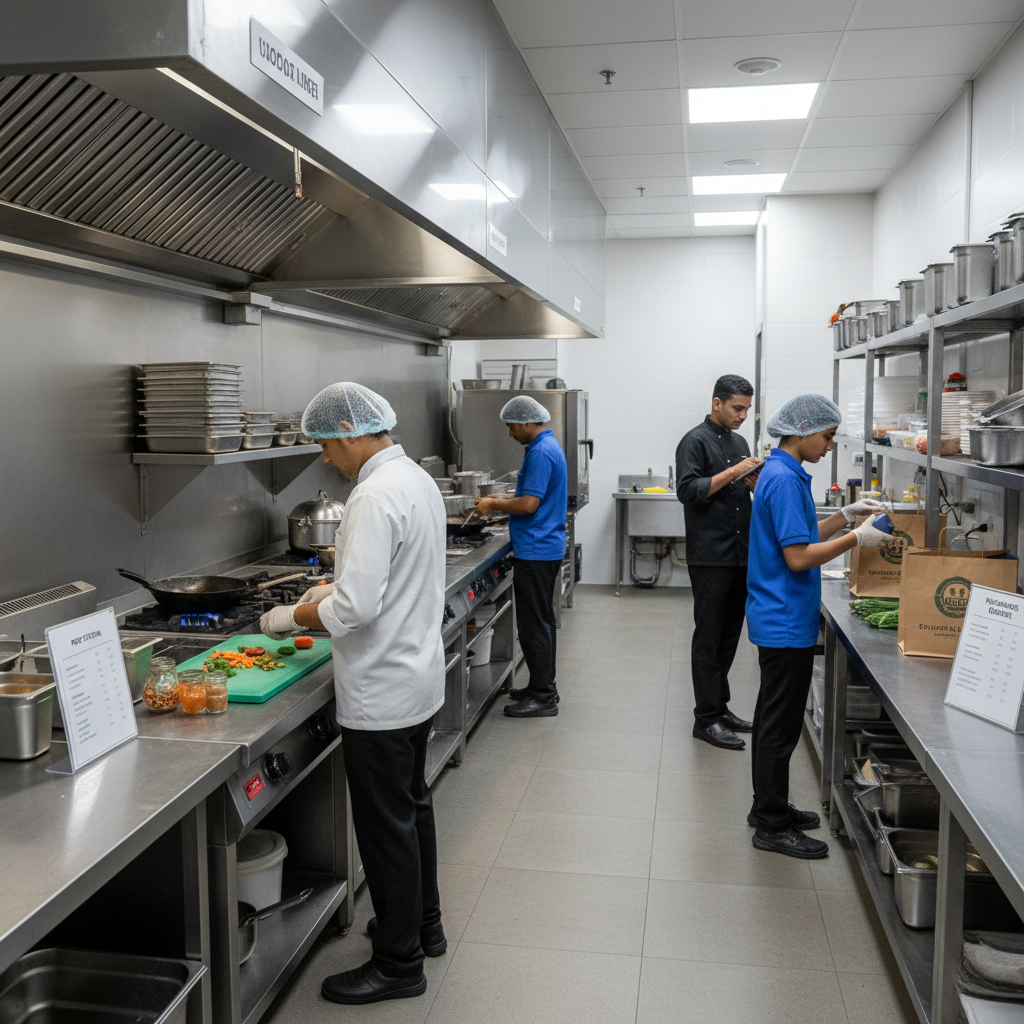
Why Running Cloud Kitchens Fail to Generate Profit
Profitability is not a sales problem. It is an operations problem. Kitchens often focus on increasing orders without fixing food cost, staff productivity, aggregator penalties, and execution discipline.
The Silent Cost Structure Killing Your Cloud Kitchen
Most founders track rent and staff salaries but ignore hidden variable costs. Food wastage, portion inconsistency, refund penalties, late dispatch fines, and promotional burn silently eat margins every day. This is why many kitchens feel busy yet never close a profitable month.
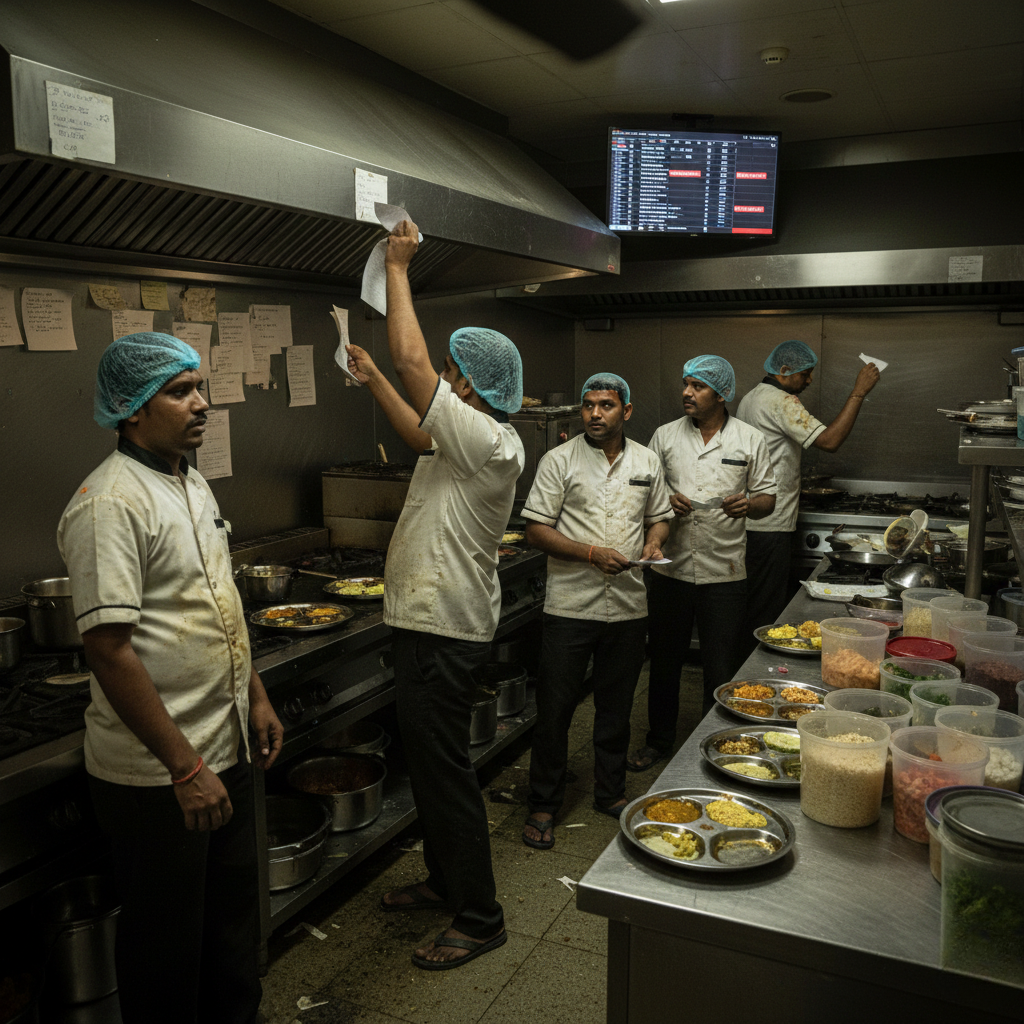
Food Cost Is the Biggest Profit Killer
Uncontrolled food cost is the number one reason why running kitchens bleed money. Without portion control and recipe discipline, each plate becomes unpredictable. Small over-portioning multiplied by hundreds of orders destroys margins silently. Learn how food cost is controlled through SOPs in How SOPs Reduce Food Cost & Complaints.
Why Staff Presence Does Not Mean Productivity
Many founders assume more staff equals better operations. In reality, unclear roles create idle time and chaos. Staff multitask during peaks, abandon prep, and compromise future service quality.
Understand structured execution through Role-Based Kitchen Operations Explained.
Aggregator Commissions and Penalties You Ignore
Swiggy and Zomato commissions are only part of the cost. Delays, cancellations, low acceptance rates, and customer complaints trigger penalties that reduce payouts.
Learn how platforms affect margins in Aggregator Commission Impact in India.
Poor Dispatch Is a Direct Profit Leak
Dispatch errors cause delays, wrong orders, refunds, and rating drops. These issues rarely show in daily sales but reflect clearly in weekly losses.
Fix this with structured systems from Cloud Kitchen Dispatch SOP.
Why Scaling a Loss-Making Kitchen Makes Things Worse
Many founders believe more orders will fix losses. This is a dangerous assumption. Scaling without systems multiplies mistakes, staff stress, customer complaints, and cash burn. Learn why growth hurts weak kitchens in When Growth Is Hurting Your Cloud Kitchen Operations.
What To Do When Your Cloud Kitchen Is Running but Not Profitable
The solution is not marketing. It is operational reset. Founders must pause expansion, audit food cost, redefine staff roles, document SOPs, and fix dispatch discipline. Profitability always follows operational control.
Final Takeaway: Running Is Not the Same as Winning
A cloud kitchen that runs without profit is on borrowed time. Sustainable kitchens fix execution first, then scale confidently.
Proven operational frameworks from GrowKitchen, partner brands like Fruut and GreenSalad help founders regain control and profitability.
FAQs: My Cloud Kitchen Is Running but Not Profitable
Is it normal for cloud kitchens to run without profit initially?
Yes, but prolonged losses indicate operational issues, not market problems.
Should I increase prices to become profitable?
Price hikes without fixing food cost and execution usually reduce order volume.
Can SOPs really improve profitability?
Yes. SOPs reduce wastage, errors, and staff dependency.
When should founders seek operations consulting?
When sales exist but profits do not, external operational diagnosis saves time and money.