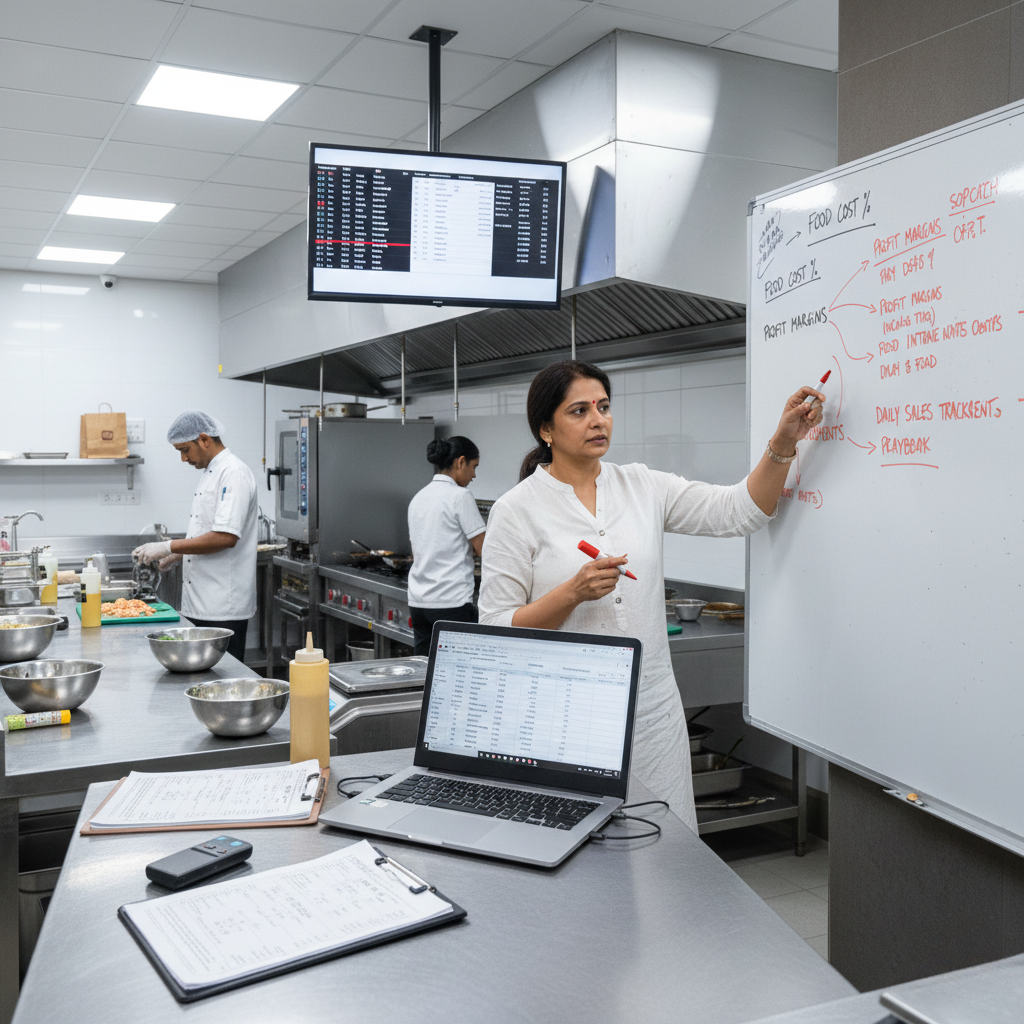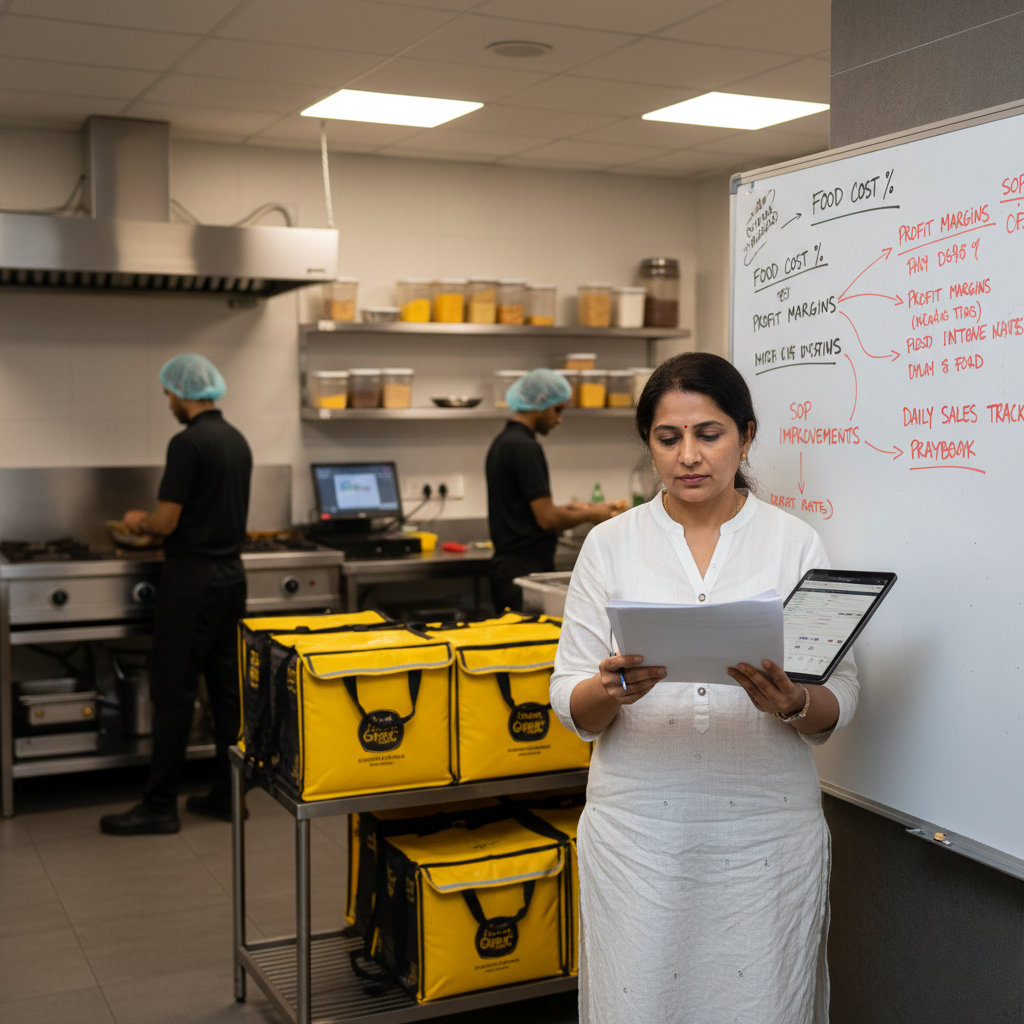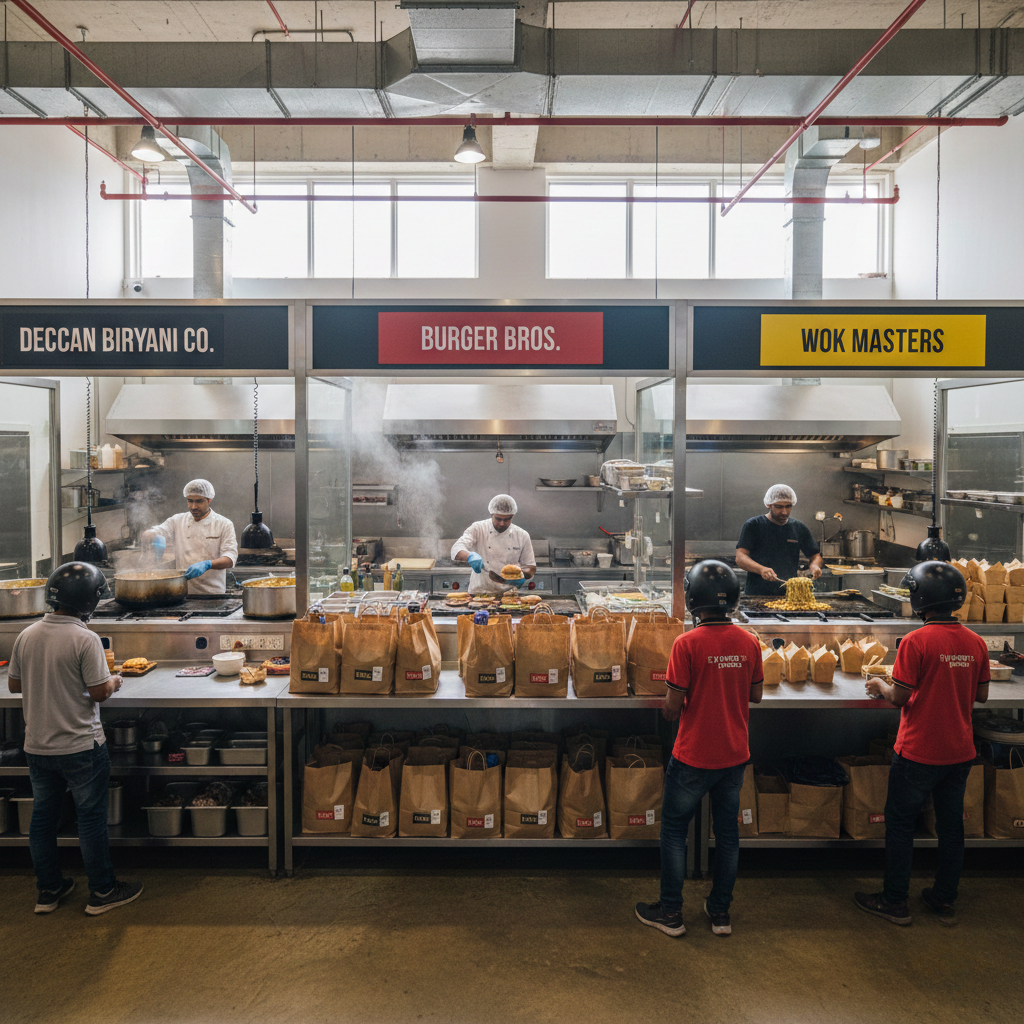

Cloud Kitchen Profitability Audit-Every cloud kitchen has growth potential, but not every kitchen converts effort into stable profitability. High daily order volumes, aggressive promotions, and expanding menus may create visible momentum, yet underlying financial inefficiencies often remain hidden. A data-driven profitability audit uncovers these gaps and provides clarity on where your margins are strengthening and where they are silently eroding.
Unlocking your cloud kitchen’s potential requires more than surface-level performance reviews. It demands structured financial visibility, operational alignment, and disciplined execution built on measurable data rather than assumptions.
Why a Profitability Audit Is Critical for Sustainable Growth
Many founders believe revenue growth automatically improves profit. However, as explained in Cloud Kitchen Profitability Data-Driven Approach and further discussed in why cloud kitchen profits decline despite good sales , scaling without margin discipline can intensify operational weaknesses.
A profitability audit evaluates the core drivers of financial performance, ensuring that expansion strengthens stability rather than amplifies inefficiency.
Evaluating Contribution Margin at the Core
Contribution margin represents the true earning power of each order. It measures how much revenue remains after covering all variable costs such as ingredients, packaging, aggregator commissions, discounts, and paid marketing.
Contribution Margin = Selling Price − Variable Costs
An audit reviews SKU-level performance to identify which menu items generate healthy contribution and which create revenue illusion without sustainable returns.
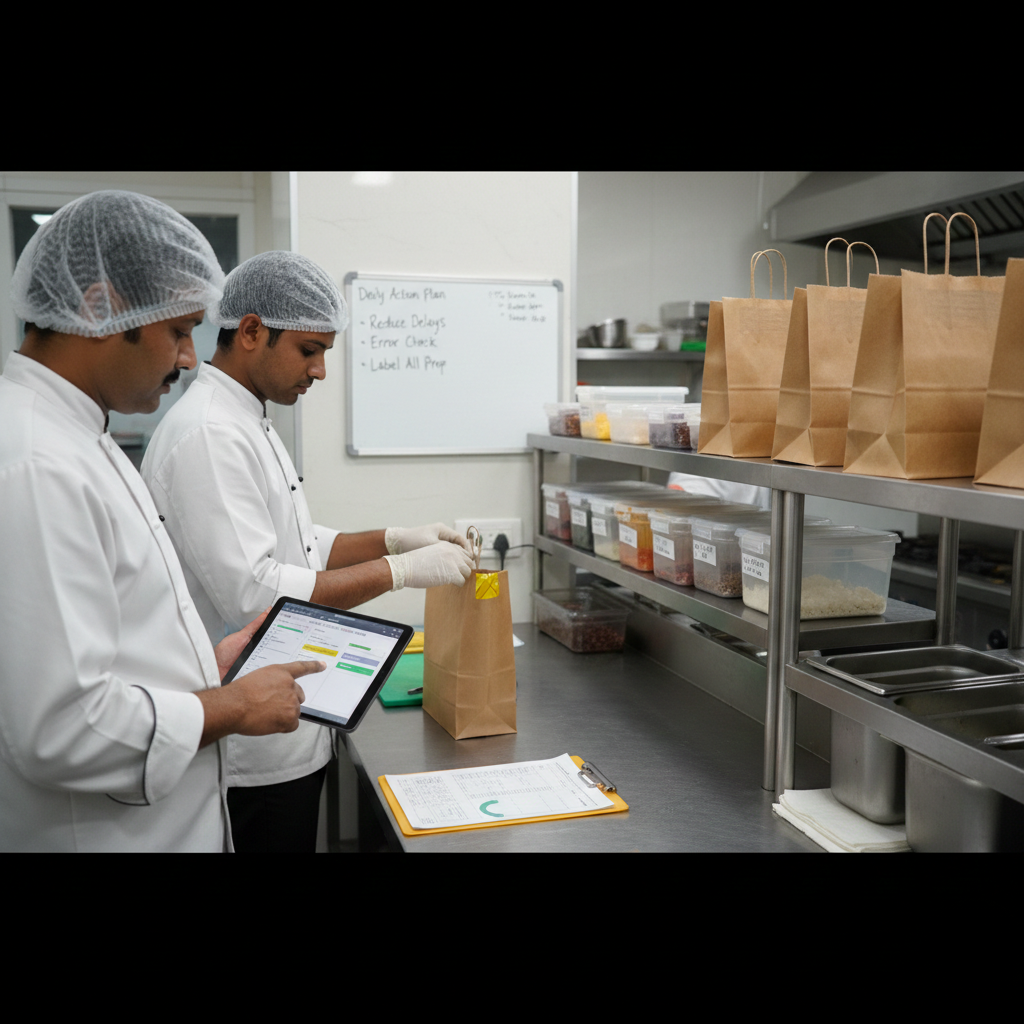
Understanding contribution trends allows strategic pricing adjustments, menu refinement, and controlled scaling decisions.
Analyzing Food Cost Stability and Portion Discipline
Food cost drift is one of the most common hidden profitability threats. Small inconsistencies in portion size, yield tracking, or procurement discipline gradually weaken margins over time.
Food Cost % = (Total Ingredient Cost / Total Sales) × 100
A data-driven audit examines recipe standardization, variance patterns, and waste levels to identify structural inefficiencies.

With accurate measurement, food cost management transitions from reactive correction to proactive control.
Assessing Labor Efficiency and Shift Productivity
Labor expenses significantly impact contribution stability. An audit evaluates staffing structure, shift alignment, and output per team member to ensure labor costs reflect actual demand patterns.
Labor Cost % = (Total Staff Cost / Total Revenue) × 100
When staffing aligns with order flow data, productivity improves and idle payroll decreases, strengthening overall financial performance.
Reviewing Discount Strategy and Promotion Impact
Discounting often boosts order volume but may compress margins if not aligned with contribution analysis. A profitability audit reviews discount-to-sales ratios and post-discount margins to determine whether promotional activity strengthens or weakens sustainability.
Operational red flags related to margin pressure are further discussed in Maximize Cloud Kitchen Profit Data-Driven .
Data-driven clarity transforms discounting from an emotional growth tactic into a structured profitability tool.
Inventory Visibility and Capital Efficiency
Inventory inefficiencies can lock working capital and inflate food cost. An audit evaluates stock turnover, purchasing patterns, and spoilage trends to ensure procurement aligns with demand forecasting.
Structured inventory visibility protects both cash flow and cost stability.
Building a Unified Profitability Dashboard After the Audit
A profitability audit does not end with analysis. It establishes the foundation for a structured dashboard that provides daily visibility into contribution, food cost movement, labor alignment, discount impact, and inventory performance.
This unified clarity system enables founders to monitor financial health consistently and intervene early when metrics shift.
From Hidden Gaps to Measurable Improvement
Unlocking potential requires confronting inefficiencies with measurable data. An audit replaces uncertainty with visibility and guesswork with structured control.
When insights are integrated into daily operations, financial performance becomes predictable rather than volatile.
Long-Term Profitability Through Structured Clarity
A data-driven profitability audit aligns menu engineering, cost control, staffing efficiency, and procurement discipline into a cohesive system. This alignment ensures growth reinforces stability rather than creating financial stress.
Cloud kitchens that embrace structured visibility gain confidence in scaling and resilience during market fluctuations.
Final Thoughts on Unlocking Your Cloud Kitchen’s Potential
Profitability is not limited by effort. It is limited by visibility. A data-driven profitability audit provides the clarity required to convert revenue momentum into sustainable financial success.
When contribution, food cost, labor efficiency, discount strategy, and inventory control operate within a structured framework, long-term stability becomes achievable and scalable.
Frequently Asked Questions
What is a cloud kitchen profitability audit?
A profitability audit is a structured review of contribution margins, food cost percentage, labor efficiency, discount impact, and inventory performance to identify margin leakage and operational inefficiencies.
How often should a profitability audit be conducted?
An initial comprehensive audit establishes baseline clarity. Follow-up reviews are recommended periodically, especially during scaling phases or when profitability fluctuations occur.
Will an audit disrupt daily operations?
No. A structured audit integrates with existing operations and focuses on data review and system alignment without interrupting service continuity.
What outcomes can be expected after a profitability audit?
Improved financial visibility, stabilized food cost, optimized labor structure, disciplined discount strategy, and clearer growth direction are typical outcomes.
Still Have Questions?
For operational and profitability guidance, read the Grow Kitchen FAQs .
You may also explore:
- Increase Cloud Kitchen Profitability
- Scaling Your Cloud Kitchen for Profit
- Top Data Points for Cloud Kitchen Profitability
- Use Data to Reduce Wastage in Cloud Kitchens
- Best Tools for Cloud Kitchens to Track Profitability