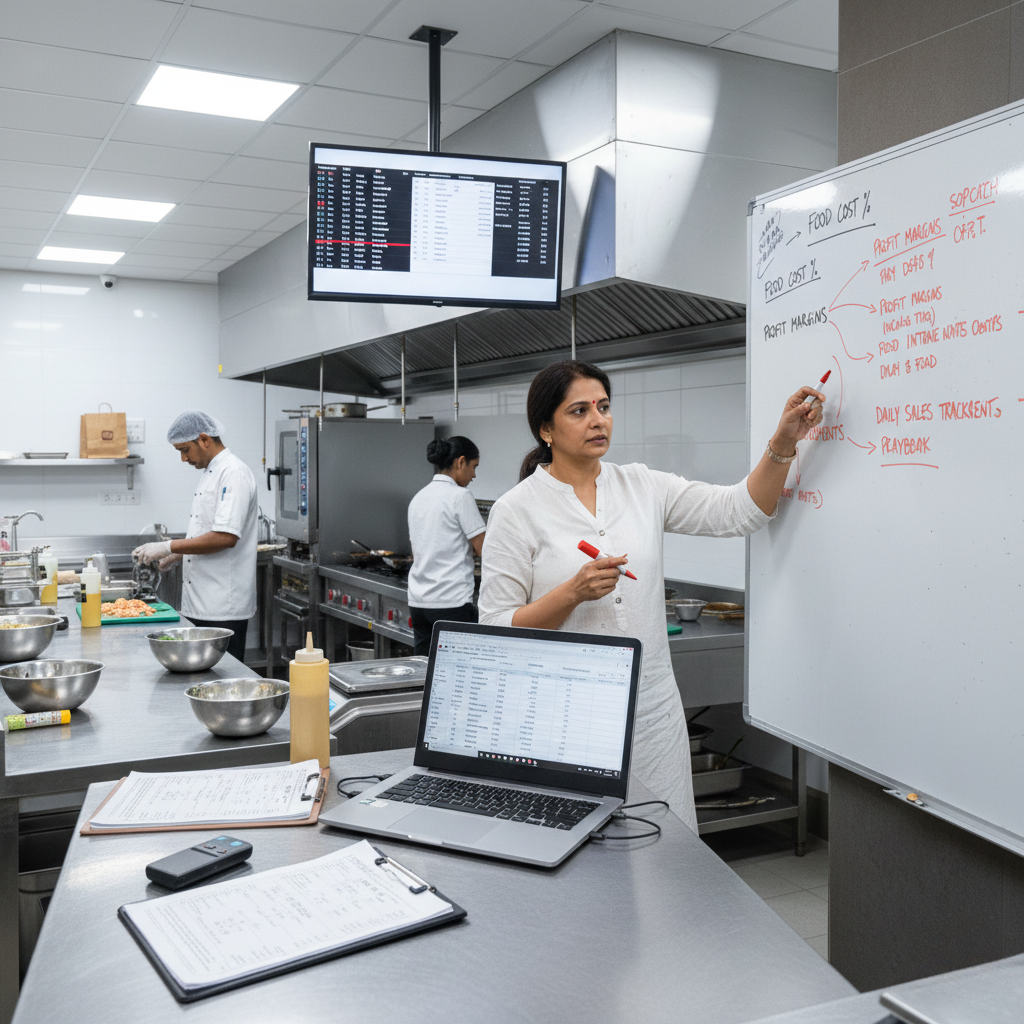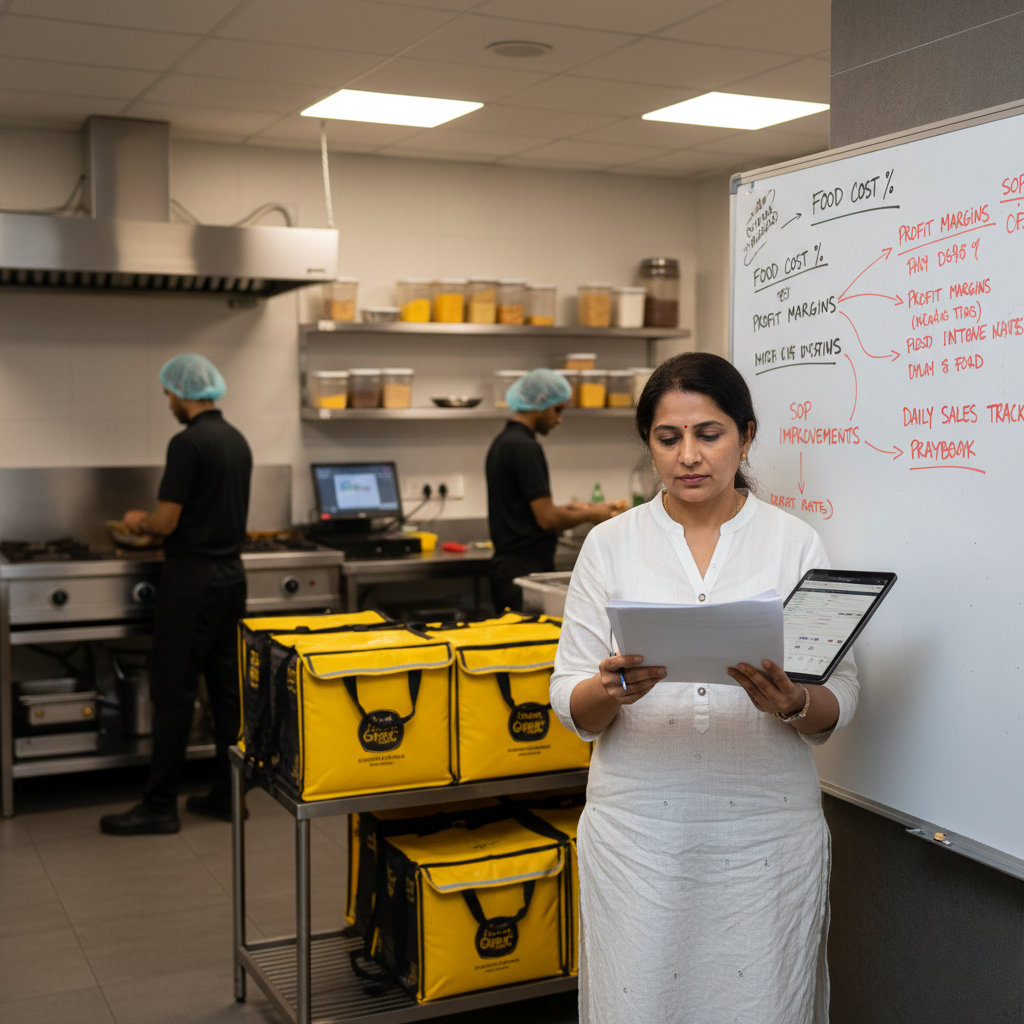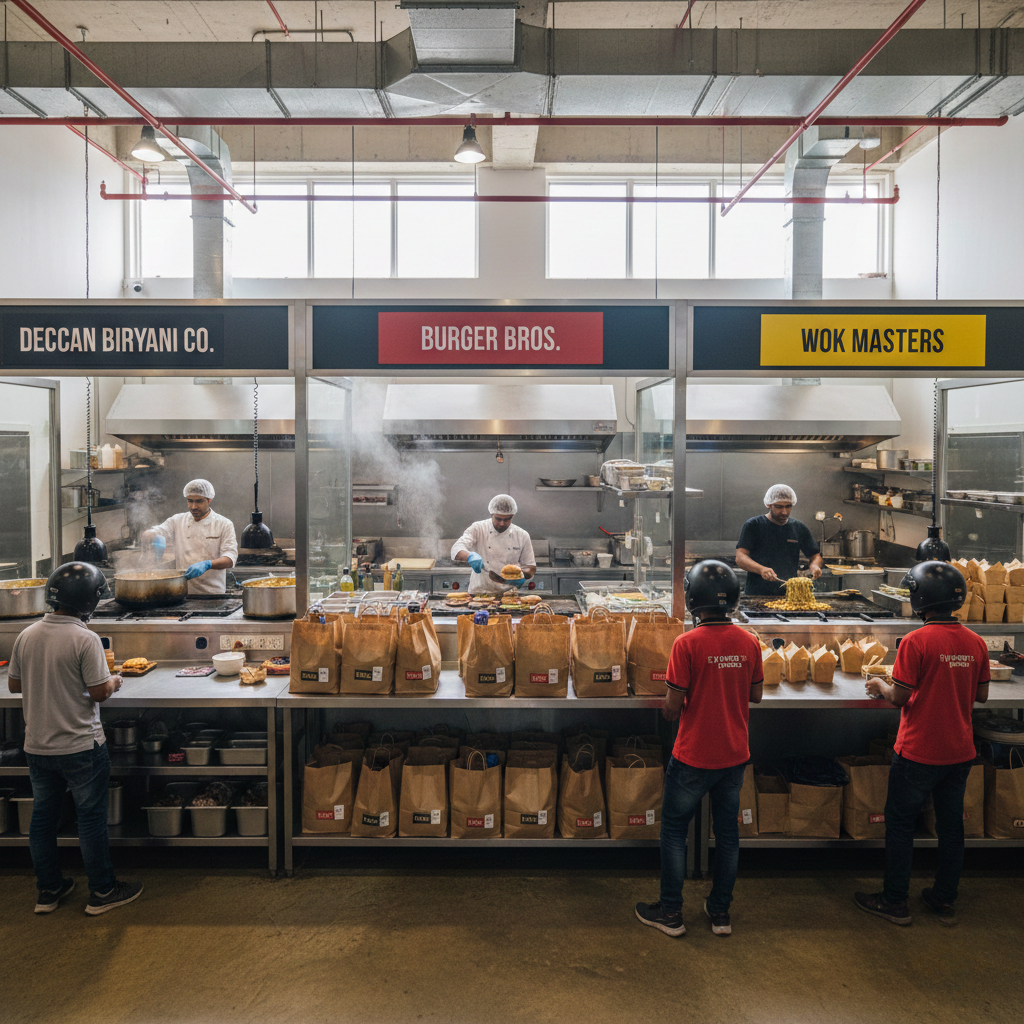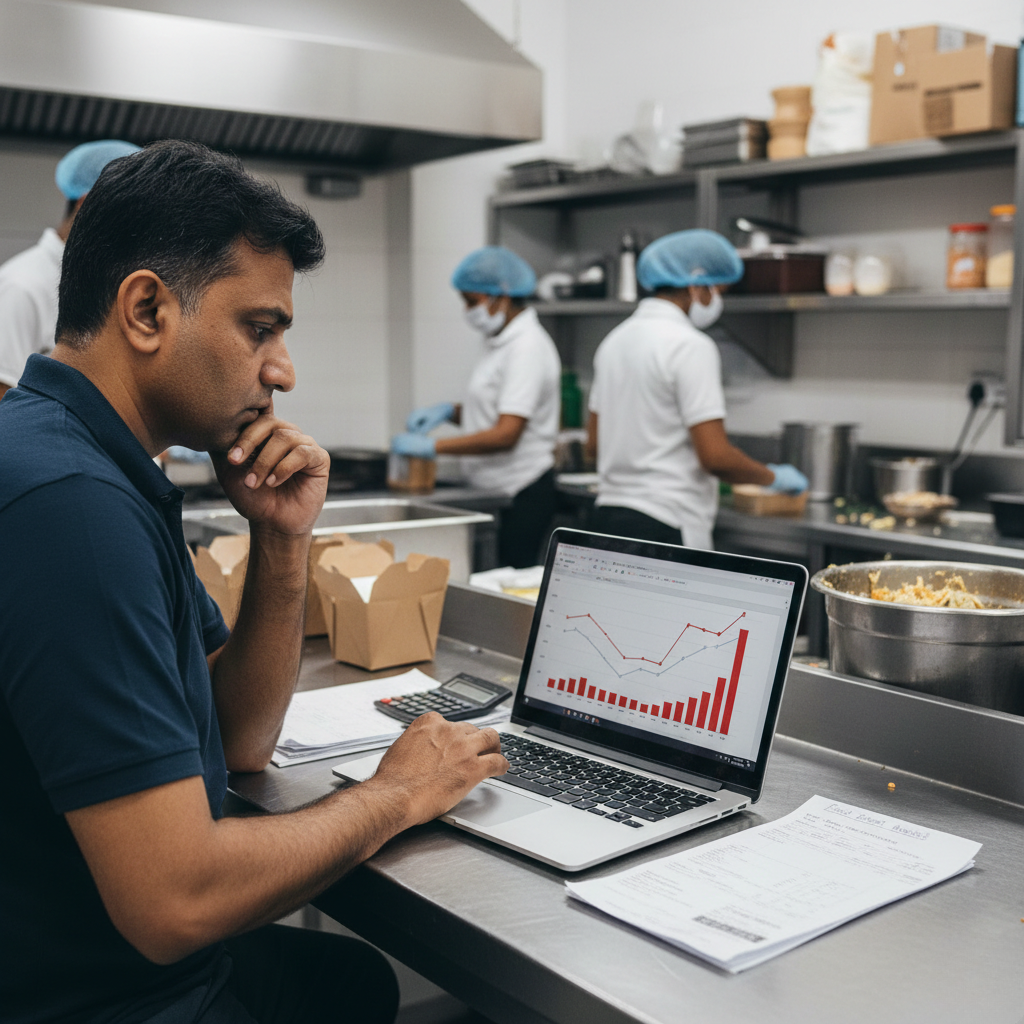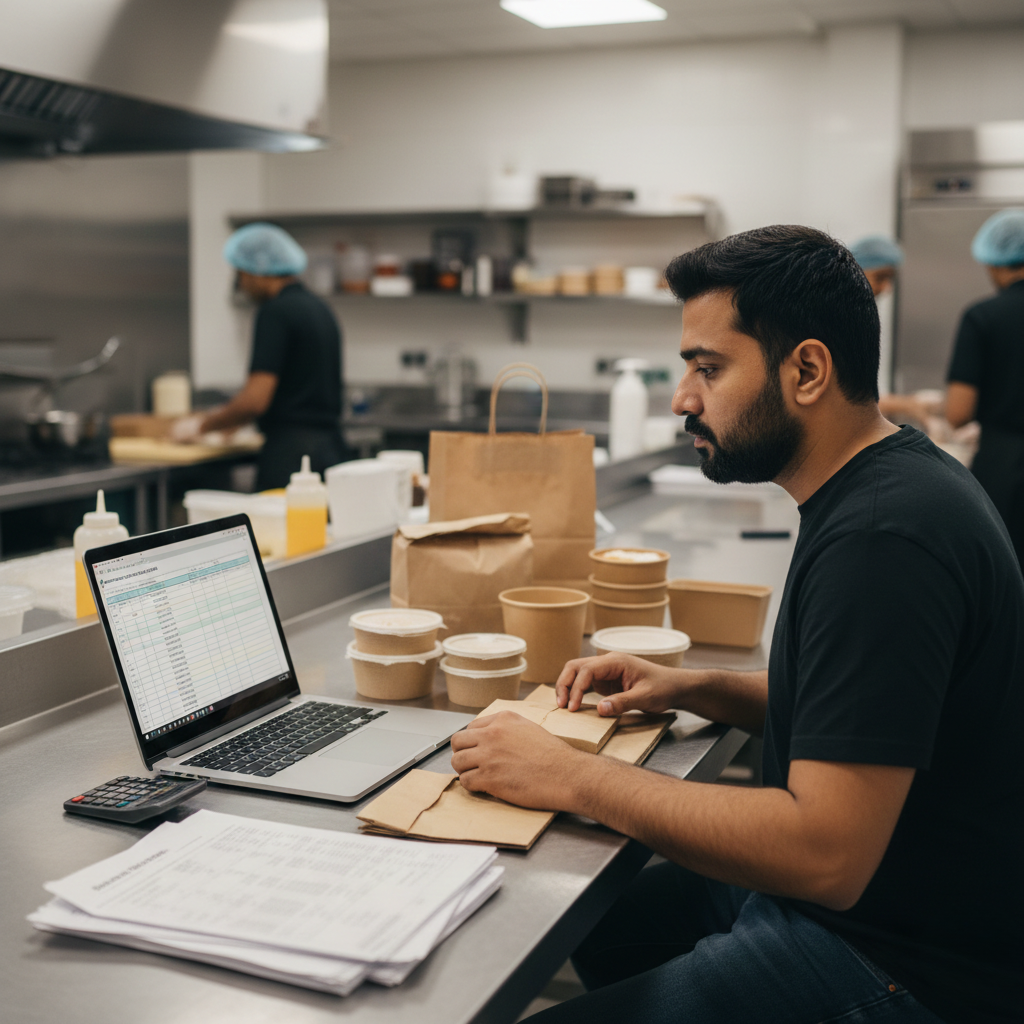
Cloud Kitchen Packaging Cost Optimization Case Study-This case study documents how a multi-brand cloud kitchen reduced excessive packaging costs using CKaaS (Cloud Kitchen as a Service) systems. Despite steady order volume and acceptable ratings, margins were shrinking due to uncontrolled packaging spend-an issue many founders face without realising its cumulative impact, as discussed in Why My Cloud Kitchen Profits Are Declining.
Over a sixty-day period, the kitchen reduced packaging costs by more than twenty percent without compromising food safety, presentation, or customer satisfaction. No menu changes were made, no premium containers were removed, and no customer-facing changes were introduced. The improvement came entirely from operational discipline and system-led standardisation, similar to approaches used when Fixing Cloud Kitchen Delays, Refunds, and Complaints.
Case Background
The kitchen operated three delivery-only brands from a single facility, processing between one hundred eighty and two hundred thirty orders per day. Swiggy and Zomato together accounted for the majority of sales. Customer ratings remained stable between 4.1 and 4.4.
Packaging cost as a percentage of revenue had steadily increased over time. Multiple container types, inconsistent packing decisions, and overuse of secondary packaging created a silent but significant margin drain. This pattern is commonly observed in kitchens that scale order volume before stabilising internal systems, as explained in How to Stabilise Profits Before Scaling.
There were no major customer complaints related to packaging quality, indicating that the issue was not under-packaging but over-packaging. These symptoms strongly pointed toward weak SOP adherence, similar to issues outlined in Cloud Kitchen Without SOPs vs After SOP Implementation.
The Core Problem
The founder initially believed higher packaging cost was unavoidable due to customer expectations and platform standards. Attempts to downgrade containers were avoided due to fear of negative reviews.
A deeper operational review revealed that the real issue was not container pricing, but inconsistency in container usage, over-layering, and lack of clarity on what level of packaging was actually required. This shift in thinking mirrors what many founders experience when growth starts damaging operations, as described in When Growth Is Hurting Your Cloud Kitchen Operations.
Intervention: Packaging Cost Audit
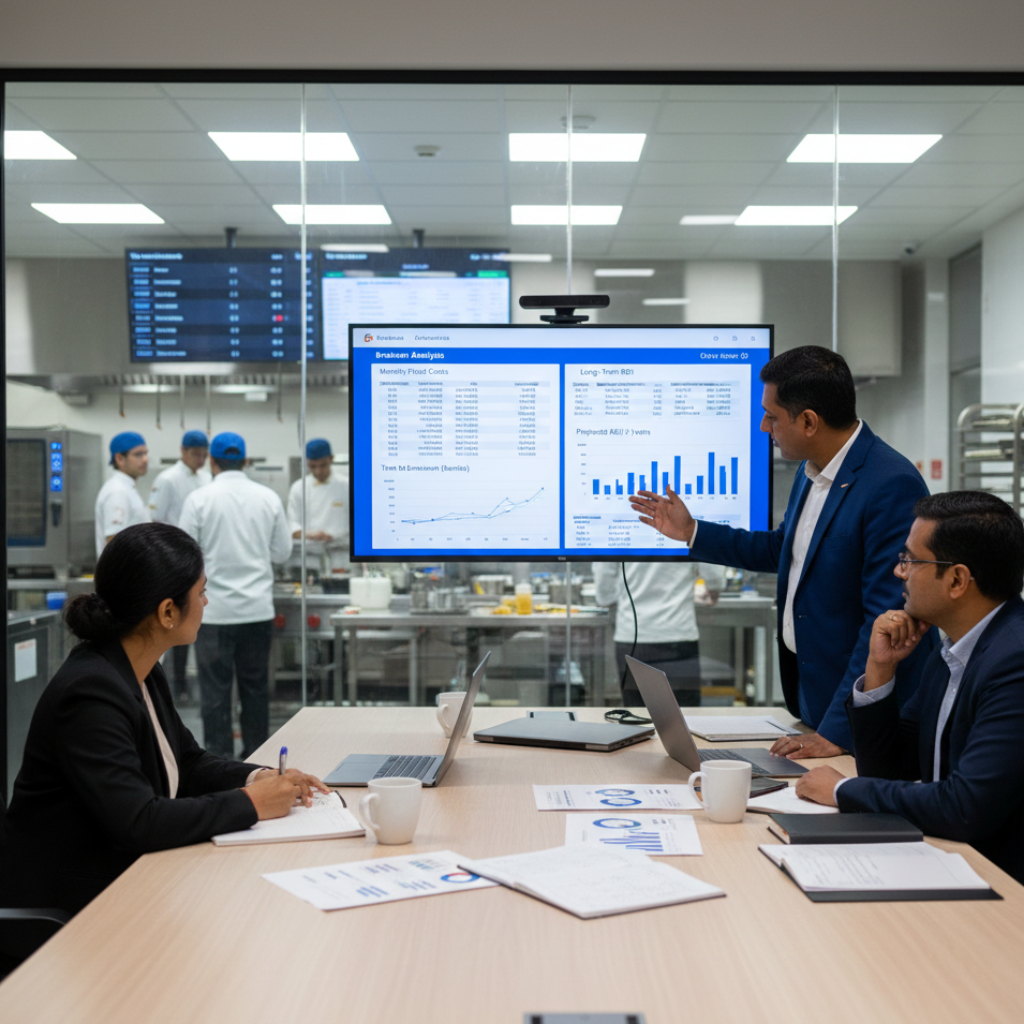
CKaaS began with a detailed audit of thirty days of packaging usage. Each order was analysed to identify container combinations, layering patterns, and unnecessary redundancy.
Instead of focusing only on procurement rates, the audit mapped actual packaging consumption against menu categories. This diagnostic approach followed the same methodology used when analysing contribution margins in cloud kitchens.
The audit revealed that over sixty percent of excess packaging cost came from avoidable overuse-extra lids, double bags, incorrect container sizes, and inconsistent brand-wise practices.
Intervention: Identifying Packaging Breakdown Points
A full packing workflow was mapped from plating to rider handoff. Observations across multiple shifts revealed wide variation in how different staff members packed the same items.
Container selection depended on individual judgment, secondary packaging was added “just to be safe,” and no one was accountable for packaging decisions. These patterns are typical of founder-dependent kitchens before systems are introduced, as explained in Founder-Dependent Kitchen Converted Into System-Driven Operations.
Intervention: CKaaS Packaging SOP Systems
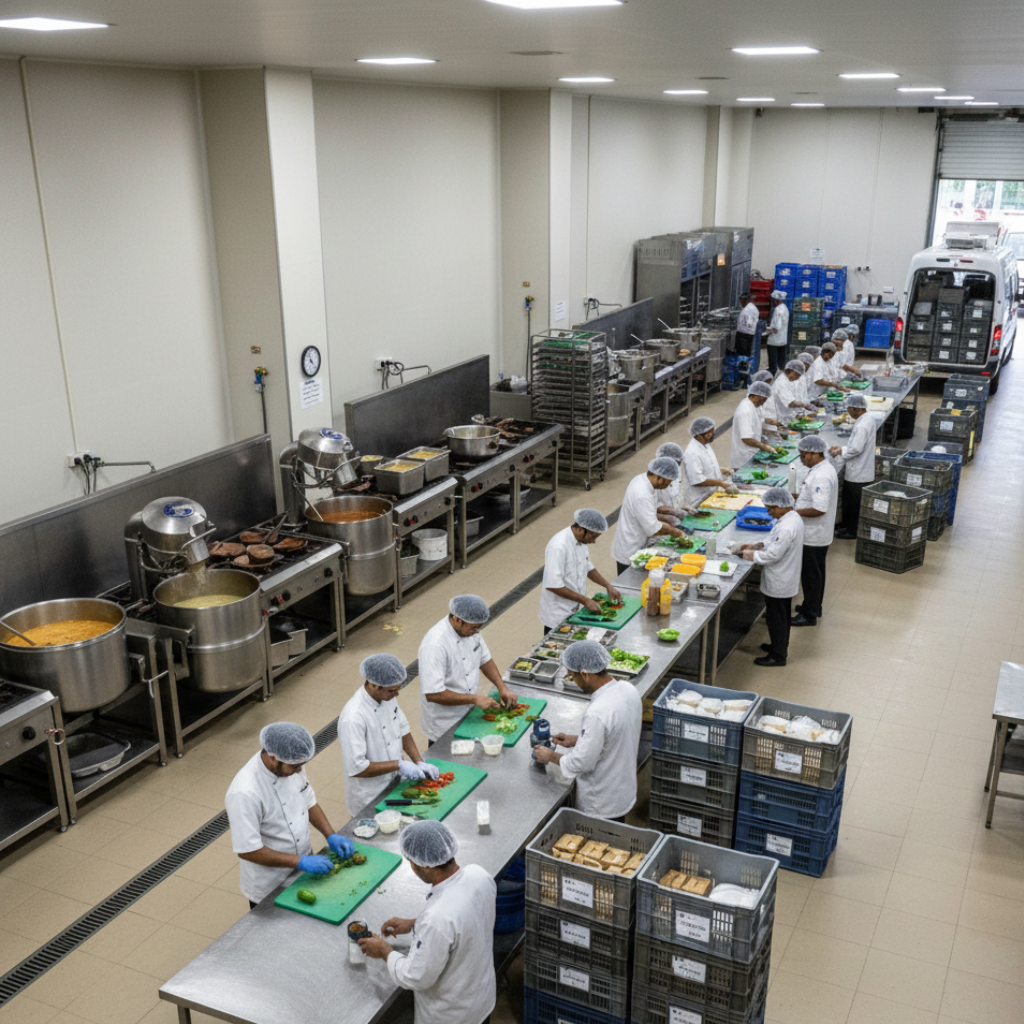
CKaaS introduced brand-wise and item-wise packaging SOPs defining exact container types, sizes, layering rules, and sealing standards. Each menu category had a clear packaging blueprint.
Visual SOPs were placed at packing stations to remove guesswork. These controls reinforced principles discussed in How SOPs Improve Cloud Kitchen Profitability.
Redundant secondary packaging was eliminated, and container usage was standardised without affecting leak prevention or temperature control.
Importantly, these changes were implemented without altering customer-facing packaging quality or delivery platform requirements.
Intervention: Shift-Level Packaging Discipline

Daily shift briefings included a short review of one packaging deviation from the previous day. This followed discipline frameworks outlined in Daily Shift Planning for Cloud Kitchens.
Over time, staff developed a clear understanding of how small packaging decisions compounded into large cost leaks, improving compliance naturally.
Outcome and Results
Within sixty days, packaging cost per order reduced by twenty-two percent. Container consumption stabilised, procurement planning improved, and packing speed increased due to reduced complexity.
Customer ratings remained unchanged, and leakage-related complaints reduced-proving that packaging cost optimisation is an execution problem, not a quality compromise.
Key Case Study Takeaways
This case study demonstrates that packaging cost creep is rarely visible day-to-day but becomes a major margin killer over time. CKaaS systems convert packaging from an uncontrolled expense into a predictable, optimised process without sacrificing customer experience.
Related Case Studies and Reads
Readers exploring cost optimisation also read
Have Questions?
If you want deeper clarity on packaging optimisation, CKaaS systems, or margin protection, detailed answers are available in the Grow Kitchen FAQs.
External References
To explore more insights on cloud kitchen systems and execution, visit