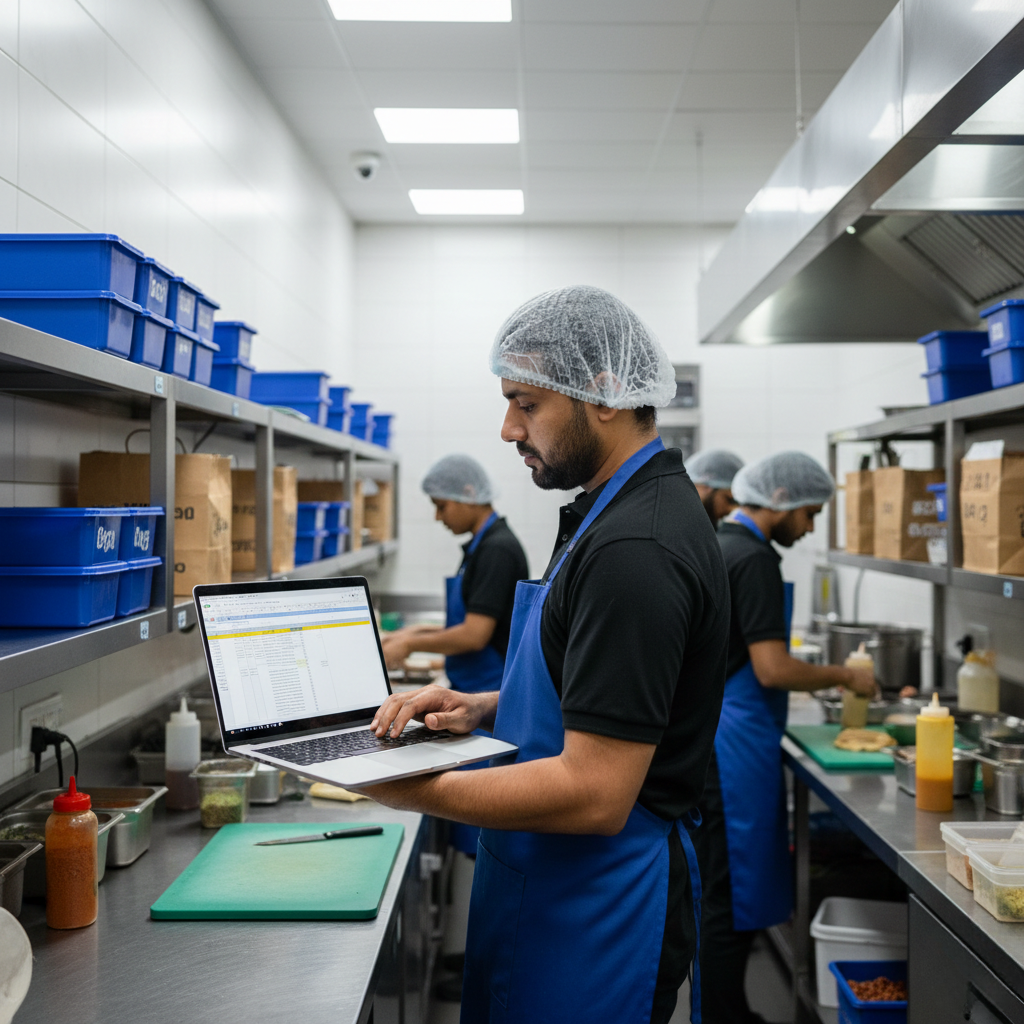
Cloud Kitchen Operations Turnaround Case Study-This case study captures a phase that many cloud kitchen founders recognize instantly but struggle to articulate: operational chaos. Orders were coming in, staff was present, and the kitchen was technically functional-yet every day felt unstable. Cloud kitchen as a service
The founder described it bluntly: “Nothing is broken, but nothing is reliable either.” This is the story of how CKaaS converted chaos into predictable output-without changing the menu, location, or demand.
Background: A Kitchen That Never Felt the Same Twice
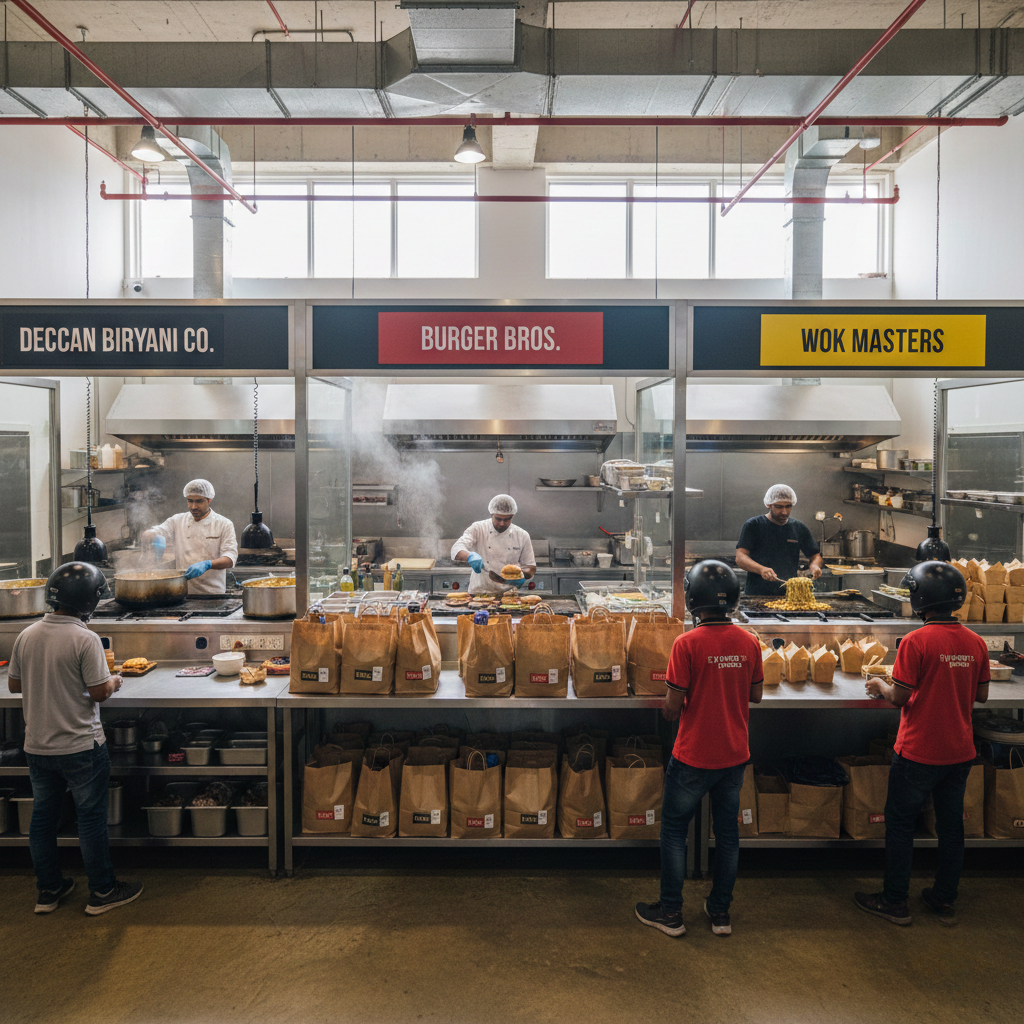
The cloud kitchen operated from a single location with multiple delivery-only brands. Daily order volume fluctuated between 80 and 140 orders depending on platform visibility and discounts.
From the outside, the business looked busy. Inside the kitchen, outcomes varied wildly:
- Some days ran smoothly
- Other days felt completely out of control
- Peak hours were unpredictable
- Staff confidence depended on who was on shift
There was no consistent rhythm.
This state is common in kitchens that grow without systems, as explained in what happens when cloud kitchens scale without systems.
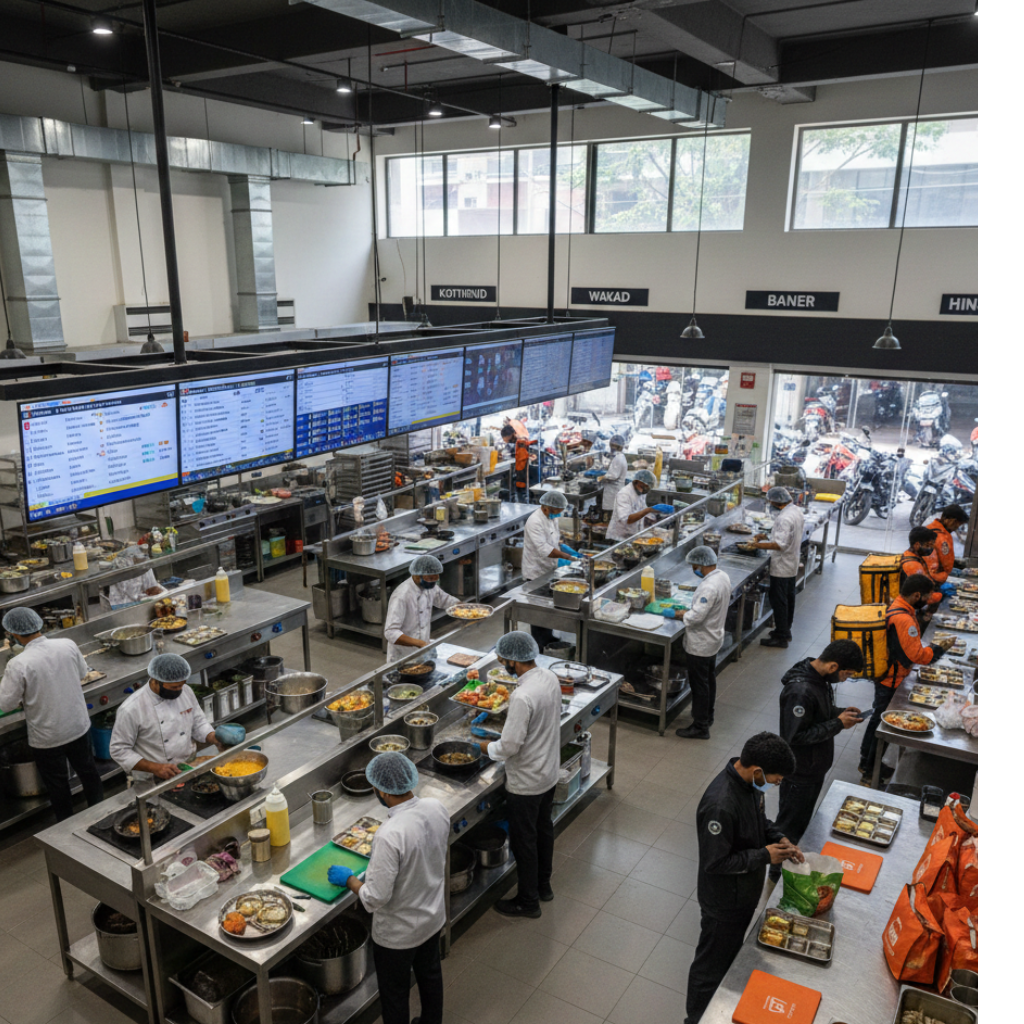
What Chaos Looked Like Inside the Kitchen
Chaos did not mean one big failure. It meant constant variation.
- Prep quantities changed daily
- Portion sizes varied across shifts
- Service speed depended on individual staff
- Problems were fixed reactively
Each day required fresh decision-making. Nothing could be assumed.
The Hidden Cost of Chaos
Operational chaos is expensive-not just financially, but mentally.
- Founder attention was constantly consumed
- Staff morale fluctuated with pressure
- Errors increased during peak hours
- Learning never compounded
Most importantly, chaos made planning impossible.
Why Chaos Increased as Orders Grew
As order volume increased, the kitchen expected experience to stabilize operations. Instead, pressure exposed every weak link.
Growth amplified:
- Inconsistent recipes
- Unclear staff roles
- Weak handovers
- Founder-dependent decisions
Without systems, more orders simply meant more chaos.
Initial Diagnostic: How CKaaS Studied the Chaos
CKaaS did not begin with spreadsheets. It began with observation.
- Where does service slow down?
- Which decisions repeat daily?
- What changes from shift to shift?
- Who handles exceptions?
The diagnosis was clear: outcomes were not standardized.
Root Cause 1: No Defined Output Standards
Processes existed, but outputs were undefined.
- Prep was done, but quantities varied
- Dishes were cooked, but portions differed
- Orders were packed, but standards changed
Without output standards, consistency was impossible.
Root Cause 2: Decisions Based on Mood and Pressure
During calm periods, staff followed best practices. During rush hours, shortcuts appeared.
- Portions eyeballed
- Steps skipped
- Checks ignored
Pressure replaced process.
Root Cause 3: Founder as the Stability Mechanism
Whenever things went wrong, the founder stepped in.
- Clarifying recipes
- Resolving staff confusion
- Handling customer escalations
The kitchen was stable only when the founder was present.
CKaaS Intervention: Designing Predictability
CKaaS treated chaos as a design flaw, not a discipline problem.
The objective was simple: make outcomes predictable regardless of people or pressure.
The intervention focused on:
- Standardized SOPs
- Defined outputs
- Role clarity
- Visibility instead of urgency
System 1: SOPs That Defined Exact Outputs
CKaaS documented what “done correctly” actually meant.
- Exact gram weights
- Prep batch sizes
- Cooking times
- Packing standards
Every shift worked toward the same outcome.
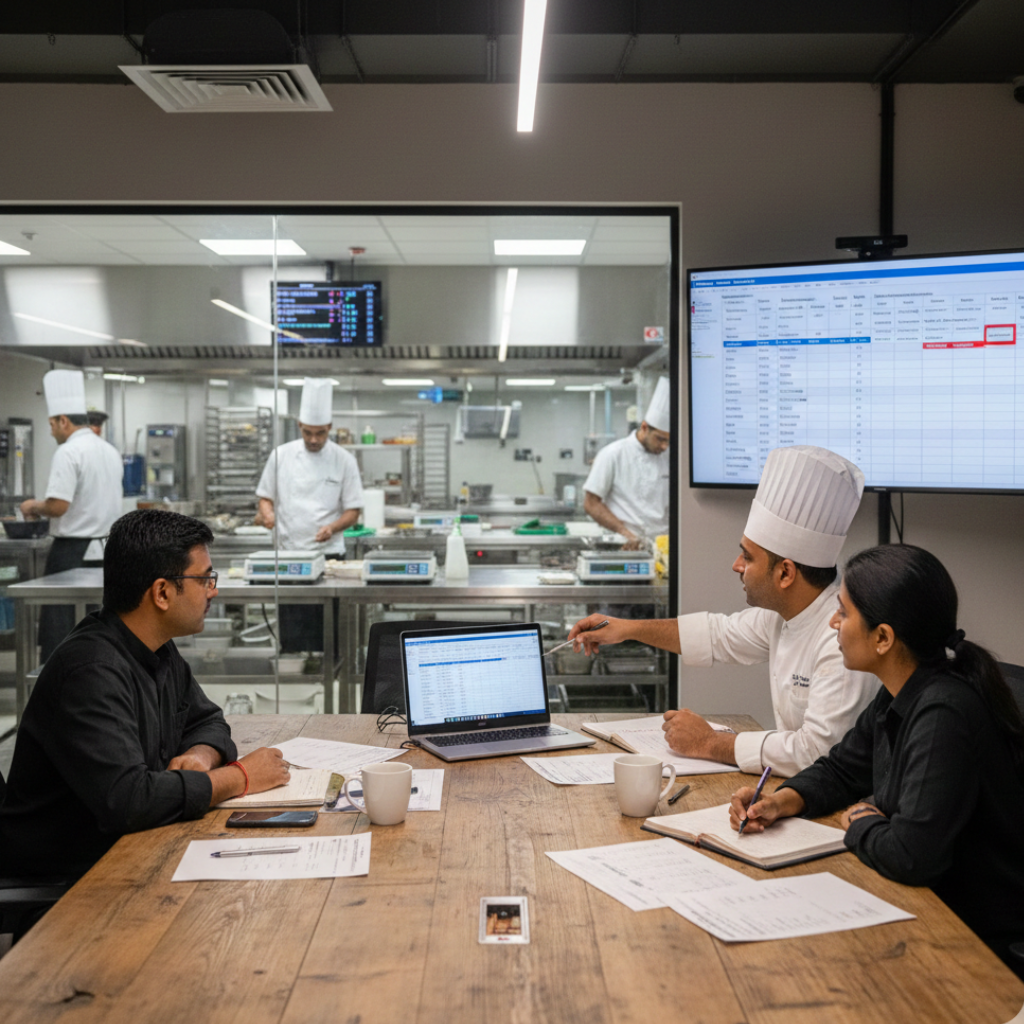
System 2: Role-Based Execution
CKaaS introduced role ownership:
- Prep lead
- Cooking station owner
- Dispatch controller
Each role had defined responsibilities and decisions.
This approach reflects role-based kitchen operations explained.
System 3: Structured Shift Handovers
Handover SOPs ensured continuity:
- Prepared stock status
- Risks and shortages
- Equipment issues
No shift started from zero.
System 4: Visibility Replacing Firefighting
Daily dashboards made problems visible early:
- Order flow by time slot
- Prep completion
- Inventory risk
- Daily contribution margin
Urgency dropped as visibility increased.
The Transition Phase: Chaos Fading Away
The first few weeks felt unfamiliar. Staff adjusted to following systems instead of instincts.
Gradually:
- Variations reduced
- Questions dropped
- Peak hours felt calmer
- Founder interruptions reduced
The kitchen developed rhythm.
The Outcome: Predictable Output, Day After Day
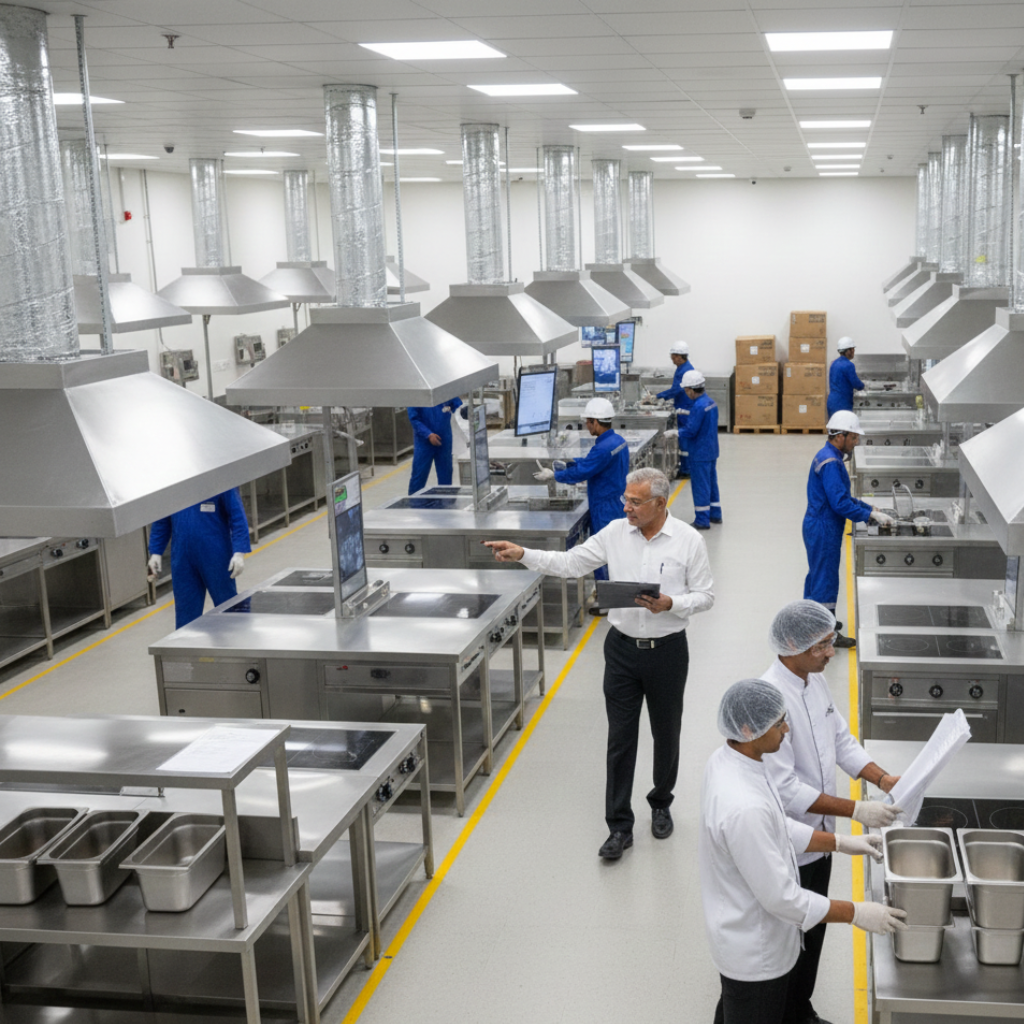
Within 45–60 days:
- Food cost stabilized
- Service consistency improved
- Staff confidence increased
- Founder stress reduced
The kitchen produced the same outcome every day-regardless of pressure.
Founder Takeaways From This Case
- Chaos is a design problem
- Predictability enables scale
- Systems absorb pressure
- Consistency improves margins
Why CKaaS Worked
CKaaS worked because it focused on outcomes, not effort.
Instead of asking “Why is this happening today?”, CKaaS asked:
- What must always be true?
- What should never vary?
- What can be standardized?
This thinking aligns with insights shared by industry professionals like Rahul Tendulkar and system-first brands such as Green Salad and Fruut.
Final Thoughts
Chaos feels like hard work. Predictability feels boring-and boring is scalable.
When systems are built, outcomes stop depending on luck.
Still Have Questions?
For common operational, SOP, and scaling questions, read the Grow Kitchen FAQs.
You may also find these internal resources helpful:
- How to Fix a Loss-Making Cloud Kitchen
- From Zero Profit to Sustainable Margins
- What Happens When Cloud Kitchens Scale Without Systems
- Standardizing Kitchen Execution Across Shifts Using CKaaS