Start Here to Understand Cloud Kitchen Companies
Cloud Kitchen Companies In India-This article is part of GrowKitchen’s cloud kitchen ecosystem series. Before analysing companies, it is important to understand the core business model. Start with our pillar guide: Cloud Kitchen as a Service and then explore the broader context of Cloud Kitchen Business in India.
For food business licensing and compliance in India, always refer to official portals such as FSSAI, GST Portal, and Udyam MSME.
Cloud Kitchen Companies in India Explained
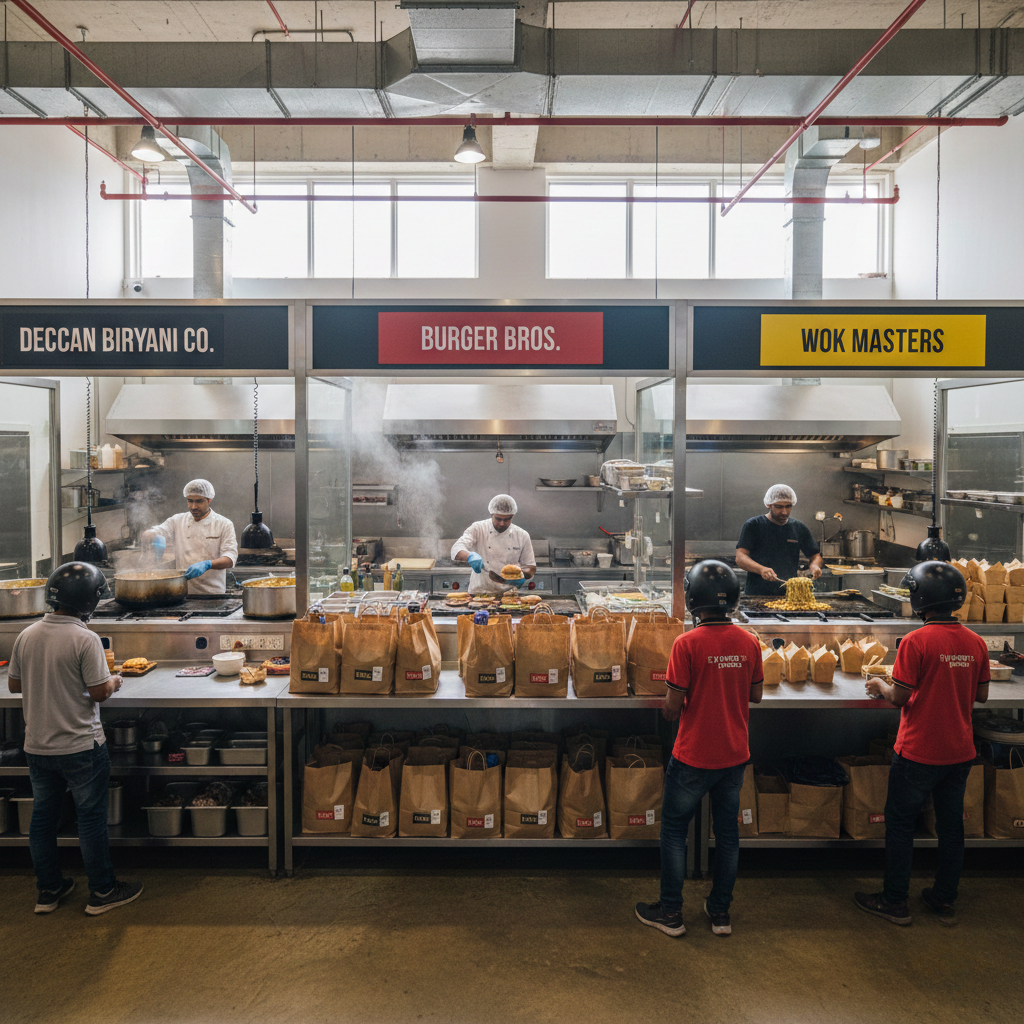
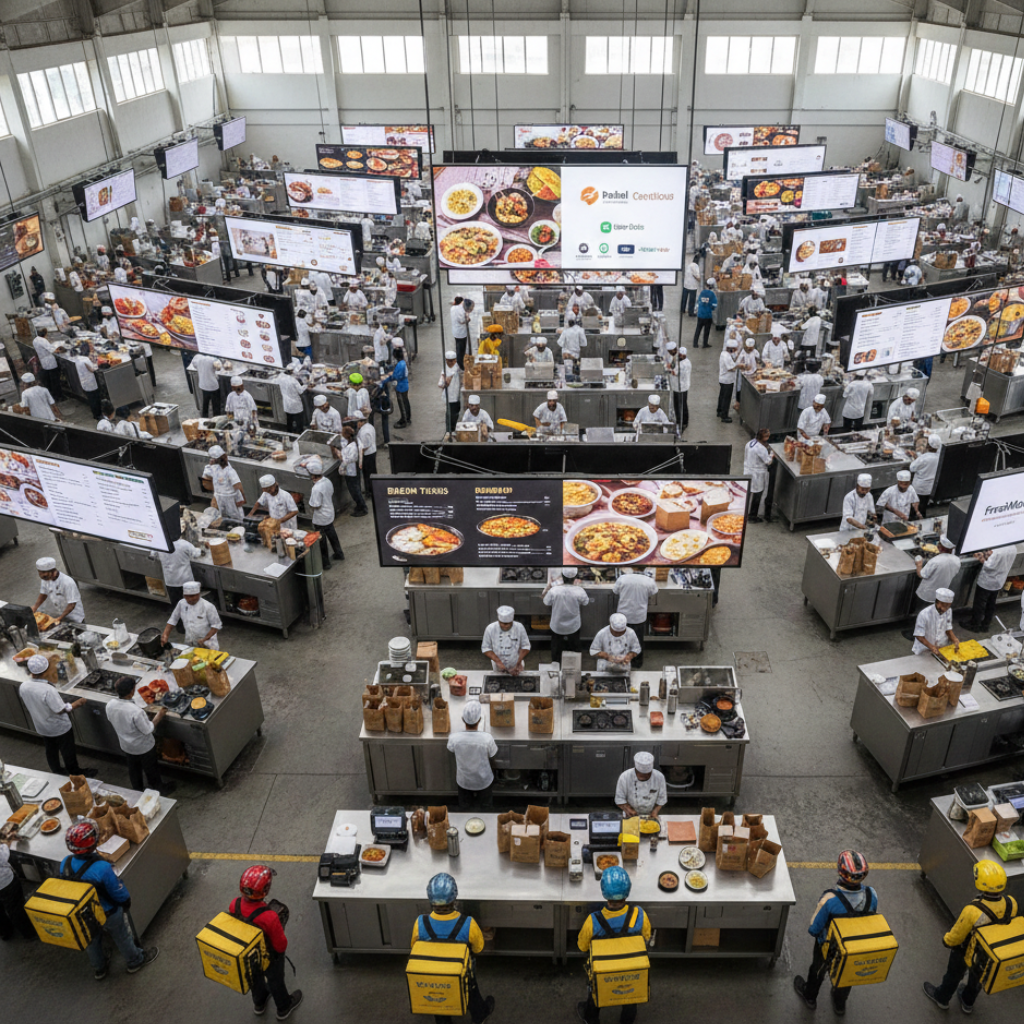
Cloud kitchen companies are organised food businesses that operate delivery-only kitchens at scale. Unlike individual cloud kitchens, these companies typically manage multiple brands, multiple locations, and centralised systems for procurement, technology, and operations.
Their focus is not just food preparation, but building repeatable, system-driven models that can scale across cities while maintaining consistency and profitability.

Evolution of Cloud Kitchen Companies in India
The first wave of cloud kitchens in India focused on low-cost entry and fast launches. However, high failure rates quickly highlighted the need for better systems and execution.
Over time, structured cloud kitchen companies emerged, investing in SOPs, technology, central kitchens, and data-driven decision making. These companies shifted the industry from experimentation to professional operations.
Business Models Followed by Cloud Kitchen Companies
Cloud kitchen companies in India operate using different business models depending on their strategy.
- Multi-brand portfolio model (several brands from one kitchen)
- Regional expansion model with standardised SOPs
- Managed kitchen and revenue-share partnerships
- Hybrid models combining owned and partner kitchens
Each model balances control, capital investment, and speed of expansion differently.
How Cloud Kitchen Companies Operate at Scale
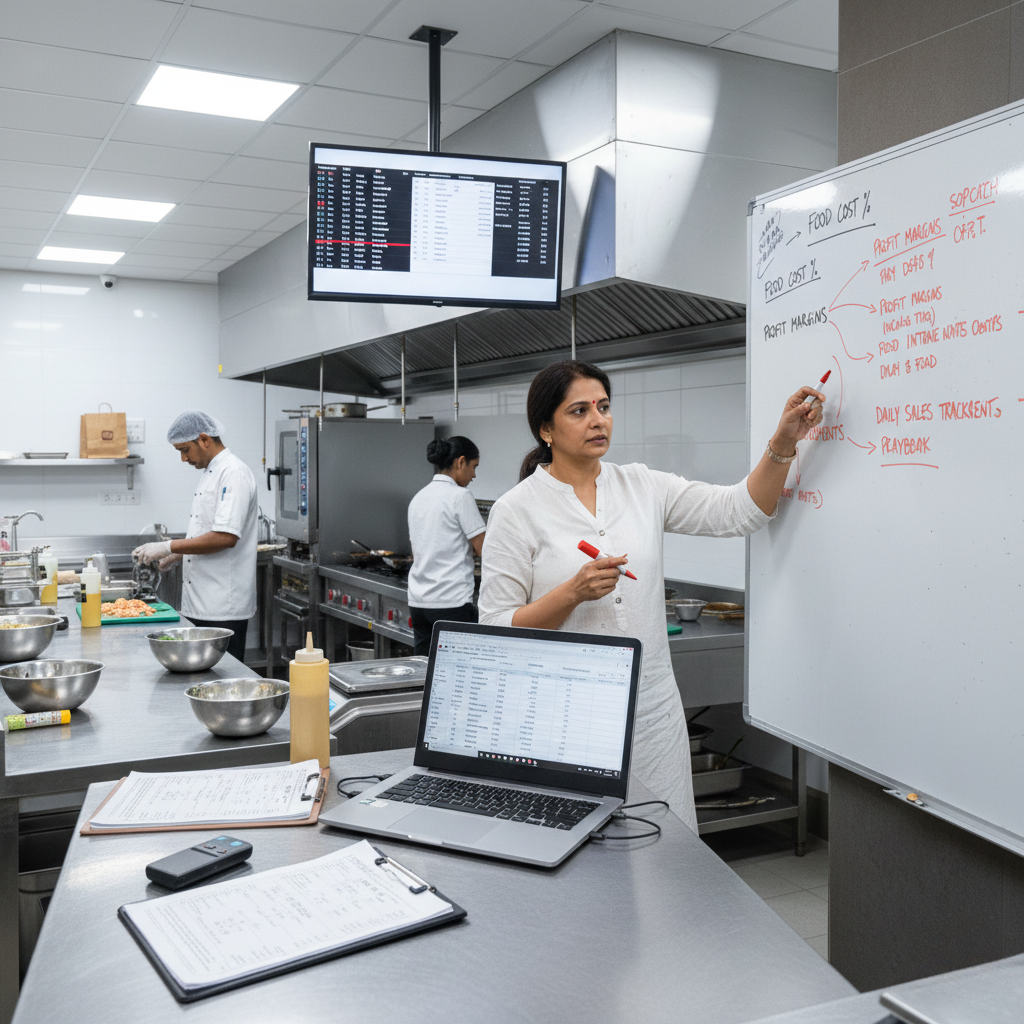
Operations are the backbone of successful cloud kitchen companies. Every process from procurement to dispatch is documented and measured.
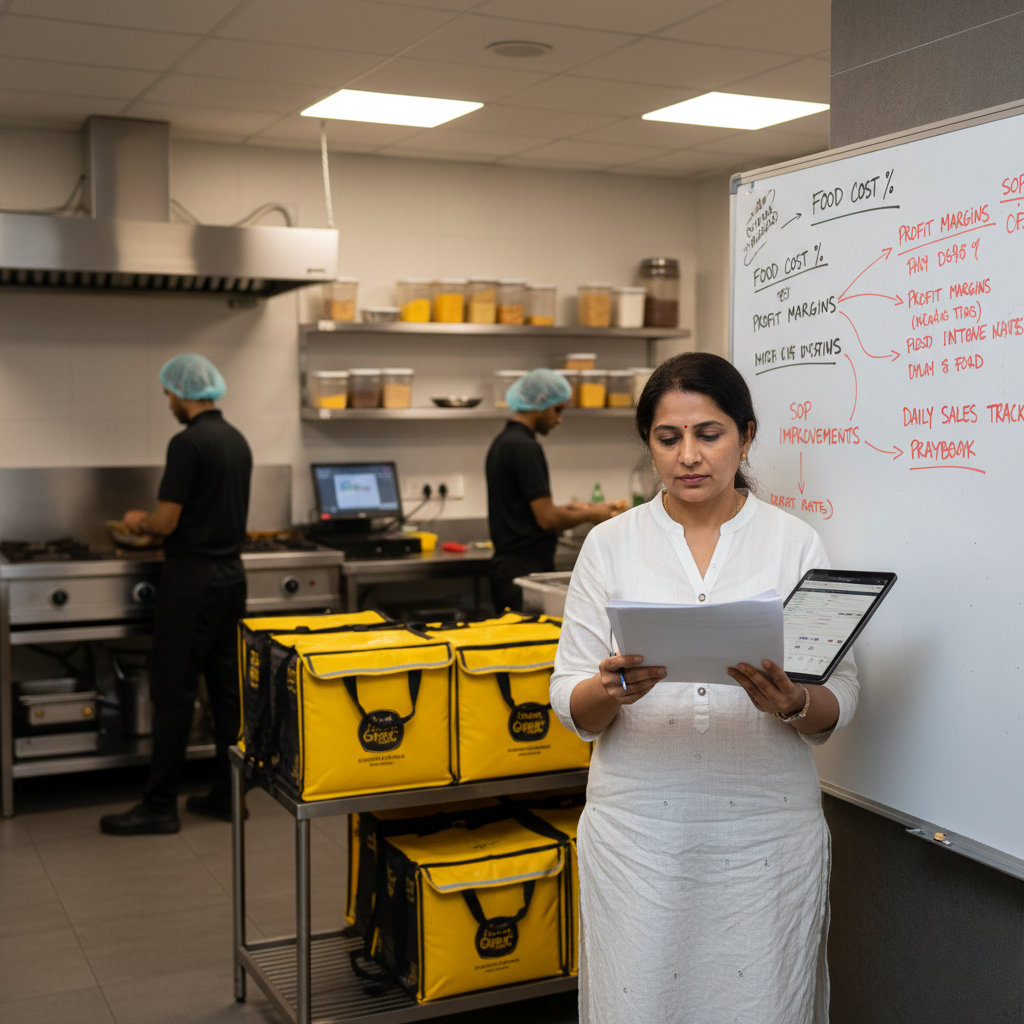
Standard Operating Procedures (SOPs) ensure consistency across locations, while centralised dashboards track food cost, refunds, ratings, and order volumes.
This level of discipline is essential: Cloud Kitchen SOP Checklist.
Advantages of Cloud Kitchen Companies Over Individual Kitchens
Compared to single-outlet cloud kitchens, organised companies enjoy several advantages.
- Economies of scale in procurement and packaging
- Centralised marketing and brand management
- Faster launch in new cities
- Better bargaining power with aggregators
- Lower operational risk per outlet
Challenges Faced by Cloud Kitchen Companies
Despite scale, cloud kitchen companies face their own set of challenges.
Maintaining consistency across locations, managing large teams, controlling costs, and reducing aggregator dependency become more complex as the network grows.
Many failures occur due to weak execution at scale: Why Cloud Kitchens Fail in India.
How Cloud Kitchen Companies Scale Across India
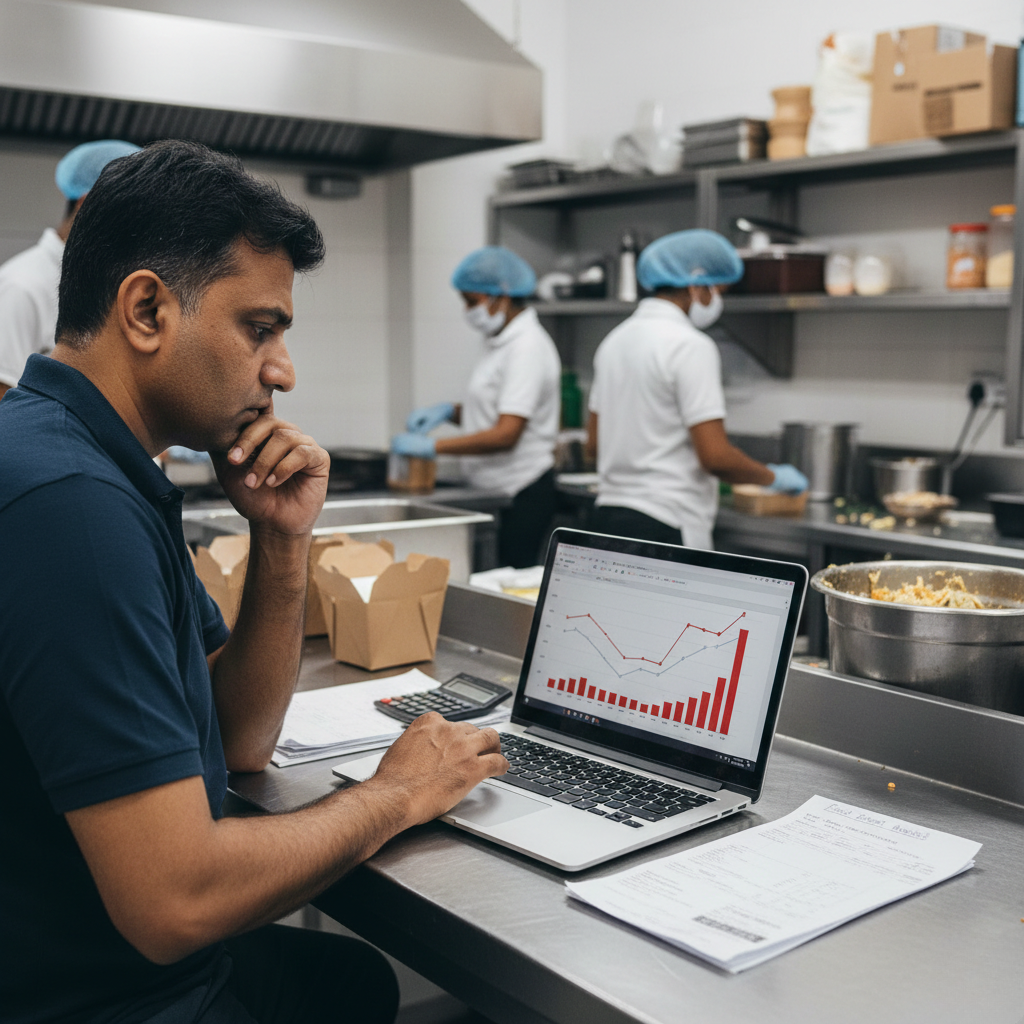
Successful cloud kitchen companies scale only after stabilising unit economics. Expansion without profitability leads to rapid cash burn.
Structured replication, training playbooks, and city-level performance tracking are critical for sustainable growth. Learn more: How to Scale Cloud Kitchens.
What Founders Can Learn from Cloud Kitchen Companies
Even small founders can adopt company-style thinking.
- Focus on systems before expansion
- Build SOPs early
- Track unit economics daily
- Design brands for repeat orders
Future of Cloud Kitchen Companies in India
The future will favour fewer but stronger players. Consolidation, automation, and direct ordering will shape the next phase.
Cloud kitchen companies that operate like food-tech businesses rather than restaurants will dominate long-term.
Final Thoughts on Cloud Kitchen Companies in India
Cloud kitchen companies in India represent the mature evolution of delivery-first food businesses. They succeed not because of low costs, but because of systems, discipline, and repeatable execution.
Founders who think like operators, not experimenters, are far more likely to build scalable and profitable food businesses.
FAQs: Cloud Kitchen Companies in India
What are cloud kitchen companies?
Organised food businesses operating multiple delivery-only kitchens at scale.
How are cloud kitchen companies different from single kitchens?
They operate with centralised systems, multiple brands, and structured expansion.
Are cloud kitchen companies profitable?
Yes, if unit economics and SOPs are tightly controlled.
Can small founders build cloud kitchen companies?
Yes, by starting small and scaling only after stabilising operations.
- Cloud Kitchen Business in India
- How to Start a Cloud Kitchen
- Cloud Kitchen SOP Checklist
- Why Cloud Kitchens Fail