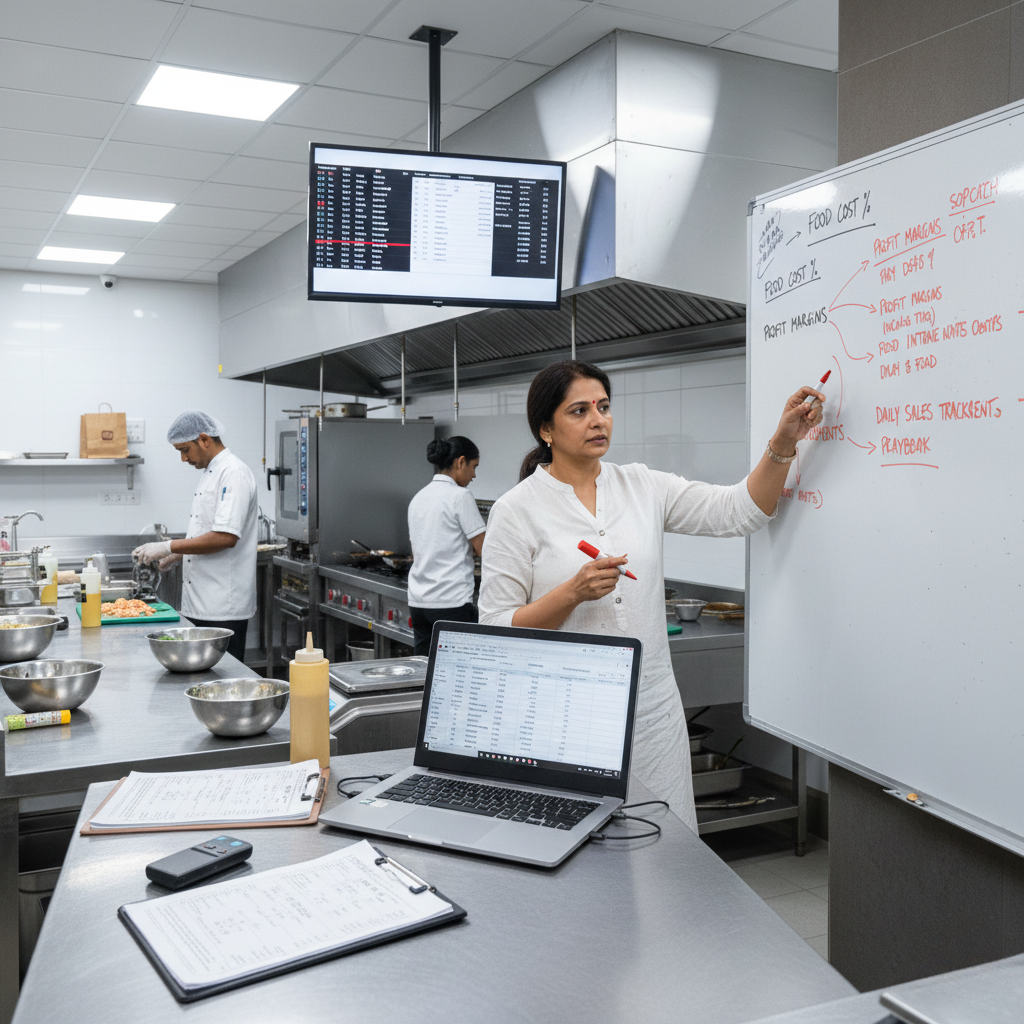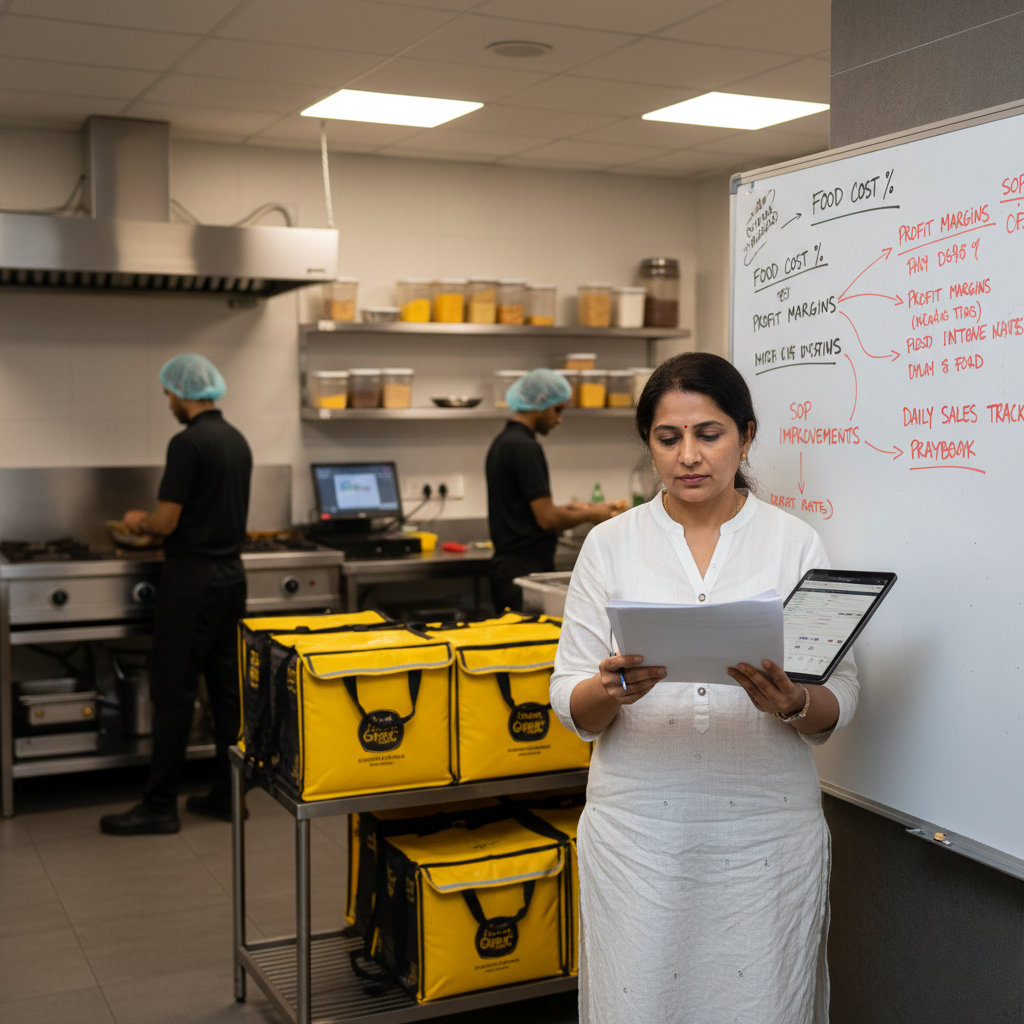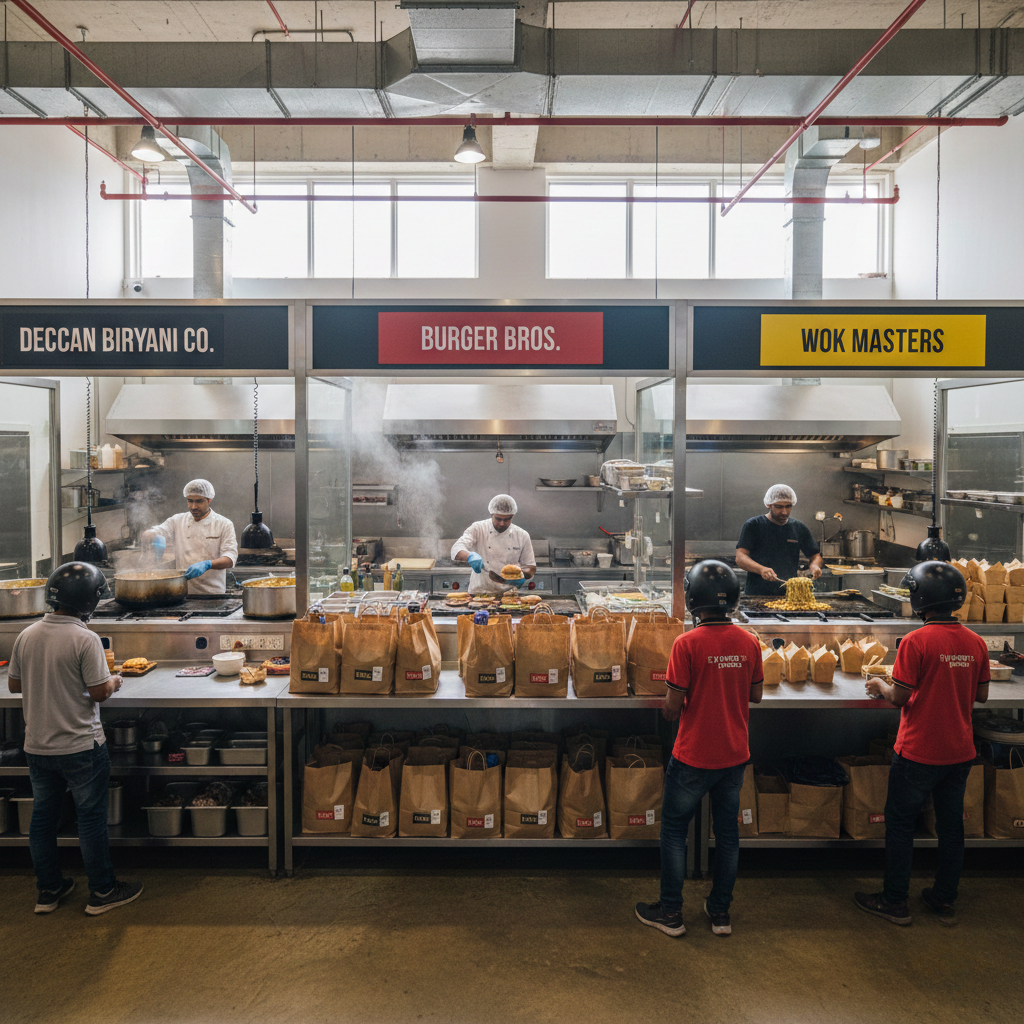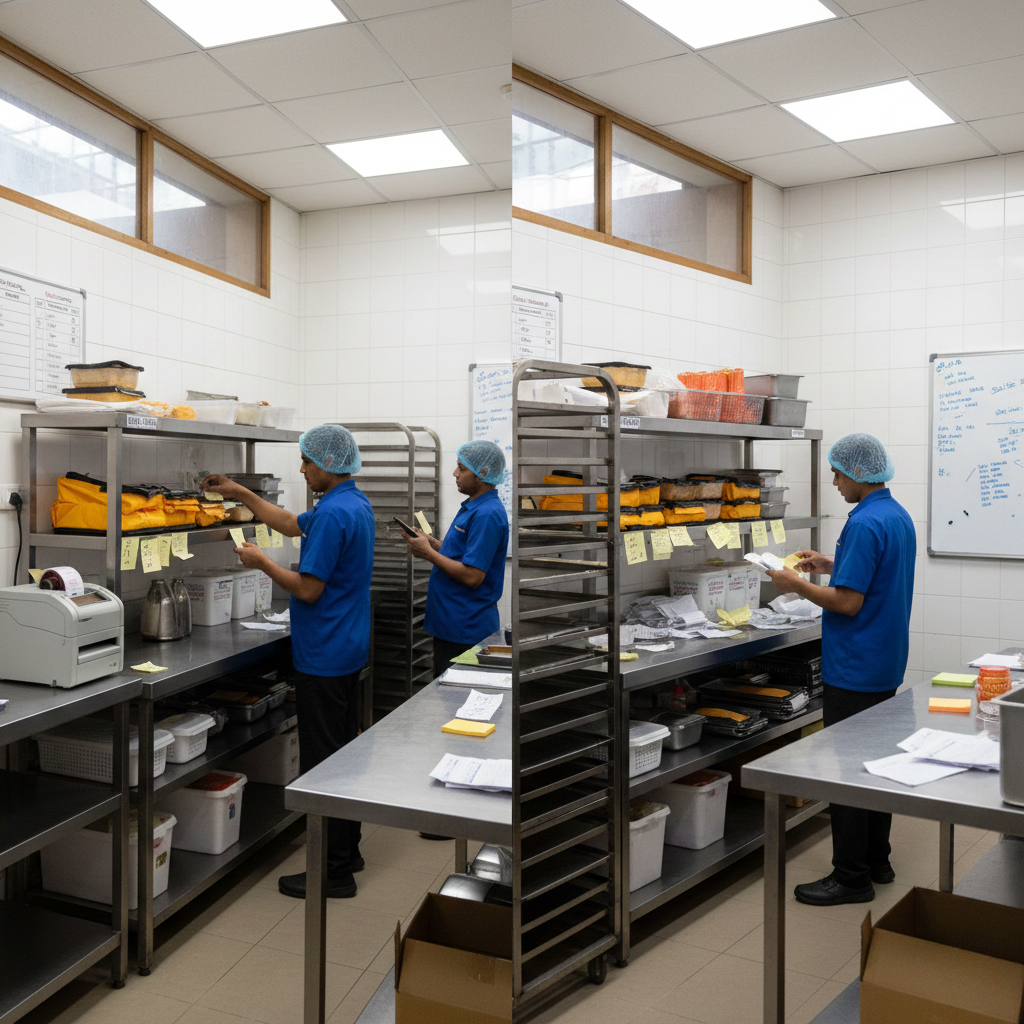
Is Cloud Kitchen as a Service (CKaaS) vs hiring a consultant? is not a “who is smarter” or “who charges less” question. It is an execution ownership + dependency + speed-to-stability + scalability question. Consulting transfers thinking and frameworks. CKaaS transfers operating systems and daily execution structure. Choosing the wrong option creates advice overload, inconsistent outcomes, and founders becoming the permanent quality-control team. This guide explains how to choose between CKaaS and hiring a consultant in India using unit economics, execution risk, SOP depth, and long-term scale readiness using systems, not emotions.
Is CKaaS Better Than Hiring a Consultant? The Decision Most Founders Make Backwards
Every delivery-first founder reaches a point where the kitchen looks “busy” but life feels unstable. Orders happen. Ads run. Reviews come in. Yet profits remain unclear. Refunds feel random. Staff output varies by shift. And the founder becomes the system.
This is usually when “let’s hire a consultant” enters the chat. Not because founders love consulting, but because they want a fast diagnosis of what is leaking.
Others skip consulting and move into CKaaS, because they don’t just want a diagnosis they want a structure that prevents the leak from happening again.
Many founders regret their first choice within 12–18 months not because consulting or CKaaS is bad, but because the model didn’t match what they actually needed: clarity, or execution stability.
If you want the profitability foundation first, start with Cloud Kitchen Profitability Consultant in India and map execution risks using Common Operational Mistakes in Cloud Kitchens.
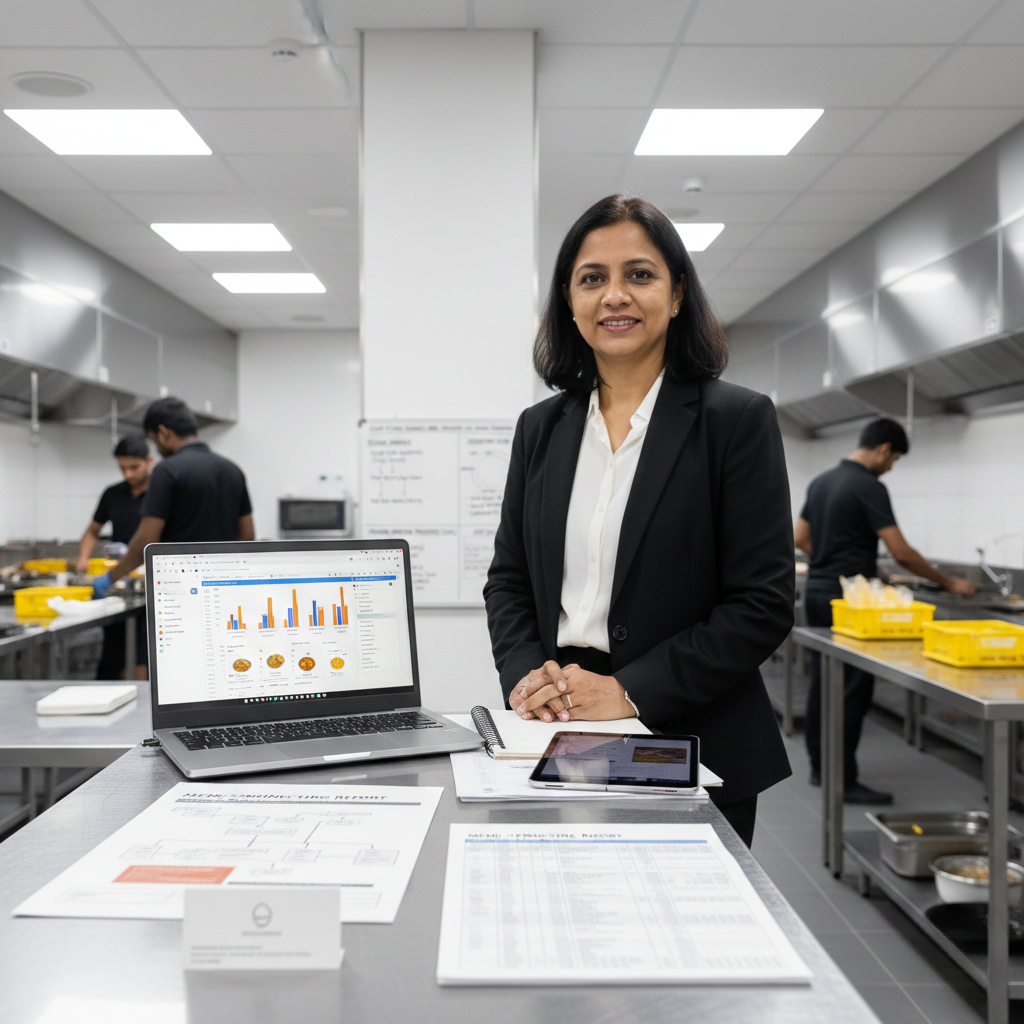
What This Decision Is Actually About (Not Outsourcing vs Expertise)
Founders often frame this choice emotionally: a consultant feels like “expert help,” CKaaS feels like “giving control away.”
But the real difference is structural: who owns execution after the recommendation is given.
A consultant can tell you what to fix. The question is: who will enforce it every day, across staff changes, peak-hour pressure, and platform penalties?
Consulting improves decisions. CKaaS improves repeatability.
If your bottleneck is “we don’t know what’s wrong,” consulting is a strong first lever. If your bottleneck is “we know what’s wrong but it keeps happening,” CKaaS usually becomes the stronger lever.
The Only Lens That Matters: Where Is Your Kitchen Breaking?
Most cloud kitchens break in one of three places: numbers, behavior, or systems.
1) Numbers problems look like: wrong pricing, wrong packaging costs, wrong discount strategy, wrong contribution margin assumptions, and founders using revenue as a proxy for profit. These are best solved by analysis, unit economics, and decisions.
2) Behavior problems look like: portion drift, inconsistent packing checks, weak shift handovers, missing inventory updates, and “staff decides the SOP.” These are best solved by enforcement, accountability, and structure.
3) Systems problems look like: no prep planner, no KPT rhythm, no procurement discipline, no dispatch SOP, no role-based operations. These are best solved by installing an operating system.
Use Role-Based Kitchen Operations Explained to identify whether your kitchen is suffering from role confusion or missing accountability.
The Unit Economics Lens: CKaaS vs Hiring a Consultant
Both options change cost structure, but they change different layers of cost.
Regardless of model, profit is still decided per order:
Order Value minus Aggregator commission & charges minus Kitchen fixed costs minus Packaging cost minus Food cost (COGS) minus Discount burn minus Refund & penalty leakage equals Contribution Margin.
Hiring a consultant usually impacts: pricing decisions, menu architecture, discount strategy, and reporting clarity. It reduces decision waste.
CKaaS usually impacts: portion control, procurement discipline, SOP enforcement, dispatch rhythm, and repeatable execution. It reduces execution waste.
If you want platform cost clarity, read Aggregator Commission Impact in India and refund leakage patterns via Refunds and Cancellations Impact on Cloud Kitchen Profitability.
The 12 Core Differences Between CKaaS and Hiring a Consultant
1) Output Type
Consultant: insights, frameworks, recommendations.
CKaaS: systems, enforcement, repeatable execution.
2) Speed to Visible Change
Consultant: depends on founder implementation velocity.
CKaaS: faster stabilization if systems are already mature.
3) Founder Dependency
Consultant: founder still becomes the project manager.
CKaaS: founder reduces day-to-day firefighting over time.
4) SOP Depth
Consultant: SOP design guidance.
CKaaS: SOP deployment + monitoring.
5) Staff Control
Consultant: indirect behavior change.
CKaaS: role-based accountability + checks.
6) Cost Control
Consultant: corrects pricing and cost assumptions.
CKaaS: controls portion drift and procurement leakage.
7) Dispatch Reliability
Consultant: recommends process improvements.
CKaaS: enforces dispatch rhythm and packing checks.
8) Training Load
Consultant: training is founder-led or ad-hoc.
CKaaS: training is system-led if partner has SOP depth.
9) Scalability
Consultant: scales by repeating consulting per outlet.
CKaaS: scales by replicating systems across outlets.
10) Risk Profile
Consultant: execution risk stays with founder.
CKaaS: risk is partially absorbed by structure (depends on model).
11) Innovation Speed
Consultant: insights can be fast, implementation slower.
CKaaS: iteration can be fast if systems allow controlled testing.
12) Long-Term Capability
Consultant: capability stays in founder’s head.
CKaaS: capability stays in the operating system.
Swiggy/Zomato Reality: Platforms Don’t Care If You Hired a Consultant
Aggregators evaluate outlets on reliability, not intent. Late dispatch, refunds, cancellations, and ratings affect visibility regardless of whether you hired a consultant, or moved into CKaaS.
A kitchen with great strategy but weak execution gets suppressed. A kitchen with strong execution but wrong unit economics also bleeds.
External policy context: Swiggy Refund Policy and Zomato Online Ordering Terms.
Both Paths Fail at the Same Places: Portion, Inventory, Dispatch
Whether you hire a consultant or choose CKaaS, most kitchens still fail at: portion control, inventory discipline, and dispatch consistency.
That is why founders feel “nothing changed” after consulting: the plan was correct, but enforcement never became real.
Install predictability using Cloud Kitchen Dispatch SOP and reduce leakage by understanding the hidden cost layers via The Real Reason Cloud Kitchens Bleed Cash.
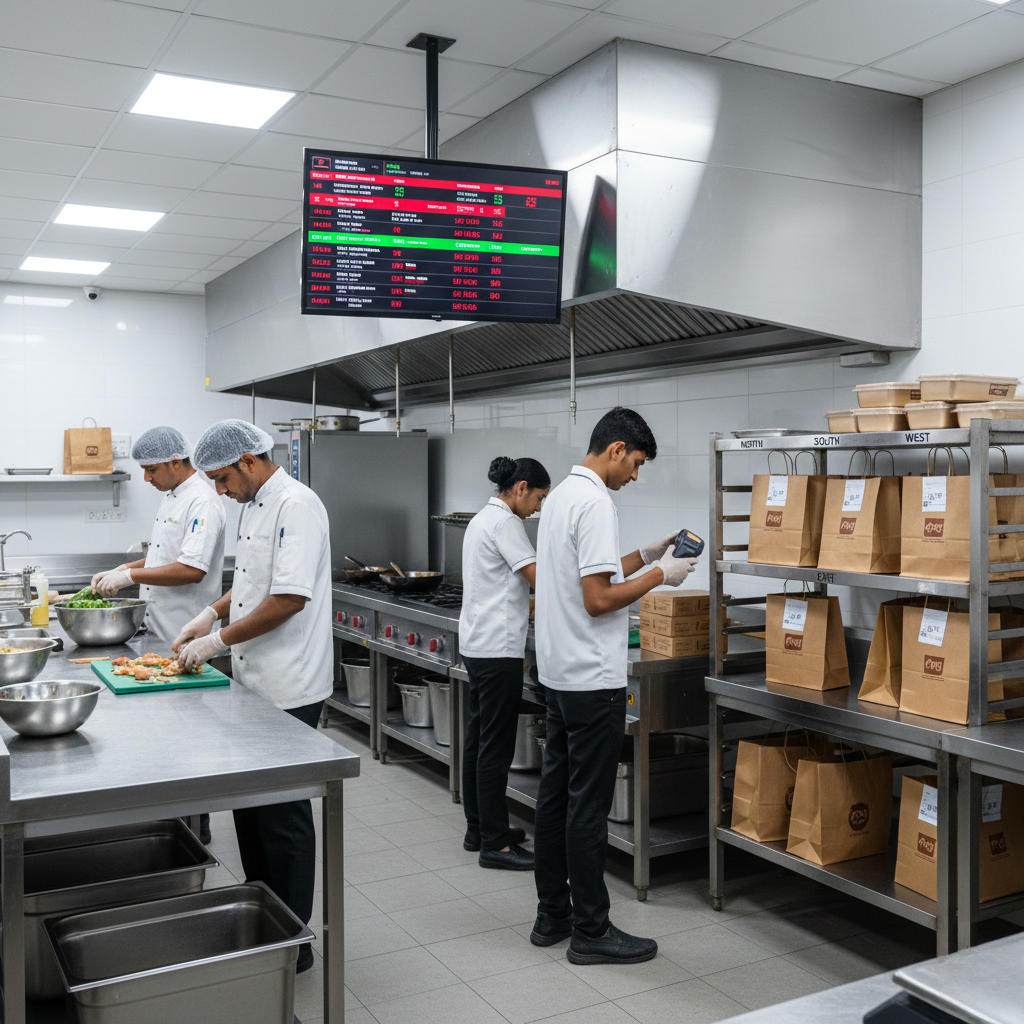
The Real Question: Do You Want Guidance or a System That Runs Without You?
Consultants are best when founders want: diagnosis, strategy, and a roadmap and they have the time and team to implement.
CKaaS is best when founders want: operational leverage, reduced founder involvement, and repeatability across outlets without building operations from scratch.
Use Role-Based Kitchen Operations Explained to understand what responsibility you are signing up for in either model.
The Best Real-World Answer: Most Serious Operators Use Both (In Order)
In practice, many founders find the best outcomes through a hybrid sequence:
Step 1: Use consulting to correct the thinking layer: menu architecture, pricing bands, discount logic, and unit economics visibility.
Step 2: Use CKaaS to stabilize execution: SOPs, inventory rhythm, procurement discipline, dispatch checks, and role ownership.
This order matters. If you move into CKaaS with broken pricing, you operationalize losses faster. If you hire consulting with no execution structure, you collect advice faster than outcomes.
Strengthen fundamentals using How Process Discipline Improves EBITDA before you scale either path.
How to Decide Correctly: A Simple Decision Checklist
Choose hiring a consultant if:
- You don’t know what’s leaking (profit feels like a mystery)
- You need a pricing + menu + discount correction
- You have a team that can implement with discipline
- You want to build your own operations capability in-house
Choose CKaaS if:
- You know what’s wrong but it keeps repeating
- You want SOP enforcement without founder supervision
- You want faster scale across outlets or brands
- You want operational leverage more than advice
External references: Lean Standardized Work, ISO 22000, FSSAI Schedule 4.
Final Takeaway: Advice Improves Thinking. Systems Change Reality.
CKaaS and consulting are not enemies. They solve different layers of the same founder problem.
Consulting is best when you need clarity. CKaaS is best when you need consistency.
If you want to understand your kitchen, hire a consultant. If you want to stabilize and scale your kitchen, CKaaS becomes the stronger lever as long as your unit economics are already clean.
Frameworks from GrowKitchen, and operating brands like Fruut and GreenSalad help founders choose and execute the right path.
FAQs: CKaaS vs Hiring a Consultant
Is CKaaS always better than hiring a consultant?
No. CKaaS is better for execution stability. Consulting is better for diagnosis and decision correction.
Can I hire a consultant while using CKaaS?
Yes. Many operators use consulting for brand strategy and CKaaS for execution discipline.
What’s the biggest risk of hiring a consultant?
Implementation failure. Great recommendations don’t matter if the kitchen cannot enforce them daily.
What’s the biggest risk of CKaaS?
Operationalizing wrong unit economics. If pricing and contribution margin are broken, CKaaS scales losses faster.