
7 Proven CKaaS Revenue Sharing Models Explained for Food Founders
Stop guessing the percentage. CKaaS Revenue Sharing Models are built on aligned incentives, so the kitchen grows only when your profitability grows.
This guide explains how CKaaS Revenue Sharing Models work across top-line share, contribution margin share, and hybrid models based on your cuisine, AOV, and expansion goal.
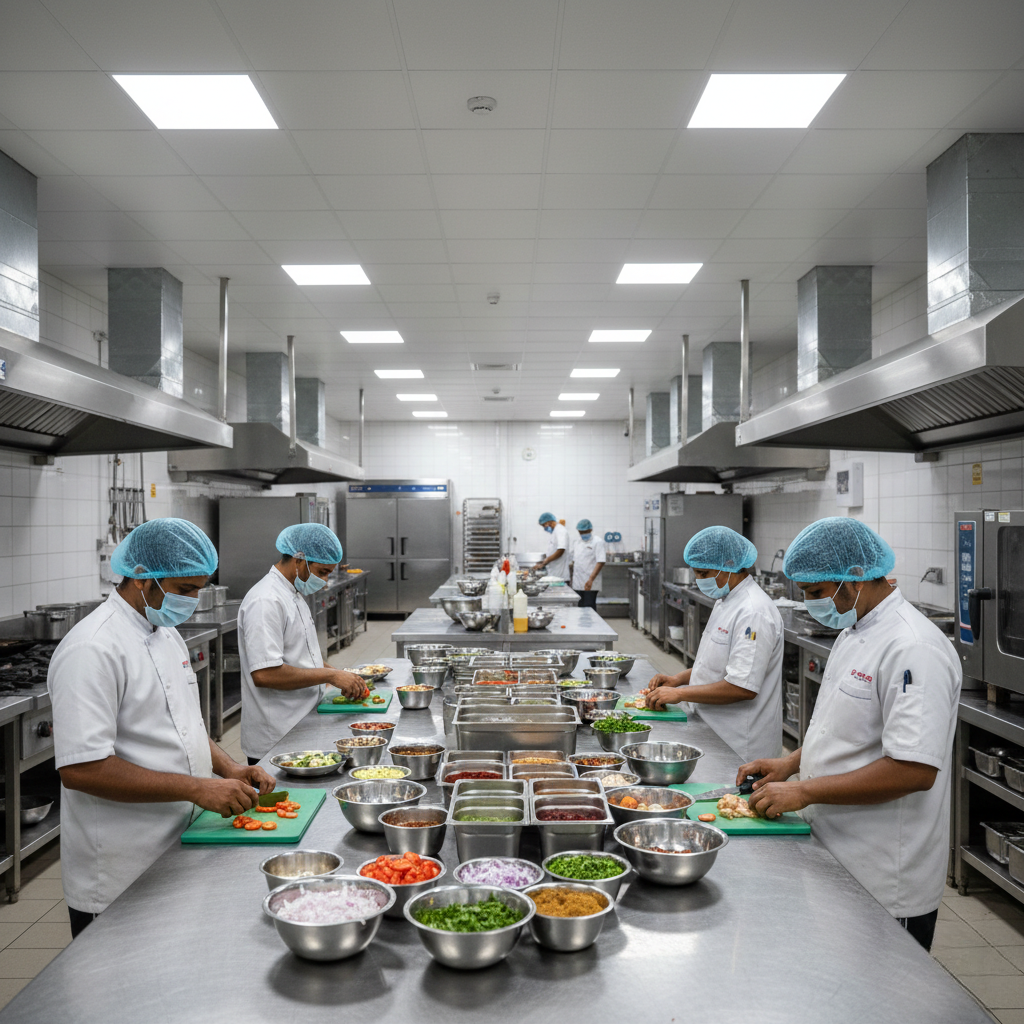
What Are CKaaS Revenue Sharing Models?
CKaaS Revenue Sharing Models are structured commercial models where the kitchen operator earns based on revenue or contribution performance, instead of charging only fixed rent or passive fees.
What You Get in CKaaS Revenue Sharing Models
- Ready kitchen + trained operations staff
- Menu engineering + pricing guardrails
- Aggregator onboarding + conversion improvements
- SOP-based execution to reduce refunds and delays
- Weekly KPI review: AOV, rating, CM per order, food cost
Why CKaaS Revenue Sharing Models Exist
Traditional setups charge rent, consulting fees, or franchise royalties whether you make profit or not. CKaaS Revenue Sharing Models work differently because the operator stays accountable to real kitchen performance.
These models are designed to reduce margin leakage caused by discounts, refunds, portion drift, packaging mismatch, and poor SKU mix.
3 Common CKaaS Revenue Sharing Models Explained
These CKaaS Revenue Sharing Models fit different business stages, from early testing to multi-location rollout. The right model depends on payout structure, risk appetite, and profit visibility.
Model 1: Top-Line CKaaS Revenue Sharing Model
In this CKaaS Revenue Sharing Model, the operator earns a fixed percentage of monthly revenue. It is simple, predictable, and useful when you are validating product-market fit.
- Low entry barrier
- Fast deployment focus
- Works best when food cost is already controlled
Model 2: Contribution Margin CKaaS Revenue Sharing Model
Instead of gross revenue, this CKaaS Revenue Sharing Model is linked to contribution margin. Both parties stay focused on menu mix, packaging, refunds, AOV, and profitable SKU engineering.
- Aligned incentives for margin improvement
- Reduces discount addiction
- Encourages profitable SKU engineering
Model 3: Hybrid CKaaS Revenue Sharing Model
A small fixed operations fee plus a lower variable share. This CKaaS Revenue Sharing Model works well for predictable volume, multi-location planning, and expansion discipline.
- Balanced predictability
- Lower variable percentage burden
- Scales cleanly across cities
Which CKaaS Revenue Sharing Models Fit Your Brand?
The right CKaaS Revenue Sharing Models depend on four variables: your investment comfort, target monthly revenue, cuisine margin structure, and how hands-on you want to be.
What We Audit Before Recommending CKaaS Revenue Sharing Models
- Top 20 SKUs + margin density
- Food cost percentage + portion drift risk
- Packaging cost + spillage and refund drivers
- Aggregator payout + discount habits
- AOV levers + combo strategy
- Weekly KPI dashboard plan
FAQs on CKaaS Revenue Sharing Models
Clear answers founders need before choosing between different CKaaS Revenue Sharing Models.
Are CKaaS Revenue Sharing Models better than rent?
Which CKaaS Revenue Sharing Models are safest for margins?
How do you decide the percentage in CKaaS Revenue Sharing Models?
Can I switch between CKaaS Revenue Sharing Models later?
Want the Right CKaaS Revenue Sharing Model for Your Brand?
Share your cuisine, target city, expected AOV, and monthly goal. We will recommend the most practical CKaaS Revenue Sharing Models and the operating plan needed to protect your margins.
Get a Custom Cloud Kitchen Plan for Your Brand
Not sure how to start or scale your cloud kitchen in India? Share a few details about your brand and we’ll send you a personalised setup and growth roadmap.
- City-wise kitchen and location suggestions
- Approximate investment & profit estimates
- Menu and positioning recommendations
- Whether CKaaS or own kitchen suits you better
Fill the form and our team will get in touch within one working day.
About Us
Ckaas Sloutions
Contact
Follow On
© 2025 Grow Kitchen. All rights reserved.
WhatsApp us