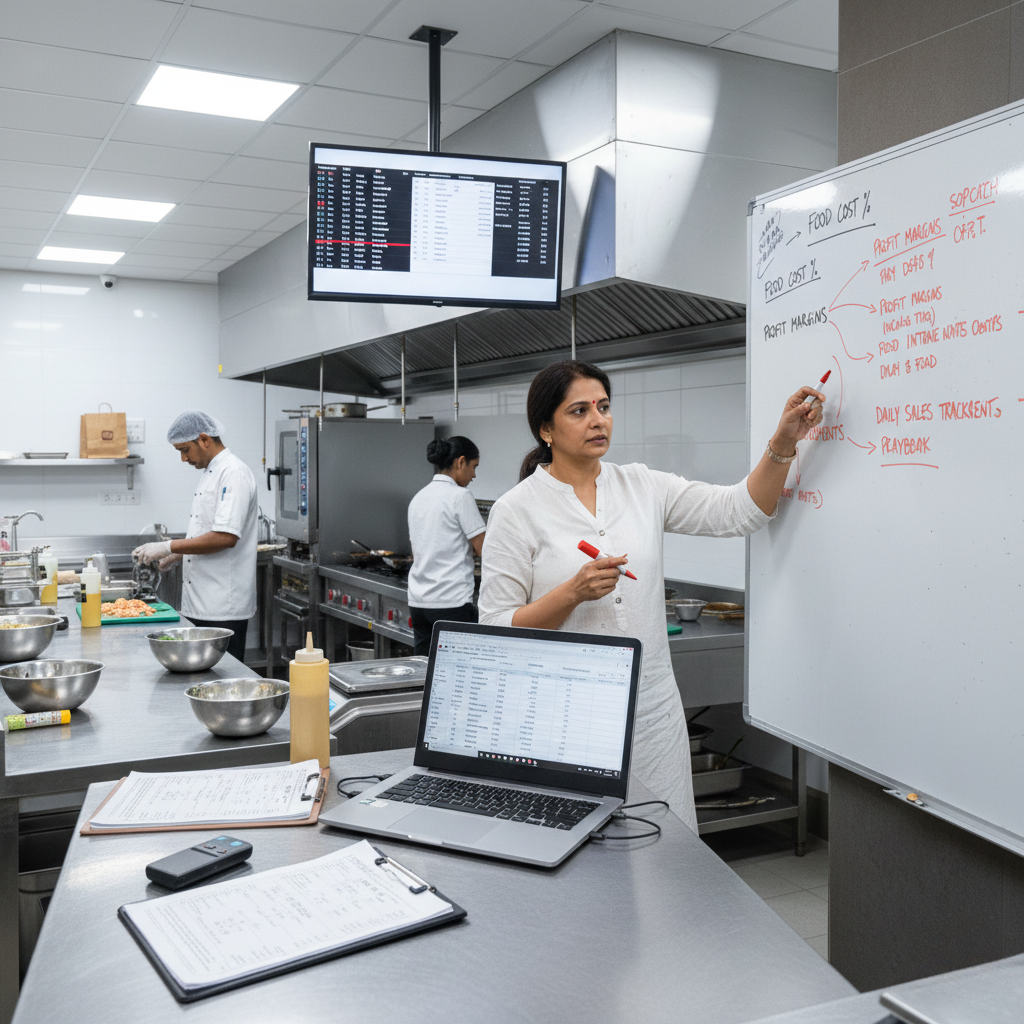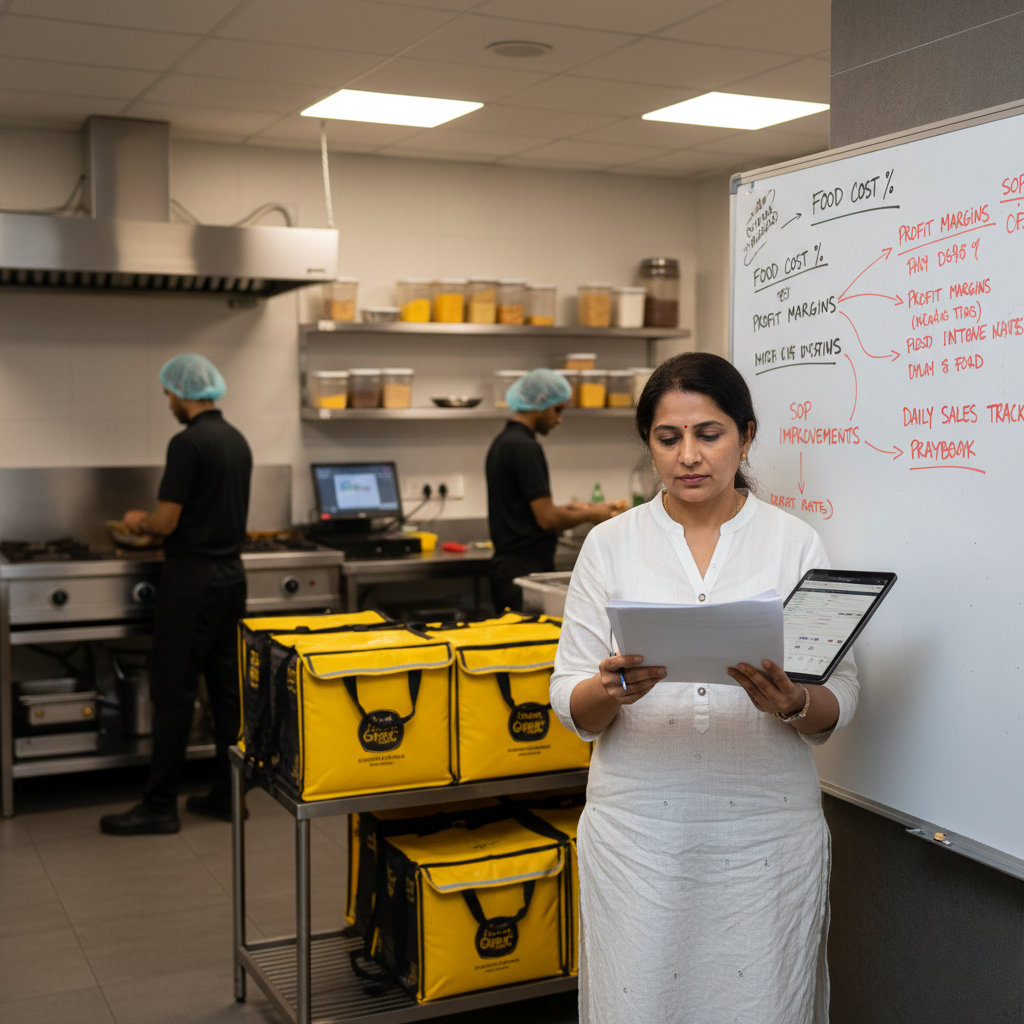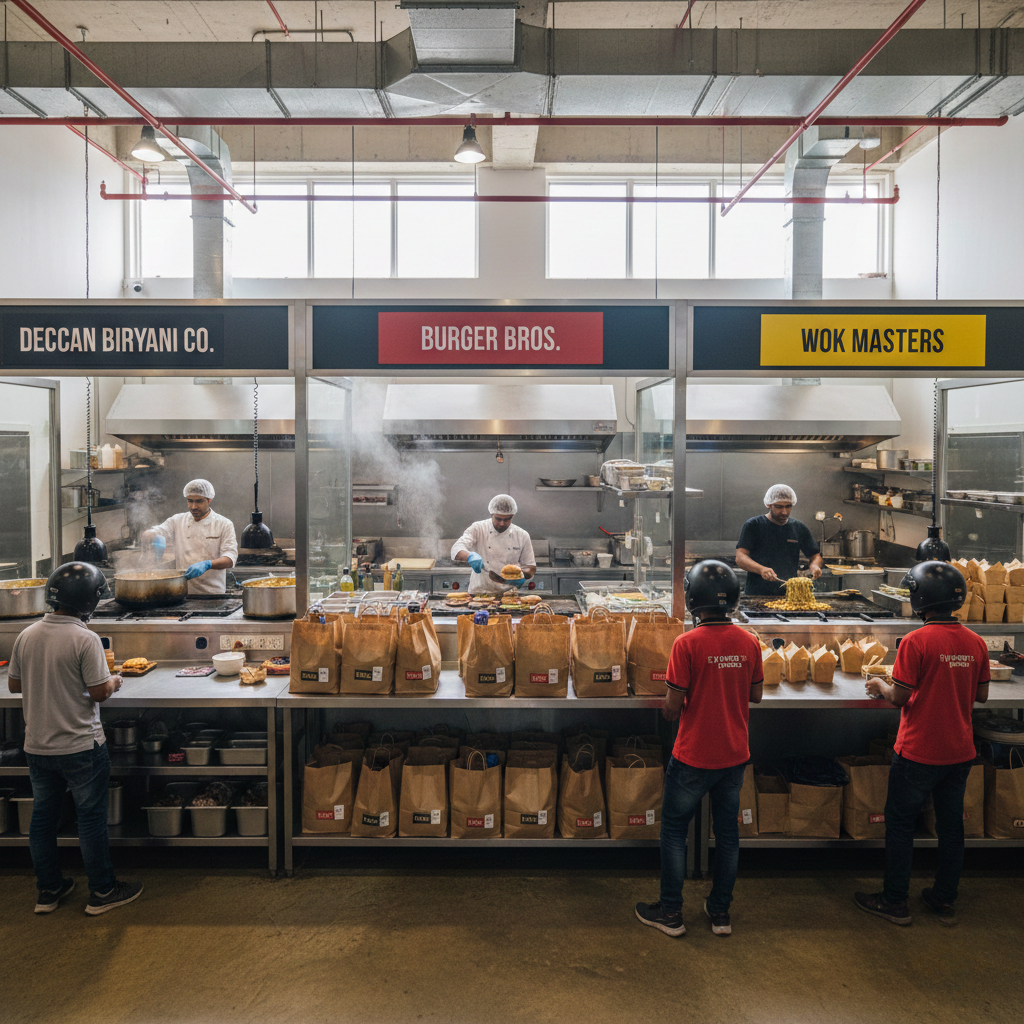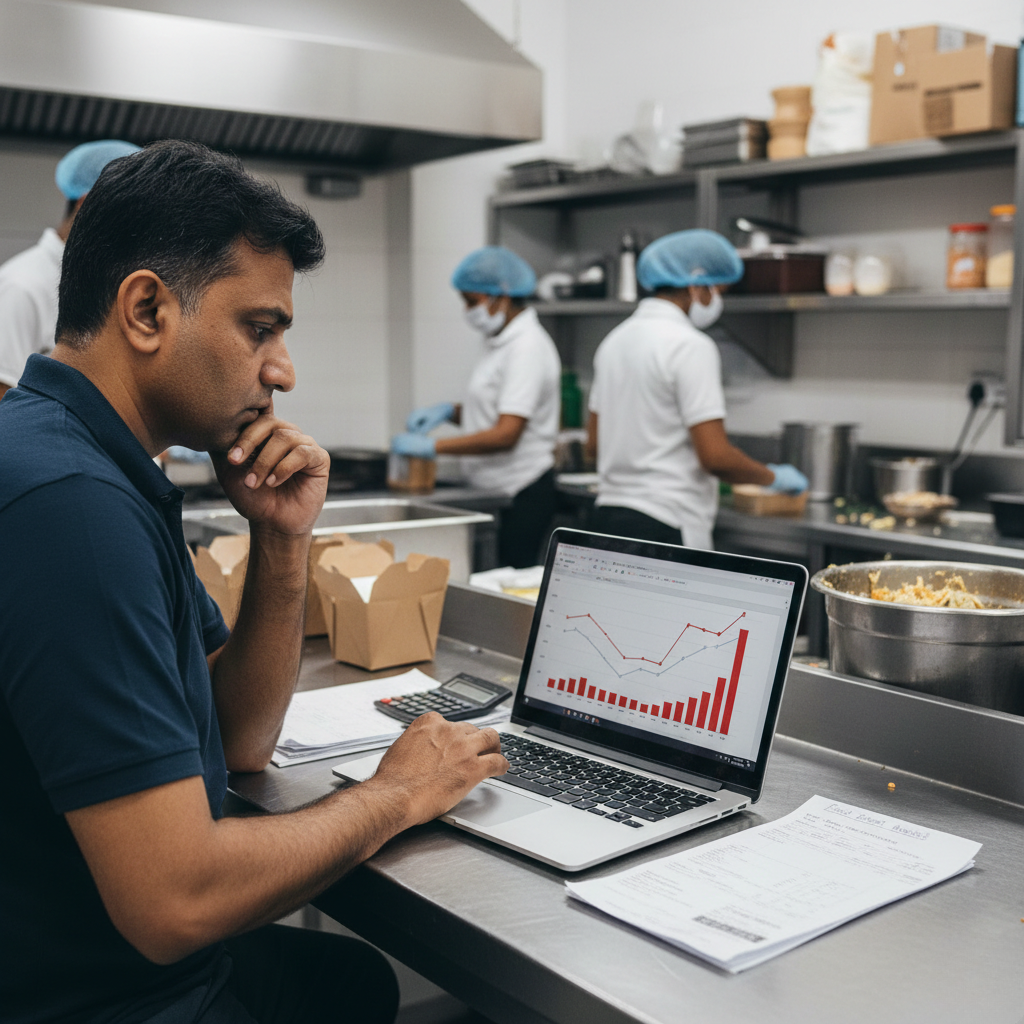
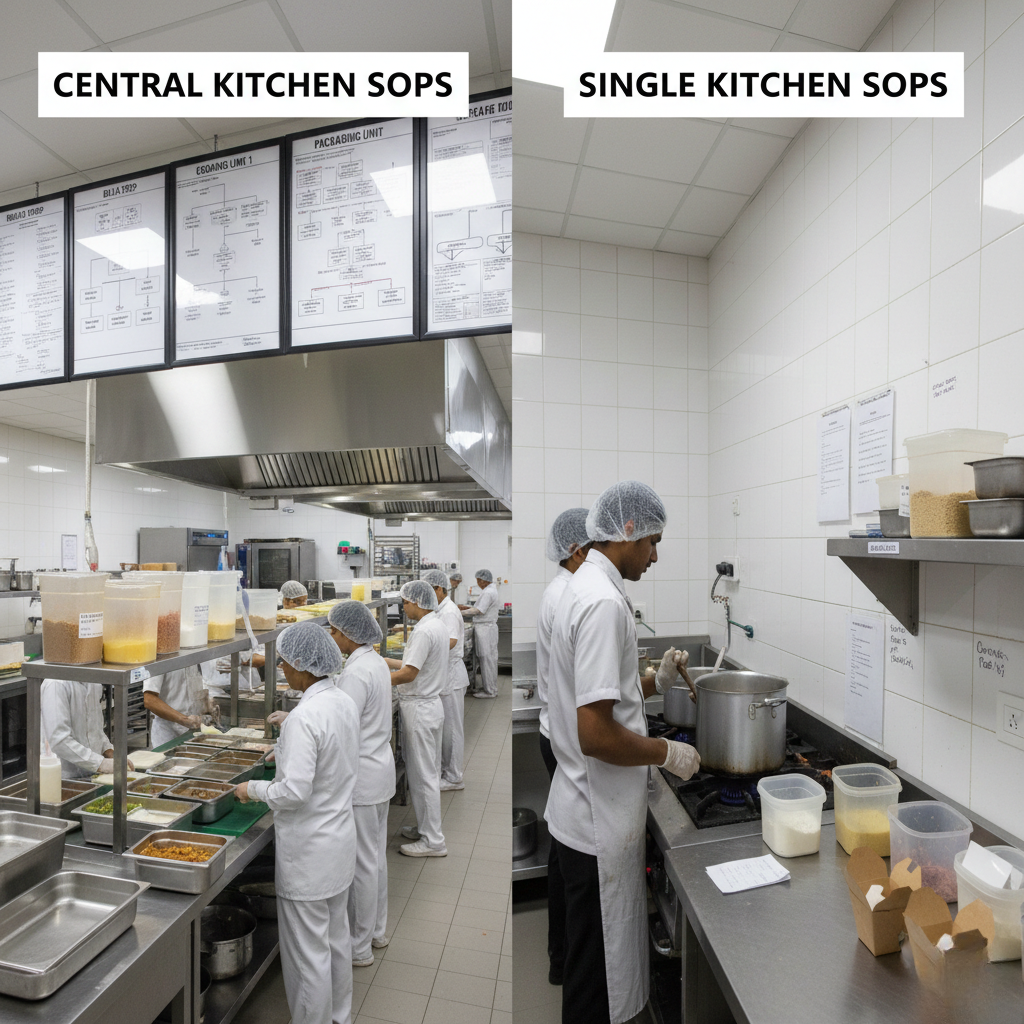
Central Kitchen SOPs vs Single Kitchen SOPs is a critical distinction most cloud kitchen founders ignore while scaling. Many kitchens attempt to grow using the same SOPs they used in a single-location setup. As volume increases and complexity multiplies, these SOPs begin to fail silently. This guide explains Central Kitchen SOPs vs Single Kitchen SOPs, why both models require fundamentally different documentation, and how choosing the wrong SOP structure leads to food cost leakage, operational chaos, and customer complaints.
Why Central Kitchen SOPs vs Single Kitchen SOPs Matter
Most cloud kitchens begin as single-kitchen operations. Founders manage prep, cooking, packing, and dispatch from one location. As brands grow, founders often introduce a central kitchen model without redesigning SOPs. This mismatch explains why many scaling kitchens struggle. Central Kitchen SOPs vs Single Kitchen SOPs are not interchangeable.
To understand the ecosystem, begin with Cloud Kitchen Operation Consultant and Cloud Kitchen Business in India and Cloud Kitchen Scaling Strategy.
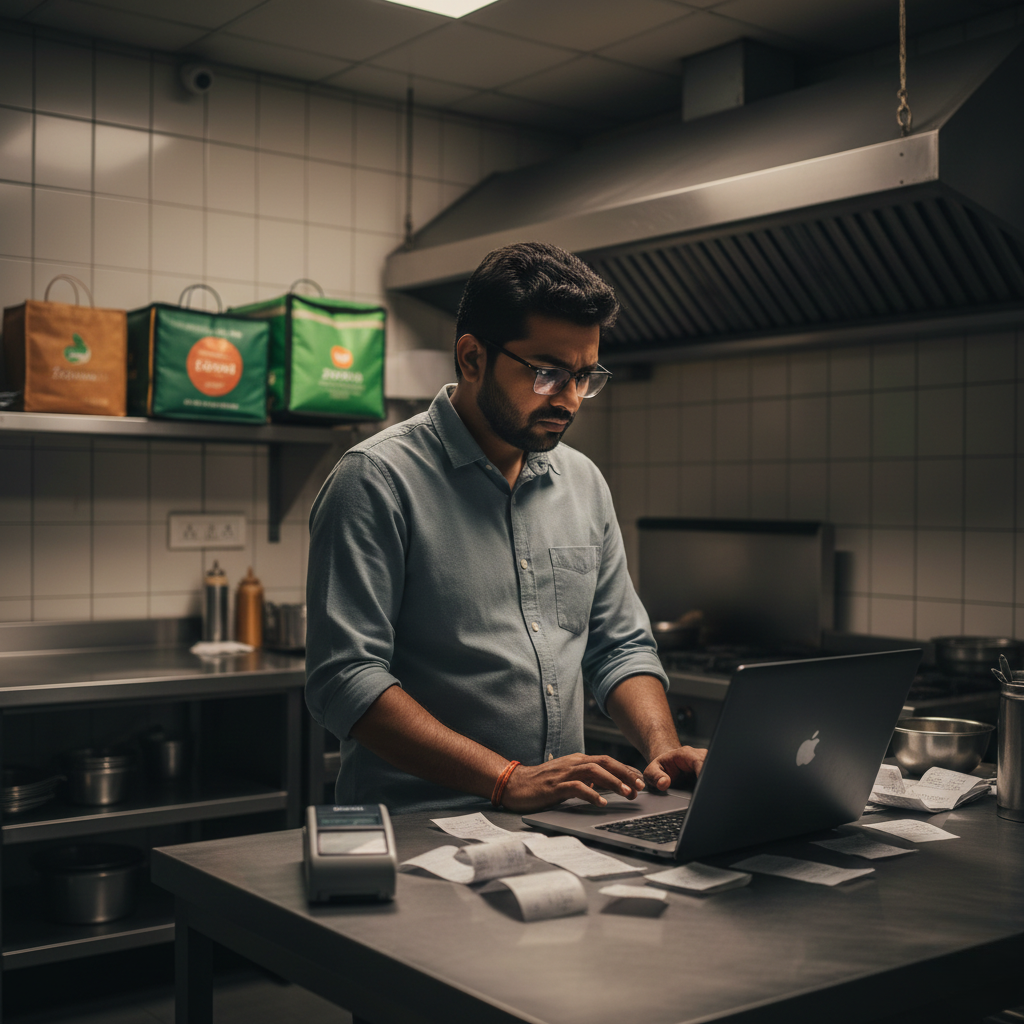
Understanding Central Kitchen SOPs vs Single Kitchen SOPs
Single kitchen SOPs are designed for end-to-end execution in one location. Central kitchen SOPs are designed for separation of production and service.
How Single Kitchen SOPs Work
Single kitchen SOPs focus on speed, multitasking, and flexibility. Prep, cooking, packing, and dispatch happen under one roof. SOPs are usually linear and depend heavily on staff experience. This model works at low volume but becomes fragile during growth.
Limitations of Single Kitchen SOPs
Single kitchen SOPs lack redundancy. Any delay in prep, staff absence, or inventory issue directly impacts customers. This explains why founders outgrow single kitchen SOPs as demand increases.
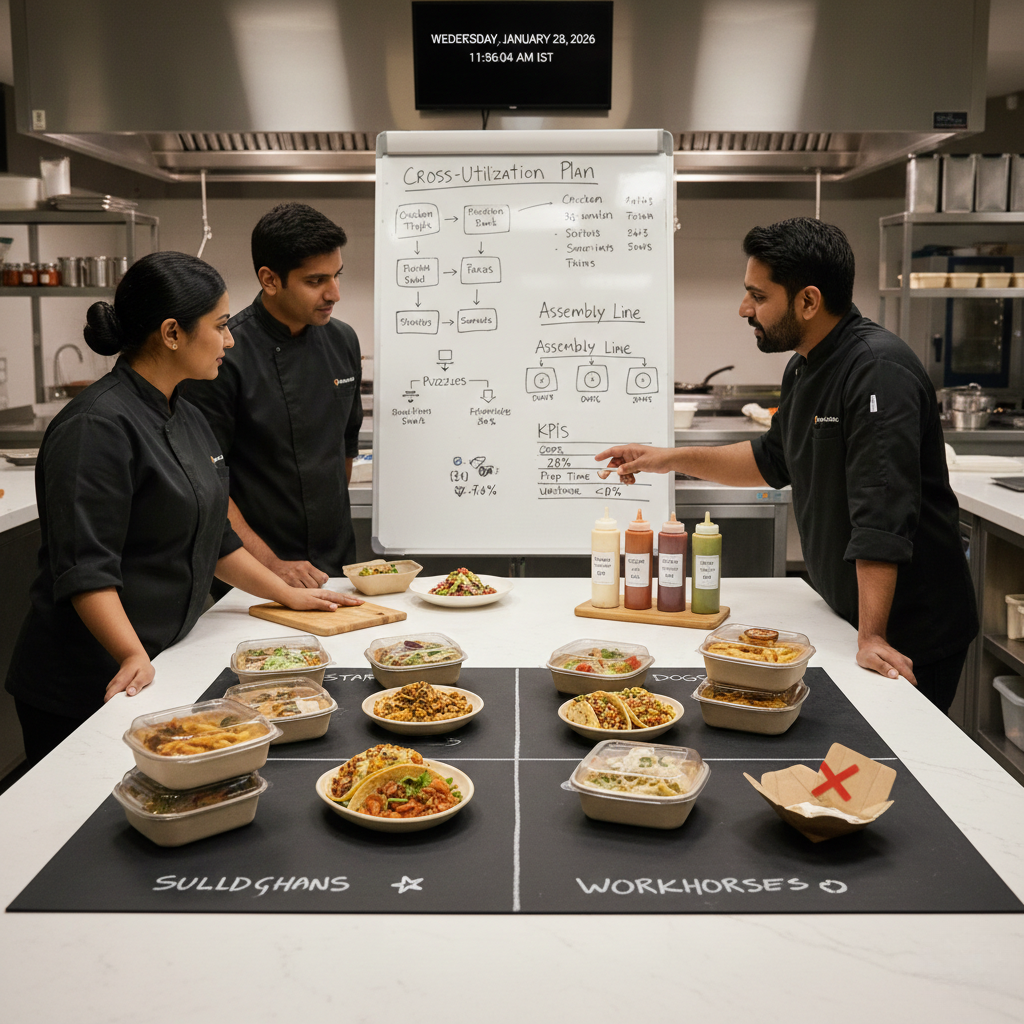
How Central Kitchen SOPs Are Structured
Central kitchen SOPs separate production from final service. Bulk prep, semi-finished items, and quality checks happen centrally. Outlet kitchens focus on finishing, packing, and dispatch. This separation requires detailed documentation and control.
Why Central Kitchen SOPs Need Higher Documentation
Central kitchens multiply risk. A single mistake affects multiple outlets simultaneously. SOPs must define batch sizes, shelf life, transport conditions, and handover accountability. This is why documentation becomes non-negotiable.
Central Kitchen SOPs vs Single Kitchen SOPs and Food Cost
Central kitchens promise cost efficiency through bulk procurement and prep. Without SOPs, these benefits disappear due to wastage, overproduction, and spoilage. Single kitchen SOPs control food cost locally, while central kitchen SOPs control it systemically.
Learn margin fundamentals in Cloud Kitchen Profit Margin in India.
Inventory Complexity in Central Kitchen SOPs vs Single Kitchen SOPs
Inventory in a single kitchen is relatively straightforward. Central kitchens manage raw materials, WIP, and finished goods across locations. SOPs must define FIFO, batch tracking, and reconciliation frequency.
Learn inventory discipline in Cloud Kitchen Inventory Management in India.
Portion Control in Central Kitchen SOPs vs Single Kitchen SOPs
Portion control is easier in a single kitchen environment. Central kitchens require standardization across batches and outlets. SOPs must ensure central prep portions align with outlet service portions.
Learn why this matters in Importance of Portion Control in Cloud Kitchens.
Customer Complaints in Central Kitchen SOPs vs Single Kitchen SOPs
In single kitchens, complaints are localized. In central kitchen models, one error can trigger complaints across multiple outlets. SOPs protect brand reputation by catching issues before distribution.
Dispatch SOPs in Central Kitchen vs Single Kitchen Models
Single kitchen dispatch SOPs focus on last-mile accuracy. Central kitchens require two layers of dispatch SOPs: inter-kitchen transfer and customer delivery.
Learn structured dispatch systems in Cloud Kitchen Dispatch SOP.
Staff Dependency in Central Kitchen SOPs vs Single Kitchen SOPs
Single kitchens depend heavily on multi-skilled staff. Central kitchens depend on role specialization and documentation. SOPs reduce dependency on individuals and increase reliability.
Multi-Brand Impact on Central Kitchen SOPs vs Single Kitchen SOPs
Central kitchens often support multiple brands. SOPs must enforce brand-wise separation of ingredients, recipes, and packaging. Without this, brands lose identity and profitability.
Learn structured design in How to Build SOPs for Multi-Brand Cloud Kitchens.
Choosing Between Central Kitchen SOPs vs Single Kitchen SOPs While Scaling
Scaling increases volume and risk. Single kitchen SOPs scale effort. Central kitchen SOPs scale systems. Choosing the wrong SOP structure slows growth and increases losses.
Central Kitchen SOPs vs Single Kitchen SOPs: Final Takeaway
Central Kitchen SOPs vs Single Kitchen SOPs is not a preference question. It is a system design decision. Kitchens that align SOPs with their operating model scale faster with fewer mistakes.
Structured SOP frameworks from GrowKitchen help founders design SOPs that match their growth stage.
FAQs: Central Kitchen SOPs vs Single Kitchen SOPs
Can single kitchen SOPs work for a central kitchen?
No. Central kitchens require higher documentation and controls.
Which model is more profitable?
Both can be profitable if SOPs match the model.
When should a kitchen move to central kitchen SOPs?
When volume and outlet count increase consistently.
Are central kitchen SOPs harder to manage?
They are more detailed, but far more scalable.