
How Multi-Brand Kitchens Improve Profitability
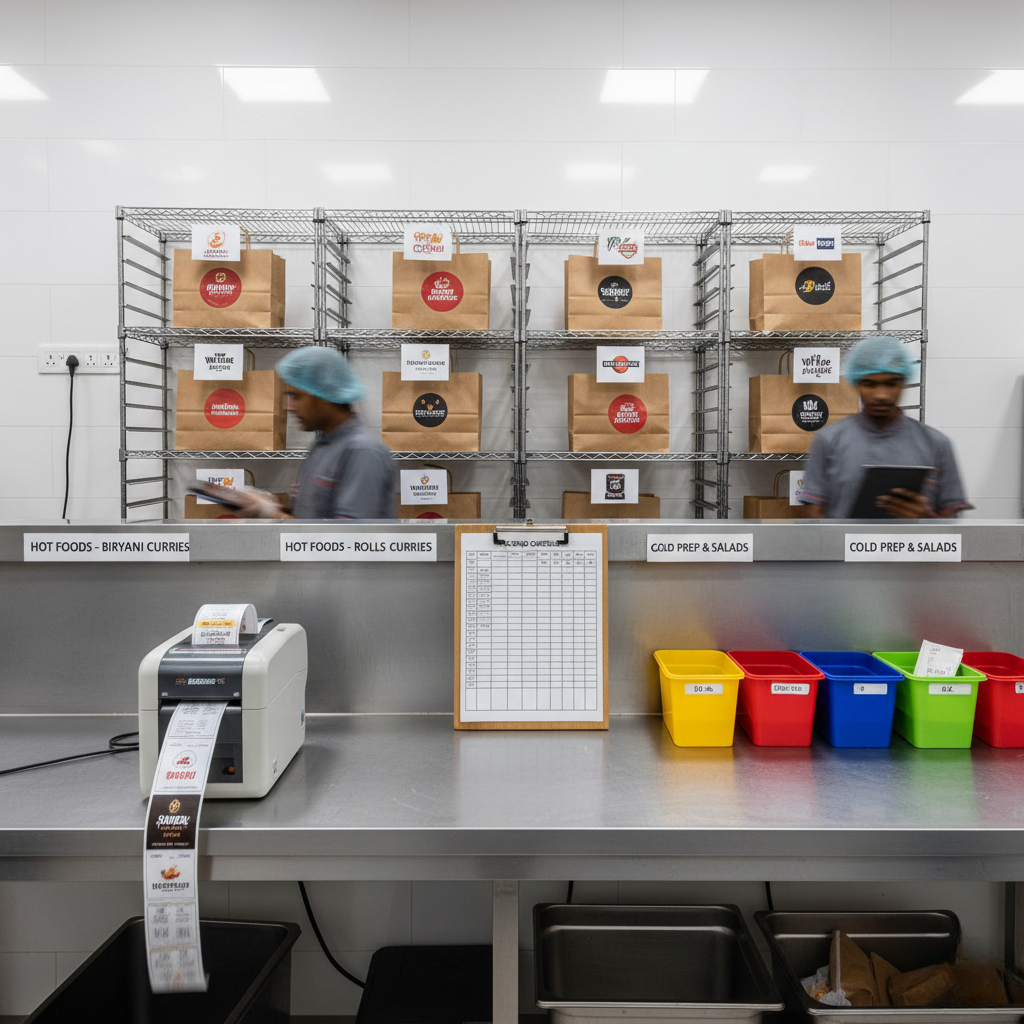
How Multi-Brand Kitchens Improve Profitability is not a hype concept. It’s a practical way to increase utilization, reduce fixed-cost pressure, and stop depending on a single menu to keep the kitchen alive. A single-brand cloud kitchen often looks busy but stays fragile. A multi-brand kitchen becomes profitable when brands share the same staff, the same […]
From ₹0 Profit to Sustainable Margins in Cloud Kitchens

Zero Profit to Sustainable Margins in Cloud Kitchens describes the journey most founders do not plan for but eventually face. Orders may be flowing, brands may be visible on Swiggy and Zomato, and kitchens may stay busy every day, yet the business ends each month with zero or negligible profit. This stage is not failure, […]
Menu Engineering for Profit in Cloud Kitchens
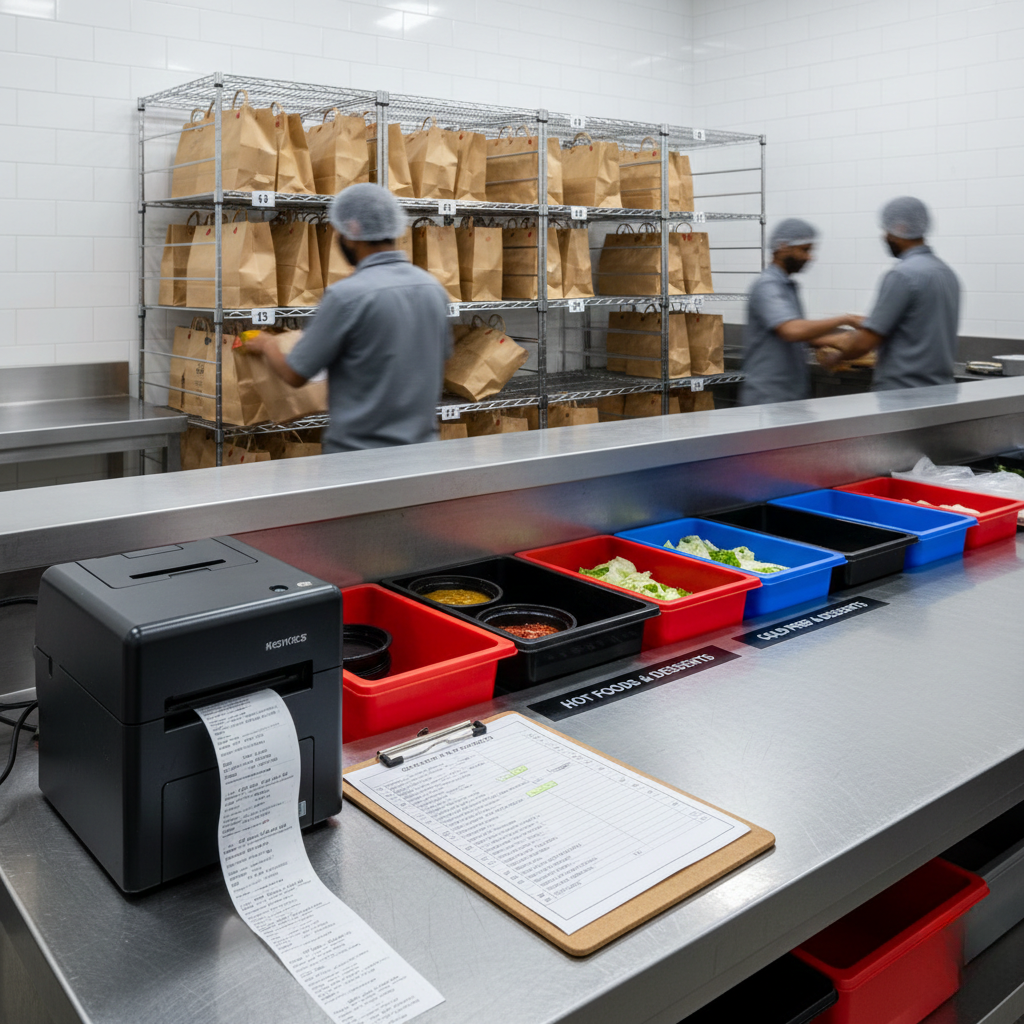
Menu Engineering for Profit in Cloud Kitchens is not about adding more items. It is about deciding what deserves to stay on the menu. Most cloud kitchens fail not because food is bad, but because the menu is unfocused, expensive to execute, and difficult to scale. A poorly engineered menu hides profit leaks, increases staff […]
Why Data Tracking Is Key to Profitable Kitchens
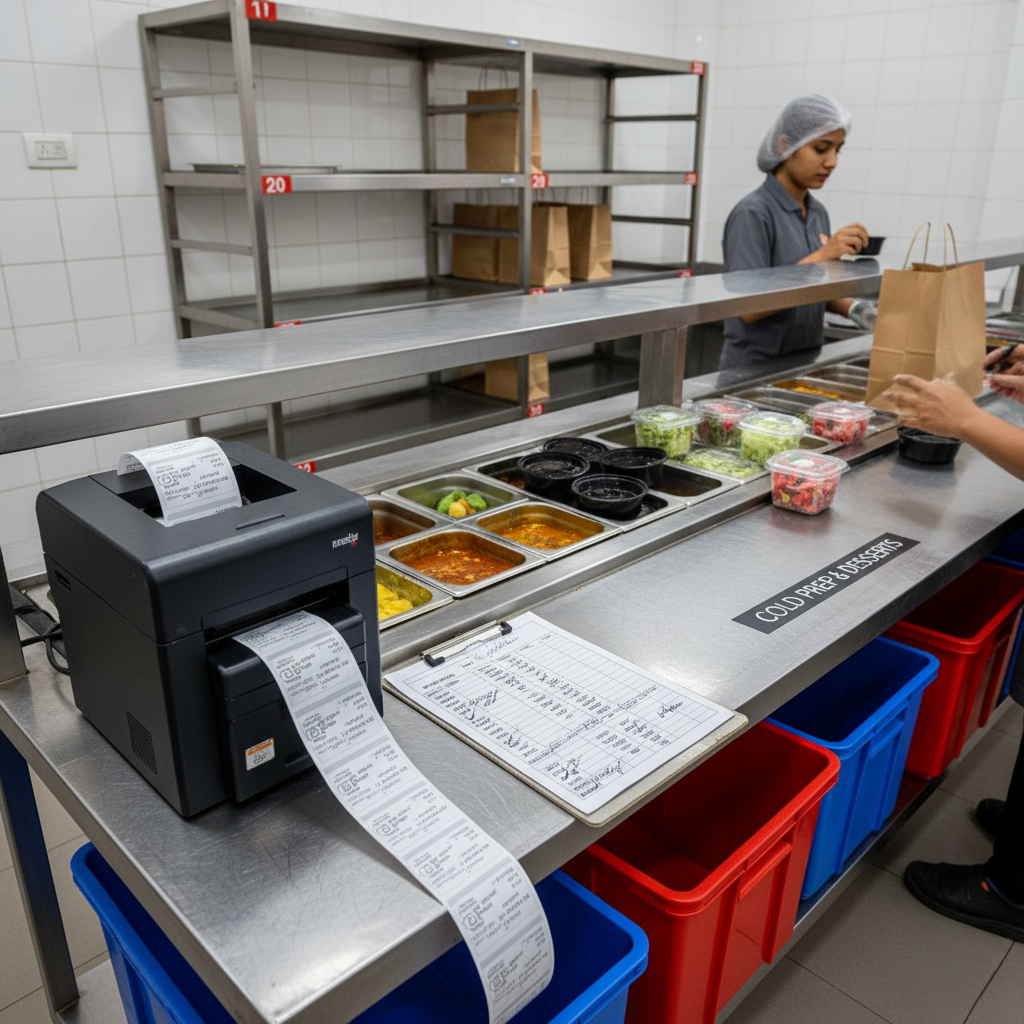
Why Data Tracking Is Key to Profitable Kitchens is not about dashboards or fancy tools. It is about visibility. Most cloud kitchens don’t lose money because food is bad or demand is low. They lose money because founders are operating blind. Orders happen. Staff works. Money moves. But without structured data tracking, founders cannot see […]
How SOPs Improve Cloud Kitchen Profitability
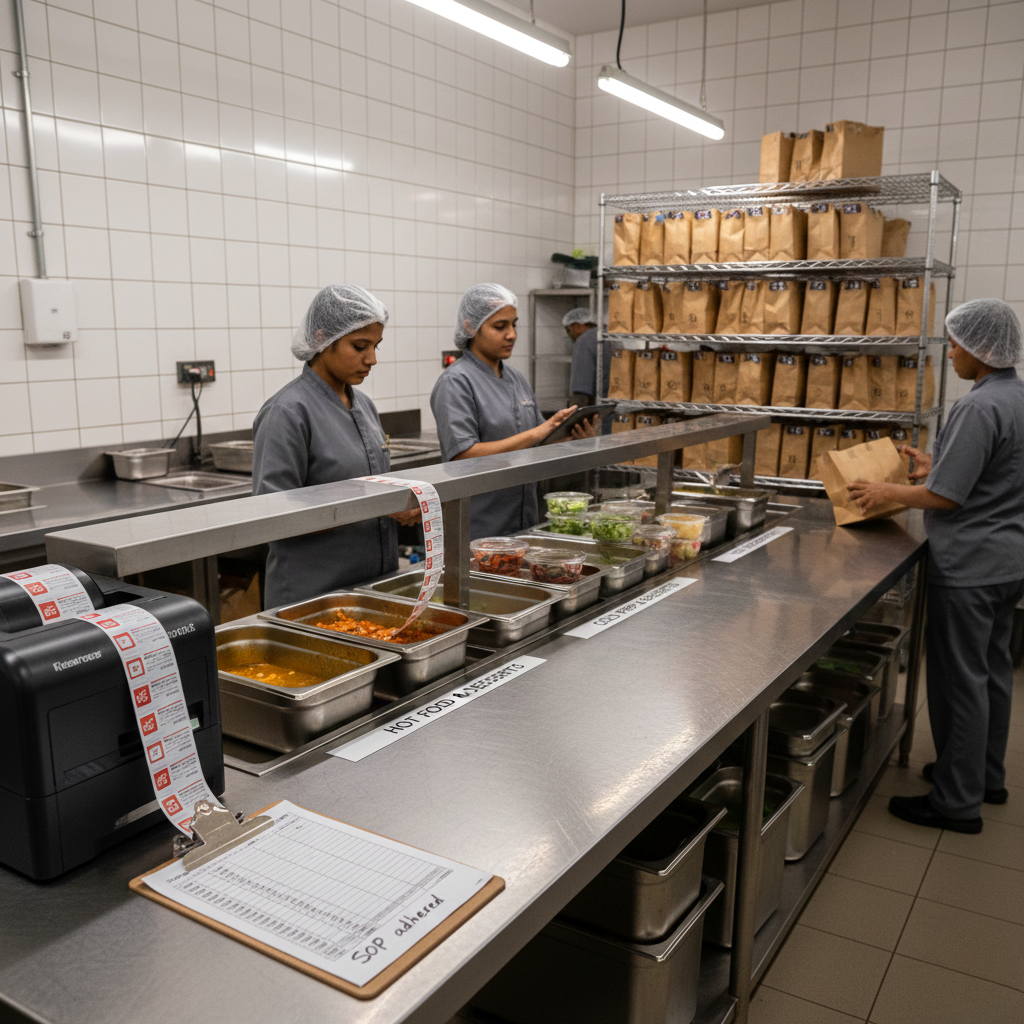
How SOPs Improve Cloud Kitchen Profitability is not a theoretical topic. It is the difference between a kitchen that looks busy and a kitchen that keeps cash. Most cloud kitchens don’t collapse because orders stop. They collapse because execution stays inconsistent while volume increases. SOPs (Standard Operating Procedures) are not “paperwork.” They are the operational […]
Why Operations Failures Become Financial Losses
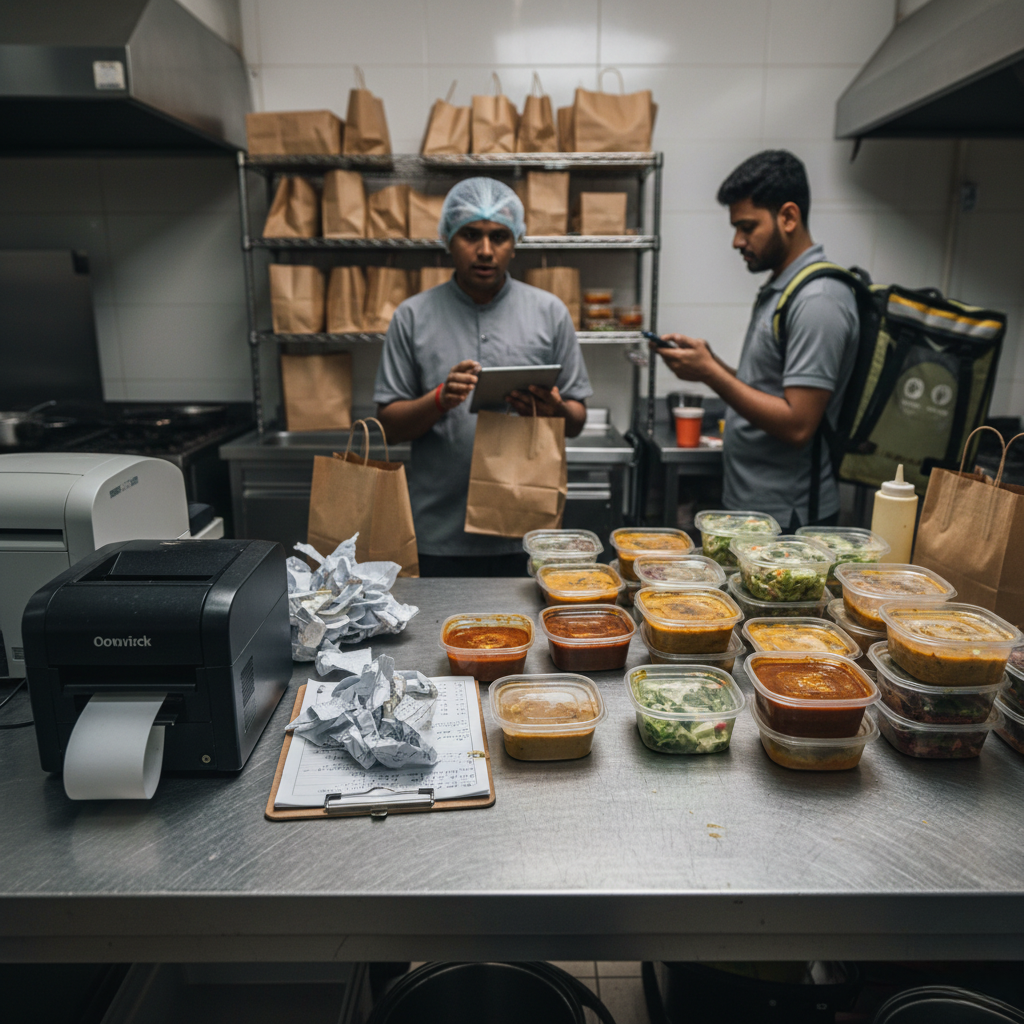
Why Operations Failures Financial Losses in cloud kitchens is one of the most misunderstood truths in cloud kitchens. Founders often separate operations and finance. They treat mistakes as “ops issues” and losses as “finance problems.” In reality, every operational failure converts directly into money lost. Through portion errors, prep inefficiencies, staff mistakes, refunds, wastage, idle […]
From 50 Orders to 300 Orders: Operations Scaling Guide
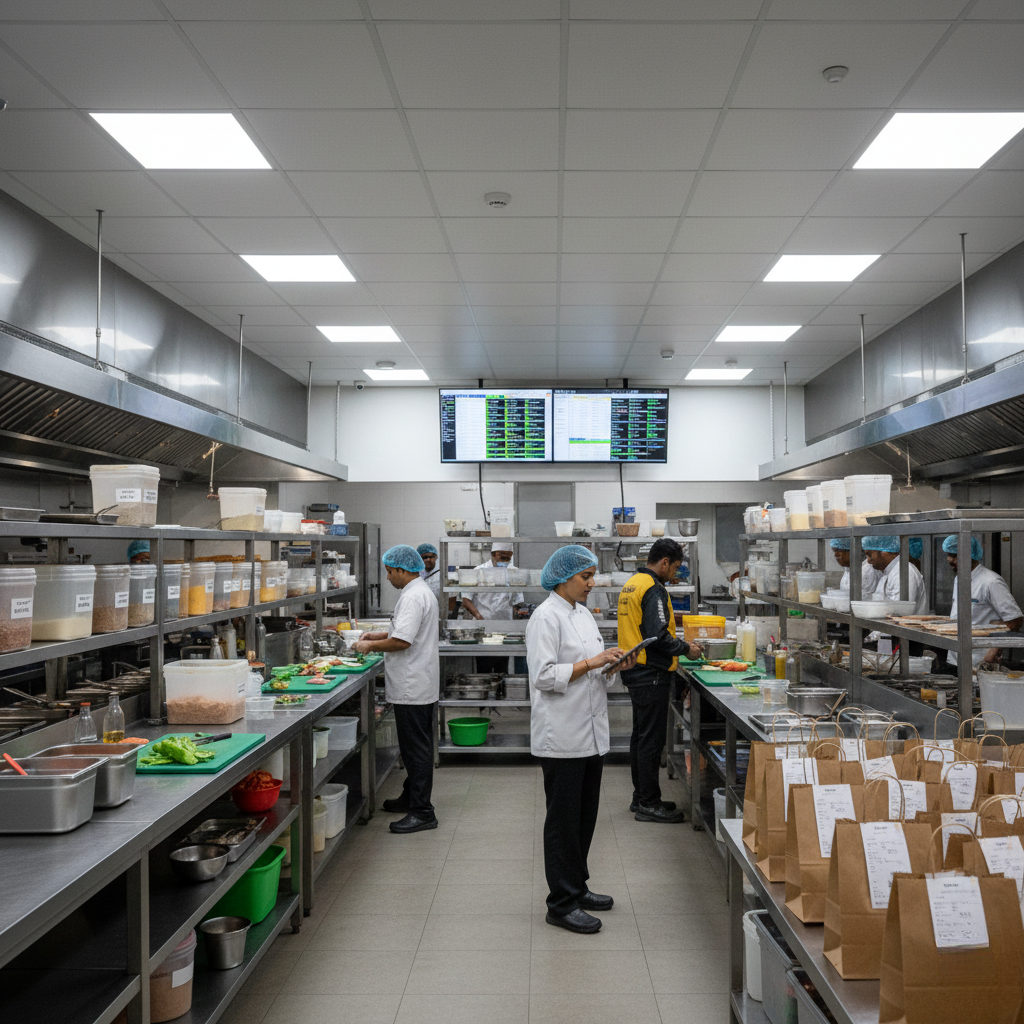
Operations Scaling Guide From 50 to 300 Orders explains one of the most dangerous and misunderstood phases in a cloud kitchen’s journey. Hitting 50 daily orders feels stable. Pushing toward 300 orders feels like success. Yet this transition is where most cloud kitchens break operationally. Delays rise. Staff struggle. Founders lose control. Ratings fall. This […]
When Growth Is Hurting Your Cloud Kitchen Operations
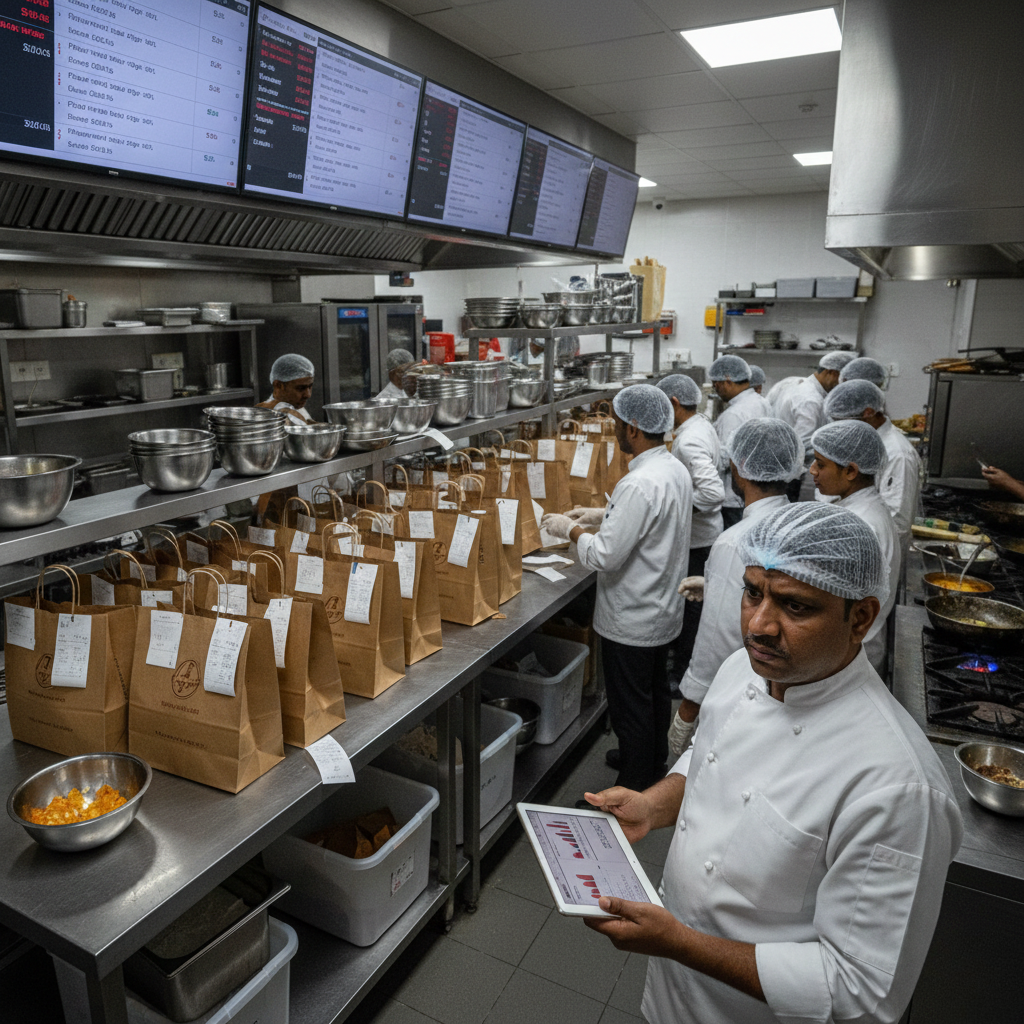
When Growth Is Hurting Your Cloud Kitchen Operations explains a painful phase many cloud kitchen founders experience in India. Orders increase. Revenue rises. Visibility improves. Yet operations begin to crack. Delays rise. Complaints increase. Ratings fall. Founders feel more stressed than before. This guide explains why growth often exposes hidden operational weaknesses, how growth quietly […]
How Poor Ratings Lead to Revenue Loss
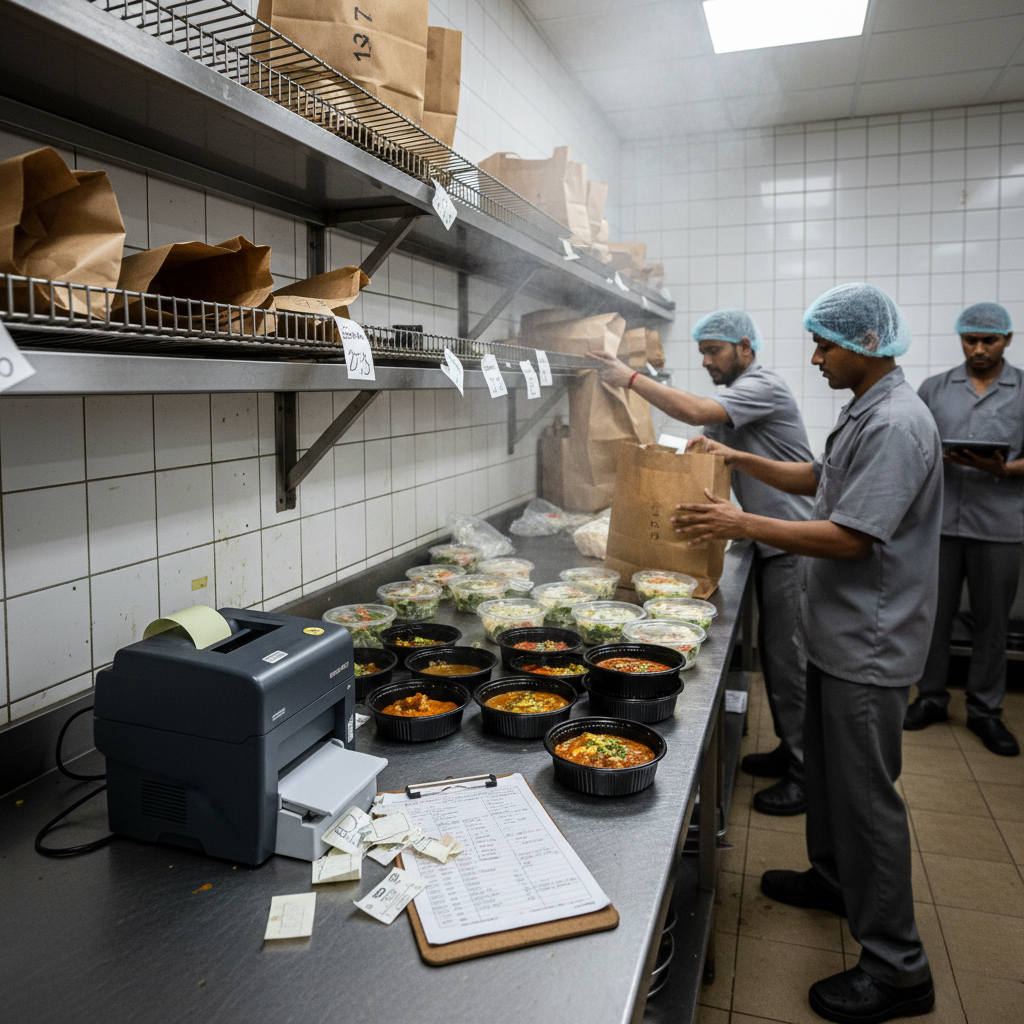
How Poor Ratings Lead to Revenue Loss is one of the most misunderstood dynamics in cloud kitchens. Many founders treat ratings as reputation metrics. Or marketing vanity. In reality, ratings are financial signals. Poor ratings don’t just hurt perception they reduce visibility, lower conversion, increase refunds, inflate CAC, and silently choke growth. Orders may still […]
Why Too Many SKUs Reduce Profit
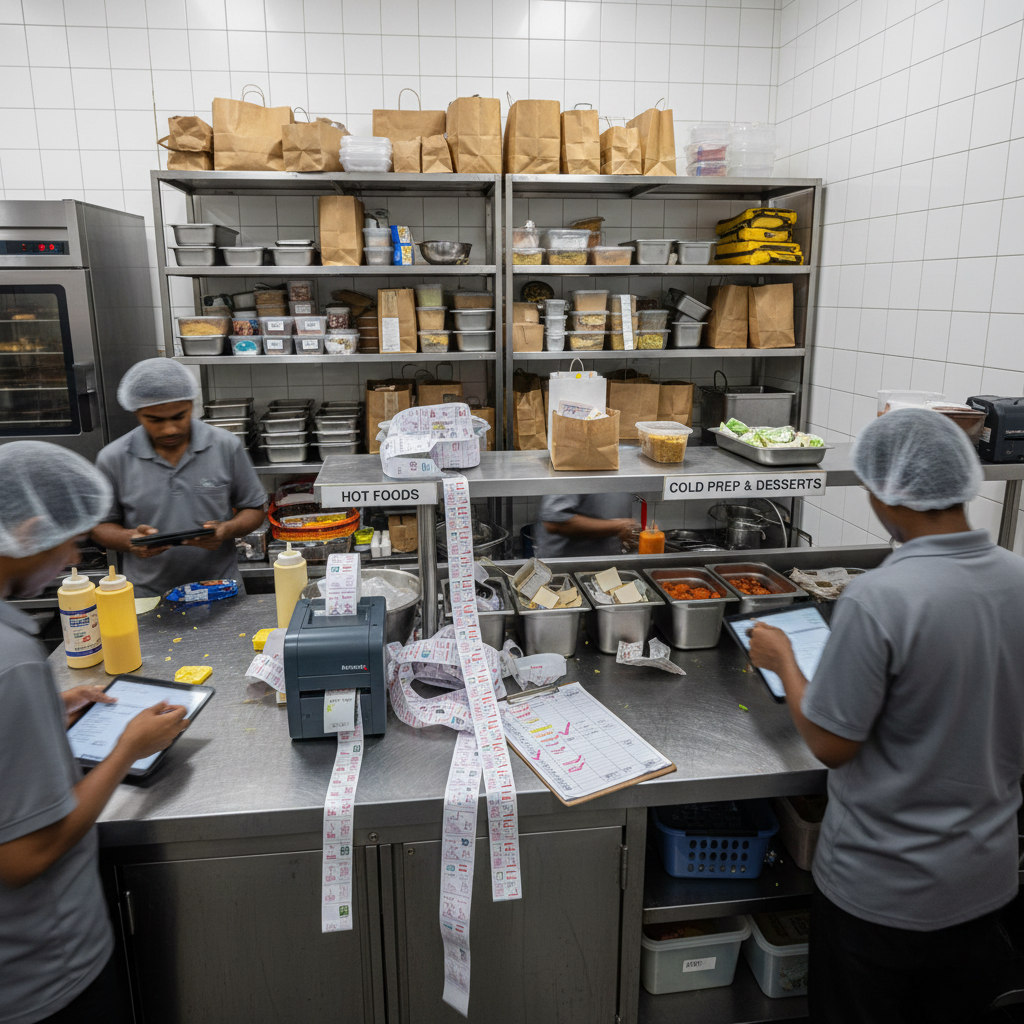
Why Too Many SKUs Reduce cloud kitchen Profit is one of the least understood realities in cloud kitchens. Founders often believe more items mean more choice, higher conversion, and better customer satisfaction. In reality, excessive SKUs quietly destroy margins. Through inventory sprawl, prep complexity, portion inconsistency, staff errors, wastage, slower dispatch, and diluted contribution margin. […]