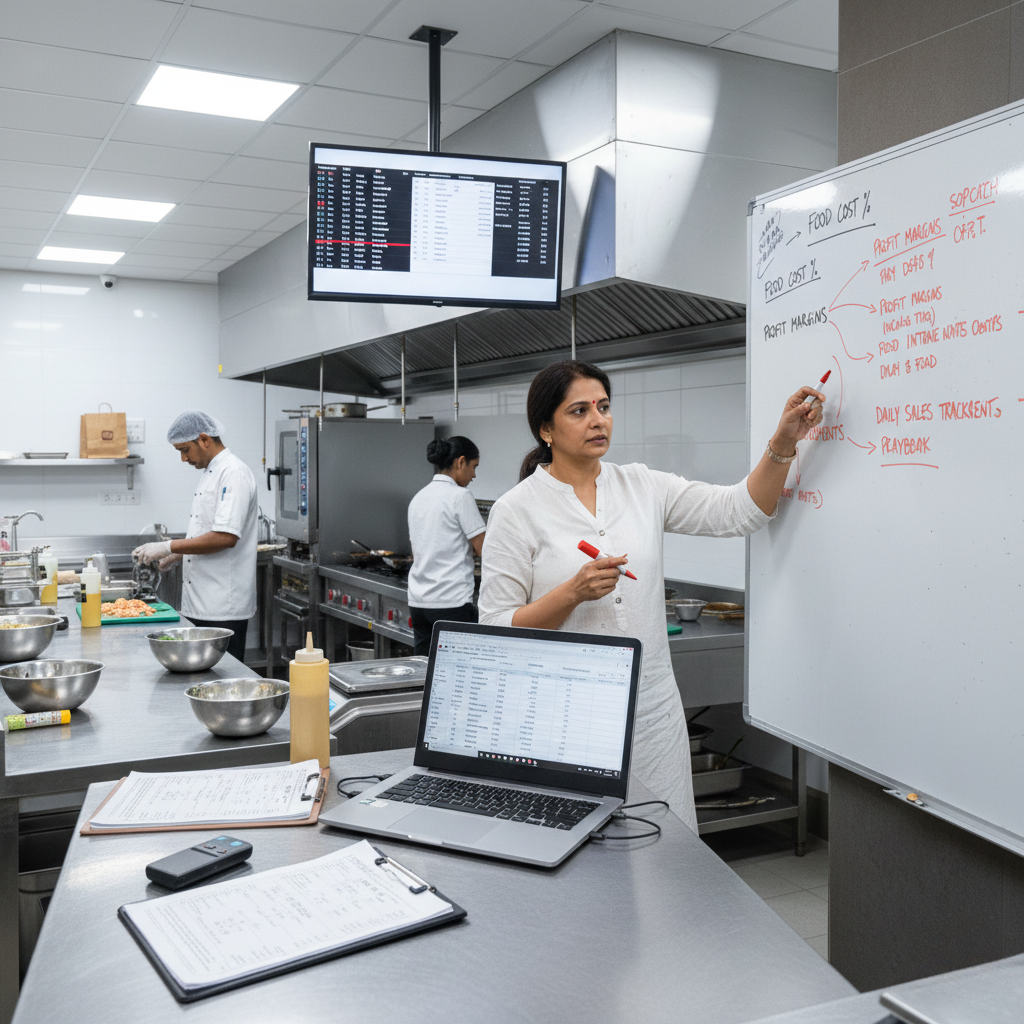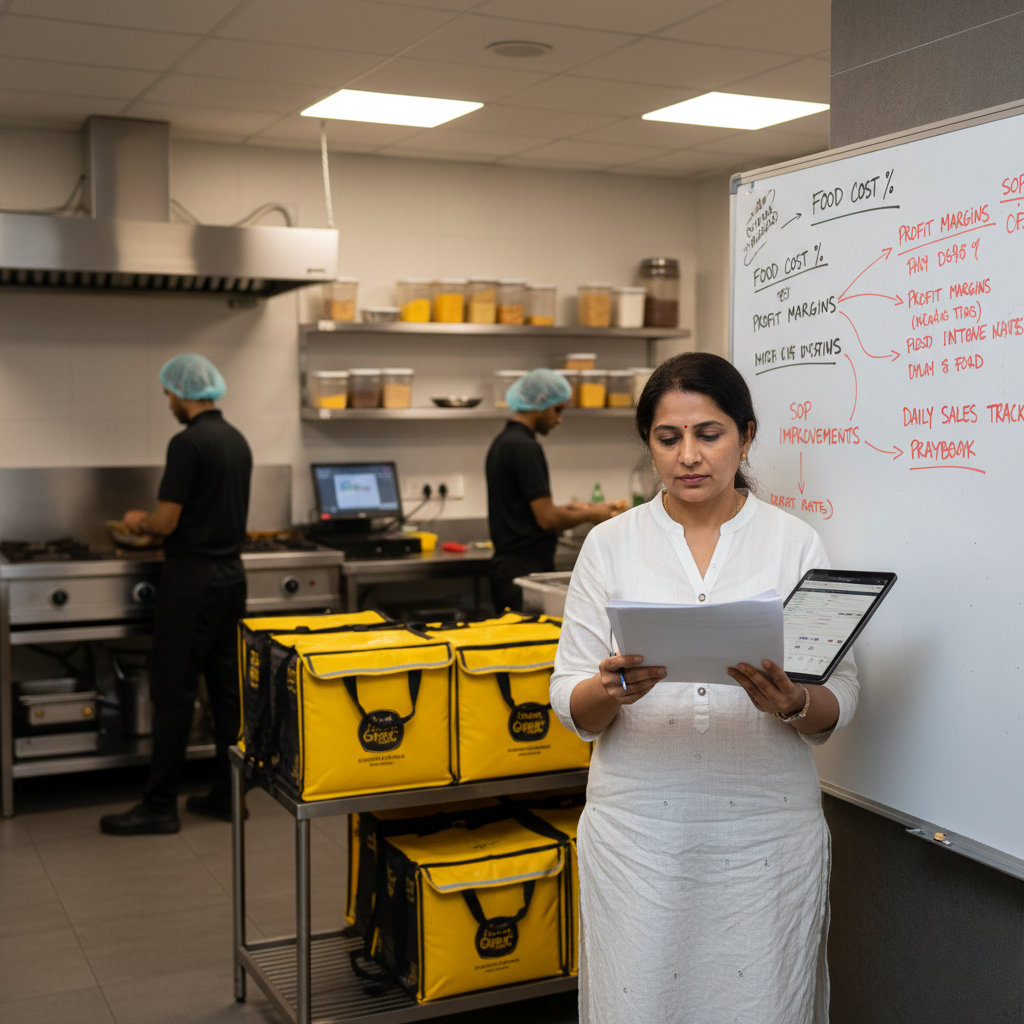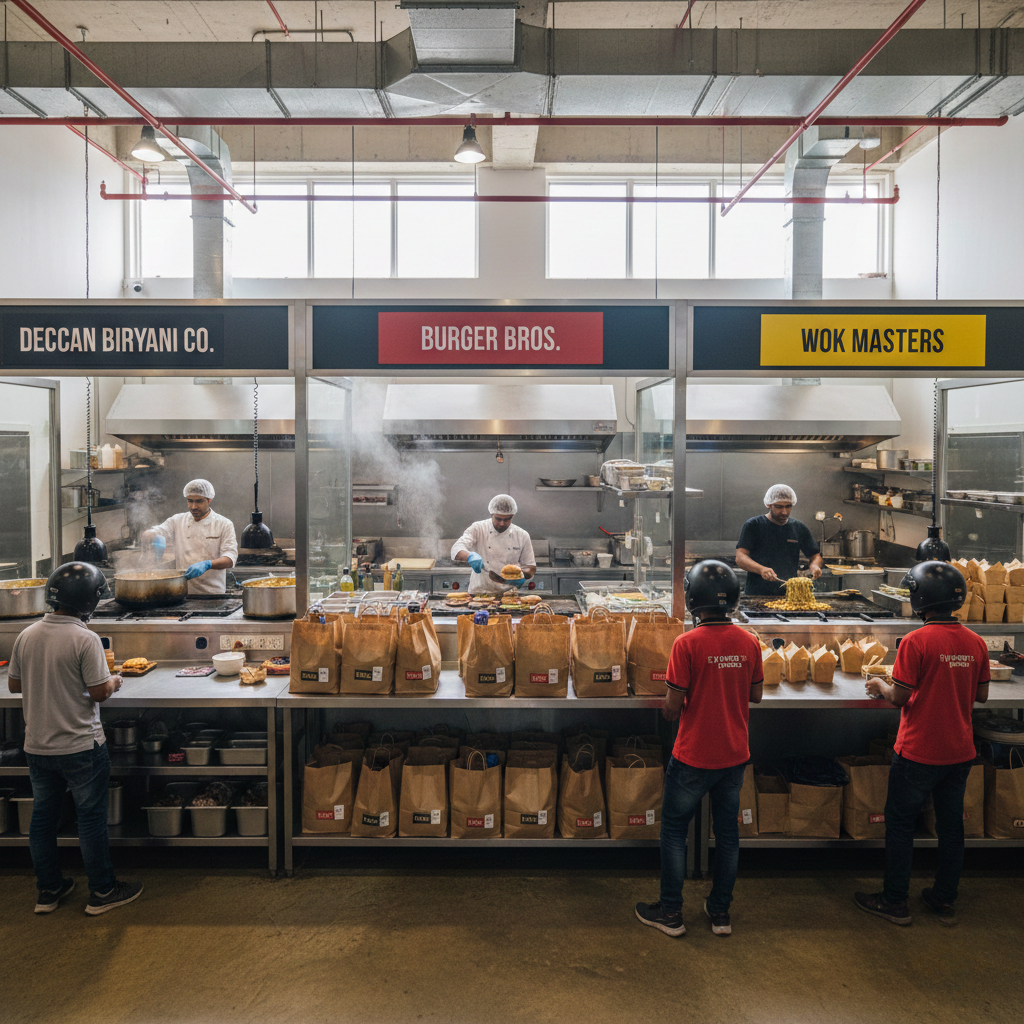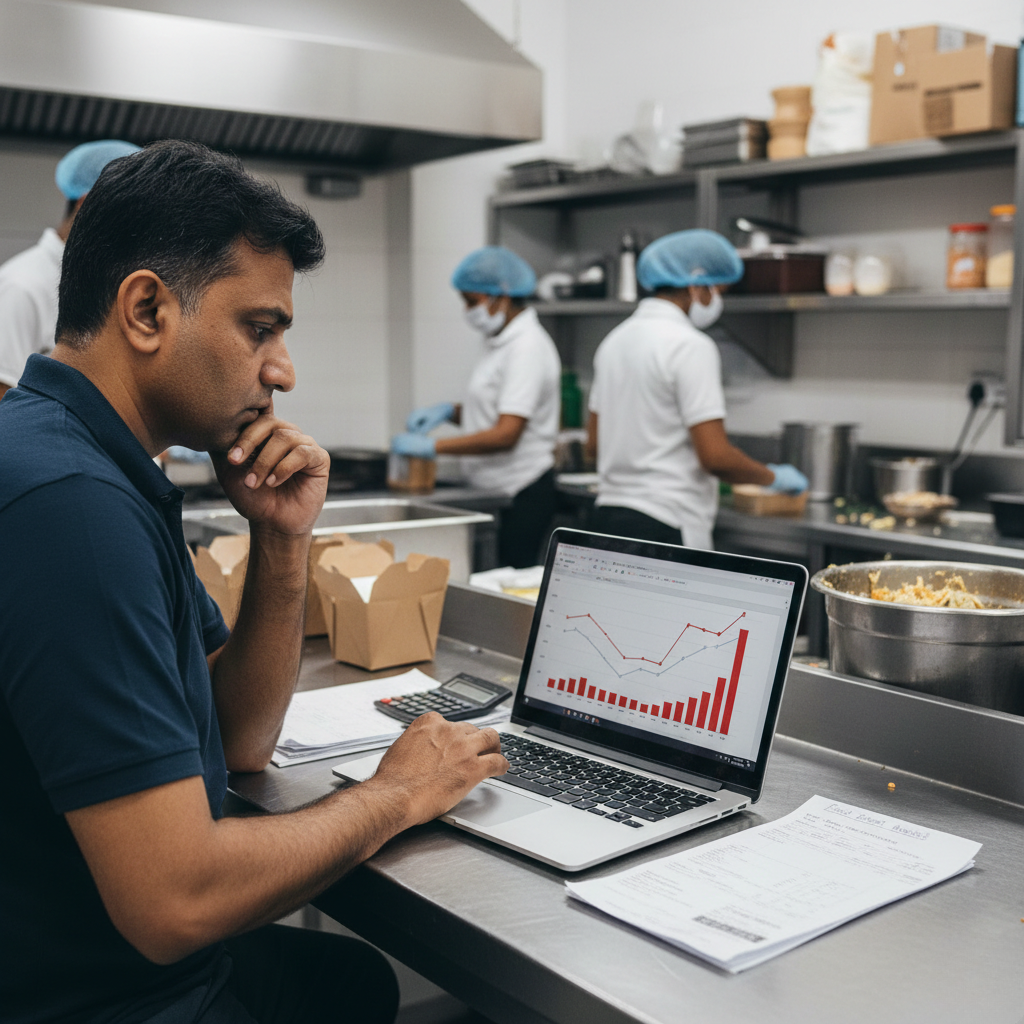
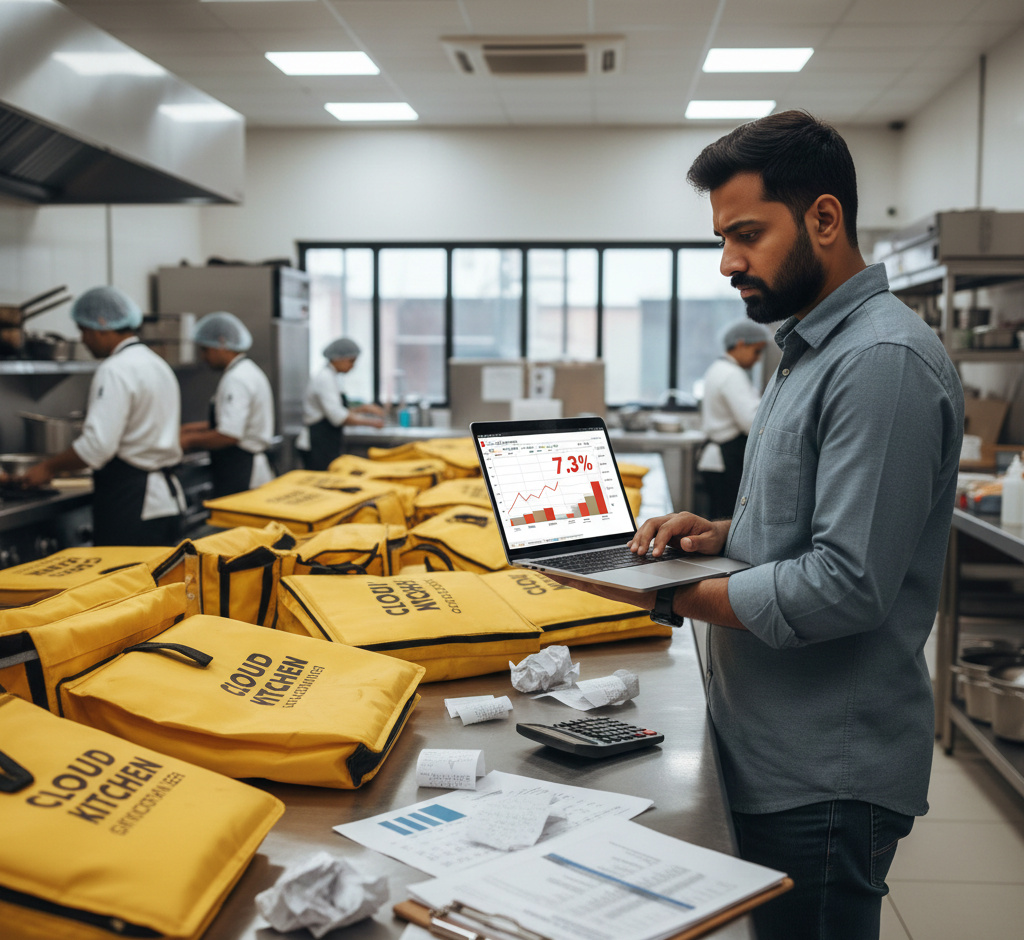
Cloud Kitchen Profitability Dropping When Orders Increase is one of the most dangerous signals a founder can ignore in 2026. Increasing order volume is often celebrated as a clear sign of growth in a cloud kitchen. However, many operators experience a frustrating situation: orders are rising, revenue appears strong, yet overall profitability continues to decline. This disconnect usually signals hidden financial inefficiencies rather than market weakness.
Understanding Cloud Kitchen Profitability Dropping When Orders Increase requires structured visibility into the operational and financial drivers that shape real margins. Without that visibility, growth can look healthy on the surface while weakening the business underneath.
Why Cloud Kitchen Profitability Dropping When Orders Increase Is a Serious Warning Sign
Revenue reflects activity, but profitability reflects efficiency. As discussed in Cloud Kitchen Profitability Data-Driven Approach and why cloud kitchen profits decline despite good sales , higher sales can amplify underlying cost problems instead of strengthening financial health.
When order volume increases without cost discipline, operational strain intensifies and margins begin to compress. That is the core reason behind Cloud Kitchen Profitability Dropping When Orders Increase for many expanding kitchens.
Cloud Kitchen Profitability Dropping When Orders Increase Despite Revenue Growth
A rise in orders does not automatically mean a rise in profit. Many founders assume that more sales will solve financial pressure, but the opposite often happens when costs are not controlled tightly.
This is why Cloud Kitchen Profitability Dropping When Orders Increase has become such an important topic. If the economics of each order are weak, more orders simply multiply the weakness.
Declining Contribution Margin and Cloud Kitchen Profitability Dropping When Orders Increase
Contribution margin measures how much revenue remains after deducting variable costs such as ingredients, packaging, aggregator commissions, discounts, and paid marketing.
Contribution Margin = Selling Price − Variable Costs
If variable costs increase faster than selling price, higher order volume may generate more work but not more profit. This is one of the biggest reasons for Cloud Kitchen Profitability Dropping When Orders Increase.
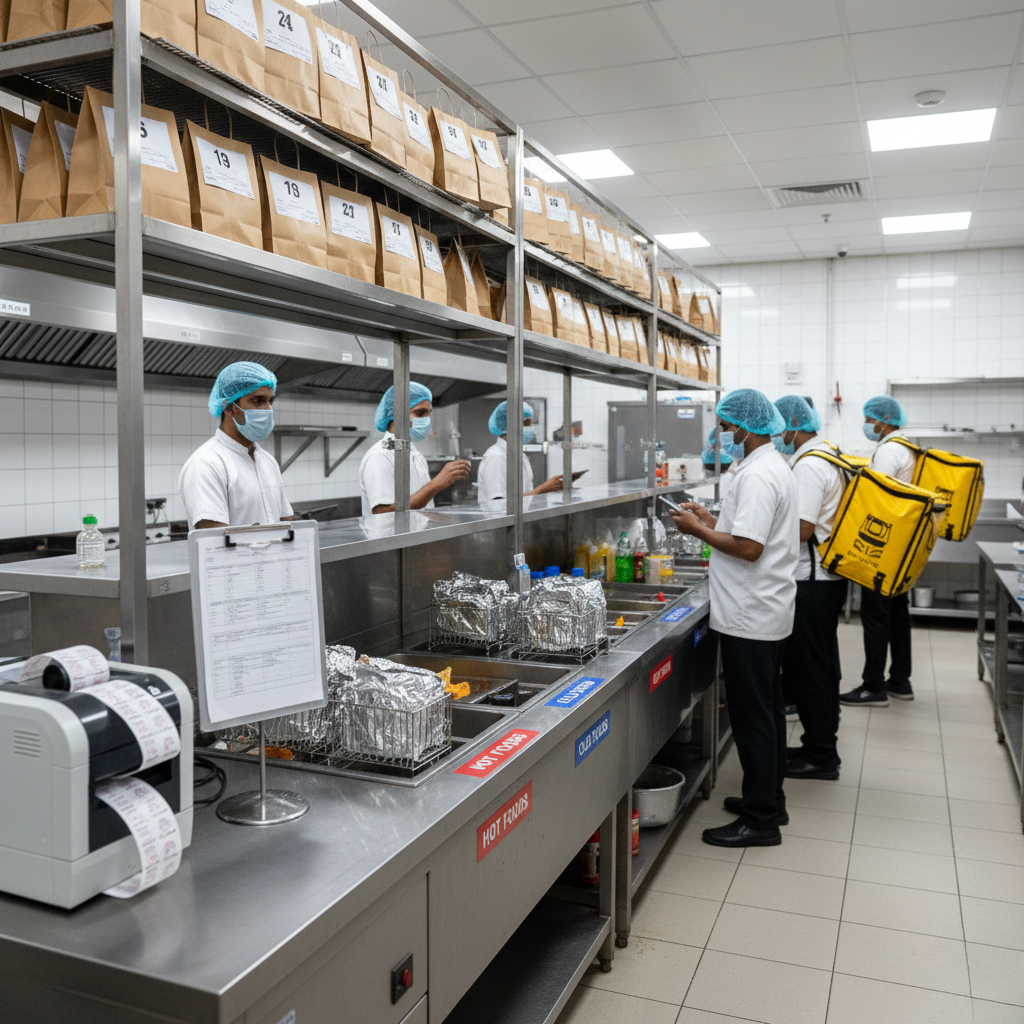
Small increases in ingredient usage, discount intensity, or commission exposure can significantly weaken contribution at scale. Once order volume rises, even small leakages become much more expensive.
Food Cost Percentage Drift Behind Cloud Kitchen Profitability Dropping When Orders Increase
As volume grows, food cost inconsistencies become more impactful. Portion variation that felt minor at low volume can become a major profitability problem at higher scale.
Food Cost % = (Total Ingredient Cost / Total Sales) × 100
Minor portion inconsistencies or production inefficiencies that were manageable at lower volumes can create substantial margin erosion when orders increase. That is another practical reason for Cloud Kitchen Profitability Dropping When Orders Increase.
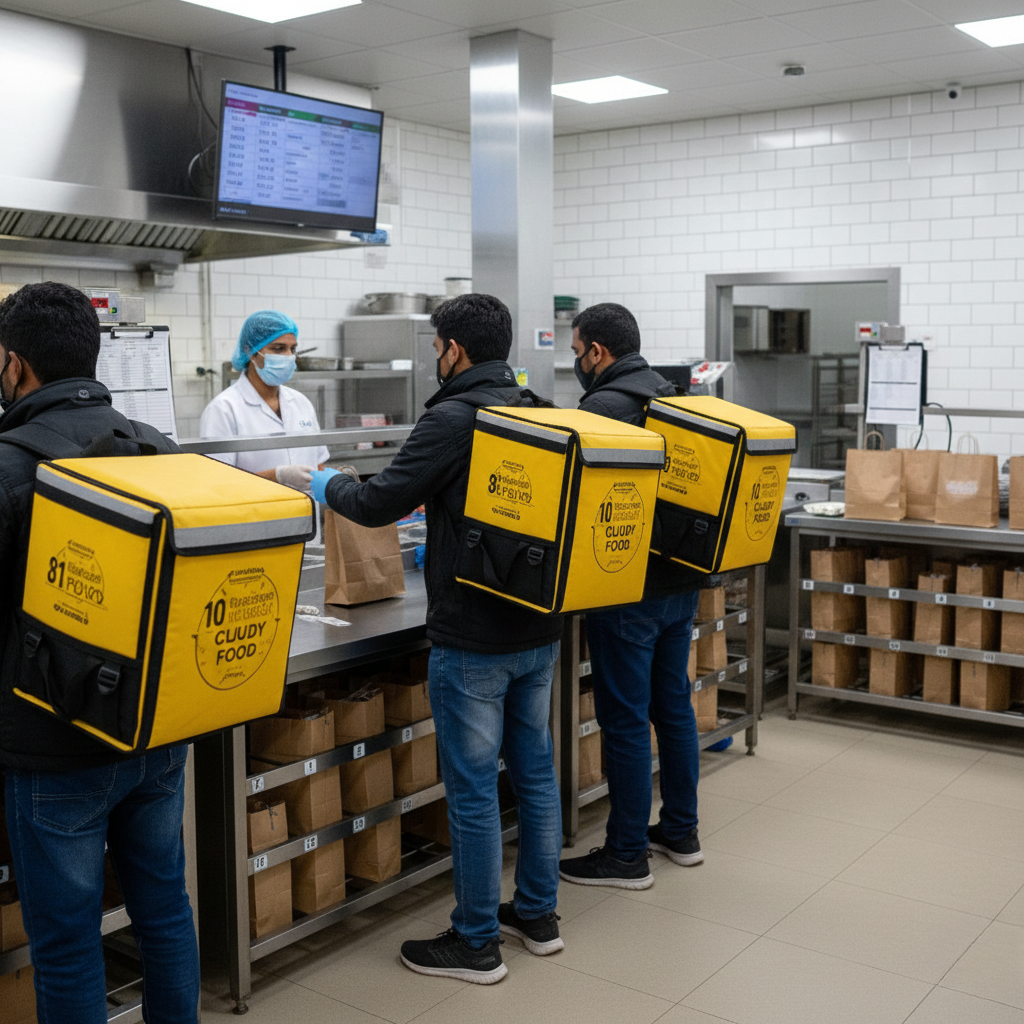
Without structured monitoring, rising food cost percentage may go unnoticed until profitability significantly declines.
Labor Costs Expanding With Volume
Higher order volume often requires additional staffing. If hiring decisions are reactive rather than data-driven, labor costs can rise faster than revenue.
Labor Cost % = (Total Staff Cost / Total Revenue) × 100
Overstaffing during slow hours or inefficient shift planning reduces productivity and weakens net profit. In many kitchens, this is a hidden reason for Cloud Kitchen Profitability Dropping When Orders Increase.
Discount Dependency Increasing
Order growth is sometimes fueled by aggressive promotional campaigns. While discounts increase short-term volume, they reduce post-discount contribution.
If discount-to-sales ratio rises alongside order volume, profitability may decline even as revenue grows. This makes discount dependence one of the most common reasons behind Cloud Kitchen Profitability Dropping When Orders Increase.
Early warning signals of margin pressure are explored further in Key Profitability Metrics for Cloud Kitchens .
Average Order Value Declining
Another hidden factor is declining Average Order Value or AOV. More orders do not help much if each order is worth less and carries lower profitability.
AOV = Total Revenue / Total Orders
If new orders consist of lower-value items or heavily discounted bundles, revenue may increase through volume while profitability per order decreases. This is another reason for Cloud Kitchen Profitability Dropping When Orders Increase.
Inventory Inefficiencies During Growth
Scaling operations increases procurement complexity. Without proper demand forecasting and inventory tracking, over-purchasing and spoilage can increase food cost percentage.
Slow-moving inventory ties up working capital and indirectly weakens profitability. As operational pressure grows, inventory mismanagement becomes a silent driver of Cloud Kitchen Profitability Dropping When Orders Increase.
Operational Complexity Reducing Efficiency
As order volume rises, operational complexity increases. Multiple brands, expanded menus, and high-frequency delivery windows introduce execution risk.
Without structured systems and role clarity, complexity leads to wastage, duplication of effort, and cost drift. That is why Cloud Kitchen Profitability Dropping When Orders Increase is often more of a systems problem than a sales problem.
The Importance of a Unified Profitability Dashboard
The only reliable way to understand margin decline during growth is through a structured dashboard that integrates contribution margin, food cost percentage, labor cost ratio, AOV trends, discount impact, and inventory turnover.
Daily visibility into these metrics reveals which variable is shifting and allows corrective action before losses compound. A strong dashboard helps explain exactly why Cloud Kitchen Profitability Dropping When Orders Increase is happening and what needs to be fixed first.
From Growth Pressure to Controlled Scaling
Profitability declines during growth are not uncommon. They typically indicate that systems have not evolved alongside demand.
When financial metrics guide operational behavior, scaling strengthens margins rather than compressing them. This is how founders can stop the pattern of Cloud Kitchen Profitability Dropping When Orders Increase and start turning growth into real profit.
Final Thoughts on Cloud Kitchen Profitability Dropping When Orders Increase
Rising order volume without margin visibility creates operational pressure without financial reward.
Sustainable profitability depends on contribution stability, controlled food cost, aligned labor planning, disciplined discount usage, and efficient inventory systems.
Growth must be structured to be profitable. If Cloud Kitchen Profitability Dropping When Orders Increase is happening in your business, the answer is usually not more sales. The answer is better control over the economics behind every order.
Frequently Asked Questions
Why does Cloud Kitchen Profitability Dropping When Orders Increase happen?
Higher orders may be accompanied by rising food costs, aggressive discounting, increased commissions, or inefficient labor expansion, all of which compress margins.
Is discounting the main reason for Cloud Kitchen Profitability Dropping When Orders Increase?
Discounting is one factor, but food cost drift, labor inefficiency, and inventory mismanagement also commonly contribute.
How can I identify the exact cause of Cloud Kitchen Profitability Dropping When Orders Increase?
A unified profitability dashboard tracking contribution margin, food cost percentage, labor ratio, AOV, and discount impact provides clarity.
Can growth ever reduce profitability temporarily?
Yes. Rapid scaling without operational alignment often creates short-term margin pressure. Structured monitoring ensures stability returns quickly.
Still Have Questions?
For operational and profitability guidance, read the Grow Kitchen FAQs .
You may also explore:
- How to Use Data to Optimize Cloud Kitchen Profitability
- How to Make Data-Driven Decisions for Cloud Kitchen Profitability
- How to Build a Profitable Cloud Kitchen with a Data-Backed Roadmap
- How to Use a Cloud Kitchen Profitability Dashboard
- How to Get Data-Driven Cloud Kitchen Consulting Services
- Grow Kitchen on Twitter