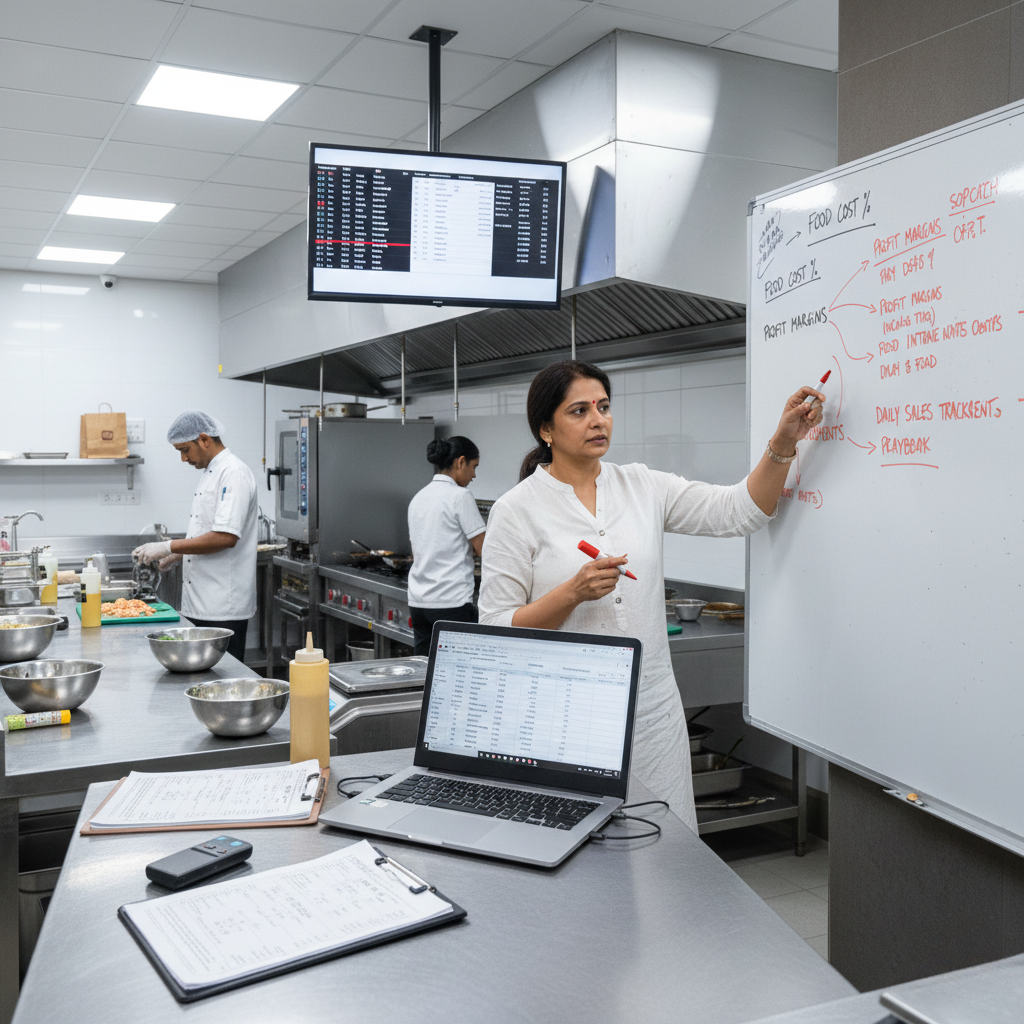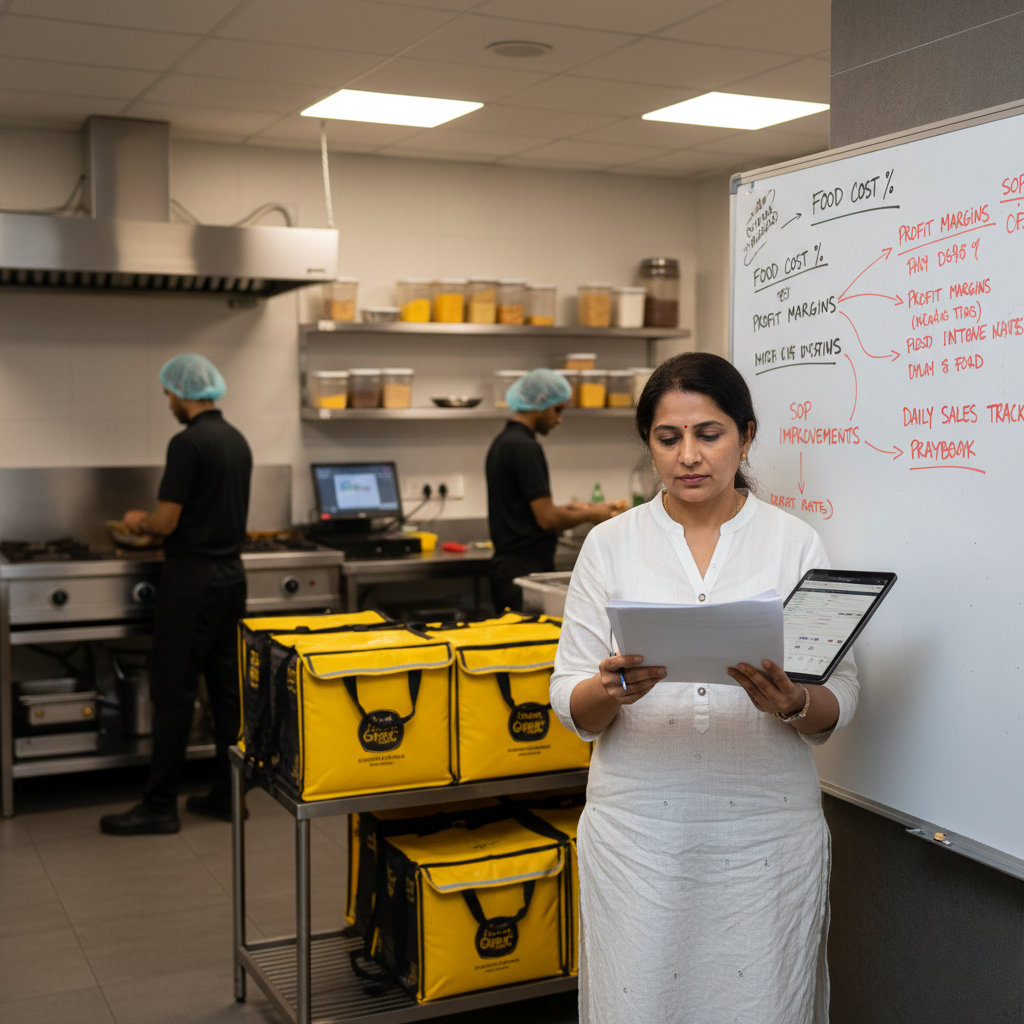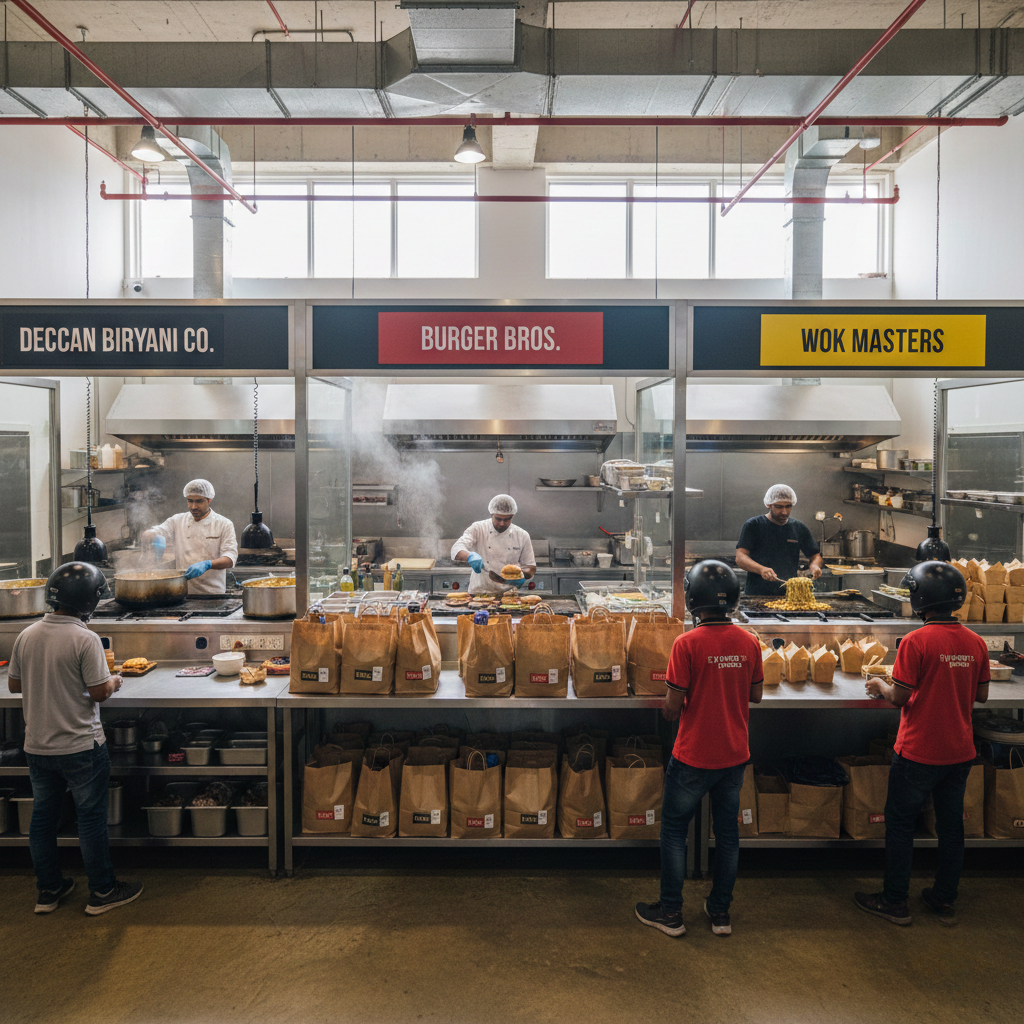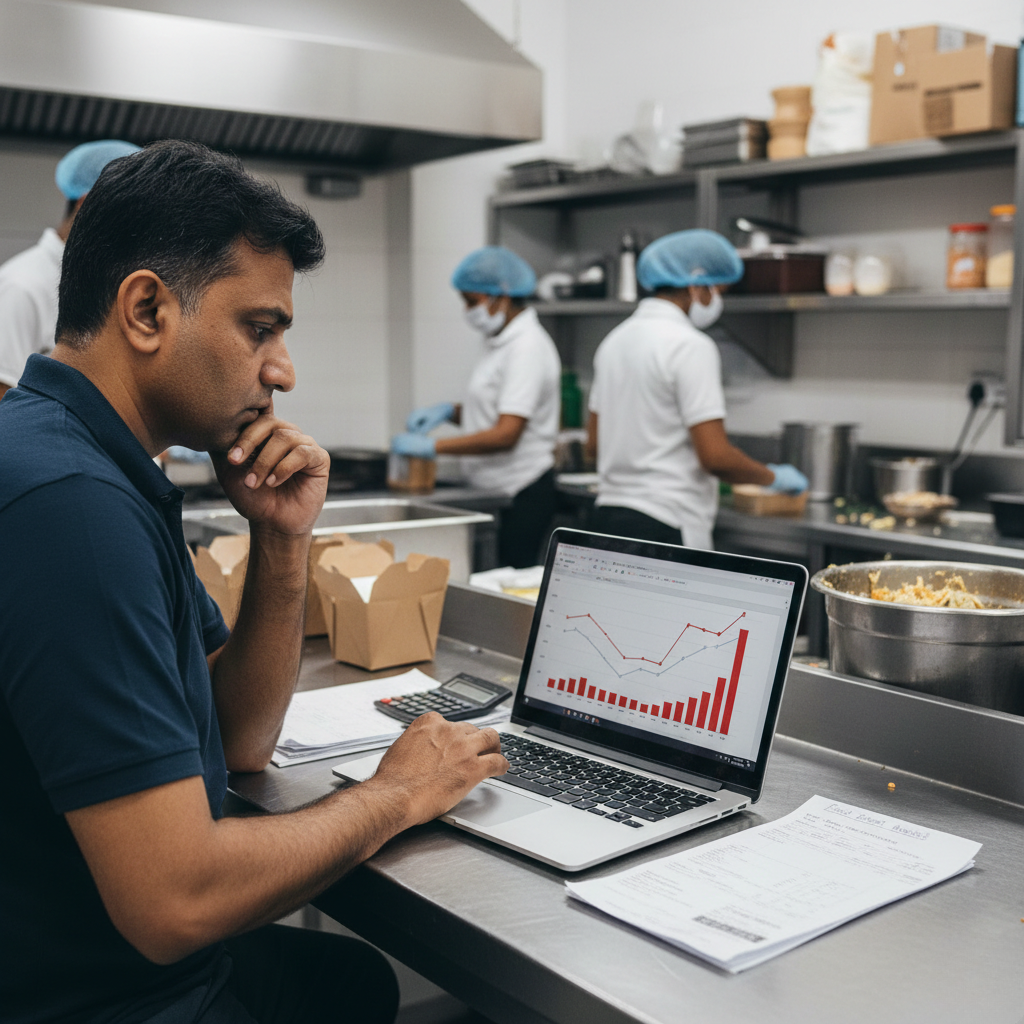
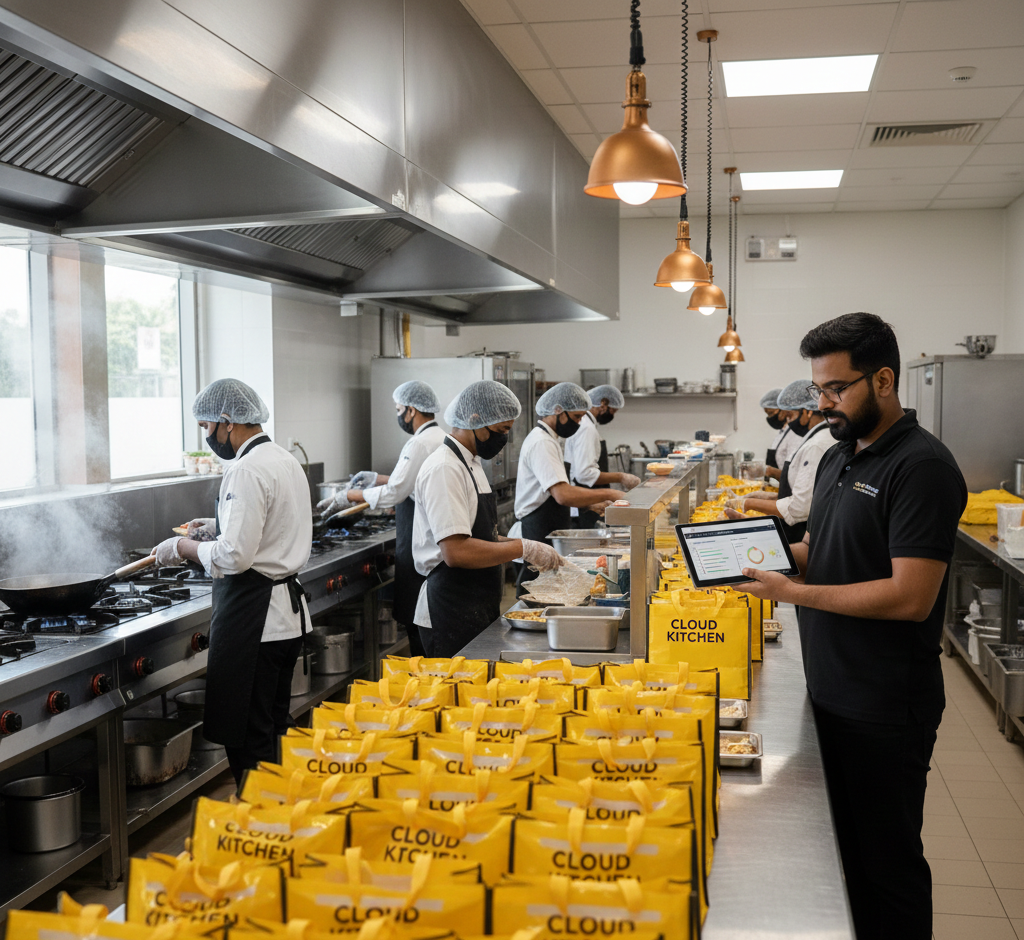
Scaling Your Cloud Kitchen for Profit-Scaling a cloud kitchen is often seen as a sign of success. Increasing order volume, expanding delivery zones, and launching new brands create visible momentum. However, scaling without structured profitability control can amplify operational inefficiencies rather than strengthen financial stability.
A data-driven approach ensures that growth reinforces contribution margins, cost discipline, and operational clarity. When scaling decisions are guided by measurable insights rather than assumption, expansion becomes sustainable and predictable.
Why Scaling Without Data Reduces Profitability
Revenue growth does not automatically translate into stronger margins. As discussed in Cloud Kitchen Profitability Data-Driven Approach and why cloud kitchen profits decline despite good sales , higher order volumes can increase workload and complexity without improving contribution.
Scaling introduces additional procurement demands, staffing pressures, discount exposure, and inventory risks. Without financial visibility, these variables may weaken profitability rather than enhance it.
Using Contribution Margin to Guide Expansion
Contribution margin is the foundation of profitable scaling. It measures how much revenue remains after deducting variable costs such as ingredients, packaging, aggregator commissions, discounts, and marketing expenses.
Contribution Margin = Selling Price − Variable Costs
Before scaling operations, it is essential to identify which menu items and categories consistently generate strong contribution.

Scaling high-contribution segments strengthens financial stability, while expanding low-margin items increases operational strain without return.
Maintaining Food Cost Stability During Growth
As volume increases, food cost discipline becomes more critical. Portion inconsistencies and procurement inefficiencies can compound significantly at scale.
Food Cost % = (Total Ingredient Cost / Total Sales) × 100
A data-driven scaling strategy integrates recipe standardization, yield monitoring, and variance tracking to prevent cost drift during expansion.
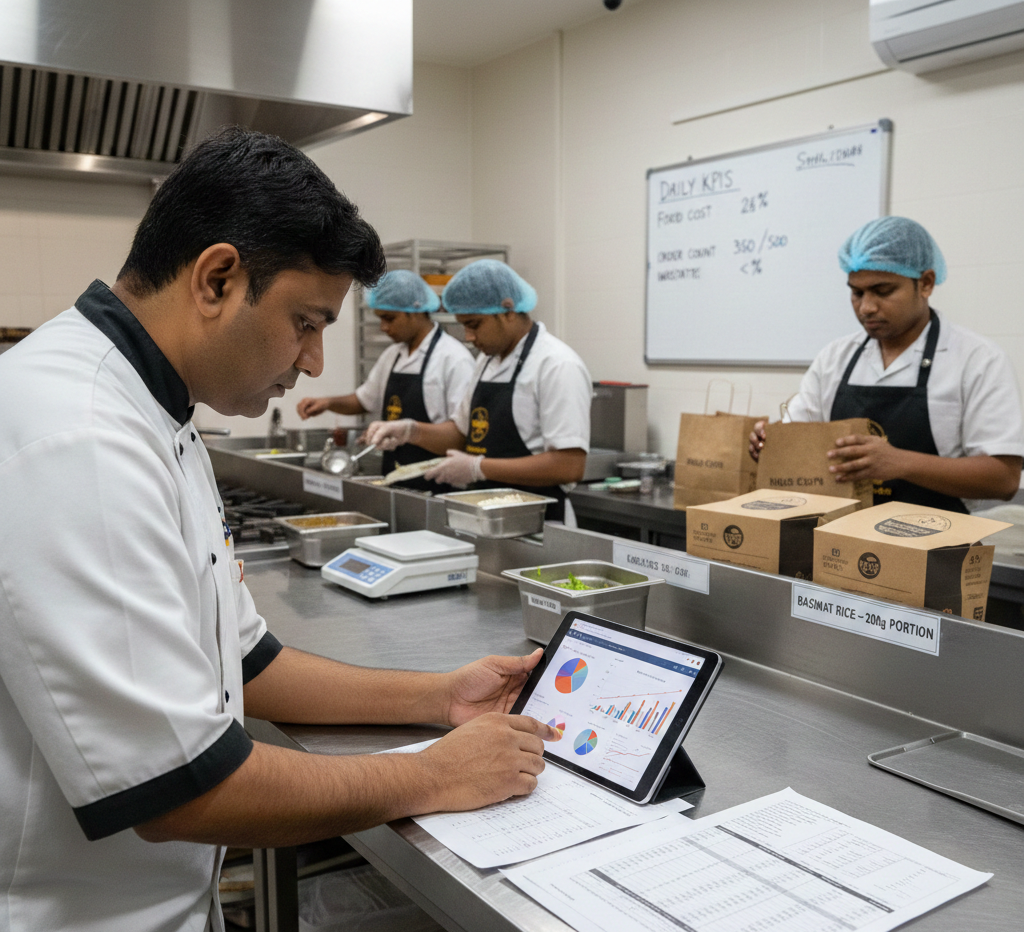
When food cost remains stable while volume increases, contribution growth becomes sustainable.
Aligning Labor Structure With Increased Demand
Scaling requires staffing adjustments, but hiring without demand alignment reduces efficiency. Labor structure must evolve alongside order trends and productivity metrics.
Labor Cost % = (Total Staff Cost / Total Revenue) × 100
Data-driven scheduling ensures productivity remains consistent even as order volume grows, preventing idle payroll or service breakdown.
Controlling Discount Strategy During Expansion
Promotional activity often intensifies during scaling phases to capture market share. However, aggressive discounting without contribution awareness can weaken margins.
A disciplined evaluation of discount-to-sales ratio and post-discount margins ensures that marketing efforts support long-term profitability.
Operational signals indicating risk during scaling are further discussed in top data points for cloud kitchen profitability .
Strengthening Inventory Systems for Higher Volume
Scaling increases procurement complexity. Without structured inventory monitoring, over-purchasing and spoilage can erode working capital.
Tracking stock turnover and aligning purchasing cycles with demand forecasts ensures that growth does not compromise cost control.
Building a Profitability Dashboard for Scalable Growth
A unified profitability dashboard is essential during expansion. It integrates contribution, food cost movement, labor alignment, discount impact, and inventory performance into a single clarity system.
Daily visibility allows operators to detect inefficiencies early and adjust processes before margin pressure intensifies.
From Growth to Structured Profitability
Scaling for profit requires intentional alignment between financial metrics and operational behavior. When structured discipline governs expansion, complexity becomes manageable and margins remain stable.
Predictable growth emerges from consistent monitoring and measured correction rather than reactive crisis management.
Long-Term Stability Through Data-Driven Scaling
Sustainable scaling is achieved when contribution visibility, food cost control, labor efficiency, discount discipline, and inventory alignment operate cohesively.
Data-driven insight transforms expansion from a risk into a structured opportunity for long-term profitability.
Final Thoughts on Scaling Your Cloud Kitchen for Profit
Growth without visibility creates pressure. Growth with structured data creates stability. A disciplined approach ensures that increasing order volume strengthens contribution rather than weakening margins.
When expansion decisions are guided by measurable insights, cloud kitchens gain confidence in scaling and resilience in competitive markets.
Frequently Asked Questions
Is scaling always beneficial for cloud kitchen profitability?
Scaling is beneficial only when contribution margins remain stable. Without financial discipline, higher order volumes can increase costs faster than revenue.
What metrics should be monitored during scaling?
Contribution margin, food cost percentage, labor cost ratio, discount impact, and inventory turnover are critical indicators during expansion phases.
How can a profitability dashboard support scaling?
A dashboard provides real-time visibility into financial movement, allowing early intervention when inefficiencies arise during growth.
Can small cloud kitchens apply data-driven scaling strategies?
Yes. Early adoption of structured monitoring systems ensures that growth remains controlled and financially sustainable.
Still Have Questions?
For operational and profitability guidance, read the Grow Kitchen FAQs .
You may also explore:
- How to Fix a Loss-Making Cloud Kitchen
- Use Data to Reduce Wastage in Cloud Kitchens
- Best Tools for Tracking Cloud Kitchen Profitability
- How to Know if My Cloud Kitchen is Profitable
- Why Cloud Kitchen Profitability Drops When Orders Increase