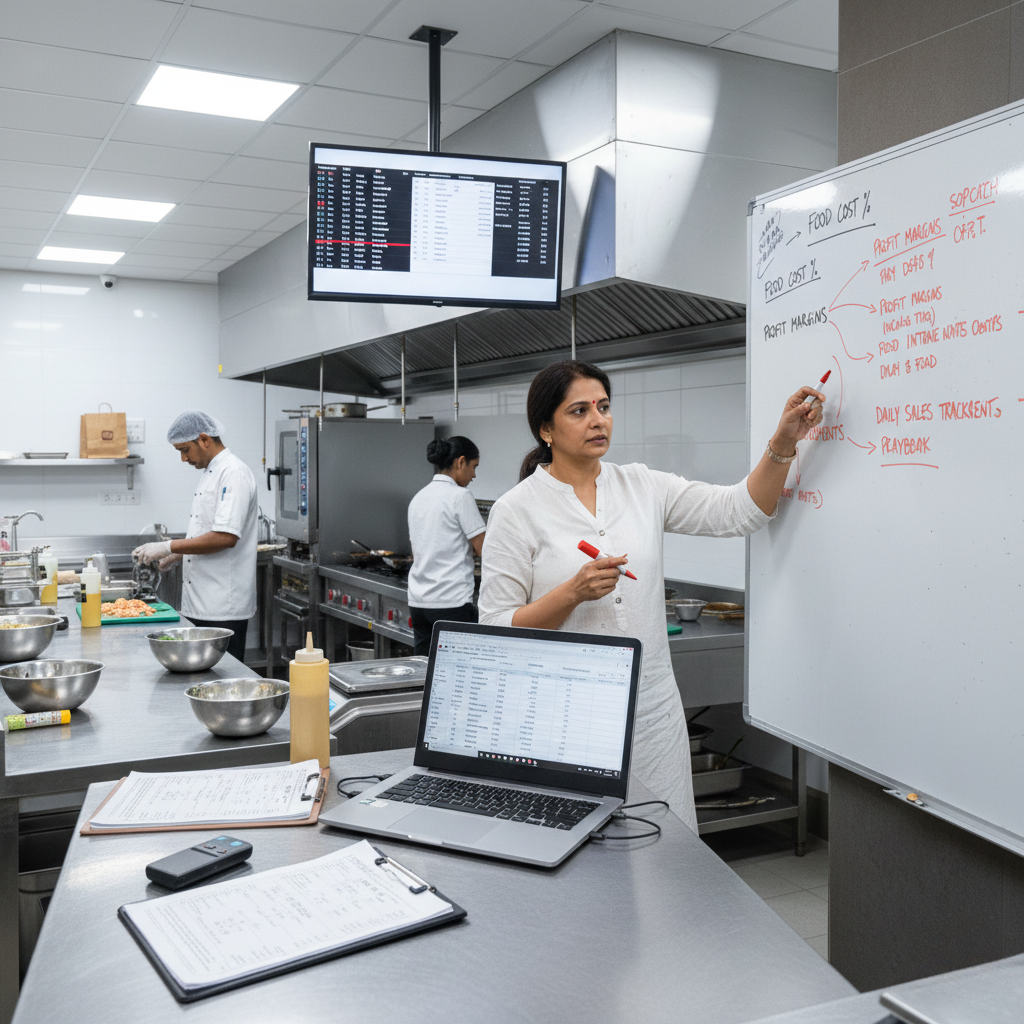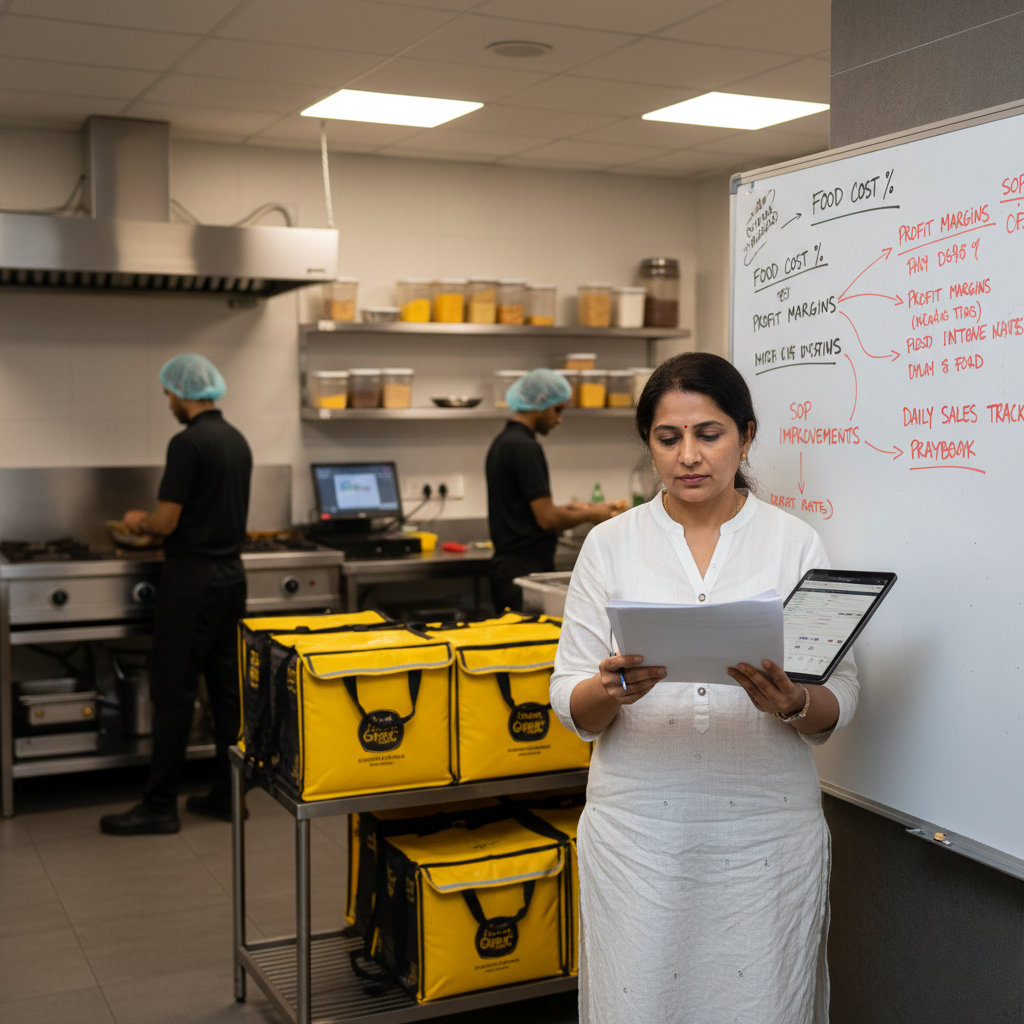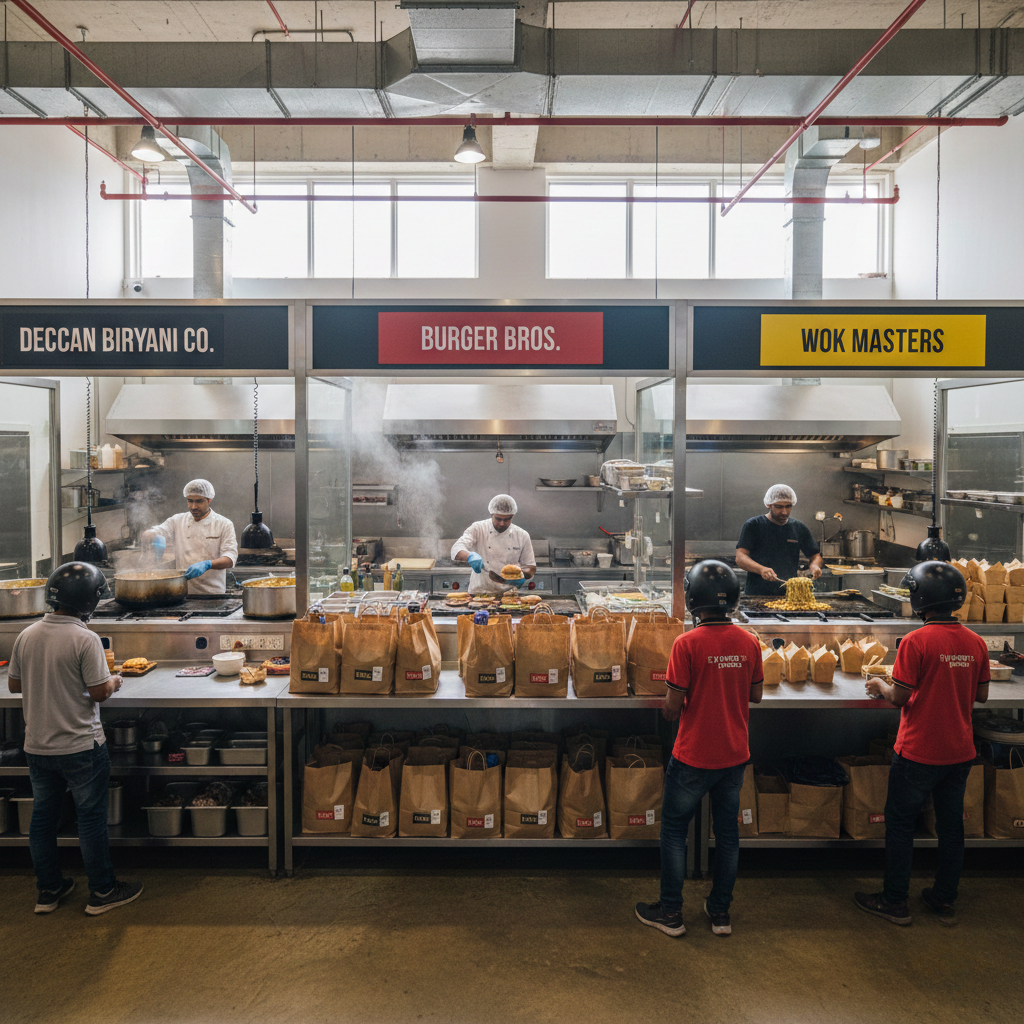

Increase Cloud Kitchen Profitability requires more than working harder or pushing higher order volumes. Many kitchens operate at full capacity yet struggle with inconsistent margins, rising food costs, and operational fatigue. To truly Increase Cloud Kitchen Profitability, operators must gain structured clarity into financial drivers rather than relying on revenue growth alone.
Our data-backed profitability playbook is designed specifically to Increase Cloud Kitchen Profitability through measurable systems. It aligns contribution analysis, cost control, staffing efficiency, promotional discipline, and procurement processes into a cohesive operational model.
Why Most Kitchens Fail to Increase Cloud Kitchen Profitability
Revenue growth often creates the illusion of financial progress. However, as explained in Cloud Kitchen Profitability Data-Driven Approach and why cloud kitchen profits decline despite good sales , scaling without margin discipline can magnify inefficiencies.
If the goal is to Increase Cloud Kitchen Profitability, visibility into contribution and cost leakage must replace assumption-based decision-making.
Using Contribution Margin to Increase Cloud Kitchen Profitability
Contribution margin is the foundation of any strategy to Increase Cloud Kitchen Profitability. It reflects how much revenue remains after deducting variable costs such as ingredients, packaging, aggregator commissions, discounts, and advertising spend.
Contribution Margin = Selling Price − Variable Costs
Our playbook evaluates SKU-level performance to identify pricing adjustments and portion optimization opportunities that directly Increase Cloud Kitchen Profitability.
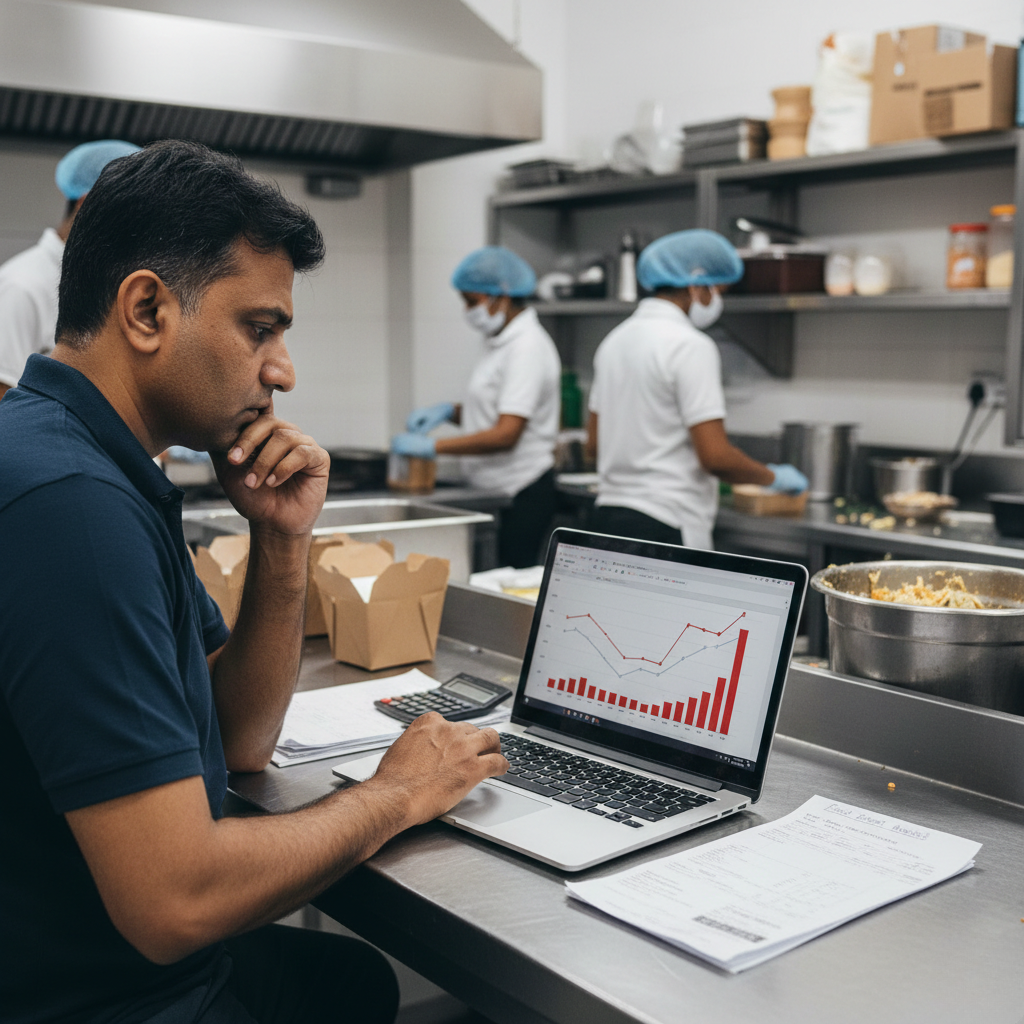
When menu engineering aligns with contribution data, growth strengthens margin instead of increasing workload without return.
Food Cost Discipline to Increase Cloud Kitchen Profitability
Food cost volatility is a major barrier when trying to Increase Cloud Kitchen Profitability. Small inconsistencies in portion control, yield management, and procurement processes gradually weaken financial stability.
Food Cost % = (Total Ingredient Cost / Total Sales) × 100
Structured variance tracking and waste monitoring ensure cost stability and help Increase Cloud Kitchen Profitability sustainably.
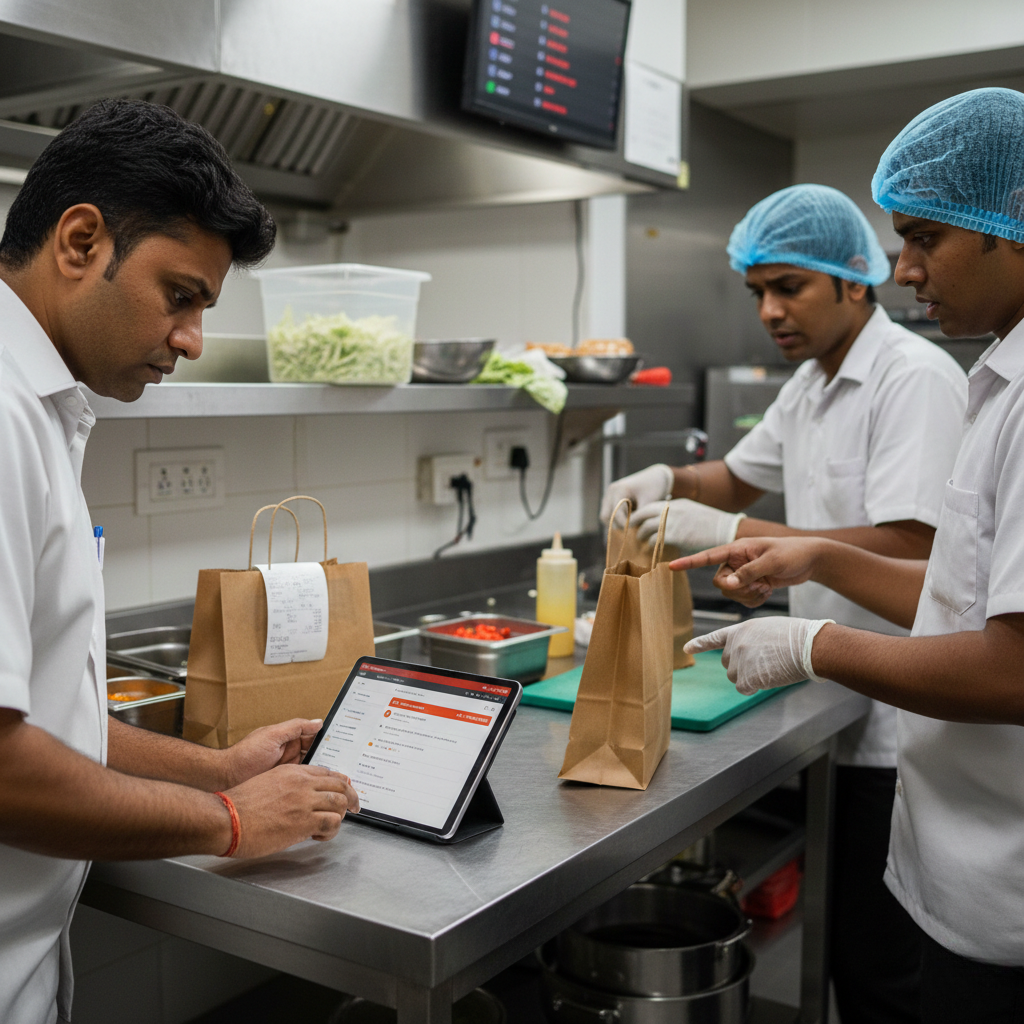
Aligning Labor Strategy to Increase Cloud Kitchen Profitability
Labor expenses must reflect real order patterns. Overstaffing during slow hours and misalignment during peak periods reduce efficiency and make it difficult to Increase Cloud Kitchen Profitability.
Labor Cost % = (Total Staff Cost / Total Revenue) × 100
Our framework analyzes shift productivity and order flow trends to ensure labor investment directly supports contribution stability.
Managing Discounts to Increase Cloud Kitchen Profitability
Discounting can increase visibility, but without contribution awareness, it compresses margins. To Increase Cloud Kitchen Profitability, discount-to-sales ratios and post-discount contribution performance must be monitored carefully.
Operational warning signals are discussed in Scaling Your Cloud Kitchen for Profit .
Structured promotional discipline ensures short-term marketing does not undermine long-term margin stability.
Inventory Optimization to Increase Cloud Kitchen Profitability
Inventory inefficiencies directly affect food cost and working capital. To Increase Cloud Kitchen Profitability, procurement decisions must align with demand trends and consumption tracking.
Controlled stock movement protects capital and strengthens financial resilience.
Building Systems That Increase Cloud Kitchen Profitability
Data alone does not Increase Cloud Kitchen Profitability. Execution discipline transforms insight into measurable improvement.
Our playbook integrates dashboards that track contribution, food cost movement, labor alignment, discount impact, and inventory performance daily.
Long-Term Framework to Increase Cloud Kitchen Profitability
To consistently Increase Cloud Kitchen Profitability, menu engineering, cost control, staffing strategy, promotional planning, and procurement systems must operate together.
When these components align under structured guidance, financial performance becomes predictable and scalable.
Final Thoughts on How to Increase Cloud Kitchen Profitability
Increase Cloud Kitchen Profitability begins with clarity. Structured frameworks convert revenue growth into stable financial outcomes.
With disciplined execution and consistent monitoring, cloud kitchens can Increase Cloud Kitchen Profitability while strengthening operational stability.
Frequently Asked Questions About How to Increase Cloud Kitchen Profitability
What are the key steps to Increase Cloud Kitchen Profitability?
Contribution tracking, food cost discipline, labor alignment, discount control, and inventory optimization are the core drivers.
How quickly can operators Increase Cloud Kitchen Profitability?
Clarity improves immediately after structured analysis. Margin stability strengthens as operational discipline aligns with identified metrics.
Does revenue growth automatically Increase Cloud Kitchen Profitability?
No. Profitability improves only when contribution margins remain stable and cost control systems are active.
Can smaller kitchens Increase Cloud Kitchen Profitability effectively?
Yes. Structured systems and disciplined monitoring benefit kitchens of all sizes.
Still Have Questions?
For operational and profitability guidance, read the Grow Kitchen FAQs .
You may also explore:
- Top Data Points for Cloud Kitchen Profitability
- How to Use Data to Reduce Wastage in Cloud Kitchens
- Best Tools for Tracking Cloud Kitchen Profitability
- How to Know if My Cloud Kitchen is Profitable
- Why Cloud Kitchen Profitability Drops When Orders Increase