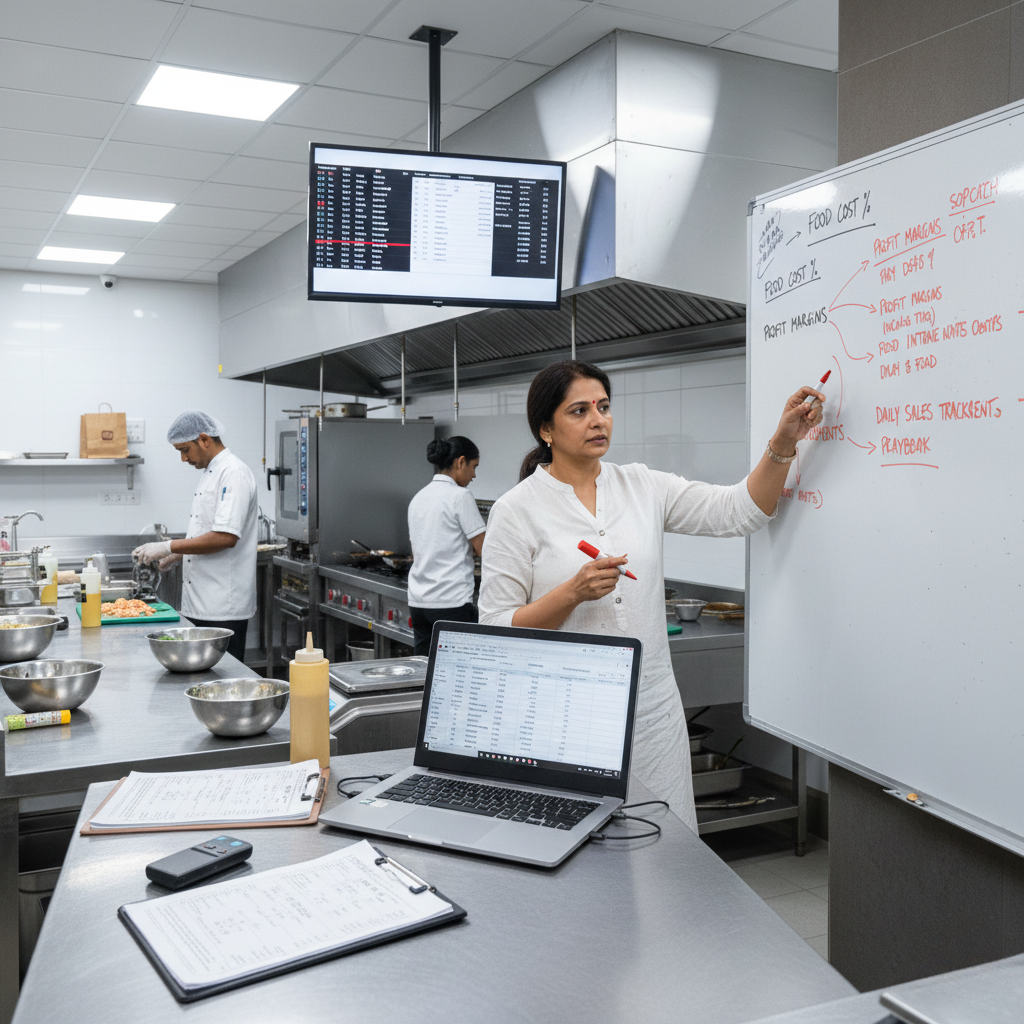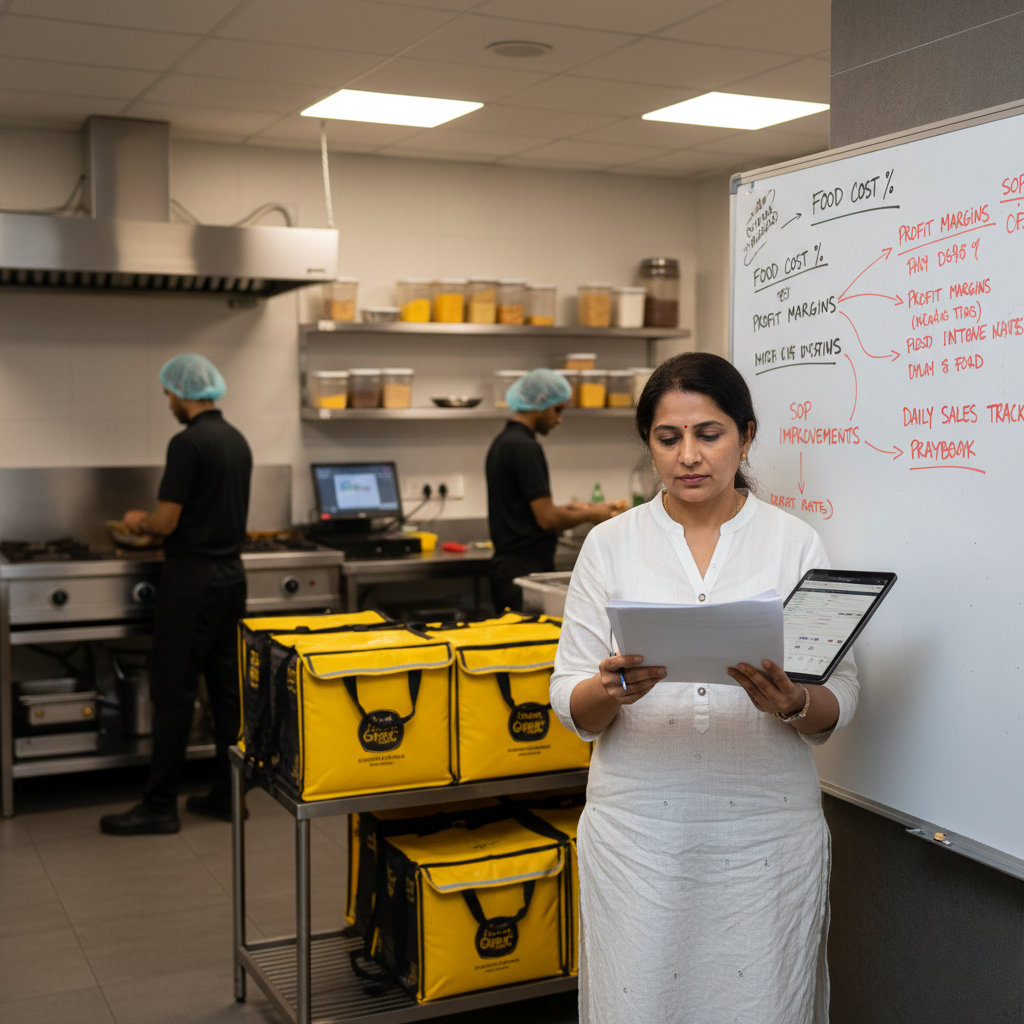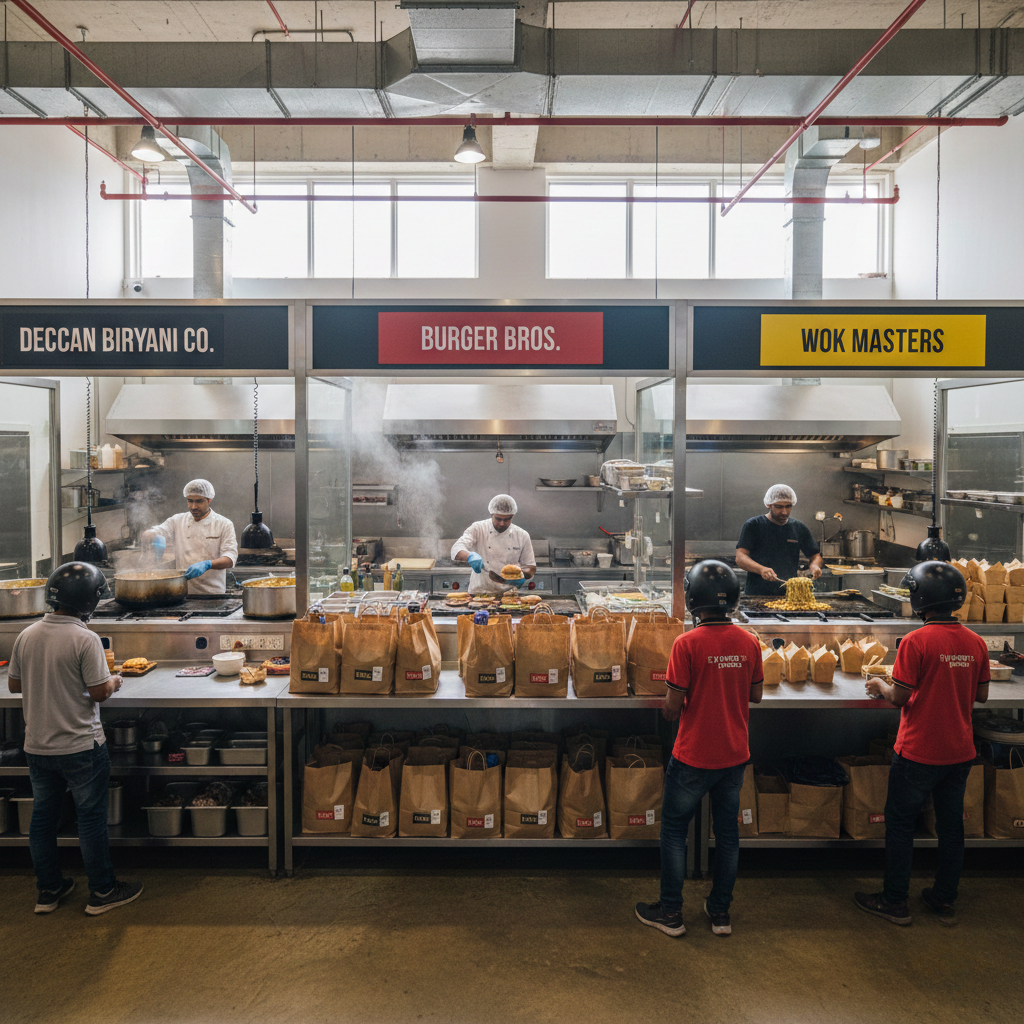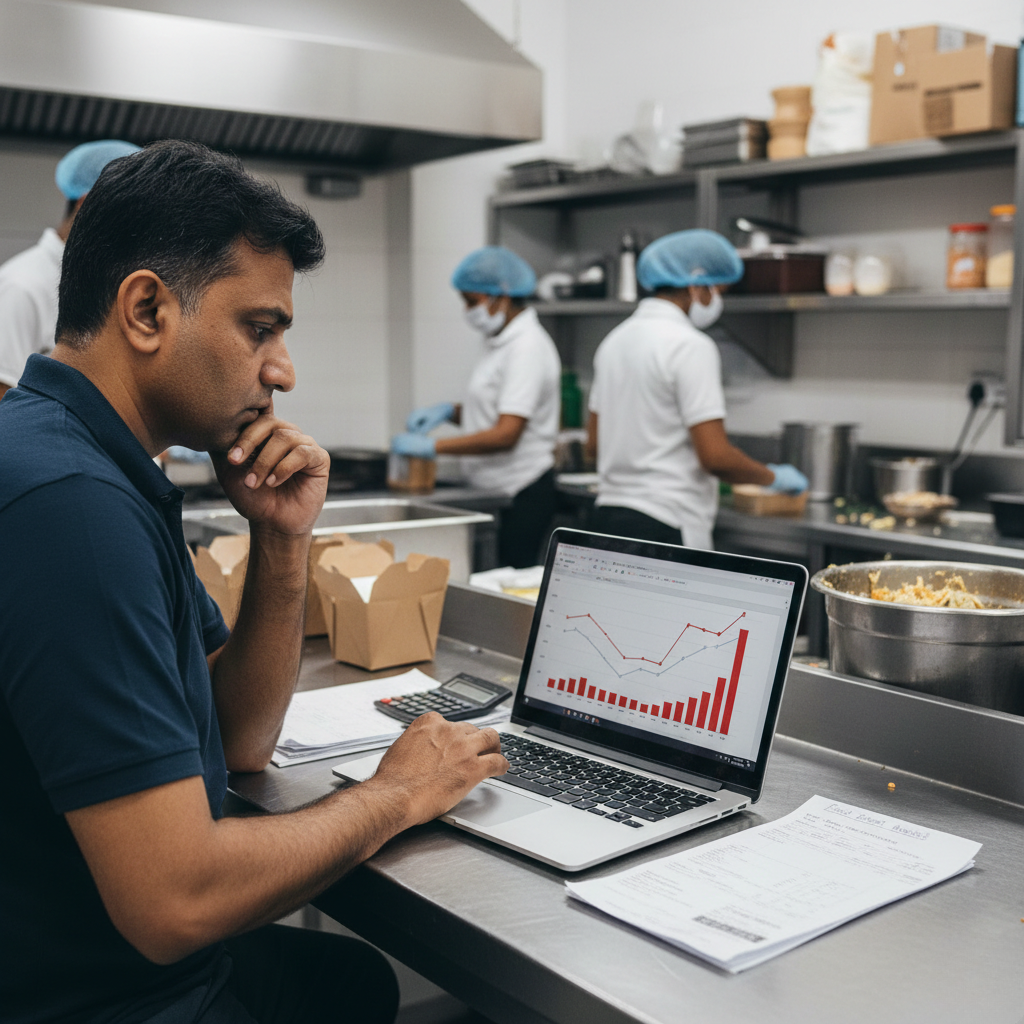
Why Marketing Alone Can’t Fix Cloud Kitchens is not an “ads are useless” rant or a “stop spending on growth” lecture. It is a systems reality: marketing amplifies whatever your kitchen already is. If execution is stable, marketing scales profit. If execution is unstable, marketing scales refunds, cancellations, rating drops, and discount dependency. Most cloud kitchens don’t lose money because they lack demand. They lose money because operational leakage repeats daily: portion drift, wrong items, stock-outs, late dispatch, inconsistent packaging, and unreliable prep readiness. CKaaS works when it replaces founder firefighting with repeatable routines that make marketing safe to scale. This guide explains why marketing alone can’t fix cloud kitchens in India using systems, not supervision.
Why Marketing Alone Can’t Fix Cloud Kitchens: Orders Don’t Equal Profit When Operations Are Leaking
Many cloud kitchen founders treat low profit as a demand problem. They see slow growth and assume the fix is more visibility: run ads, run offers, add influencers, push combo deals, launch new SKUs, and chase top-of-app rankings.
Sometimes it works. Orders go up. Dashboards look active. The kitchen feels busy. The founder feels relief.
Then the problems show up. Refunds rise because packing accuracy drops at peak. Ratings swing because portions and taste vary by shift. Cancellations happen because prep buffers weren’t built for volume. Late dispatch increases because stations are not gated. Platforms reduce distribution because your outlet looks risky. To recover visibility, founders discount harder. Margins collapse. The kitchen is now “busy but broke.”
CKaaS exists to replace founder-dependent execution with system-driven execution. If you want the profitability baseline first, start with Cloud Kitchen Profitability Consultant in India and map repeat operational leakage using Common Operational Mistakes in Cloud Kitchens. For the specific growth trap, read Marketing Spend vs ROI in Cloud Kitchens.
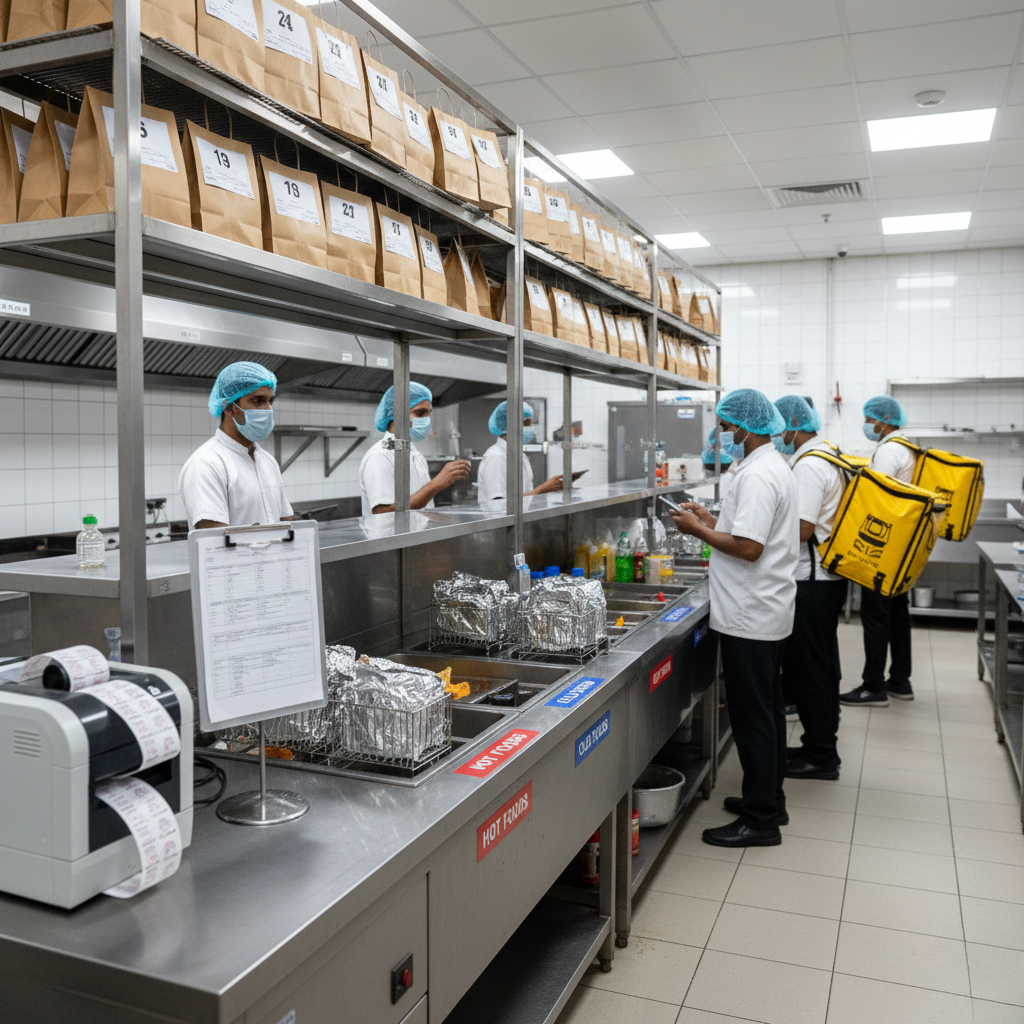
What Marketing Actually Does in Delivery Kitchens (It Doesn’t Create Reliability)
Marketing has one job: increase demand. It increases visibility, clicks, and orders.
But in delivery kitchens, demand is not the hard part. The hard part is delivering the same outcome repeatedly under pressure. When marketing increases orders, it increases load on your system: more prep stress, more packing volume, more dispatch handovers, more rider coordination, and more chances for error.
If your kitchen has strong systems, marketing becomes leverage. More orders flow through the same gates with predictable food cost, predictable dispatch, predictable accuracy, and stable ratings.
If your kitchen has weak systems, marketing becomes a chaos amplifier. Your best-selling days become your worst refund days. Your highest volume weeks become your lowest rating weeks. Your discounts become permanent because distribution drops after errors.
That is why “better ads” can’t fix a broken packing process. “More influencers” can’t fix stock-out cancellations. “More offers” can’t fix late dispatch and rider waiting. Those are not visibility problems. Those are reliability problems.
CKaaS becomes valuable because it installs the reliability layer that makes marketing safe: measurable SOPs, station gates, role ownership, prep planning, packing checklists, dispatch control, and weekly review loops that prevent repeated leakage.
The Unit Economics Lens: Marketing Can Increase Orders While Profit Falls
Founders often measure marketing by orders and ROAS. But cloud kitchen survival depends on contribution margin, not order count. You can scale revenue and still lose money if your per-order margin collapses.
Profit is still decided per order:
Order Value minus Aggregator commission & charges minus CKaaS fee / revenue share minus Packaging cost minus Food cost (COGS) minus Discount burn minus Refund/penalty leakage equals Contribution Margin.
Marketing can break this equation in three common ways: discounts increase discount burn, operational errors increase refunds, and volume pressure increases food cost drift (portioning gets sloppy). So orders rise but contribution margin falls. This is why many kitchens feel “busy but broke.”
If you want the platform fee clarity, use Aggregator Commission Impact in India. If you want the refund leakage clarity, use Refunds and Cancellations Impact on Cloud Kitchen Profitability. If you want the growth math, use Marketing Spend vs ROI in Cloud Kitchens.
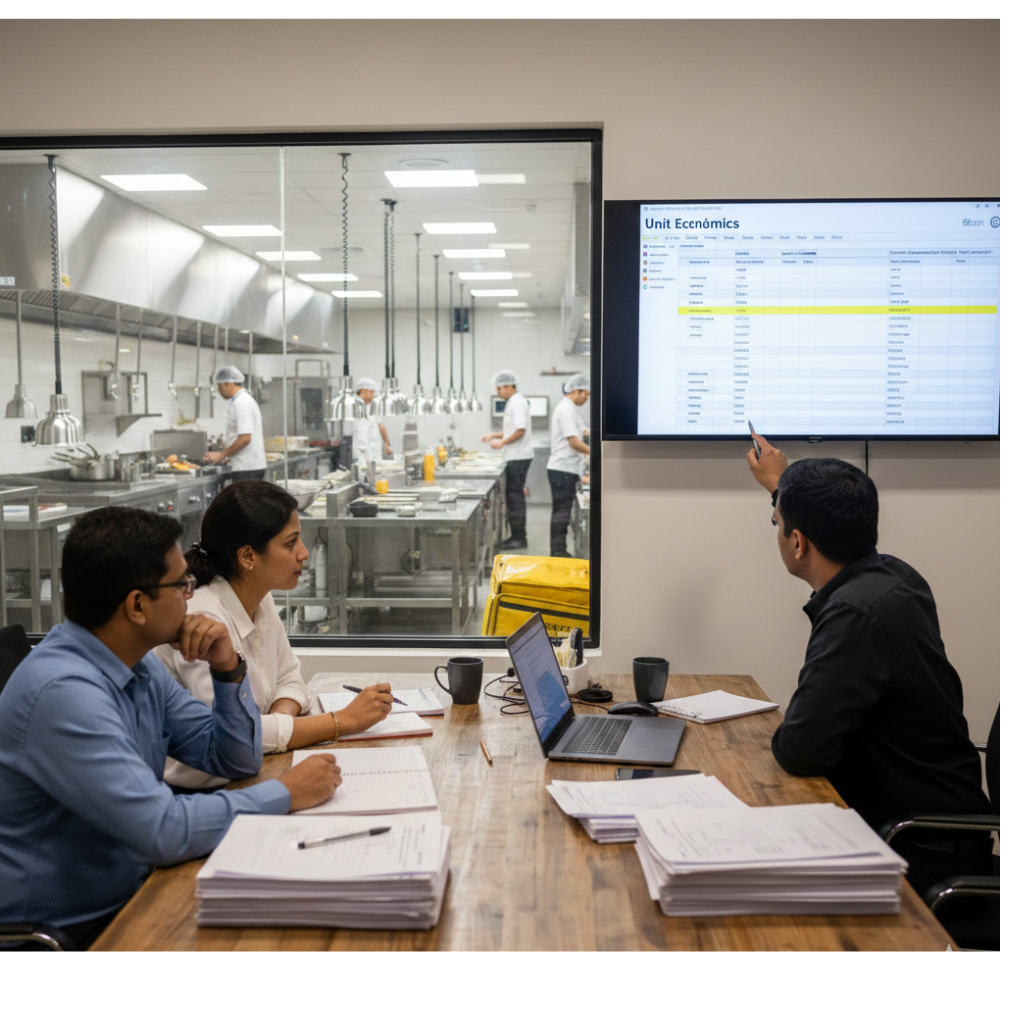
The 14 Systems That Make Marketing “Safe” (So Orders Don’t Turn Into Refunds)
Marketing becomes profitable only when operations can handle demand without breaking. Below are the systems CKaaS installs to make growth safe by reducing variability, preventing repeat errors, and stabilizing reliability signals.
1) Marketing-ready menu engineering (reduce error probability). A huge menu looks attractive, but it increases mistakes under peak. Marketing should amplify a menu designed for replication: bestsellers, repeatable stations, and operationally safe variants.
2) Measurable SOPs (grams, ml, timings, holding rules). Peak pressure destroys “memory cooking.” Measurable SOPs keep output stable across shifts. If it can’t be measured, it can’t be audited.
3) Portion tools and gram discipline to stop food cost drift. Marketing spikes volume and increases portion drift. CKaaS installs ladles, scoops, fill lines, and weighing routines so food cost doesn’t inflate with demand.
4) RM specs + vendor discipline to protect taste consistency. Marketing creates repeat customers. Repeat customers punish inconsistency. RM specs protect taste by locking inputs across purchase days and kitchens.
5) Reorder triggers to prevent stock-outs (cancellations kill distribution). Marketing spend is wasted when your kitchen cancels. CKaaS installs minimum stock, reorder timing, and procurement discipline so availability stays stable during campaigns.
6) Prep planning with par levels and buffers (peak-proofing). Campaigns should start only after buffers are built. Par levels reduce delays, cancellations, and panic-driven errors.
7) Batch yield tracking (forecasting without guessing). Without yields, kitchens over-prep (waste) or under-prep (delays). Yield tracking makes throughput predictable during marketing spikes.
8) Packing checklist (refund prevention insurance). The #1 reason marketing fails is refunds. Missing items, wrong items, missed add-ons, seal failures. A mandatory checklist catches errors before dispatch.
9) Dispatch gate + final scan (stop wrong bag handovers). Rider volume increases during campaigns. Without a dispatch gate, wrong handovers multiply. Implement discipline using Cloud Kitchen Dispatch SOP.
10) Packaging standards (ratings protection at scale). Ads bring new customers. New customers judge presentation first. Standard containers, sealing, labeling, and bag rules protect the first impression.
11) Role ownership and station gates (prep → cook → pack → dispatch). Marketing spikes expose role confusion. CKaaS assigns owners for each gate so responsibility is never “everybody’s job.” Framework: Role-Based Kitchen Operations Explained.
12) Training as a system (onboarding, shadow shifts, sign-offs). Growth requires hiring. Hiring without training creates refund spikes. CKaaS installs repeatable onboarding and retraining triggers based on errors.
13) Weekly feedback loops (fix causes, not symptoms). Marketing increases data. Use it. Track refund reasons, rating comments, late dispatch, cancellations, stock-outs. Update SOPs weekly. Discipline lens: How Process Discipline Improves EBITDA.
14) Controlled growth: stabilize reliability before heavy discounting. Discounts amplify volume and amplify mistakes. CKaaS makes marketing safe by stabilizing reliability first, then scaling demand. Growth lens: Marketing Spend vs ROI in Cloud Kitchens.
If you want the mistake map that destroys marketing ROI, start with Common Operational Mistakes in Cloud Kitchens and the profitability baseline: Cloud Kitchen Profitability Consultant in India.
Swiggy/Zomato Reality: Marketing Can’t Override Risk Signals
Platforms don’t rank you based on your ad budget. They rank you based on reliability signals: refunds, complaints, cancellations, late dispatch, ratings, and availability.
When marketing increases orders but reliability signals get worse, platforms learn that your outlet is risky. Then distribution reduces. When distribution reduces, founders discount harder to recover. Discounting increases volume pressure and increases errors. This creates a loop where marketing spend rises but results become weaker over time.
External policy context: Swiggy Refund Policy and Zomato Online Ordering Terms.
The takeaway: you can’t “market your way out” of operational risk. You have to reduce risk signals. CKaaS is designed to reduce risk signals through gates and discipline.
Where Marketing-Fueled Chaos Shows Up First: Prep + Packing + Dispatch
The first place marketing fails is not the creative. It’s the kitchen engines: prep readiness (buffers + throughput), packing accuracy (completeness + presentation), and dispatch speed (handover discipline + ETA reliability).
If prep readiness is weak, cancellations rise during campaigns. If packing accuracy is weak, refunds spike during peak. If dispatch speed drops, ratings fall and visibility reduces. Marketing didn’t “fail.” Operations broke under load.
Install dispatch predictability using Cloud Kitchen Dispatch SOP and map repeat failures using Common Operational Mistakes in Cloud Kitchens.
Why CKaaS Fixes What Marketing Can’t (It Installs Gates, Not Hype)
Marketing is outward. CKaaS is inward. Marketing brings orders. CKaaS makes sure those orders don’t turn into refunds.
CKaaS installs role-based gates so execution doesn’t depend on founders:
Prep role:
owns buffers, par levels, labeling, and batch readiness so campaigns don’t trigger stock-outs.
Cook role:
owns portion tools, SOP compliance, holding rules, and station sequence to protect consistency under peak.
Pack role:
owns checklist accuracy, add-on verification, sealing, and presentation standards to prevent refunds.
Dispatch role:
owns final scan, label match, rider handover speed, and bag stability checks to protect ETA and trust.
Manager role:
owns weekly review: refund reasons, cancellations, ratings, late dispatch, stock-outs and SOP upgrades.
Framework: Role-Based Kitchen Operations Explained.
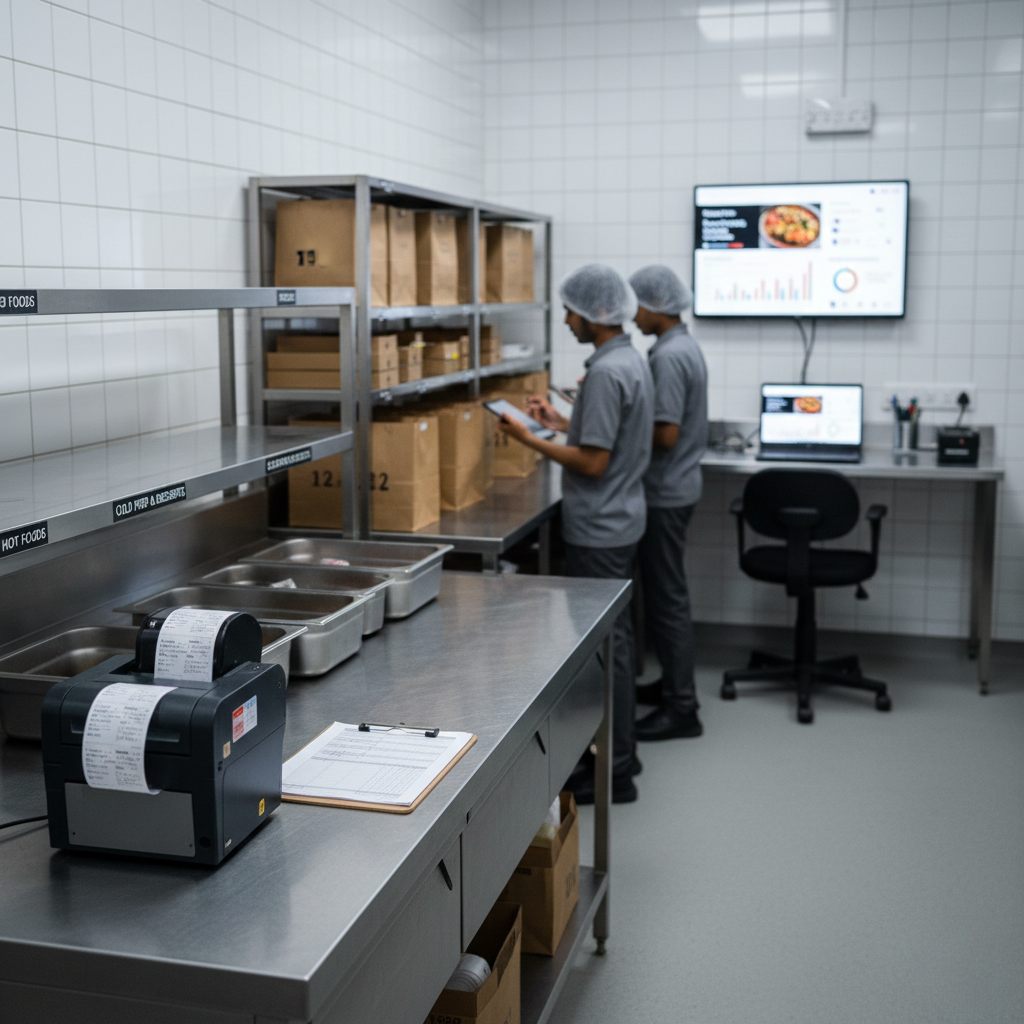
A Practical 7 to 30 Day “Marketing-Safe” Rollout (Fix This Before You Scale Ads)
If you are spending on growth while refunds and cancellations are rising, you are paying to amplify leakage. The safe sequence is: stabilize reliability first, then increase demand.
Step 1 (Day 1–2): Track the 5 reliability signals daily. Refund rate, late dispatch count, cancellations, rating trend, food cost %. If you don’t measure, you can’t protect marketing ROI.
Step 2 (Day 1–3): Freeze the top sellers and make SOPs measurable. Define grams/ml, station sequence, holding rules, and portion tools for top SKUs.
Step 3 (Day 2–5): Install packing checklist + dispatch gate as mandatory. Train with sign-offs. Enforce dispatch discipline via Cloud Kitchen Dispatch SOP.
Step 4 (Day 3–7): Standardize packaging, labeling, sealing, and add-on handling. Most campaign refunds come from missing add-ons and poor packing discipline. Remove variability.
Step 5 (Week 2): Fix procurement routines and reorder triggers. Growth fails when cancellations rise due to stock-outs. Standardize RM specs and minimum stock triggers.
Step 6 (Week 2): Build prep planning with par levels and buffers. Prepare for peak before the campaign starts. Under-prep causes delays and cancellations. Over-prep creates waste.
Step 7 (Week 3): Run weekly review loops and update SOPs. Review refund reasons, rating comments, late dispatch, cancellations, and stock-outs. Fix top 2 repeat failures weekly. That loop protects marketing ROI over time.
Use the discipline lens: How Process Discipline Improves EBITDA. For the marketing math, use: Marketing Spend vs ROI in Cloud Kitchens. If you’re comparing models before scaling spend, reference: CKaaS vs Running Your Own Cloud Kitchen: ROI Comparison.
External process references (useful for standardisation thinking): Standardized Work (Lean lexicon), ISO 22000 overview, and FSSAI Hygiene Requirements (Schedule 4 reference).
Final Takeaway: Marketing Can’t Fix Leaky Kitchens It Only Makes Them Leak Faster
Marketing is not the enemy. But marketing is not a repair tool. It increases demand. Demand increases operational load. Load exposes variability. Variability creates refunds, cancellations, rating drops, and discount dependency.
That is why marketing alone can’t fix cloud kitchens. The fix is operational reliability: measurable SOPs, portion discipline, procurement routines, prep planning with buffers, checklist-driven packing, gated dispatch, role ownership, and weekly review loops that stop repeat leakage.
When reliability signals stay clean, platforms reward distribution. When distribution stays strong, discounts stop being survival. When discount dependency reduces, contribution margin becomes predictable. That is when marketing becomes profitable.
Operating frameworks from GrowKitchen, and operating partner brands like Fruut and GreenSalad are built to convert “marketing-led chaos” into “system-led growth.”
FAQs: Why Marketing Alone Can’t Fix Cloud Kitchens
Why do ads increase orders but profit still feels unclear?
Because operational leakage scales with volume: refunds, cancellations, late dispatch, and food cost drift increase, reducing contribution margin.
What is the fastest operational fix before scaling marketing?
Packing checklist + dispatch gate + measurable SOPs for top sellers. These reduce refunds quickly and stabilize reliability signals.
Do discounts hurt cloud kitchen profitability?
Discounts can drive volume, but if reliability is weak they amplify errors and become a permanent crutch when distribution drops.
How does CKaaS help marketing perform better?
CKaaS installs SOPs, role gates, prep planning, packing/dispatch discipline, and weekly review loops so increased demand doesn’t create chaos.
- Cloud Kitchen Profitability Consultant in India
- Common Operational Mistakes in Cloud Kitchens
- Marketing Spend vs ROI in Cloud Kitchens
- Cloud Kitchen Dispatch SOP
- Role-Based Kitchen Operations Explained
- Refunds and Cancellations Impact on Cloud Kitchen Profitability
- Aggregator Commission Impact in India
- How Process Discipline Improves EBITDA
- CKaaS vs Running Your Own Cloud Kitchen: ROI Comparison
- Grow Kitchen on Twitter