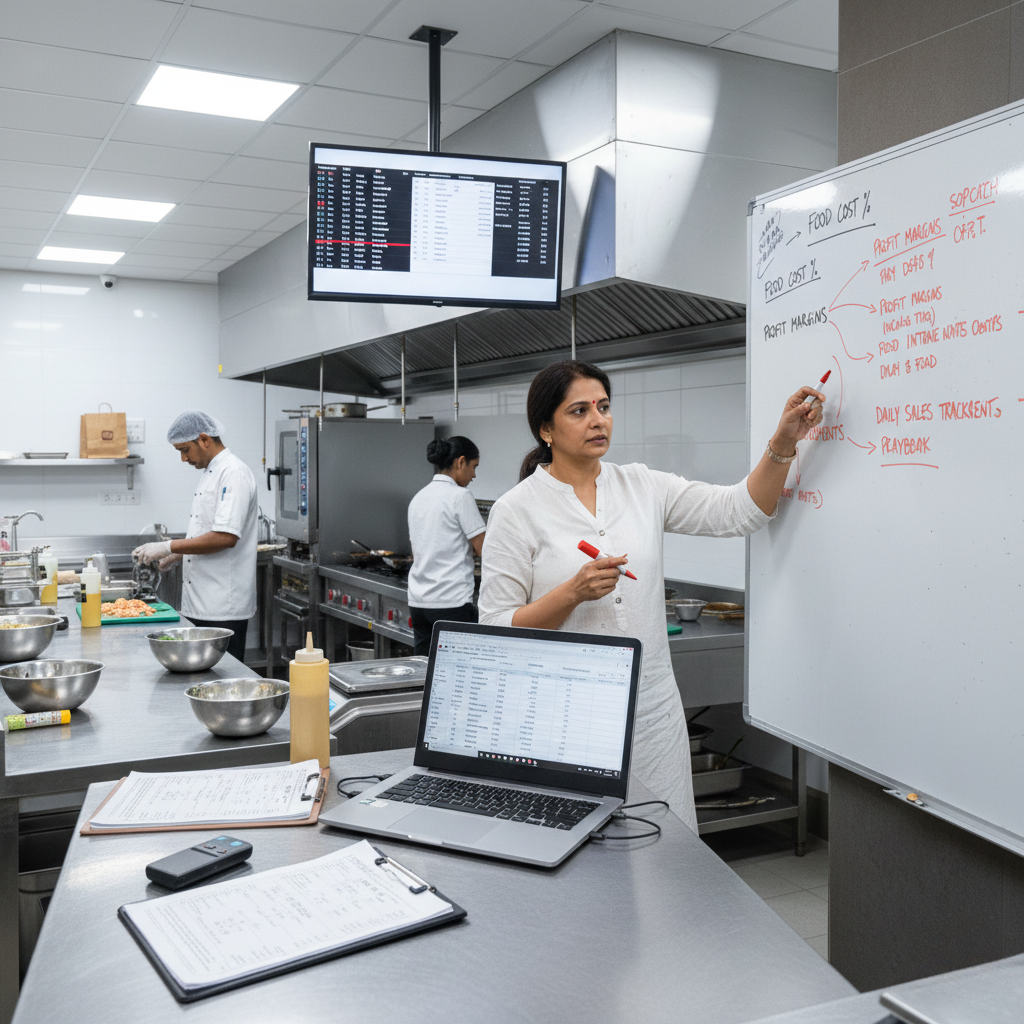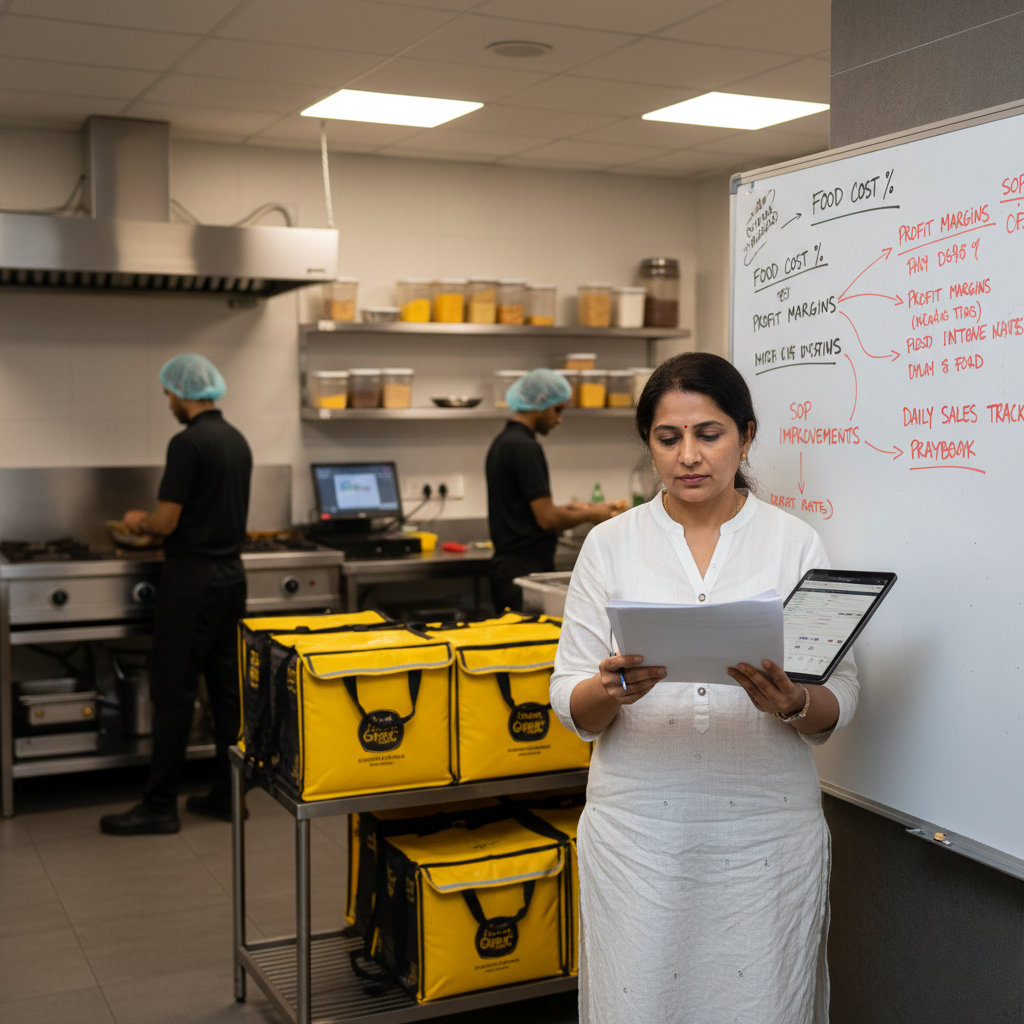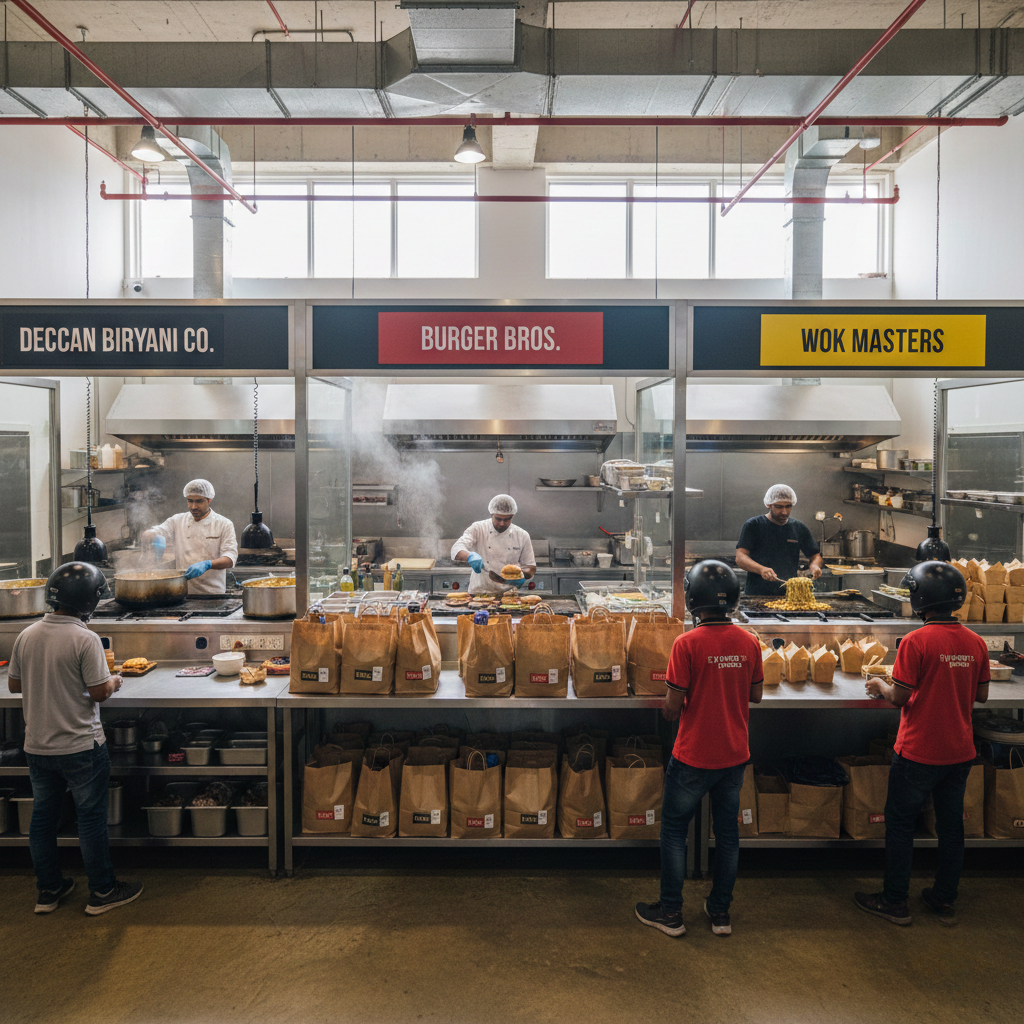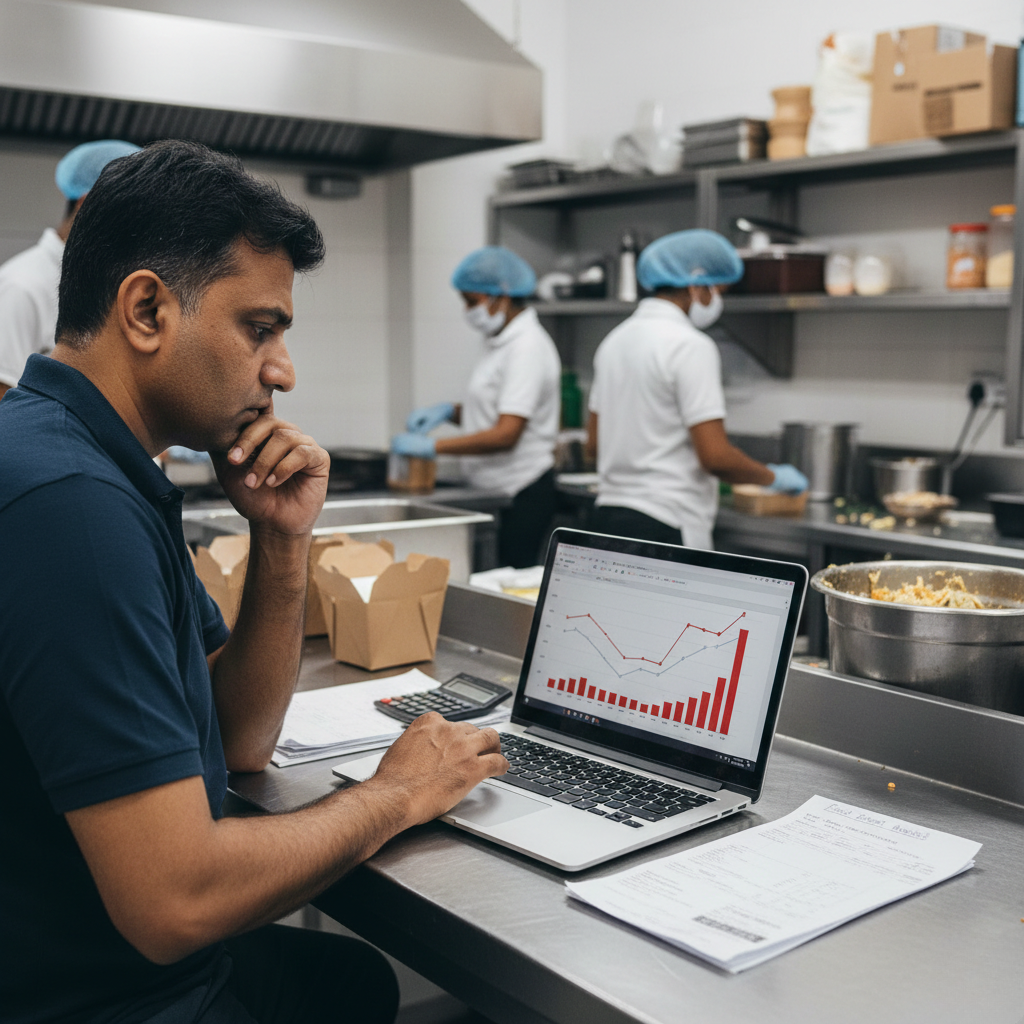
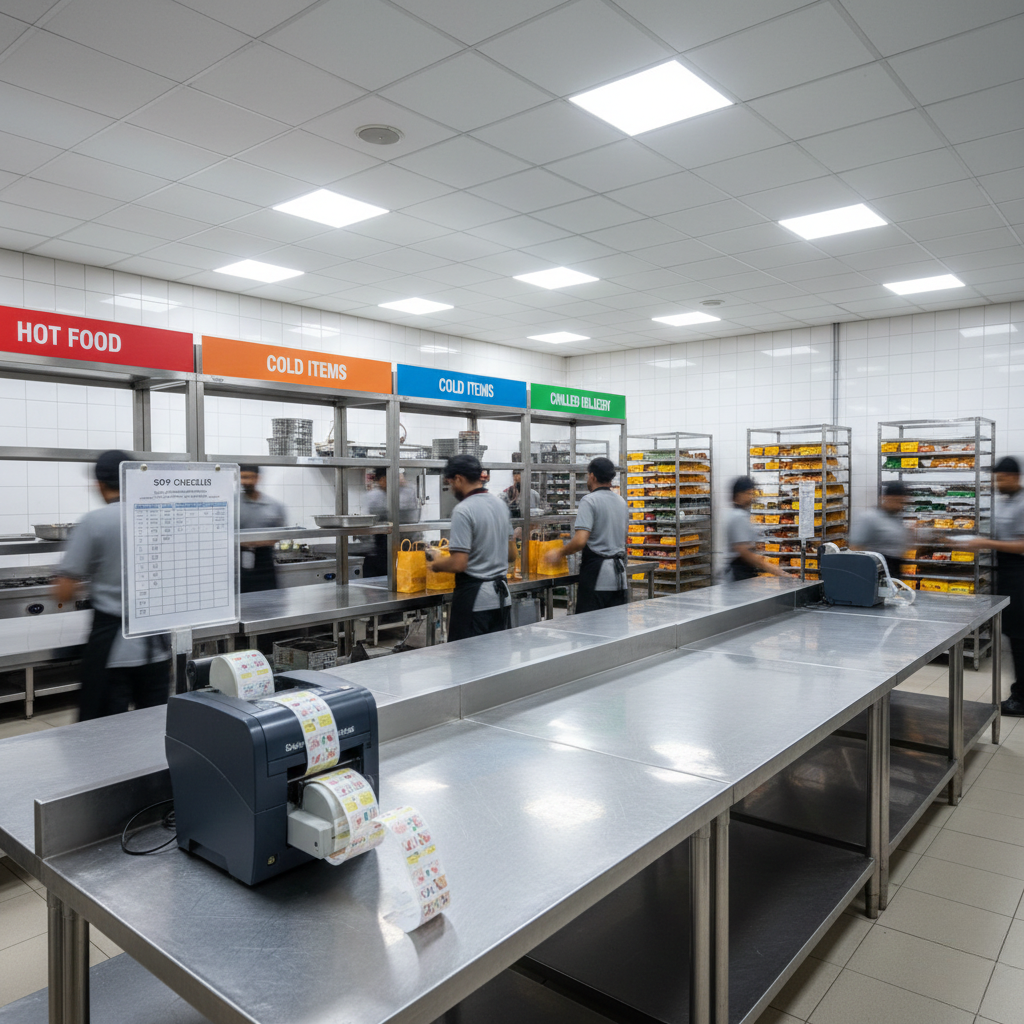
Scaling Multi-Brand Cloud Kitchens Using CKaaS is not a “list 10 brands and pray” strategy or a “launch everything everywhere” growth hack. It is a portfolio + repeatability + station engineering problem: menu architecture, shared prep systems, SOP depth, role ownership, dispatch gates, procurement discipline, and weekly feedback loops that keep execution stable while complexity grows. Most multi-brand cloud kitchens don’t fail because demand is missing. They fail because multi-brand complexity amplifies leakage: portion drift, prep chaos, stock-outs, wrong packing, refunds, rating drops, and discount dependency. CKaaS enables multi-brand scaling when it converts brand chaos into a system-driven kitchen network where each brand is operationally safe, measurable, and repeatable. This guide explains how to scale multi-brand cloud kitchens using CKaaS in India using systems, not supervision.
Scaling Multi-Brand Cloud Kitchens Using CKaaS: The Difference Between “More Brands” and “A Scalable Portfolio”
Many founders think multi-brand scaling is simple: launch more brands, add more categories, run more offers, and capture more search demand on Swiggy and Zomato.
But multi-brand is not a marketing game. It is an operations game. Every additional brand increases complexity: more SKUs, more prep, more inventory lines, more packing errors, and more ways to fail during peak.
That is why most kitchens don’t collapse at low volume. They collapse when multi-brand growth crosses 60–200 orders/day: stations break, prep buffers fail, wrong items increase, riders wait, refunds spike, ratings fall, and distribution drops. The kitchen becomes “busy but punished.”
CKaaS exists to replace founder-dependent execution with system-driven execution. If you want the profitability baseline lens first, start with Cloud Kitchen Profitability Consultant in India and map recurring multi-brand leakage using Common Operational Mistakes in Cloud Kitchens.
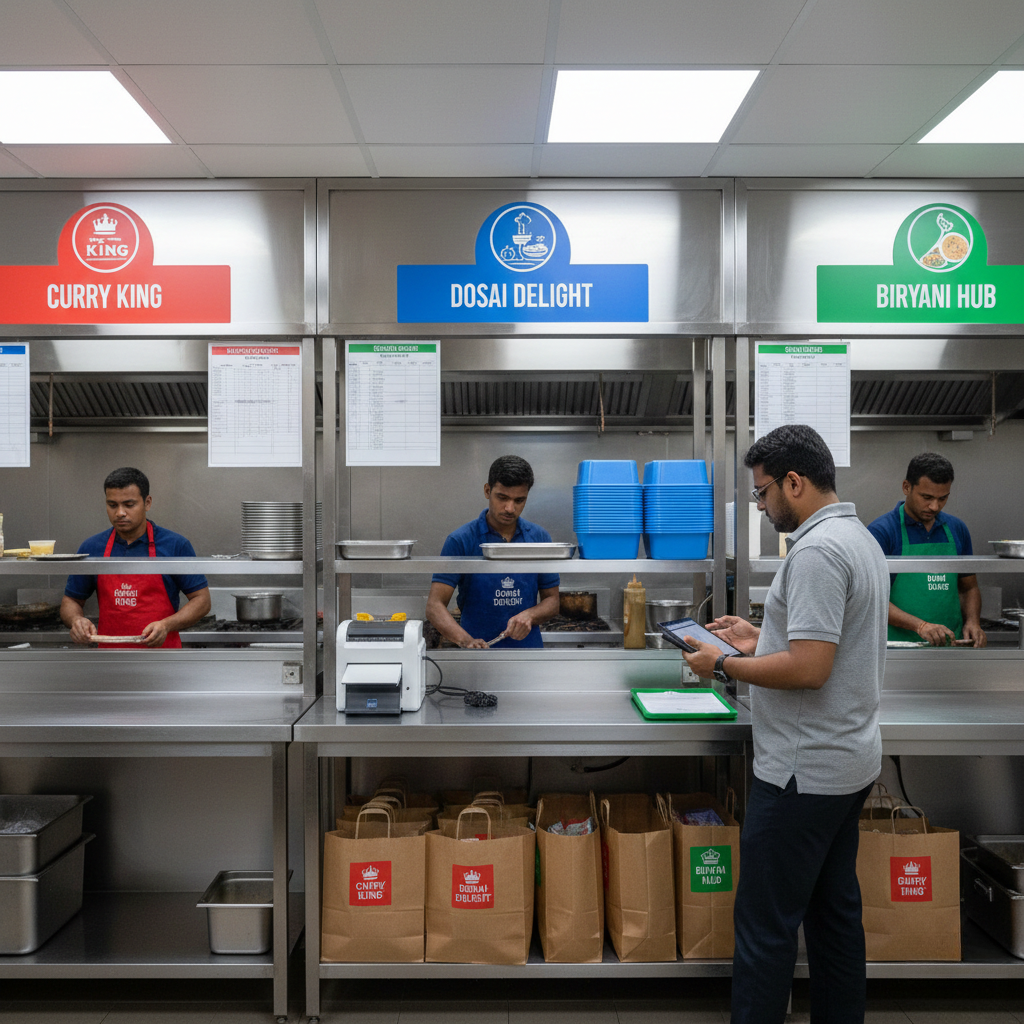
What “Multi-Brand Scaling” Actually Means (Not Just More Listings)
Multi-brand scaling means you can add brands without breaking your kitchen. It means each additional brand increases revenue without increasing chaos faster than your team can control.
In practice, unsafe multi-brand scaling looks like this: you launch a new brand, prep expands, staff starts guessing, stations overlap, inventory becomes messy, pack errors increase, refunds rise, ratings swing, and then founders discount to maintain volume. More brands become more leakage.
Safe multi-brand scaling is different: you build a portfolio that shares infrastructure safely: common raw materials, common prep, common stations, common packaging logic, and measurable SOPs that reduce variability. You scale the system first, then the brands.
CKaaS becomes powerful here because it provides an execution layer that can be replicated: SOPs, role ownership, station gates, procurement routines, dispatch discipline, and weekly review loops. This allows founders to grow portfolio complexity without becoming the system.
Without those systems, CKaaS becomes outsourced chaos: you pay for operations, but errors keep repeating across brands. Multi-brand needs discipline, not more staff.
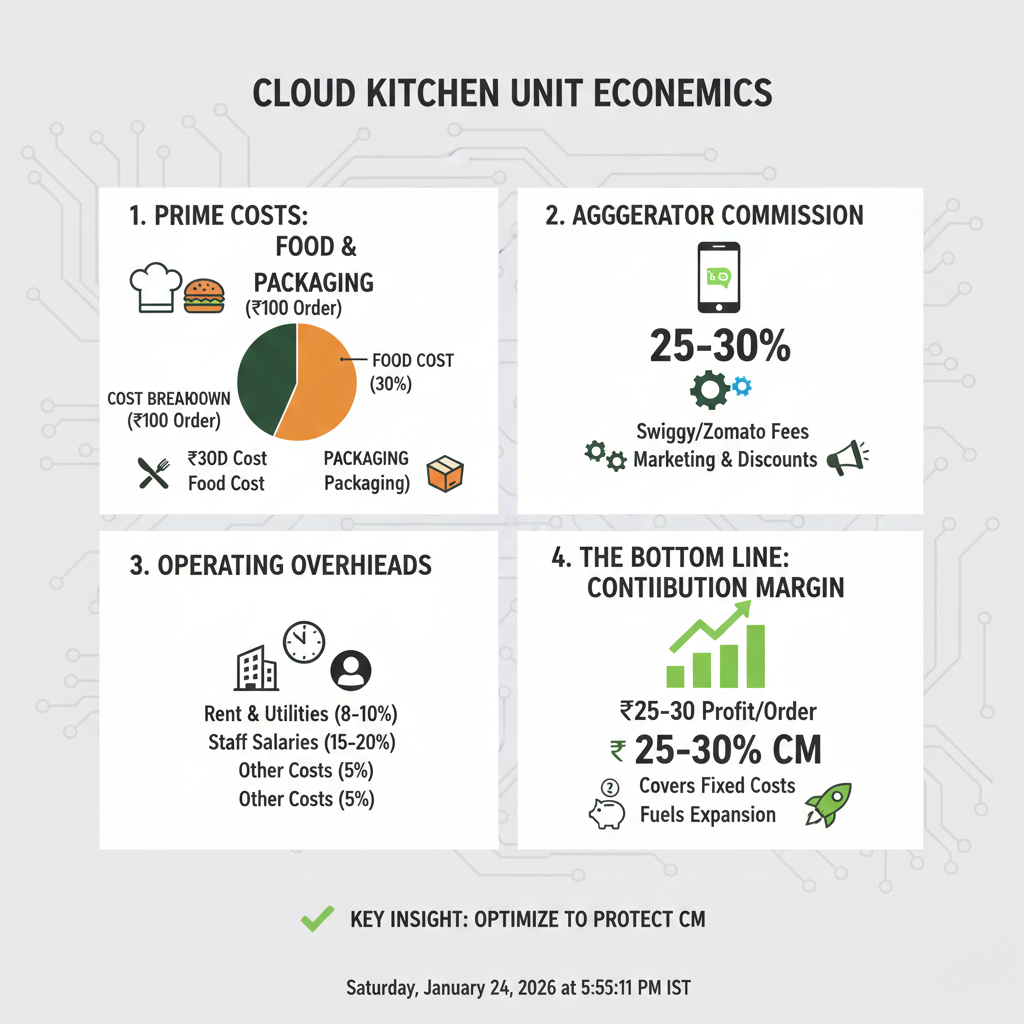
The Unit Economics Lens: Multi-Brand Scaling Works Only If Contribution Margin Survives Complexity
Multi-brand growth is often justified using revenue logic: “More brands = more orders.” But the correct lens is contribution margin: does each brand add profitable volume or does it add leakage?
Profit is still decided per order:
Order Value minus Aggregator commission & charges minus CKaaS fee / revenue share minus Packaging cost minus Food cost (COGS) minus Discount burn minus Refund/penalty leakage equals Contribution Margin.
Multi-brand complexity attacks this equation through: food cost drift (more SKUs, more portion variability), higher refunds (wrong items, missed add-ons, cross-brand packing confusion), cancellations (stock-outs across multiple RMs), and discount dependency (ratings fall, distribution drops).
CKaaS makes multi-brand scaling safer when it reduces these leakages with repeatable systems. For fee and payout clarity, use Aggregator Commission Impact in India and for leakage math, reference Refunds and Cancellations Impact on Cloud Kitchen Profitability.
The 14 Systems CKaaS Uses to Scale Multi-Brand Kitchens Without Breaking Execution
CKaaS enables multi-brand scaling by reducing operational risk per added brand. Below are the systems that make a portfolio scalable, not chaotic.
1) Brand portfolio architecture: only add brands that share stations. Multi-brand scaling fails when each brand needs a new station. CKaaS filters brands based on station compatibility: if it breaks the station stack, it breaks the kitchen.
2) Menu engineering for cross-brand shared prep. The best multi-brand kitchens share mother sauces, base gravies, marinades, and toppings safely. CKaaS builds menu architecture where prep overlaps without confusion.
3) SKU rationalization: fewer SKUs per brand, higher repeatability. Each brand should have a tight bestseller set. Too many SKUs across brands multiplies errors during peak.
4) Measurable SOPs for top sellers per brand. Each brand’s top SKUs must be measurable: grams, ml, timings, holding rules, station sequence. This reduces output variance across staff and shifts.
5) Portion tools + gram discipline across stations. Multi-brand kitchens lose money through silent drift. CKaaS standardizes ladles, scoops, weighing routines, and fill lines so portions stay stable across brands.
6) Central RM master + approved RM specs. A multi-brand kitchen must run on one RM language. CKaaS enforces RM specs (brand, cut size, pack size, fat %, consistency) so taste and cost don’t vary by purchase day.
7) Procurement routines with reorder triggers. Stock-outs across brands cause cancellations and platform distrust. CKaaS installs reorder triggers and minimum stock rules so bestsellers remain available.
8) Prep planning with par levels and batch calendars. Multi-brand success depends on buffers. CKaaS uses par levels per station, not per brand, to keep peak readiness predictable.
9) Batch yield tracking to control waste. Multi-brand kitchens waste more because prep expands. CKaaS makes yields measurable to prevent over-prep and to stabilize availability without excess wastage.
10) Packing checklist designed for multi-brand confusion points. Cross-brand packing errors are common: wrong sauces, wrong labels, missed add-ons, wrong bowls. CKaaS uses a checklist that forces verification: item count, add-ons, sauces, label match, seal check.
11) Dispatch gate + final scan before rider handover. Multi-brand kitchens hand over more bags per minute. Without a dispatch gate, wrong bag handovers rise sharply. Implement via Cloud Kitchen Dispatch SOP.
12) Packaging standards per brand, with operational safety rules. Brands may have different packaging aesthetics, but operations must stay safe: standard seal method, standard label format, standard bag stability rules, and clear “do not tilt” orientation to prevent leakage and complaints.
13) Role ownership across stations, not across brands. The biggest scaling mistake is assigning staff to “brands.” Kitchens run on stations. CKaaS assigns owners for prep, cook, pack, dispatch and review gates. Framework: Role-Based Kitchen Operations Explained.
14) Weekly portfolio review loop: identify the brand causing leakage. Multi-brand kitchens need weekly review loops: refunds by brand, cancellations by brand, late dispatch counts, rating comments, and food cost drift. Then fix the top leakage driver and update SOPs. Discipline lens: How Process Discipline Improves EBITDA.
If you want the common repeat-error map used before launching more brands, start with Common Operational Mistakes in Cloud Kitchens and if you’re scaling with spend, avoid volume-amplified leakage via Marketing Spend vs ROI in Cloud Kitchens.
Swiggy/Zomato Reality: Platforms Don’t Rank Your “Kitchen” They Rank Each Outlet’s Reliability
Aggregators don’t care that you run five brands from one kitchen. They evaluate each outlet listing using reliability signals: refunds, cancellations, late dispatch, ratings, and availability.
Multi-brand can increase impressions, but it can also increase risk signals if execution is weak. When risk signals rise, distribution reduces. Reduced distribution pushes founders to discount. Discounts increase orders and increase errors. That is how multi-brand becomes a loop of collapse.
External policy context: Swiggy Refund Policy and Zomato Online Ordering Terms.
The takeaway: multi-brand scaling is safe only when reliability stays stable for every listing. CKaaS helps by enforcing systems that keep those signals clean.
Where Multi-Brand Kitchens Win or Lose Daily: Prep Readiness + Packing Accuracy + Dispatch Speed
Multi-brand kitchens become scalable when three engines stay stable across stations: prep readiness (buffers + throughput), packing accuracy (completeness + presentation), and dispatch speed (handover discipline + ETA reliability).
Prep readiness prevents stock-outs and cancellations. Packing accuracy prevents wrong items and missed add-ons. Dispatch speed protects customer experience and platform trust signals.
Install dispatch predictability using Cloud Kitchen Dispatch SOP and reduce repeat failures via Common Operational Mistakes in Cloud Kitchens.
Why CKaaS Makes Multi-Brand Scaling Safer Than Founder-Led Portfolio Expansion
Founder-led multi-brand expansion often depends on constant intervention: checking bags, correcting staff, calling vendors, and firefighting peak chaos. That may work for one kitchen. It collapses as portfolio complexity grows.
CKaaS makes multi-brand scaling safer when it installs role-based gates across stations:
Prep role:
owns par levels, batch planning, labeling, and buffer readiness so multiple brands don’t cause peak panic.
Cook role:
owns portion tools, recipe compliance, holding rules, and station sequence to protect cross-brand consistency.
Pack role:
owns checklist accuracy, brand-wise labeling, add-on verification, sealing, and presentation standards to prevent refunds.
Dispatch role:
owns final scan, label match, rider handover speed, and bag stability checks to prevent wrong bag handovers.
Manager role:
owns weekly portfolio review: refunds by brand, cancellations, late dispatch, ratings, and SOP upgrades.
Framework: Role-Based Kitchen Operations Explained.
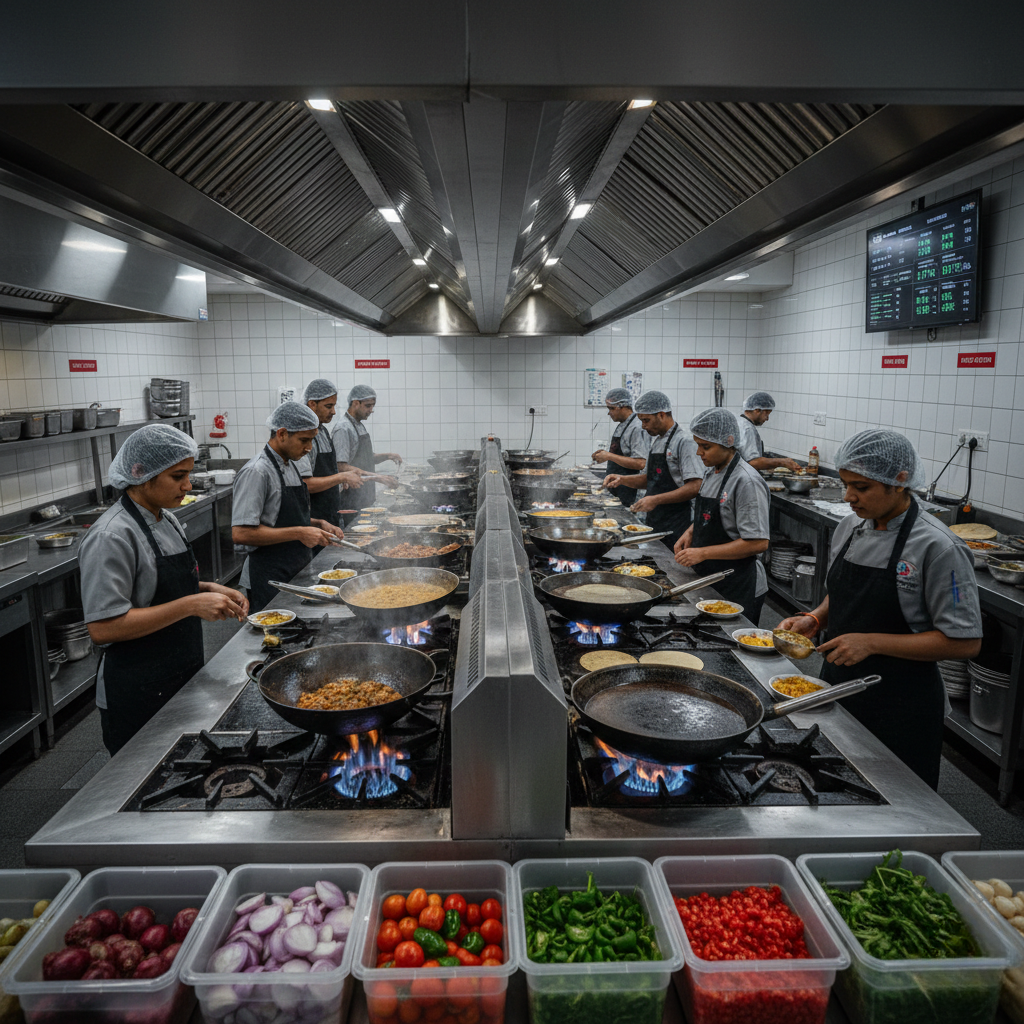
A Practical 7 to 30 Day Multi-Brand Scaling Rollout (What CKaaS Should Stabilize Before Adding Brands)
Multi-brand scaling should not start with “launch more brands.” It should start with stabilizing the system that will carry those brands. Below is a practical rollout path used to scale portfolio complexity safely.
Step 1 (Day 1–2): Stabilize the station stack and freeze bestsellers. Identify your top SKUs across current brands. Freeze them. Track refund rate, late dispatch count, cancellations, rating trend, and food cost % daily.
Step 2 (Day 1–3): Build measurable SOPs + portion tools for top SKUs. Define grams/ml per portion, station sequence, holding rules, and packing standards. This is the base of replication across brands.
Step 3 (Day 2–5): Install packing checklist + dispatch gate as non-negotiable. Multi-brand increases packing complexity. Checklist + scan reduces preventable errors fast. Implement via Cloud Kitchen Dispatch SOP.
Step 4 (Day 3–7): Standardize labeling and packaging rules per brand. Define label formats, sealing method, bag type, and placement rules so brand identity exists without operational confusion.
Step 5 (Week 2): Build a central RM master and procurement routines. Define RM specs, approved vendors, reorder triggers, and minimum stock rules to prevent stock-outs across brands.
Step 6 (Week 2): Add new brands only if they share stations. Before adding a brand, confirm: shared RMs, shared prep, shared stations, and safe packaging logic. If it needs a new station, it’s not portfolio-safe yet.
Step 7 (Week 3): Run weekly portfolio reviews and SOP upgrades. Track refunds by brand, cancellations by brand, rating comments, late dispatch counts, and food cost drift. Fix the top leakage driver weekly. That loop is the scaling engine.
Use the discipline lens: How Process Discipline Improves EBITDA. If you’re scaling with spend, map ROI correctly via Marketing Spend vs ROI in Cloud Kitchens. If you’re comparing models before scaling, use CKaaS vs Running Your Own Cloud Kitchen: ROI Comparison.
External process references (useful for standardisation thinking): Standardized Work (Lean lexicon), ISO 22000 overview, and FSSAI Hygiene Requirements (Schedule 4 reference).
Final Takeaway: Multi-Brand Scaling Works Only When Brands Share Systems, Not Chaos
Multi-brand cloud kitchen scaling is not a branding achievement. It is an operating system achievement. A portfolio scales safely only when variability is controlled: measurable SOPs, portion discipline, shared prep systems, RM specs and procurement routines, station discipline, checklist-driven packing, gated dispatch, role ownership, and weekly review loops that prevent repeat failures.
CKaaS enables multi-brand scaling when it converts founder-dependent kitchens into system-driven kitchen networks. When systems travel faster than complexity, portfolio growth becomes survivable. When complexity travels faster than systems, multi-brand becomes collapse.
Operating frameworks from GrowKitchen, and operating partner brands like Fruut and GreenSalad are built to convert “multi-brand chaos” into “multi-brand repeatability.”
FAQs: Scaling Multi-Brand Cloud Kitchens Using CKaaS
How many brands can one cloud kitchen run safely?
There is no fixed number. It depends on station overlap, shared prep, SOP depth, and dispatch discipline. More brands without systems increases refunds and cancellations.
What is the biggest mistake in multi-brand scaling?
Adding brands that require new stations and new prep lines. Complexity grows faster than repeatability, and the kitchen collapses during peak.
Does CKaaS guarantee multi-brand success?
No. CKaaS enables multi-brand scaling only when measurable SOPs, role gates, checklist packing, and weekly review loops are enforced.
What is the fastest system to implement for multi-brand stability?
Packing checklist + dispatch gate + labeling standards. These reduce wrong items and missed add-ons immediately across brands.
- Cloud Kitchen Profitability Consultant in India
- Common Operational Mistakes in Cloud Kitchens
- Cloud Kitchen Dispatch SOP
- Role-Based Kitchen Operations Explained
- Refunds and Cancellations Impact on Cloud Kitchen Profitability
- Aggregator Commission Impact in India
- Marketing Spend vs ROI in Cloud Kitchens
- How Process Discipline Improves EBITDA
- CKaaS vs Running Your Own Cloud Kitchen: ROI Comparison
- Grow Kitchen on Twitter