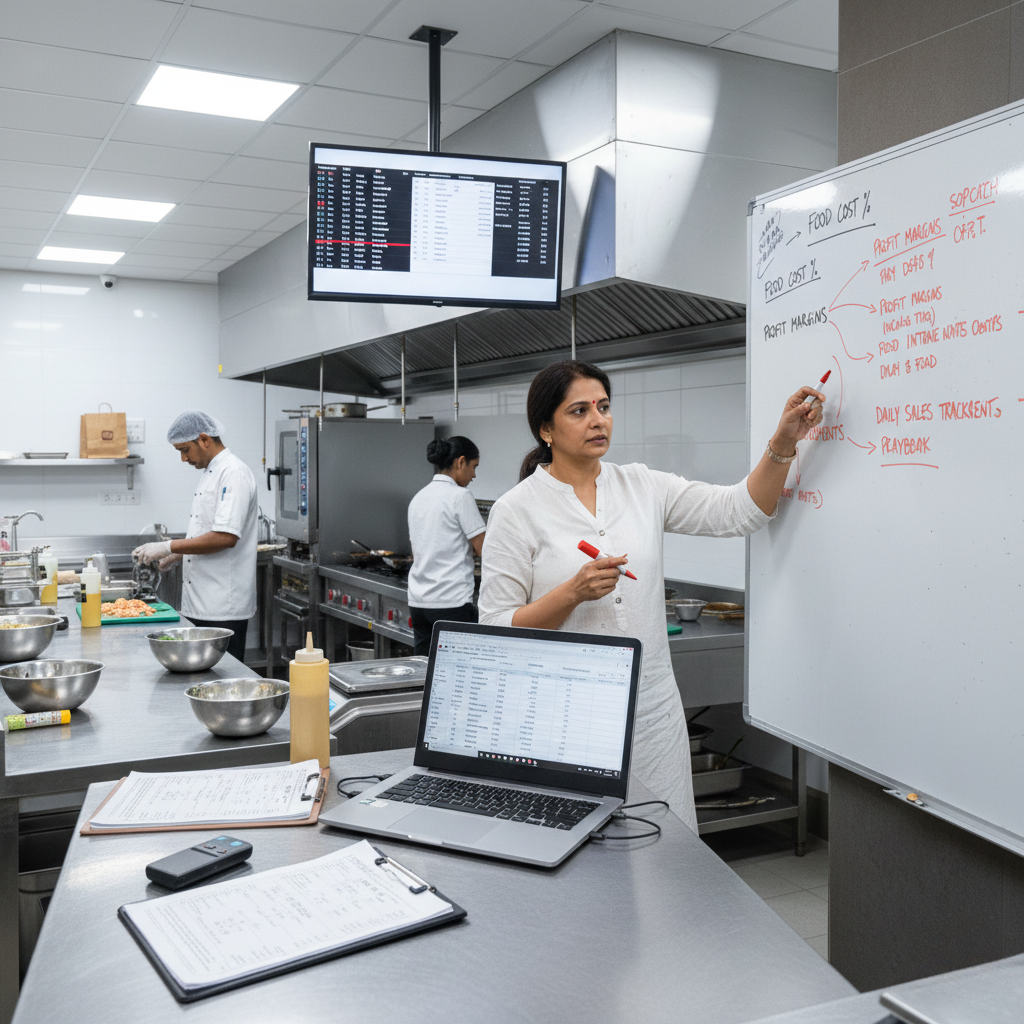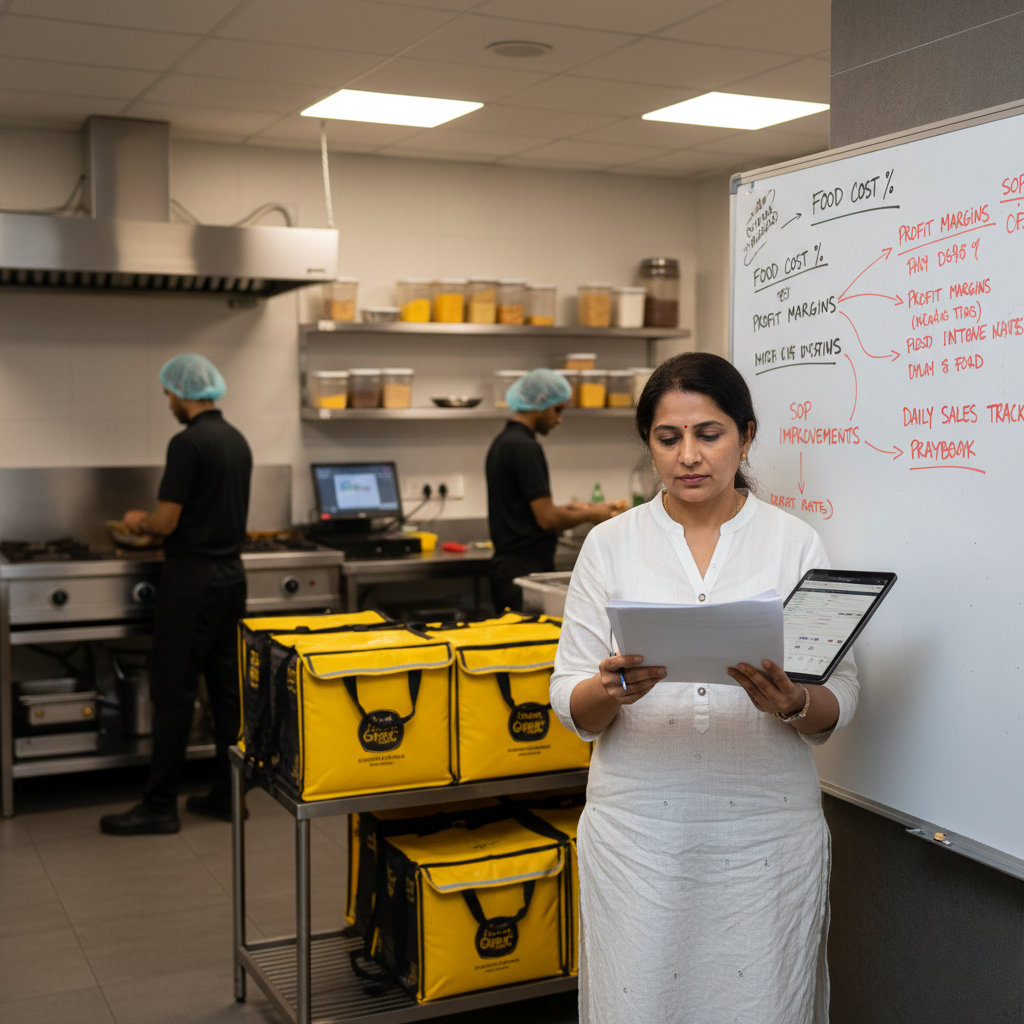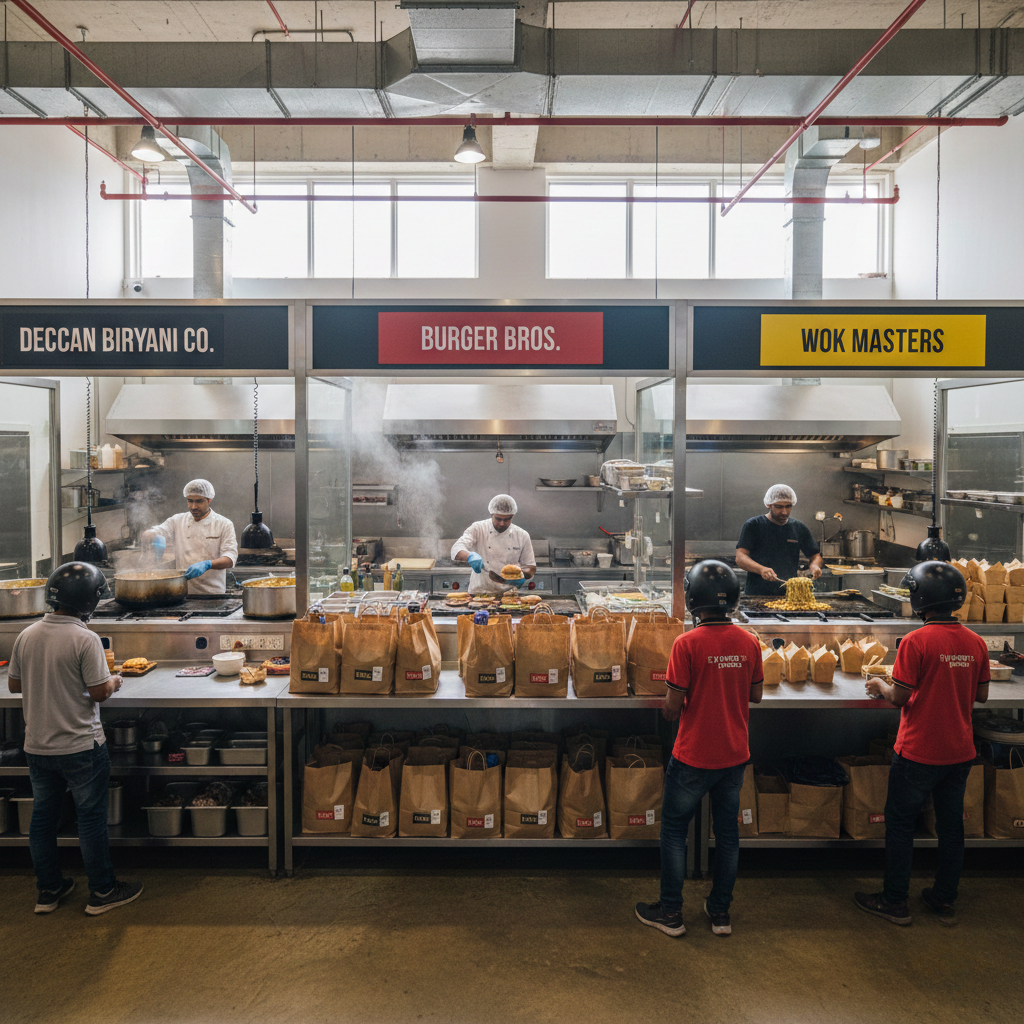
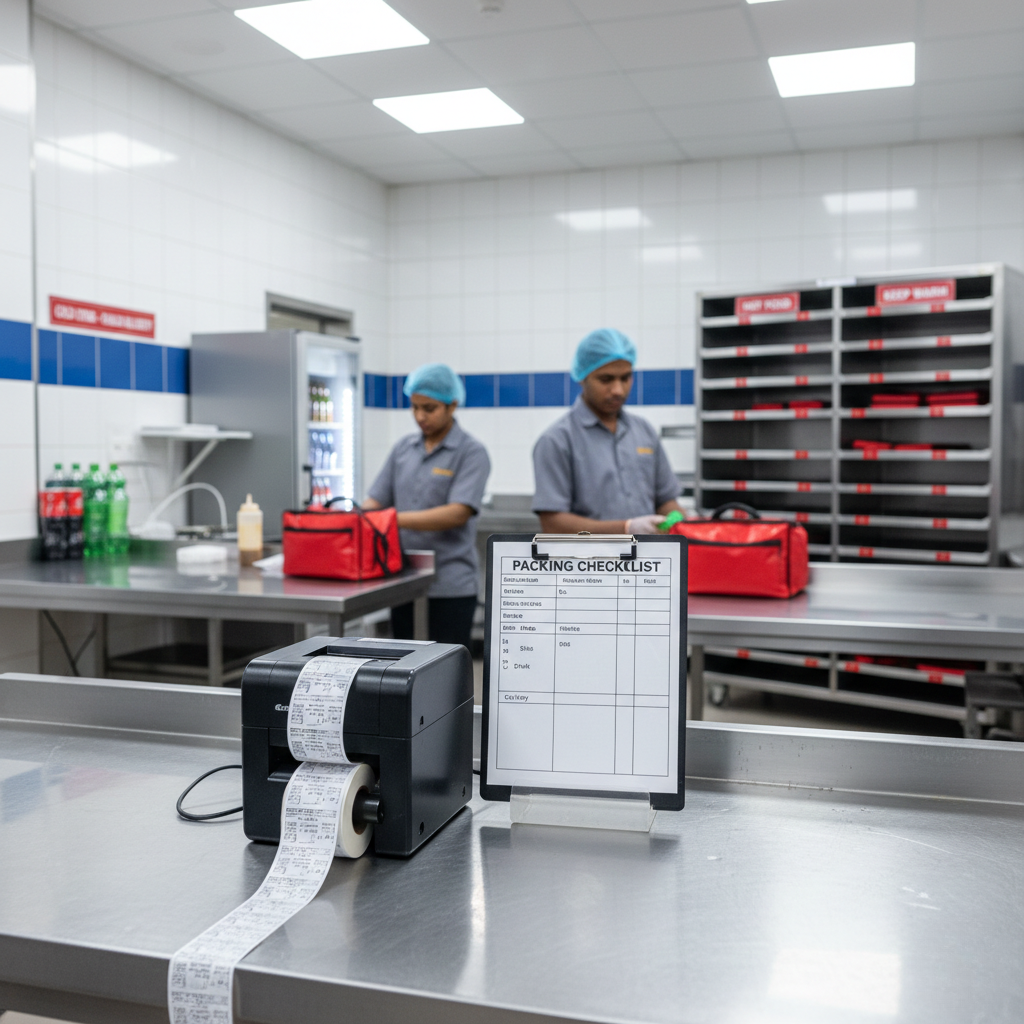
Why System-Driven Kitchens vs Founder-Driven Kitchens is not a “work harder” lesson or a “hire a manager” shortcut. It is a repeatability + control-transfer + unit-economics + execution reliability story. Founder-driven kitchens can survive on presence, intuition, and firefighting. System-driven kitchens win because outcomes are engineered: SOPs, role gates, station discipline, procurement routines, prep planning, packing checklists, dispatch scans, and weekly feedback loops. This guide explains why system-driven kitchens outperform founder-driven kitchens in India and how to build a kitchen that runs on systems, not supervision.
Why System-Driven Kitchens vs Founder-Driven Kitchens: The Hidden Cost of “Being the System”
Many founders believe their kitchen is strong because they can “handle anything.” Orders spike? They jump in. Staff misses? They fix it. Vendor fails? They manage the crisis. Packing errors? They personally check.
From the outside, it looks like control. From the inside, it is dependency. The kitchen works because the founder is present. That is not a business advantage. That is an operational risk.
Founder-driven kitchens can grow for a while. But the moment you add a second outlet, expand SKUs, or scale volume, the same truth appears: a founder cannot be everywhere. And when control is personal, outcomes break.
System-driven kitchens outperform because standards are not “remembered.” They are designed. If you want the profitability foundation lens first, start with Cloud Kitchen Profitability Consultant in India and map recurring execution leaks using Common Operational Mistakes in Cloud Kitchens.
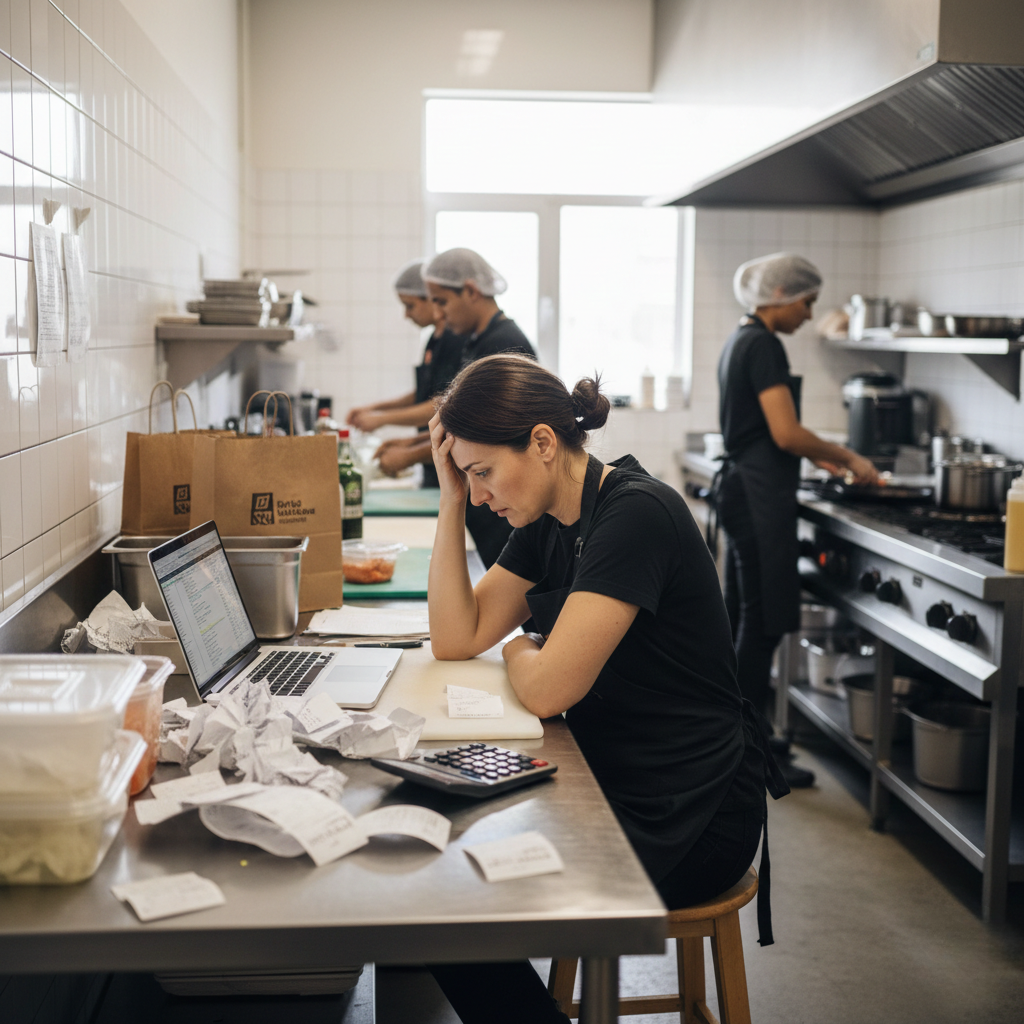
What Founder-Driven Actually Means (And Why It Feels Like “Control”)
Founder-driven kitchens are not run by bad founders. They are run by founders who became the glue. They handle quality, dispatch, staff fixes, and vendor follow-ups personally. They know every dish, every shortcut, every rider problem, and every complaint pattern.
This feels like control because the founder can prevent issues in real time. But it creates a hidden fragility: the kitchen’s performance is tied to one person’s presence, attention, and energy.
That is why founder-driven kitchens collapse under scaling pressure. The volume grows, the complexity grows, the number of decisions grows, but founder bandwidth does not.
System-driven kitchens win because they convert “founder memory” into “operating design”: measurable SOPs, role gates, checklists, training sign-offs, audits, and feedback loops. The system becomes the boss, not the founder’s mood.
The Unit Economics Lens: Founder-Driven Kitchens Leak Quietly, System-Driven Kitchens Control Repetition
The biggest performance difference is not motivation. It is leakage repetition. Founder-driven kitchens often “fix problems” daily but fail to prevent them from repeating. System-driven kitchens prevent repetition by installing gates.
Profit is still decided per order:
Order Value minus Aggregator commission & charges minus Kitchen operating cost / service fee minus Packaging cost minus Food cost (COGS) minus Discount burn minus Refund/penalty leakage equals Contribution Margin.
Founder-driven kitchens often lose margin through: portion drift, reactive procurement, missing add-ons, inconsistent packing, late dispatch, and repeated refunds. These are not “big mistakes.” They are small repetitions.
If you want platform fee clarity, read Aggregator Commission Impact in India and refund leakage patterns via Refunds and Cancellations Impact on Cloud Kitchen Profitability.
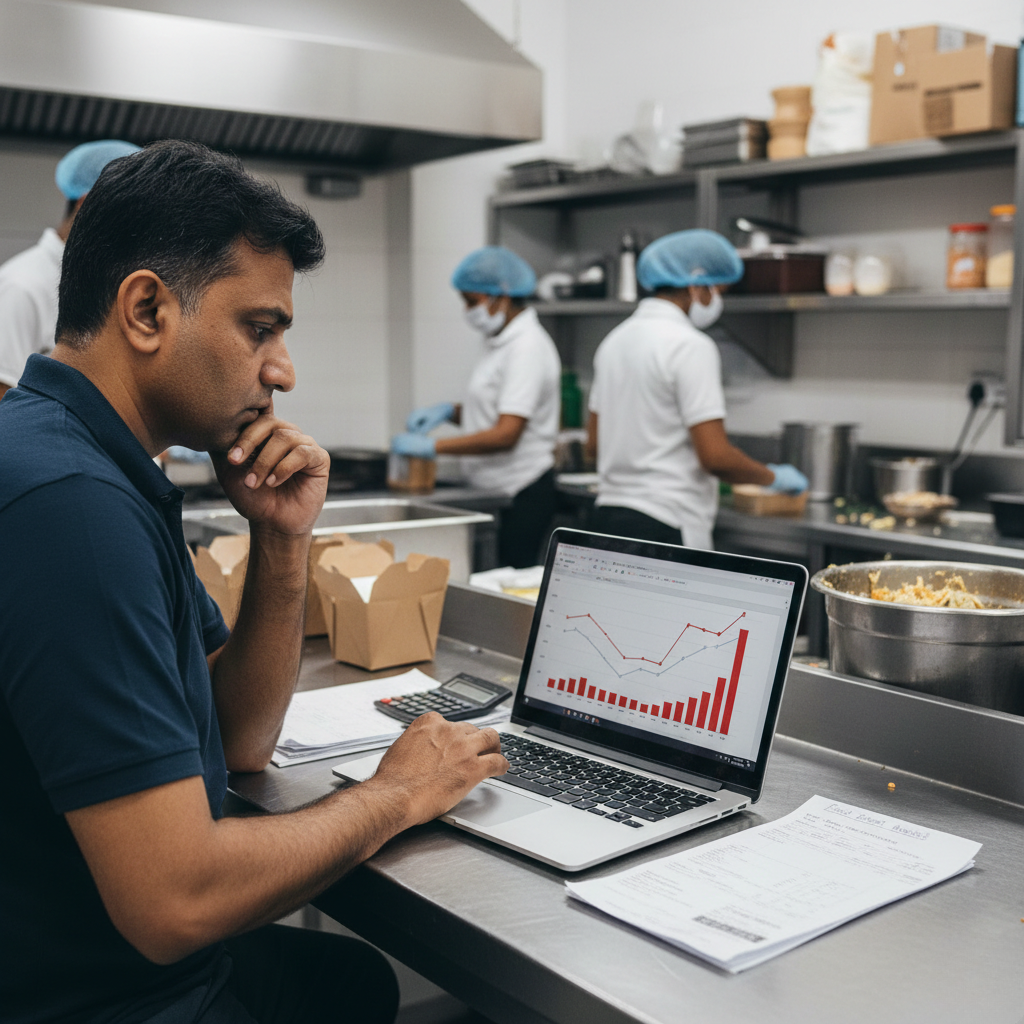
The 14 Reasons System-Driven Kitchens Outperform Founder-Driven Kitchens (What Changes in Real Operations)
System-driven kitchens outperform because they replace “hero execution” with “repeatable execution.” Below are the most important differences that show up in daily outcomes.
1) Quality is a gate, not a person. Founder-driven kitchens depend on the founder’s eyes. System-driven kitchens use portion tools, packing checks, and audit routines so quality is repeatable.
2) Recipes are measurable, not descriptive. “Make it like yesterday” is not a recipe. System-driven kitchens use grams, ml, time, temperature, and holding rules so output doesn’t drift.
3) Portions are engineered, not guessed. Portion drift is the most common silent killer of margins. System-driven kitchens enforce ladles, scoops, fill lines, and weights for bestsellers.
4) Prep is planned, not reactive. Founder-driven kitchens prep based on intuition. System-driven kitchens run on prep sheets, par levels, and batch yields to protect peak readiness.
5) Procurement is disciplined, not availability-based. Founder-driven kitchens buy “whatever is available.” System-driven kitchens lock RM specs and reorder triggers to control both cost and quality.
6) Packing is checklist-driven, not memory-driven. Most refunds come from missing items and add-ons. A packing checklist prevents errors without requiring a founder to check every bag.
7) Dispatch is gated, not “handed over.” Founder-driven kitchens often rely on speed and hope. System-driven kitchens dispatch with a final scan: label match, add-on verification, sealing, and bag stability. Implement via Cloud Kitchen Dispatch SOP.
8) Roles reduce confusion. “Everyone does everything” creates errors. System-driven kitchens assign prep, cook, pack, and dispatch owners with gates. Framework: Role-Based Kitchen Operations Explained.
9) Training is a system, not a one-time event. Founder-driven kitchens rely on “watch and learn.” System-driven kitchens use shadow shifts, checklists, sign-offs, and retraining triggers.
10) Mistakes create upgrades, not frustration. In founder-driven kitchens, the same mistakes repeat because they are fixed emotionally. System-driven kitchens treat mistakes as data and update SOPs to prevent repetition.
11) Managers run dashboards, not vibes. System-driven kitchens track refund rate, cancellation rate, late dispatch count, and food cost %. Control requires measurement.
12) Platforms reward reliability signals. A system-driven kitchen gets better distribution because it is predictable: fewer refunds, fewer cancellations, better ratings, and steadier ETA performance. Map growth logic via Marketing Spend vs ROI in Cloud Kitchens.
13) Founders shift from daily firefighting to weekly supervision. Founder-driven kitchens consume founders. System-driven kitchens free founders to focus on menu strategy, brand growth, and expansion.
14) Scale becomes survivable. Second kitchens fail when replication happens at surface level (menu, packaging), not system level (SOPs, gates, training, audits). System-driven kitchens replicate because control is transferable.
For the leak map, reference Common Operational Mistakes in Cloud Kitchens and for the discipline mindset, use How Process Discipline Improves EBITDA.
Swiggy/Zomato Reality: Founder Effort Doesn’t Scale, Reliability Signals Do
Aggregators don’t reward “how hard you worked today.” They reward reliability signals: cancellations, refunds, late dispatch, complaints, ratings, and availability.
Founder-driven kitchens often stay fragile because reliability depends on the founder being present. The platform sees inconsistency as risk. Risk reduces distribution. Reduced distribution forces discounts. Discounts crush margin.
External policy context: Swiggy Refund Policy and Zomato Online Ordering Terms.
To see how refunds and cancellations destroy contribution margin, use Refunds and Cancellations Impact on Cloud Kitchen Profitability.
The Daily Difference: System Kitchens Win Where Founder Kitchens Break (Prep + Packing + Dispatch)
The fastest way to see whether a kitchen is founder-driven or system-driven is to observe peak hour. Founder kitchens feel chaotic: shouting, missing items, late riders, remakes, confusion.
System kitchens feel boring: prep buffers exist, packing checklists are followed, dispatch is gated, and handovers are fast.
Install dispatch predictability using Cloud Kitchen Dispatch SOP and reduce repeat failures by mapping station-wise errors using Common Operational Mistakes in Cloud Kitchens.
The Real Upgrade: Replace Founder Supervision With Roles + Gates
System-driven kitchens don’t need founders to “be strict.” They need a design where each critical step has an owner and a gate.
Here is what role-based stability looks like:
Prep role:
owns prep lists, par levels, labeling, FIFO, and cold storage discipline.
Cook role:
owns measurable recipes, portion tools, holding rules, and station cleanliness.
Pack role:
owns packing checklist, add-on verification, sealing rules, and presentation.
Dispatch role:
owns final scan, label match, rider handover speed, and queue discipline.
Manager role:
owns weekly review: refunds, cancellations, food cost %, ETA performance, and SOP upgrades.
Framework: Role-Based Kitchen Operations Explained.
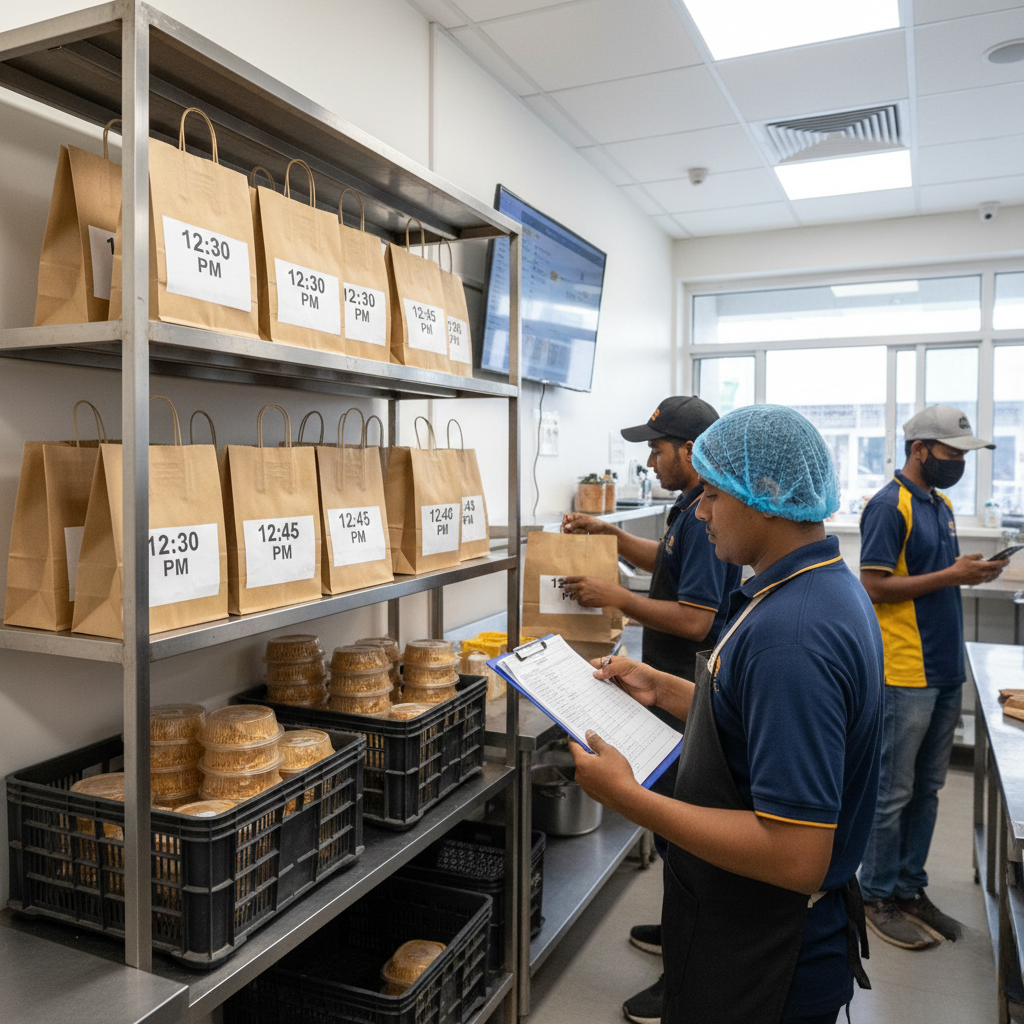
A Practical 7 to 30 Day Shift: From Founder-Driven to System-Driven
This shift is not theoretical. It can be implemented in weeks if you sequence it correctly. The goal is not to document everything. The goal is to stabilize outcomes fast, then expand coverage.
Step 1 (Day 1–2): Write down what only the founder does. List actions that keep the kitchen stable: portion checks, packing checks, vendor follow-ups, complaint handling. If it lives only in your head, it cannot transfer.
Step 2 (Day 1–3): SOP the top 10–15 SKUs with measurable cards. Add grams/ml, sequence, timing, holding rules, and portion tools.
Step 3 (Day 2–5): Install packing checklist + dispatch scan as non-negotiable. This reduces wrong items, missing add-ons, and refund leakage quickly. Implement via Cloud Kitchen Dispatch SOP.
Step 4 (Day 3–7): Build prep planning with par levels. Protect availability and reduce cancellations during peak.
Step 5 (Week 2): Lock procurement specs + reorder routines. Stop reactive buying and vendor drift.
Step 6 (Week 2): Install role ownership with sign-offs. Prep, cook, pack, dispatch owners get station checklists and minimum competency sign-offs.
Step 7 (Week 3–4): Start weekly reviews that force upgrades. Review refund reasons, cancellations, late dispatch, rating comments. Update SOPs. Retrain. Repeat.
Use the discipline lens: How Process Discipline Improves EBITDA and map growth ROI properly: Marketing Spend vs ROI in Cloud Kitchens.
External process references (useful for standardisation thinking): Standardized Work (Lean lexicon), ISO 22000 overview, and FSSAI Hygiene Requirements (Schedule 4 reference).
Final Takeaway: Founder-Driven Kitchens Survive. System-Driven Kitchens Scale.
Founder-driven kitchens can succeed short-term. But they are fragile because performance depends on one person’s presence.
System-driven kitchens outperform because outcomes are engineered: measurable SOPs, portion tools, prep planning buffers, packing checklists, dispatch gates, role ownership, training sign-offs, and weekly review loops that prevent repeated leakage.
Operating frameworks from GrowKitchen, and operating partner brands like Fruut and GreenSalad are built to convert founder effort into system-driven kitchen networks.
FAQs: Why System-Driven Kitchens Outperform Founder-Driven Kitchens
Is a founder-driven kitchen always bad?
No. It often works early. The risk is dependency: performance collapses when the founder can’t be present daily.
What is the first sign a kitchen needs systems?
When output changes by shift: portions drift, refunds repeat, dispatch gets late, and profits feel unclear.
What is the fastest operational upgrade?
Packing checklist + dispatch scan + measurable SOPs for top sellers. These reduce refunds and errors quickly.
How long does it take to shift to system-driven operations?
You can stabilize the core gates in 7–30 days if you sequence bestsellers SOPs, roles, and weekly review loops.
- Cloud Kitchen Profitability Consultant in India
- Common Operational Mistakes in Cloud Kitchens
- Cloud Kitchen Dispatch SOP
- Role-Based Kitchen Operations Explained
- Refunds and Cancellations Impact on Cloud Kitchen Profitability
- Aggregator Commission Impact in India
- Marketing Spend vs ROI in Cloud Kitchens
- How Process Discipline Improves EBITDA
- Grow Kitchen on Twitter