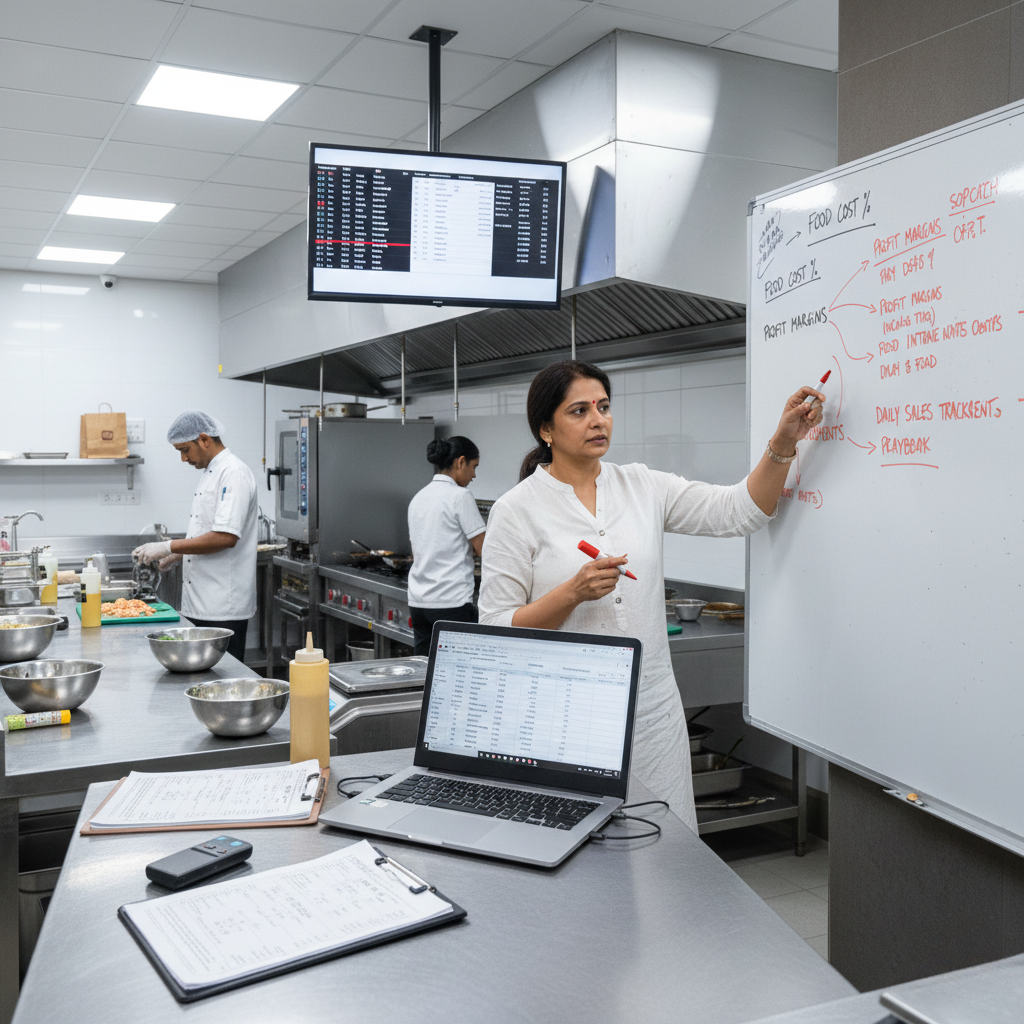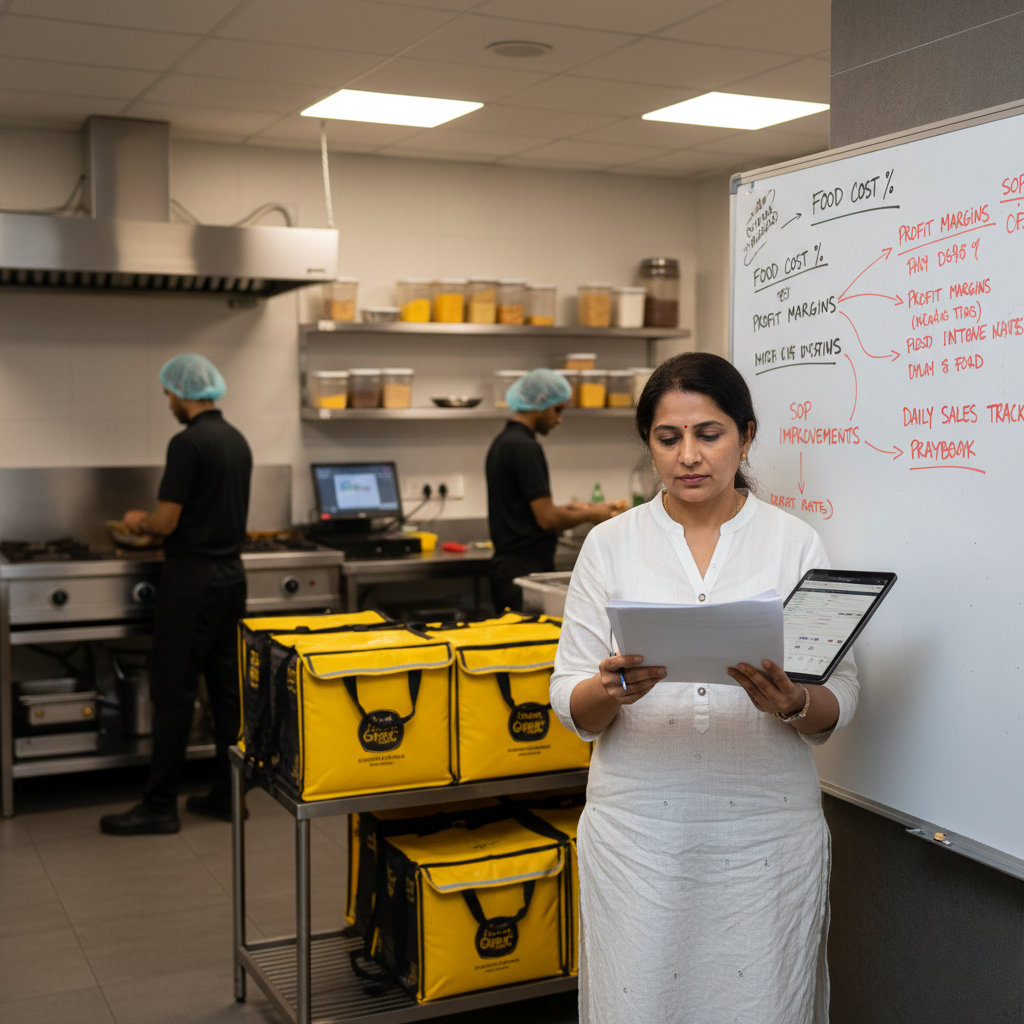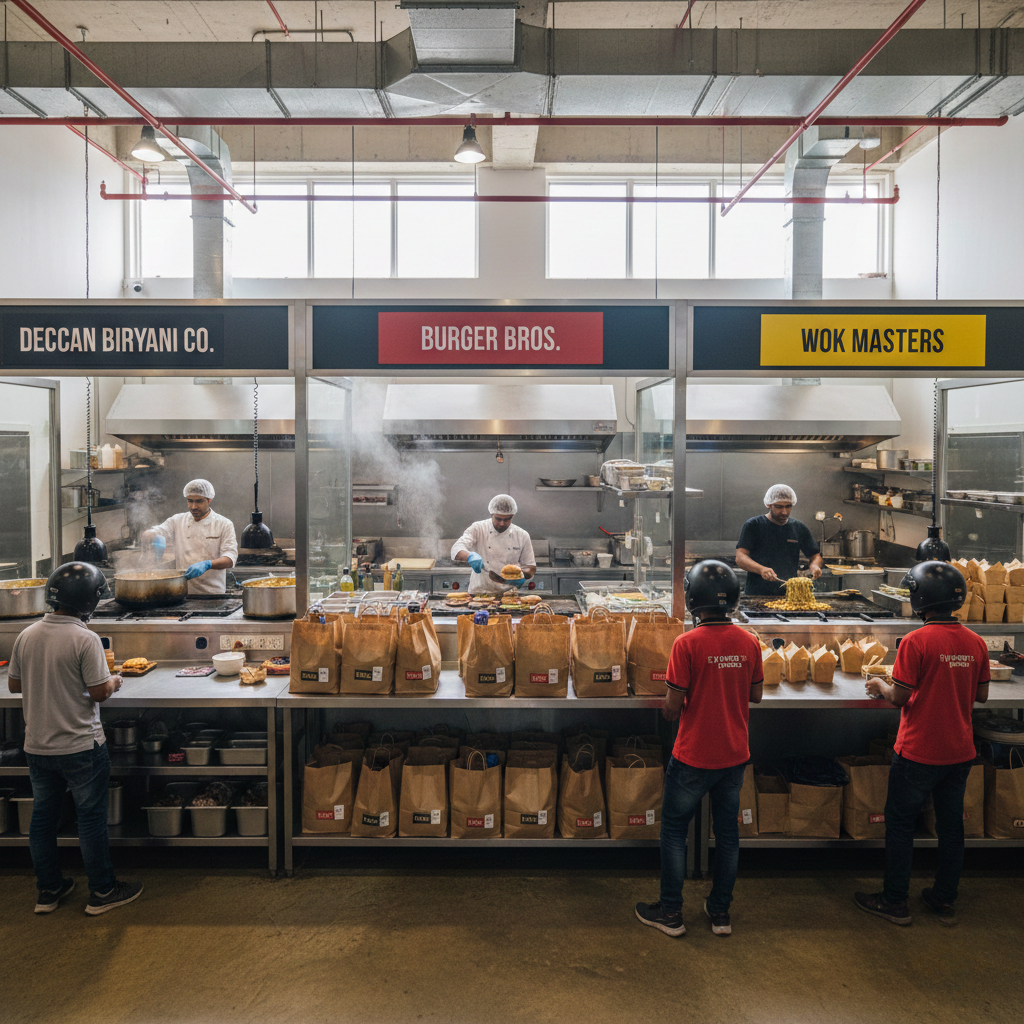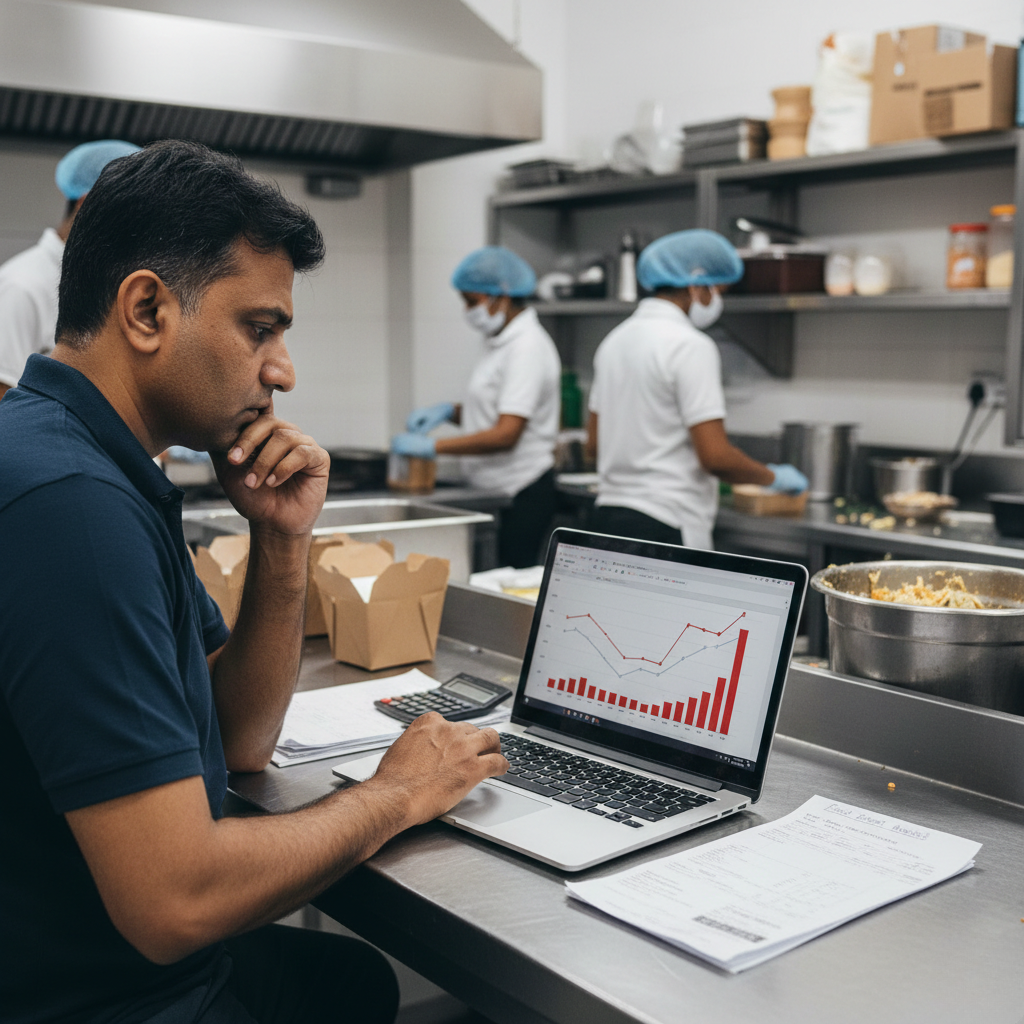
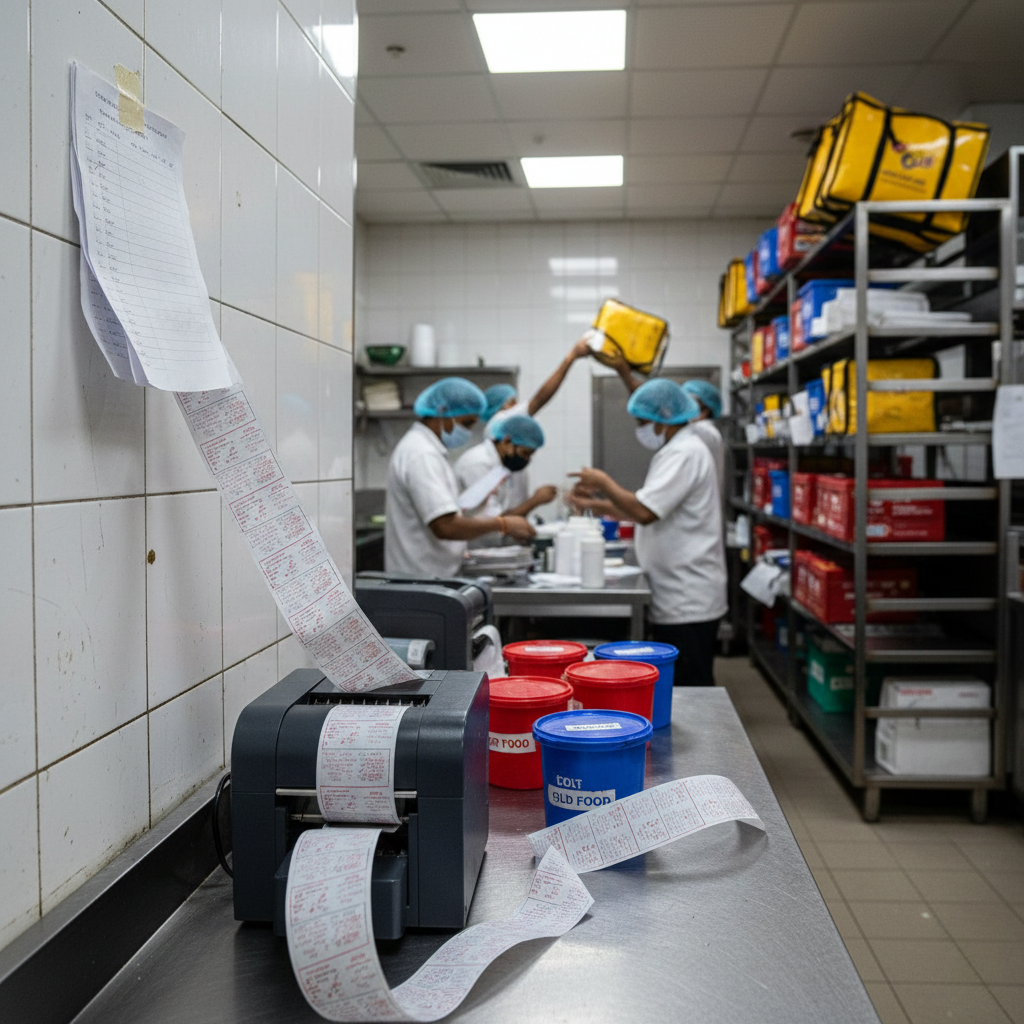
Why Revenue Growth Without CKaaS Is Dangerous is not a “more orders is always good” belief or a “marketing will fix everything” approach. It is a control-capacity + execution stability + unit-economics + reliability problem. Many cloud kitchens scale revenue before they scale systems. The result is predictable: more refunds, more cancellations, more late dispatch, higher food cost drift, discount dependency, team burnout, and founder panic. Growth without an operating system does not create profit. It multiplies leakage. This guide explains why revenue growth becomes dangerous for cloud kitchens in India when systems are missing, how aggregators punish unstable operations, and how CKaaS-style operating discipline (SOPs, dispatch gates, role ownership, audits, and feedback loops) prevents growth from breaking your kitchen using systems, not hope.
Why Revenue Growth Without CKaaS Is Dangerous: The Trap That Makes Busy Kitchens Go Broke
Every founder wants growth. More orders. Higher revenue. Bigger dashboards. The feeling of momentum.
But in delivery-first kitchens, growth is not neutral. Growth is pressure. It pressures prep, staff, packing, dispatch, inventory, and customer experience at the same time.
That’s why many kitchens don’t collapse at low orders. They collapse right after a spike: a new offer, a new ad campaign, a new influencer push, or a festival week.
Founders then feel confused: “Revenue went up, so why do profits feel worse?” Because growth magnifies what was already broken. If your kitchen runs on founder firefighting, growth increases firefighting. If your kitchen runs on systems, growth increases output.
If you want the profitability foundation lens first, start with Cloud Kitchen Profitability Consultant in India and map recurring execution leaks using Common Operational Mistakes in Cloud Kitchens.
What “Dangerous Growth” Actually Means (Not Just “Too Many Orders”)
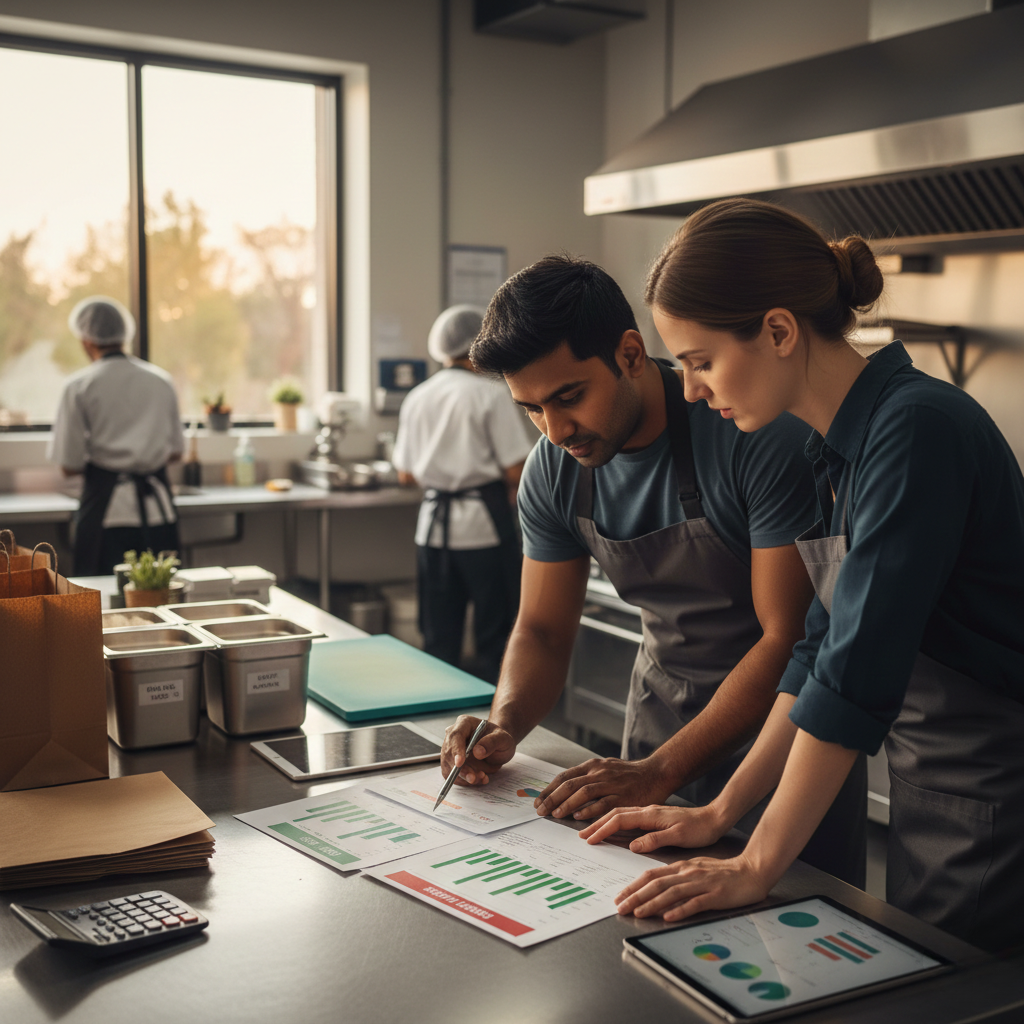
Dangerous growth is not the same as high revenue. Dangerous growth is when revenue rises faster than control capacity. Control capacity means the ability of your kitchen to deliver: the same taste, the same portion, the same packing quality, and the same dispatch reliability without needing founder supervision.
In most small and mid-sized kitchens, control is informal. It lives in the founder’s head. It lives in “good staff.” It lives in “we will manage.”
But aggregators do not reward intention. They reward reliability. If reliability drops, distribution drops. So founders start discounting to compensate. And discounting turns growth into a margin collapse.
CKaaS is not only about “outsourcing a kitchen.” A real CKaaS model acts as an operating system that increases control capacity. Without that operating system, revenue spikes often become the reason kitchens lose money.
The Unit Economics Lens: More Revenue Can Reduce Profit If Leakage Scales Faster
The most common founder mistake: measuring success by revenue. In cloud kitchens, revenue is a vanity metric if contribution margin is not protected.
Profit is still decided per order:
Order Value minus Aggregator commission & charges minus Packaging cost minus Food cost (COGS) minus Discount burn minus Refund/penalty leakage equals Contribution Margin.
Here is why growth becomes dangerous: each leakage line scales with orders. A 2% error rate at 50 orders is manageable. The same 2% error rate at 300 orders becomes daily chaos, ratings damage, and payout leakage.
Growth often increases: food cost drift (portion mistakes), refunds (wrong items, missing items), cancellations (stock-outs), penalties (late dispatch), and discounting (visibility recovery).
If you want platform cost clarity, read Aggregator Commission Impact in India and refund leakage patterns via Refunds and Cancellations Impact on Cloud Kitchen Profitability.
The 14 Ways Revenue Growth Breaks Kitchens Without an Operating System
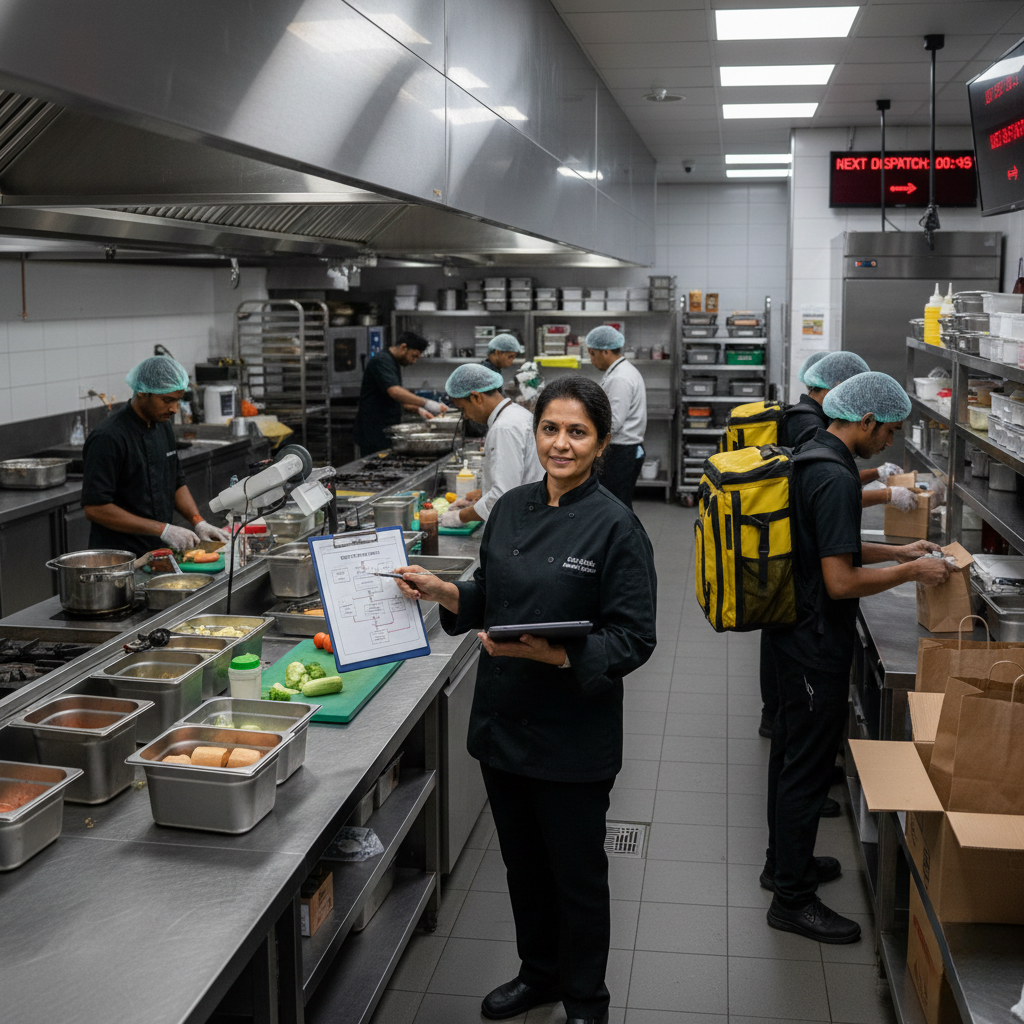
Revenue growth rarely kills a kitchen instantly. It kills it through repeated micro-failures that become permanent at volume. Below are the most common ways growth becomes dangerous when CKaaS-style discipline is missing.
1) Portions drift under pressure, so food cost rises. Staff speeds up. Measurement disappears. Grams become “andaaza.” Your COGS percentage climbs silently.
2) Packing errors scale with orders. Missing add-ons, wrong items, and leakage increase. Each error becomes refund + rating hit. Install a packing checklist + dispatch gate via Cloud Kitchen Dispatch SOP.
3) Prep planning collapses, causing stock-outs and cancellations. More orders require buffer stock. Without par levels, you run out mid-peak. Cancellations trigger platform suppression.
4) The team gets busy, so hygiene and sealing slip. Customers judge the pack first. Dirty packaging, weak sealing, or spillage destroys trust fast.
5) Station workflow becomes chaotic. Without station discipline, people cross over, mistakes increase, cycle time rises, and late dispatch becomes chronic.
6) Founder becomes the bottleneck. Founders often “solve” growth by supervising more. That works until it breaks their bandwidth. Then the system collapses the moment they are not present.
7) Discounts become the coping mechanism. Visibility drops because reliability drops. Founders discount to recover orders. But discounts reduce margin further, increasing panic.
8) Refund leakage increases even if refunds look “small.” Refunds are fragmented so founders ignore them. At volume, they become a real margin drain.
9) Staff churn increases because stress increases. If operations are chaotic, staff burns out. New staff makes more mistakes. Mistakes create more stress. The loop repeats.
10) Vendor and purchase discipline breaks. Growth increases RM demand. Without procurement routines and RM specs, cost and quality become inconsistent.
11) Quality becomes shift-dependent. One shift performs well. Another shift is a disaster. That inconsistency is what kills ratings.
12) Menu complexity becomes unmanageable. Too many SKUs increases error probability. Growth makes complexity fatal.
13) Aggregators punish risk signals quickly. Late dispatch, cancellations, refunds, and rating drops reduce distribution. That forces more discounts. Map this funnel via Marketing Spend vs ROI in Cloud Kitchens.
14) No weekly review loop means the same problems repeat forever. Complaints are data. Refund reasons are data. Late dispatch counts are data. If you don’t review weekly and update SOPs, growth makes repetition permanent. Use the discipline lens via How Process Discipline Improves EBITDA.
For the recurring leak map, reference Common Operational Mistakes in Cloud Kitchens and for payout/penalty context, use Aggregator Commission Impact in India.
Swiggy/Zomato Reality: Growth Increases Risk Signals, And Platforms Reduce Distribution
Platforms reward outlets that look predictable. Predictability means: low cancellations, low refunds, fast dispatch, and stable ratings.
Growth without systems increases risk signals. Risk signals reduce distribution. Reduced distribution triggers discounting. Discounting triggers margin collapse.
External policy context: Swiggy Refund Policy and Zomato Online Ordering Terms.
The takeaway: growth should be treated as reliability engineering, not marketing aggression. If reliability does not scale, revenue growth becomes dangerous.
The 3 Engines That Make Revenue Growth Safe: Prep + Packing + Dispatch
The easiest way to make growth safe is to stabilize the three engines that break first: prep planning (availability and cycle time), packing (accuracy and presentation), and dispatch (handover speed and completeness).
When these engines are stable, growth feels calm. When they are unstable, growth feels like panic.
Install dispatch predictability using Cloud Kitchen Dispatch SOP and reduce repeated errors using Common Operational Mistakes in Cloud Kitchens.
Growth Requires Roles, Not Motivation: Why Role Ownership Prevents Collapse
Most founders try to scale by “pushing the team harder.” That creates burnout, not reliability. Reliable growth comes from clear roles and gates.
Here is the minimum role structure that keeps growth safe:
Prep role:
owns batch prep schedules, labeling, and par levels.
Cook role:
owns portion tools and recipe consistency.
Pack role:
owns checklist discipline and sealing rules.
Dispatch role:
owns final scan and rider handover speed.
Manager role:
owns weekly review: refunds, cancellations, ratings, ETA, stock-outs and SOP upgrades.
If you want the role gate framework, use Role-Based Kitchen Operations Explained.
How to Make Growth Safe: A Practical 7 to 30 Day Stabilization Plan Before You Push Revenue
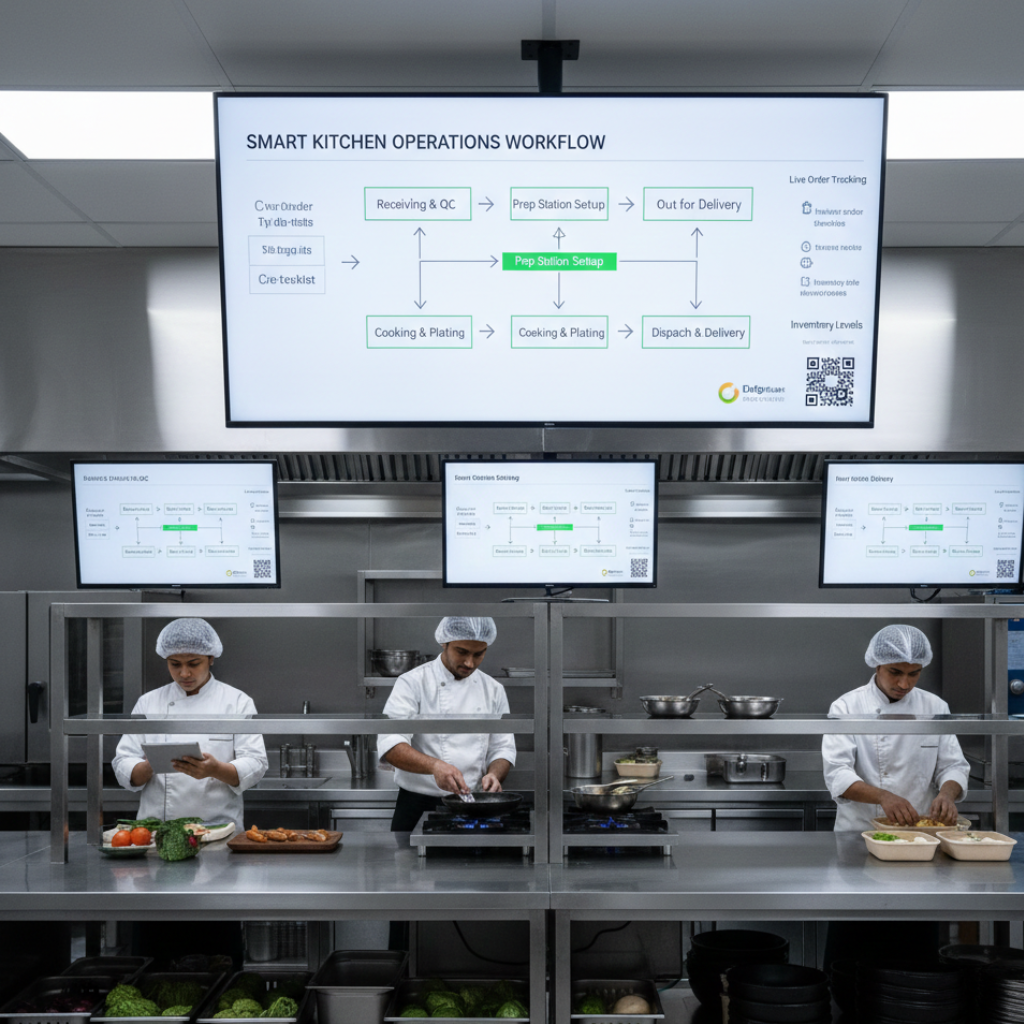
If you are planning to run offers, ads, or expansion, stabilize your kitchen first. Below is a practical rollout sequence used in system-led kitchen networks.
Step 1 (Day 1–2): Measure contribution margin on top SKUs. If you don’t know margin per SKU, growth decisions are blind. Fix numbers first.
Step 2 (Day 1–3): Simplify your menu for execution. Remove low sellers and confusing variants. Keep a tight bestsellers category.
Step 3 (Day 2–5): Install packing checklist + dispatch scan. This reduces wrong items, missing items, add-on misses, and leakage. Implement via Cloud Kitchen Dispatch SOP.
Step 4 (Day 3–7): Build prep planning with par levels and batch yields. Protect availability during peak. Reduce cancellations.
Step 5 (Week 2): Lock procurement routines and RM specs. Approved vendors, RM specs, reorder timing, and minimum stock discipline.
Step 6 (Week 2): Install role ownership. Prep, cook, pack, dispatch must have owners. Train with SOP sign-offs.
Step 7 (Week 3–4): Start weekly audits and SOP upgrades. Review: refunds, cancellations, rating comments, late dispatch, stock-outs. Update SOPs and retrain.
If you want the process discipline lens, use How Process Discipline Improves EBITDA and map spend and ROI properly via Marketing Spend vs ROI in Cloud Kitchens.
External process references (useful for standardisation thinking): Standardized Work (Lean lexicon), ISO 22000 overview, and FSSAI Hygiene Requirements (Schedule 4 reference).
Final Takeaway: Growth Without Systems Is Not Growth. It’s Leakage at Scale.
Revenue growth feels exciting. But without SOPs, dispatch gates, role ownership, and feedback loops, growth becomes a multiplier of chaos.
Safe growth is boring. It is predictable. It is repeatable. It is engineered. CKaaS is valuable because it installs the boring discipline that keeps profits stable while revenue increases.
Operating frameworks from GrowKitchen and operator brands like Fruut and GreenSalad are built to convert “busy kitchens” into “system-driven kitchen networks.”
FAQs: Why Revenue Growth Without CKaaS Is Dangerous
Why does profit feel worse when revenue grows?
Because leakage scales with orders: refunds, food cost drift, cancellations, discounts and penalties grow faster than revenue.
Is CKaaS necessary to scale revenue?
Not always, but an operating system is necessary. CKaaS is one way to install repeatable systems without building everything yourself.
What is the fastest fix to make growth safe?
Packing checklist + dispatch scan + SOPs for bestsellers. These reduce refunds, late dispatch and rating drops quickly.
Should I stop marketing until operations improve?
You should stop aggressive scaling until reliability is stable. Marketing should amplify systems, not expose chaos.
- Cloud Kitchen Profitability Consultant in India
- Common Operational Mistakes in Cloud Kitchens
- Cloud Kitchen Dispatch SOP
- Role-Based Kitchen Operations Explained
- Refunds and Cancellations Impact on Cloud Kitchen Profitability
- Aggregator Commission Impact in India
- Marketing Spend vs ROI in Cloud Kitchens
- How Process Discipline Improves EBITDA
- Grow Kitchen on Twitter