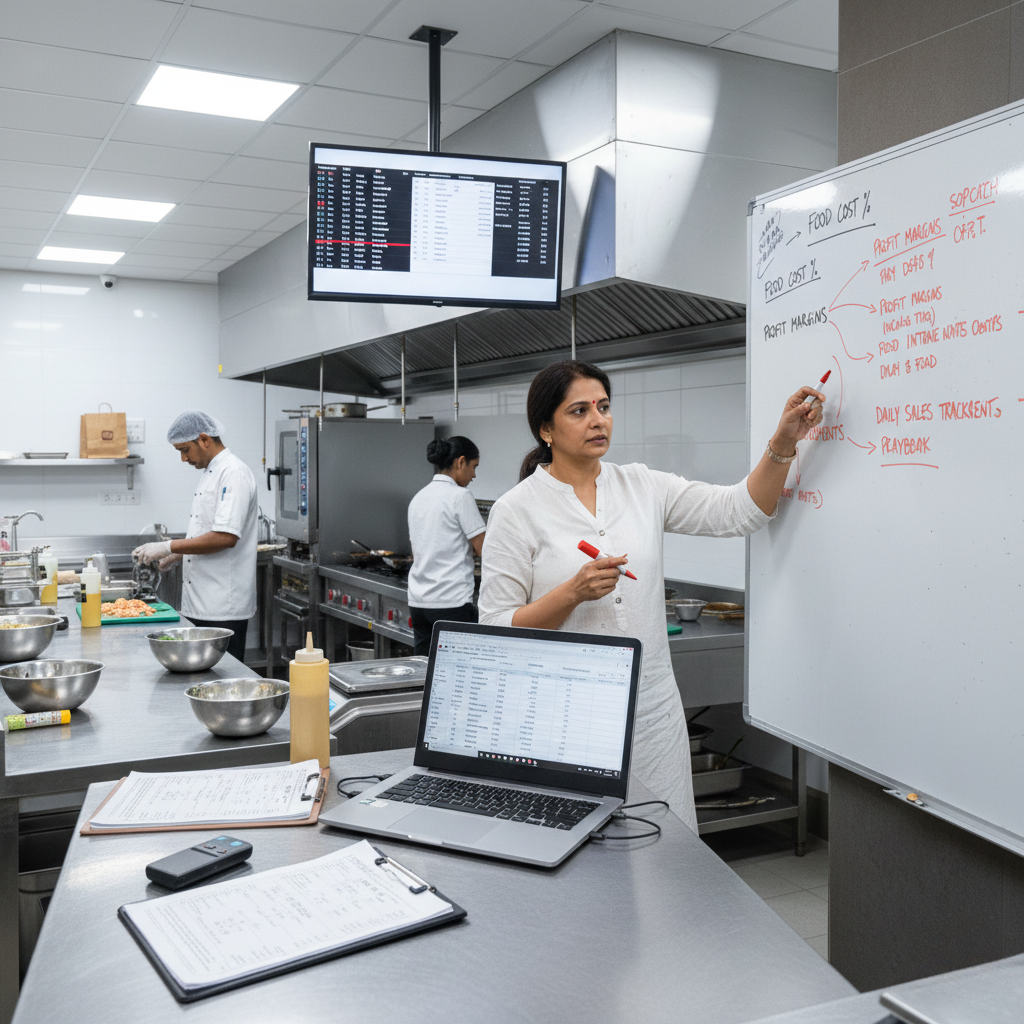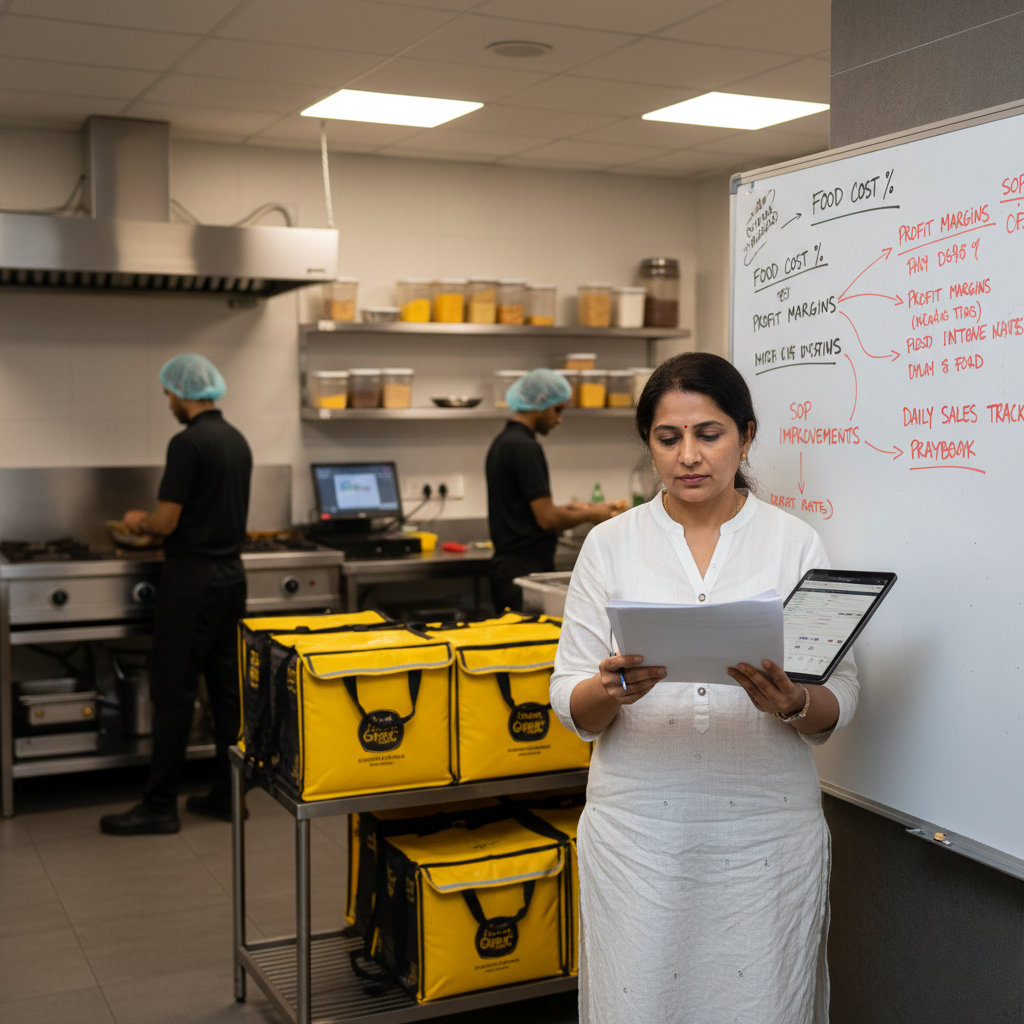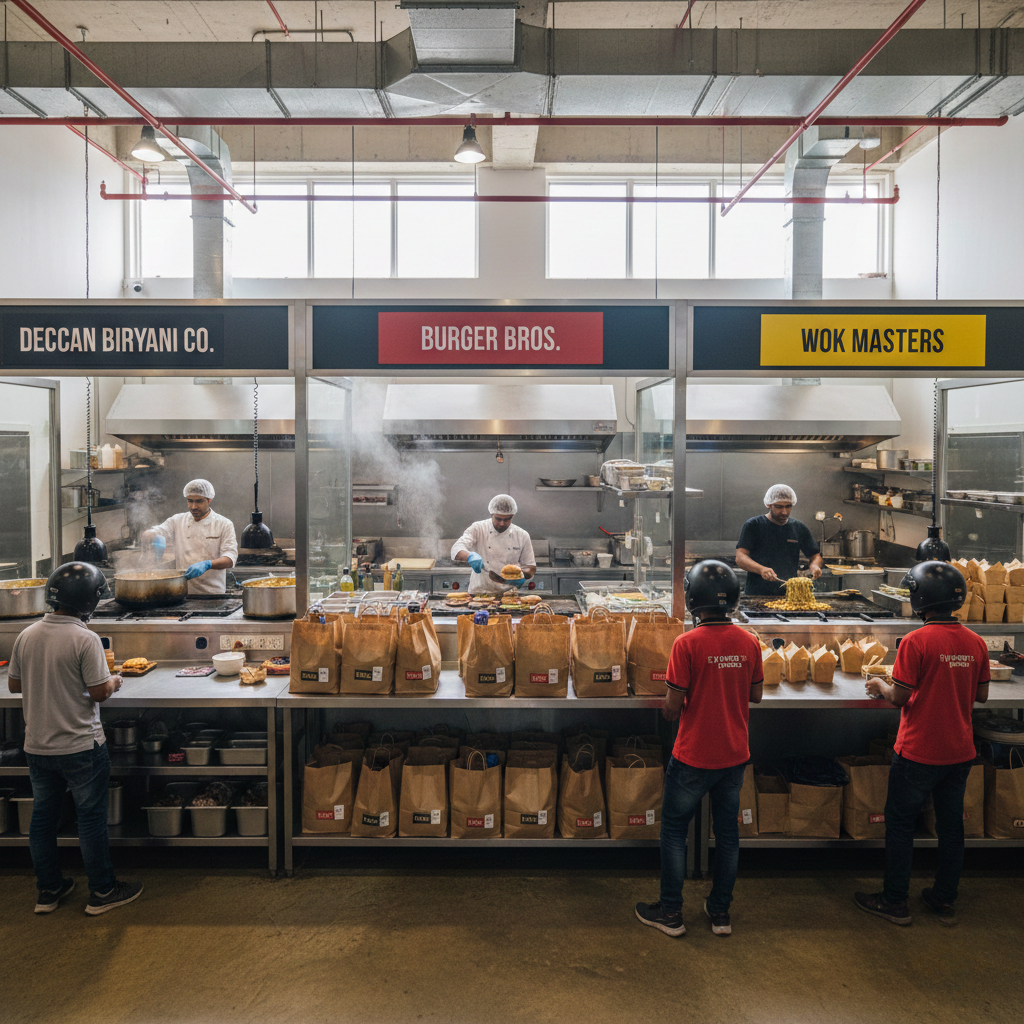
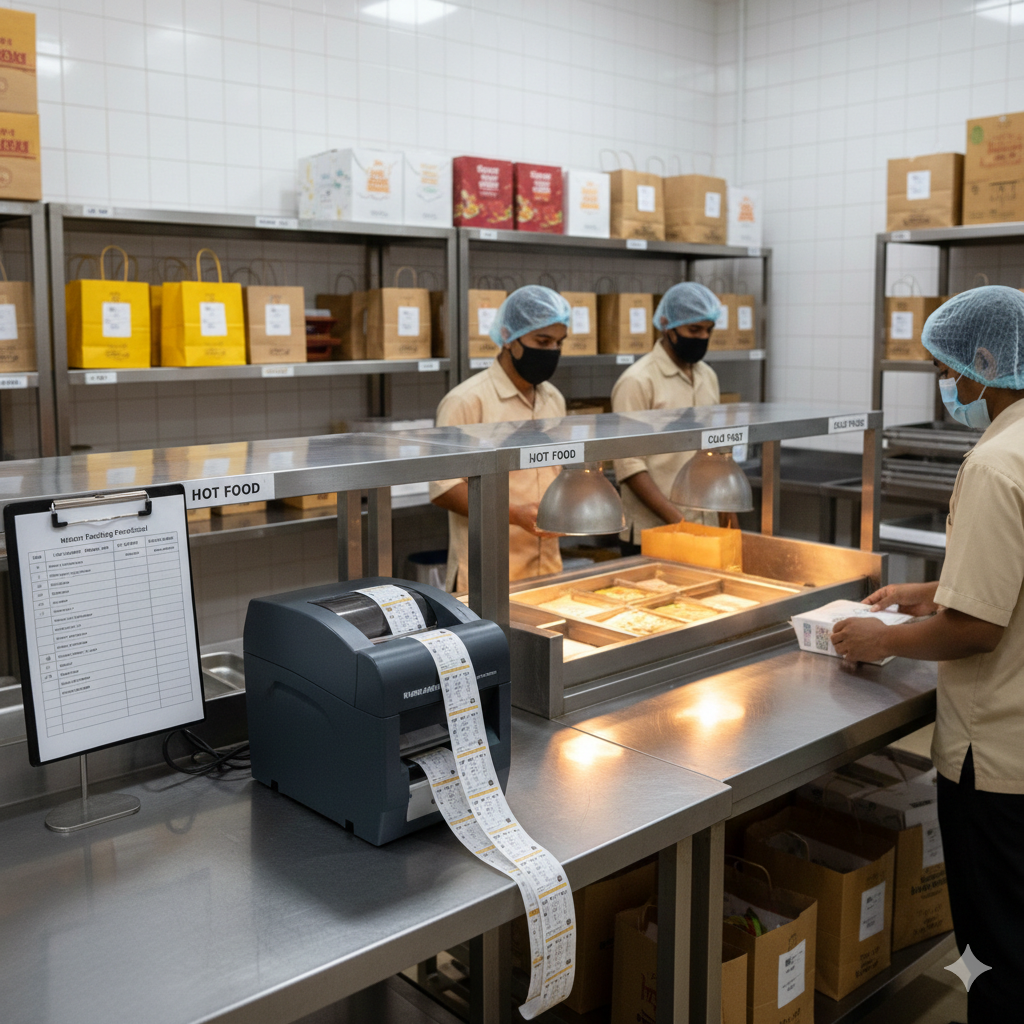
Who should use Cloud Kitchen as a Service (CKaaS)? is not a “new founders vs experienced founders” question. It is a control + execution maturity + capital efficiency question. CKaaS is not for everyone. It rewards founders who think in systems, contribution margins, and repeatable execution. It punishes founders who expect outsourcing to replace discipline. This guide explains exactly who should use CKaaS in India, who should avoid it, and how to assess readiness using operations, economics, and long-term scalability not hype.
Who Should Use Cloud Kitchen as a Service? The Question Most Founders Ask Too Late
Cloud Kitchen as a Service is often marketed as an easy entry into food delivery. Faster launch. Lower capex. Shared infrastructure.
But CKaaS is not an entry shortcut. It is a scale and control mechanism.
Founders who choose CKaaS without understanding their own operating style often feel disappointed within months not because CKaaS failed, but because it amplified their weaknesses.
If you are still diagnosing margin leaks, start with Cloud Kitchen Profitability Consultant in India and identify execution gaps via Common Operational Mistakes in Cloud Kitchens.
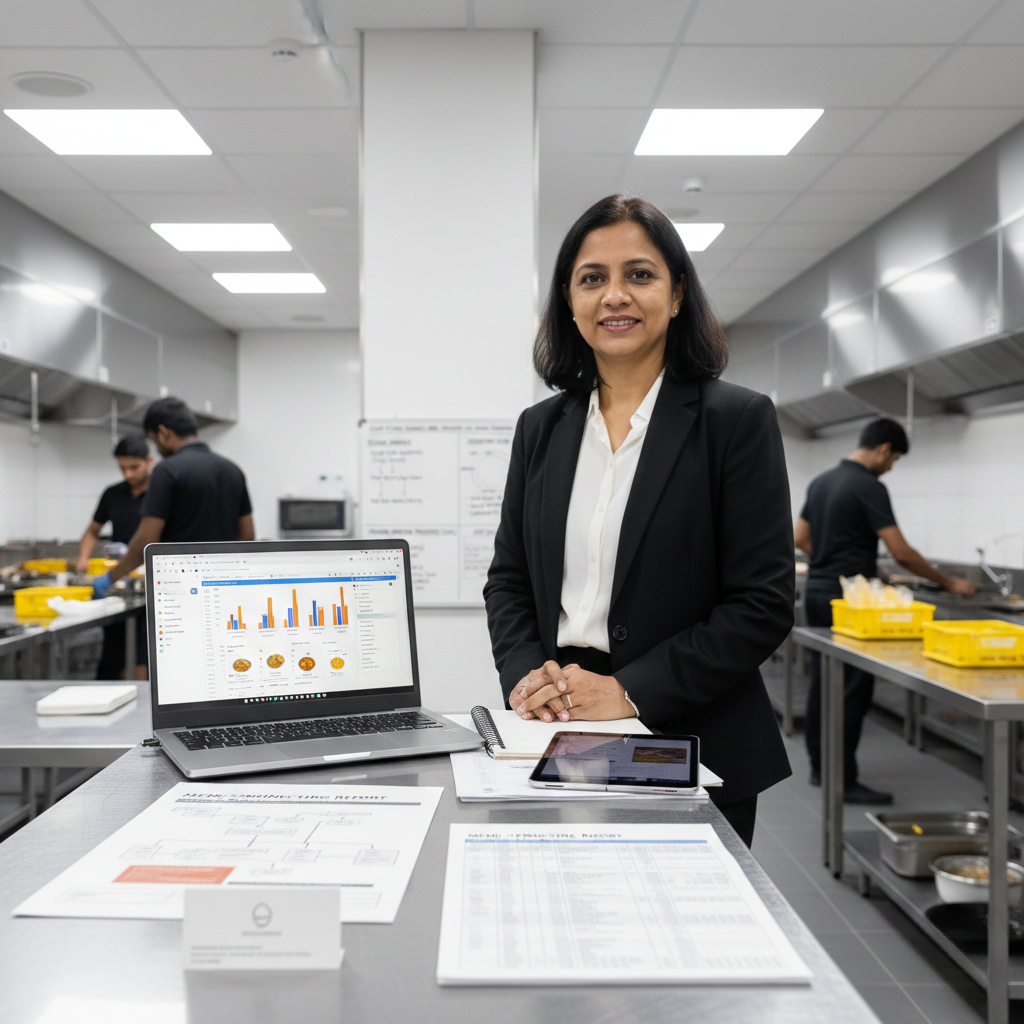
What CKaaS Is Actually Designed For (And What It Is Not)
CKaaS is not designed to make decisions for you. It is designed to reduce operational friction.
It replaces: infrastructure headaches, staffing chaos, compliance complexity, and kitchen-level firefighting.
It does not replace: menu thinking, pricing discipline, demand forecasting, or leadership accountability.
The founders who benefit most from CKaaS already understand this distinction.
Founder Profile #1: Operators Who Think in Systems, Not Hustle
CKaaS works best for founders who already respect process.
These founders naturally ask: What is my portion size? What is my contribution margin per SKU? Where does refund leakage occur?
They don’t chase daily sales screenshots. They chase predictable outcomes.
CKaaS gives these operators leverage SOPs scale faster, learnings compound, and expansion becomes repeatable.
If you already track execution using Role-Based Kitchen Operations, CKaaS becomes a force multiplier.
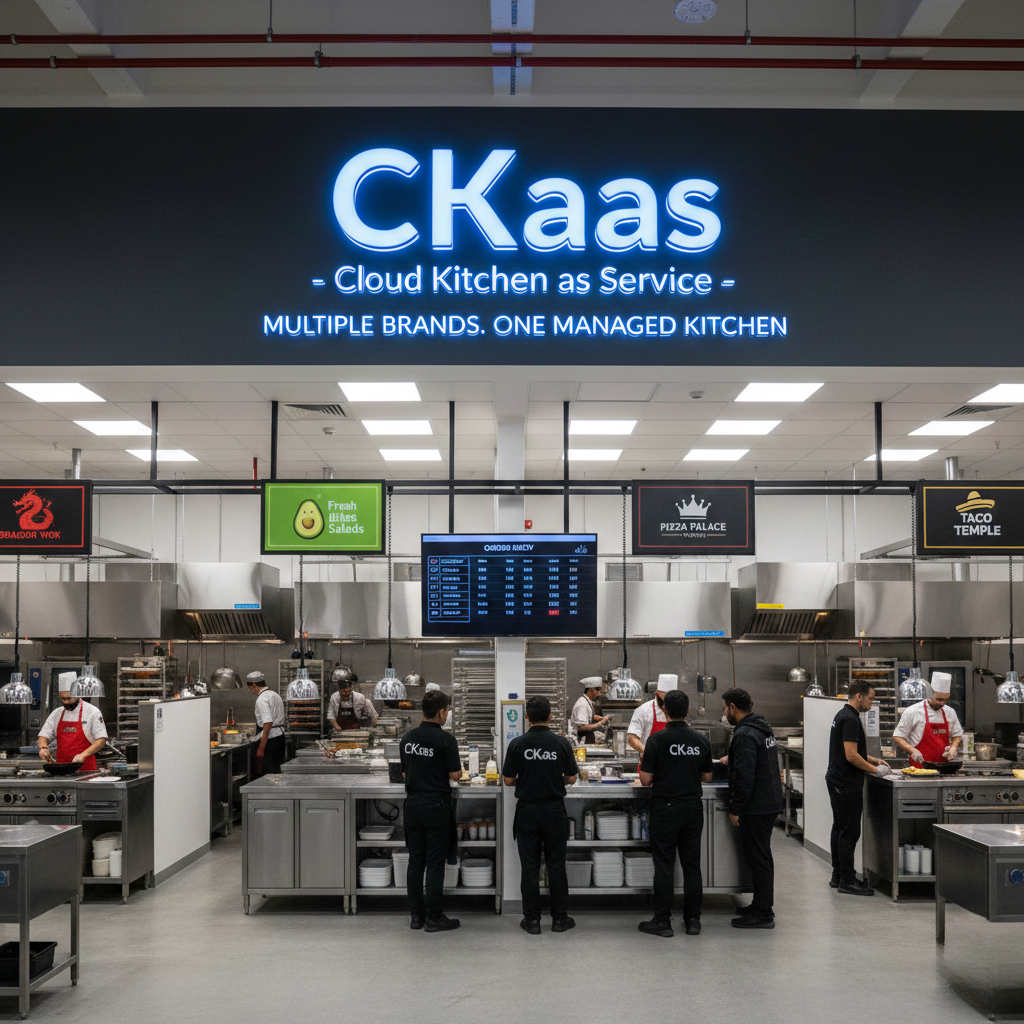
Founder Profile #2: Capital-Conscious Builders, Not Vanity Investors
CKaaS is ideal for founders who respect capital efficiency.
Instead of locking ₹30–50L into a single kitchen, CKaaS founders prefer spreading risk across brands, menus, and locations.
Lower capex allows: faster break-even, faster shutdown of non-performing SKUs, and faster iteration.
But this only works if unit economics are visible. Otherwise, low capex simply hides losses.
Learn how platforms affect cost structure via Aggregator Commission Impact in India.
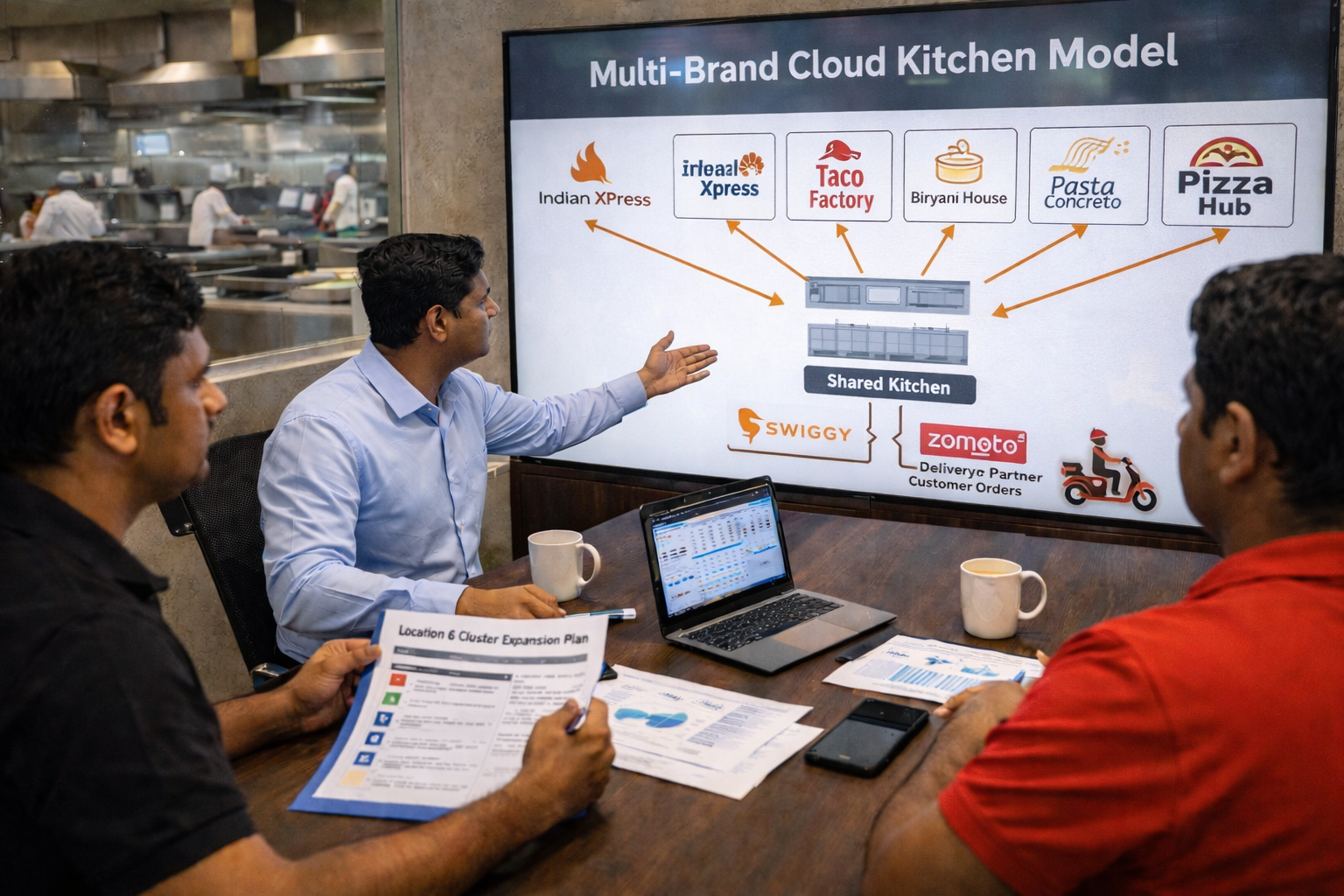
Founder Profile #3: Multi-Brand Builders, Not Single-Menu Purists
CKaaS shines when founders think portfolio, not pedestal.
Operators running: multiple cuisines, day-part brands, or niche SKUs benefit most.
Shared prep, shared manpower, shared inventory logic reduce marginal cost per brand.
CKaaS enables controlled experimentation not reckless brand launches.
This is how brands like Fruut and GreenSalad optimize asset usage across menus.
Who Should NOT Use Cloud Kitchen as a Service
CKaaS fails badly for founders who want outsourcing to replace ownership.
If you believe: marketing fixes margins, volume fixes discipline, or staff fixes leadership CKaaS will amplify failure.
CKaaS also struggles with founders who: ignore SOPs, avoid data, and resist accountability.
If execution consistency is unclear, first install Cloud Kitchen Dispatch SOP before scaling.
Aggregator Reality: CKaaS Is Invisible to Swiggy and Zomato
Delivery platforms do not care whether you run CKaaS, franchise, or independent kitchens.
They reward: reliability, low refunds, fast dispatch, and consistent ratings.
Weak execution gets penalized regardless of model.
External references: Swiggy Refund Policy, Zomato Online Ordering Terms.
A Simple Self-Assessment: Are You Ready for CKaaS?
CKaaS is suitable if you can confidently answer “yes” to:
- Do I understand my per-order contribution margin?
- Can I enforce SOPs without daily supervision?
- Can I shut down a failing brand without ego?
- Do I think in systems, not heroics?
If not, CKaaS will feel chaotic not because it is, but because it demands maturity.
Strengthen fundamentals using How Process Discipline Improves EBITDA.
Final Takeaway: CKaaS Is a Scaling Tool, Not a Safety Net
Cloud Kitchen as a Service is not for beginners and not for cowards.
It rewards founders who want: ownership, learning, and scalable upside.
Used correctly, CKaaS compresses years of operational learning. Used incorrectly, it accelerates failure.
Frameworks from GrowKitchen help founders decide before capital, time, and energy are wasted.
FAQs: Who Should Use Cloud Kitchen as a Service
Is CKaaS good for first-time founders?
Only if they are process-driven and open to learning systems early.
Can CKaaS replace a franchise?
CKaaS replaces infrastructure, not brand certainty.
Is CKaaS riskier than a franchise?
Less capital risk, more execution responsibility.