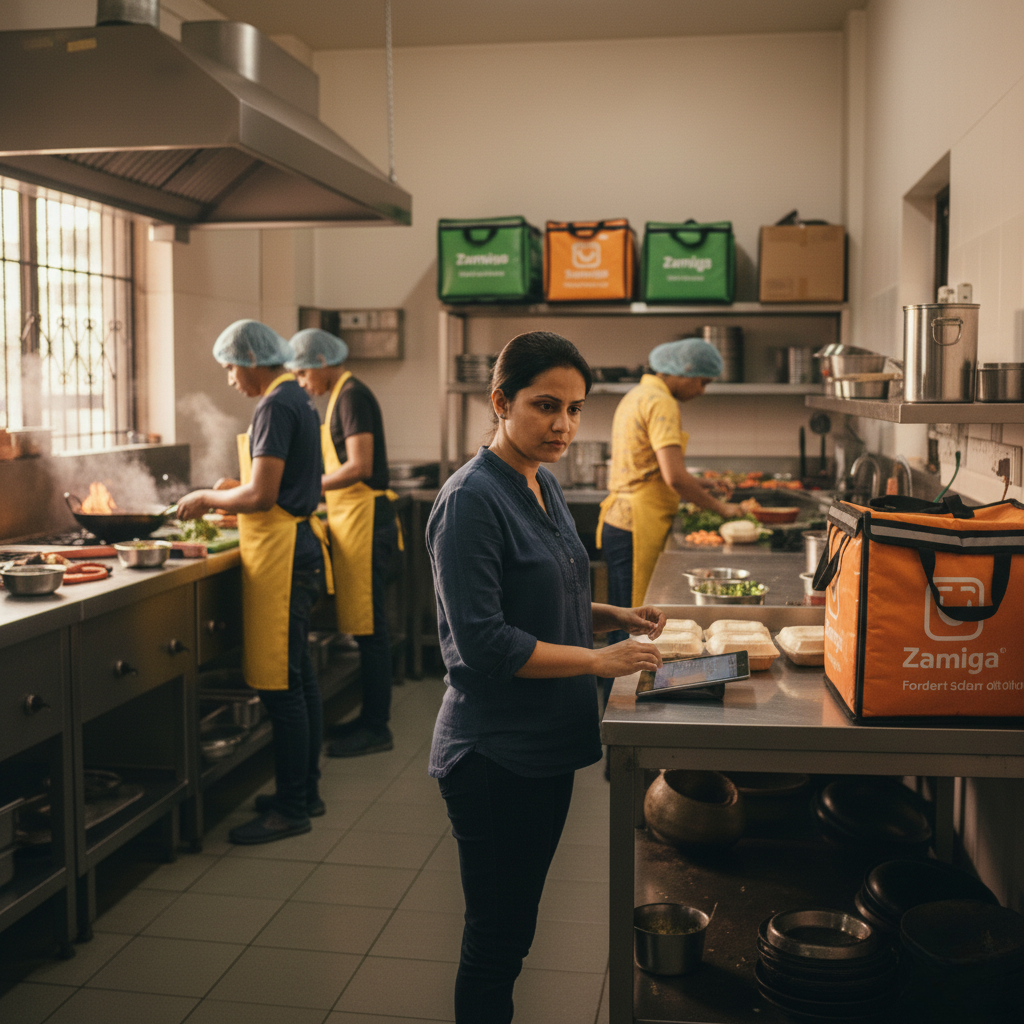
Cloud Kitchen Scaling Case Study — This case study documents how a cloud kitchen scaled from one outlet to three kitchens without margin collapse. While demand supported expansion, profitability was at risk due to inconsistent execution across locations.
Over a one-hundred-twenty-day period, the kitchen expanded operations while maintaining stable contribution margins. No aggressive discounting or menu changes were introduced. Stability came purely from operational systemisation.
Case Background
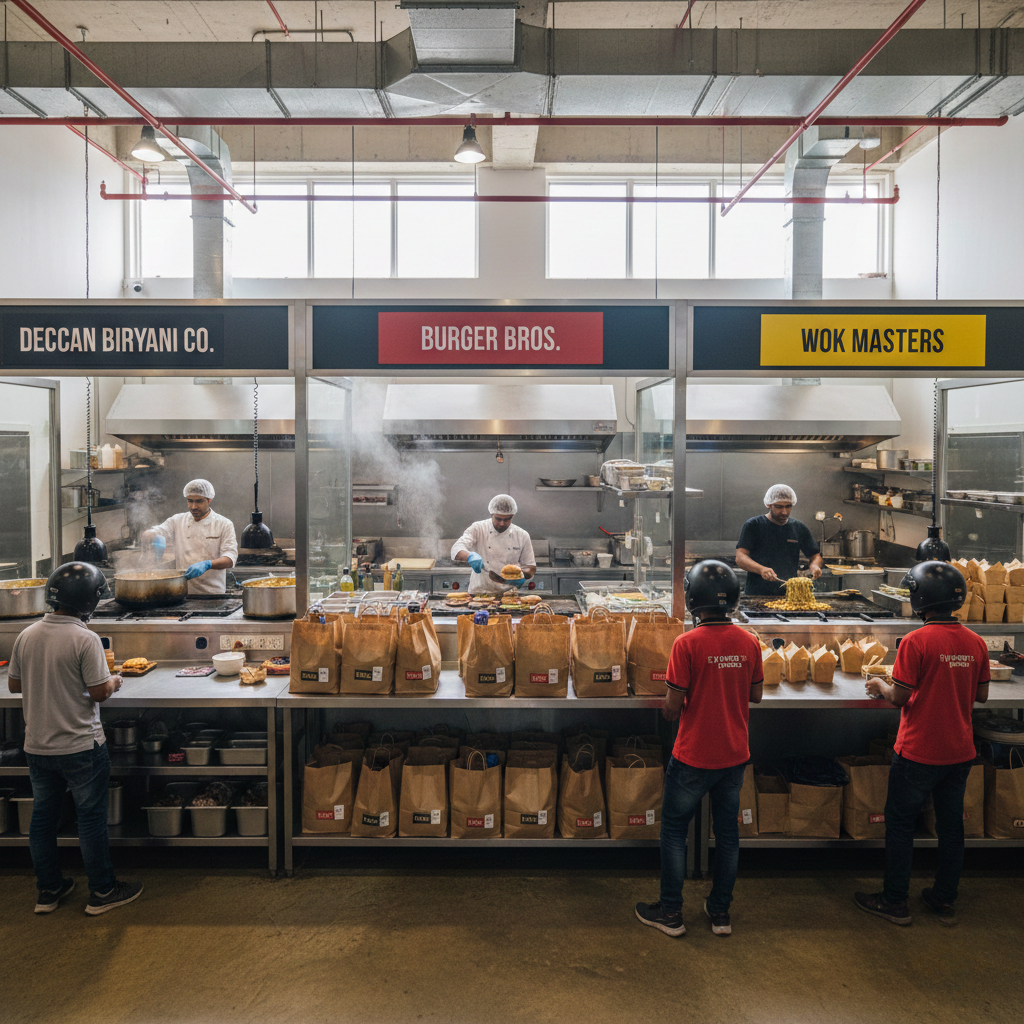
The business began as a single delivery-only kitchen operating multiple brands, averaging between one hundred seventy and two hundred ten daily orders.
As expansion plans began, early warning signs appeared—rising food cost variation, inconsistent execution, and increasing manpower inefficiency.
This Cloud Kitchen Scaling Case Study highlights that growth without systems creates instability, even when demand is strong.
The Core Problem
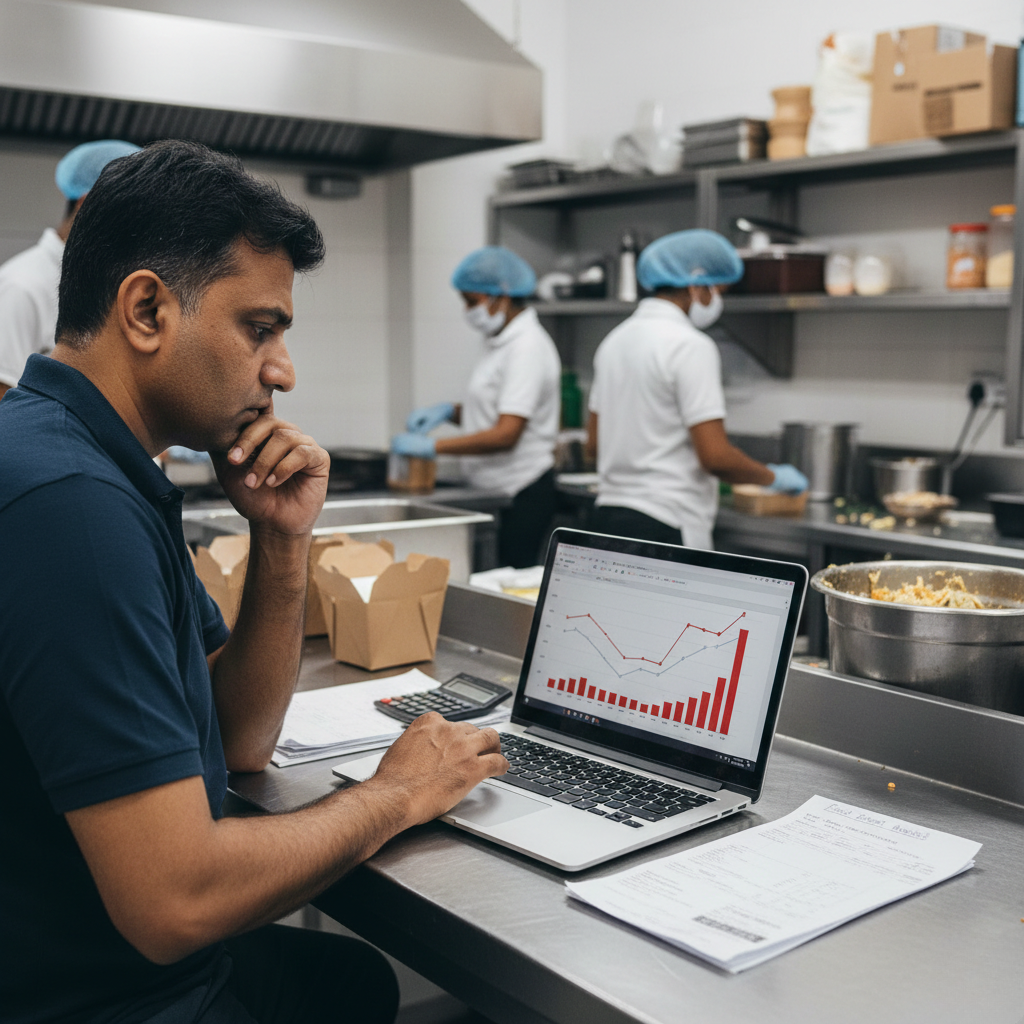
Initially, the founder believed tighter cost control would solve margin pressure.
However, deeper analysis showed the real issue was lack of standardisation across kitchens. Each location operated differently, creating inconsistency.
Expansion Readiness Audit

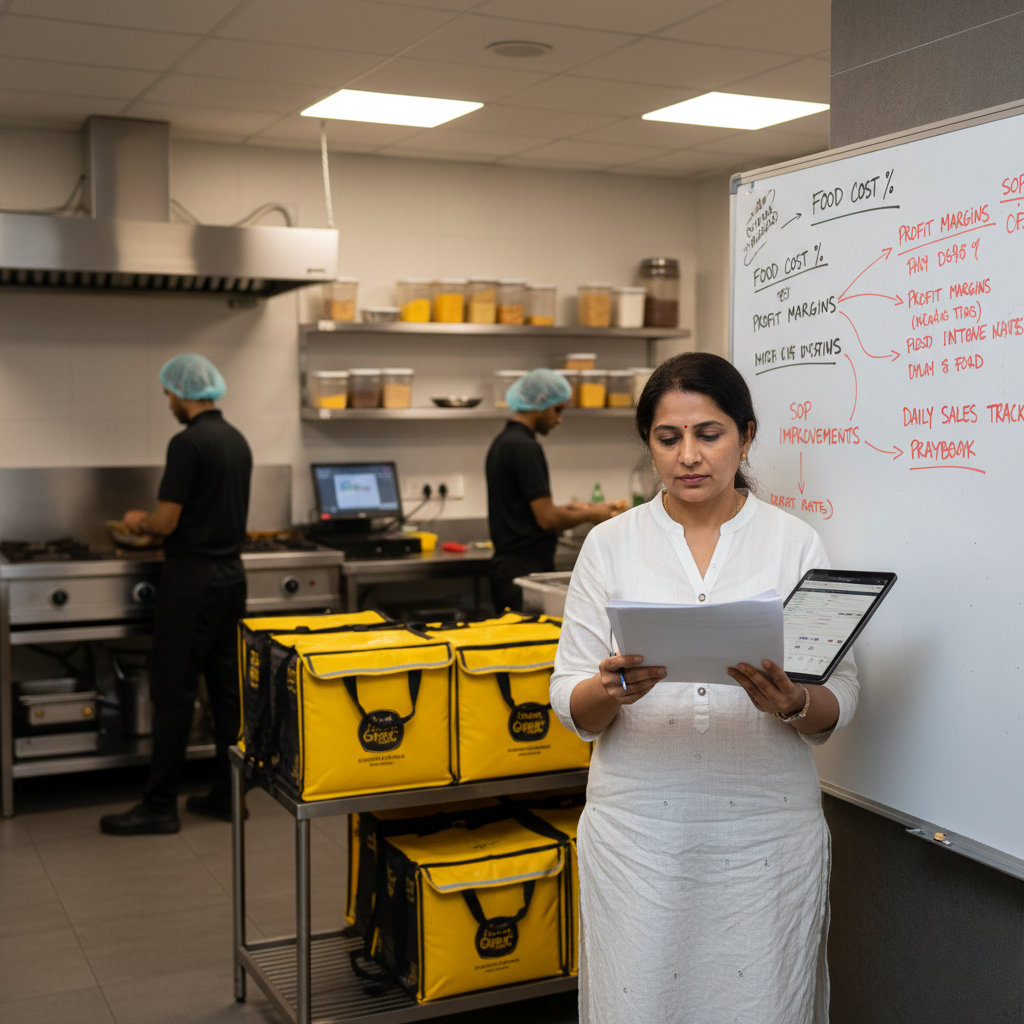
An operational audit was conducted across all locations, focusing on execution consistency rather than speed of scaling.
The audit revealed that margin leakage was driven by process variation, not pricing or demand.
Identifying Breakpoints
Key issues included differences in portion control, wastage handling, and shift discipline across kitchens.
As more locations were added, accountability diluted and small inefficiencies multiplied into significant losses.
CKaaS System Standardisation
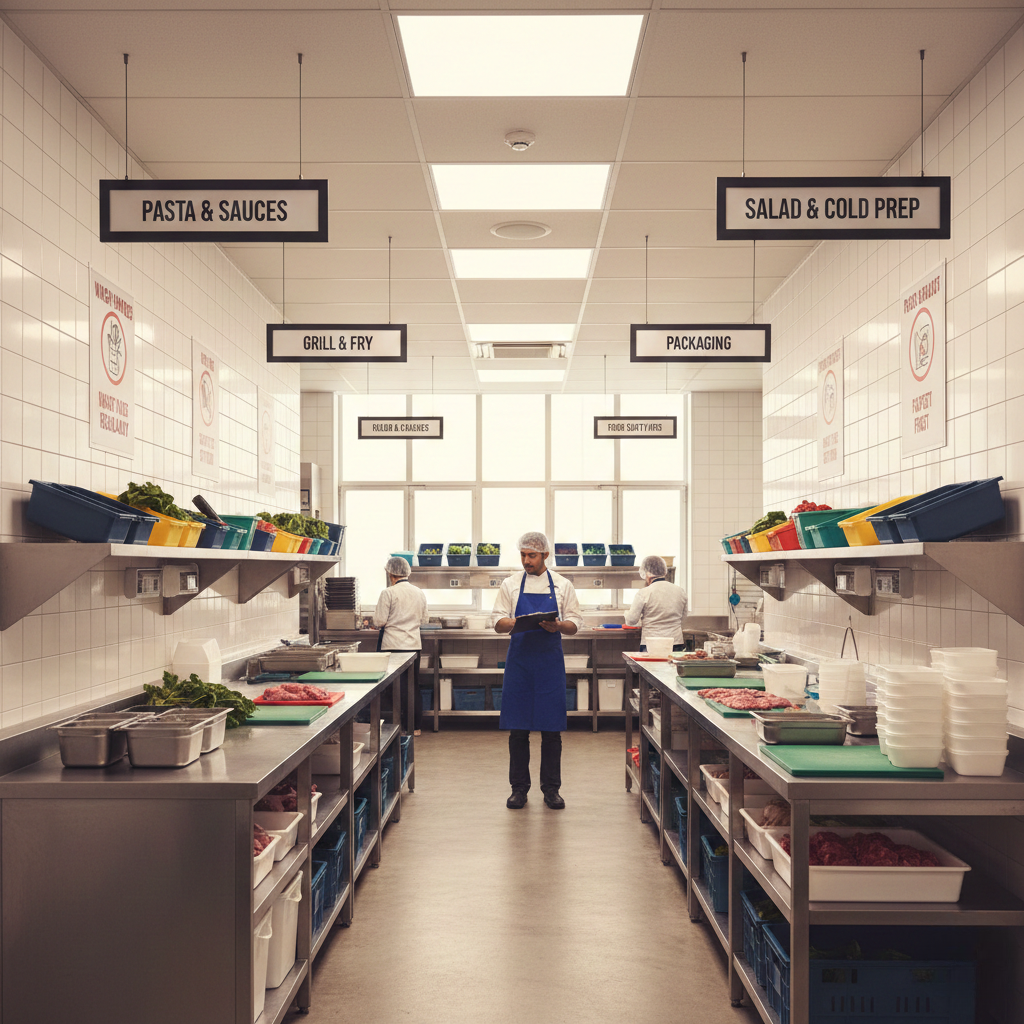
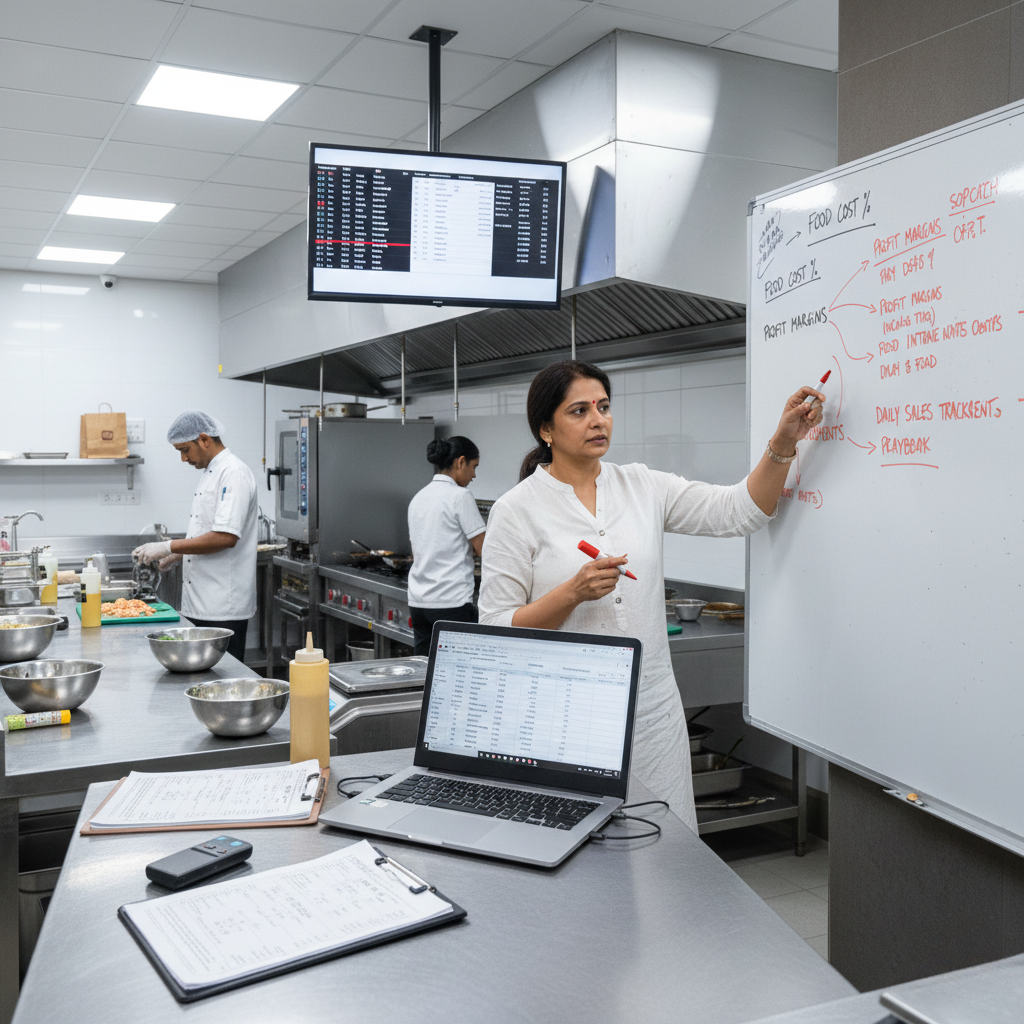
CKaaS introduced standard operating procedures, defined roles, and uniform execution benchmarks across all kitchens.
This ensured that each location followed identical workflows, reducing variability and improving consistency.
Operational Insight: Why Scaling Creates Margin Risk
Scaling introduces hidden complexity. Each new kitchen adds variation in staff behaviour, execution style, and operational discipline.
Without systems, these variations lead to inconsistent food quality, delayed orders, and increased wastage.
This Cloud Kitchen Scaling Case Study shows that margin collapse is not caused by growth itself, but by unmanaged operational variation.
Standardisation ensures that every order follows the same process regardless of location, which is essential for maintaining profitability.
Operational Insight: Why Multi-Location Scaling Creates Hidden Risks
Scaling from one kitchen to multiple locations introduces operational complexity that is not always visible at the planning stage. While demand growth supports expansion, execution consistency often becomes harder to maintain across locations.
Each kitchen may develop slight variations in preparation methods, staff coordination, and shift discipline. These small differences gradually impact food quality, delivery speed, and cost control.
Without structured systems, these variations multiply as new locations are added. What works in one kitchen may not be replicated accurately in another, leading to inconsistent customer experience.
Standardisation ensures that every kitchen operates with the same processes, benchmarks, and quality expectations. This reduces dependency on individual staff behaviour and creates predictable outcomes across locations.
Consistent execution across all kitchens is what ultimately protects margins and enables sustainable scaling.
Shift-Level Control & Reporting
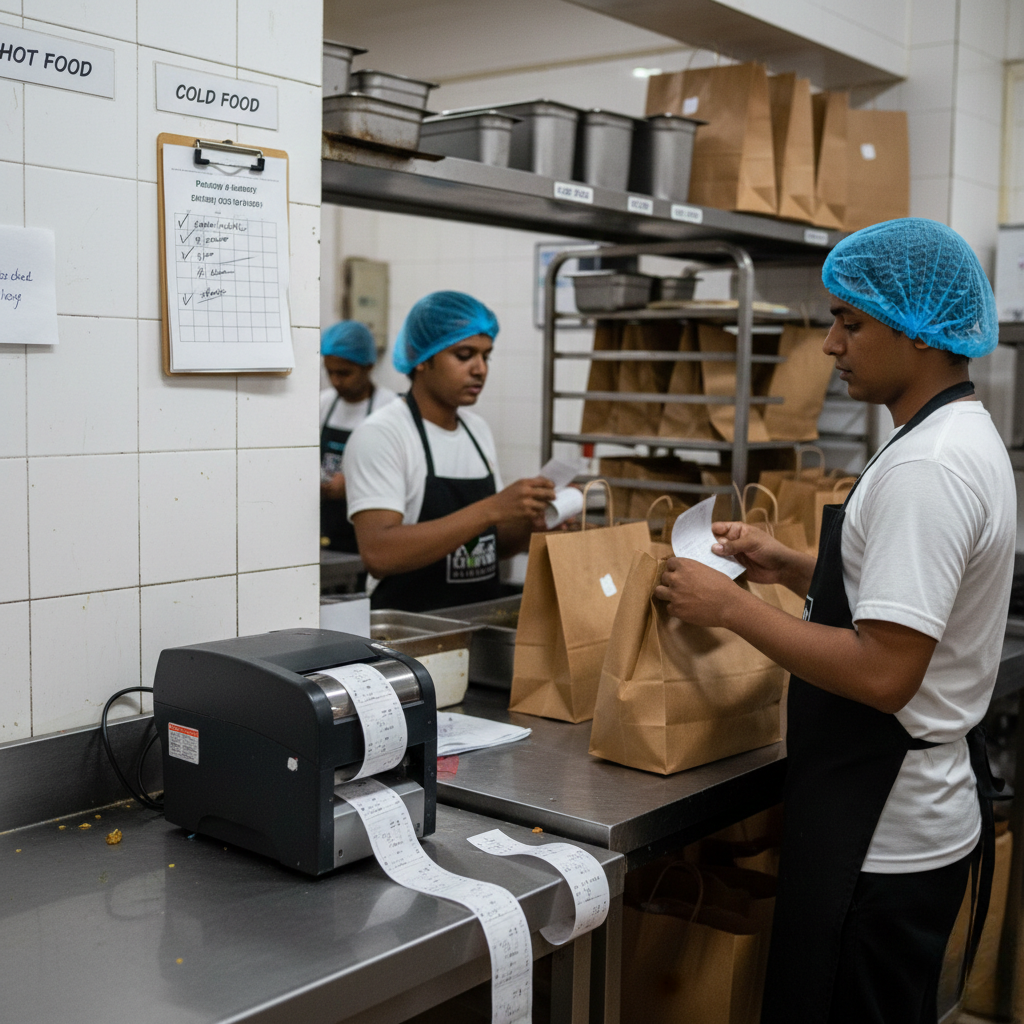
Shift-level monitoring enabled real-time correction of deviations.
Instead of waiting for monthly reports, issues were identified and fixed daily.
Outcome and Results
After scaling to three kitchens, contribution margins remained stable. Food cost variance reduced and operational predictability improved.
The business became system-driven rather than founder-dependent, enabling sustainable expansion.
Key Takeaways
Scaling does not destroy margins—lack of systems does.
This Cloud Kitchen Scaling Case Study demonstrates that structured processes are essential for multi-location growth.
Related Case Studies and Reads
- How to Fix a Loss-Making Cloud Kitchen
- Why Discounts Are Not Solving Your Profit Problem
- From 50 Orders to 300 Orders: Operations Scaling Guide
- Standardizing Kitchen Execution Across Shifts
Have Questions?
If you want deeper clarity on scaling and margin protection, detailed answers are available in the Grow Kitchen FAQs.
External References
To explore more insights: