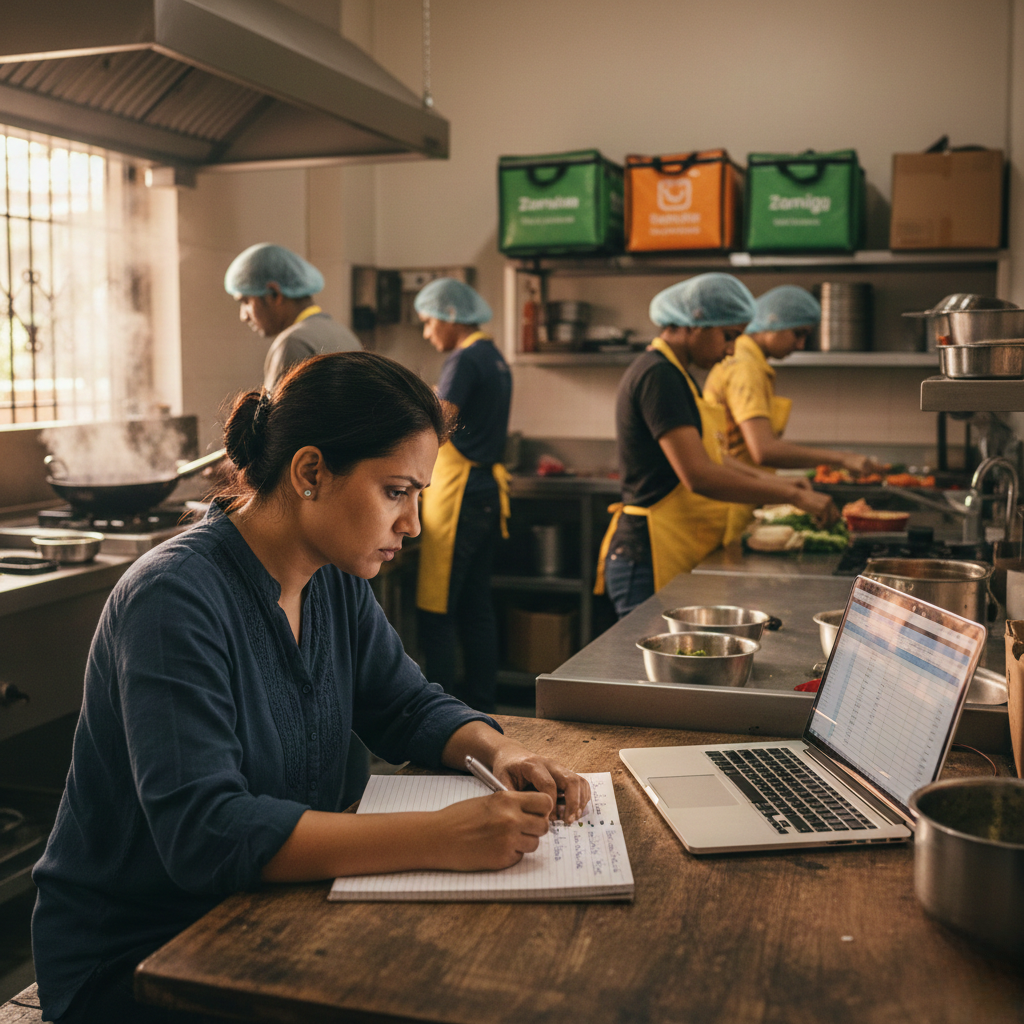
Cloud Kitchen Second Outlet Case Study — This case study documents how a single-location cloud kitchen prepared itself to launch a second outlet using CKaaS. While demand was strong and ratings were stable, the founder hesitated to expand due to fear of operational chaos and margin loss.
Over a ninety-day preparation period, the kitchen built repeatable systems that made second-outlet expansion predictable rather than risky. No new senior hires or major menu changes were required.
Case Background
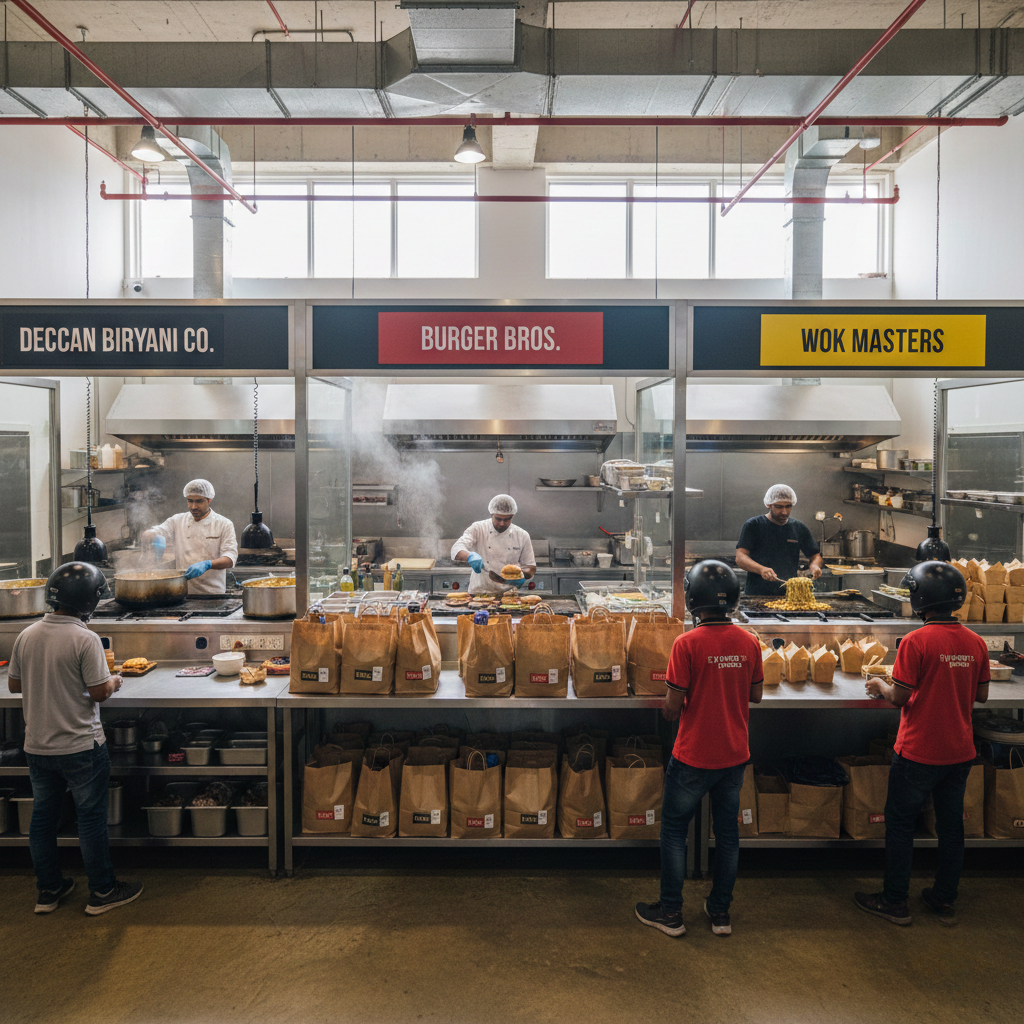
The kitchen operated a single delivery-only outlet running three brands, averaging between one hundred eighty and two hundred thirty orders per day.
Despite strong demand, operations were heavily dependent on the founder. Daily execution, problem-solving, and quality checks required constant supervision.
This Cloud Kitchen Second Outlet Case Study highlights that dependency—not demand—is the biggest barrier to expansion.
The Core Problem
Initially, the founder believed that expansion success depended on location and hiring experienced staff.
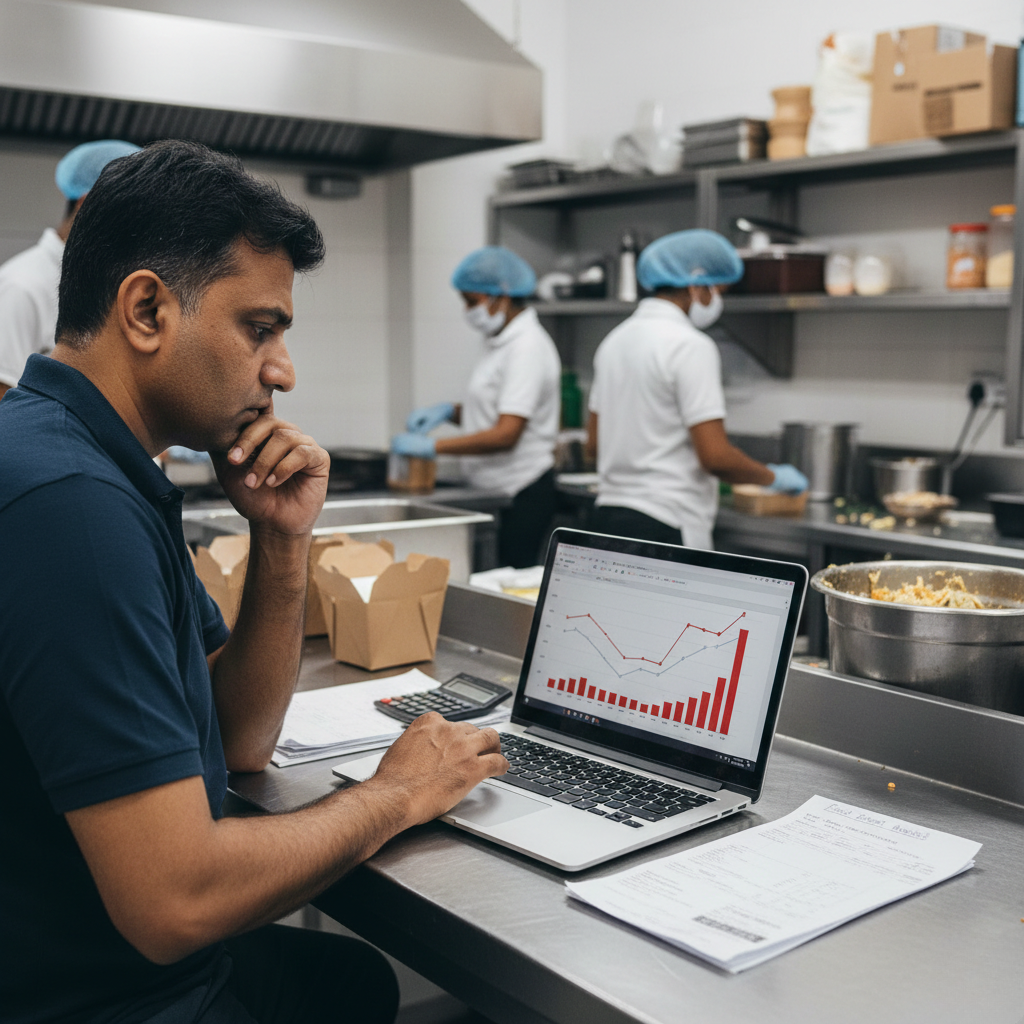
However, deeper analysis revealed that the real issue was lack of systemisation. Without structured processes, execution could not be replicated reliably.
Readiness Audit
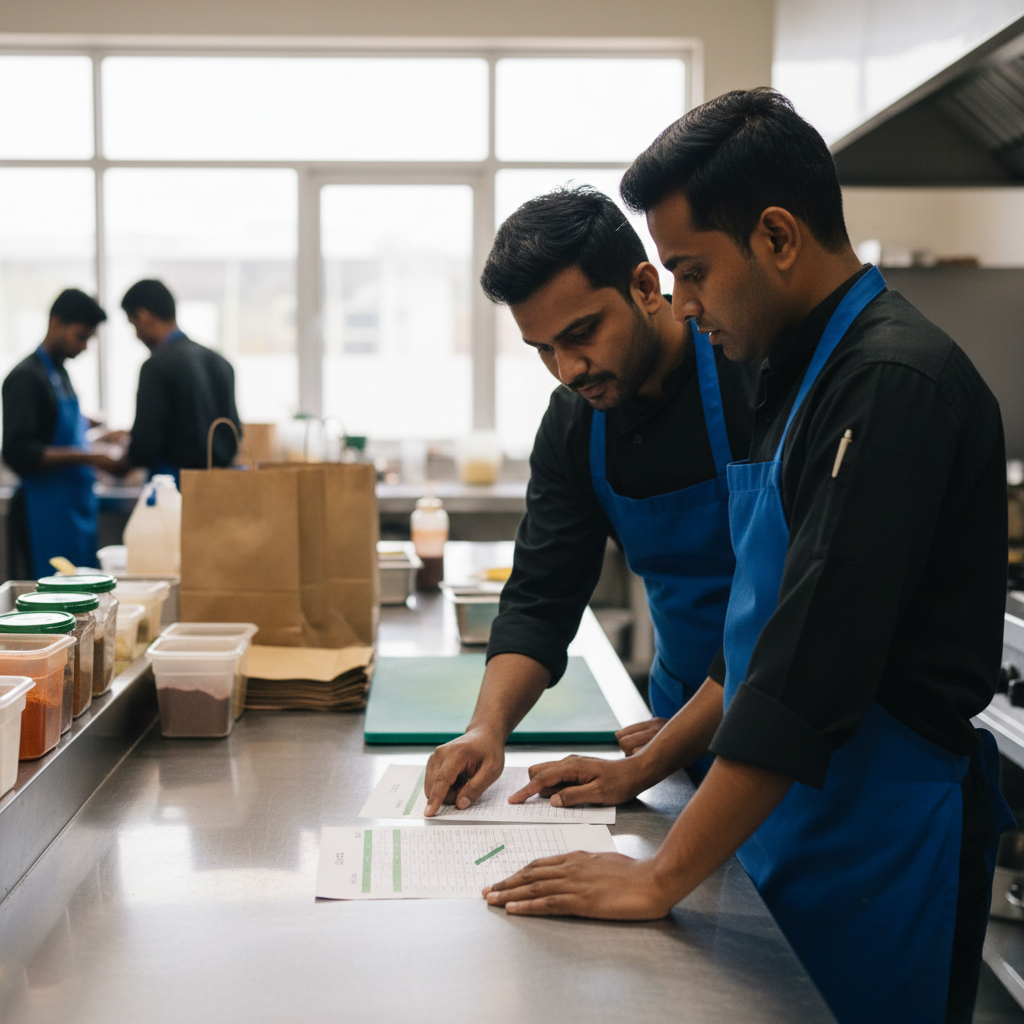
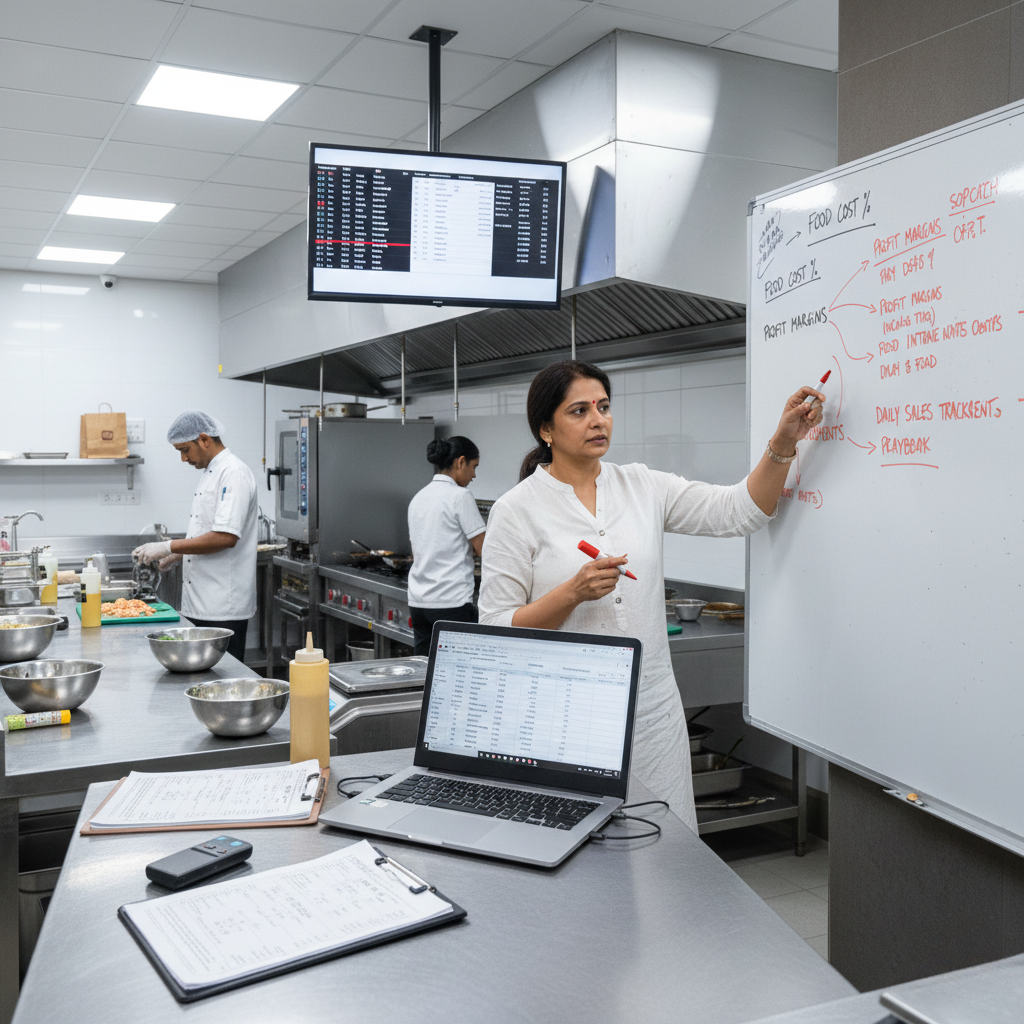
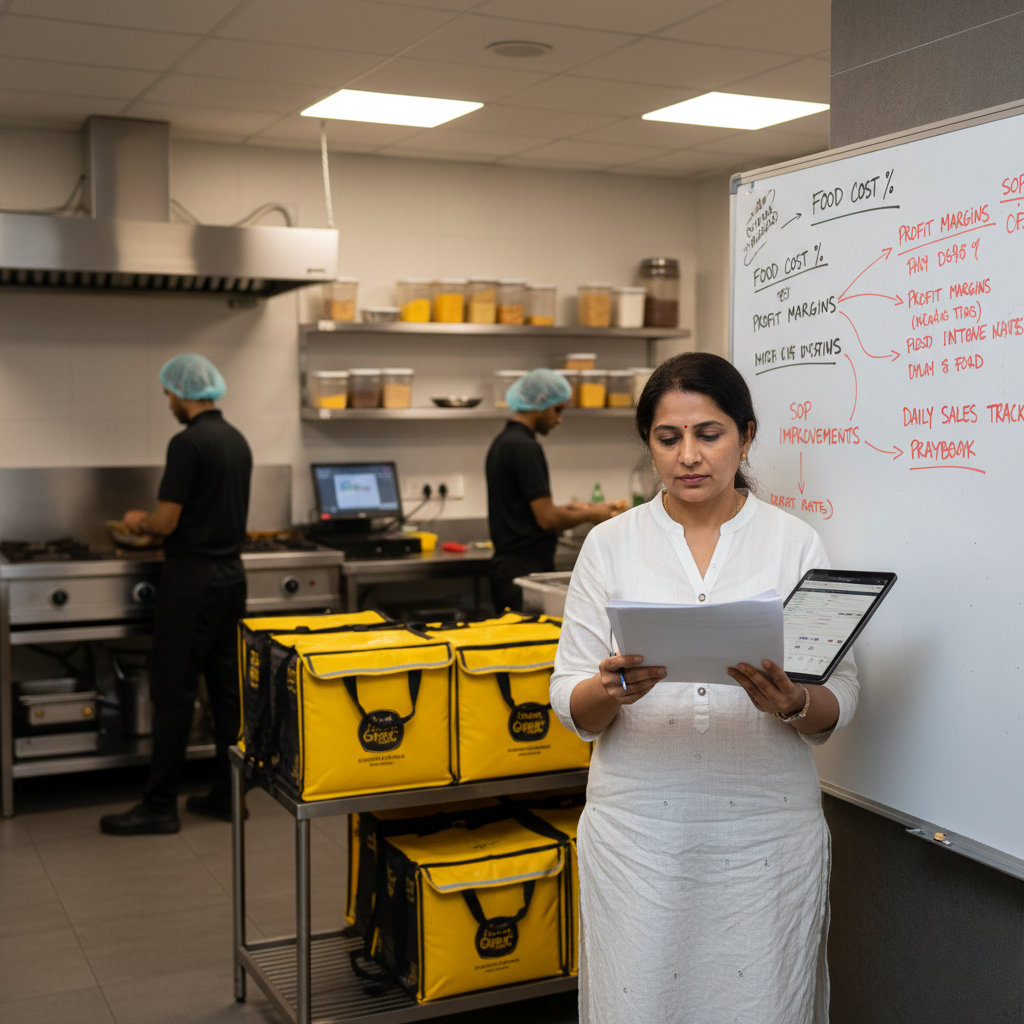
Operations were audited to evaluate whether the kitchen could function without direct founder involvement.
The audit showed that most decisions were undocumented, making replication difficult.
Identifying Scale Risks
Key risks included unclear role ownership, inconsistent training, and lack of structured escalation systems.
These issues would multiply in a second outlet, leading to operational breakdown.
CKaaS System Implementation
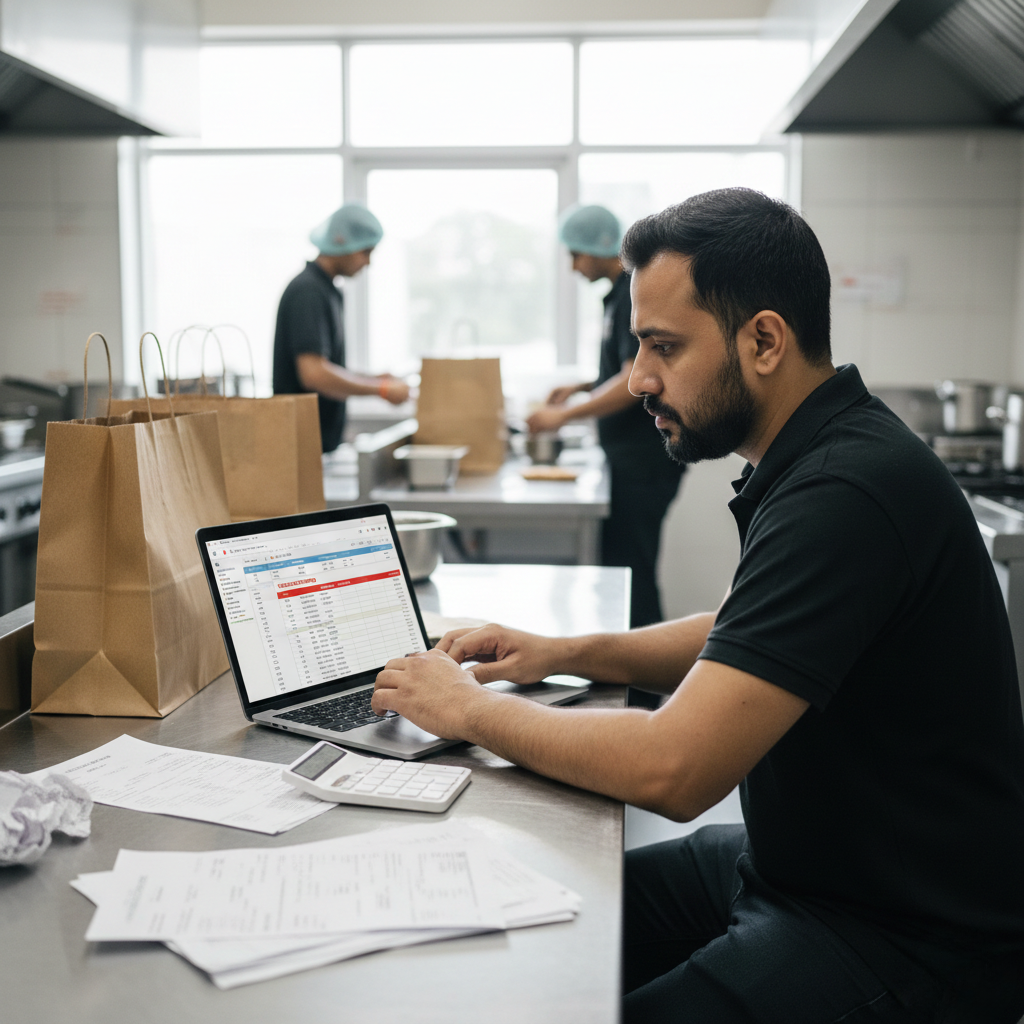
CKaaS introduced structured SOPs, defined roles, and standard execution frameworks.
These systems ensured that every process could be repeated consistently across locations.
Operational Insight: Why Second Outlet Expansion Fails
Many second outlets fail not because of poor demand, but because of inconsistent execution. What works in one kitchen often depends on specific individuals rather than systems.
When a new outlet opens, these dependencies break. Staff may interpret processes differently, leading to variation in food quality, delays, and customer complaints.
Without standardisation, each outlet develops its own operating style. This creates brand inconsistency and increases management complexity.
Systems solve this problem by ensuring that every kitchen follows the same processes, regardless of staff or location.
This Cloud Kitchen Second Outlet Case Study shows that predictable execution—not expansion speed—is the key to successful scaling.
Operational Insight: Why Replication Fails Without Systems
Replicating a successful kitchen into a second outlet is not just about copying the menu or setup. The real challenge lies in replicating execution quality across different teams and environments.
Without clearly defined systems, each outlet develops its own variations in prep, cooking, and dispatch processes. These differences may seem minor initially but quickly impact consistency, customer experience, and cost control.
In many cases, founders unknowingly rely on experienced staff or personal supervision to maintain quality in the first outlet. When a second outlet opens, this reliance becomes a bottleneck.
Standardised processes ensure that every outlet operates with the same benchmarks, regardless of staff or location. This reduces variability and creates predictable outcomes across the business.
Strong replication systems are what transform a single successful kitchen into a scalable multi-outlet operation.
Shift-Level Control & Leadership
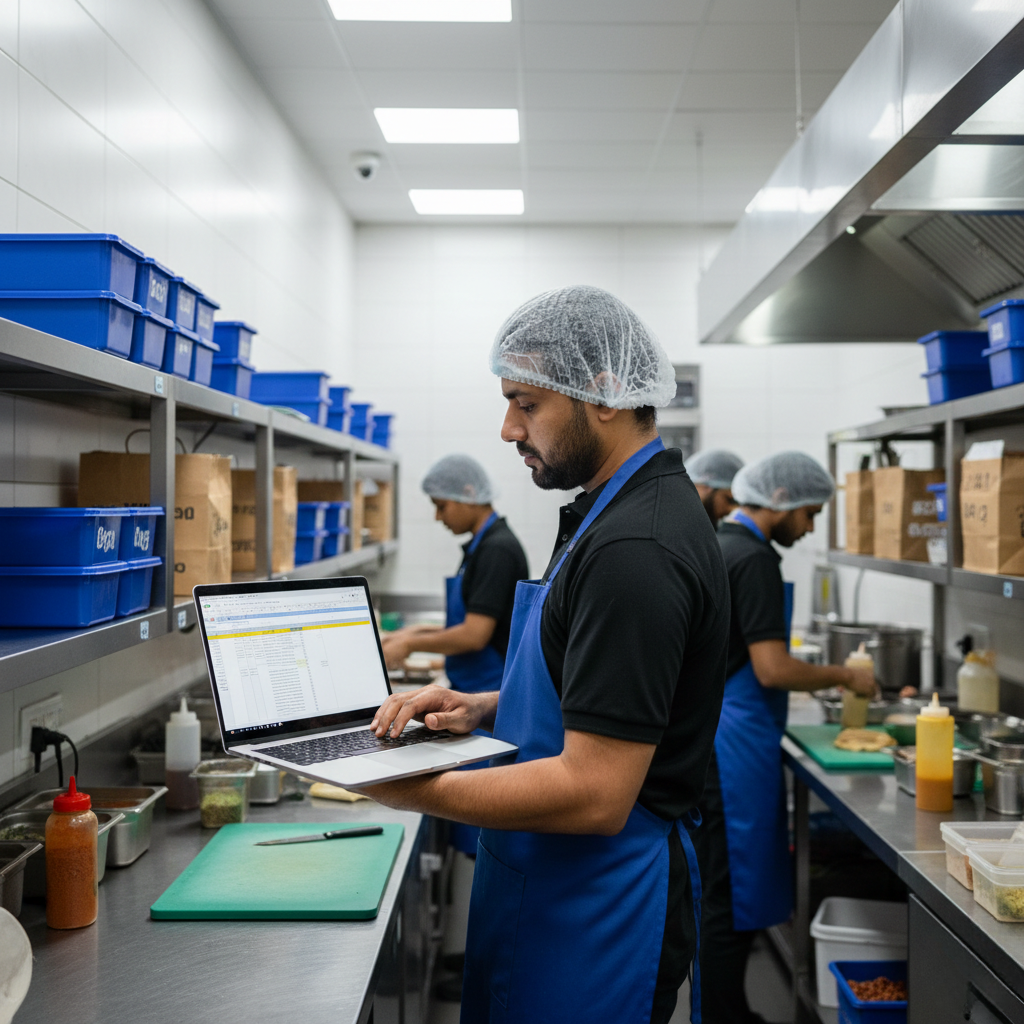
Shift leaders were trained to manage operations independently, reducing reliance on the founder.
Daily monitoring ensured that issues were corrected immediately instead of accumulating.
Outcome and Results
Within ninety days, the kitchen achieved operational readiness for expansion. Systems ensured consistent execution across both outlets.
The second outlet launched without major quality issues or margin disruptions.
Key Takeaways
Expansion success depends on system strength, not speed.
This Cloud Kitchen Second Outlet Case Study proves that removing dependency enables scalable growth.
Related Case Studies and Reads
- How to Fix a Loss-Making Cloud Kitchen
- Why Discounts Are Not Solving Your Profit Problem
- From 50 Orders to 300 Orders: Operations Scaling Guide
- Standardizing Kitchen Execution Across Shifts
Have Questions?
If you want deeper clarity on expansion readiness, detailed answers are available in the Grow Kitchen FAQs.
External References
To explore more insights: