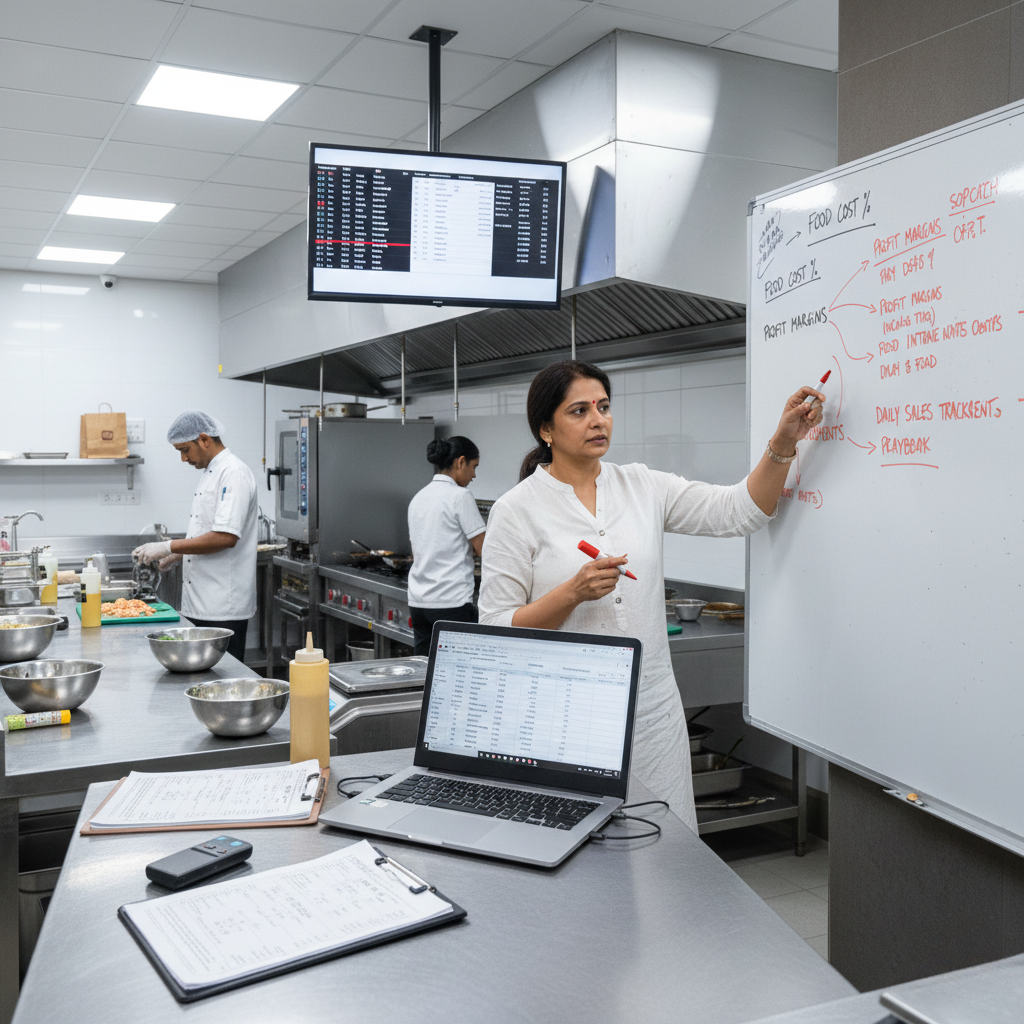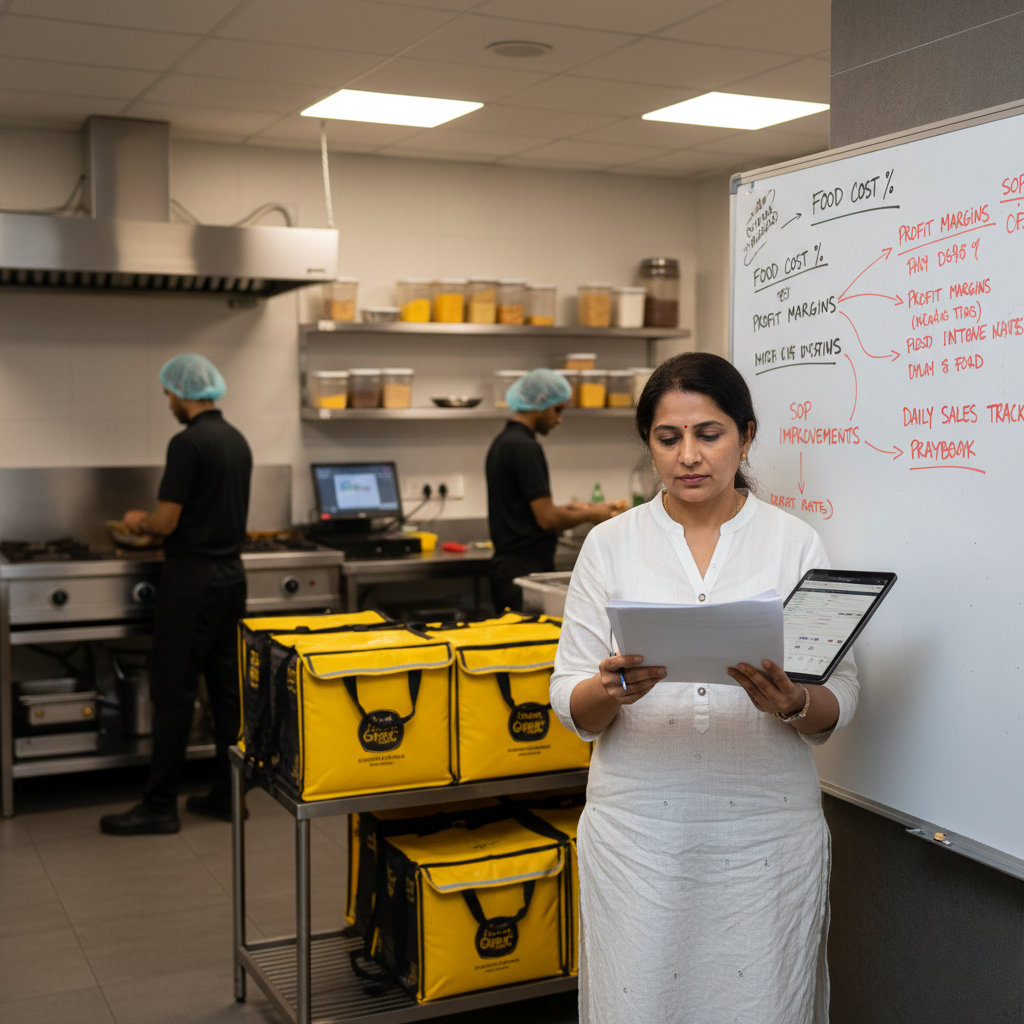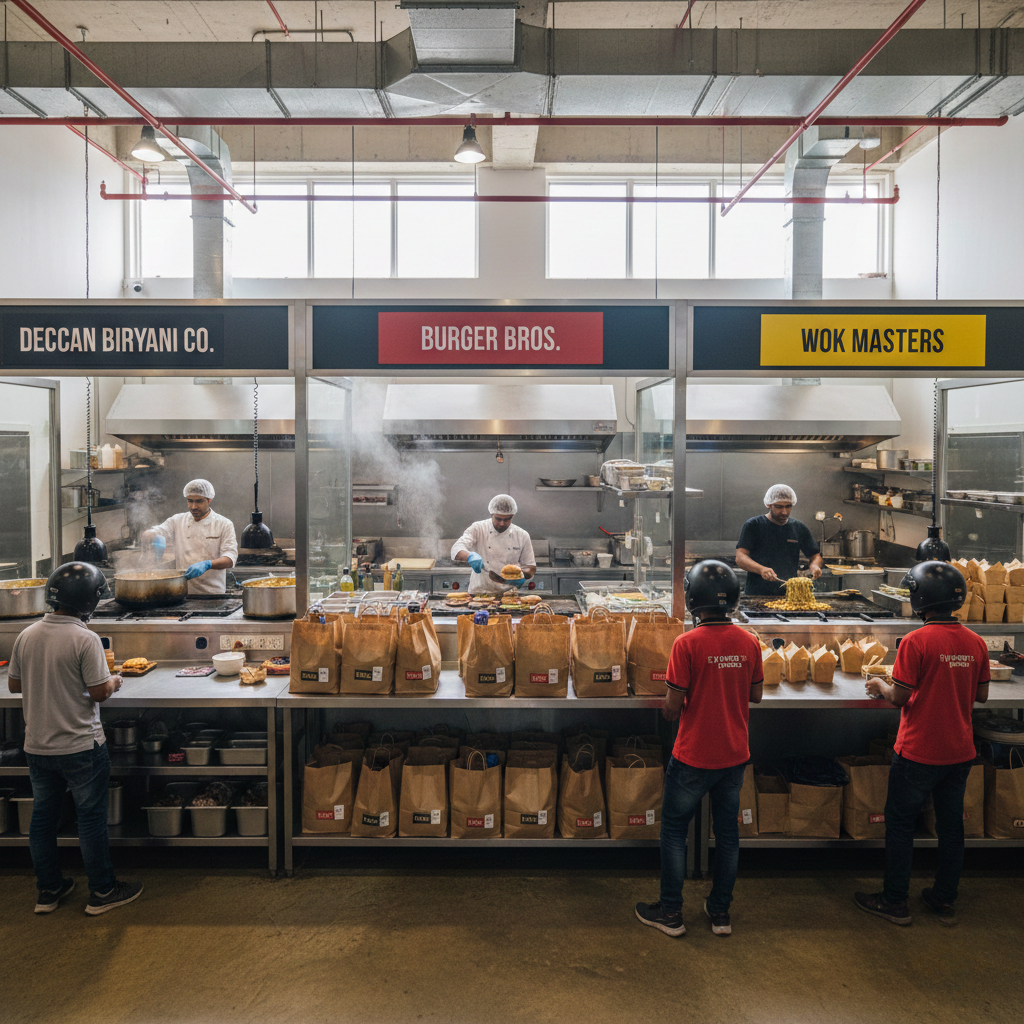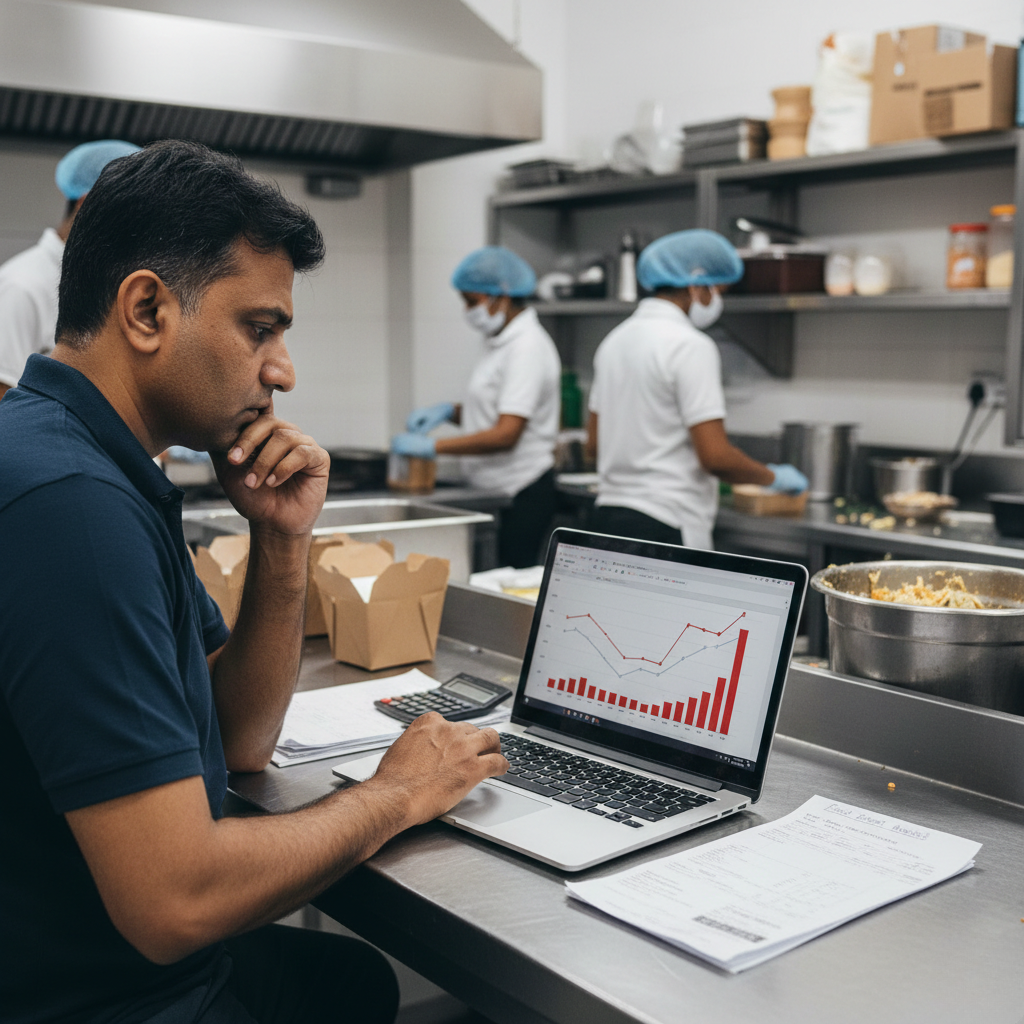
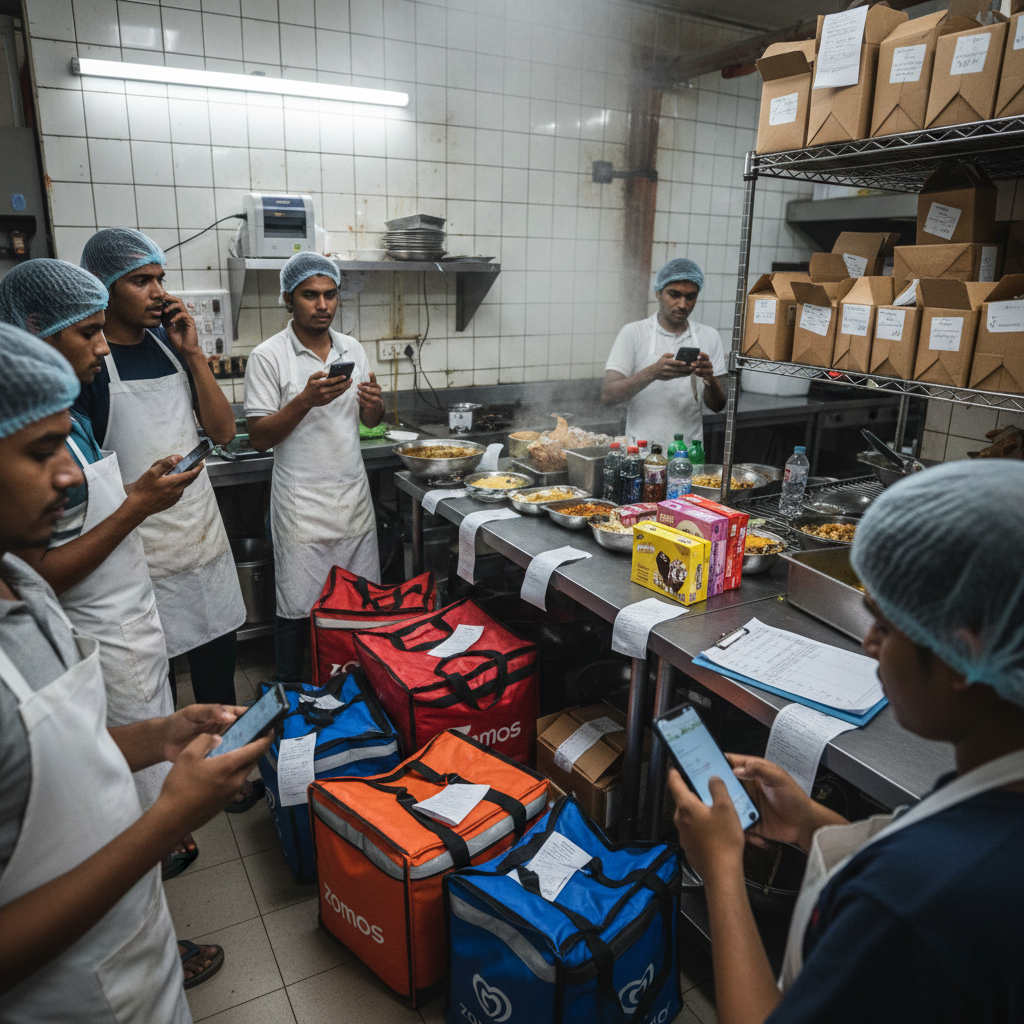
Why are my kitchen operations chaotic? is not a “staff problem,” a “busy season issue,” or a “growth pain.” Chaos in cloud kitchens is almost always a systems failure. When roles are unclear, SOPs are missing, decisions change daily, and founders become the operating system, execution breaks under volume. This guide explains why cloud kitchen operations feel chaotic even when orders are coming in, how chaos silently destroys profit and founder sanity, and how to build a calm, predictable operating system using structure not supervision.
Why Do Cloud Kitchen Operations Chaotic Even When Sales Look Fine?
Most founders describe chaos the same way: phones ringing, staff asking questions mid-service, orders delayed, inventory mismatched, refunds increasing, and the founder firefighting everything.
What makes this confusing is that sales may still be coming in. Dashboards look active. Peak hours feel busy. Yet internally, nothing feels under control.
Chaos is not random. It is a predictable outcome of running a high-volume delivery business without a defined operating system. When kitchens scale before systems stabilize, every decision becomes manual.
If you want the profitability-first lens, start with Cloud Kitchen Profitability Consultant in India and map recurring execution leaks using Common Operational Mistakes in Cloud Kitchens.
What “Operational Chaos” Actually Means in a Cloud Kitchen
Operational chaos is not noise. It is inconsistency.
Different outputs for the same input. Different decisions for the same problem. Different execution depending on who is present.
In cloud kitchens, chaos usually shows up as: inconsistent portions, delayed dispatch, staff asking basic questions daily, refunds without clear root causes, inventory mismatches, and founders acting as quality control.
Delivery businesses reward repeatability. When repeatability is missing, volume multiplies confusion.
The Real Reasons Kitchen Operations Become Chaotic
Chaos rarely has one cause. It is usually a stack of small structural gaps.
1) No single source of truth. Recipes live in someone’s head. Portions change by shift. Packaging rules change by complaint. Without documented SOPs, staff executes based on memory.
2) Roles are blurred. Prep staff cooks. Cook staff packs. Packers decide portions. When everyone does everything, no one owns outcomes.
3) Founder-as-system dependency. Things “work” only when the founder is present. The moment they step away, execution quality drops.
4) No feedback loop. Refunds happen. Ratings drop. Food cost increases. But no structured review converts data into action.
5) Reactive decision-making. Freebies to calm customers. Extra portions to avoid complaints. Discounts to recover ratings. These reactions feel helpful but create permanent chaos.
How Operational Chaos Quietly Destroys Profit
Chaos feels operational. Its damage is financial.
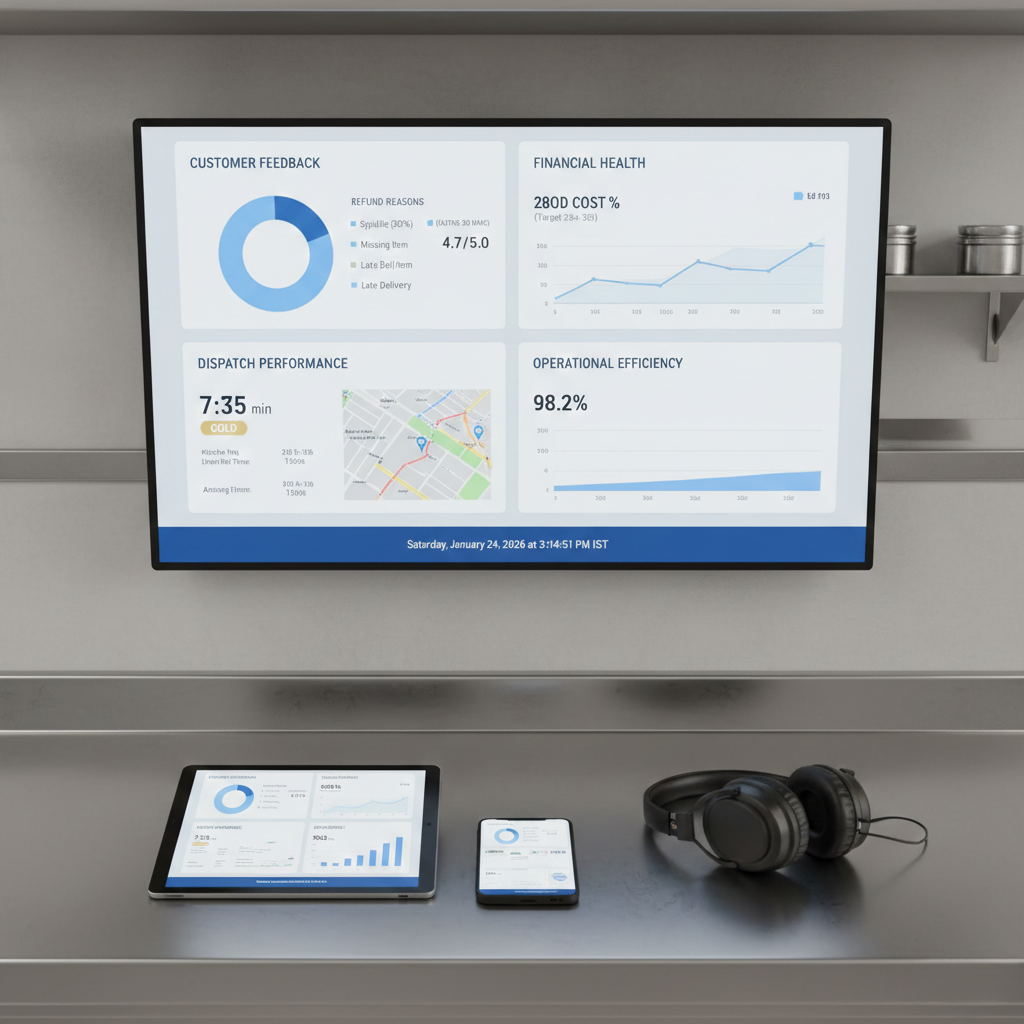
Inconsistent portions increase food cost. Delays increase cancellations. Spillage increases refunds. Rating drops increase discount burn.
None of these appear dramatic individually. Together, they erase contribution margin.
This is why many kitchens look busy but never feel profitable.
To understand how execution affects payouts, read Aggregator Commission Impact in India.
Swiggy & Zomato Amplify Chaos They Don’t Create It
Aggregators are not the cause of chaos. They amplify inconsistency.
When operations are unstable: refunds rise, replacement costs increase, ratings fluctuate, and conversion drops.
Founders respond with discounts, which further compress margins.
External references: Swiggy Refund Policy, Zomato Ordering Terms.
The Only Real Fix: Replace Chaos With Systems
Chaos does not reduce with motivation. It reduces with structure.
Calm kitchens are not quieter. They are clearer.
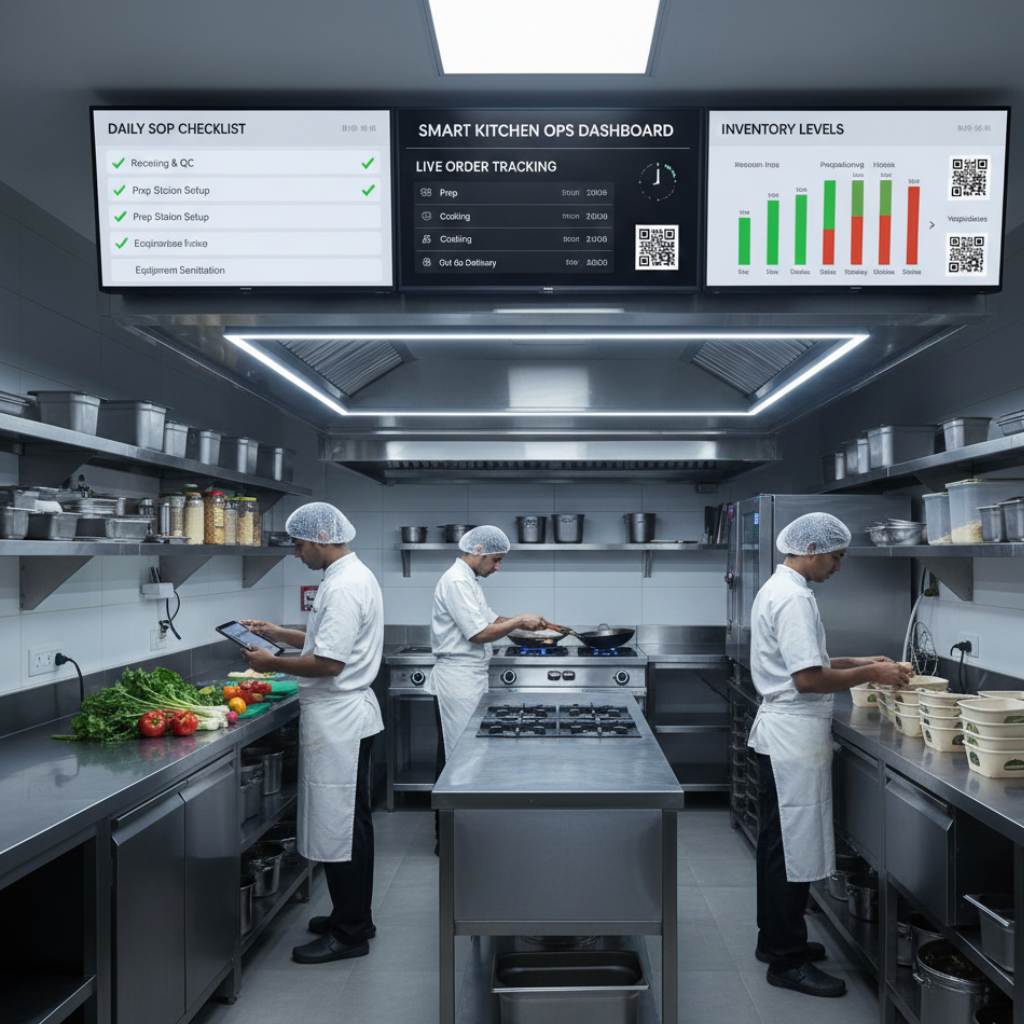
Clear recipes. Clear roles. Clear stations. Clear checks.
How to Fix Chaotic Kitchen Operations in 30 Days
Week 1: Document reality, not ideal SOPs.
Week 2: Lock roles, tools, and portion systems.
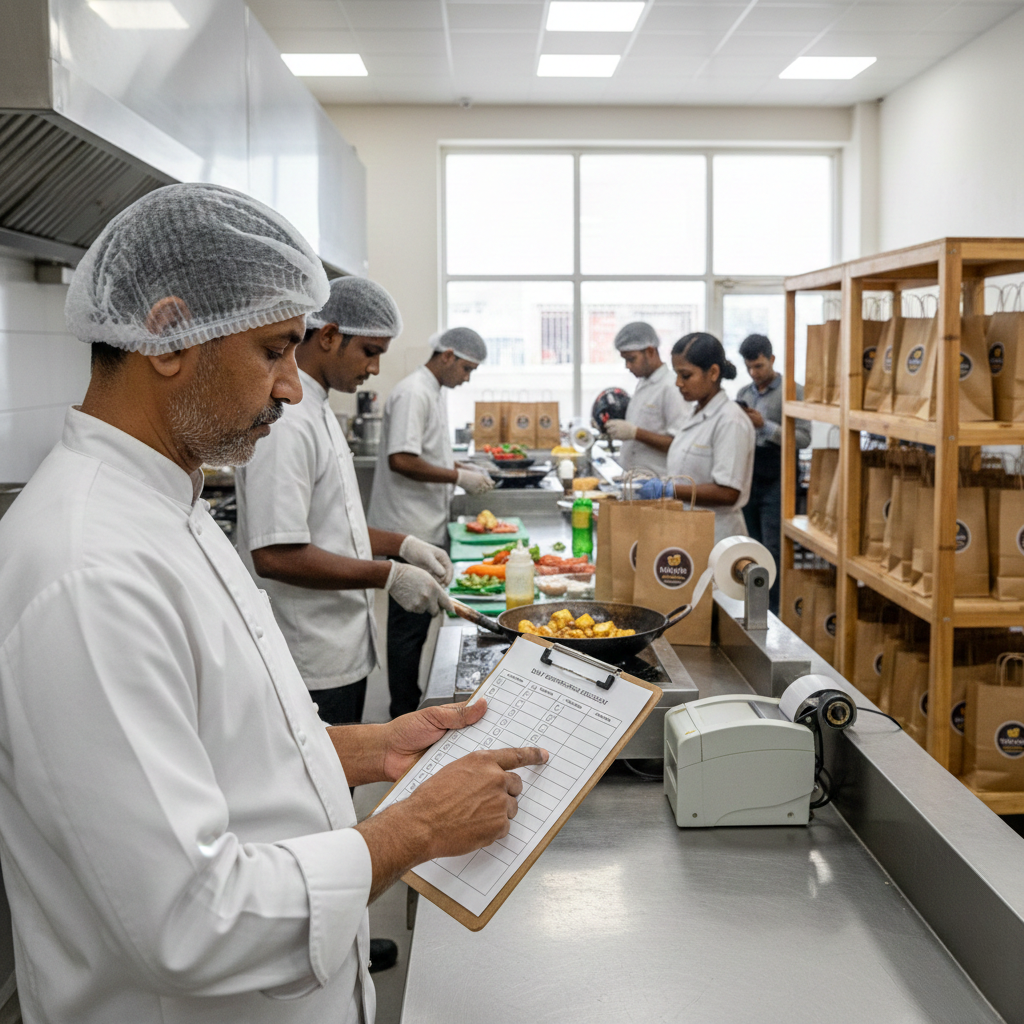
Week 3: Introduce daily checks and weekly reviews.
Week 4: Remove founder dependency from execution.
Use structured playbooks like Role-Based Kitchen Operations Explained and Cloud Kitchen Dispatch SOP to stabilize output.
External standards that help while systemising: FSSAI Schedule 4, ISO 22000.
Final Takeaway: Chaos Is a Signal, Not a Phase
If your kitchen feels chaotic, it is telling you something important: execution has outgrown structure.
Calm kitchens are built. They are not lucky.
Operating frameworks from GrowKitchen, and partner brands like Fruut and GreenSalad are designed to convert chaos into controlled scale.
FAQs: Why Are My Kitchen Operations So Chaotic?
Is chaos normal in growing cloud kitchens?
No. Chaos signals missing systems, not healthy growth.
Can better staff solve operational chaos?
No. Good staff without systems still produces inconsistent output.
What is the fastest way to reduce chaos?
Define SOPs, lock roles, and remove decision-making from peak execution.