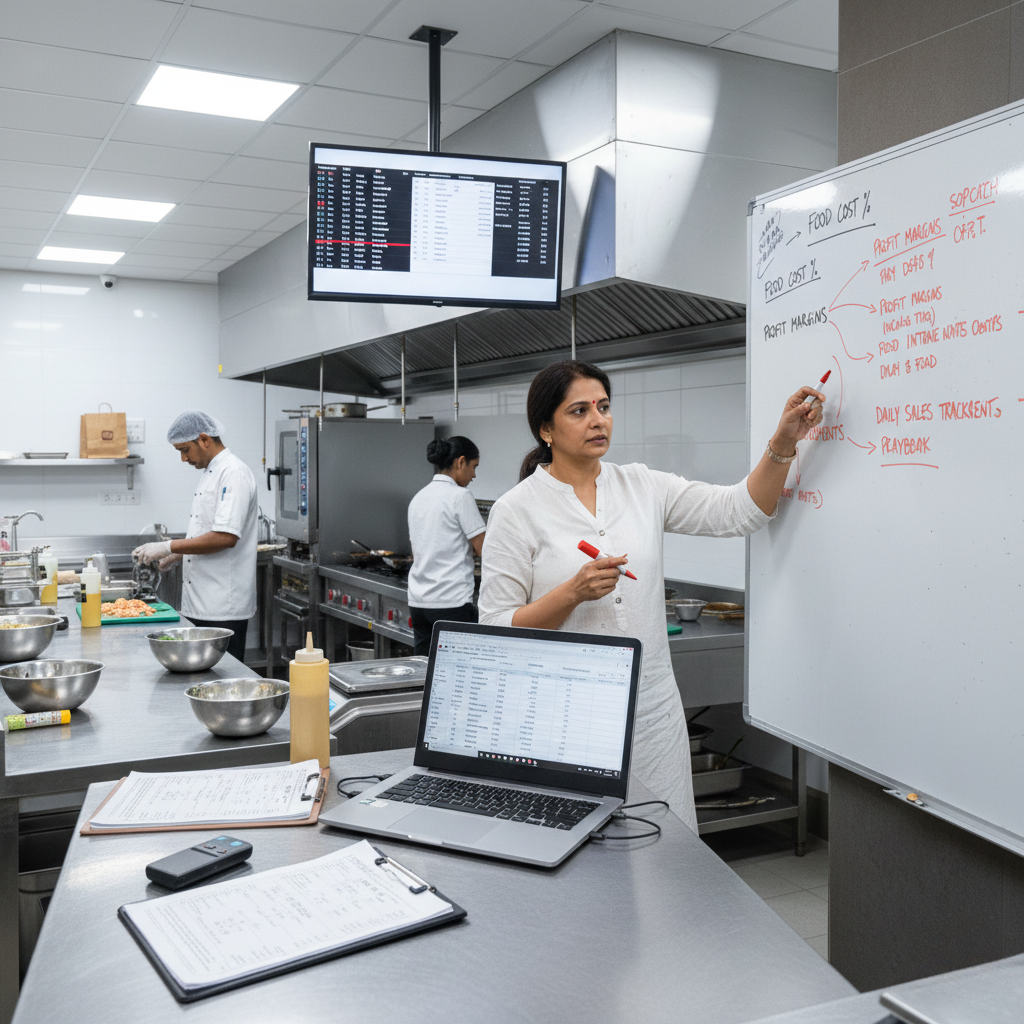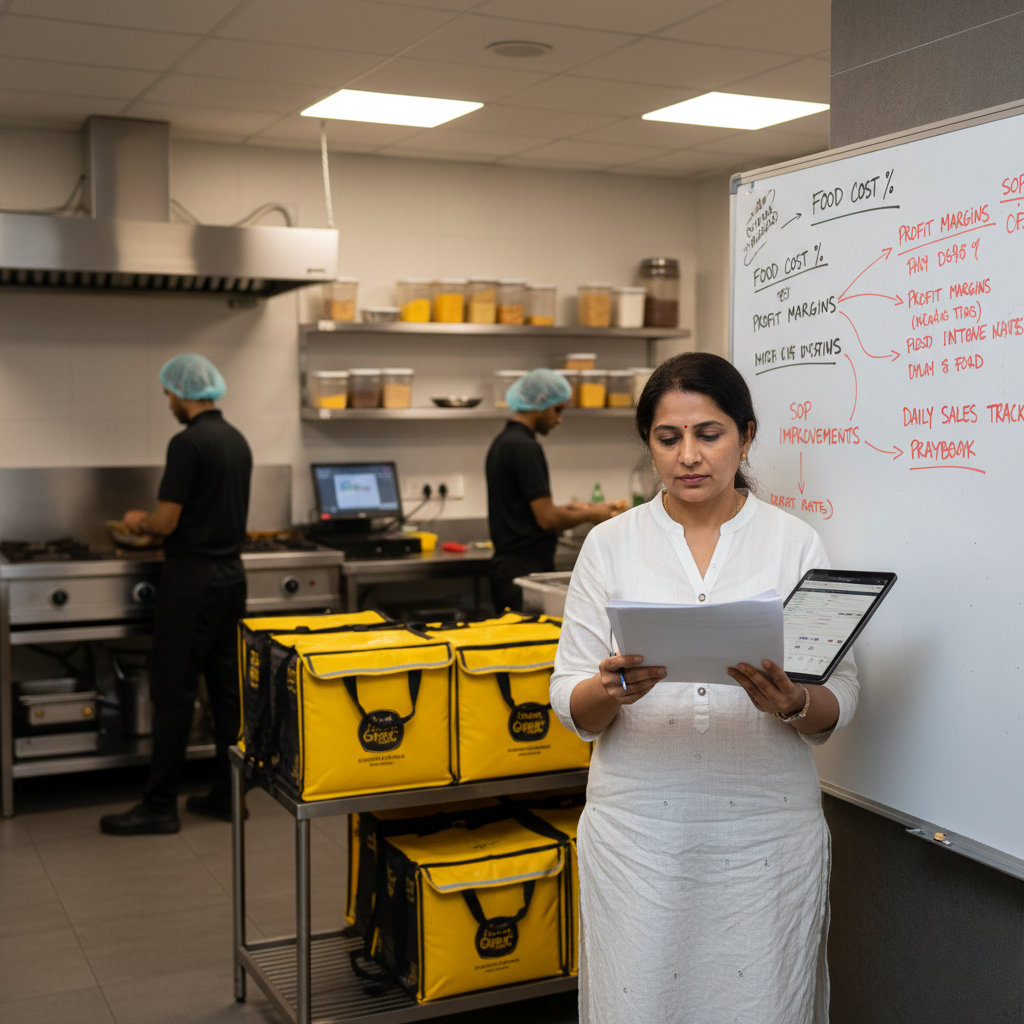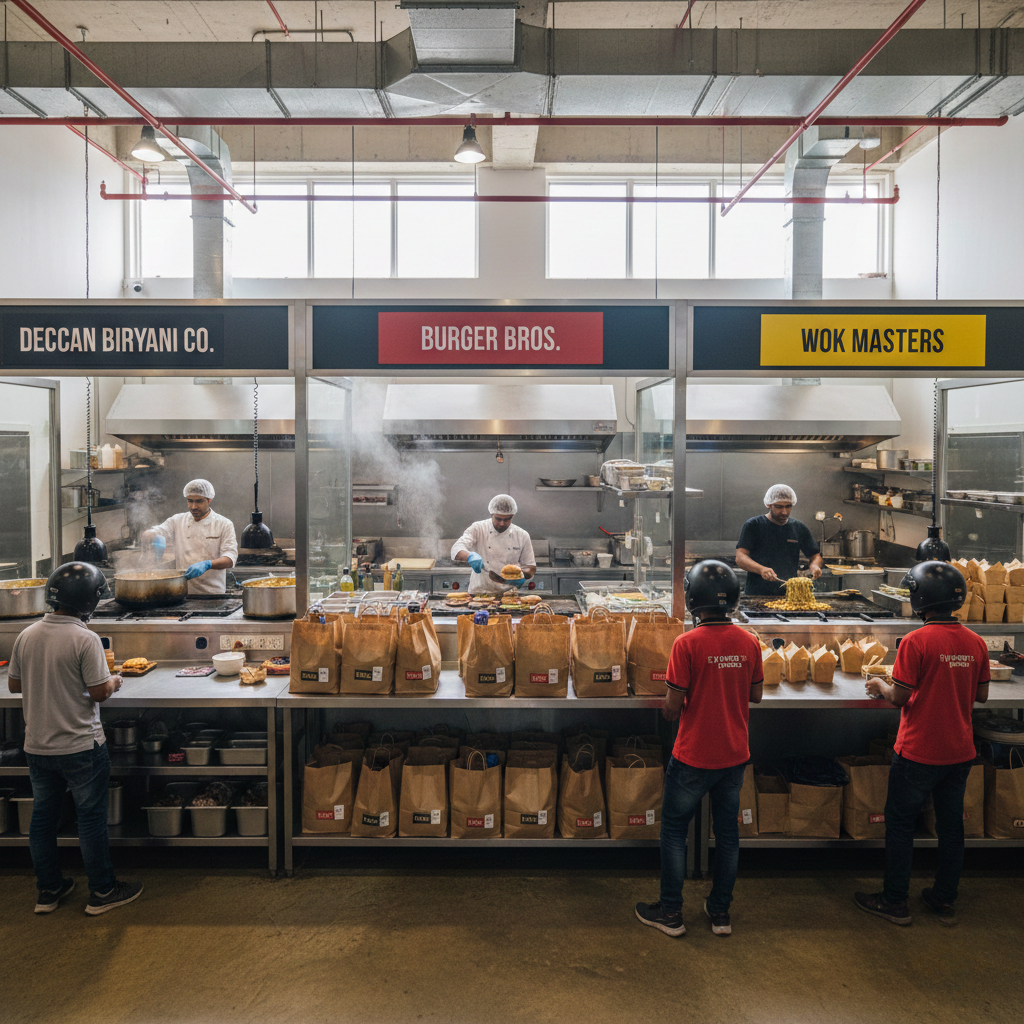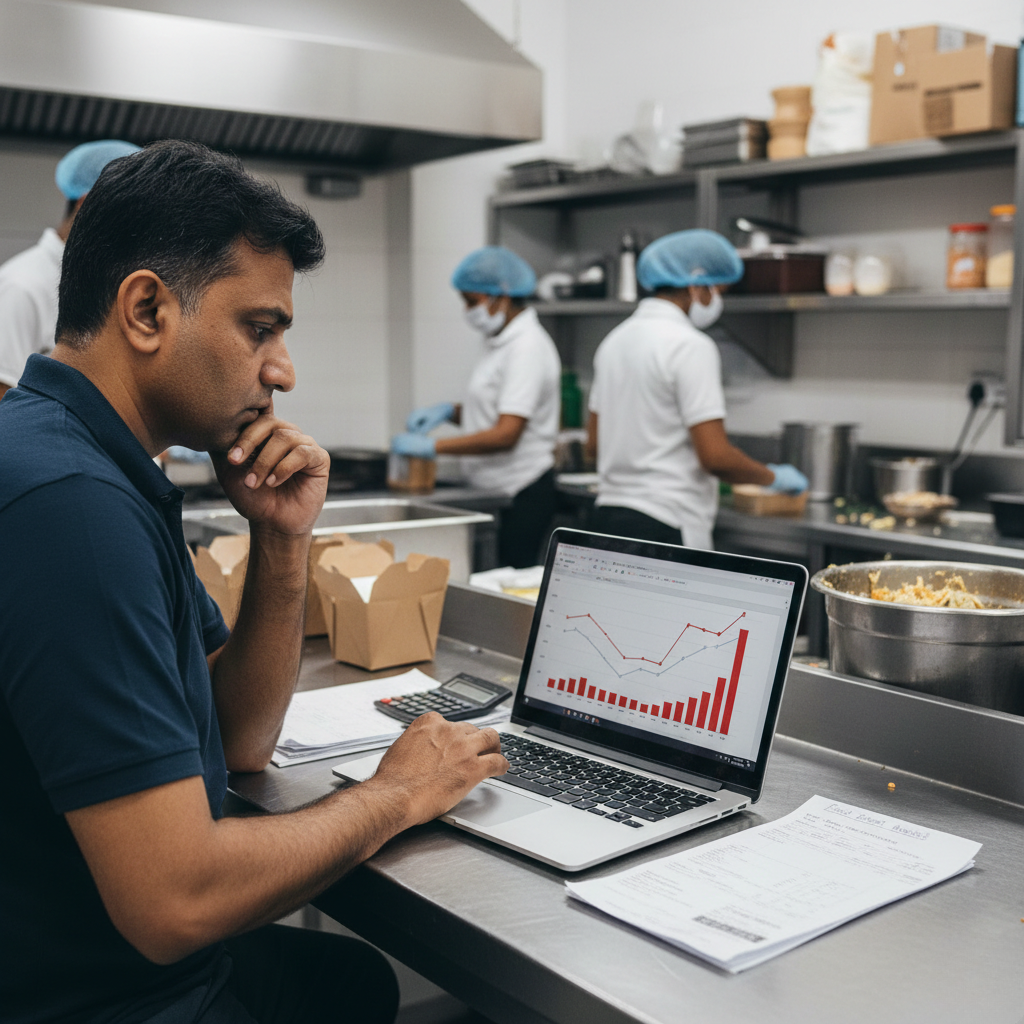
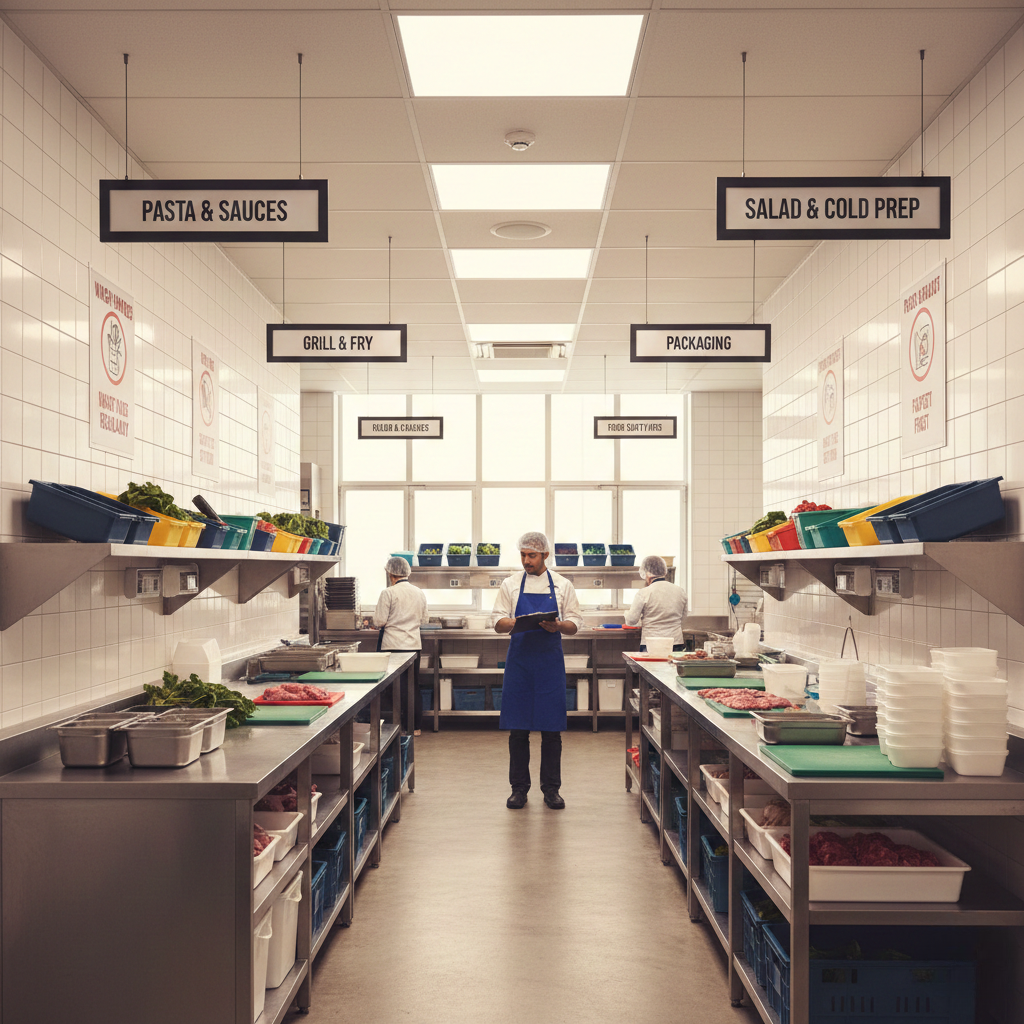
Cloud Kitchen SOP Case Study-This case study highlights one of the most underestimated problems in cloud kitchens across India: operating without Standard Operating Procedures (SOPs). The kitchen was running daily, orders were flowing, and staff showed up-yet outcomes were inconsistent, stressful, and financially unstable. Cloud kitchen as a service
What changed was not the menu, the location, or the demand. What changed was the introduction of CKaaS-driven SOPs. This Cloud Kitchen SOP Case Study is a detailed comparison of how the same cloud kitchen functioned before and after CKaaS implementation.
Cloud Kitchen SOP Case Study: Background of the Kitchen
The kitchen operated from a single location and handled two delivery-only brands. Daily order volume ranged between 80 and 120 orders depending on offers and aggregator ranking.
The founder had prior food business experience and was deeply involved in day-to-day decisions. Staff members were familiar faces who had been working together for months. On paper, this looked like a stable setup.
However, despite effort and experience, outcomes varied wildly:
- Food cost fluctuated week to week
- Service quality depended on who was on shift
- Peak hours felt chaotic
- Profits were unpredictable
This kitchen was not failing-but it was not scalable either.
Cloud Kitchen SOP Case Study: Before CKaaS Implementation
Before CKaaS, the kitchen did not operate with documented or enforced SOPs. Processes existed informally in people’s heads, not on paper or systems.
1. Recipe Execution Without Consistency
Recipes existed loosely, but portion sizes varied by cook and by shift. During peak hours, staff relied on speed and instinct rather than measurement.
This resulted in:
- Over-portioning during rush hours
- Under-portioning during slow shifts
- Inconsistent taste and plating
- Unpredictable food costs
Even small variations multiplied into significant margin loss at scale.
2. Staff Working, But Not Aligned
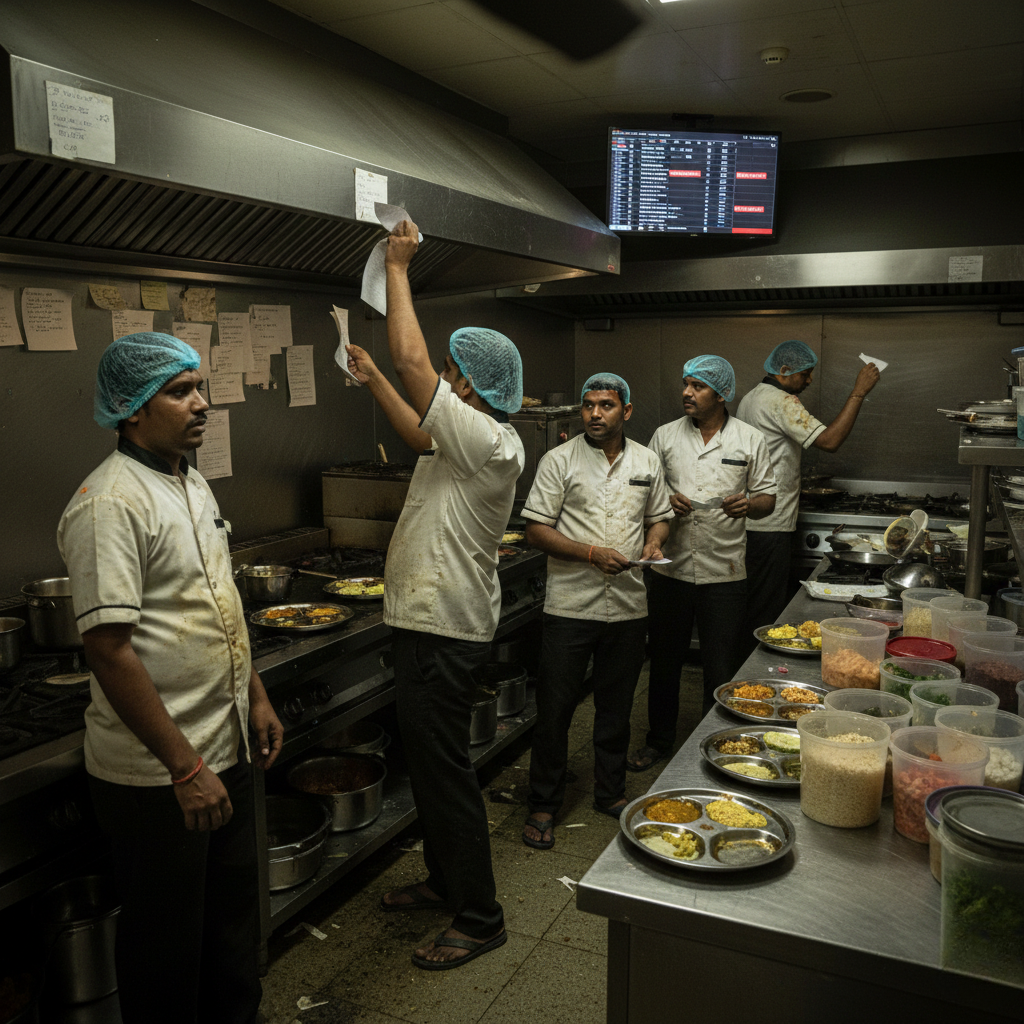
Staff roles were flexible, but unclear. Everyone helped with everything, which felt collaborative but created confusion during peak hours.
- No clear prep vs service responsibilities
- Multiple people handling the same task
- Errors during handoffs
- Stress and shouting during rush periods
Without SOPs, accountability was unclear. Problems were fixed reactively, not prevented.
3. Inventory Managed by Memory
Inventory decisions were based on experience and gut feel. Purchases were made in bulk to “be safe,” especially before weekends.
This led to:
- Over-purchasing perishable items
- Wastage and spoilage
- Cash locked in unused stock
Despite decent revenue, cash flow remained tight.
4. Founder-Dependent Decision Making
Most decisions flowed through the founder:
- Recipe clarifications
- Staff scheduling
- Vendor coordination
- Problem resolution during service
If the founder stepped away, performance dropped noticeably. The business could not run independently.
The Trigger Point: Why SOPs Became Non-Negotiable
As order volume increased, cracks widened. Mistakes became more expensive. Stress increased. Margins became harder to control.
The founder realized that effort and experience were no longer enough. Systems were required.
This is a common realization stage discussed in what happens when cloud kitchens scale without systems.
Cloud Kitchen SOP Case Study: CKaaS Intervention
CKaaS approached SOPs not as documents, but as an operating system for the kitchen.
The implementation focused on:
- Clarity over complexity
- Repeatability over heroics
- Systems over memory
Cloud Kitchen SOP Case Study: After CKaaS Implementation
1. Standardized Recipe SOPs
Every menu item was broken down into:
- Exact gram weights
- Prep method
- Cooking sequence
- Plating and packing standards
Recipes were no longer suggestions-they were standards.
This resulted in:
- Consistent taste across shifts
- Predictable food costs
- Faster training of new staff
2. Role-Based Kitchen SOPs
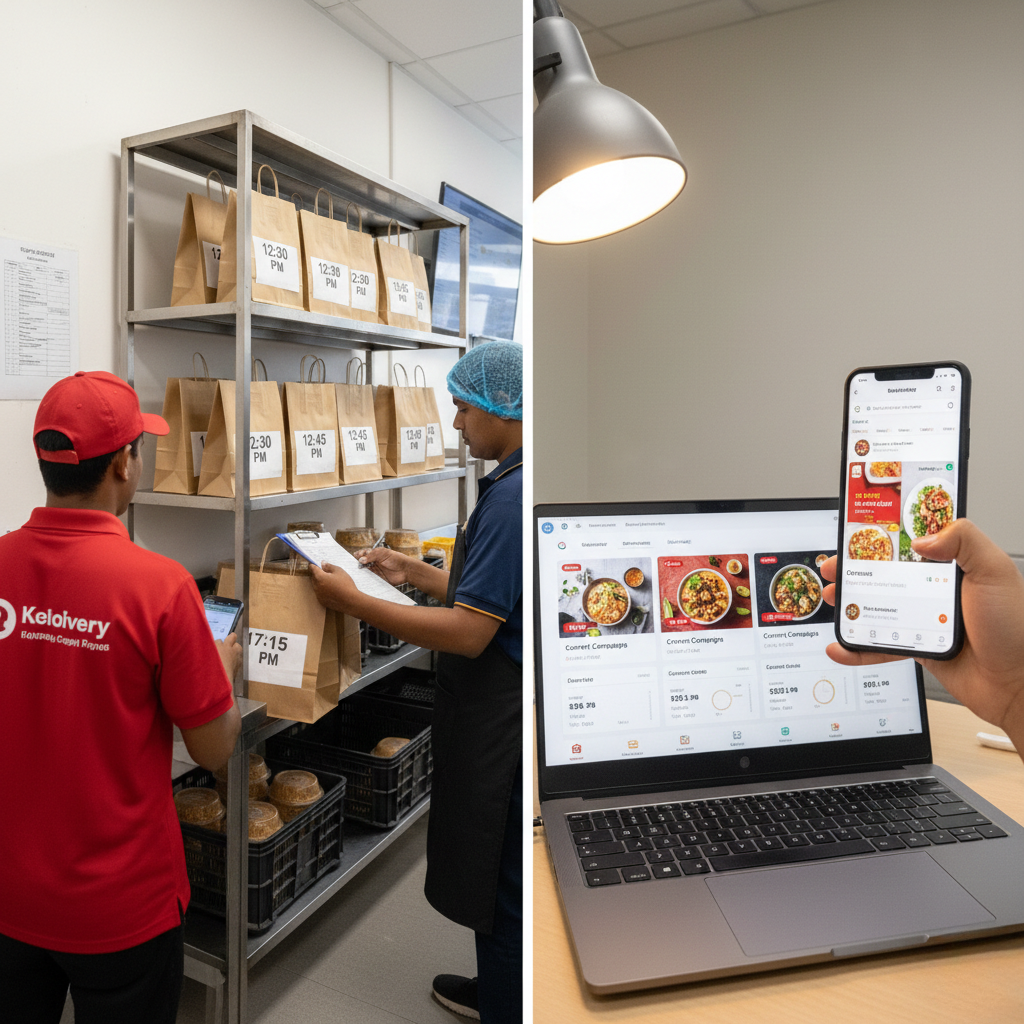
CKaaS introduced clear role definitions:
- Prep SOPs
- Cooking SOPs
- Dispatch SOPs
Each role had defined responsibilities, handoff points, and quality checks.
Peak hours became calmer because everyone knew exactly what to do.
This mirrors the principles explained in role-based kitchen operations explained.
3. Inventory SOPs Based on Demand
Inventory SOPs shifted purchasing from intuition to planning.
- Weekly demand-based purchase planning
- Defined reorder points
- Clear storage and FIFO rules
Wastage reduced. Cash flow improved. Inventory stopped being a guessing game.
4. Reduced Founder Dependency
With SOPs in place:
- Staff resolved issues using documented steps
- Training became structured
- Founder intervention reduced drastically
The kitchen could now run without constant supervision.
Cloud Kitchen SOP Case Study: Operational Impact After CKaaS
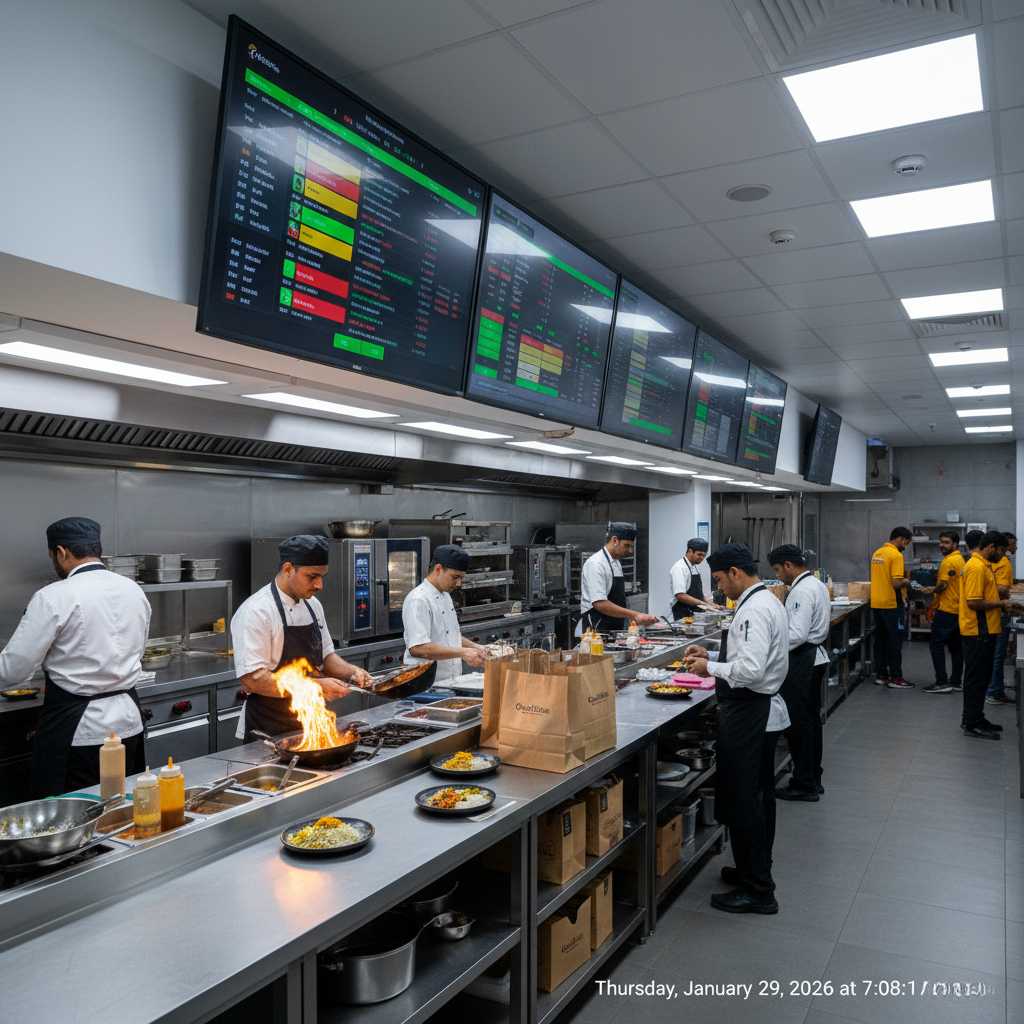
Within 45–60 days, the difference was visible:
- Food cost stabilized
- Staff productivity improved
- Service errors reduced
- Founder stress dropped significantly
Revenue remained similar. Profitability improved because leakage stopped.
Founder Takeaways From This Case
- Experience cannot replace systems at scale
- SOPs reduce stress, not flexibility
- Consistency drives margins
- Founder freedom comes from structure
Why CKaaS SOPs Worked
CKaaS SOPs worked because they were designed around real kitchen behavior, not theory.
Instead of asking “What should happen?”, CKaaS asked:
- What actually happens during service?
- Where do mistakes occur?
- What decisions repeat daily?
This Cloud Kitchen SOP Case Study shows that SOPs work best when they are designed around actual kitchen behaviour, peak-hour pressure, staff skill levels, and contribution margin control.
This practical approach aligns with insights shared by industry professionals like Rahul Tendulkar and system-first brands such as Green Salad and Fruut.
Final Thoughts
A cloud kitchen without SOPs can survive-but it cannot scale sustainably.
SOPs are not paperwork. They are the backbone of predictable operations, stable margins, and founder freedom. That is the core lesson from this Cloud Kitchen SOP Case Study.
Still Have Questions?
For common operational, SOP, and scaling questions, read the Grow Kitchen FAQs.
You may also find these internal resources helpful:
- How to Fix a Loss-Making Cloud Kitchen
- From Zero Profit to Sustainable Margins
- What Happens When Cloud Kitchens Scale Without Systems
- Fixing Contribution Margin Without Increasing Prices Using CKaaS