Marketing Spend vs ROI in Cloud Kitchens is one of the most misunderstood equations in the delivery-first food business. Founders see orders coming in. Dashboards look active. Ads appear to work. Yet cash keeps leaking. This happens because marketing spend is often measured by orders generated, not profit created. This guide explains the real relationship between marketing spend and actual ROI in cloud kitchens, why most kitchens overestimate marketing success, and how disciplined operators ensure that every rupee spent on growth eventually returns more than it costs.
Why Marketing Spend vs ROI in Cloud Kitchens
In traditional businesses, marketing ROI is measured by revenue growth.
In cloud kitchens, revenue alone is misleading. Platform commissions, discounts, refunds, and variable costs distort the picture.
To understand real ROI, start with Cloud Kitchen Unit Economics Explained, Understanding Contribution Margin in Cloud Kitchens, and How to Calculate Real Net Profit in Cloud Kitchens.
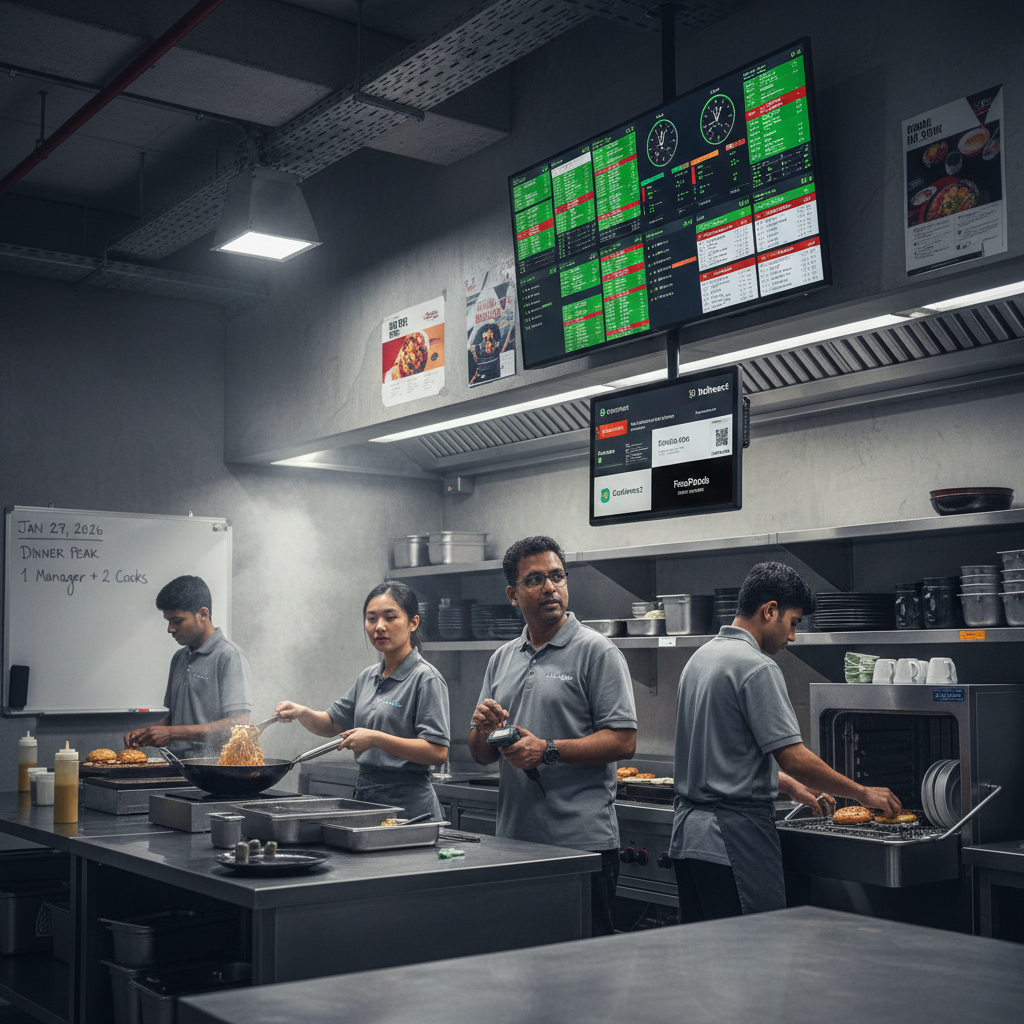
More Orders Do Not Mean Better ROI
Marketing success is often celebrated when order volume increases.
But orders alone do not pay the bills.
The Biggest Myth: “If Ads Bring Orders, Marketing Is Working”
Many founders assume that if ads generate orders, marketing is successful.
In reality, ads can generate high-volume, low-quality, loss-making orders.
Without contribution analysis, marketing becomes an expense, not an investment.
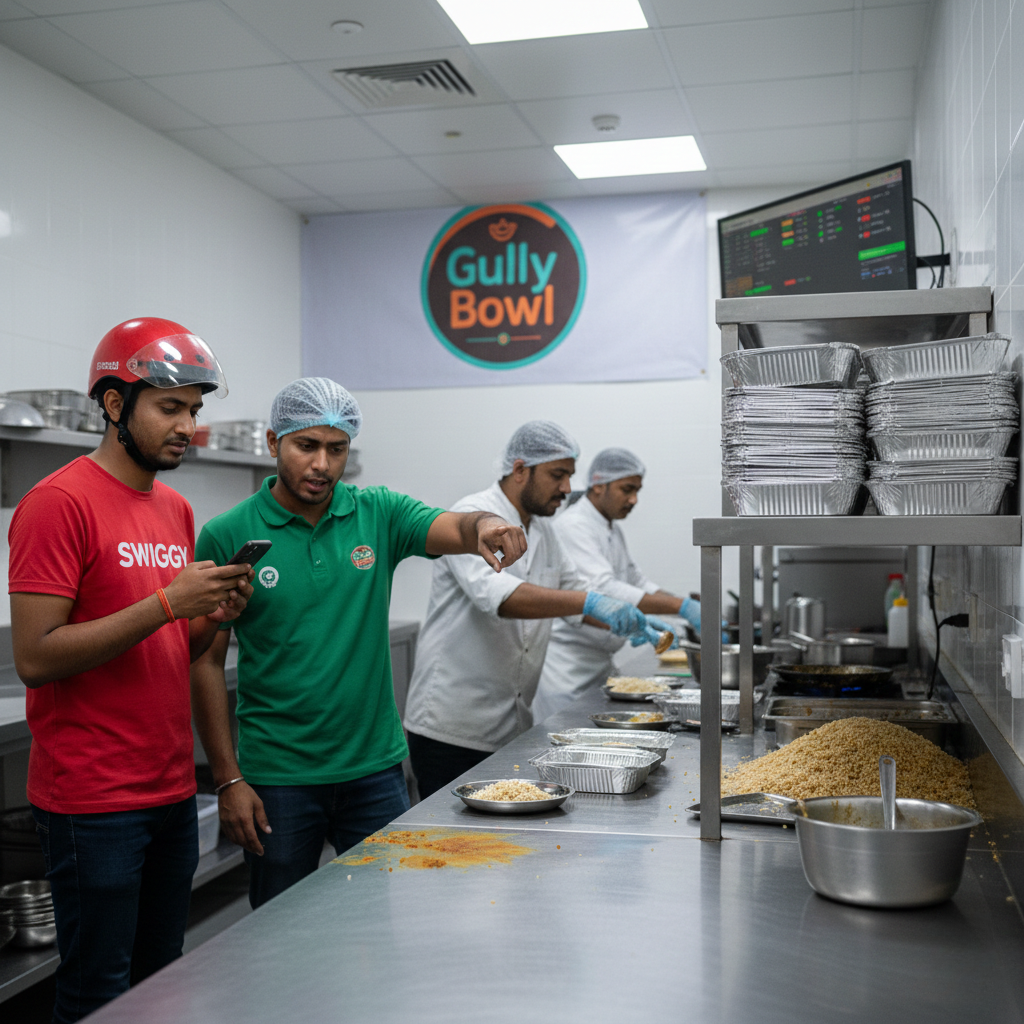
What “Actual ROI” Means for a Cloud Kitchen
Actual marketing ROI is not revenue generated.
It is the net contribution left after: food cost, packaging, platform commissions, refunds, discounts, and marketing spend.
If marketing does not recover its own cost through contribution, ROI is negative regardless of sales growth.
How Marketing Spend Directly Impacts CAC
Every ad, discount, and promotion contributes to Customer Acquisition Cost.
When CAC is higher than contribution margin, growth accelerates losses.
Understand CAC clearly in Why CAC Matters Even for Delivery Brands.
Discount-Led Marketing: The Most Common ROI Trap
Discounts drive quick orders.
But they also: reduce realized revenue, attract deal-seekers, and weaken repeat behavior.
Many kitchens subsidize customers without ever recovering CAC.
Why Refunds Destroy Marketing ROI Silently
A refunded order still consumes marketing spend.
But it delivers zero contribution.
This makes refund-heavy kitchens appear busy while bleeding marketing ROI.
Learn the full impact in How Refunds & Cancellations Affect Profitability.
This aligns with Harvard Business Review’s analysis , which shows that marketing spend without profitability discipline destroys long-term returns.
Operational Weakness Cancels Marketing ROI
Slow dispatch, incorrect orders, and poor packaging increase refunds on paid traffic.
Marketing cannot compensate for weak operations.
In fact, it magnifies operational flaws.
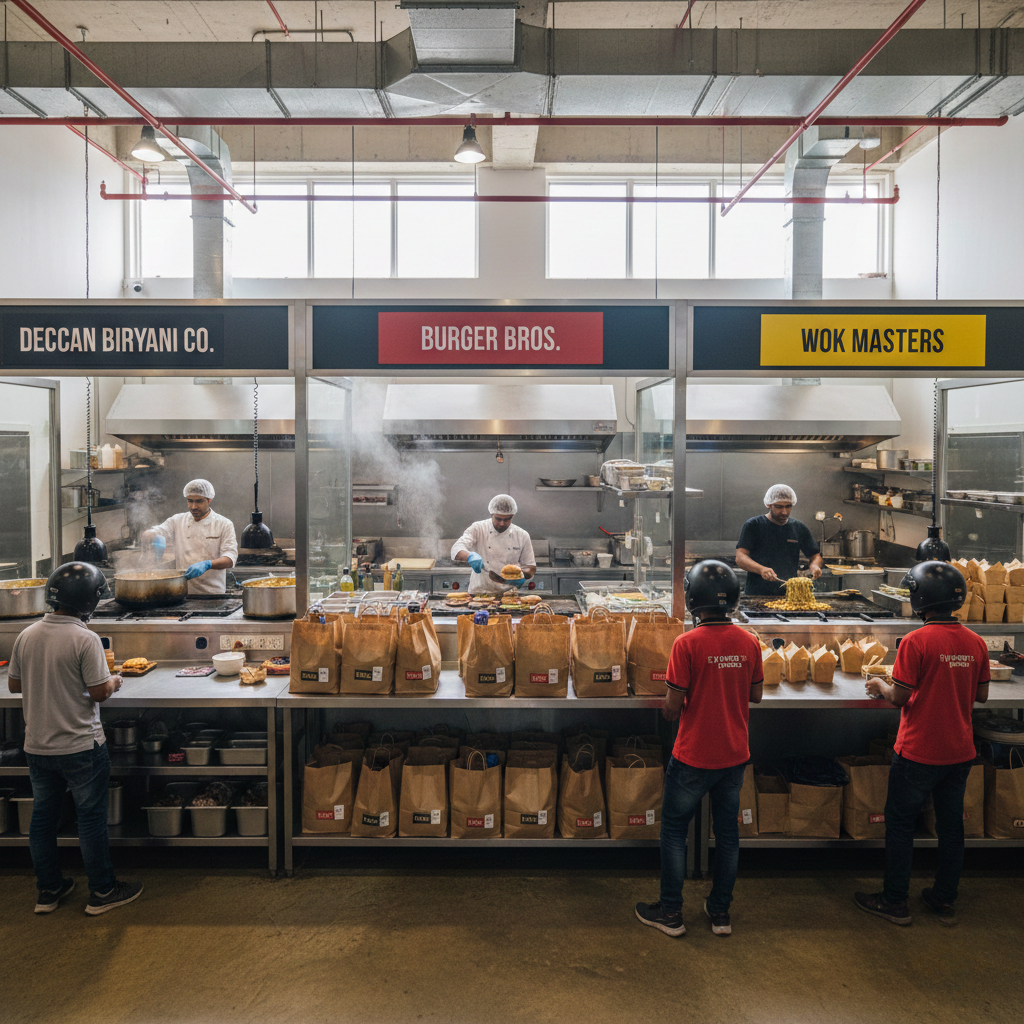
Multi-Brand Kitchens and ROI Confusion
In multi-brand setups, marketing spend is often pooled.
Without brand-wise ROI tracking, profitable brands subsidize loss-making ones unknowingly.
Why Marketing ROI Must Be Clear Before Scaling
Scaling increases marketing spend.
If ROI is unclear, scaling accelerates losses.
This is why mature operators stabilize unit economics before increasing ad budgets.
Marketing Spend vs Actual ROI in Cloud Kitchens: Final Clarity
Marketing is not the problem.
Measuring it incorrectly is.
Kitchens that align marketing spend with contribution margin, operations, and repeat behavior turn growth into profit instead of stress.
GrowKitchen helps founders design marketing systems where every rupee spent is accountable to profitability.
FAQs: Marketing ROI in Cloud Kitchens
Is high ROAS the same as high ROI?
No. ROAS ignores costs beyond ad spend.
Can marketing be profitable at low margins?
Only if repeat orders recover CAC.
How often should marketing ROI be reviewed?
Weekly for scaling kitchens, monthly for stable operations.