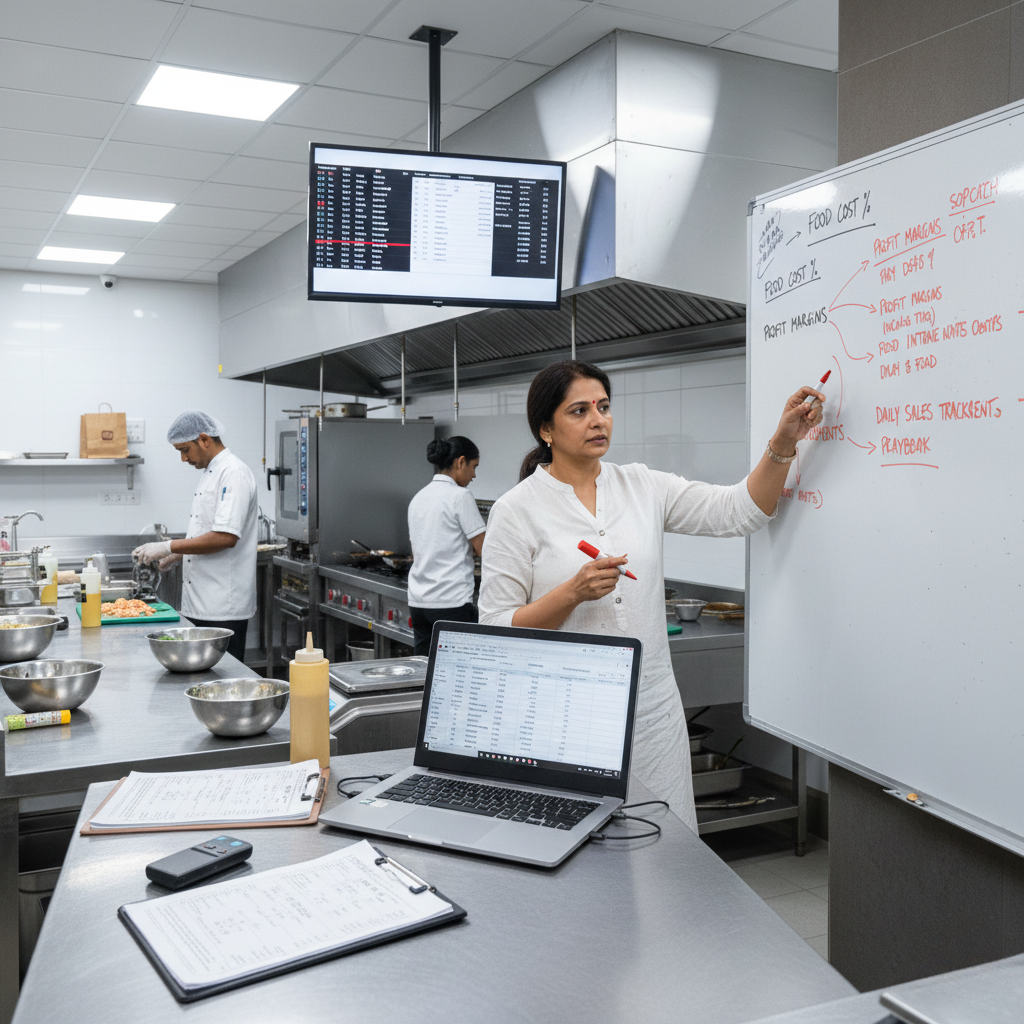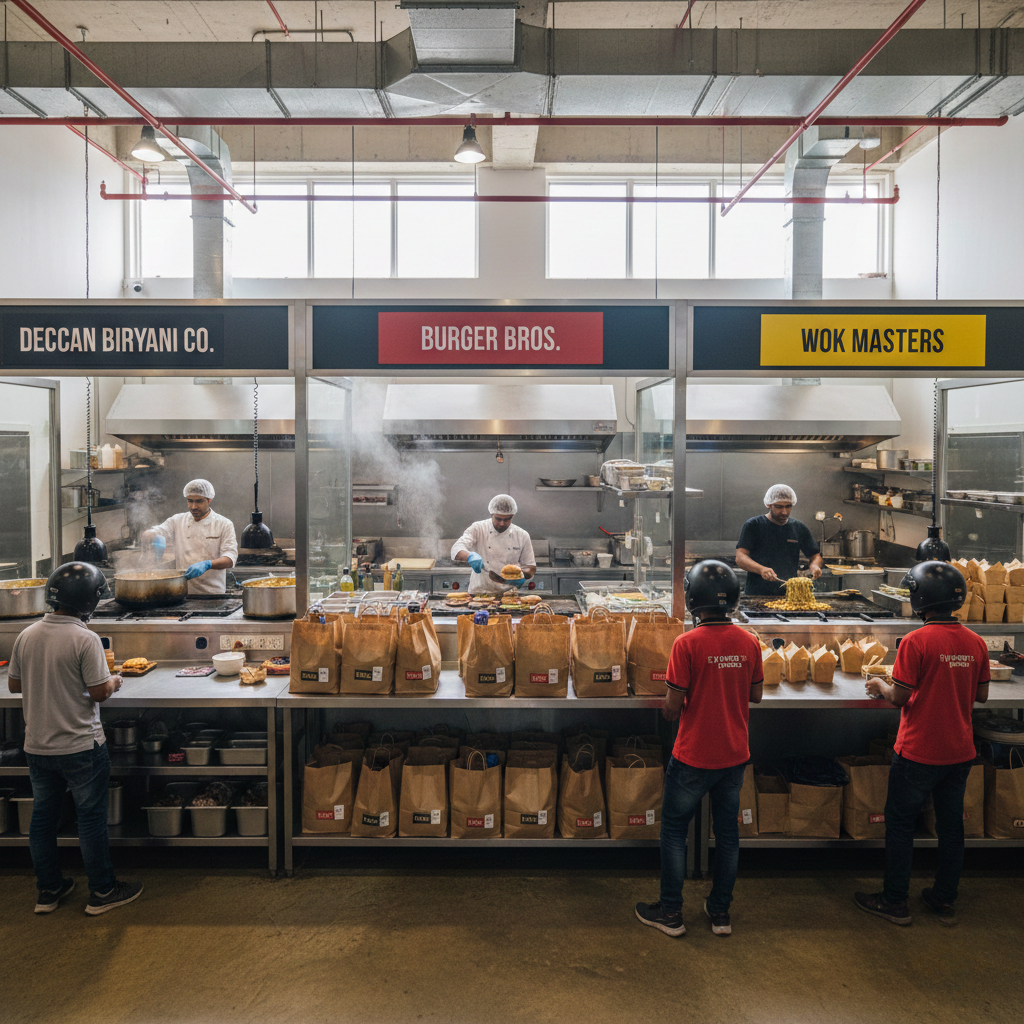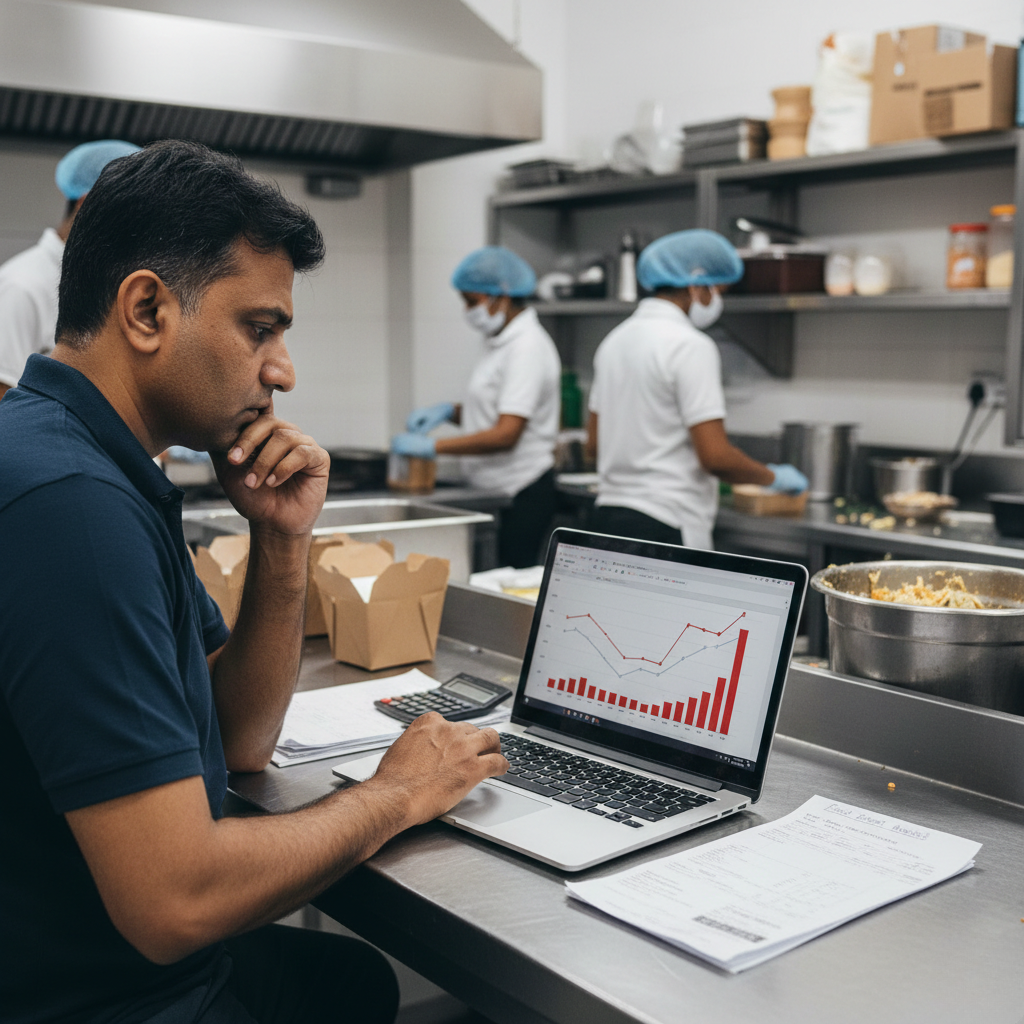
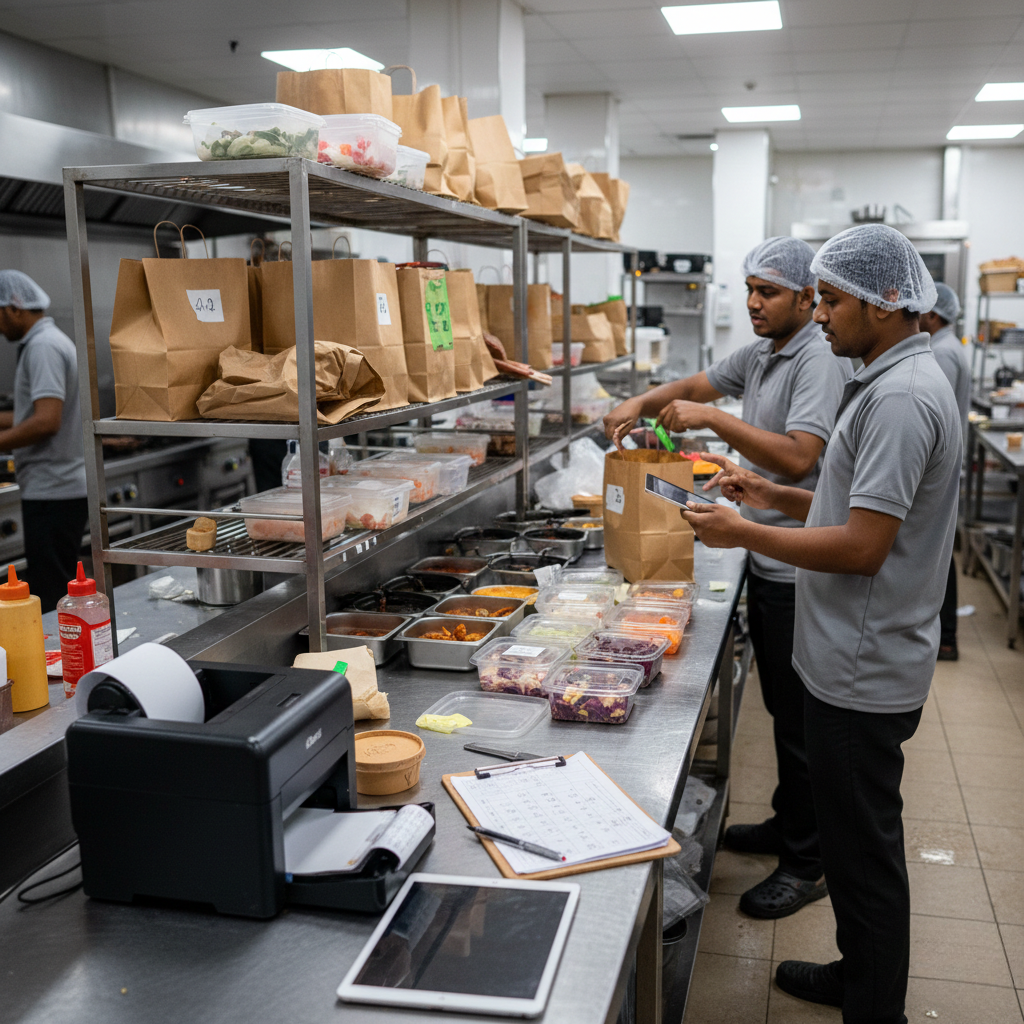
Where Cloud Kitchens Lose Money Daily is rarely visible in monthly P&L statements. Losses do not arrive as one big failure. They leak quietly. Through over-portioning, refunds, wastage, idle staff time, inefficient prep, poor inventory discipline, and misaligned pricing. Orders continue. Dashboards stay green. Yet margins erode every single day. This guide breaks down the exact daily leakage points that silently destroy cloud kitchen profitability and how disciplined operators eliminate them.
Why Daily Losses Matter More Than Monthly Losses
Most founders review performance monthly.
By the time losses appear in the P&L, the damage has already compounded for weeks.
To understand why cloud kitchens bleed silently, start with Cloud Kitchen Unit Economics Explained, Understanding Contribution Margin in Cloud Kitchens, and Cloud Kitchen Break-Even Explained Simply.

Cloud Kitchens Rarely Fail Suddenly
Cloud kitchens almost never collapse overnight.
They weaken daily through small inefficiencies that feel harmless in isolation but lethal in aggregate.
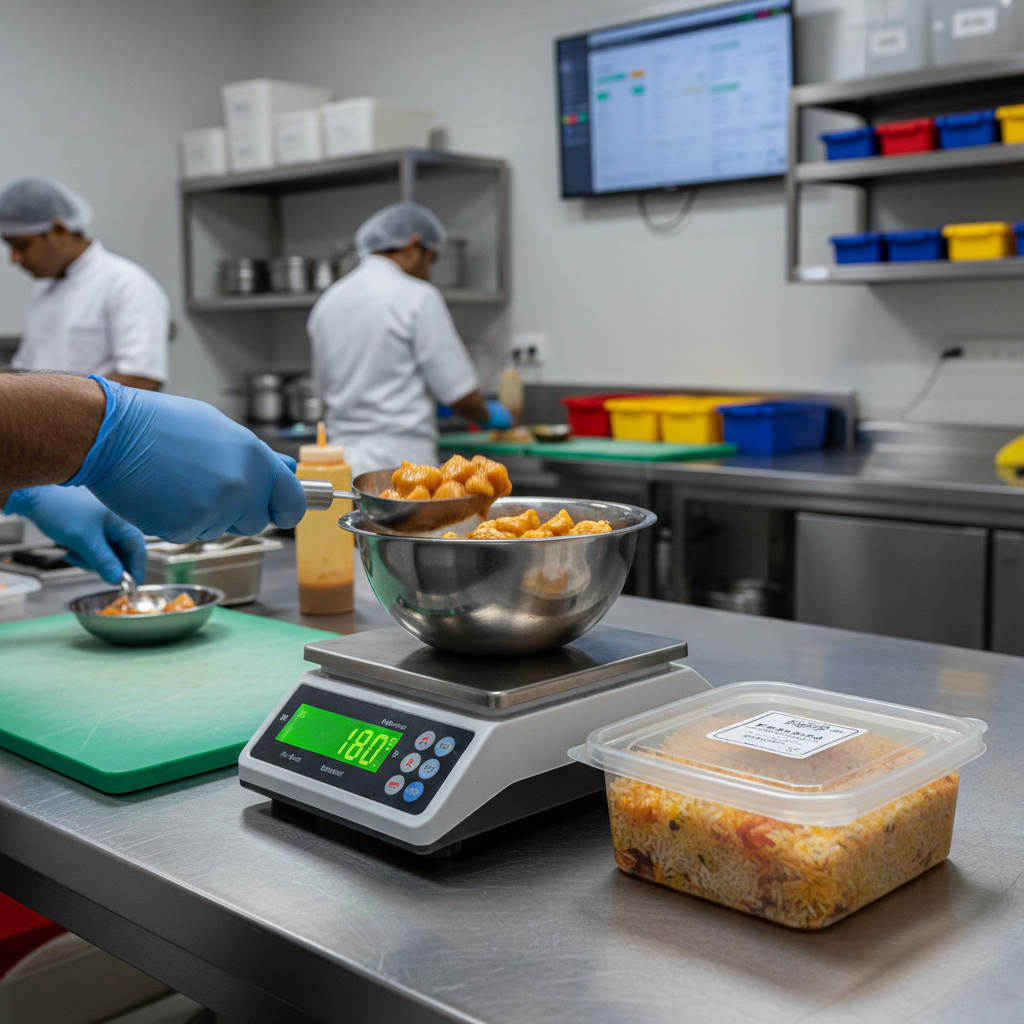
Daily Loss #1: Over-Portioning and Inconsistent Serving
Every extra spoon of gravy, every oversized protein portion, and every “thoda zyada daal do” increases food cost invisibly.
Without strict portion SOPs, food cost drifts upward daily even when prices remain unchanged.
Learn portion control systems in Ideal Food Cost Percentage for Cloud Kitchens.
Daily Loss #2: Prep Wastage and Expiry Losses
Excess prep, poor demand forecasting, and ignored FIFO lead to daily wastage.
Wastage is often unrecorded, making food cost appear controlled while profit quietly disappears.
Inventory discipline is explained in Cloud Kitchen Inventory Management in India.
Daily Loss #3: Refunds and Partial Refunds
Refunds feel small: ₹120, ₹180, ₹240.
But every refunded order carries full cost with zero contribution.
Learn the full impact in How Refunds & Cancellations Affect Profitability.
Daily Loss #4: Idle Staff Time and Poor Shift Planning
Overstaffed non-peak hours and understaffed rush hours both cost money.
Idle staff drains payroll. Rushed staff creates errors leading to refunds.
Staffing alignment is detailed in How Many Staff Does a Cloud Kitchen Need.
Daily Loss #5: Dispatch Errors and Rework
Incorrect items, missing add-ons, and wrong packaging force rework or refunds.
Each mistake wastes food, packaging, and staff time.
This mirrors Harvard Business Review’s analysis , showing how operational inconsistency erodes strong businesses from within.
Daily Loss #6: Mispriced Menu Items
Many menus contain loss-making SKUs that sell frequently.
High order volume on underpriced items accelerates losses.
Menu engineering is covered in Cloud Kitchen Menu Engineering Guide.
Daily Loss #7: Untracked Marketing Spend
Ads generate orders, but not all orders are profitable.
When CAC exceeds contribution, growth becomes loss amplification.
Understand CAC properly in Why CAC Matters Even for Delivery Brands.
Daily Loss #8: Multi-Brand Confusion
Shared kitchens without unified SOPs increase errors.
Brand confusion leads to mispacking, wrong labeling, and higher refunds.
Daily Loss #9: Unmonitored Utility Usage
Gas leaks, unnecessary burners, idle refrigeration, and poor maintenance quietly inflate costs.
Utilities feel fixed, but misuse makes them variable.
Daily Loss #10: Not Tracking What Matters
Kitchens track orders but ignore: wastage, refund reasons, prep variance, and per-SKU margins.
What is not measured bleeds silently.
Why Daily Losses Multiply During Scaling
A ₹500 daily leakage feels irrelevant.
At scale, it becomes lakhs annually.
This is why professional operators fix daily leaks before expanding.
Where Cloud Kitchens Lose Money Daily: Final Clarity
Cloud kitchens do not lose money in big dramatic moments.
They lose money in daily habits, weak systems, and ignored data.
GrowKitchen helps founders plug daily leaks so growth adds profit not stress.
FAQs: Daily Losses in Cloud Kitchens
Why don’t daily losses appear in dashboards?
Dashboards show revenue, not operational leakage.
What is the biggest daily loss point?
Portion drift combined with refunds.
How often should daily loss data be reviewed?
Daily for operations, weekly for leadership.