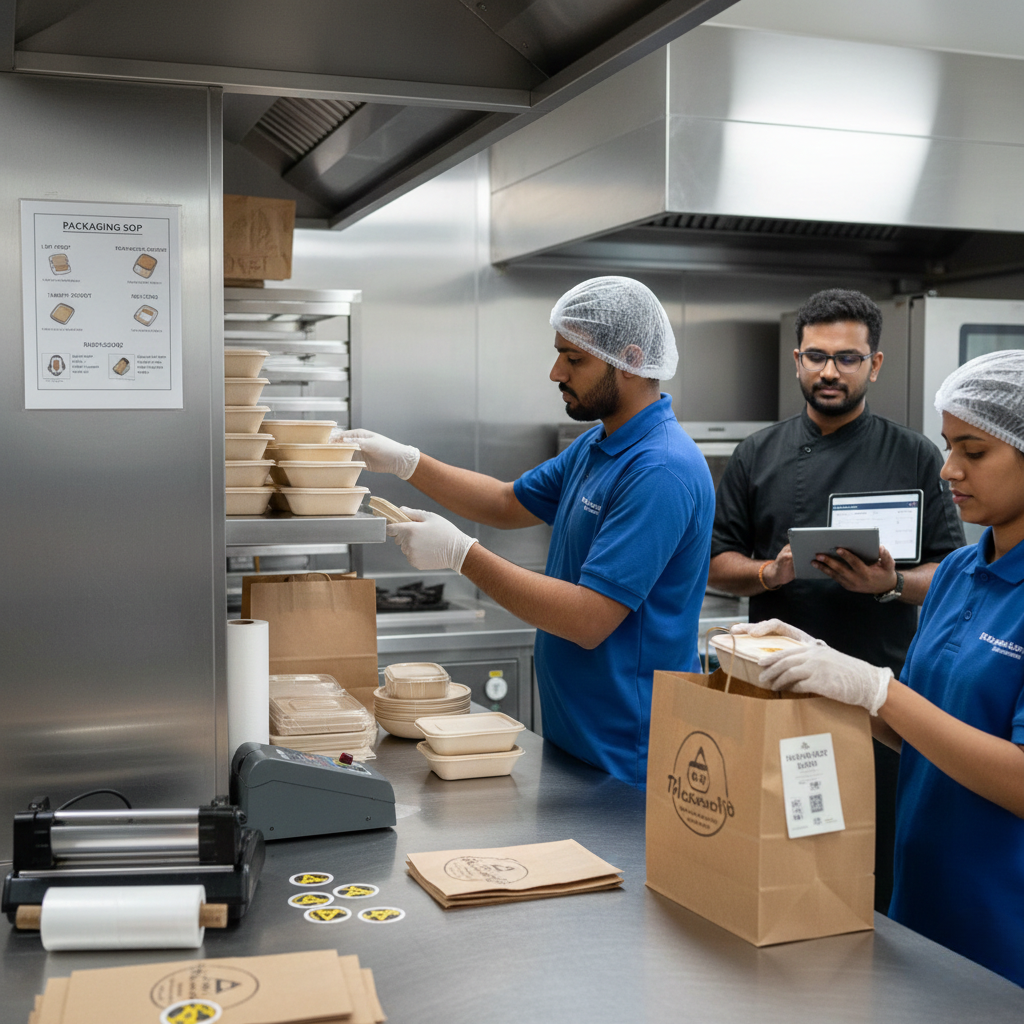
Why Packaging Is an Operational Decision explains a common misunderstanding in Indian cloud kitchens. Packaging is often treated as a branding or procurement choice. In reality, packaging directly affects operations, food quality, delivery outcomes, customer ratings, refunds, and profitability. This guide explains why packaging decisions must be made from an operational lens, how poor packaging creates hidden losses, and how disciplined packaging systems protect cloud kitchens at scale. Cloud Kitchen Operations Consultant.
Why Most Cloud Kitchens Choose Packaging for the Wrong Reasons
Many cloud kitchens in India choose packaging based on appearance or cost per unit. Boxes are selected for branding, supplier availability, or short-term savings. What is rarely considered is how packaging behaves during packing, transport, rider handling, and customer unboxing. When packaging decisions ignore operations, kitchens face spillages, soggy food, complaints, refunds, and rating drops.
This connects directly with Operations vs Marketing: What Actually Drives Ratings?.
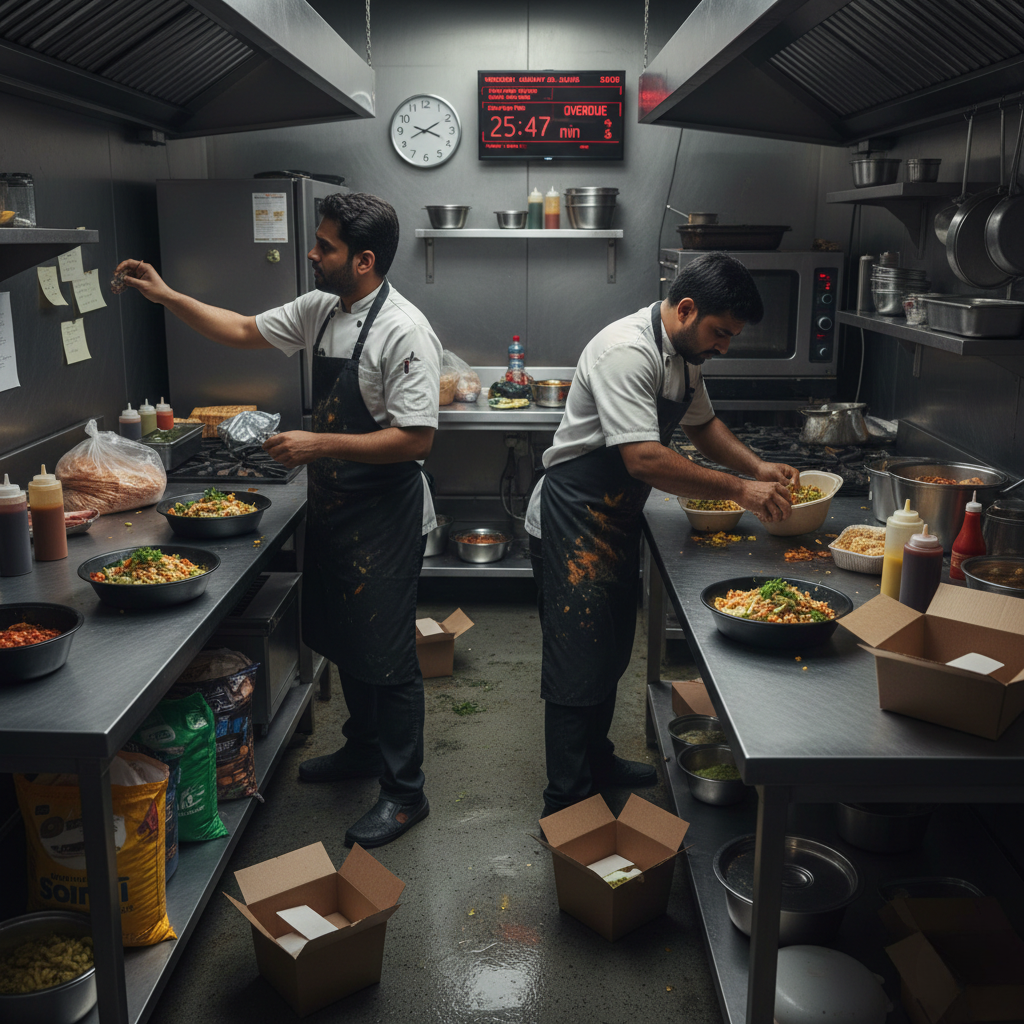
What It Means to Treat Packaging as an Operational Decision
Operational packaging is designed for execution, not aesthetics. It considers food temperature, moisture, stacking, rider movement, delivery time, and handling errors. Packaging becomes part of the workflow, not a last-minute add-on.
How Packaging Causes Food Leakage and Re-Makes
<> Leakage is one of the most common cloud kitchen complaints. Thin containers, poor lid seals, and incorrect box sizes break during delivery. Each leakage incident results in refunds, re-makes, and poor ratings. Packaging decisions directly impact food cost and reputation.Packaging and Temperature Retention
Customers judge food quality within seconds of opening the box. Poor insulation leads to cold gravies, soggy fried items, and separated textures. Packaging must match cuisine type, delivery radius, and holding time. Operational kitchens test packaging under real delivery conditions.
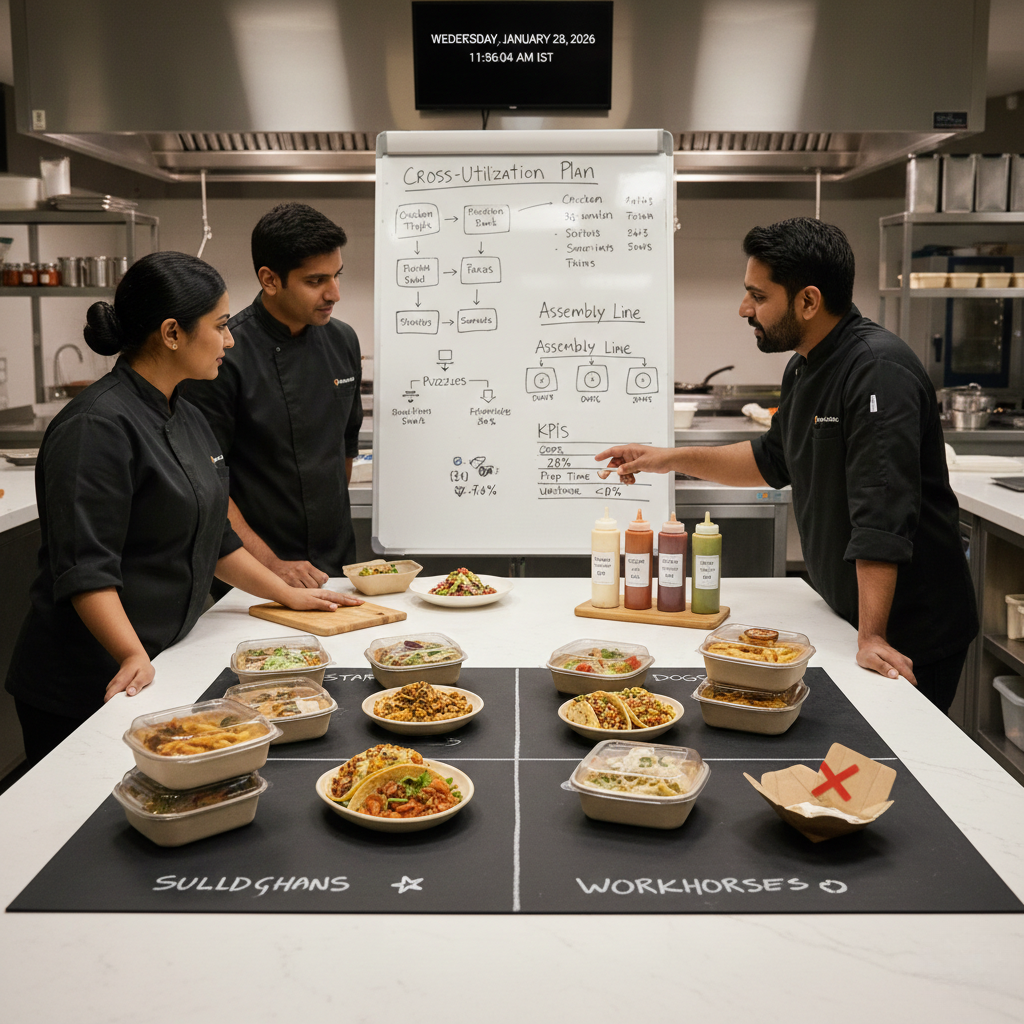
Packing Speed and Order Throughput
Complex packaging slows down service. Too many components, difficult seals, or inconsistent sizes increase packing time. During peak hours, slow packing creates rider delays and late deliveries. Operational packaging supports fast, repeatable packing.
Packaging Consistency and Brand Trust
Inconsistent packaging confuses customers. Different boxes, missing cutlery, or irregular sealing reduce perceived professionalism. Consistency builds trust even before food is tasted. Packaging SOPs ensure every order leaves the kitchen uniformly.
Packaging Cost vs Packaging Loss
Cheap packaging often appears profitable. However, refunds, re-makes, and rating penalties make it expensive. Operational cost of packaging must include downstream losses. Kitchens that calculate total impact choose better packaging systems.
Packaging and Dispatch Coordination
Packaging interacts directly with dispatch. Incorrect box sizes affect stacking. Weak seals fail during rider movement. Dispatch-friendly packaging reduces last-mile failures. Learn structured flow in Cloud Kitchen Dispatch SOP.
Packaging Complexity in Multi-Brand Cloud Kitchens
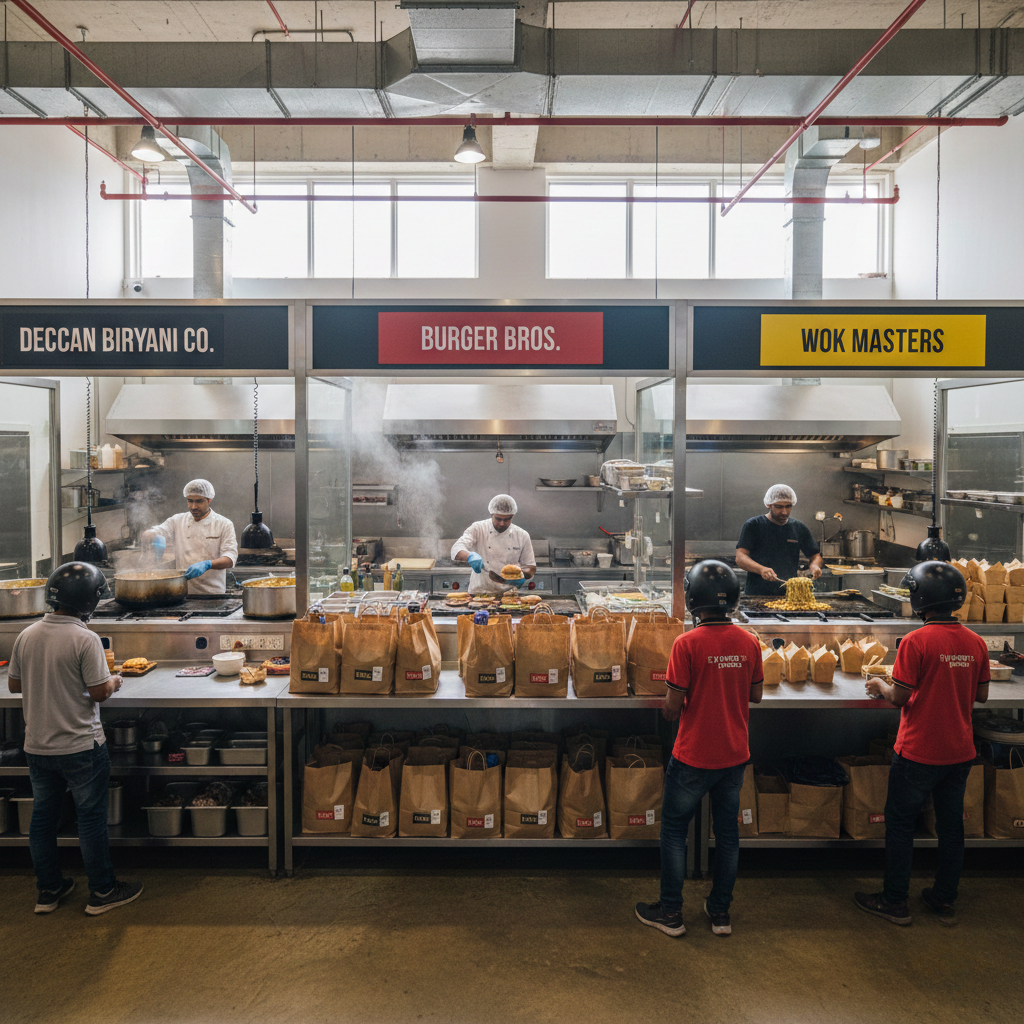
Multi-brand kitchens multiply packaging decisions. Different cuisines require different containers. Without strict SOPs, wrong packaging leads to complaints.
Structural clarity is explained in How to Build SOPs for Multi-Brand Cloud Kitchens.
Packaging SOPs as Operational Insurance
Packaging discipline cannot rely on memory. SOPs define container selection, sealing method, labeling, and checks. This reduces dependency on individuals and improves predictability. Packaging SOPs protect ratings, margins, and consistency.
How Packaging Decisions Impact Profitability
Packaging affects food cost indirectly. Fewer re-makes, lower refunds, and higher repeat orders improve margins. This ties directly to How Operations Impact Cloud Kitchen Profitability.
Why Packaging Is an Operational Decision: Final Takeaway
Packaging is not decoration. It is part of the production line. Cloud kitchens that treat packaging as an operational system reduce complaints, protect ratings, and improve profitability.
Proven frameworks from GrowKitchen help founders design packaging systems that work in real delivery conditions.
FAQs: Packaging in Cloud Kitchen Operations
Is premium packaging always better?
No. Packaging must match food type and delivery conditions.
Does packaging really affect ratings?
Yes. Leakage and temperature issues directly reduce ratings.
Can small kitchens standardize packaging?
Yes. Standardization is easier with smaller menus.
Should packaging be part of SOPs?
Absolutely. Packaging errors are operational failures.