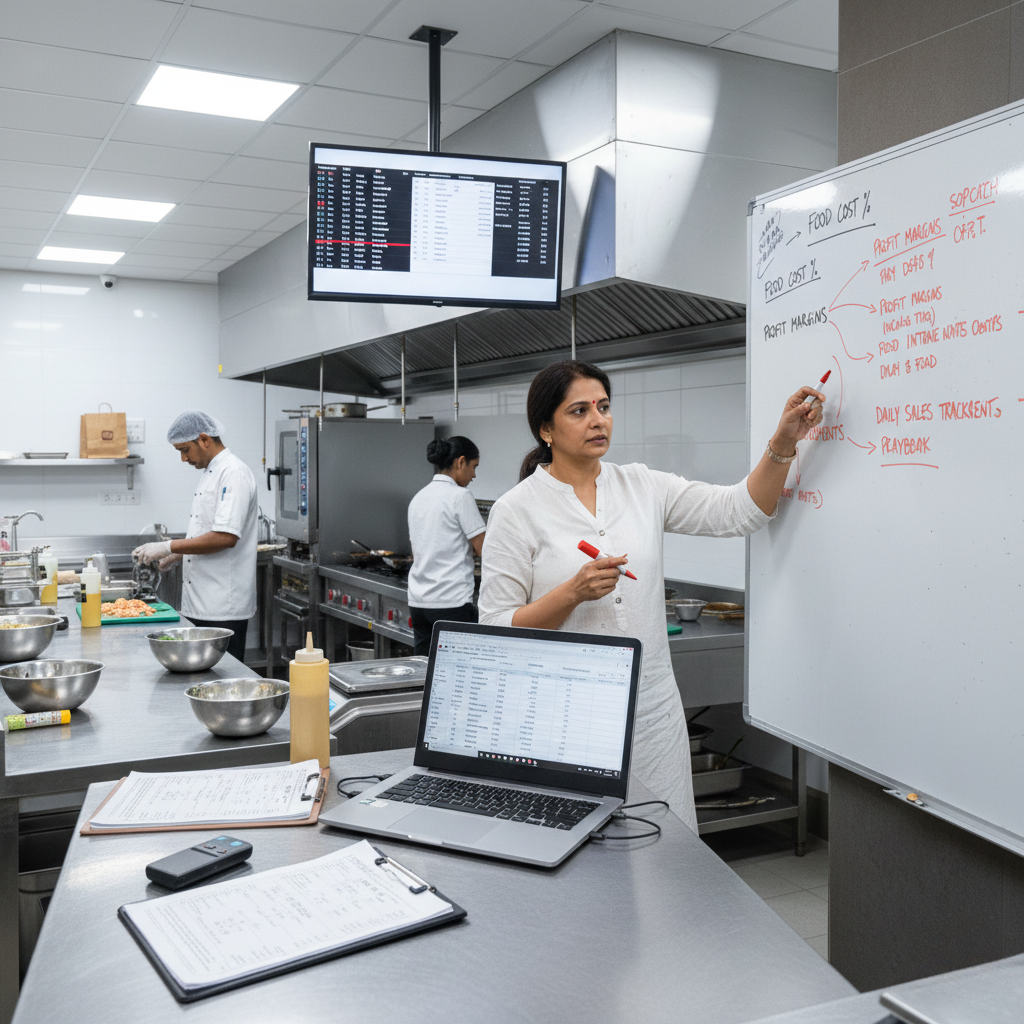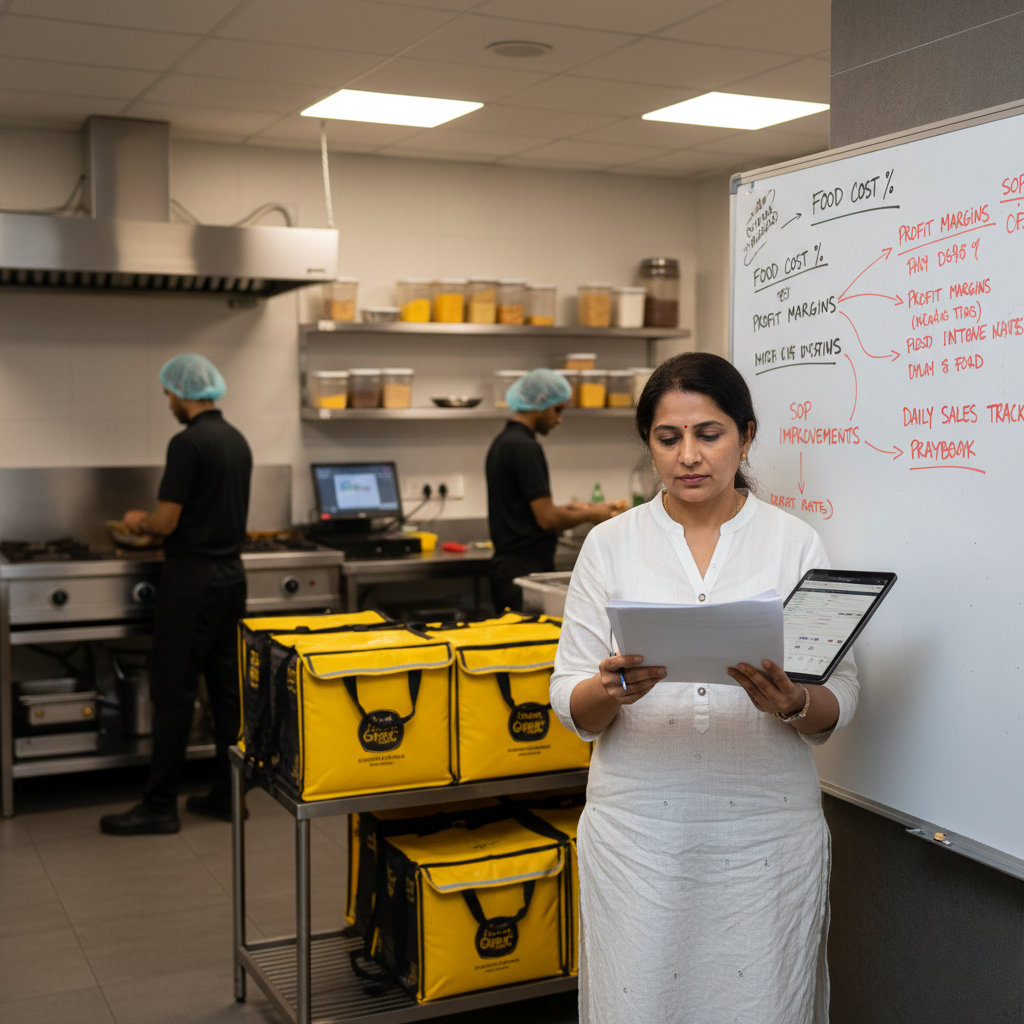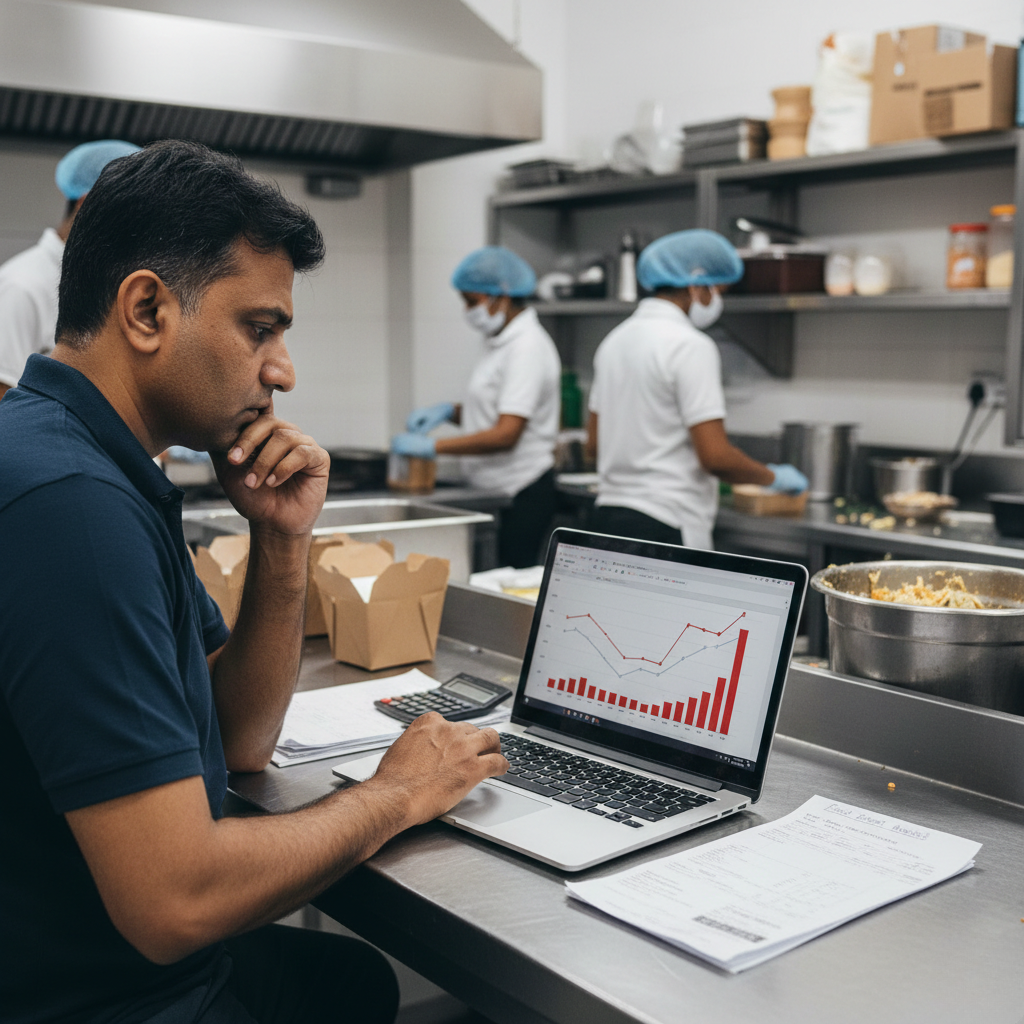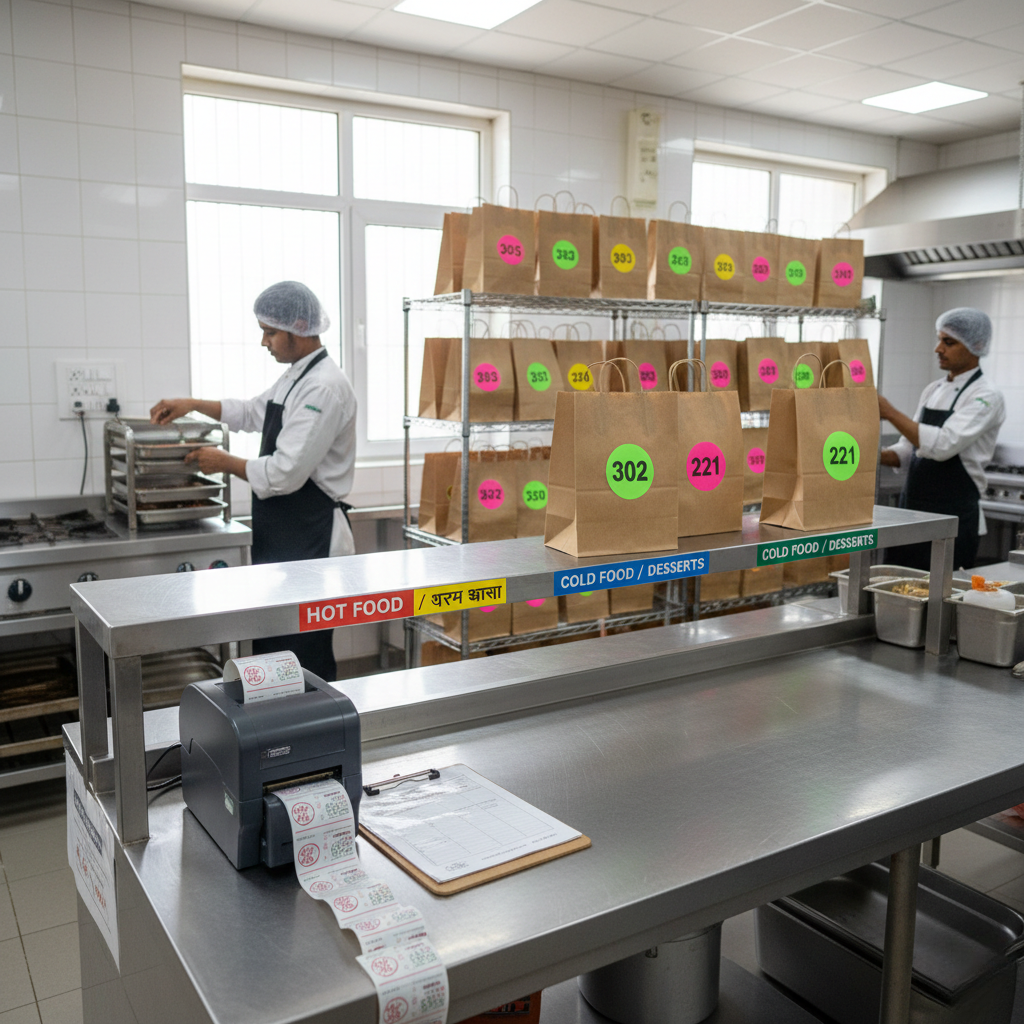
Labor Cost Benchmarks for Cloud Kitchens is one of the most misunderstood and mismanaged areas in cloud kitchen operations. Many founders either overstaff out of fear or understaff in the name of savings. Both decisions quietly destroy margins. Labor cost is not just about salaries. It reflects menu complexity, SOP maturity, shift design, and execution discipline. This guide explains what healthy labor cost benchmarks look like for cloud kitchens, why most kitchens get labor cost wrong, and how profitable operators design teams that scale without burning cash.
Why Labor Cost Is the Most Mismanaged Expense in Cloud Kitchens
Labor cost feels controllable. Hire fewer people. Pay lower salaries. Stretch shifts. In reality, labor cost is a system outcome, not a line item. Two kitchens with identical order volume can have very different labor percentages depending on menu design, SOPs, and role clarity.
To understand the full picture, start with Cloud Kitchen Business in India, How Many Staff Does a Cloud Kitchen Need, and Cloud Kitchen Unit Economics Explained.
What Labor Cost Actually Means in a Cloud Kitchen
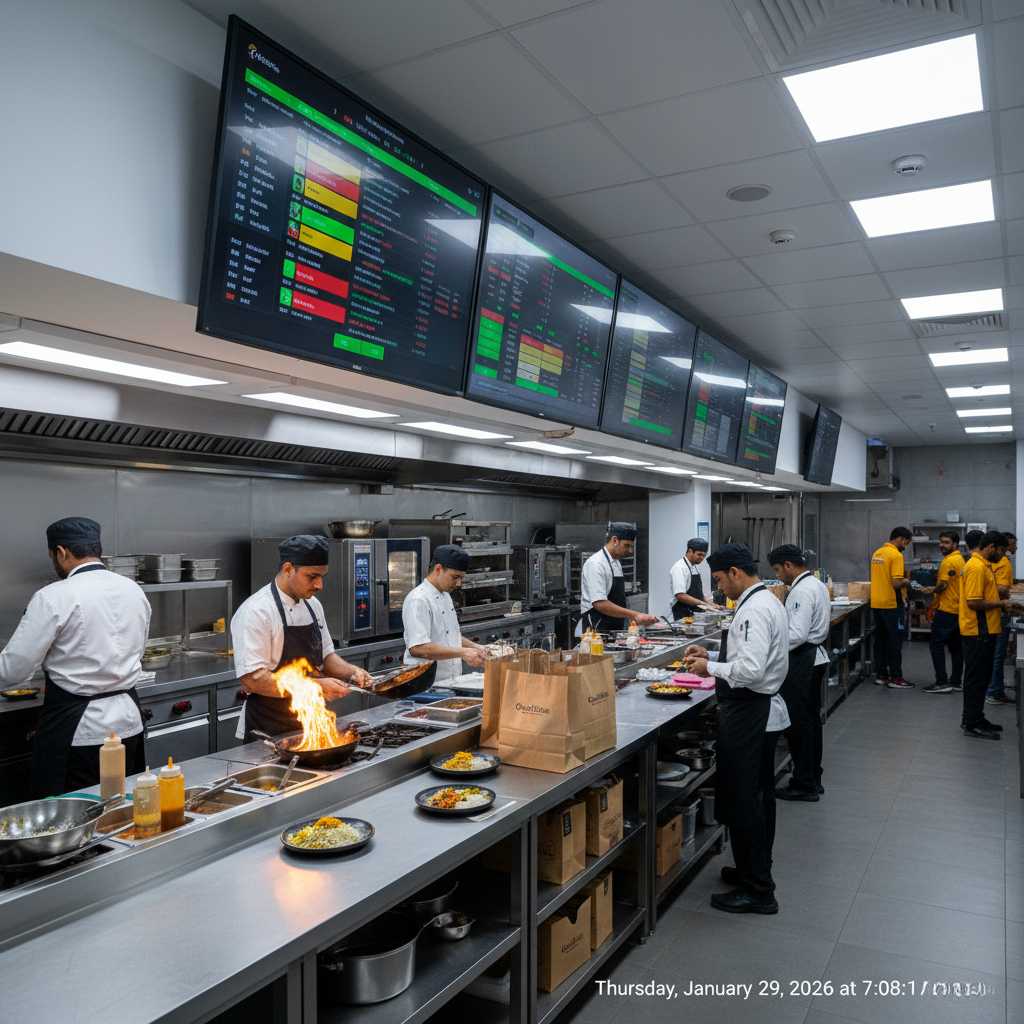
Labor cost is not just salaries. It includes wages, overtime, replacements, attrition, training time, and productivity loss. In cloud kitchens, labor cost directly impacts speed, quality, refunds, and customer ratings.
The Biggest Myth: “Lower Labor Cost Means Higher Profit”
Many founders try to reduce labor cost by cutting staff aggressively. This creates short-term savings but long-term damage. Understaffed kitchens experience delays, quality issues, refunds, and burnout.
Labor cost must be optimized, not minimized.
Healthy Labor Cost Benchmarks for Cloud Kitchens in India
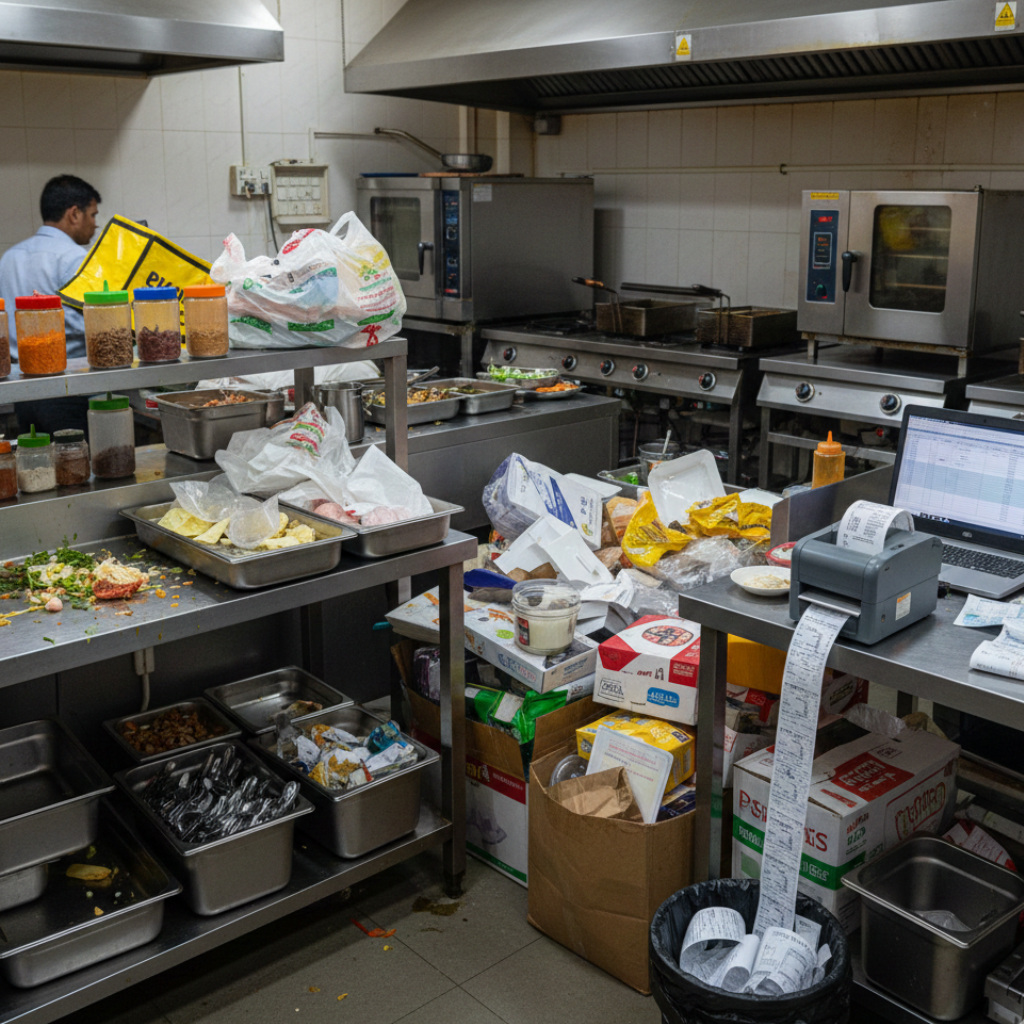
While exact numbers vary by cuisine and scale, profitable cloud kitchens typically operate within: 12–18% labor cost at stable scale, 18–22% during early growth, and above 25% indicates inefficiency.
Labor cost beyond this range usually signals menu or SOP problems, not just staffing issues.
Why Menu Design Directly Impacts Labor Cost
Complex menus require more prep, more cooking steps, and more skilled staff. Simple, repeatable menus reduce labor intensity. Labor cost is locked in at the menu planning stage, not during hiring.
Kitchens that ignore menu engineering overpay for labor forever.
Labor Cost and Contribution Margin Connection
Labor is a semi-variable cost. It must be covered by contribution margin per order. Kitchens with weak unit economics struggle to support healthy staffing without losses.
This is why labor benchmarks cannot be viewed in isolation.
This approach aligns with Harvard Business Review’s view on productivity-driven cost control , which emphasizes efficiency over headcount reduction.
Shift Design: The Hidden Lever in Labor Cost Control
Poorly designed shifts inflate labor cost through idle time and overtime. Profitable kitchens design shifts around demand peaks, not fixed hours.
Shift overlap must be intentional, not accidental.
Why SOPs Are Critical for Labor Cost Stability
SOPs reduce dependency on individual skill. Without SOPs, kitchens need experienced, higher-paid staff. With SOPs, tasks become trainable and repeatable.
SOPs convert labor from cost risk into predictable output.
How Inventory Discipline Reduces Labor Waste
Poor inventory planning increases labor load. Emergency prep, rework, and last-minute sourcing consume staff time. Inventory discipline indirectly protects labor cost.
Learn inventory discipline in Cloud Kitchen Inventory Management in India.
Multi-Brand Kitchens and Labor Cost Explosion
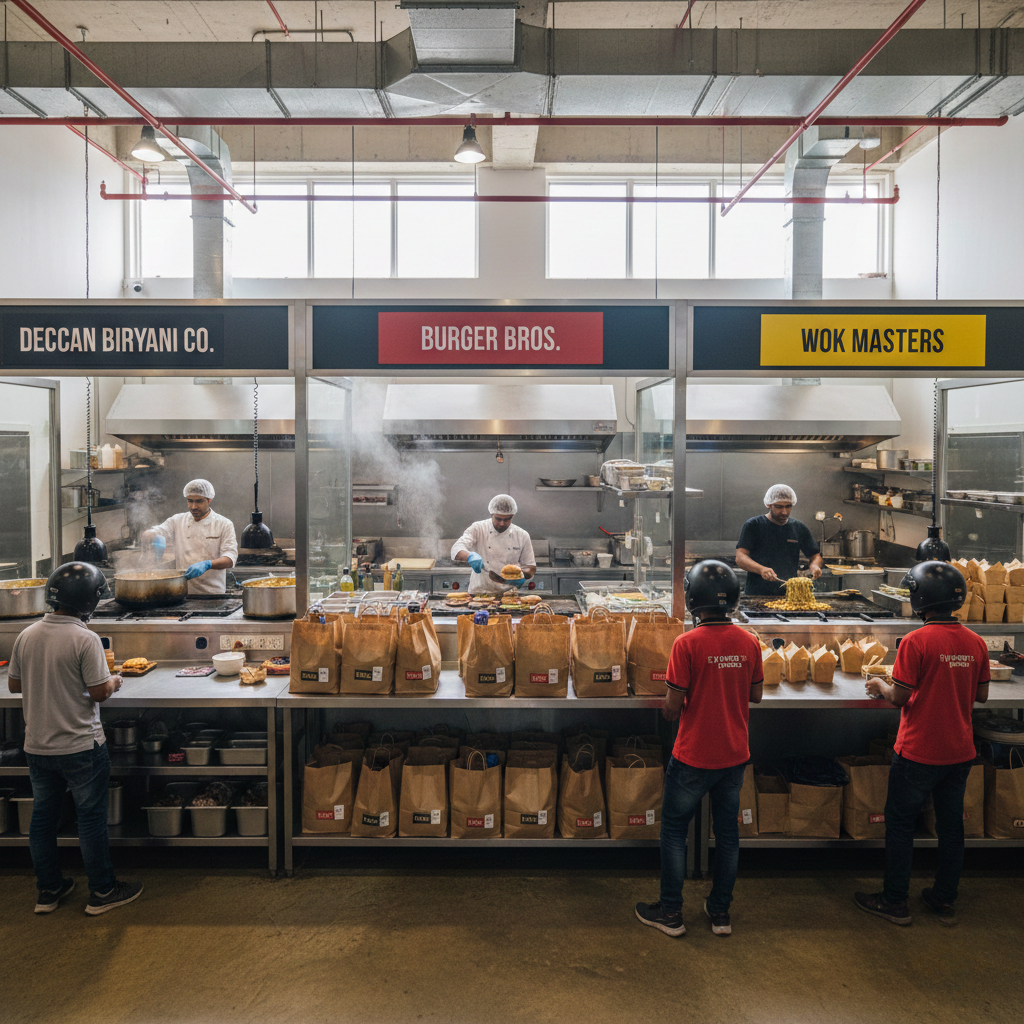
Each additional brand increases cognitive load on staff. Without unified SOPs, labor efficiency drops. Staff count rises without proportional output.
Labor cost improves only when brands share systems, not chaos.
Learn structured design in How to Build SOPs for Multi-Brand Cloud Kitchens.
Why Labor Cost Must Be Optimized Before Scaling
Scaling multiplies labor inefficiency. A 3% labor gap at low volume becomes a major margin drain at scale. Profitable kitchens stabilize labor benchmarks first, then grow.
This principle is central to Cloud Kitchen Scaling Strategy.
Labor Cost Benchmarks for Profitable Cloud Kitchens: Final Clarity
There is no single perfect labor percentage. Healthy labor cost depends on menu, SOPs, shift design, and execution maturity. Kitchens that treat labor as a system build teams that scale. GrowKitchen helps founders design staffing structures where labor cost supports growth, not erodes margins.
FAQs: Labor Cost Benchmarks for Cloud Kitchens
What is a healthy labor cost percentage?
Typically 12–18% for stable kitchens.
Is lower labor cost always better?
No. Understaffing creates hidden losses.
How often should labor cost be reviewed?
Monthly, weekly during rapid growth.
Do SOPs really reduce labor cost?
Yes. SOPs improve productivity per person.