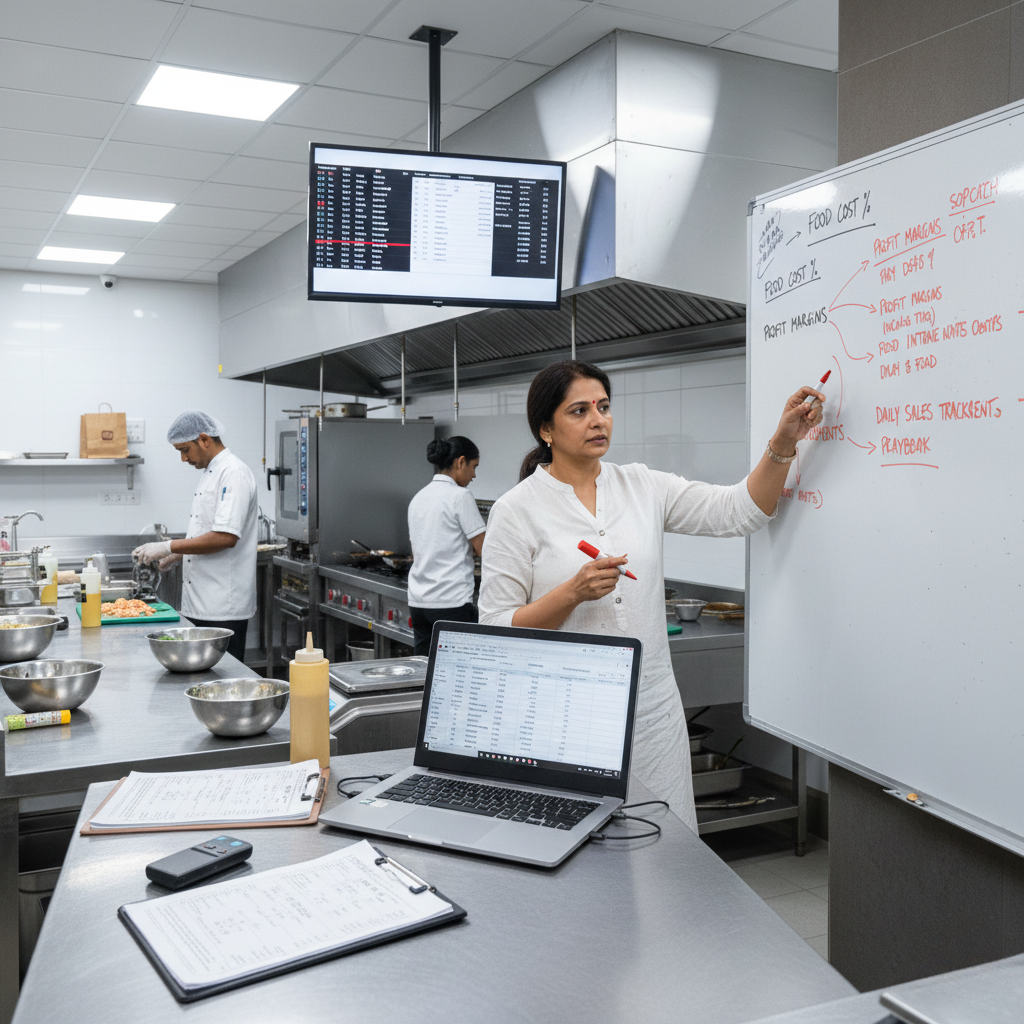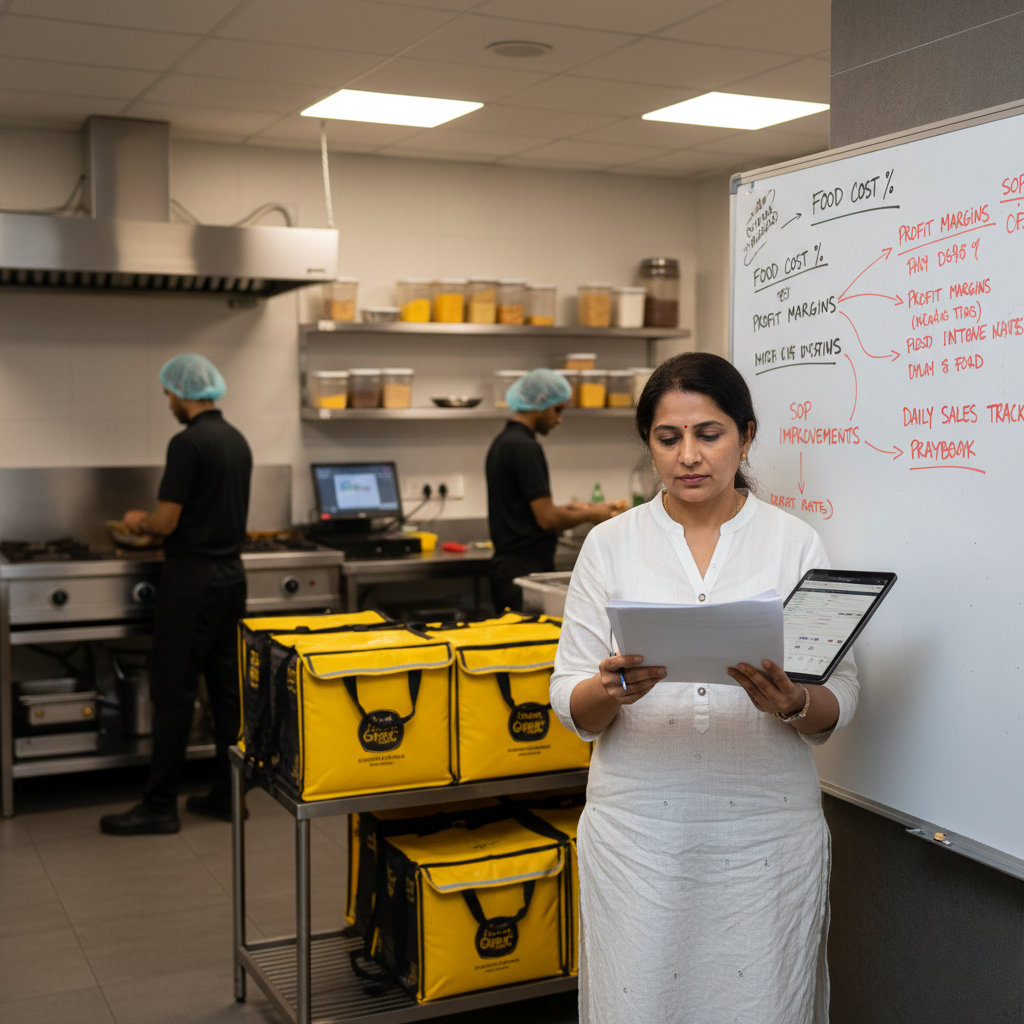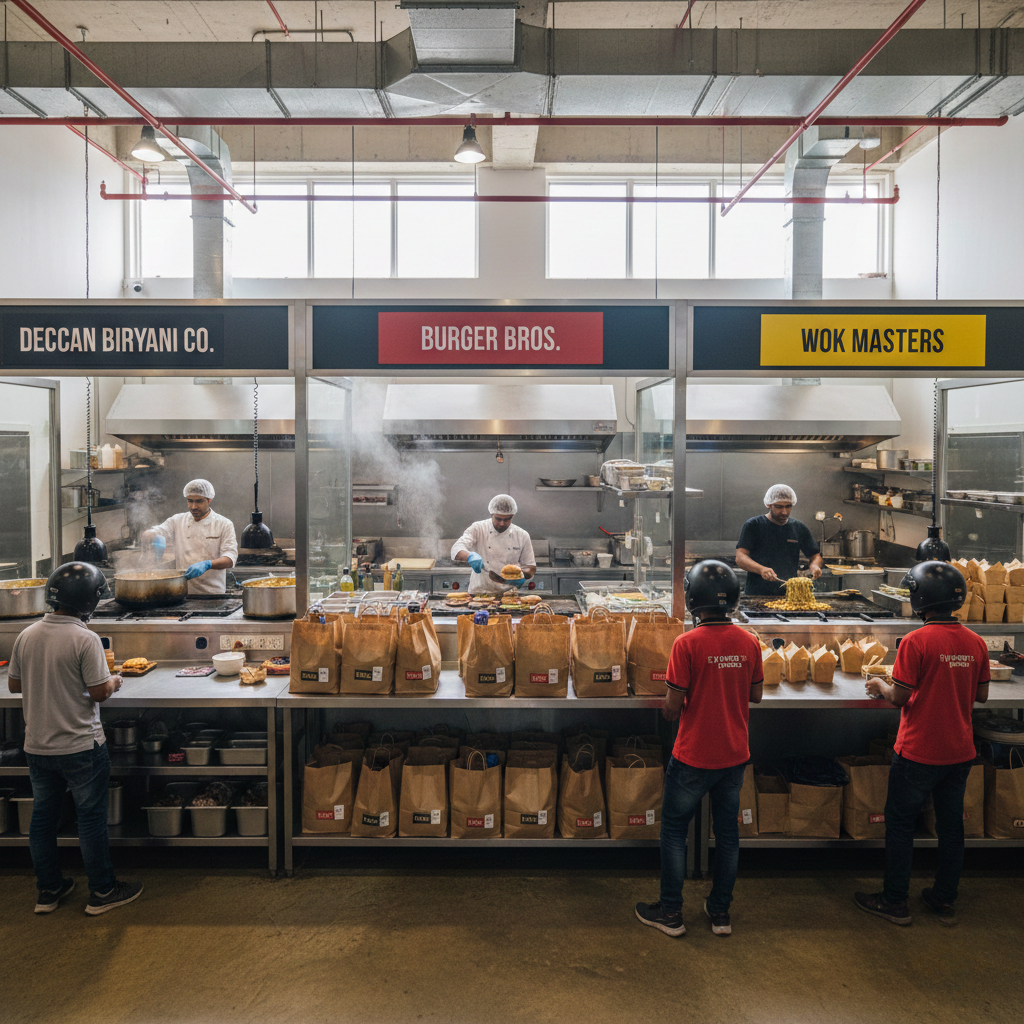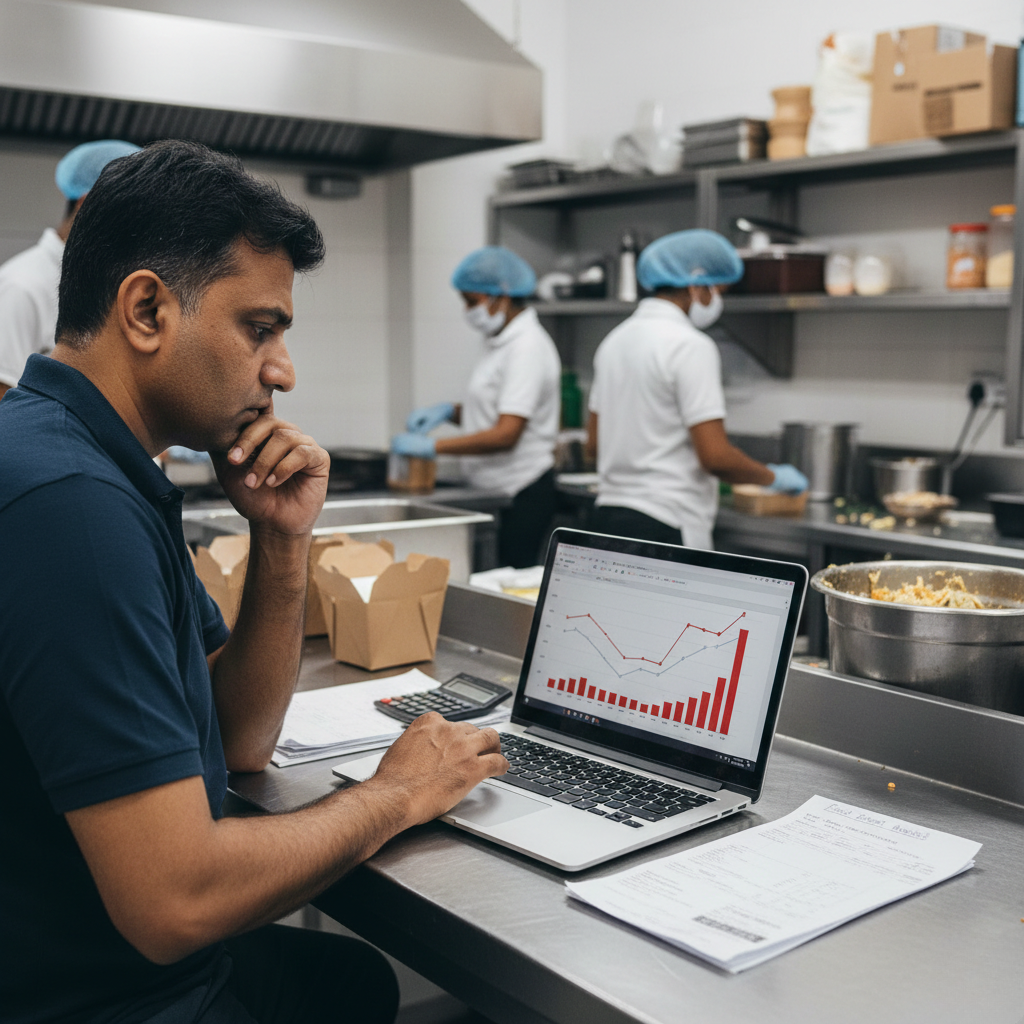
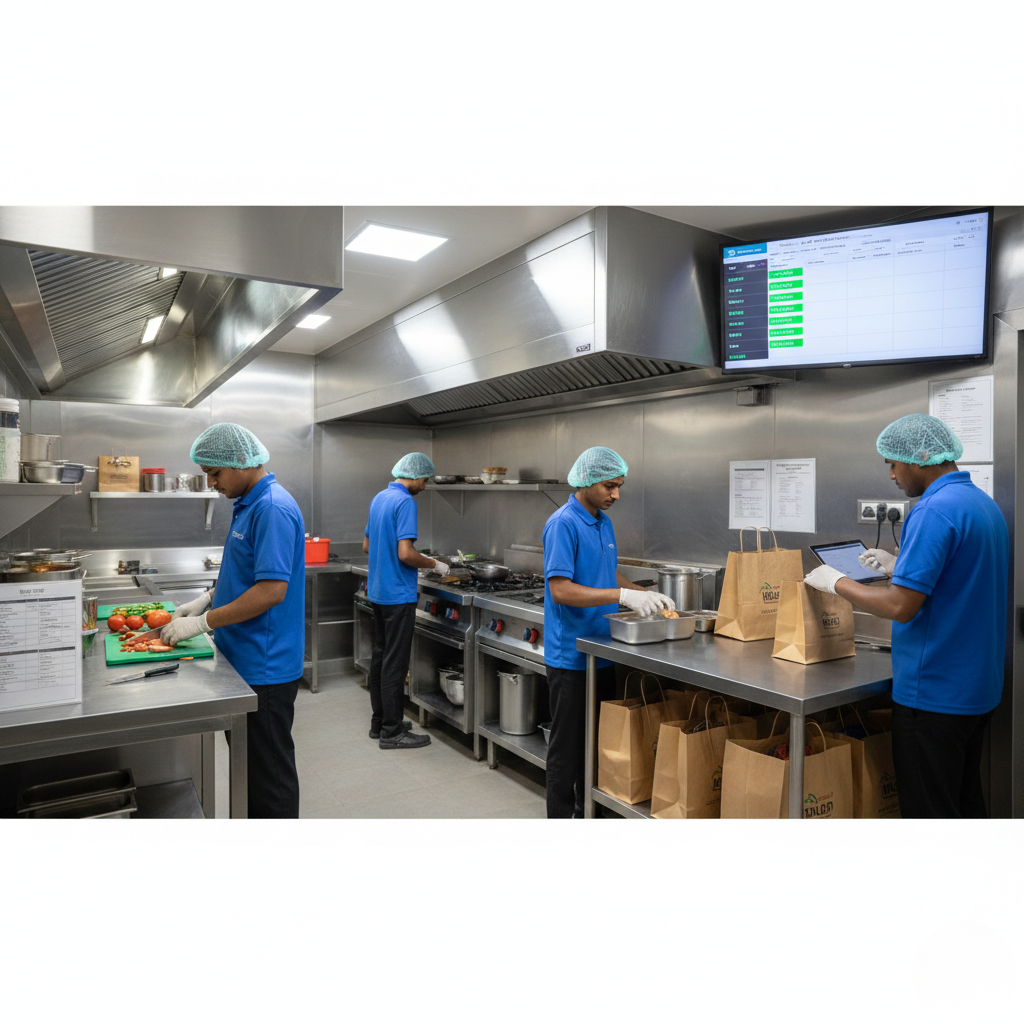
Building Founder-Free Cloud Kitchen Operations is the turning point between a stressful owner-managed kitchen and a scalable, resilient food business. Most cloud kitchens in India depend heavily on founders for daily decisions, supervision, and firefighting. This dependency works temporarily, but it breaks down as order volume increases. This guide explains what founder-free operations actually mean, why most kitchens struggle to reach this stage, and how structured systems allow businesses to run without constant founder involvement. Cloud Kitchen Operations Consultant.
Why Founder-Free Operations Matter in Cloud Kitchens
In the early days, founder involvement is unavoidable. Founders hire staff, define menus, manage suppliers, and solve daily problems. Over time, however, what begins as leadership turns into dependency. Kitchens perform well only when the founder is present. Decisions slow down when the founder is unavailable. Founder-free operations do not remove ownership. They remove operational fragility.
This challenge is closely linked to Why High Staff Turnover Kills Cloud Kitchens.
What Founder-Free Cloud Kitchen Operations Actually Mean
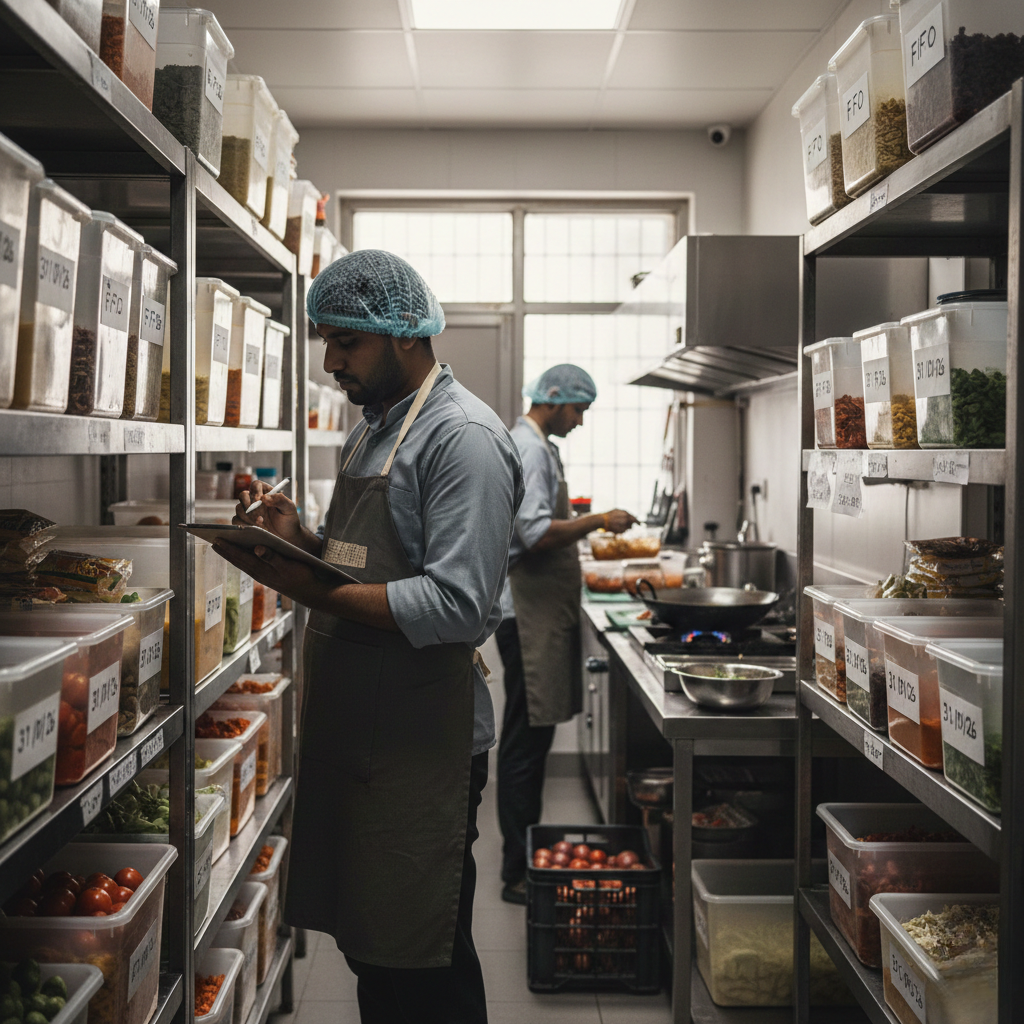
Founder-free does not mean founder-absent. It means daily execution does not depend on the founder’s presence, approval, or emotional energy. Teams operate through systems, supervisors manage flow, and decisions follow documented rules.
The Biggest Myth About Founder-Free Operations
Many founders believe founder-free operations reduce control. In reality, lack of systems reduces control. Founder-free kitchens are more predictable, measurable, and stable. Control shifts from people to processes.
Why Most Kitchens Never Become Founder-Free
Kitchens fail to reach founder-free operations because systems are built too late. Early growth hides inefficiencies. Founders compensate with longer hours and constant intervention. This creates invisible dependency that becomes harder to remove over time.
SOPs as the Foundation of Founder-Free Execution
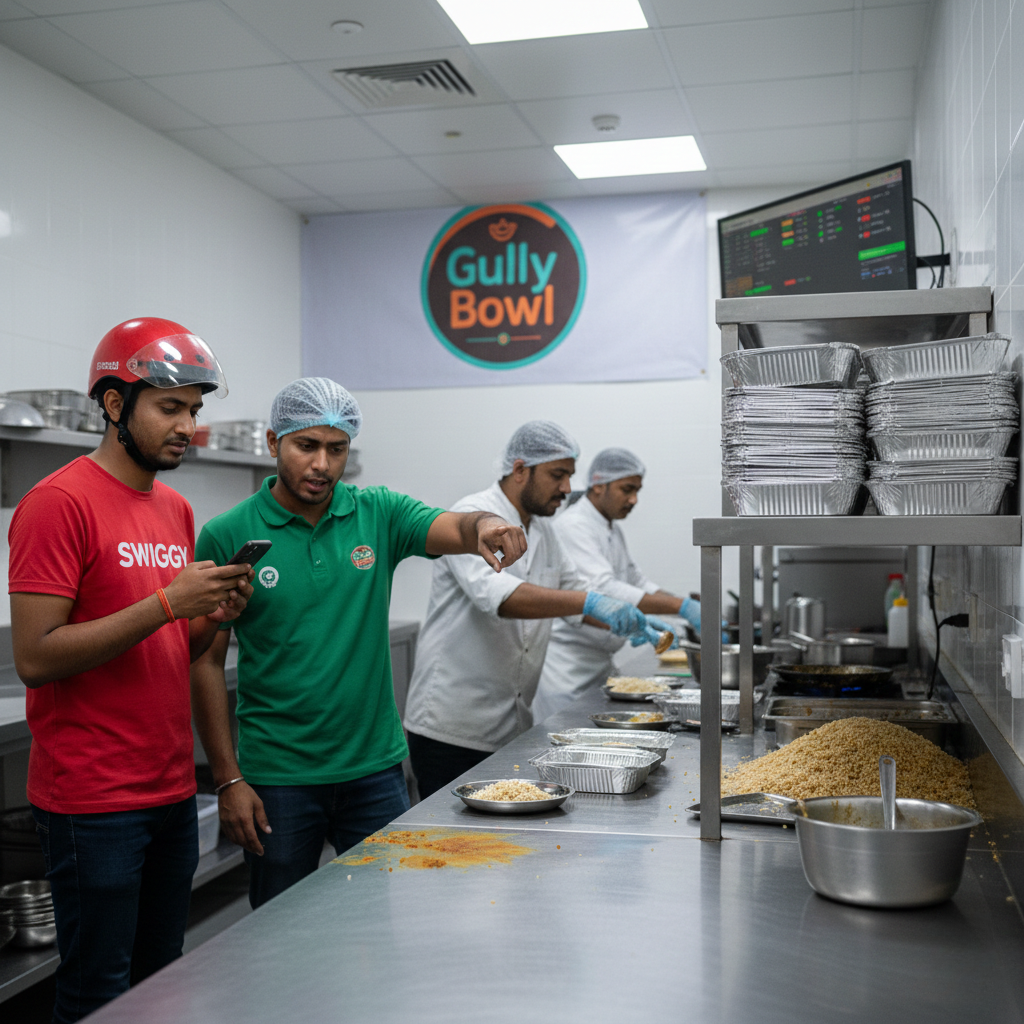
SOPs document how work happens when no one is watching. They replace verbal instructions, memory-based decisions, and daily clarifications. Strong SOPs cover prep, cooking, packing, dispatch, hygiene, and escalation. This documentation is essential for consistent execution.
Learn the basics in Kitchen SOPs Every Cloud Kitchen Must Have.
Role Clarity Enables Founder-Free Decision-Making
Founder dependency increases when roles are unclear. In founder-free kitchens, each role owns outcomes, not just tasks. Decisions are made at the right level, reducing upward escalation.
Why Supervisors Are Critical for Founder-Free Kitchens
Supervisors protect systems. They enforce SOPs, resolve first-level issues, and monitor performance. Without supervisors, founders remain the default problem-solvers.
Operational Discipline Without Founder Presence
Discipline cannot depend on supervision alone. Checklists, audits, and reporting systems enforce discipline consistently. This removes the need for constant monitoring.
Founder-Free Operations in Multi-Brand Cloud Kitchens
Multi-brand kitchens amplify complexity. Without systems, founders become the single source of clarity. Brand-wise SOPs and structured workflows allow teams to operate independently. Learn structural design in How to Build SOPs for Multi-Brand Cloud Kitchens.
Why Founder-Free Operations Are Essential for Scaling
Scaling requires replication. Founder-led execution cannot be replicated reliably. Systems allow new kitchens to perform consistently from day one. Related strategies in Cloud Kitchen Scaling Strategy.
Building Founder-Free Cloud Kitchen Operations: Final Takeaway
Founder-free operations are not a luxury. They are a requirement for sustainable growth. Systems replace stress. Structure replaces firefighting. Kitchens that build founder-free operations scale faster with fewer failures. Frameworks from GrowKitchen help founders step back without losing control.
FAQs: Founder-Free Cloud Kitchen Operations
Does founder-free mean no involvement at all?
No. It means no dependency for daily execution.
Can small kitchens become founder-free?
Yes. Smaller teams adapt faster to systems.
How long does it take to build founder-free operations?
Core systems can be implemented within weeks.
Do systems reduce flexibility?
They reduce chaos while preserving control.