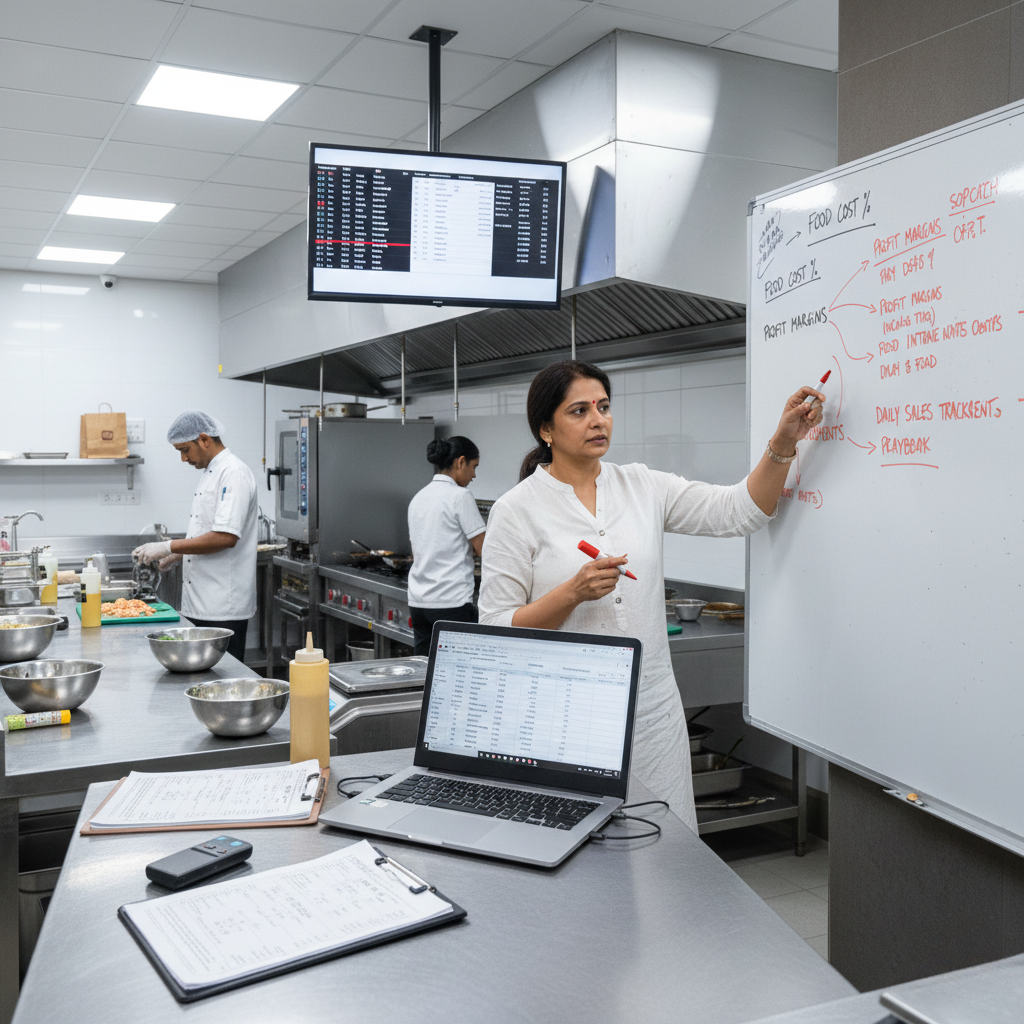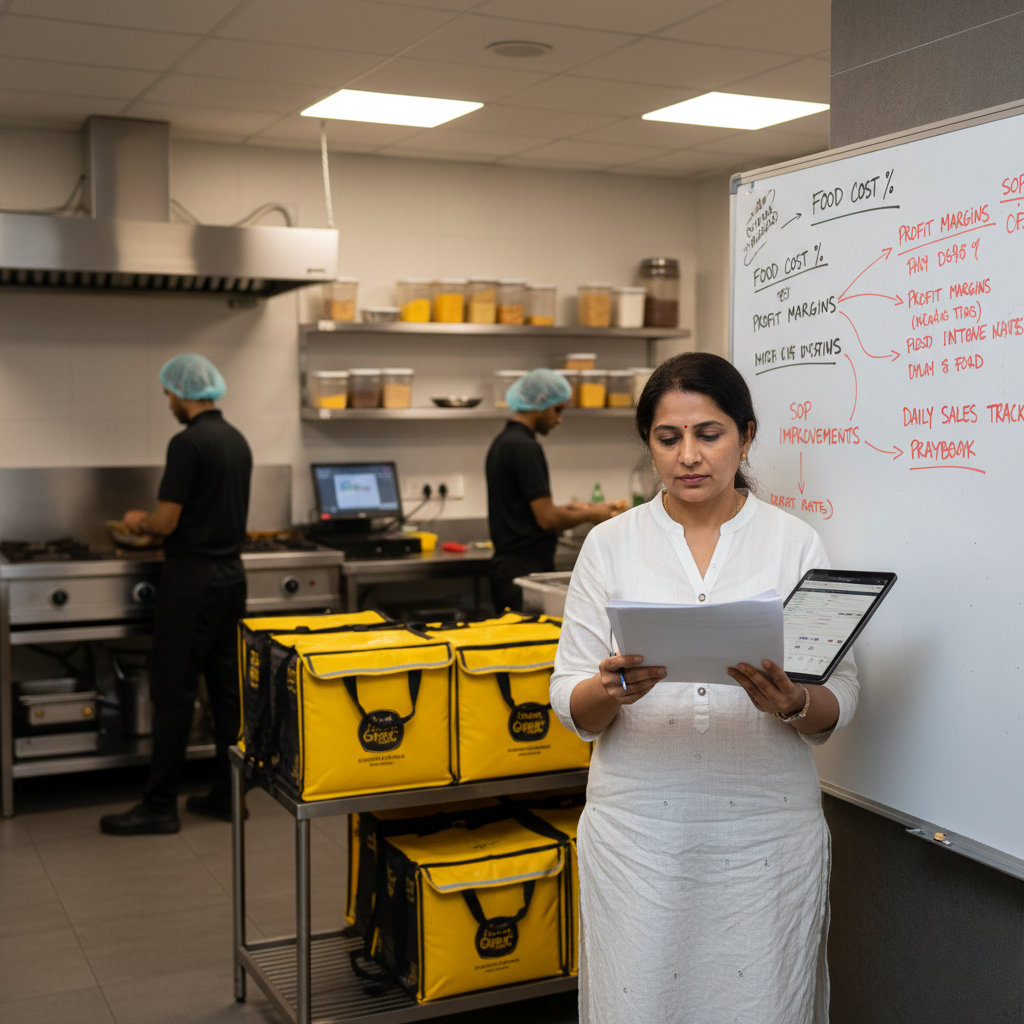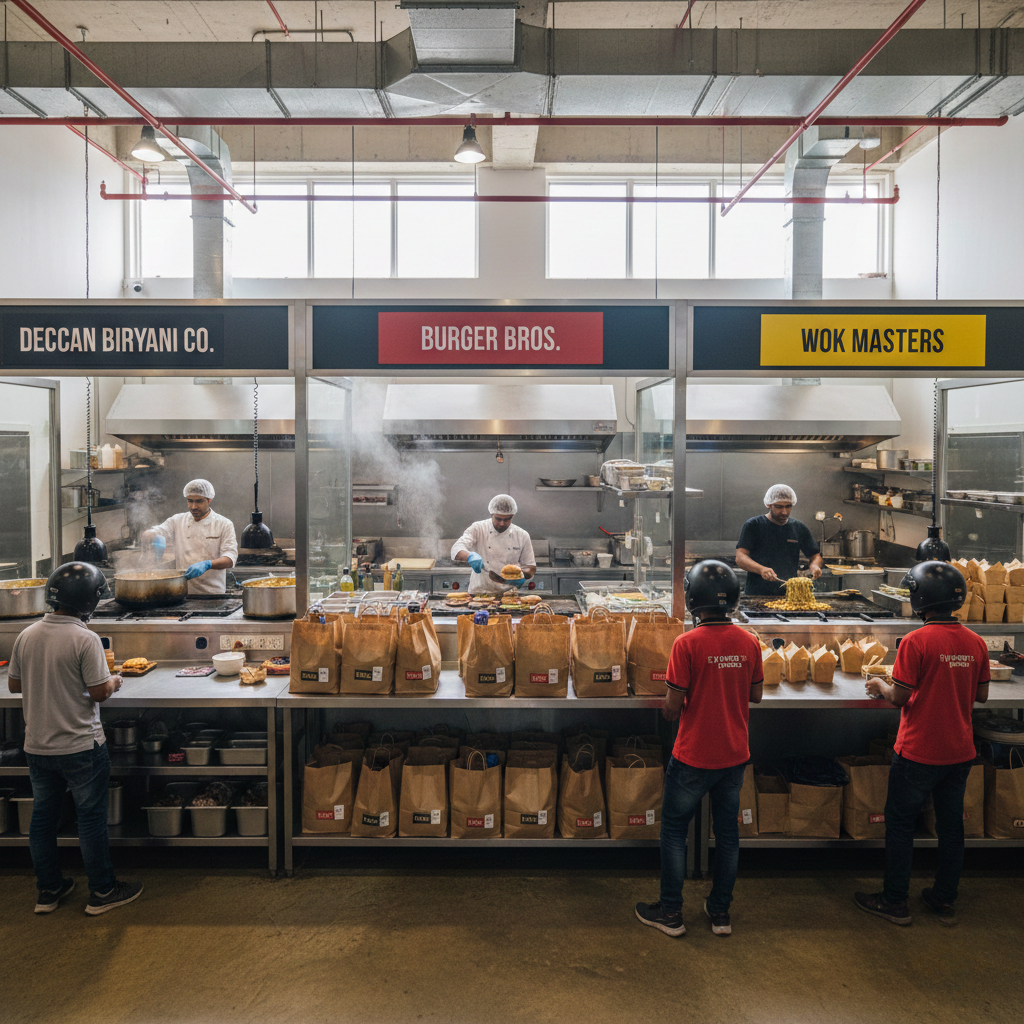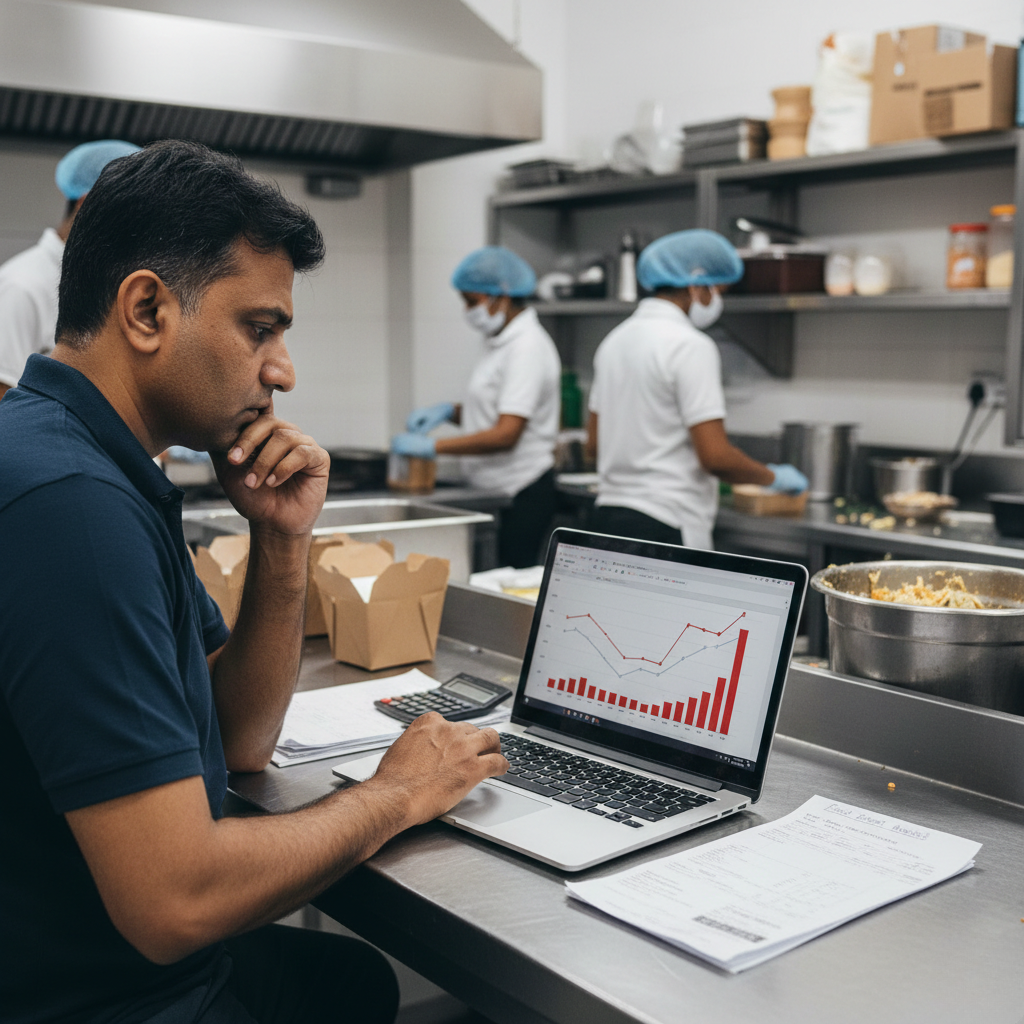
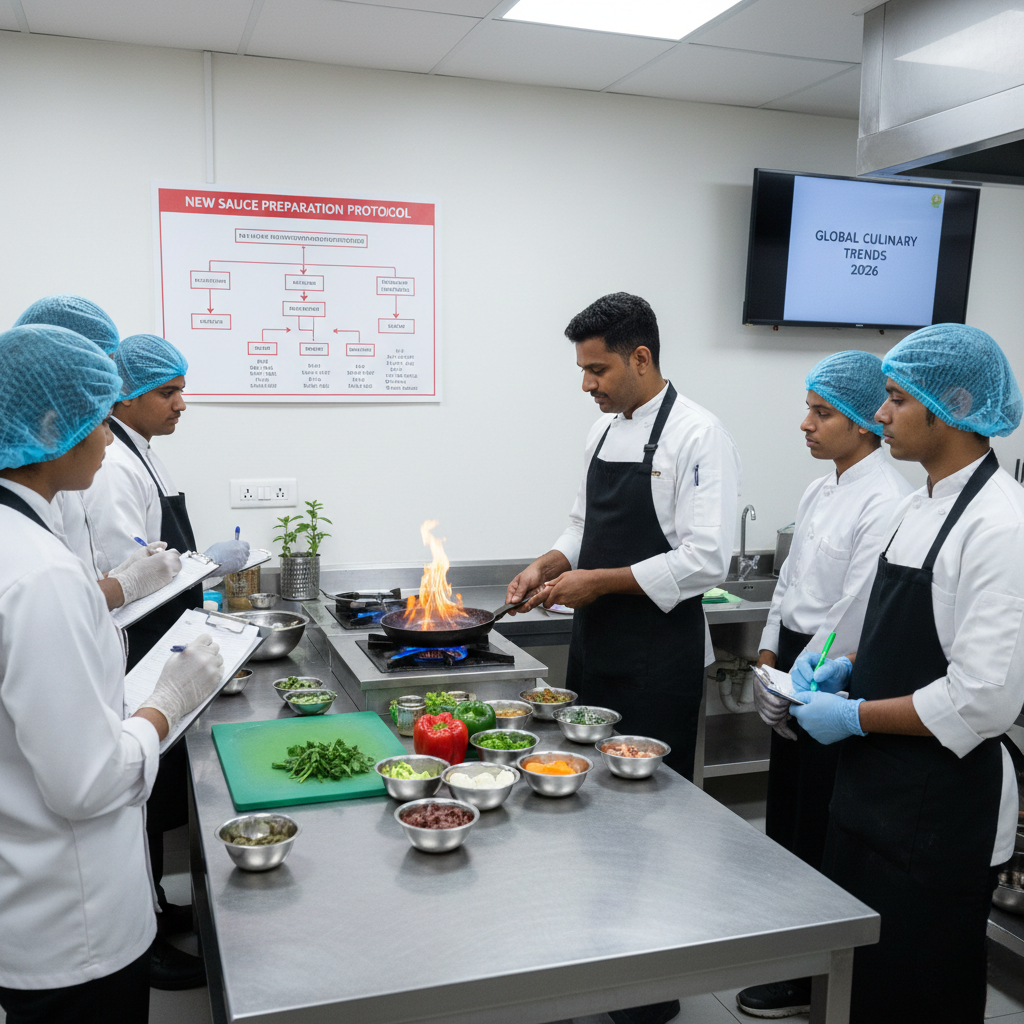
Staff Planning at Different Order Volumes is one of the most critical yet misunderstood operational challenges faced by cloud kitchen founders. Many kitchens hire staff based on gut feeling, competitor comparison, or worst-case fear. The result is either overstaffing that kills margins or understaffing that destroys service quality. This guide explains staff planning for cloud kitchens at different order volumes, how staffing needs change as orders increase, and how operations-driven planning protects profitability, consistency, and scalability.
Why Staff Planning for Cloud Kitchens at Different Order Volumes Is Not Linear
Many founders assume staffing should increase in direct proportion to order volume. In reality, cloud kitchen staffing grows in phases, not straight lines. A kitchen handling 50 orders a day does not simply double staff at 100 orders. This misunderstanding is why staff planning for cloud kitchens at different order volumes becomes a margin-destroying mistake.
To understand the ecosystem, start with Cloud Kitchen Operations Consultant and Cloud Kitchen Business in India and Common Operational Mistakes in Cloud Kitchens.
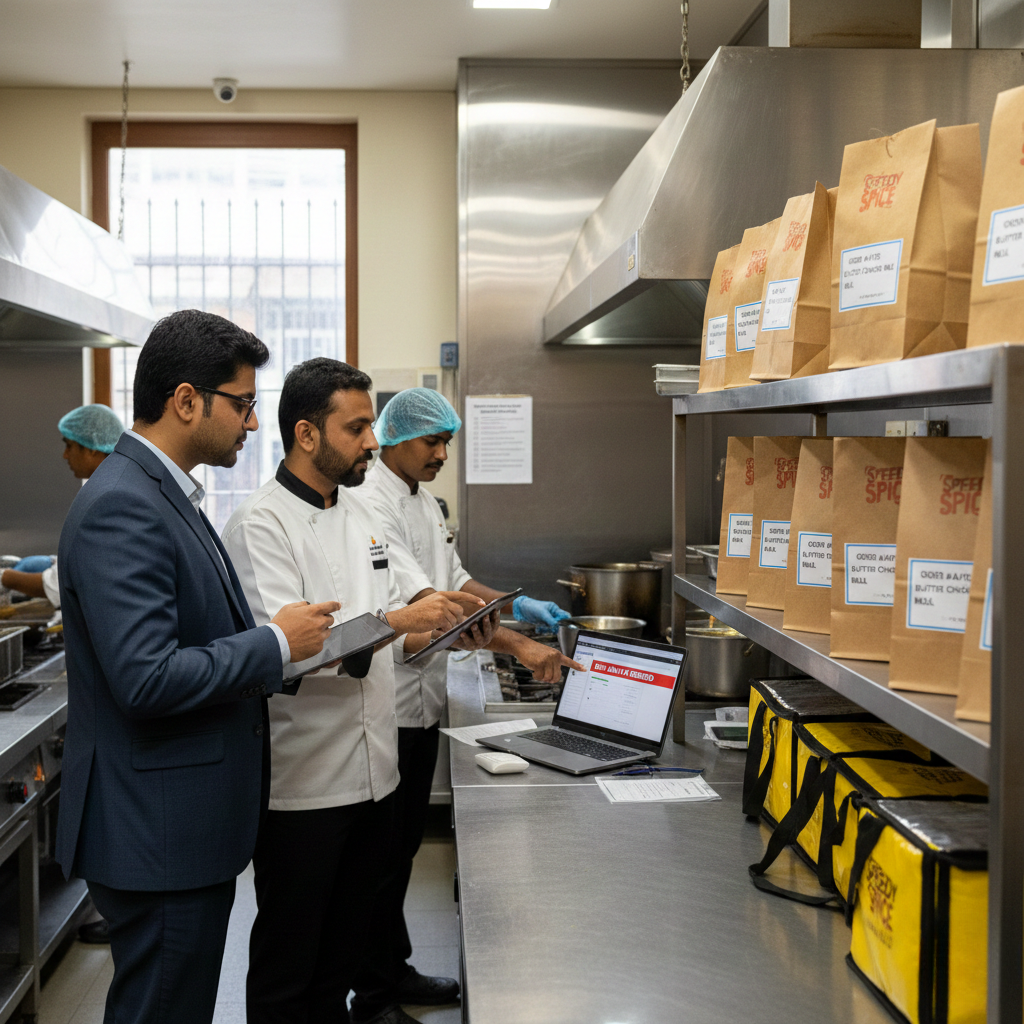
Understanding Staff Planning as Volume-Based System Design
Staff planning is not about counting people. It is about designing workload distribution. Kitchens with clear SOPs can absorb higher order volumes without proportional staff increase.
Staff Planning for Cloud Kitchens at Low Order Volumes (0–50 Orders/Day)
At low order volumes, cloud kitchens usually operate with lean teams. Roles are combined: prep staff assist in cooking, cooks help with packing, and founders supervise dispatch. This phase is highly founder-dependent and fragile without SOPs. Kitchens that document processes early survive this phase with fewer staff.
Why Role Combination Works Only at Low Order Volumes
Combining roles reduces headcount but increases cognitive load. At low volume, this trade-off is manageable. As volume grows, role combination leads to errors, delays, and burnout.
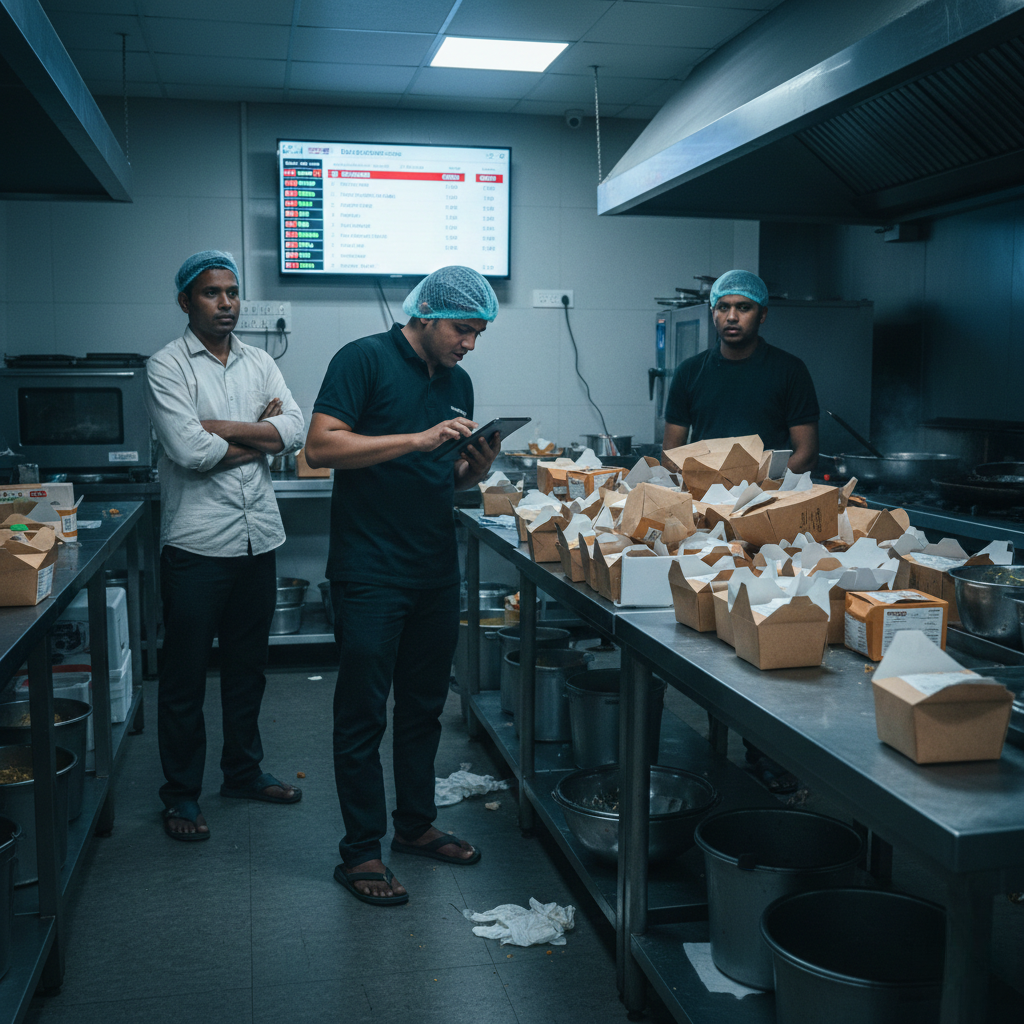
Staff Planning for Cloud Kitchens at Medium Order Volumes (50–150 Orders/Day)
This is the most dangerous growth phase. Order volume increases, but staffing structure often remains unchanged. Kitchens delay hiring to protect margins, leading to service breakdown. At this stage, separating prep, cooking, and dispatch roles becomes essential.
Prep Staff Planning at Increasing Order Volumes
Prep workload grows faster than cooking workload. Without prep SOPs, kitchens add more cooks instead of fixing prep. Proper prep planning reduces total staff required.
Learn prep structure in Prep SOP vs Service SOP Explained.
Cooking Staff Planning Based on Menu and Volume
Cooking staff requirements depend on menu complexity more than order count. Focused menus scale with fewer cooks. Large menus force early staff expansion. This is why operations-first kitchens control menu before hiring.
Dispatch Staffing: The First Role That Must Be Dedicated
Dispatch errors increase exponentially with volume. At medium order volumes, one dedicated dispatch role reduces refunds and complaints dramatically.
This stage benefits the most from Cloud Kitchen Dispatch SOP.
Staff Planning for Cloud Kitchens at High Order Volumes (150–400 Orders/Day)
High-volume kitchens require role specialization. Prep, cooking, packing, dispatch, and inventory must be clearly separated. Supervisory roles become mandatory, not optional.
Inventory Staff Planning as Order Volume Grows
Inventory complexity increases silently. At high volume, lack of inventory ownership causes wastage and stockouts. Dedicated inventory responsibility reduces total staff inefficiency.
Learn inventory discipline in Cloud Kitchen Inventory Management in India.
When Staff Planning Requires Supervisors
Founders cannot manage high-volume kitchens alone. Supervisors absorb daily decisions, escalations, and coordination. Without SOPs, supervisors add cost without control.
Staff Planning for Multi-Brand Cloud Kitchens at Different Order Volumes
Multi-brand kitchens increase complexity faster than volume. Packing and quality control usually need expansion before cooking staff.
Learn structured design in How to Build SOPs for Multi-Brand Cloud Kitchens.
Balancing Staff Cost and Productivity at Each Order Volume
Overstaffing feels safe but silently destroys margins. Understaffing saves salary but increases refunds and burnout. SOP-driven productivity allows fewer staff to handle higher volume.
Learn margin fundamentals in Cloud Kitchen Profit Margin in India.
Staff Planning for Cloud Kitchens at Different Order Volumes While Scaling
Scaling should increase output per person, not just headcount. Kitchens with strong SOPs scale volume faster than staffing.
This principle is central to Cloud Kitchen Scaling Strategy.
Staff Planning for Cloud Kitchens at Different Order Volumes: Final Takeaway
There is no universal staffing number. Staff planning for cloud kitchens at different order volumes depends on systems, menu, and execution discipline. Kitchens that invest in SOPs need fewer people, operate with less stress, and scale more predictably.
Staffing frameworks from GrowKitchen help founders design teams that grow intelligently with demand.
FAQs: Staff Planning for Cloud Kitchens at Different Order Volumes
Can staff remain the same as order volume doubles?
Yes, temporarily, if SOPs and role clarity exist.
When should new staff be added?
When workload exceeds sustainable throughput per role.
Is overstaffing safer than understaffing?
No. Both damage profitability in different ways.
Do SOPs reduce staff requirement?
Yes. SOPs improve productivity per staff member.